
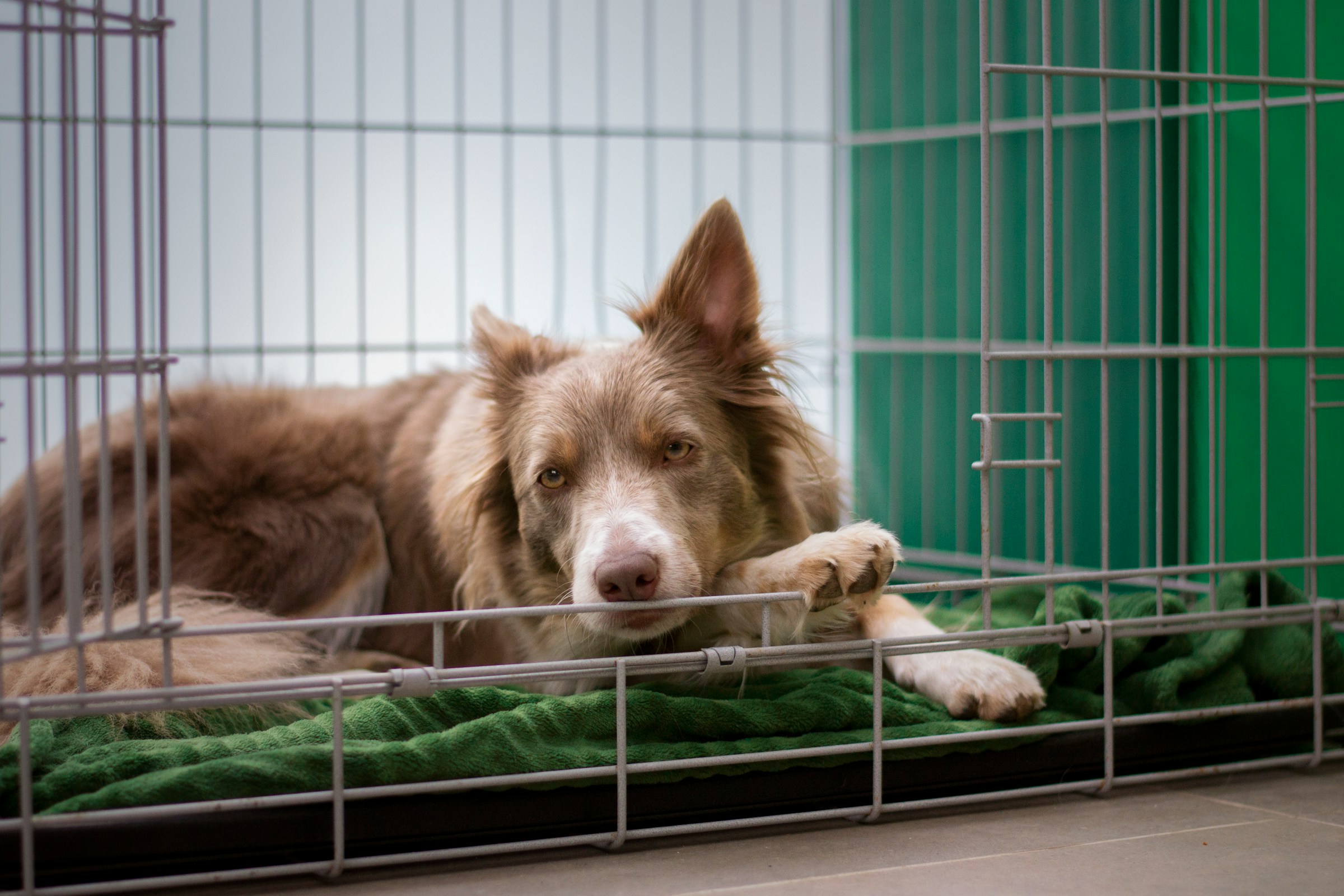
You think drop-off is just paperwork, a leash handoff, and a quick “be good” kiss on the head. Behind the counter, though, someone is already running a silent diagnostic on your dog – and on you – before you’ve even finished signing the form.
Experienced kennel staff can read a dog’s entire risk profile in under five minutes, often faster than a vet exam. What they notice in that tiny window quietly shapes everything from which run your dog gets to whether they eat dinner that night. Here’s what they’re actually clocking – and almost never say out loud.
#12 – Your Dog’s Body Language Before You Even Speak

Staff watch your dog before they glance at your forms. Are they pulling toward the door to explore, plastered against your leg, or scanning the room like a security camera on a swivel? Within seconds, a trained eye can spot fear, overstimulation, or easy confidence just from posture alone.
They’re quietly tracking tucked tails, “whale eye” (that sliver of white showing), lip licking, and full-body shake-offs the moment you walk through the door. A dog that freezes and won’t touch a treat in a calm lobby is already a flag for stress. Oddly enough, the dog who slams into every stranger with wild enthusiasm can worry staff just as much, because that same energy in a group setting often turns into a problem fast.
- How your dog might handle barking neighbors down the hallway.
- Whether they’ll need extra time alone to decompress before joining others.
#11 – How Much You Are Amplifying Their Anxiety

Staff aren’t only watching the dog – they’re watching you, and the shift can happen instantly. If your voice climbs into a high, wobbly register, if you over-explain everything twice, or if you turn goodbye into a five-minute farewell speech, your dog’s stress spikes right along with yours.
They notice owners who grip the leash too tight, crouch down for one last emotional pep talk, or keep circling back for “just one more hug.” Every bit of it tells the dog something scary is happening. Ironically, the owner insisting “he’s very sensitive, he’ll be a wreck” while petting frantically is often the one manufacturing the exact meltdown they’re afraid of. Calm owners who hand off the leash, say a simple “see you later,” and walk out tend to have dogs who settle within minutes.
- Dog anxious, owner calm – staff consider this workable.
- Dog anxious, owner anxious – staff mentally flag it as a tougher case.
#10 – The Leash, Collar, and Harness Situation
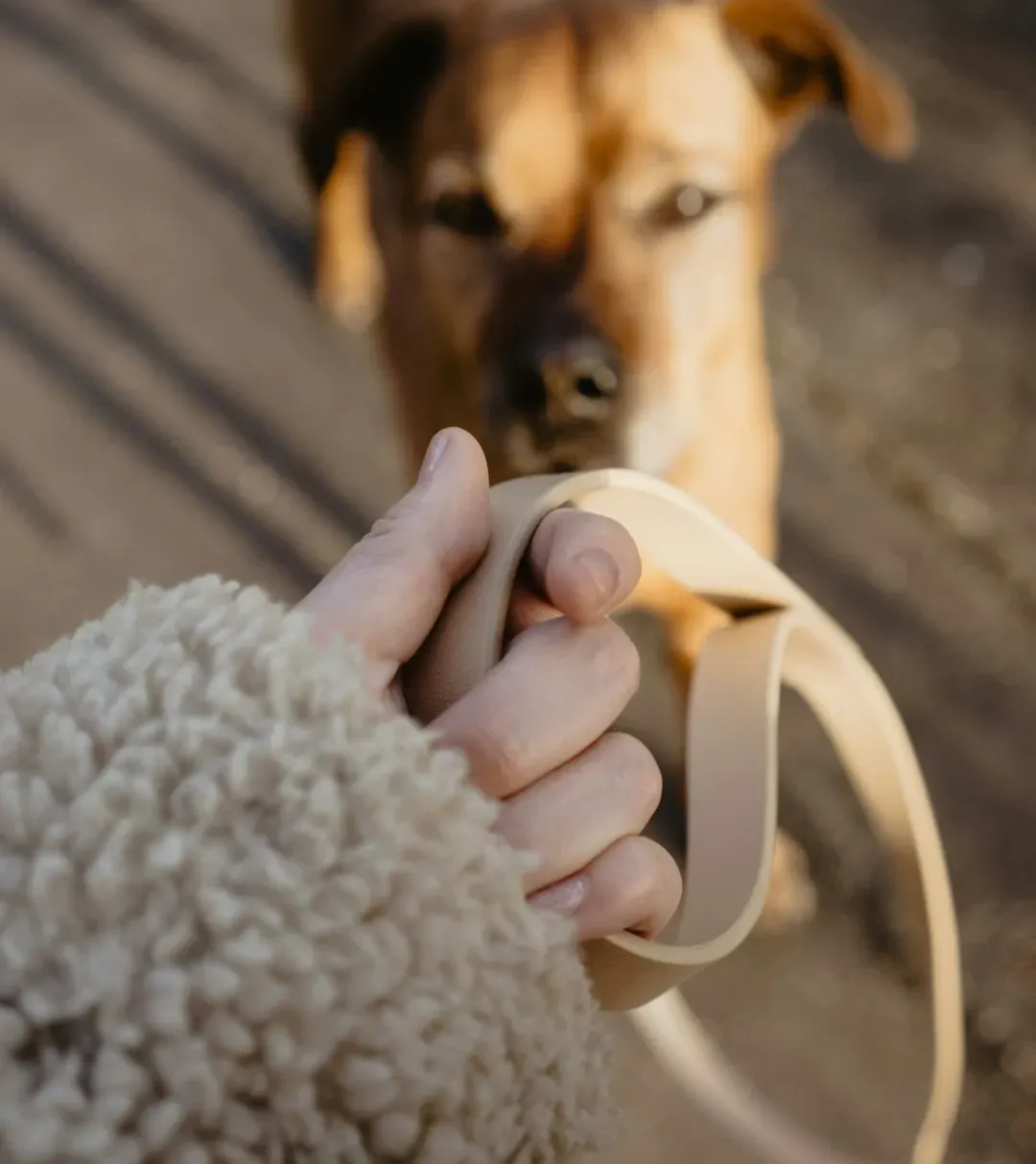
Before a single form gets signed, someone is already inspecting your dog’s gear with a trained, slightly suspicious eye. A loose slip lead, a prong collar fitted wrong, or a harness a size too big all scream “flight risk” to anyone who has watched a dog back out of one in under a second.
They quietly check whether the collar is snug enough to prevent slipping, whether the harness style is one known for escape artistry, and whether there’s an actual ID tag with a phone number that still works. Staff will often swap your gear for a double-clip lead or a martingale collar just to walk your dog safely to the run – even if nobody mentions why. A panicked dog paired with bad equipment is their least favorite combination, and mismatched gear adjusted for none of it makes them plan for extra caution before you’ve even left the parking lot.
- Is the collar snug enough that it can’t slip over the head?
- Is the harness a style known for “backing out” escapes?
- Is there a working ID tag with a current phone number?
Fast Facts
- Slip leads and loose-fitting collars are among the most common ways dogs escape during check-in.
- Martingale collars and double-clip leads add security without choking risk.
- Certain breeds and body shapes are notorious for “backing out” of standard harnesses.
- A working ID tag still matters inside a secure facility – gates and doors get opened by accident.
#9 – Your Dog’s Coat, Nails, and General Upkeep
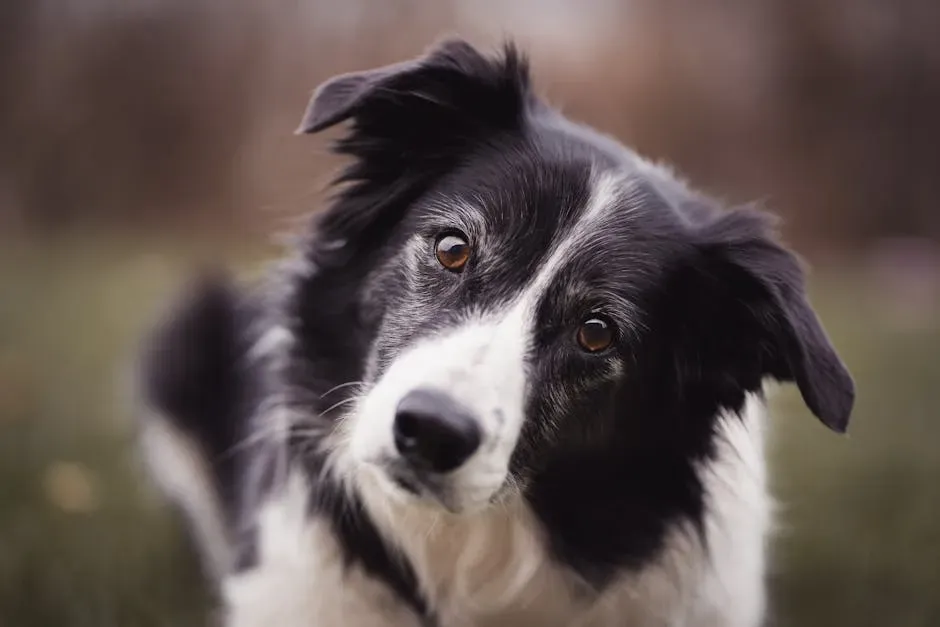
In the first five minutes, a tech can tell how often you actually brush your dog, no matter what you claim on the intake form. Matted fur behind the ears, overgrown nails clicking on the tile, and a greasy coat all quietly announce “high handling needs” before a word is exchanged.
That doesn’t make you a bad owner, but it does warn staff that baths, nail trims, or basic exams might turn into a wrestling match. They’re scanning for thick mats that can hide skin infections or parasites, nails long enough to snag on kennel flooring, and a strong odor that hints at ear or skin trouble underneath. Clean, brushed dogs with trimmed nails are simply easier to move, examine, and comfort – while sloppy grooming often correlates with dogs who’ve never been handled enough to tolerate it calmly.
- Thick mats that can hide skin infections or parasites.
- Long nails that might snag or split on kennel flooring.
- A strong odor that hints at underlying skin or ear issues.
#8 – What Your Food and Medication Bag Secretly Reveals

The moment you hand over that ziplock of kibble and a rattling pill bottle, staff read it like a medical chart. A random sandwich bag with no instructions suggests chaos is coming; neatly labeled, pre-portioned meals suggest predictability and a much lower chance of stomach upset overnight.
They quietly note whether it’s prescription or over-the-counter food, whether medications are clearly labeled with dosage and timing, and whether you brought measuring cups or just said “about a scoop.” Owners who mention “we free-feed” or “we switch foods a lot and he’s fine” are unknowingly predicting their dog’s first bout of kennel diarrhea. Staff also clock how many supplements are involved – because complicated regimens, not simple ones, tend to be where mistakes and mix-ups actually happen.
- Is this prescription food or something over-the-counter?
- Are meds clearly labeled with the dog’s name, dosage, and timing?
- Did you provide measuring cups, or just a verbal estimate?
#7 – Your Dog’s Reaction to Other Dogs in the Lobby

Even a lobby that looks chaotic is sometimes staged that way on purpose. Staff know that how your dog behaves around one or two strangers at drop-off is their single best clue for how they’ll handle dozens of new dogs and smells later that same day.
They’re watching for lunging, hard staring, or barking the second another dog passes by. They’re watching whether your dog hides behind your legs or tries to climb into your lap, and whether their body stays loose and wiggly or goes stiff and fixated. A dog who “only sometimes” reacts on leash at home often reacts far more in a noisy, unfamiliar kennel. Many owners insist “he loves other dogs!” while their dog is quietly growling at the one two chairs away – and staff file that gap between perception and reality carefully, because in some facilities, this exact five-minute snapshot decides whether your dog is ever considered for group play at all.
- Does your dog lunge, bark, or lock eyes hard on another dog?
- Do they hide behind you or try to climb into your lap?
- Is their body loose and curious, or stiff and fixated?
#6 – The Story You Tell… and the Part You Leave Out
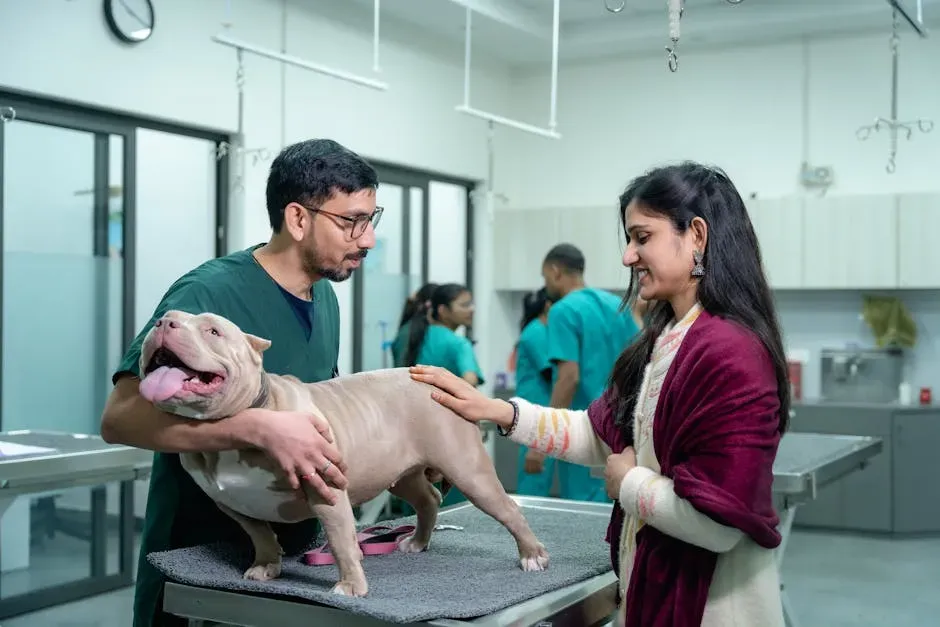
What you say in those rushed few minutes matters more than the form you filled out online last week. Staff listen closely for contradictions, downplayed problems, and that tiny “oh, by the way” you toss out right as you’re walking toward the door – because that’s usually where the real story lives.
They’ve heard it all: “he’s never bitten anyone… well, he snapped at my brother once, but that was different.” Or “she’s crate trained,” followed a beat later by “she screams for twenty minutes and then settles.” Experienced staff know most owners minimize behavior because they’re afraid of being turned away – but that instinct backfires, because it just means the dog gets mismanaged instead of properly prepared for. The staff aren’t judging you for it; they’re just quietly trying to separate the polished version of your dog from the raw data they actually need.
- “He’s never bitten… well, he snapped at my brother once, but that was different.”
- “She’s crate trained” (followed by “she screams for 20 minutes first”).
- “He’s fine with noise” – right after mentioning fireworks give him diarrhea.
Worth Knowing
- Most owners soften or leave out behavior issues out of fear their dog will be turned away.
- Omitting a bite history or resource-guarding habit doesn’t protect your dog – it just delays the discovery.
- Full disclosure lets staff plan ahead instead of reacting mid-crisis.
- Facilities rarely refuse a dog for honesty; surprises are what actually get dogs turned away.
#5 – How Your Dog Handles a Stranger’s Touch
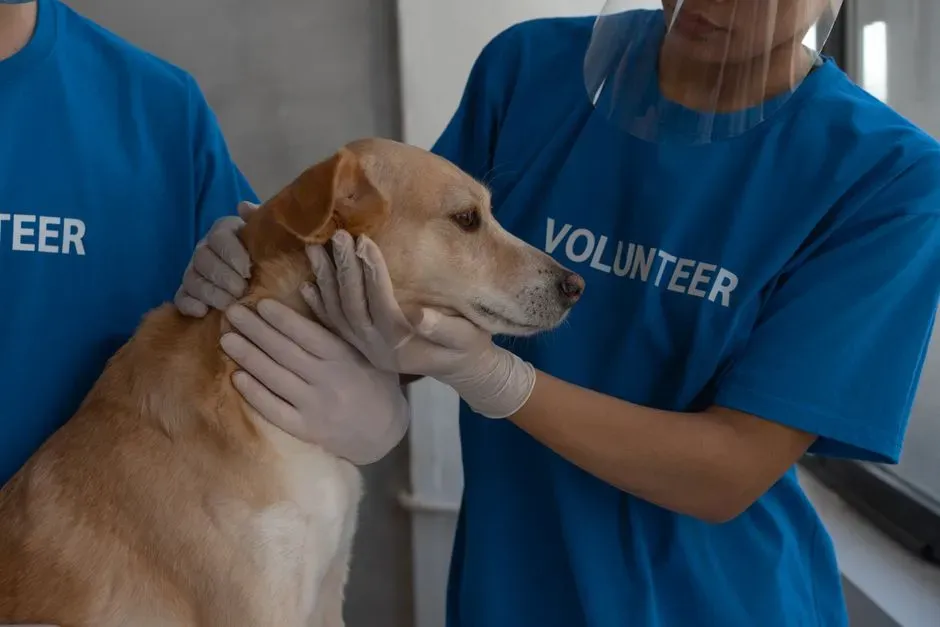
Somewhere in that first five minutes, someone will try a gentle collar hold, a quick scratch behind the ears, or a light touch along the back. Your dog’s reaction to that single moment of contact tells staff more than an entire questionnaire ever could.
They’re watching whether your dog softens and leans into it, or stiffens, lip-licks, and dodges the hand with what looks like a forced little smile. They’re watching how fast the head whips around when the collar gets held. Dogs that accept calm, neutral handling from a stranger are easy to medicate, move, and monitor later. Dogs that jerk away or air-snap may need two staff members just for a nail trim – and “he’s fine, he just doesn’t like the vet” is a pattern that experienced staff know tends to show up everywhere, not just at the vet.
- Softens into the touch, leans in, or seeks more contact.
- Stiffens, lip-licks, or dodges the hand.
- Whips their head around fast when the collar is held.
#4 – How Much of the World Your Dog Has Actually Seen

Staff can often tell, just from how your dog walks through an unfamiliar door, whether they’ve ever been anywhere besides your house and the vet’s office. Dogs raised like delicate house plants tend to struggle the hardest in boarding, because new floors, new smells, and new people all hit at once with nowhere to hide.
They notice if your dog balks at slick tile, panics at the automatic door, or freezes at the sight of a crate or a run gate. A dog whose whole world has been your living room and backyard usually needs more decompression time and slower introductions than staff can always give on a busy check-in day. Meanwhile, dogs who’ve done training classes, dog-friendly stores, and sleepovers at friends’ houses tend to breeze through drop-off like it’s just another Tuesday – which is exactly why many kennel pros quietly disagree with the line “he doesn’t need socialization, he’s got our other dog at home.”
- Does your dog balk at walking on slick or unfamiliar floors?
- Are they terrified of the automatic door or a vacuum sound?
- Do they panic at the sight of a crate or run gate?
#3 – Age, Mobility, and the Pain Nobody Mentioned

In the shuffle of leashes and clipboards, staff are already watching how your dog moves. A slightly uneven gait, a slow, careful sit, or reluctance to hop off even a small step can signal arthritis or pain that you’ve quietly normalized over months without noticing.
They file this away fast, because pain changes everything – appetite, patience, tolerance for noise, even willingness to be touched. They notice older dogs who lag behind on slick floors, young dogs who bunny-hop with their back legs, and dogs panting hard in a lobby that isn’t even warm. “He’s just getting old” often means something closer to “he feels lousy somewhere new,” and that dog may need softer bedding, more frequent potty breaks, or a mid-stay vet check. The easy senior you picture sleeping peacefully all day might actually be shutting down from discomfort in an unfamiliar, noisy space.
- Older dogs who lag behind or hesitate on slick surfaces.
- Young dogs that bunny-hop with their back legs.
- Dogs panting hard in a lobby that isn’t even warm.
At a Glance
- Uneven gait or slow, careful sits can signal early arthritis, especially in older dogs.
- Reluctance to jump or take stairs is often mistaken for laziness instead of pain.
- Pain quietly lowers appetite, patience, and noise tolerance during a stay.
- Panting in a cool lobby is frequently a stress signal, not a temperature one.
#2 – Whether This Is Really Your Dog’s First Stay – or Just the First You’re Mentioning
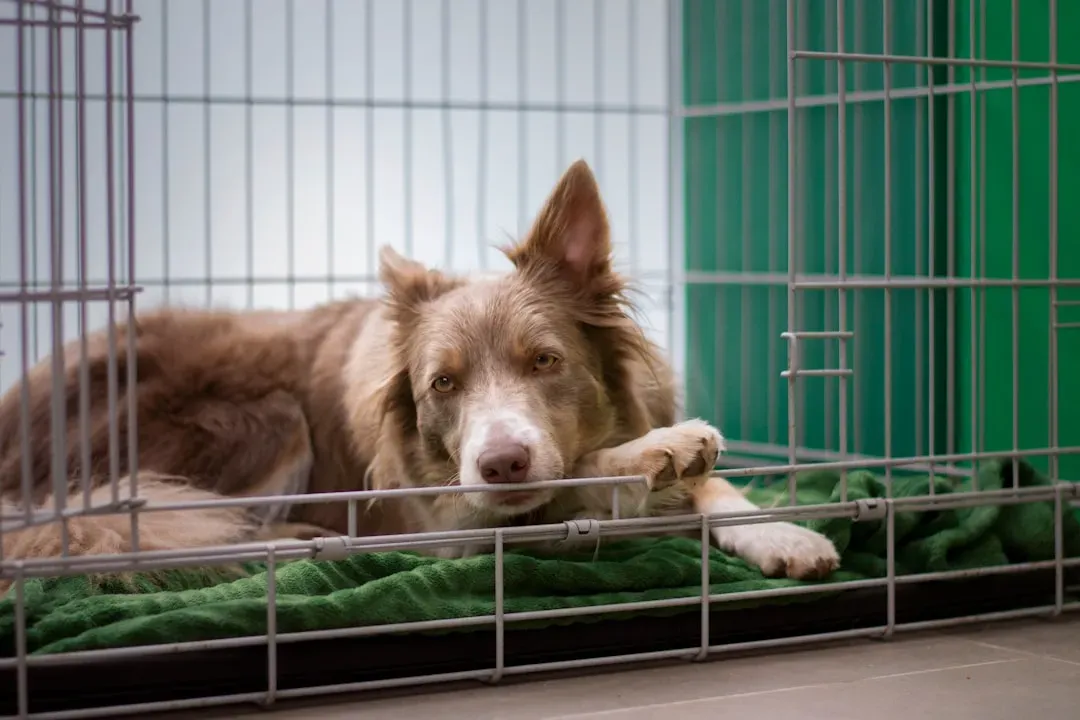
When someone says “this is his first time boarding,” experienced staff mentally highlight the whole intake file before they’ve even finished the sentence. First-timers, especially adult dogs, are statistically more likely to struggle with appetite, sleep, and stress-related stomach issues in the first night or two.
But staff also know plenty of dogs have a history somewhere else that the owner has quietly rewritten. They listen for the slip-ups: “he didn’t do great at the last place, but that was their fault,” or “the groomer said he was difficult, but she’s just dramatic,” or “daycare said he was too much for their groups.” These aren’t throwaway comments – they’re a track record. A dog already dismissed from daycare or one who’s needed sedation at the vet is walking in with a higher risk profile, and staff aren’t blaming you for it; they’re just adjusting expectations before that first night begins.
- “He didn’t do well at the last place, but that was their fault.”
- “The groomer said he was difficult, but she’s just dramatic.”
- “Daycare said he was too much for their groups.”
Quick Compare
- True first-timer: unknown risk profile, usually just needs extra settling time.
- Repeat boarder, clean history: the lowest-risk group, with a predictable routine already on file.
- Dog with a quietly mentioned “issue” elsewhere: the highest-risk group, needing the most planning ahead.
#1 – How Hard the Goodbye Is – and What It Predicts for the Next 48 Hours

The final hand-off moment tells kennel staff almost everything they need to know about the next two days. Dogs whose owners slip out with a calm “see you later” tend to settle within the hour. Dogs whose owners sob, hesitate, and circle back for one more hug often pace and whine well into the night.
Staff notice whether the dog watches the door and screams after you, or takes a treat from staff and starts exploring within minutes. They notice whether the dog freezes at the gate, visibly torn between you and the stranger holding the leash now. Kennel veterans will tell you – somewhat controversially – that the single biggest predictor of a smooth stay isn’t breed or age, it’s how emotionally fused owner and dog are in that exact goodbye moment. Clingy, high-drama exits correlate with rougher first nights even when the dog looks completely fine on paper, which is exactly why most staff privately wish owners would practice normal, boring goodbyes long before they ever need boarding for a real emergency.
- Does the dog watch the door and scream after you leave?
- Do they take a treat from staff and start exploring right away?
- Do they freeze at the gate, torn between you and the new person?
The Bottom Line

In those five rushed minutes at the counter, boarding staff aren’t just checking a box and clipping a leash. They’re running a fast, quiet assessment of body language, owner behavior, gear, grooming, medication, history, and that final goodbye – all to predict how your dog will actually cope once you’re gone.
Here’s the opinion most kennels won’t say to your face: almost nothing that goes wrong during a stay is truly sudden. It was visible at drop-off to anyone trained to look for it. Calm, well-socialized dogs with simple routines and low-drama owners have the easiest stays, full stop – and overly sheltered dogs, complicated care instructions, and tearful farewells are what quietly worry experienced staff the most. If you want your dog’s next boarding stay to go smoothly, the work doesn’t start at the counter. It starts weeks earlier, with a boring, calm goodbye you practice on purpose.


