
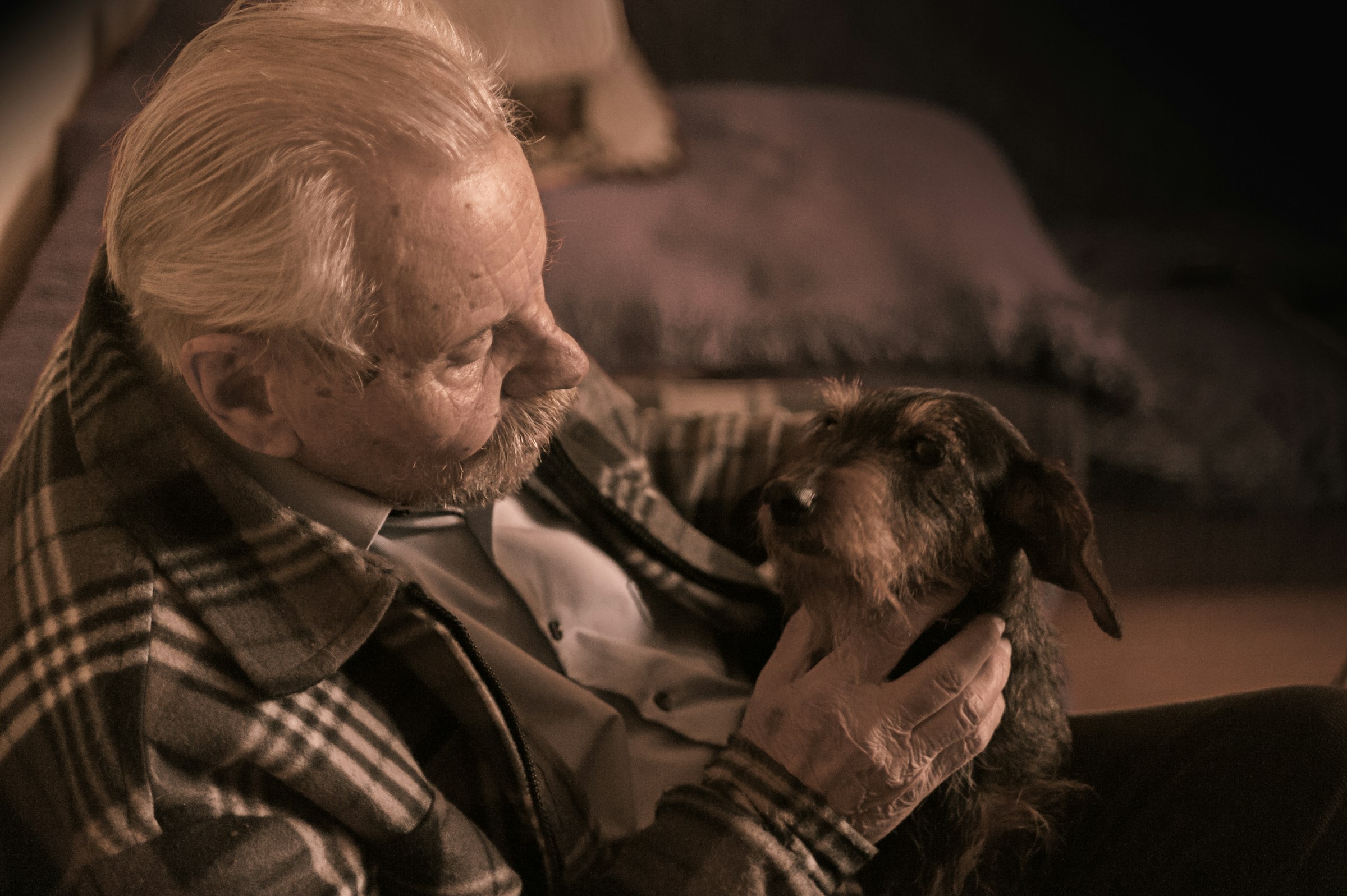
Most people assume a pet sitter’s job starts and ends with kibble and a leash. Walk into a home with them just once, though, and you’ll realize they’re running a silent diagnostic the second the door opens – reading the pet, the person, and the whole household in about the time it takes to say hello.
In homes owned by someone over 70, that quick scan turns up things families rarely see: a scattered pill box, a worn path through the carpet, a leash still in its packaging. None of it is dramatic on its own. But stack thirteen of these small signals together, and you get a surprisingly honest picture of how someone is really doing. Here’s what experienced sitters actually clock before they’ve even said ‘good boy.’
#1 – The Pet’s Greeting Reveals More About the Owner Than You Think
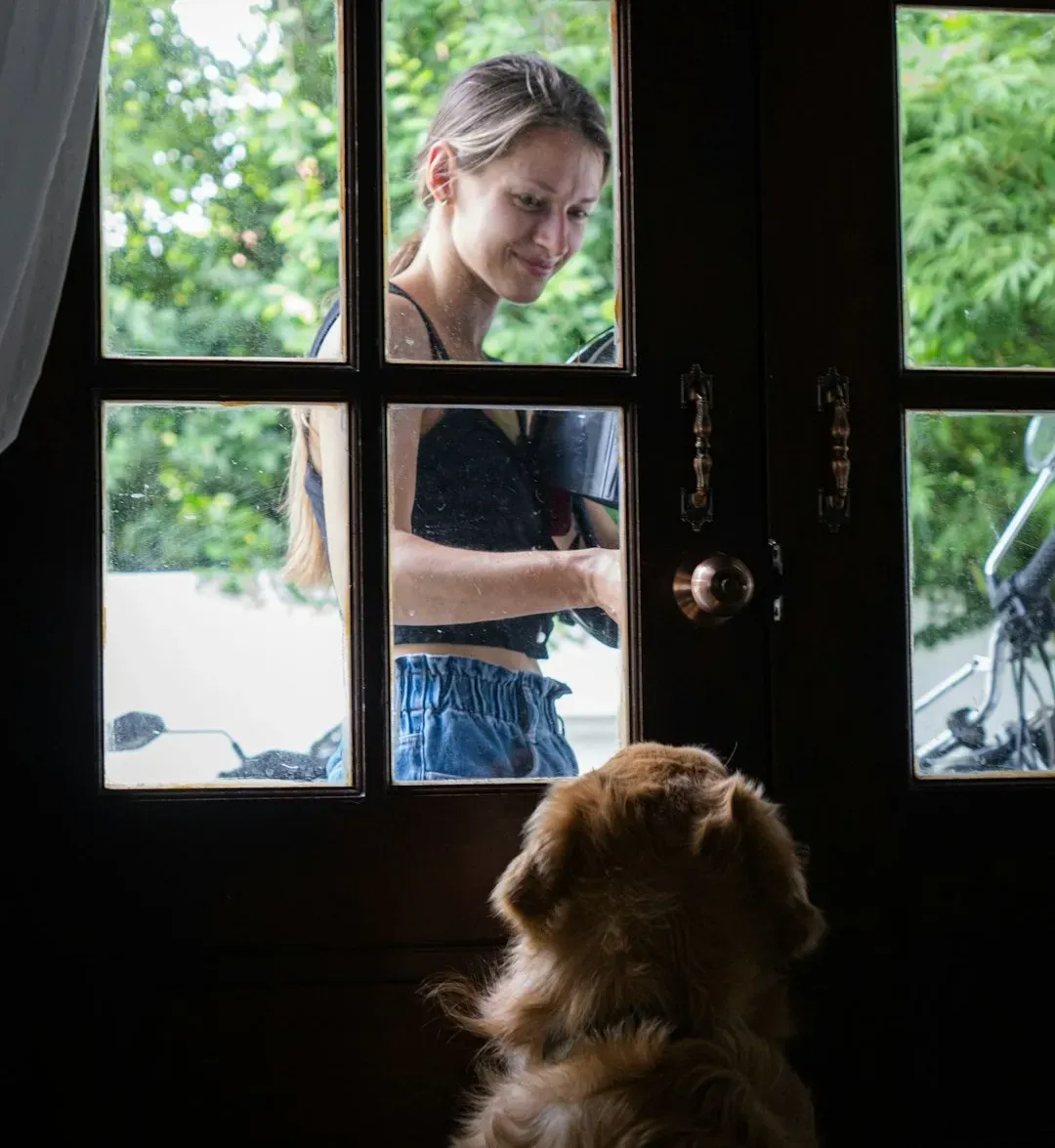
The way a pet rushes – or shuffles – to the door is a sitter’s very first data point. A dog that barrels into a stranger with zero boundaries often means an owner who struggles with mobility or energy and simply hasn’t had the stamina to keep up with training. A small, quiet dog that hangs back tells a different story: an owner who’s frail, mostly homebound, and whose main daily company is that one animal.
Sitters clock it fast. Is this dog overprotective of someone vulnerable, or undertrained because the owner physically can’t manage it anymore? They watch how fast the pet moves, whether it’s stiff getting up, whether it responds instantly to its name or seems to be losing its hearing. A dog that goes frantic the moment a stranger steps toward a hallway is usually used to guarding one person in one small zone – because that person’s world has gotten small too. The pet’s behavior, sitters will tell you, is basically a mirror of the owner’s daily life and limits.
#2 – Medication Bottles and Pill Organizers on the Counter
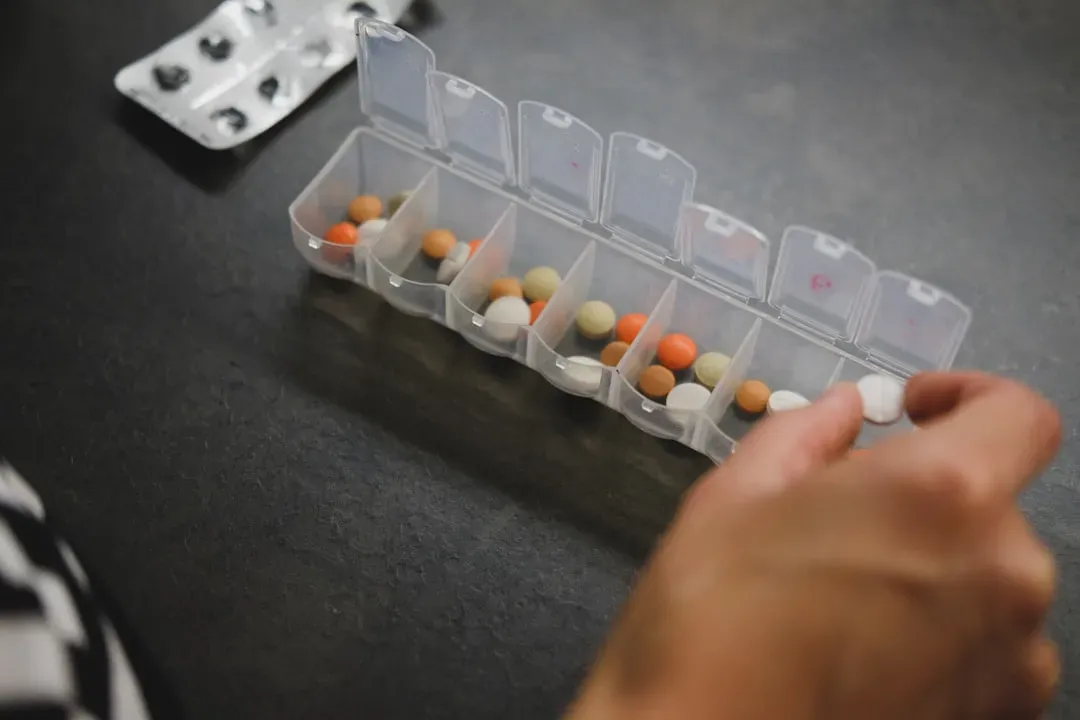
Within minutes, most sitters see the real story sitting in plain sight on the kitchen counter: pill organizers, prescription bottles, a blood pressure cuff, a glucose meter. They’re not snooping – these items are just there. And they tell sitters exactly how dependable the household routine really is.
A neatly filled, clearly labeled pill box suggests someone still organized and structured, which is good news for the pet’s own feeding and medication schedule. A messy mix of half-empty bottles and sticky notes hints at missed doses – for the person and possibly the pet. Sitters quietly check whether pet medications are mixed in with human ones, and whether expired prescriptions are sitting next to current ones. When a dog’s heart medication is buried under a pile of unrelated bottles, a good sitter starts double-checking dosage and timing at every single visit. Some even photograph the label, with permission, because they don’t fully trust a handwritten note scrawled in a hurry.
Fast Facts
- Organized pill boxes usually signal a stable daily routine for pets too
- Mixed human and pet medications are a common giveaway of a mobility struggle
- Expired prescriptions in plain view often prompt a sitter to double-check pet dosages
- Handwritten dosage notes get quietly verified rather than taken at face value
#3 – Flooring and Rugs: A Trip-and-Slip Map for Both of Them

Pet sitters scan the floor almost on instinct. Loose throw rugs, glossy tile, trailing cords – these aren’t décor choices to a sitter, they’re a fall risk for the senior and the pet both. A dog forced to walk on slick floors all day is more prone to joint stress, slips, and low-grade anxiety it can’t explain.
If a sitter spots several small rugs curling up at the edges, they silently file it away: this owner is one bad step from a real injury, and so is the dog. They also watch how the pet moves through the house – does it hesitate at the top of the stairs, does the cat avoid jumping and stick to floor-level routes only? In homes where the floors are genuinely chaotic, sitters often adjust their own footsteps so they don’t startle the animal into a slide. Some will quietly nudge a rug flat or move it aside entirely, creating a safer lane without ever mentioning it out loud.
#4 – The Food Bowl Area Tells on Mobility and Memory
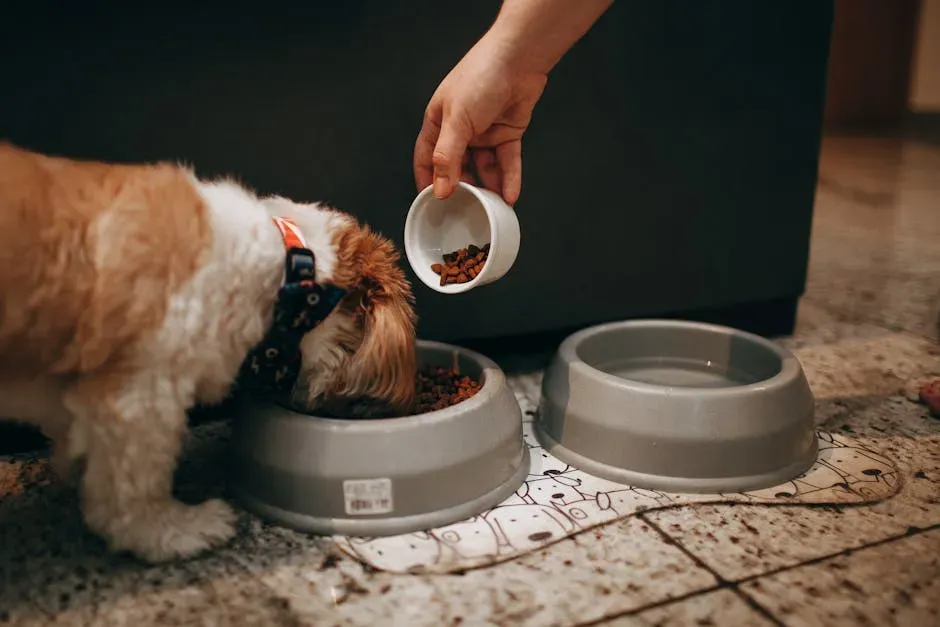
The feeding station is a bigger tell than people realize. Sitters notice kibble scattered around the bowl, a water dish with a slimy ring, bowls sitting flat on the floor instead of raised. All of it hints at how easily the owner can still bend, lift, and clean day after day.
A chronically half-empty water bowl in a senior’s home usually isn’t neglect – it’s someone who genuinely struggles to bend down multiple times a day. Sitters check whether food is pre-measured or just eyeballed, whether the placemat underneath is fresh or years-old and stained. A torn-open kibble bag is often a sign of limited grip strength or arthritis, not carelessness. Good sitters quietly compensate – pre-portioning meals, topping off water more often than the owner ever did – because they know hydration is usually the first thing to slip when someone is quietly managing their own pain.
#5 – The Fridge Door Is a Command Center – or a Warning Sign
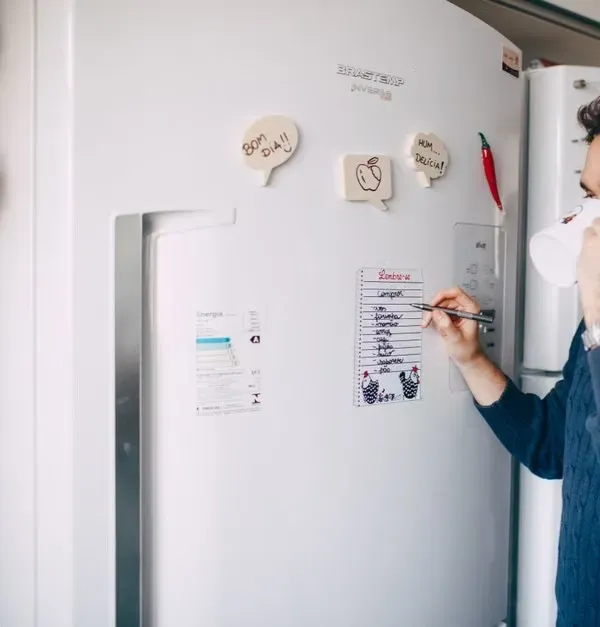
In a lot of homes owned by someone over 70, the fridge door is basically the household’s brain. Grocery lists, appointment cards, vet reminders, emergency numbers – if it’s written down anywhere, it’s probably taped there. Sitters glance once and can tell instantly whether this household runs on structure or on hope.
A feeding schedule with times, doses, and the vet’s name written clearly says: this person is still on top of things. A jumble of faded Post-its and half-legible notes tells a sitter they’re about to become the organized one, fast. They look for vet appointments that were circled and never crossed off, or emergency numbers for a vet who retired years ago. When the instructions still say ‘puppy schedule’ for a dog well into its senior years, sitters know the routine hasn’t been updated in a long time – and neither has the dog’s care.
#6 – Smell Tells the Unfiltered Truth
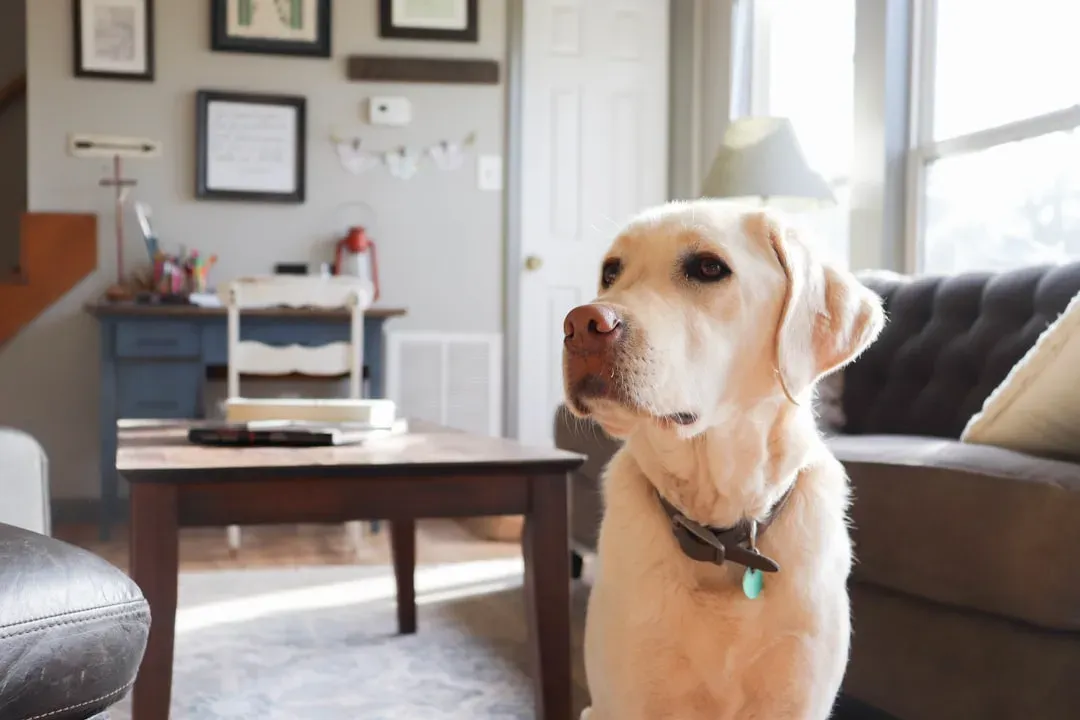
Most people go nose-blind to their own home within days. Sitters never do. Within seconds of walking in, they can usually tell if there’s been a recent accident, if the litter box is overdue, or if a dog has a skin issue just from the air near the entryway.
In homes of adults over 70, a strong ammonia smell often means the owner is physically struggling to clean up accidents quickly – or missing them entirely because of failing vision or memory. Sitters learn to tell old carpet stains from fresh ones, and ‘normal pet smell’ from something more medical, like antiseptic or ointment. A faint hospital-like scent layered under heavy pet odor usually points to a caregiving situation where the animal has quietly slipped down the priority list. Many sitters respond by upgrading their own effort – scooping litter daily, walking the dog more – even when they aren’t technically being paid for that extra care.
Worth Knowing
- Ammonia-heavy odors near entryways often point to delayed cleanup, not neglect
- A faint medical smell layered under pet odor can signal a caregiving situation at play
- Sitters can distinguish normal pet smell from skin, ear, or dental issues within seconds
- Fresh versus old stains tell sitters how recently accidents have actually been happening
#7 – The Leash and Harness Tell You If the Walks Are Real
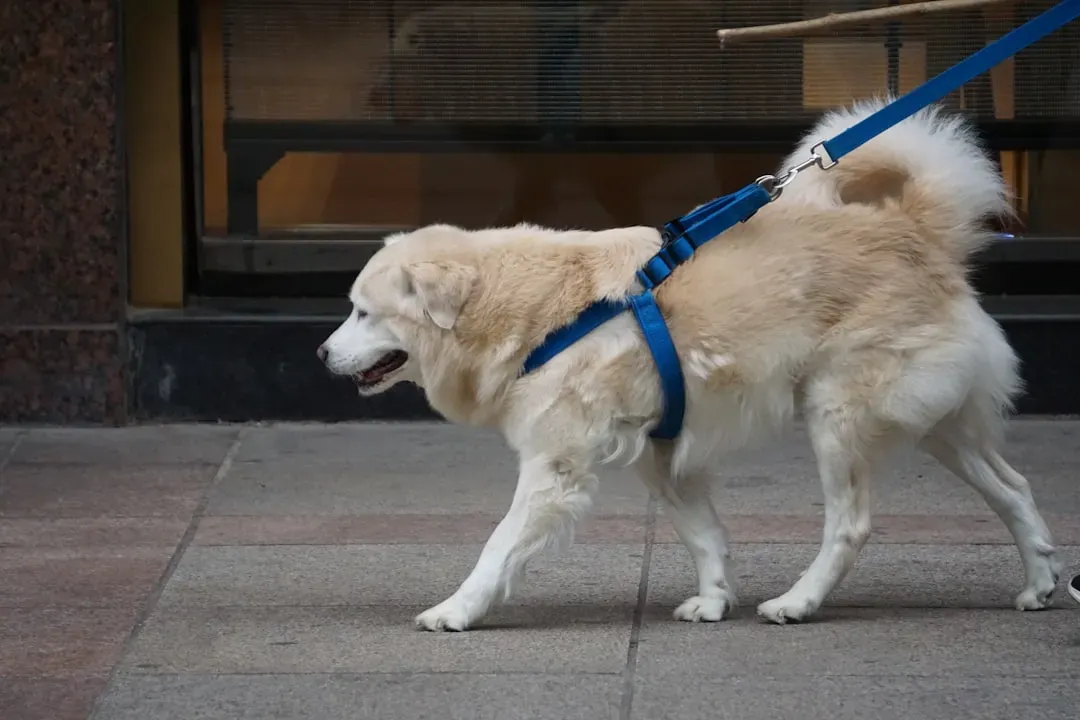
Where the leash lives, and what shape it’s in, says more than most owners realize. A well-used but intact harness hanging by the door means this pet is still getting real, regular walks. A cracked, ancient leash shoved in a drawer usually means ‘we walk every day’ hasn’t been true for a while.
If a twelve-year-old, overweight dog has a brand-new harness still sealed in its packaging, sitters usually guess exactly what happened: a family member bought it with good intentions, and nobody ever followed through. They also clock heavy retractable leashes, which are genuinely dangerous for a senior with unsteady balance, and simple collars on strong dogs paired with a frail owner – a combination where one hard tug could send someone to the ground. Experienced sitters will often quietly switch to safer gear during their stay, because they know they might be the only one thinking about that risk at all.
#8 – The Mail Pile Answers the Question ‘Is Anyone Checking In?’
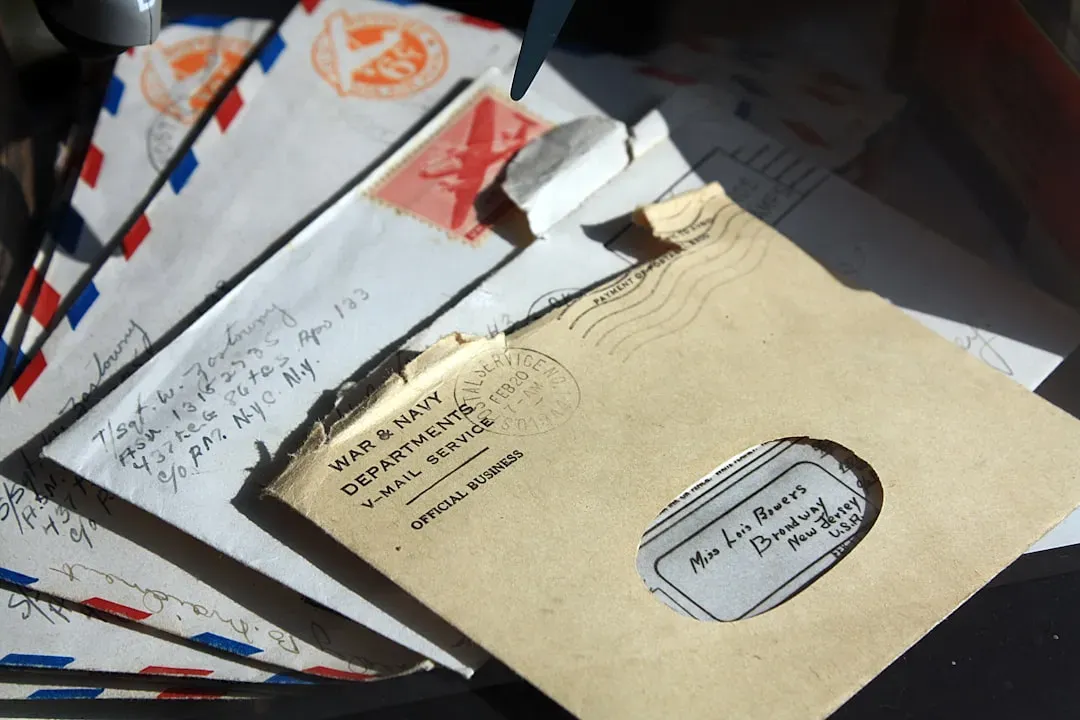
The entry table quietly tells sitters how isolated someone really is. A stack of unopened mail, old flyers, and untouched appointment reminders is a classic sign that nobody is regularly sitting down with this person to sort through their life. For the pet, that usually means there’s no real backup plan if something suddenly goes wrong.
Sitters know that if this owner falls, the dog or cat could realistically be alone for days before anyone notices. They look for an emergency contact list by the door, a spare key labeled for a neighbor, anything. When none of that exists – just months of unopened envelopes – a sitter quietly realizes they might be the only outside person with consistent access to both the home and the animal. That knowledge changes how seriously they treat every small sign of decline, because they may be the one who ends up making the call for help.
#9 – A Water Bowl in the Bedroom Says More Than You’d Guess
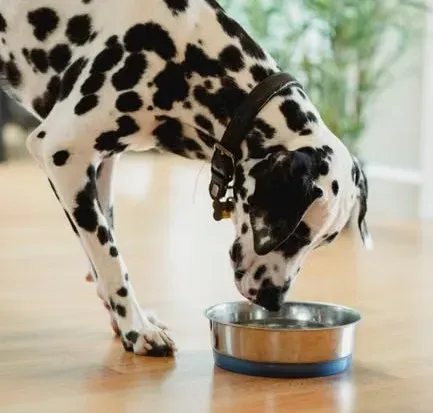
If there’s a water bowl tucked in the bedroom or bathroom, sitters read that instantly. In older households, it usually points to nighttime incontinence in the dog, chronic thirst that could signal diabetes or kidney trouble, or simply an owner who can’t easily get up and move around at night anymore.
A dog drinking heavily from a bedroom bowl at 2 a.m. might be dealing with a health issue nobody’s caught yet – one the owner has quietly normalized without realizing it’s a red flag. Sitters also notice puppy pads near the bed for an aging dog, or towels bunched where the animal usually sleeps. A dog that paces all night isn’t doing it by choice; it’s usually pain or anxiety keeping it up. Sitters log these patterns and, when they trust the family, will gently mention them later – because they’re often seeing something the owner has stopped questioning entirely.
#10 – Pet Weight and Coat Condition Is a Health Report on Both of You

A pet’s body condition is one of the loudest signals in the whole house. An overweight dog or cat in an older adult’s home usually means short walks, frequent treats, or both – but sitters know it’s rarely just spoiling. More often, it’s a substitute for social connection that neither of them is getting enough of elsewhere.
When a sitter sees a heavy dog with a dull coat and overgrown nails, their first thought isn’t judgment – it’s worry about whether the owner can still physically get to the groomer or the vet. They check for matted fur around the hindquarters, tear staining, ear odor – the quiet, chronic stuff that builds up slowly. If the pet looks neglected medically but the house itself is tidy and loved, sitters usually suspect transportation, money, or mobility barriers, not lack of care. That shapes how they talk to the family: honest, but never harsh.
Quick Compare
- Healthy aging pet: steady weight, shiny coat, regular short walks
- Needs attention: sudden weight gain, dull coat, overgrown nails
- Healthy home rhythm: fresh water, clean bowls, current labels
- Needs attention: stale water, torn food bags, outdated instructions
#11 – The ‘Dog Lane’ Worn Into the Carpet

Sitters pay close attention to how a pet actually moves through the house. In a lot of homes owned by someone over 70, there’s a visible path worn into the carpet or floor – recliner to back door, bedroom to kitchen, and nowhere else. That worn lane shows exactly how small the household’s daily world has become.
When someone’s entire life fits into two or three short routes, it usually means the owner isn’t moving much either. Sitters notice stacks of magazines or boxes narrowing those paths further, and whether the pet has to jump or squeeze around obstacles just to get to its water bowl. Narrow routes combined with fading eyesight, for both species, are a near-perfect setup for a fall. Good sitters will quietly widen a walkway or shift a box – not for tidiness, but because they know one bad fall could leave that animal alone with an injured owner for days.
#12 – Old Photos and Memorials of Past Pets
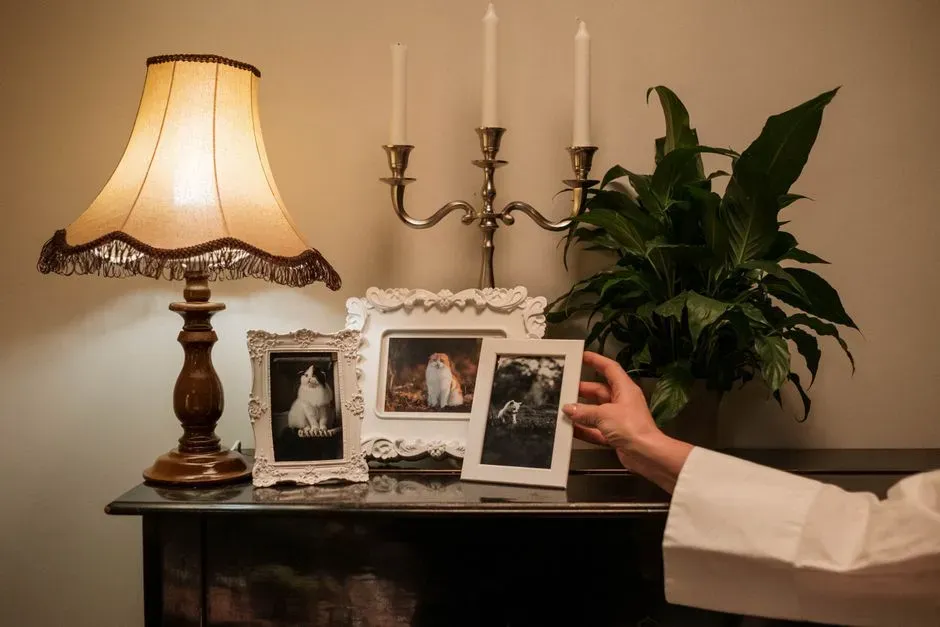
In a lot of older homes, sitters spot framed photos of pets long gone, a small urn on the mantel, sometimes a whole little memorial corner. It’s never just sentimental. It tells a sitter how deeply this person bonds with animals, and how they’ve handled loss in the past.
A wall of tributes to three or four previous pets usually signals a long, steady history of caregiving – but sometimes it also reveals grief that’s still quietly shaping how the current pet is treated. Sitters notice when the current dog or cat seems clearly over-babied, almost like a replacement, or when instructions sound more like fear than practical guidance: ‘don’t let anything happen to her.’ When the emotional stakes are that high, even a missed meal can feel like a crisis to the owner. Experienced sitters adjust how they communicate, offering extra reassurance and detailed updates, because they understand this one small animal is emotionally holding up the whole house.
#13 – Emergency Readiness: The Silent Test Most Homes Over 70 Quietly Fail
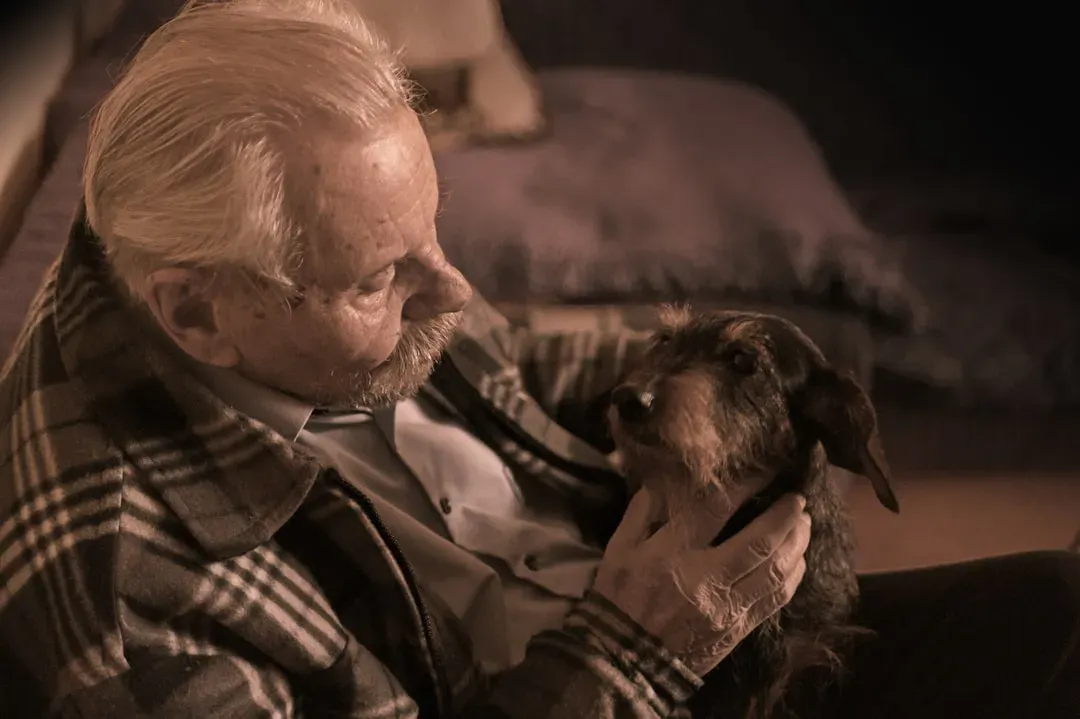
The single biggest thing sitters notice in those first five minutes? Whether there’s any real emergency plan for the pet if something happens to the owner. In a surprising number of homes over 70, there isn’t one – no vet number posted, no neighbor listed, no spare key hidden anywhere obvious.
That absence lands hard. A sitter realizes that if this client doesn’t pick up the phone one day, nobody has a clear script for what happens to the animal next. They look for a written ‘if something happens to me’ note, rare but genuinely reassuring when it exists, or a folder with vaccination records ready to grab. When none of that exists, experienced sitters quietly build their own backup plan – saving vet info, keeping emergency numbers in their own phone, mentally rehearsing what they’d do if they found their client unresponsive. It’s one of the unspoken truths of this job: sometimes you’re not just the pet sitter. You’re the first responder nobody planned for.
At a Glance
- Vet name and phone number posted somewhere visible
- A spare key held by a trusted neighbor or family member
- An emergency contact list near the door or fridge
- A written note or folder with vaccination records
Walk into any of these homes and it becomes obvious a pet sitter is never really just watching a dog. They’re reading a fast, silent report on mobility, memory, loneliness, money, and emergency readiness – most of it decoded before they’ve even set down their bag.
The pet’s behavior, the state of the floor, the mail pile, a dusty leash in a drawer – none of it is random. It’s all quietly telling you whether a household is coping, or barely holding on. Some people will roll their eyes and call this overanalyzing clutter. Having heard how many sitters describe becoming the accidental first responder for an elderly client, I don’t buy that dismissal for a second. Pets are often the earliest warning system for human decline, and they’re sounding the alarm long before most families are ready to listen.


