
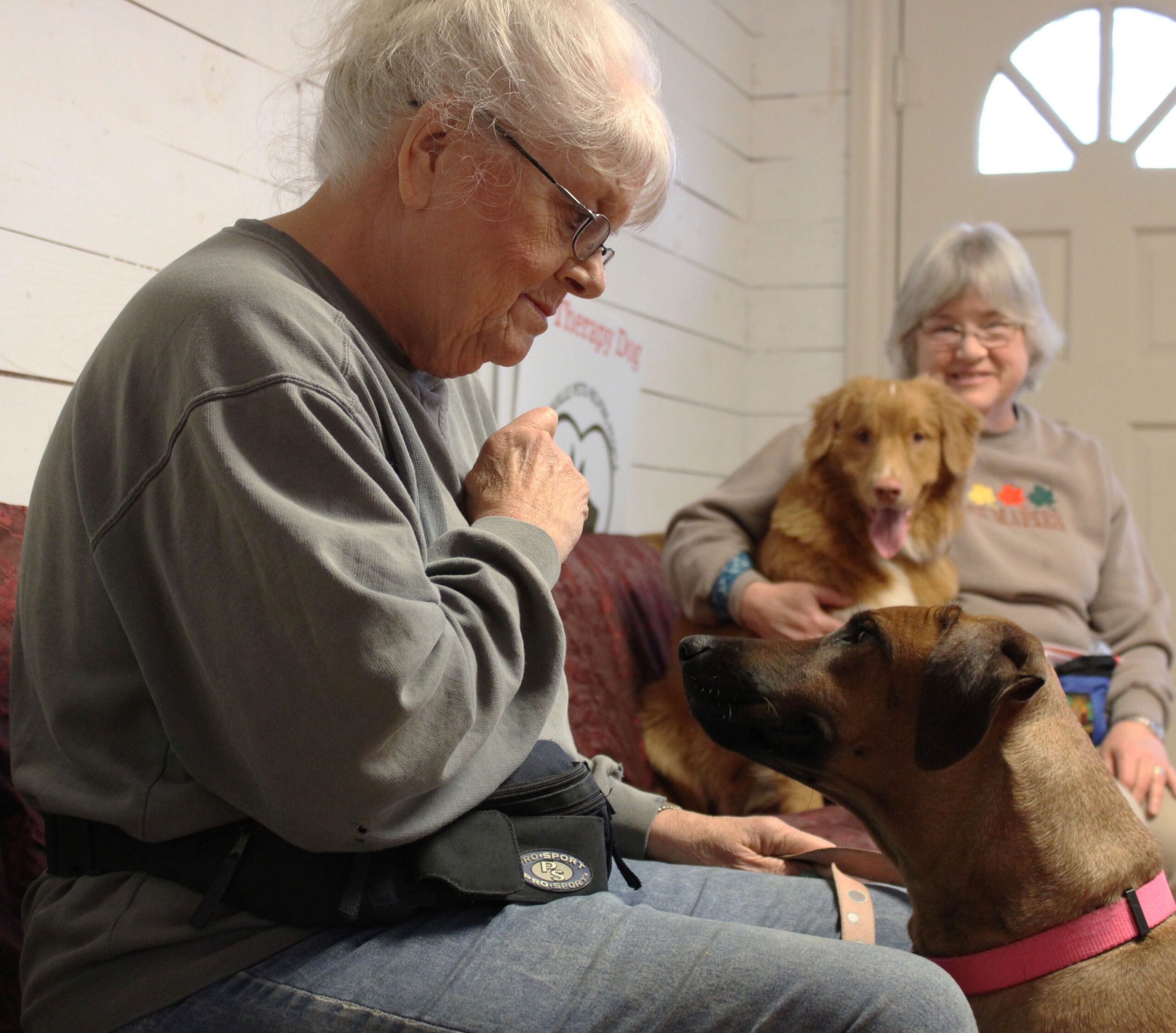
Most people walk into a shelter assuming the hardest part is filling out paperwork and waiting for someone to unlock a kennel door. They picture a clipboard, an ID check, maybe a quick chat about fenced yards. What they don’t realize is that the real evaluation happens before anyone even mentions an application.
Experienced shelter staff say the first five minutes with an adopter over 70 tell them almost everything they need to know – long before a single form is signed. They’re reading posture, listening for grief versus readiness, watching how you hold a leash, and quietly deciding which animals in the building might actually survive living with you long-term. Here’s what they’re really clocking, one revealing moment at a time.
#1 – How You Walk Through the Door: Balance, Pace, and Confidence
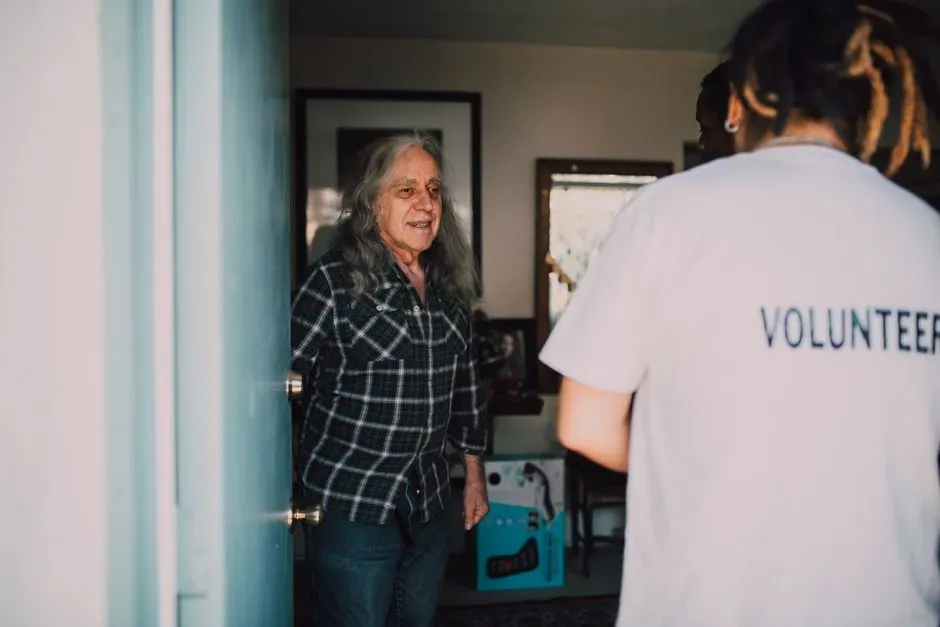
The first thing staff notice about an adopter over 70 isn’t anything on the intake form. It’s the walk from the front door to the desk. That short stretch of hallway quietly tells them about balance, mobility, and whether a strong, leash-pulling dog is even a realistic option.
They’re also watching for fatigue that nobody mentions out loud. Are you winded just from the parking lot? Staff have watched plenty of sweet, determined seniors insist they can handle an energetic shepherd, only to struggle walking a straight line indoors. A shuffling gait, hesitation on small steps, or visible pain getting in and out of a chair doesn’t disqualify you – but it absolutely shapes which dogs get suggested first.
#2 – Alone or With Backup: Who Walks in Beside You
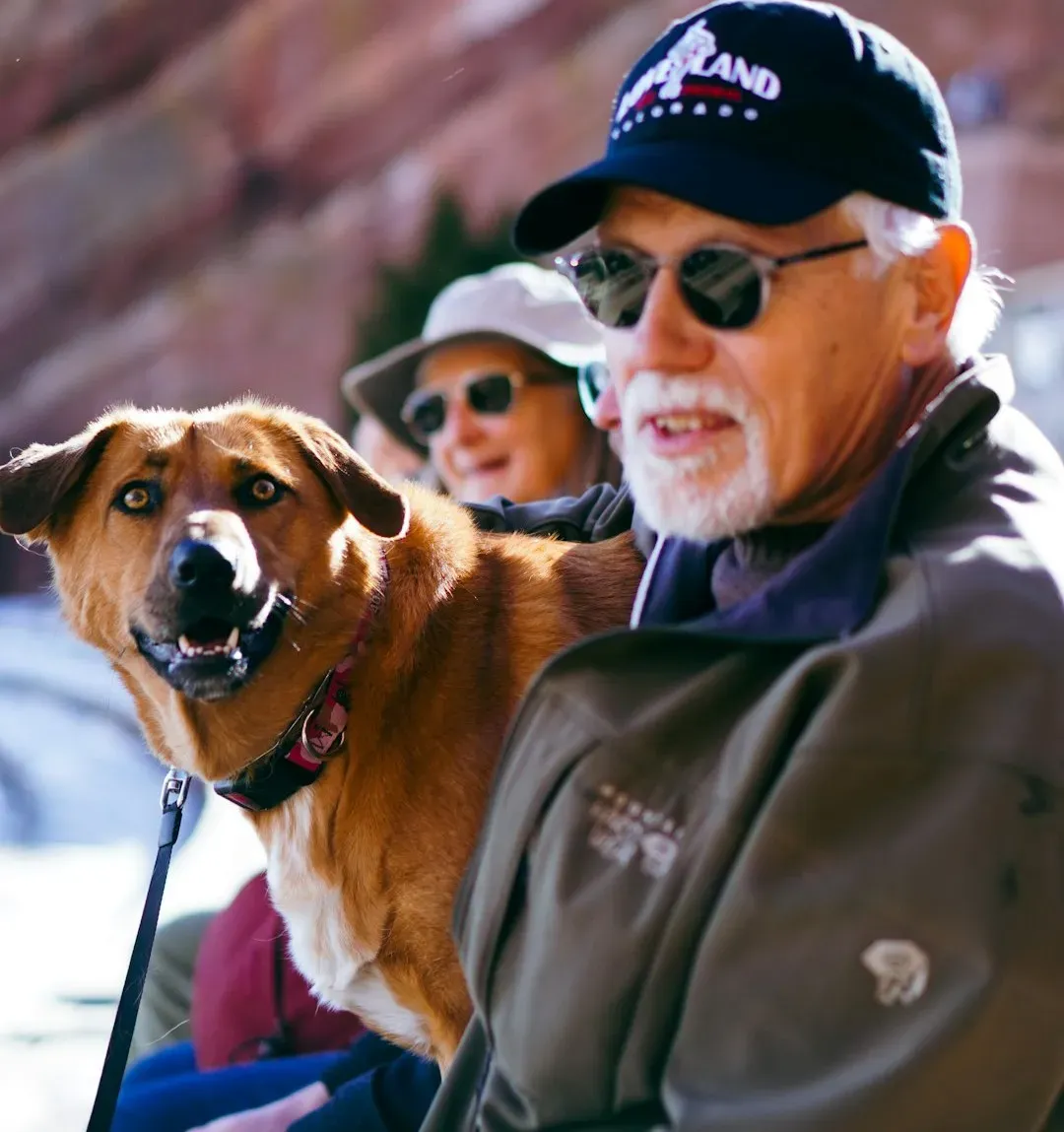
Shelter staff quietly light up when an adopter over 70 walks in with a second person – an adult child, a neighbor, a longtime friend. It tells them, instantly, that there’s more than one set of hands and eyes in this animal’s future. If you mention that you live alone, staff start mentally filtering out dogs who can’t be safely managed solo. They’ve seen too many seniors pulled off their feet by a strong dog on an icy sidewalk at 6 a.m.
They’re also listening to how that support person talks, not just whether they showed up. Is this companion engaged and asking real questions, or clearly dragged along and rolling their eyes? A support person asking about vet costs, emergency backup plans, or who walks the dog if you get sick is one of the strongest green flags staff will see all day. A support person muttering about “another responsibility” is a quiet red flag they won’t forget.
Quick Compare
- Green flag: Asks about vet costs, emergency plans, or who takes over if you get sick.
- Green flag: Makes eye contact with the dog and asks practical, day-to-day questions.
- Red flag: Sighs, checks their phone, or calls the pet “another responsibility.”
- Red flag: Never speaks up, even when directly asked a question.
#3 – How You Talk About Your Last Pet – And How Long Ago They Passed
Within minutes, staff will casually ask, “Have you had pets before?” The answer matters less than how you give it. If you can talk about a pet who passed months or years ago with warmth instead of raw pain, that tells staff you’ve grieved enough to make a clear-headed decision. If you tear up immediately and say, “He died last week, I just can’t stand the quiet,” staff quietly worry this is grief talking, not readiness.
They’re also listening for how you describe that pet’s personality. Calling them “my soulmate” isn’t a problem – but when the story has zero flaws and sounds more like a eulogy for perfection, staff start to suspect you might be shopping for a carbon copy. That’s a heavier risk for older adopters, who may have fewer years left to work through a mismatch. The ones who say, “He was wonderful, but stubborn as a mule,” tend to handle the real adjustment period far better.
#4 – Your Reaction to the Noise, Smells, and Chaos
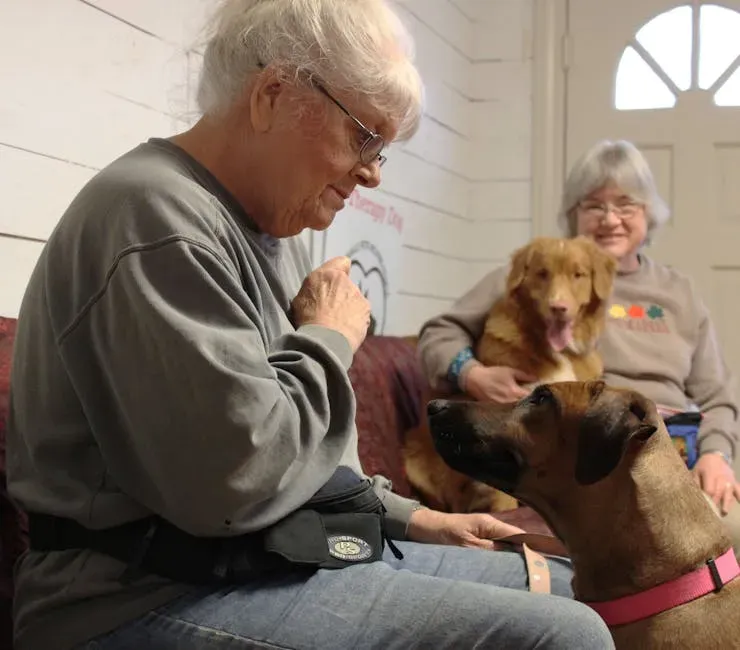
Most people have no idea shelter staff are watching their first five seconds in the kennel area like a heart monitor. Older ears and older nervous systems process barking, echoing concrete, and that unmistakable shelter smell very differently than a 30-year-old’s would. If you visibly flinch, cover your ears, or look overwhelmed, staff already know a high-anxiety, vocal dog is off the table.
They’re also gauging your startle reflex, and it matters more than people think. Do you laugh off a sudden bark, or snap back with “My goodness, that’s too much”? Constant barking can turn a dream adoption into a landlord complaint fast, especially in an apartment. When an older adopter calmly walks the corridor and asks, “Are they always this loud?” staff quietly flag them as emotionally resilient – which matters enormously during the rocky first weeks at home.
#5 – What Your Eyes Go To First: Looks vs. Lifestyle
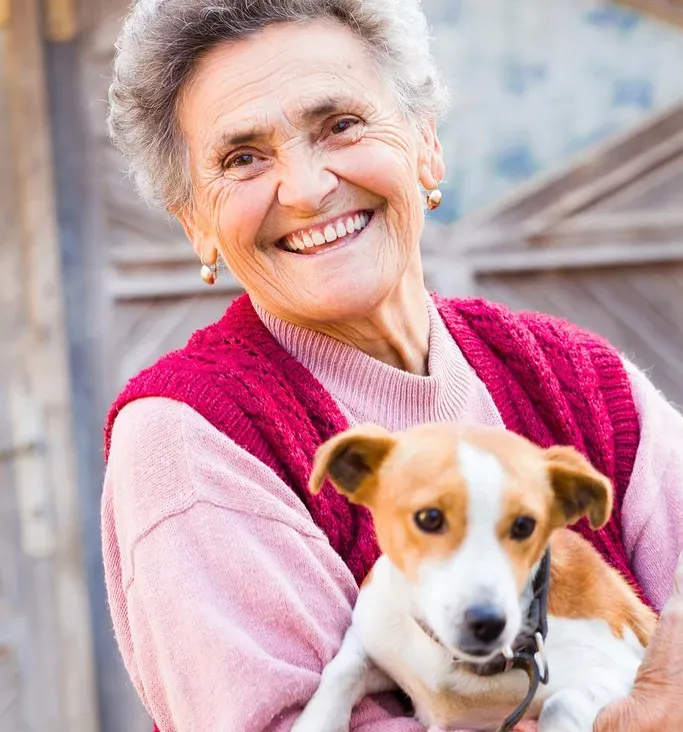
Staff notice exactly where your eyes land first – the giant fluffy husky puppy bouncing off the kennel door, or the mellow eight-year-old mixed breed quietly watching from the back. A lot of older adopters instinctively reach for the “storybook dog” they had in their 30s: big, young, athletic. When a 75-year-old beelines for a one-year-old working breed, staff already sense a mismatch forming.
They also weigh your first words carefully.
- “He’s beautiful!” usually means you’re leading with appearance.
- “He seems calm – how is he on walks?” signals you’re thinking functionally.
Adopters who say, “I know I’m older, so I’m thinking six to eight years old, smaller, lower energy,” are the ones staff quietly root hardest for.
#6 – How Honestly You Talk About Your Own Health and Stamina
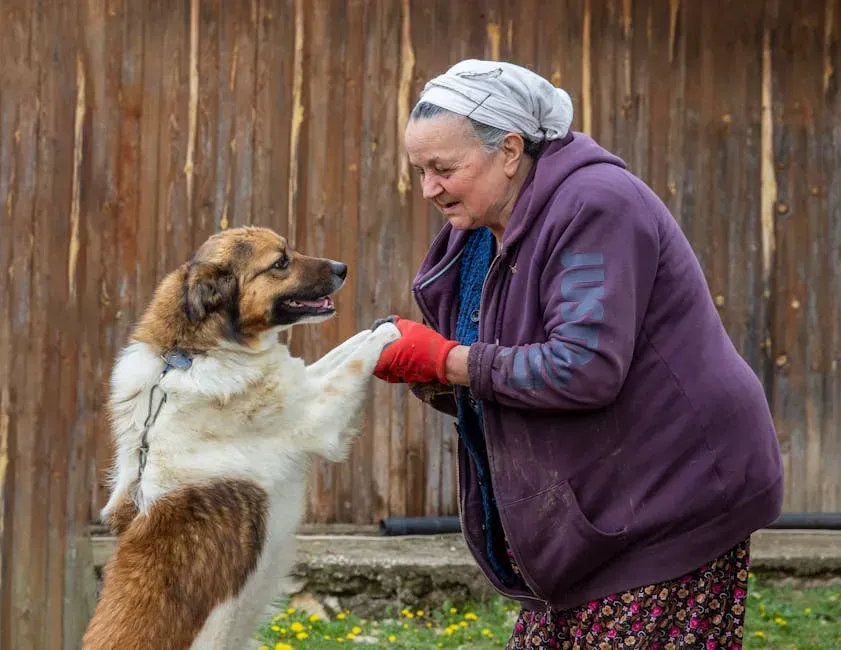
In that first conversation, staff are quietly measuring honesty more than health itself. Do you brush off limitations with “Oh, I just have a little arthritis” while visibly struggling to stand? Or do you say, “My knees aren’t great, but I can manage two fifteen-minute walks a day, and that’s about it”? The more specific and realistic you are about your own body, the more staff trust you with a dog that actually fits your life.
They’re not trying to disqualify you – they’re trying to protect both you and the animal. Shelters have watched countless seniors promise they’ll “walk more for the dog” as a health kick, and it almost never holds. When an older adopter openly mentions medication, a mobility aid, or a recent surgery, good staff feel relief, not alarm – it lets them steer you toward a calmer, senior, or special-needs pet who still deserves love but won’t outpace you.
Fast Facts
- Older pet owners who live alone are considerably less likely to report loneliness than those without a pet, according to primary care research.
- 83% of older pet owners say their pet gives them a sense of purpose, per a 2025 national poll on healthy aging.
- Regular dog walking has been linked to lower loneliness and steadier mood in older adults, even during major social disruptions.
#7 – Whether You Mention a Backup Plan Before Anyone Asks
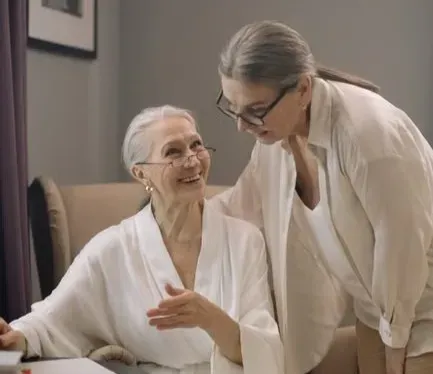
One of the strongest signals staff pick up on is whether you volunteer a backup plan without being prompted. When someone says, “If anything happens to me, my daughter has already agreed to take him,” staff’s shoulders visibly drop with relief. A clearly named person and a realistic plan dramatically lower the odds of that pet bouncing back into the shelter, heartbroken, after you get sick or pass away.
A vague “Oh, I’m sure someone will take him” is a quiet, unmistakable alarm bell. Staff have watched dogs return grieving because a family “couldn’t keep Mom’s dog.” When you can confidently name:
- Who would take the pet
- Where that person lives
- That you’ve actually talked to them about it
…you move straight into the responsible, well-prepared category – and often get the easiest approval in the building.
#8 – How You Grip the Leash on the First Test Walk

Adopters over 70 are often judged unfairly by age alone, but experienced staff put real weight on one specific moment: the very first leash hold. They’re watching whether your hand strength, reflexes, and balance actually match the dog’s pulling power. Fumbling the clip, wrapping the leash three times around your wrist, or leaning back dramatically when the dog lunges tells them this pairing could end in a fall.
They’re also clocking your reaction speed. When the dog suddenly cuts left, do you move with it or nearly spin off your feet? Small stumbles matter far more when you’re older – a broken hip can mean you never walk a dog again. Adopters who naturally keep the leash short but relaxed, stand with feet apart, and adjust calmly to the dog’s movement often earn more confidence from staff than someone thirty years younger who’s clearly distracted.
#9 – Whether You Ask About Vet Costs and Long-Term Care Upfront
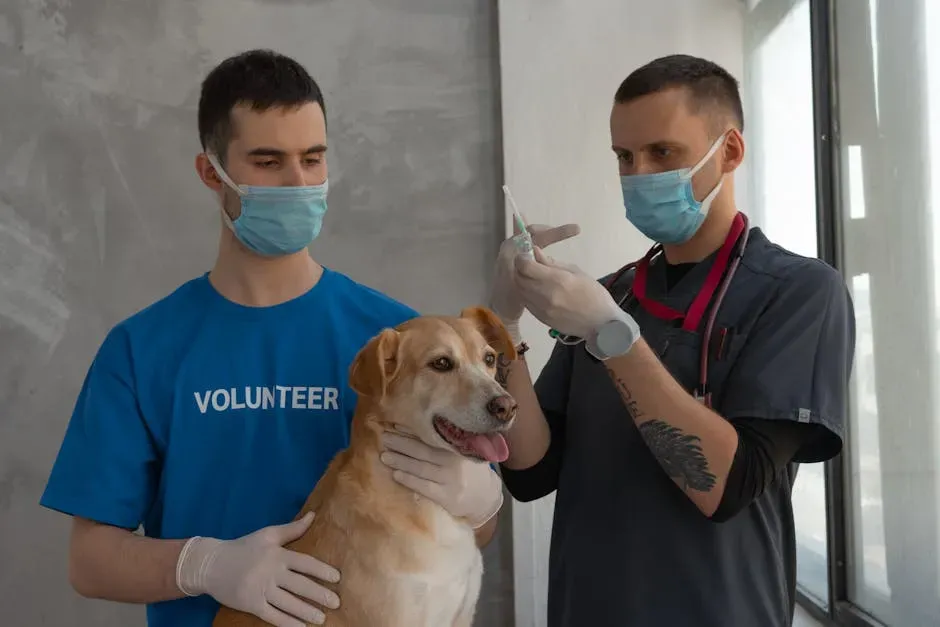
Money comes up in the first five minutes more often than people think – usually sideways, not directly. Staff pay close attention to whether an older adopter brings up vet bills, food costs, or medication before being asked. Seriously asking about typical annual vet expenses, pet insurance, or senior-dog costs tells staff you’re financially realistic, not just emotionally swept up in the moment.
On the other hand, brushing off costs with “Oh, I’ll manage, I always have,” while also grumbling about the adoption fee, quietly worries staff. Plenty of older adopters are on fixed incomes, and that’s never the issue – denial is. Adopters who say, “I’m on a budget, so I need a dog with manageable medical needs,” are far more likely to keep that pet for life, even through health scares or emergencies.
#10 – How You React When They Gently Suggest an Older or Smaller Dog

This single moment divides older adopters more than anything else on this list. When a counselor gently asks, “Given your lifestyle, have you considered a smaller or older dog?” the reaction is deeply telling. Some seniors bristle, hearing ageism in a genuinely practical question. Others lean in and say, “You probably know best – show me who you’d recommend.”
That second response is a massive green flag. Staff know you might have dreamed of another big, young dog, but they’ve also watched older adopters get knocked down, injured, or simply overwhelmed. Rejecting every age- or size-appropriate suggestion with “I don’t want an old dog, they just die on you” signals you’re not thinking in realistic timelines – while the adopters who can accept that their remaining years might beautifully overlap with a senior pet’s remaining years are the ones staff quietly admire most.
Worth Knowing
- Senior dogs, generally seven and older, have roughly a 25% adoption rate compared to about 60% for younger dogs.
- On average, senior dogs spend up to three times longer waiting in shelters than dogs under eight.
- Many senior dogs are already house-trained, calmer, and better suited to a slower-paced home – exactly the traits that make a match with an older adopter work.
#11 – How You Read the Dog’s Body Language, Not Just Its Face
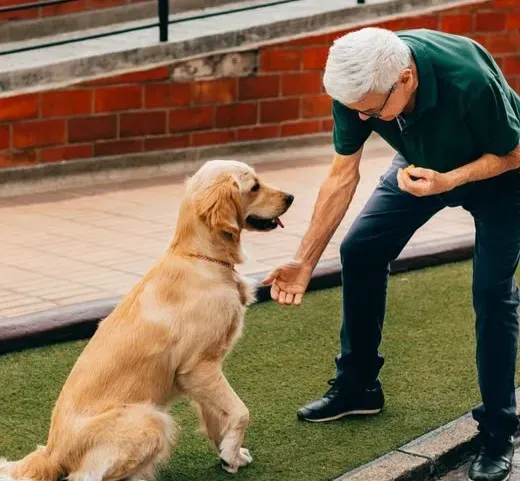
In the first minutes with a dog, experienced staff watch where your attention actually goes. Do you only coo at its face, or do you notice the stiff posture, the whale eye, the tucked tail, the nervous lip-lick? Most older adopters have had dogs before, but that doesn’t automatically mean they read the signs accurately. Someone who pauses and says, “He seems a little nervous, doesn’t he?” is showing exactly the kind of emotional intelligence shelters prize.
They also watch your hands. Do you grab for a hug immediately, or offer a palm for the dog to sniff first? Many shelter dogs carry real trauma, and a slower, more respectful approach is safer for everyone – especially someone over 70 who can’t easily recover from a bite or a fall. When you instinctively crouch a little, soften your voice, and give the dog an “out” instead of cornering it, staff mark you as experienced and low-risk, even if you insist you’re “rusty” after years without a pet.
#12 – Whether You Talk About “Forever” in Realistic Terms
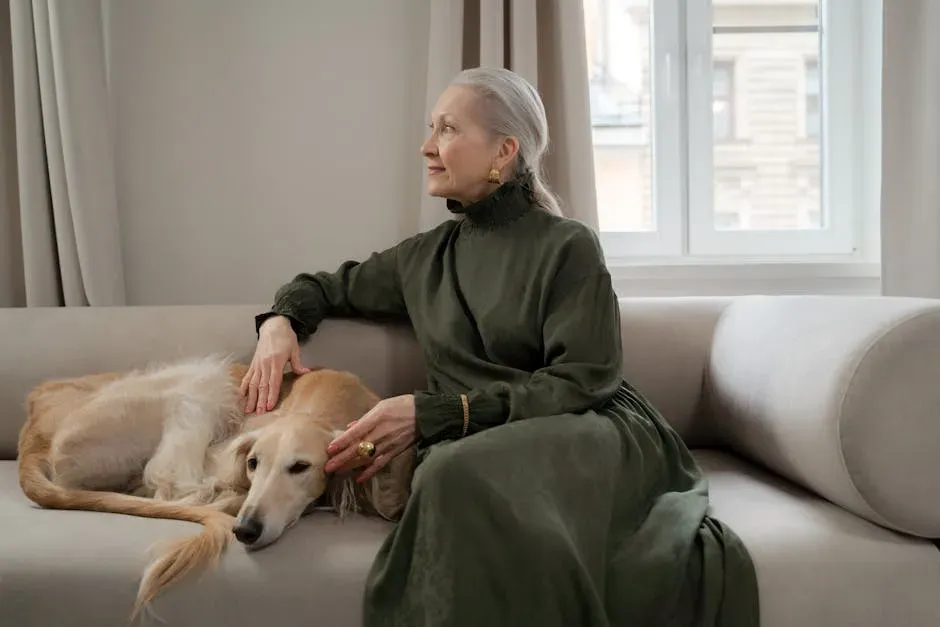
The single most revealing thing shelter staff hear from adopters over 70 is how they talk about time. Someone who says, “I want a puppy so we can be together fifteen years” quietly worries staff – not because of age itself, but because it shows a kind of denial about basic math. The adopters who earn the deepest respect are the ones who say, plainly, “I’m 78. I want a dog whose remaining years match mine.”
They’re also listening for whether “forever home” extends beyond your own lifetime. Some seniors are strikingly honest: “I might not have fifteen years left, but I can give this dog’s next five or eight a soft landing and a lot of love – after that, my niece takes over.” That’s not morbid. That’s responsible, and staff know it.
Until one has loved an animal, a part of one’s soul remains unawakened.
Anatole France
Shelter staff don’t secretly think, “You’re too old.” They think, “Do your expectations match reality, and is this pet safe if life changes fast?” Seniors who answer yes without flinching are the ones staff would trust with almost any animal in the building.
Here’s the part nobody wants to say out loud: shelter workers aren’t quietly judging seniors for being “too old” to adopt. They’re judging how honestly, practically, and specifically an adopter over 70 faces their own limits. In those first five minutes, they can tell who’s chasing a memory of a dog they loved decades ago, and who’s actually preparing for a partnership that fits the life they’re living right now.
The seniors who do best are the ones who admit their mobility isn’t what it used to be, name a real backup caregiver, accept that a smaller or older dog might be the smarter love story, and talk about the future in years instead of fantasies. Call that ageist if you want. Most shelter staff would call it the opposite – it’s taking older adopters seriously enough to match them with an animal they can actually keep, and keep well, for the rest of both their lives.


