
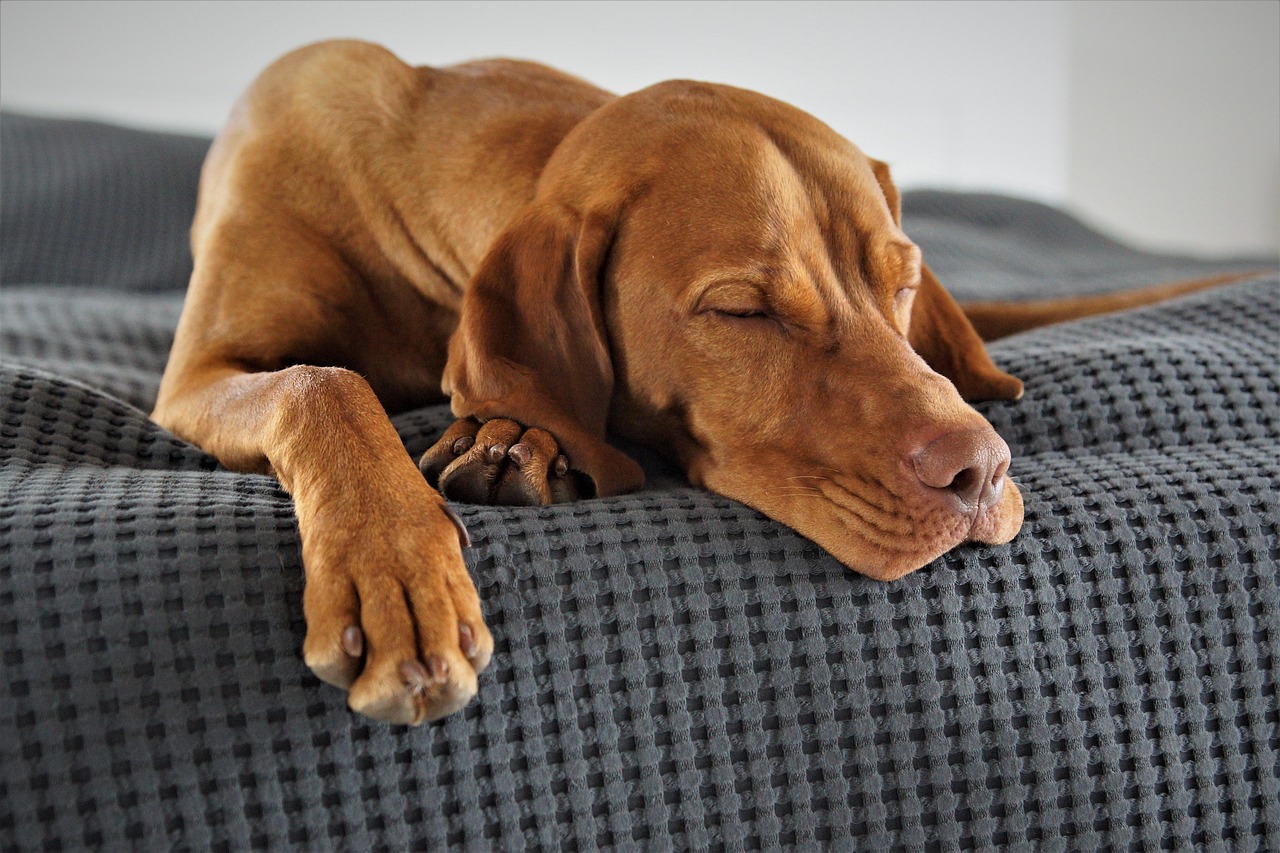
Your dog looks so completely, adorably unconscious sprawled on the living room floor that you’d swear nothing much is happening behind those closed eyelids. Then the paw twitches. The tail thumps twice. A muffled bark escapes through a closed mouth, and you smile and think, “Chasing rabbits again.” But researchers who study canine sleep patterns say what’s actually happening is far more specific, and far more emotional, than a generic dream about running.
Dogs don’t just dream in vague sensations. Their brains replay real scenes from their actual day, complete with sounds, smells, and the exact rhythm of what happened, like a highlight reel their subconscious refuses to delete. Some of those replayed moments are exactly what you’d expect. Others are quiet, ordinary seconds you probably don’t even remember, and yet your dog’s brain marked them as important enough to relive. Here are the 17 real-life moments dogs are most likely replaying while they sleep beside you.
#1 – The Mailman Standoff He Refuses to Lose
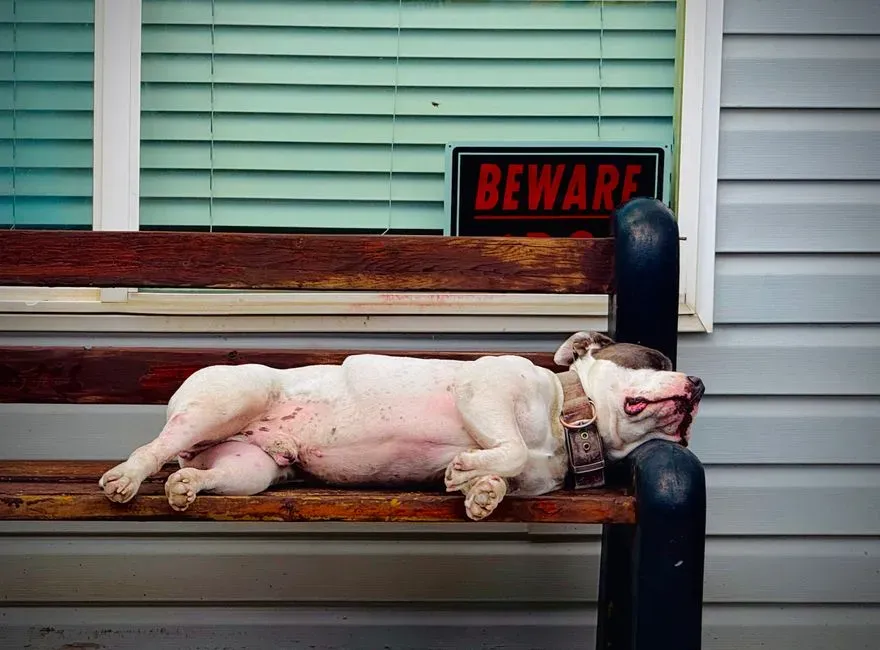
That deep, muffled bark your dog lets out mid-nap while lying totally still isn’t random noise. It’s very likely the exact defense sequence he runs every day when the mail carrier’s footsteps hit the porch. His brain doesn’t invent a new threat to fight in his sleep. It replays the one he already knows by heart, scent and all.
This happens because REM sleep is when a dog’s brain processes territorial instinct, the same instinct that makes “protecting the pack” feel like the most important job in the world. The replay isn’t just visual either. The mail carrier’s uniform smell, the pitch of the real alert bark, even the heart-rate spike, all show up again in the dream. It’s rehearsal, not nonsense, and it happens almost every day without you ever noticing.
- His bark pitch during sleep often matches his real front-door alert almost exactly.
- Heart rate has been shown to rise during these dreams the same way it does during real guarding behavior.
#2 – The Squirrel He Never Quite Caught
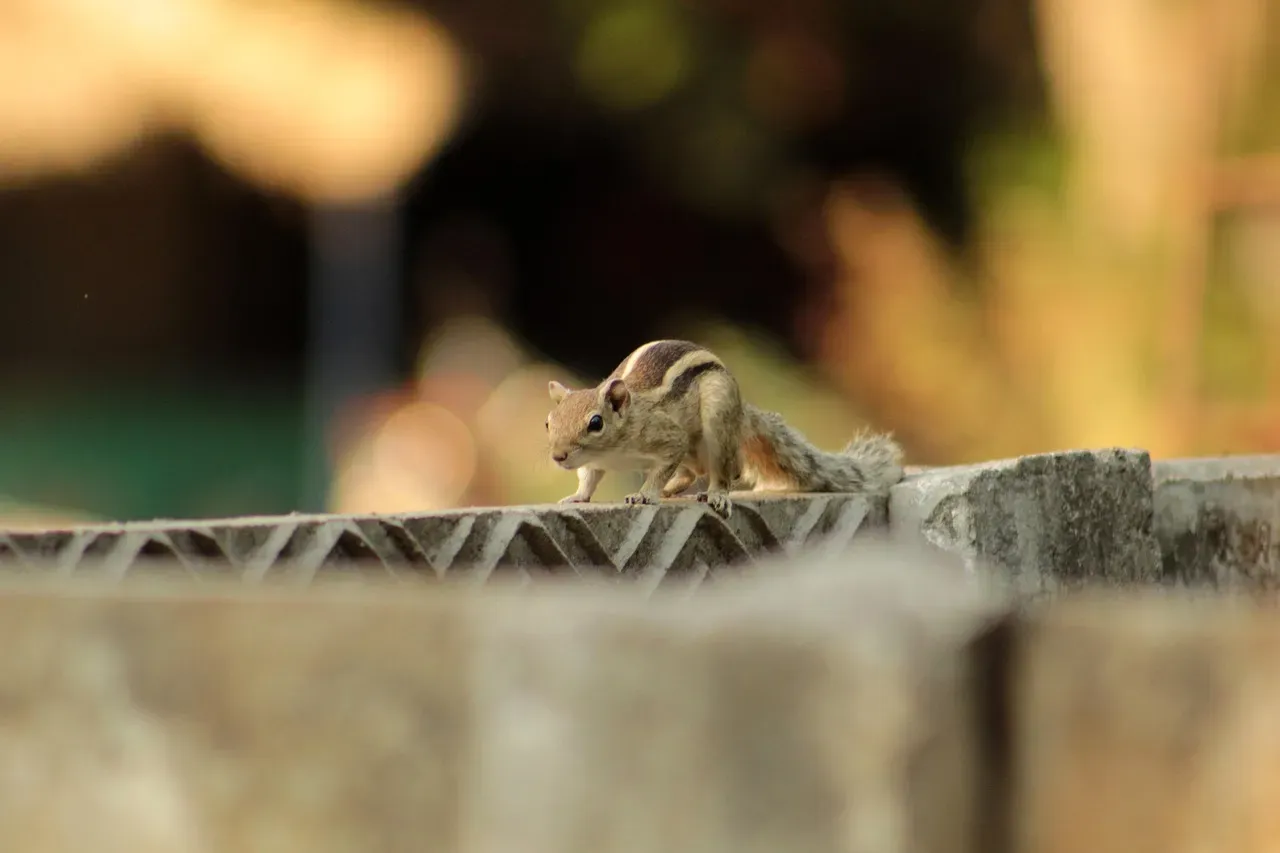
Somewhere in your dog’s memory, there’s one specific squirrel who won. Maybe it disappeared up a particular tree last Tuesday, and his brain has decided that loss isn’t over yet. Unfinished business like that tends to loop the hardest in dream cycles, replaying the chase frame by frame instead of letting it go.
This shows up most in dogs bred for hunting or high prey drive, who tend to have noticeably longer dream sequences than lower-drive breeds. The paw twitching you see traces the actual path he ran, and the frustrated little whimper is the exact sound of watching that squirrel vanish all over again. In a strange way, the dream is practice for next time.
- Paw movement during sleep often traces the real chase route almost step for step.
- Working and hunting breeds tend to show longer, more intense dream sequences tied to prey drive.
#3 – The Bacon That Hit the Kitchen Floor
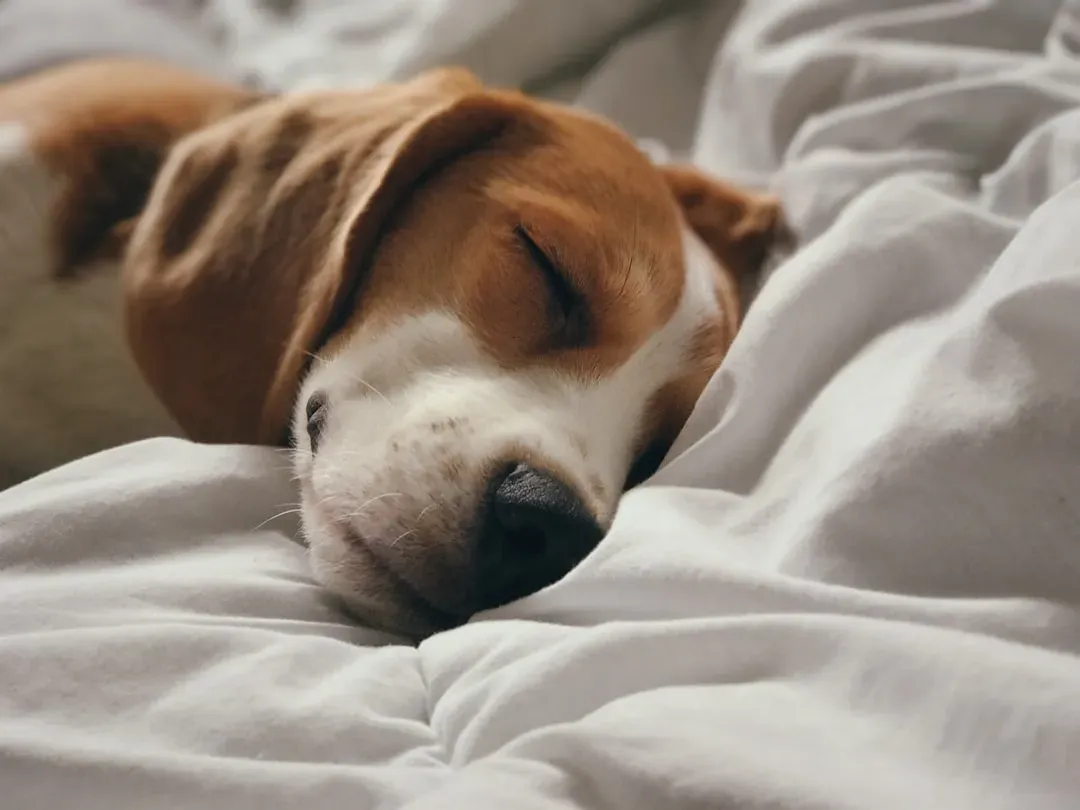
Food memories hit differently in a dog’s brain, and one dropped piece of bacon or cheese can become an instant replay classic. It makes sense biologically. Anything tied to survival and pleasure gets flagged as high priority to revisit, and food sits right at the top of that list.
That’s why you’ll sometimes catch your dog licking his lips repeatedly mid-sleep, tail thumping in slow motion like he’s already chewing. The dream apparently recreates the whole scene in surprising detail, right down to the texture and smell of that kitchen floor moment. It’s also, unfortunately, part of why the begging never really stops the next morning.
- Lip-licking during sleep frequently lines up with dreams involving food.
- The tail often wags in the same rhythm as the imagined chewing.
Fast Facts
- Dreams usually begin for the average dog after about 20 minutes of slumber, while in REM sleep.
- Puppies and senior dogs tend to dream more frequently, while smaller breeds dream more often but for shorter durations.
- Scientists believe that sleep plays a big role in memory consolidation, helping us all retain information about what’s significant in our lives.
- None of this is random twitching. It’s a dog’s brain quietly sorting the day into what’s worth keeping.
#4 – The New Dog Who Changed the Whole Walk
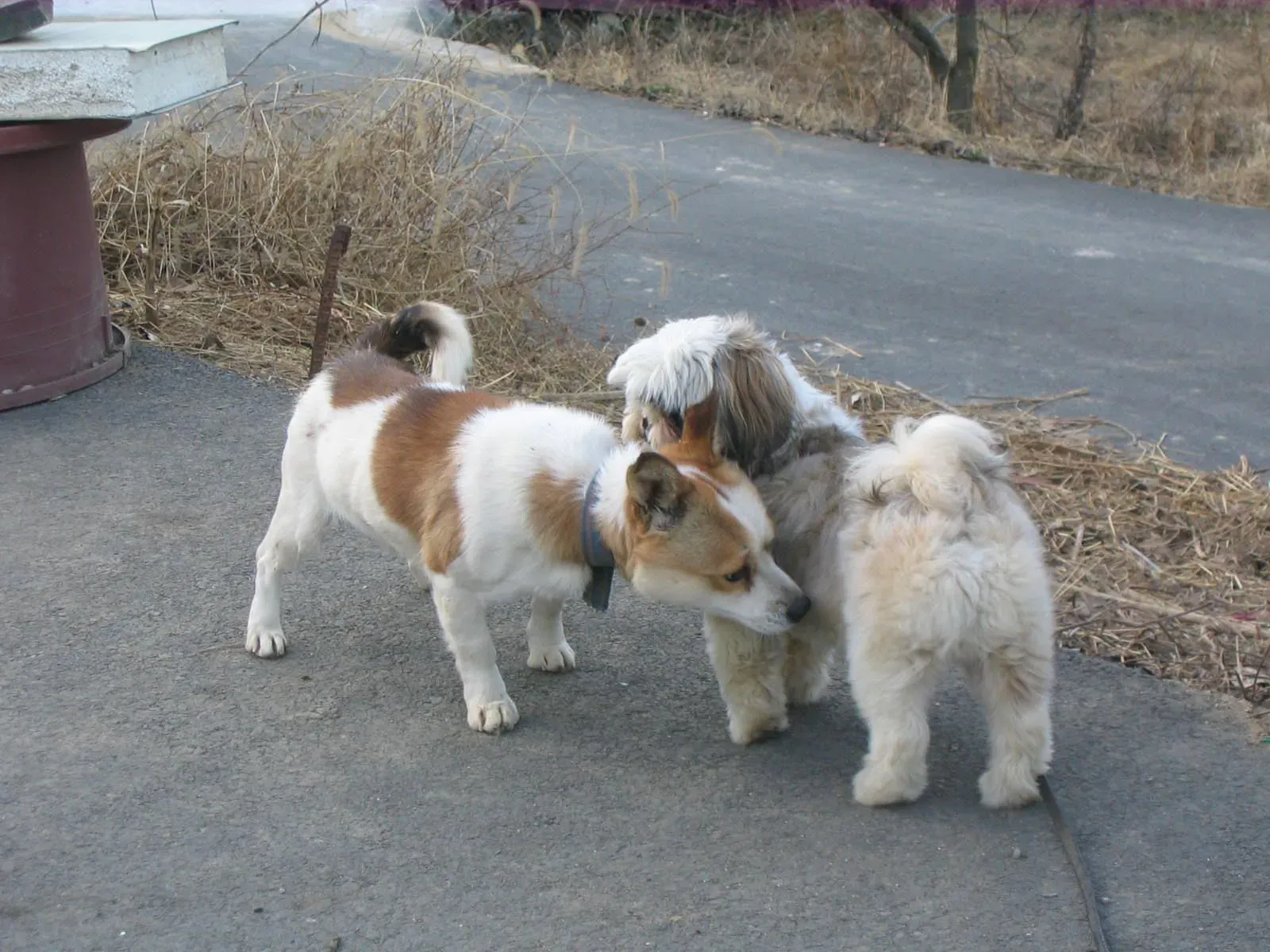
Meeting an unfamiliar dog is a lot more complicated for your pup than it looks from the sidewalk. There’s body language to read, scent to process, and play signals to figure out in real time, so it’s no surprise his brain wants to replay all of it later to make sense of what happened.
Dogs who’ve had a busy, social day at the park tend to show longer REM periods that night, almost like the brain needs extra time to file everything away. Sometimes the dream doesn’t just replay the meeting exactly as it happened. It seems to invent a slightly different version, a kind of practice run for how the next introduction might go.
- Sniffing motions during sleep often mimic the exact greeting ritual from earlier that day.
- Play-bow twitches show up even though the dog is lying completely still.
#5 – The Car Window That Smelled Like a Whole New World
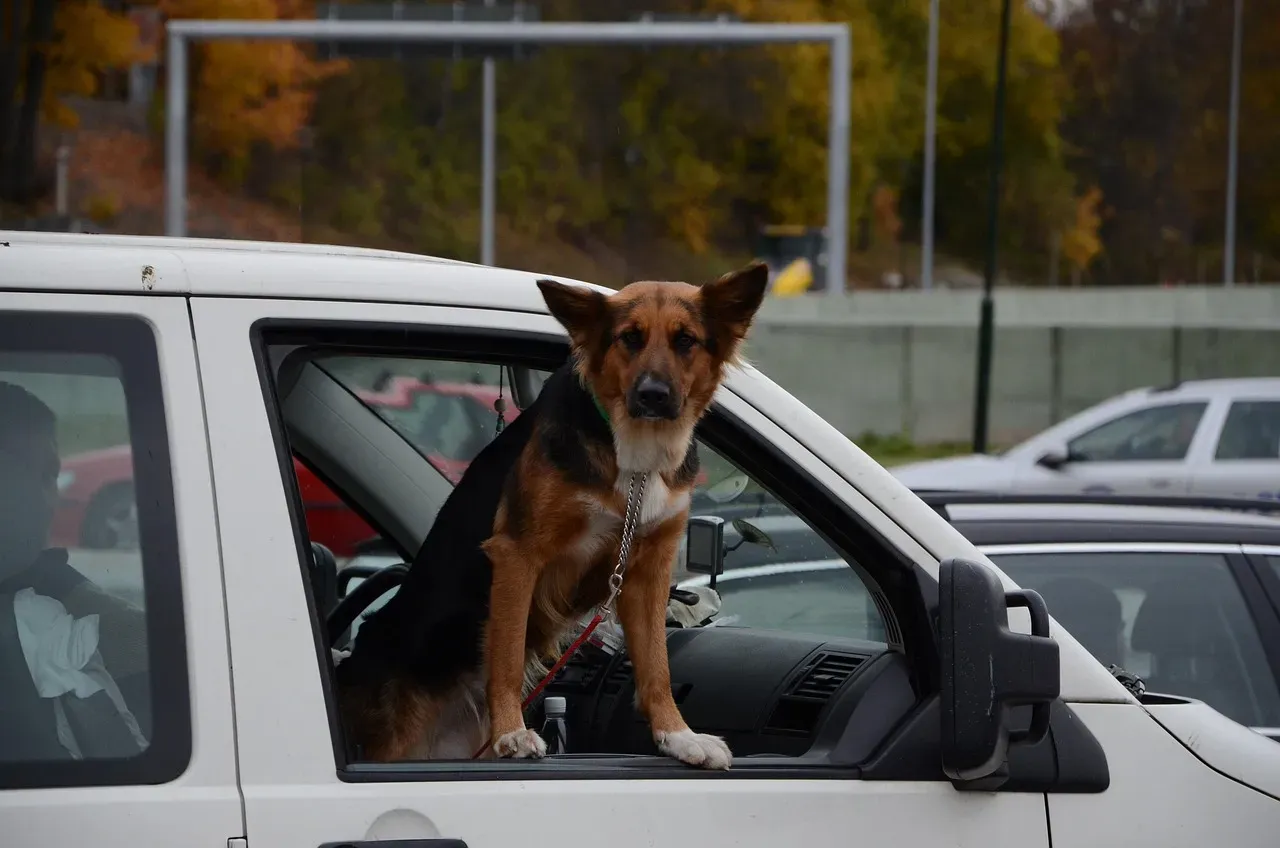
If your dog spent even ten minutes with his nose out the car window, that ride probably earned its own private dream. A dog’s nose collects information the way your eyes collect a photo album, and every new neighborhood smell gets tagged as data worth keeping.
That’s why the replay can sometimes feel like it lasts longer than the actual drive did. His nostrils flare in sync with the remembered wind, and his body leans the same way it did hanging out that window hours earlier. It’s not just nostalgia. It’s literally how he builds his mental map of the world outside your yard.
- Nostril movement during sleep can mirror the remembered wind direction from the ride.
- Body shifts often replay the exact lean he used to catch more air.
#6 – The Vacuum Cleaner Showdown
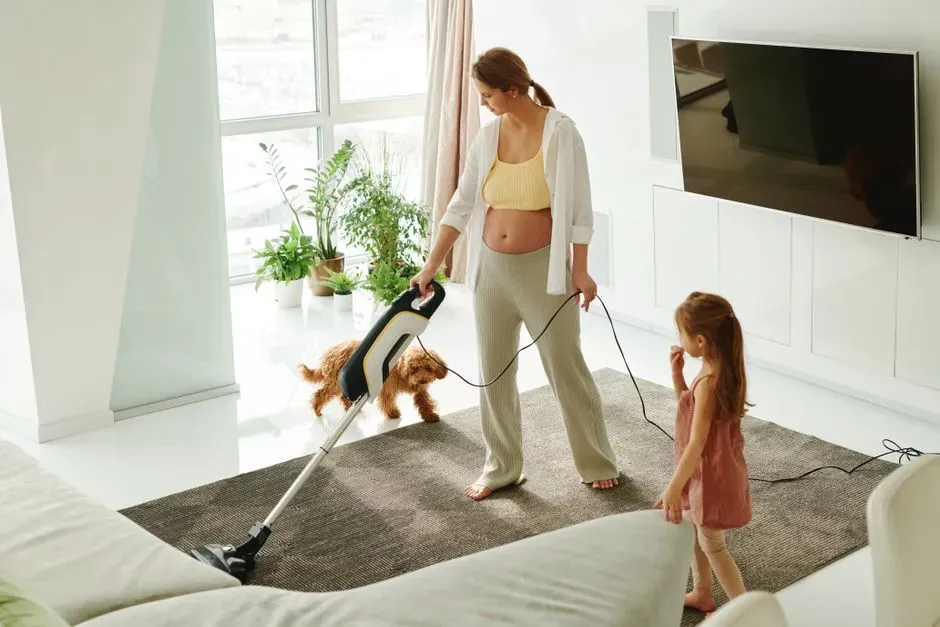
That roaring machine you drag out once a week isn’t just annoying to your dog in the moment. It becomes a full dramatic showdown in his sleep, complete with the same growls, dodges, and evasive maneuvers he used in real life. This is his brain’s way of processing something loud and stressful into something a little more manageable.
Watch closely next time he naps after vacuum day. His legs twitch through the exact dodging pattern he used on the carpet, and his growl volume during the dream tends to match the real thing almost exactly. It’s equal parts funny and a little bit sweet, proof that even household chores leave a mark.
- Growl intensity during these dreams often mirrors the real confrontation.
- Leg twitches can trace the same evasive path he took across the room.
#7 – The Couch Cuddle He Didn’t Want to End
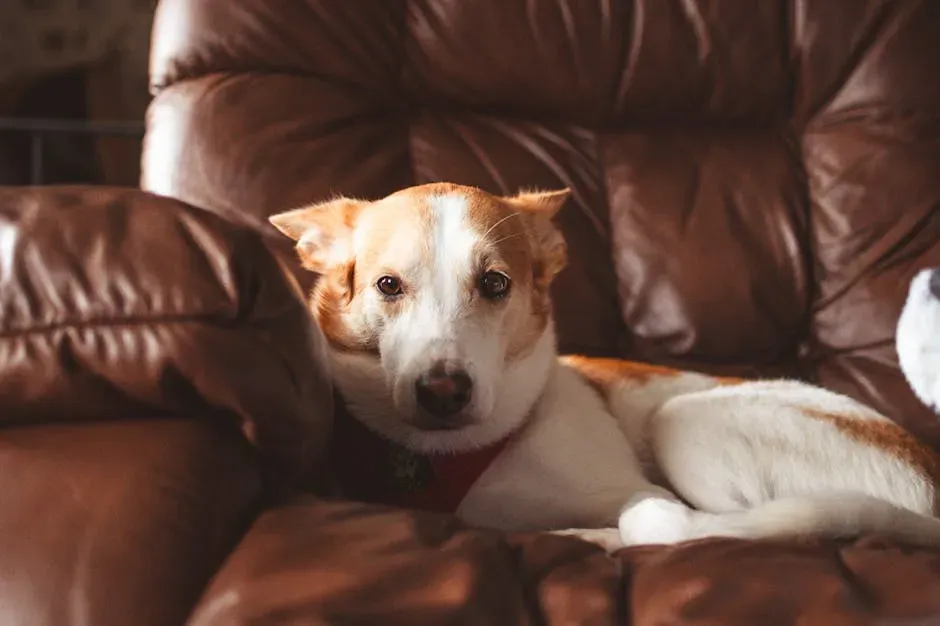
Not every replayed memory is dramatic. Some of the most frequent dream loops are the quietest ones, like the exact weight of your hand resting on his side or the specific pressure of the blanket tucked around him. These small bonding moments matter more to a dog’s emotional processing than most owners realize.
Rescue dogs in particular tend to replay these gentle moments more often, almost like their brain is double-checking that the safety is real. Sometimes the dream even seems to include the sound of your voice from that exact session. His breathing slows to match the remembered calm, and his head tilts slightly, as if still asking for one more scratch behind the ears.
- Breathing rate during sleep often slows to mirror the original calm moment.
- Rescue dogs tend to replay bonding moments with noticeably more frequency.
#8 – The Ball That Vanished Under the Couch
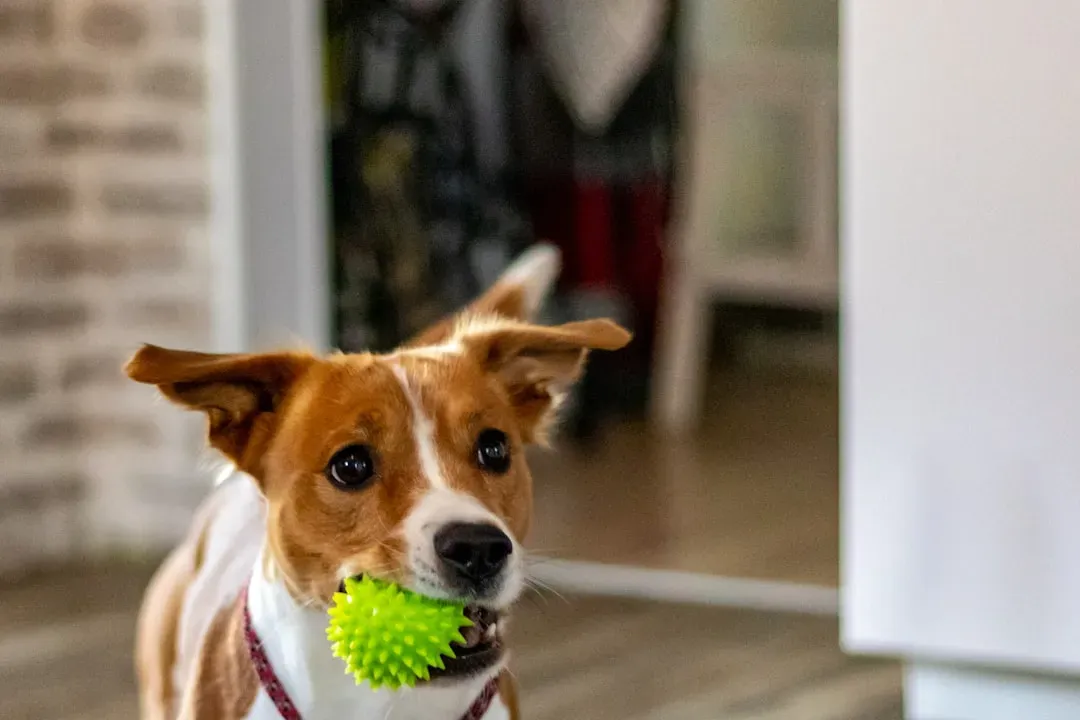
A lost toy might seem like a five-second frustration to you, but to your dog’s brain, it’s an open case file. The problem-solving part of his mind wants closure, so it keeps replaying the search, the exact angle the ball rolled, and the failed attempts to reach it.
You’ll see his nose poke at an imaginary gap and his paw scoop at nothing, repeating the same failed retrieval motion over and over. It looks a little silly from the outside, but this kind of mental rehearsal actually sharpens his focus for next time he loses a toy. Nothing about it is wasted effort in his mind.
- Nose-poking motions often trace the remembered gap under furniture.
- Paw-scooping repeats the exact failed retrieval attempt from earlier.
#9 – The Vet Visit He’s Still Processing
Even a short, uneventful trip to the vet can leave a surprisingly detailed imprint. Fear and relief get tangled together in that environment, and the brain seems to need extra replay time to sort through both feelings and prepare for the next visit.
This is why some dogs sleep more heavily, and more restlessly, the night after a checkup. Ear twitches often react to a remembered clipper sound, and his whole body may tense the way it did on the exam table. It’s not pleasant to watch, but it appears to be part of how he slowly desensitizes himself to something scary.
- Ear twitching during sleep can mirror reactions to remembered clinical sounds.
- Body tension often echoes the exact stiffness felt on the exam table.
Worth Knowing
- Most twitching, whimpering, and leg-paddling during sleep is completely normal dreaming, not a medical problem.
- Routinely waking your sleeping dog could hinder their ability to learn and make them grumpy, so let sleeping dogs lie.
- During a dream, a dog will appear relaxed overall with intermittent, varied movements, while seizure activity involves rigid, repetitive movements and leaves the dog distressed or disoriented on waking.
- If you’re ever unsure which one you’re seeing, it’s always worth mentioning to your vet.
#10 – Roughhousing With the Kids, in Slow Motion
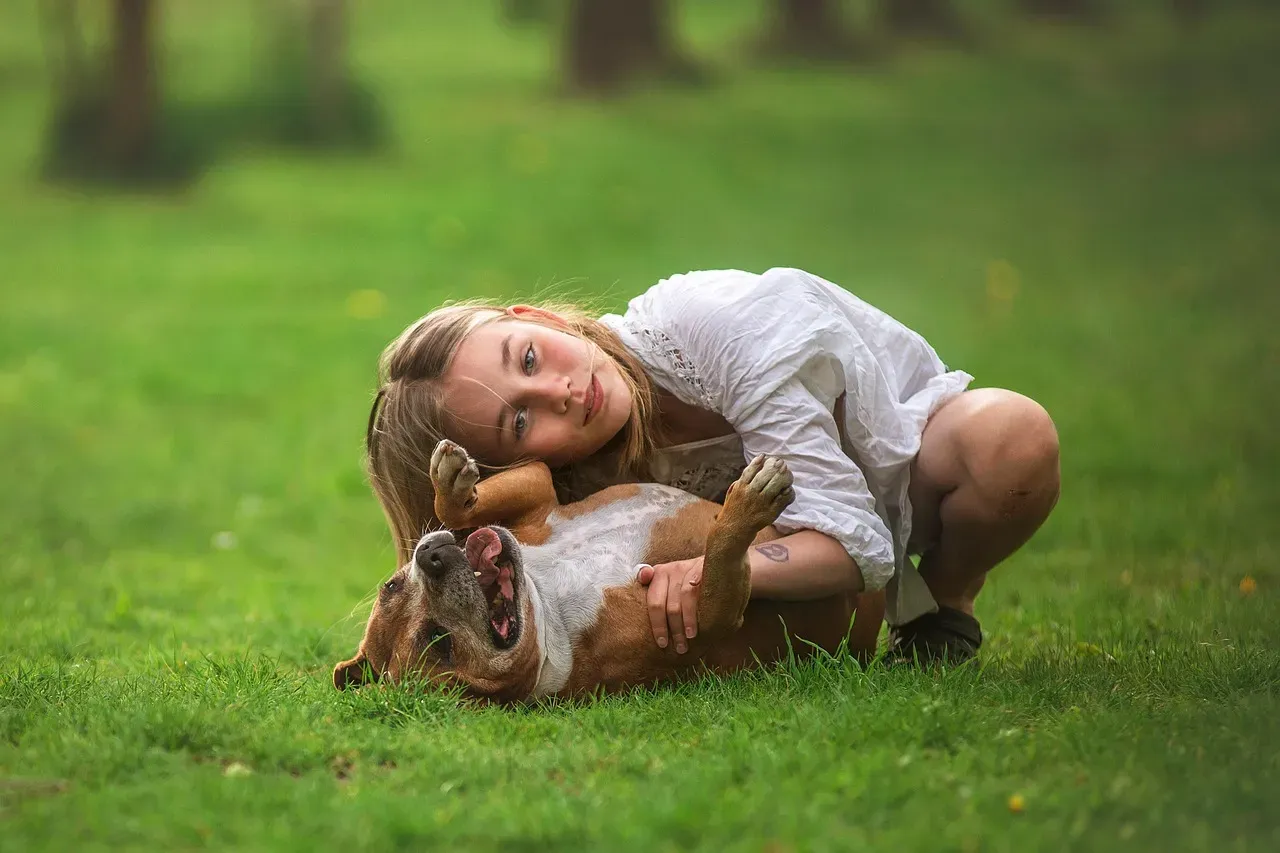
Playtime with children asks a lot of a dog. He has to read energy levels, respect boundaries, and stay careful even while having fun, and all of that gets reprocessed later in surprisingly gentle detail. The dream often seems to slow down the trickiest moments, as if his brain wants to get the calibration exactly right.
You might notice his mouth moving softly instead of snapping, carefully avoiding anything close to a real bite, even in the middle of a dream. His little leaps also tend to match the actual height of the kids he was playing with. It’s a strangely tender kind of practice, one most owners never think to look for.
- Mouth movements during these dreams are almost always gentle, mirroring bite inhibition.
- Jump height during sleep frequently matches the real child’s height from that day.
#11 – The Midnight Potty Walk That Became a Map
That quick, half-asleep trip to the backyard at 11 p.m. means a lot more to your dog than it does to you. His nose is working overtime out there, cataloging every new smell the night air carries, and that information gets filed away with surprising precision.
Even small details like weather conditions seem to get folded into the replay, which is part of why dogs sometimes dream more vividly after a rainy or windy night. Sniffing arcs during sleep tend to trace the exact route he walked, and leg lifts repeat at what appear to be the same marking spots. A boring nightly chore, at least for you, turns out to be valuable data collection for him.
- Sniffing patterns during sleep often trace the exact backyard route from that walk.
- Weather conditions from the original walk seem to influence dream intensity.
#12 – Fetch With a Kid He’d Never Met Before
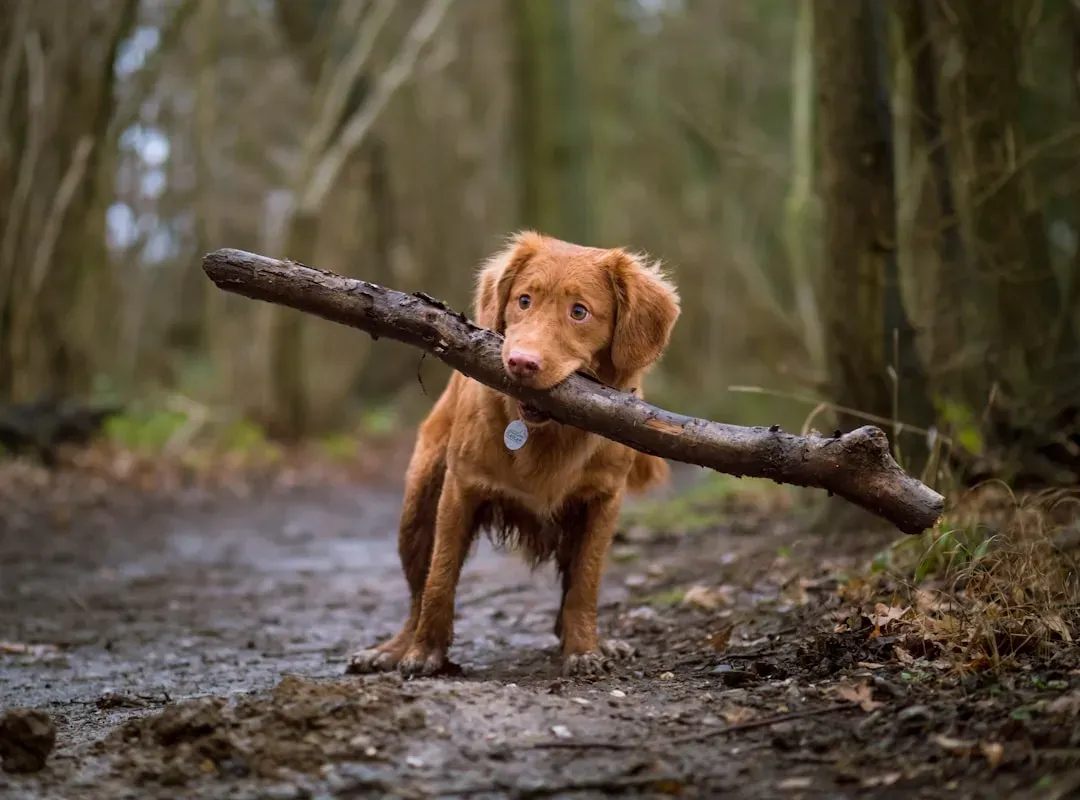
An unplanned game of fetch with a new kid from down the street sticks in a dog’s memory longer than you’d expect. The novelty of a different throwing style, a new voice, and unfamiliar reward timing all seem to earn extra replay attention overnight.
Sometimes the dream doesn’t repeat the moment exactly. It adds small variations, almost like your dog is testing out different ways the game could have gone. Jump heights during sleep tend to match the real throw arc, and his catch motions include the same grip he used in real life. These cross-household memories are easy for owners to miss entirely, but they clearly matter to the dog.
- Jump height during dream fetch scenes often matches the real throw arc.
- Catch motions can replicate the exact grip used during the original game.
#13 – The Doorbell Ring He’s Still Deciding About
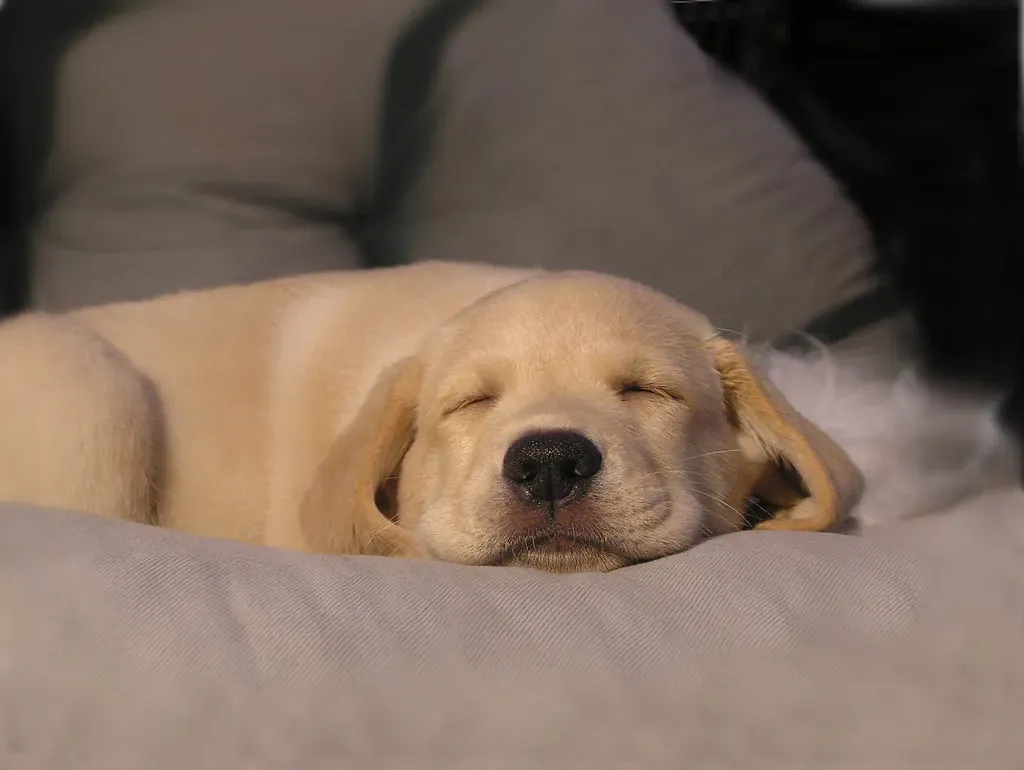
Every unexpected doorbell sends a dog’s brain into a quick calculation: friend, stranger, or threat? That mental scramble doesn’t fully resolve in the moment, so it often gets replayed later while he sleeps, running through the greeting protocol all over again.
Interestingly, the specific tone of that day’s doorbell seems to show up in the dream too, not just a generic “ding.” His head lifts the same way it did in real life, and his tail position during sleep can shift between welcoming and cautious, depending on how the original moment played out. It’s a small daily mystery his brain apparently isn’t ready to let go of yet.
- Head-lift timing during sleep often matches the real reaction to the doorbell.
- Tail position can shift mid-dream between cautious and welcoming.
#14 – The Forbidden Dig in the Garden
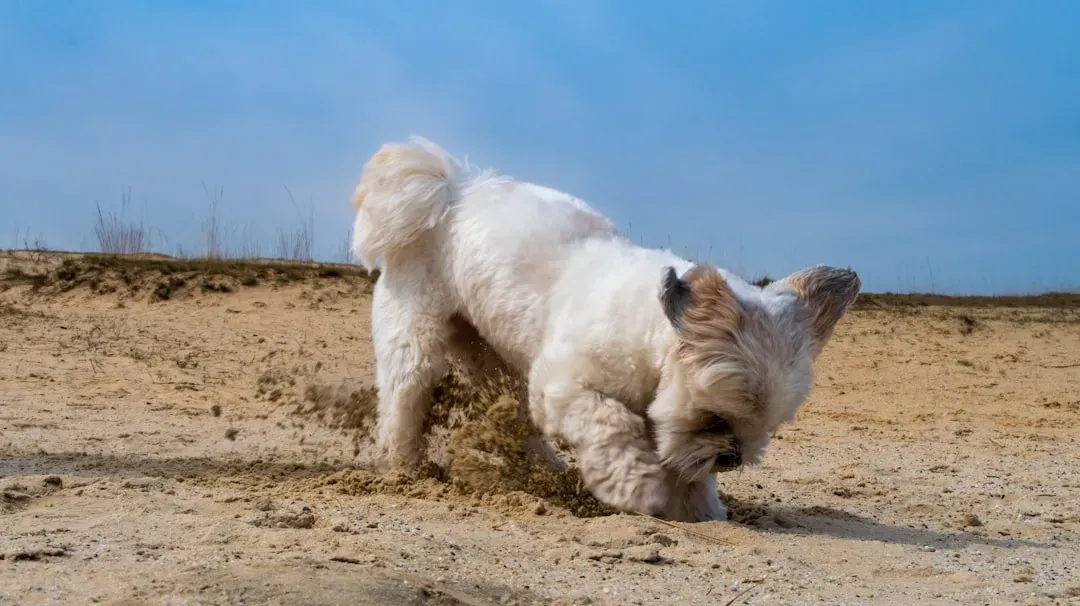
That one spot in the yard he’s not supposed to touch has a way of becoming a favorite dream destination. There’s something about the texture of the dirt and the thrill of doing something slightly forbidden that makes this memory stick harder than more “approved” activities.
Depending on how the day actually ended, whether he got scolded or got away with it, this replay can either reinforce or start to fade the digging habit. His paw scoops during sleep echo the real digging rhythm almost perfectly, and his snout pushes forward like it’s meeting real soil. Most owners have no idea backyard mischief runs this deep in a dog’s mind.
- Paw-scooping rhythm during sleep closely matches real digging motion.
- The outcome of the original dig appears to influence how often the behavior repeats.
#15 – Meeting the New Baby for the First Time
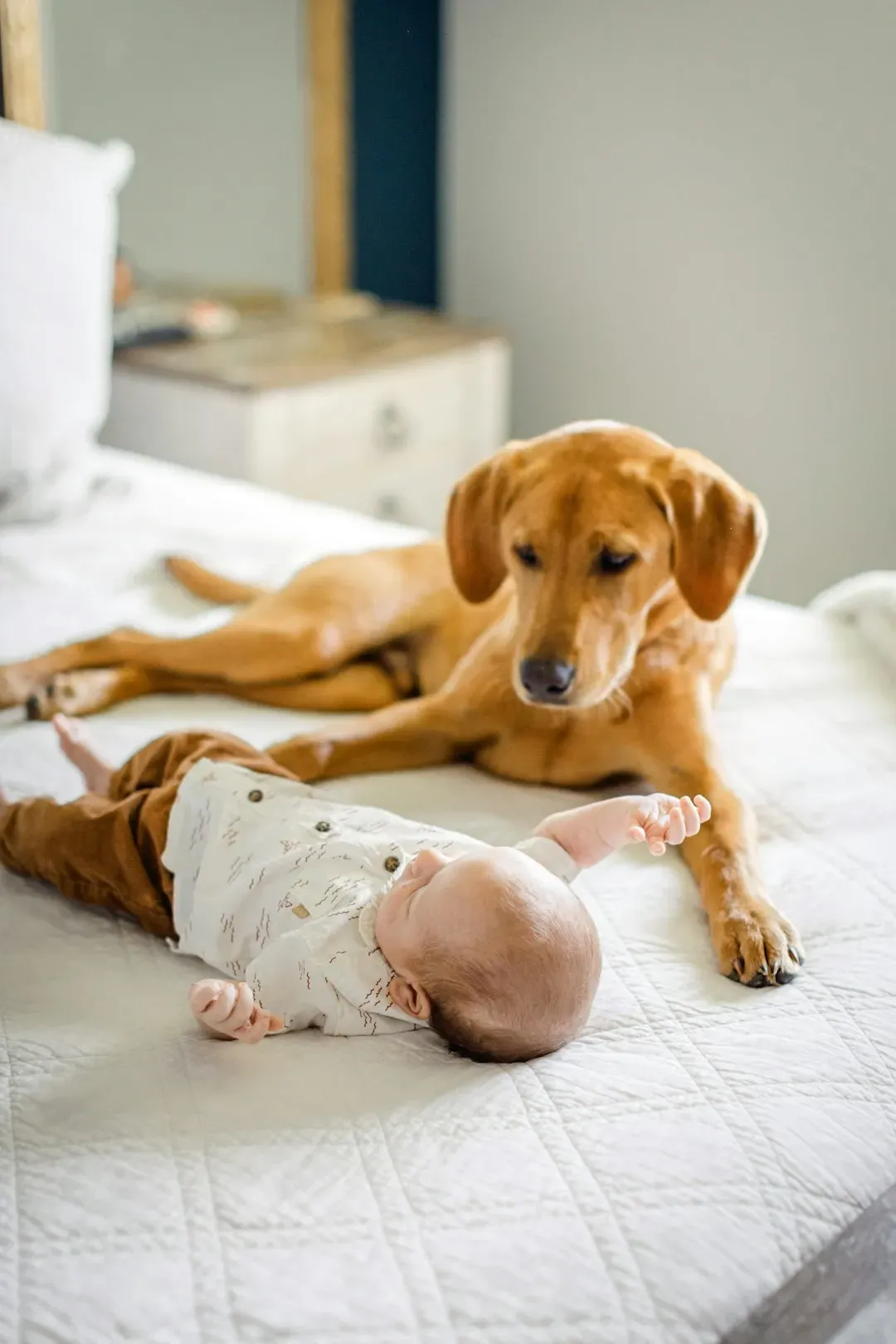
Few moments trigger a bigger mental adjustment than a new baby coming home. A dog’s brain has to map an entirely new set of sounds, smells, and boundaries almost overnight, and that kind of change tends to produce especially long and detailed dream sequences.
The very first interaction, the cautious approach, the careful sniff, the moment he first heard that tiny cry, often gets replayed with unusual precision. His head tilts during sleep as if he’s still listening for a cry that isn’t actually happening. It’s one of the clearest signs that dogs process major life changes emotionally, not just behaviorally.
- Cautious approach motions during sleep often replay the very first baby introduction.
- Head-tilting behavior can mimic listening for a cry, even in deep sleep.
#16 – The Long Walk That Turned Into a Full Adventure
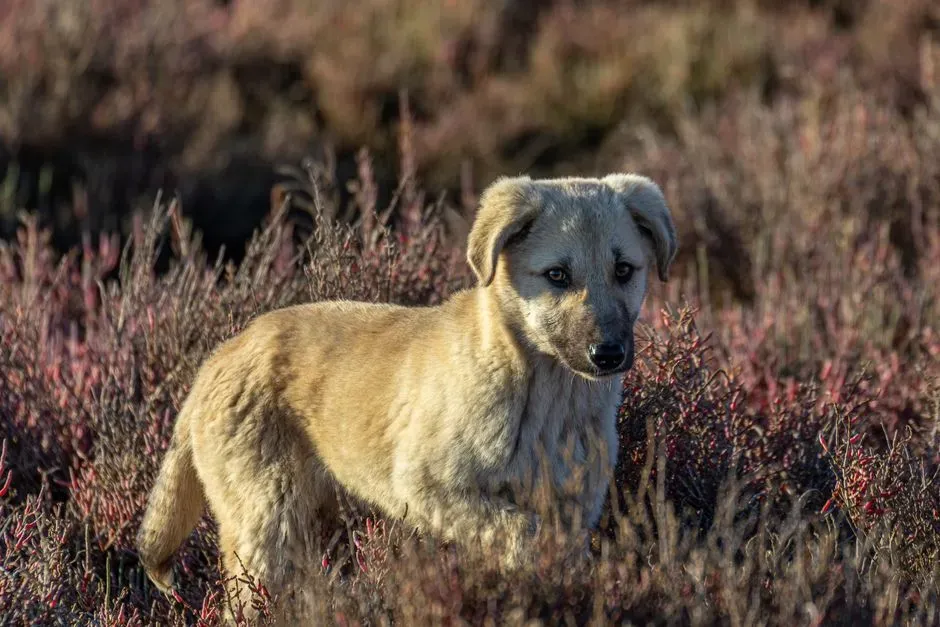
An extended neighborhood walk with plenty of stops gives a dog’s brain a lot to work with, and it shows. Every lamppost, every stranger, every new smell along the way seems to get cataloged in sequence, almost like he’s replaying a movie of the entire route afterward.
Sometimes the dream doesn’t even follow the same direction. It runs the walk in reverse, almost like his brain is testing the memory from a different angle for extra reinforcement. His nose work during sleep traces every lamppost from the original route, and his pace shifts to match the real terrain he covered. What looks like simple exercise turns out to double as serious mental enrichment.
- Reversed-route dreams have been observed, suggesting deeper memory processing.
- Pace changes during sleep often mirror the real terrain from the walk.
Quick Compare
- A toy poodle may dream every 10 minutes, while a Labrador Retriever may only dream once every 60 to 90 minutes.
- The poodle’s dreams may last only a minute, while the Labrador’s dreams may be 5 to 10 minutes long.
- Neither pattern is a problem, it simply comes down to metabolism and how fast each dog cycles through sleep stages.
#17 – That Last Quiet Look Before He Closed His Eyes
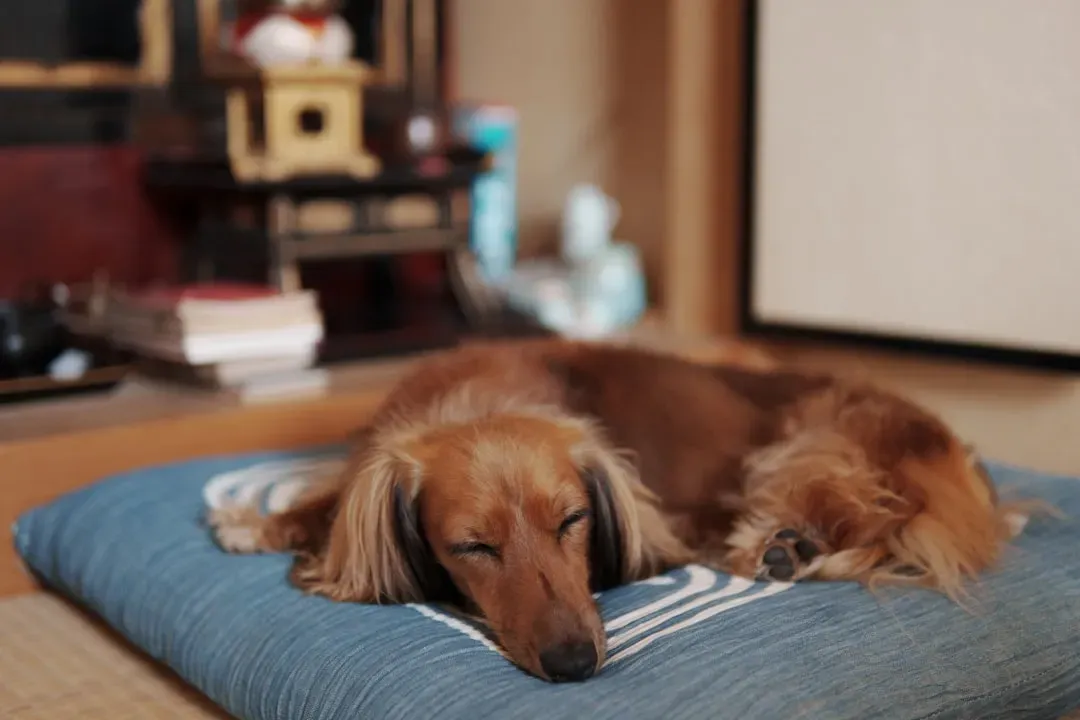
Here’s the one nobody expects: the single most emotionally loaded replay in a dog’s entire sleep cycle isn’t the mailman, the squirrel, or even the park. It’s the quiet, unremarkable moment right before he drifted off, the last glance you gave him, the tone of your voice saying goodnight, the exact way you were sitting.
This tiny, seemingly forgettable moment appears to carry more emotional weight than almost anything else in his day. It’s why some dogs wake up seeking that exact same closeness, curling into the same position, breathing at the same slow rhythm as the dream. Somewhere along the way, an ordinary bedtime became the moment his brain decided mattered most, and most owners never once suspect it.
- Breathing rhythm during this replay closely matches the actual pre-sleep calm.
- Sleeping position often mirrors the exact posture from that final goodnight moment.
If there’s one thing all of this adds up to, it’s that dogs aren’t wired to dream in vague generalities. They dream in specifics, mailman footsteps, kitchen floor bacon, backyard squirrels, the weight of your hand on the couch, because their brains are built to hold onto exactly what mattered most that day.
And honestly, the most humbling part isn’t the mailman chase or the vacuum battle. It’s realizing that the quietest, least dramatic moment you spend together, the last look before lights out, outranks everything else in his mind. We spend so much energy trying to give our dogs exciting days, when it turns out the ordinary ten seconds of just being near them is the part they carry into sleep and never let go of. That’s worth sitting with the next time he curls up and starts to twitch.


