
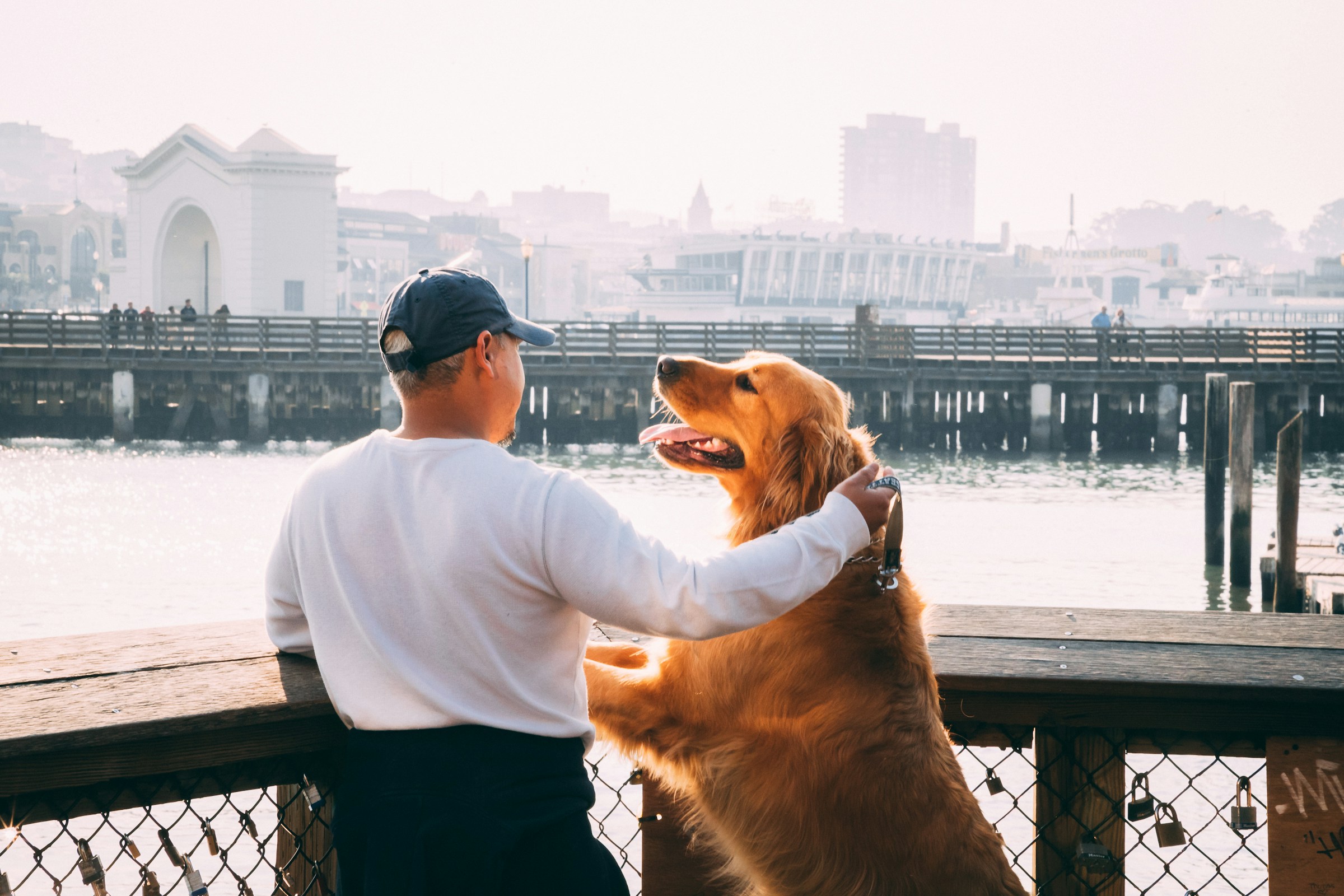
Everyone assumes their dog is oblivious to the small stuff – that as long as the food bowl fills up and the leash comes out, life looks exactly the same from the dog’s side of the room. It doesn’t. Canine cognition research keeps landing on the same uncomfortable truth: senior dogs are quietly tracking your pace, your posture, your sighs, and your silences long before you’d ever admit anything has changed.
This isn’t a tearjerker about a dog sensing the end. It’s stranger and more tender than that – a slow, mutual rewiring that happens when two aging bodies start moving through the same house at the same reduced speed. Here are 14 things your senior dog has already noticed about you, whether you’ve said a word about it or not.
14. Your Dog Notices You Sit Down More – And Stay There
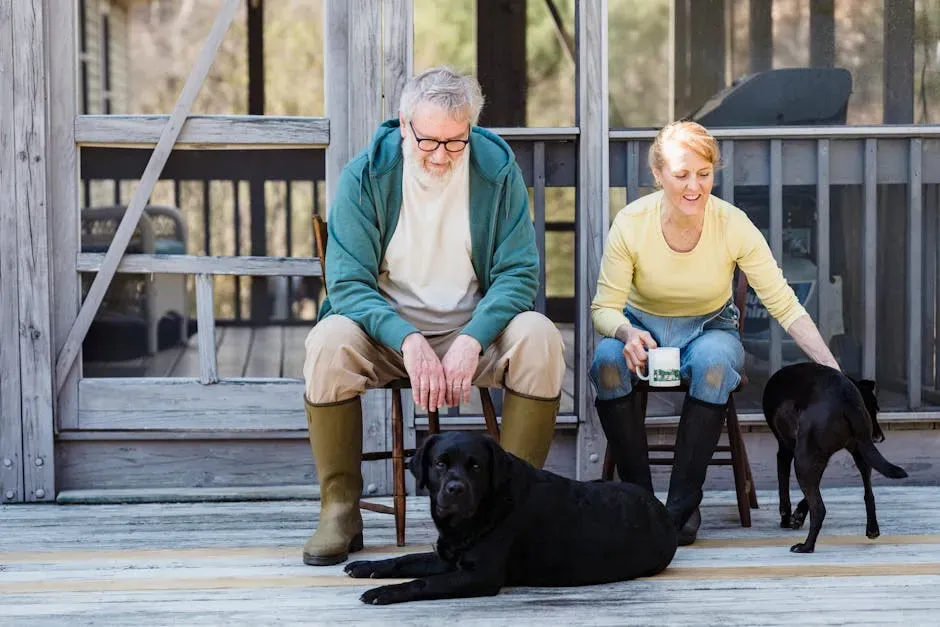
The first thing most senior dogs clock isn’t the big stuff – it’s the missing motion. They know exactly how long you usually linger at the counter, how many trips you make to the laundry room, how often you pop up during a TV show. When those little errands quietly stop happening, your dog feels the gap before you’d ever call it “getting older.”
What follows is oddly touching: dogs will often abandon their favorite sunny patch of floor just to lie near wherever you’ve now parked yourself – the recliner, the couch cushion, the foot of the bed. Some will pick an objectively worse spot on cold tile just to stay in range. Your stillness, without you saying anything, has become the most interesting place in the house.
Fast Facts
- Dogs adjust to new routines within days, not weeks.
- Senior dogs often shift resting spots to stay near a less-active owner.
- A dog’s sense of “normal” resets quickly around consistent new behavior.
- Proximity-seeking tends to rise as an owner’s activity level drops.
13. They Track Your Slower Walk – Step for Step
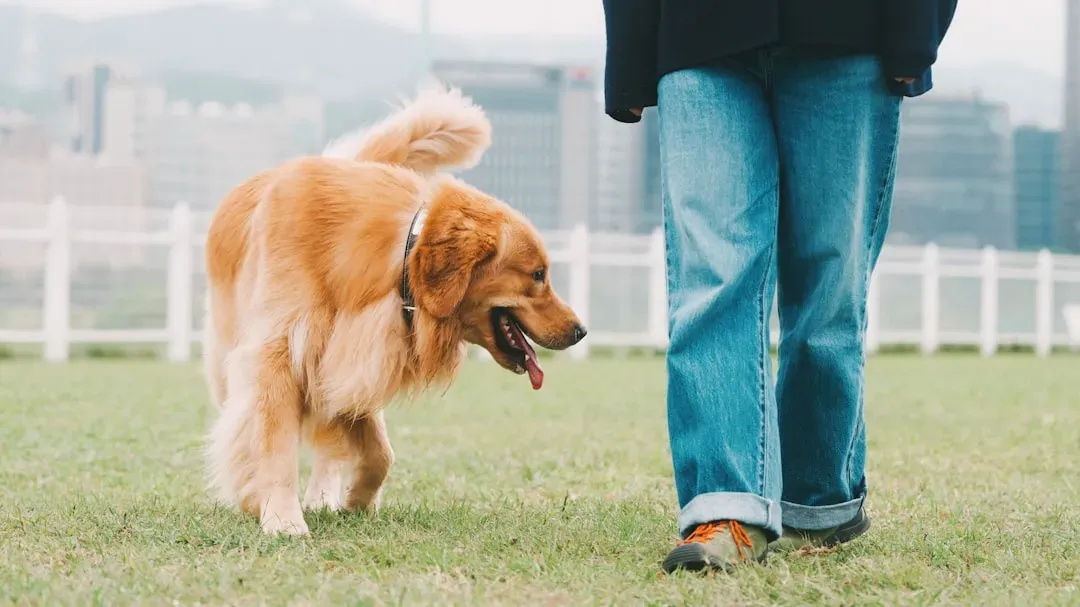
You might think you’re “holding your dog back” by walking slower these days. Most senior dogs disagree – they quietly downshift their own pace to match yours instead. After years together, a dog has memorized your stride length, your rhythm, even the particular sound of your footsteps on gravel versus pavement, and when that tempo changes, they adjust without being asked.
This isn’t coincidence – it’s social synchronization, an instinct dogs evolved to stay in step with their group. You’ll notice fewer hard pulls on the leash and more sideways glances checking that you’re okay. Some owners swear the exact hill where their dog used to drag them now turns into a slow, careful “check-in” walk, with the dog glancing back every few steps like a quiet escort.
12. Your Breathing and Sighs Start to Matter More
Dogs don’t just read your face – they listen to you the way we listen for tone in someone’s voice. When you start getting winded on the stairs or groaning a little as you stand up, your dog isn’t thinking “aging.” But they are absolutely filing the sound away as a meaningful signal, the same way they’d clock a sharp exhale before frustration or a long sigh before a quiet evening.
Watch what happens the next time you sink onto the couch with that big end-of-day exhale. Plenty of senior dogs will lift their head, size up the sound, and either move closer or settle in more protectively beside you. In their world, a different breath usually means a different need – and they’ve learned to act on it.
11. They Notice You Going to Bed Earlier – And They Reschedule Themselves
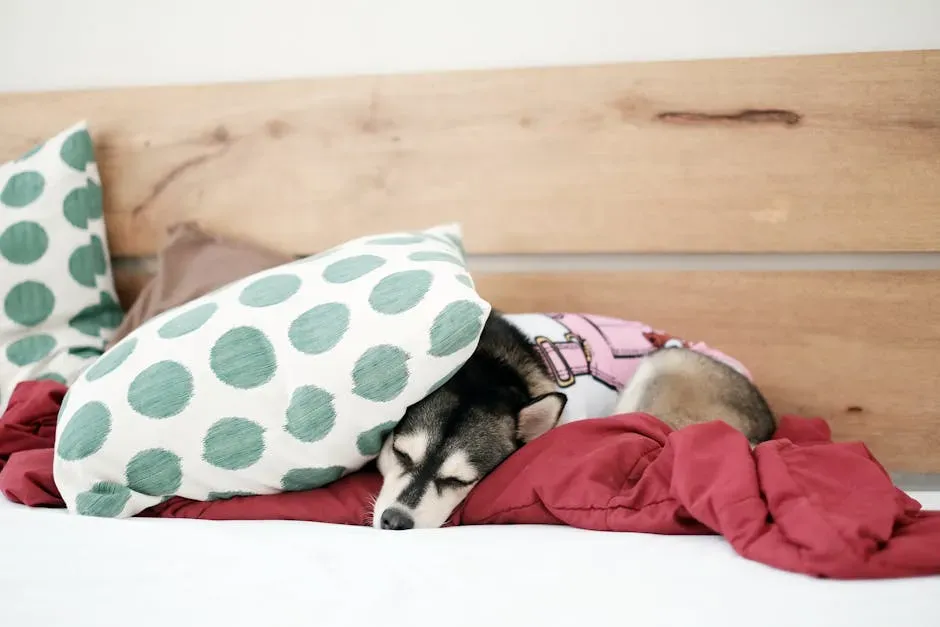
You never have to announce that you’re winding down for the night. Dogs are timekeepers without clocks, running on light, mealtimes, and – more than anything – your movement. When bedtime creeps earlier and the late-night chores disappear, your dog’s internal schedule quietly shifts to match yours.
Instead of pestering you to play at ten o’clock, they start shadowing your wind-down routine step for step, bathroom to bedroom. For some dogs, even small cues – dimmed lights, pajamas, the sound of a pill bottle – become the new “last call” of the day. Far from confused, most senior dogs seem almost relieved, as if they’d been waiting years for you to finally slow down to their speed.
10. They Catch the Extra Winces and “Ouch” Moments
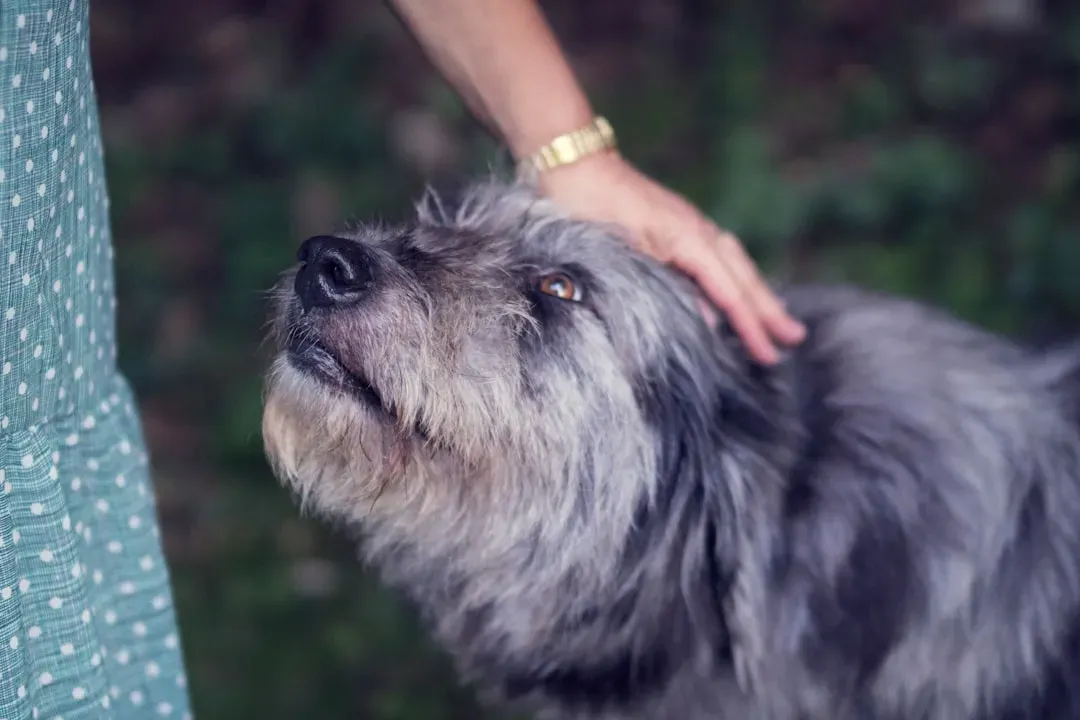
We like to think we’re hiding our aches. Senior dogs, frankly, are not buying it. They’re astonishingly tuned into micro-expressions and posture, and when standing up from a chair turns into a two-part process with a quiet “oof,” your dog logs it as new information about you.
They notice the hand pressed to your lower back, the stiff first steps on a cold morning, the way you rub your knee after a long walk. Some will hang back a beat before greeting you, almost giving you room to move. What looks like a dog “slowing down out of laziness” is often something closer to an unspoken truce between two aging bodies: I won’t rush you if you don’t rush me.
9. Your Dog Watches You Trade Adventures for Routines
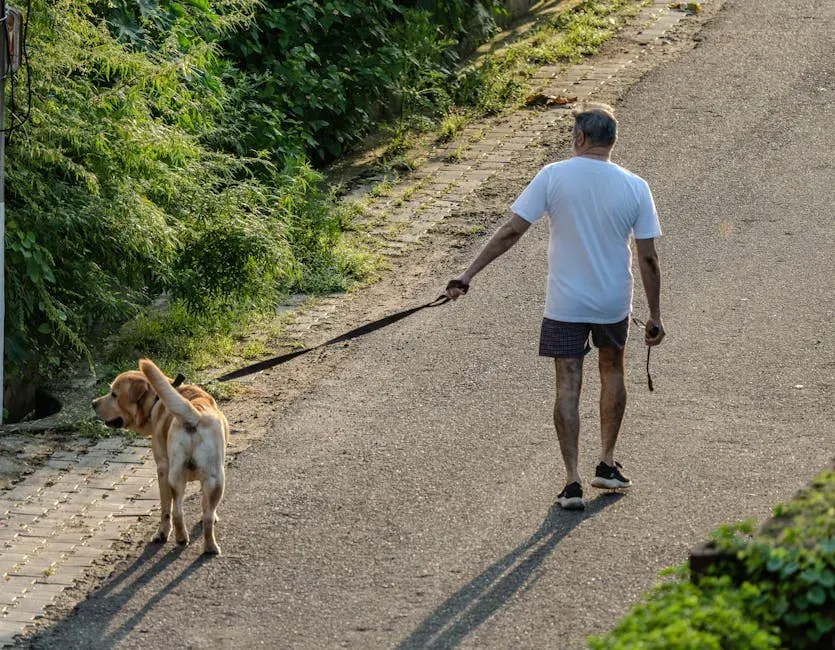
At some point the all-day hikes and beach marathons shrink down to short, predictable loops – and your dog absolutely clocks the downgrade. To a dog, novelty is basically a job: new smells, new terrain, new information to process. When the crowded trail gets swapped for the same quiet block, your dog reads it as you choosing safer ground.
Interestingly, most senior dogs adapt just fine. A slow, repeated route still hands them plenty to work with – sometimes more, since they can detect exactly what’s changed since yesterday’s walk. But there’s a catch worth sitting with: some behaviorists argue owners often remove too much stimulation too soon, blaming “age” when the dog is really just bored. A dog who watches you go homebound may mirror that and withdraw more than they need to.
Worth Knowing
- Novel smells and terrain function as mental exercise for dogs, not just physical activity.
- A shortened route can still be fully engaging if the scent-marking spots stay varied.
- Boredom in senior dogs is frequently mistaken for age-related decline.
- Short, enrichment-focused walks often matter more to a dog than raw distance covered.
8. They Notice You Reaching for Rails, Walls, and Furniture
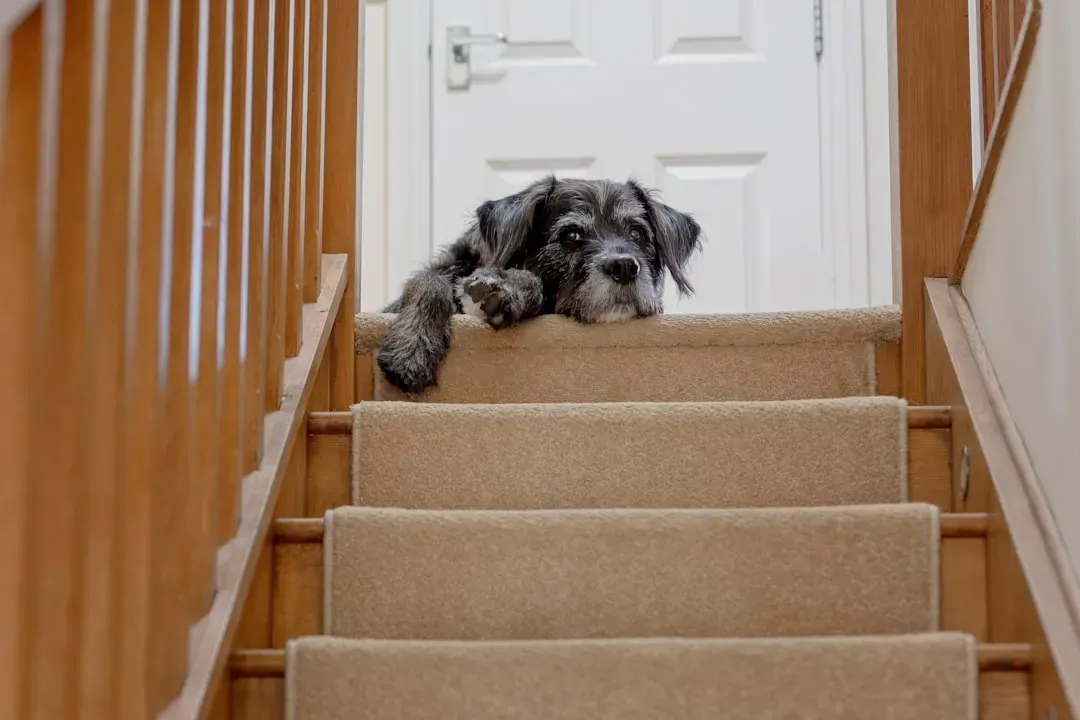
Dogs are strange, quiet students of how we move through space. When your hand starts landing on railings, countertops, and doorframes more often, your dog doesn’t see “aging” – they see a stability check. A dog who’s spent years watching you move freely picks up almost instantly when you pause at the top of the stairs before going down.
In close bonds, dogs will start slowing in tight spaces themselves, waiting to see how you navigate before pushing ahead. Some even body-block gently in hallways or on staircases, unconsciously turning themselves into a moving handrail. It’s easy to mistake this for a dog getting underfoot. It’s actually a dog doing what dogs have always done for unsteady humans – staying close.
7. They Feel the Emotional Weight Behind Your Fatigue

It’s never just the slower pace – it’s the mood riding underneath it. Aging often drags frustration along with it: at your own body, at lost independence, at plans that suddenly feel too heavy. Senior dogs are notoriously sensitive to that undercurrent, and when your quiet moments start outnumbering your talkative ones, they notice the shift in tone before anyone else does.
Many respond with clinginess or unusual calm, depending on temperament – hopping up less to demand play, and instead quietly wedging themselves under your hand. People often misread this as their dog suddenly “acting depressed for no reason.” In reality, the dog is simply mirroring the emotional weather you’ve been setting for months.
6. They Notice the Shorter Car Rides – And Different Destinations
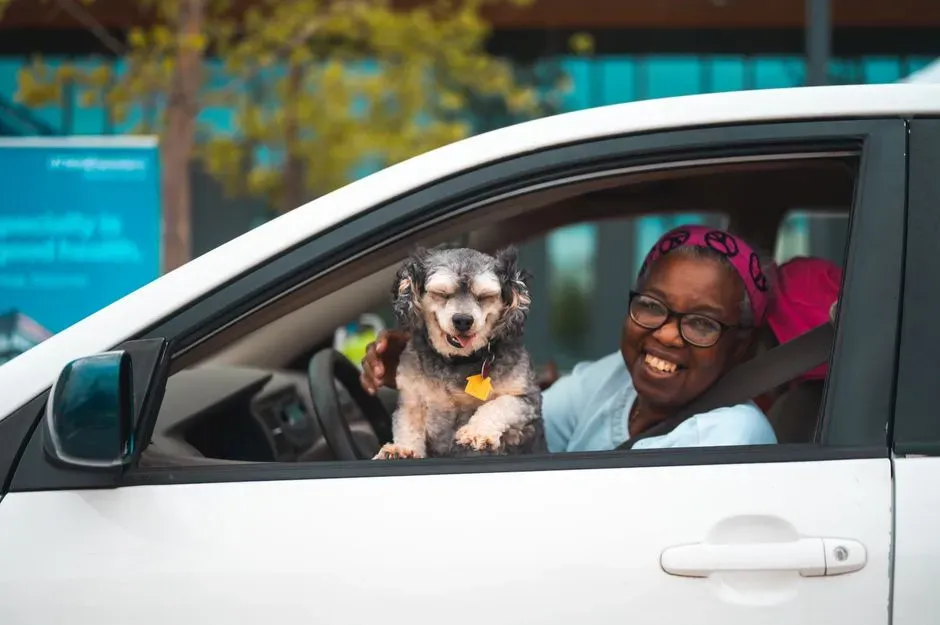
Your dog isn’t just tracking that you’re going somewhere – they’re tracking what kind of somewhere it is. When your world shrinks from road trips and crowded outings down to quick errands and doctor visits, your dog learns the new map of your life faster than most of your family does.
They can smell the difference between a hiking trailhead and a clinic parking lot, and they read the heavier silence of a medical appointment differently than the excited buzz of a fun outing. Some owners of older support dogs notice their dog become hyper-attuned to repeat medical stops, reacting with extra closeness or unusually calm vigilance afterward. If you’re rationing your energy for only the outings that matter, your dog is quietly sorting your days into “big” and “rest” without you ever explaining the system.
5. Your Dog Clocks Your New “No” – And Lowers Their Demands
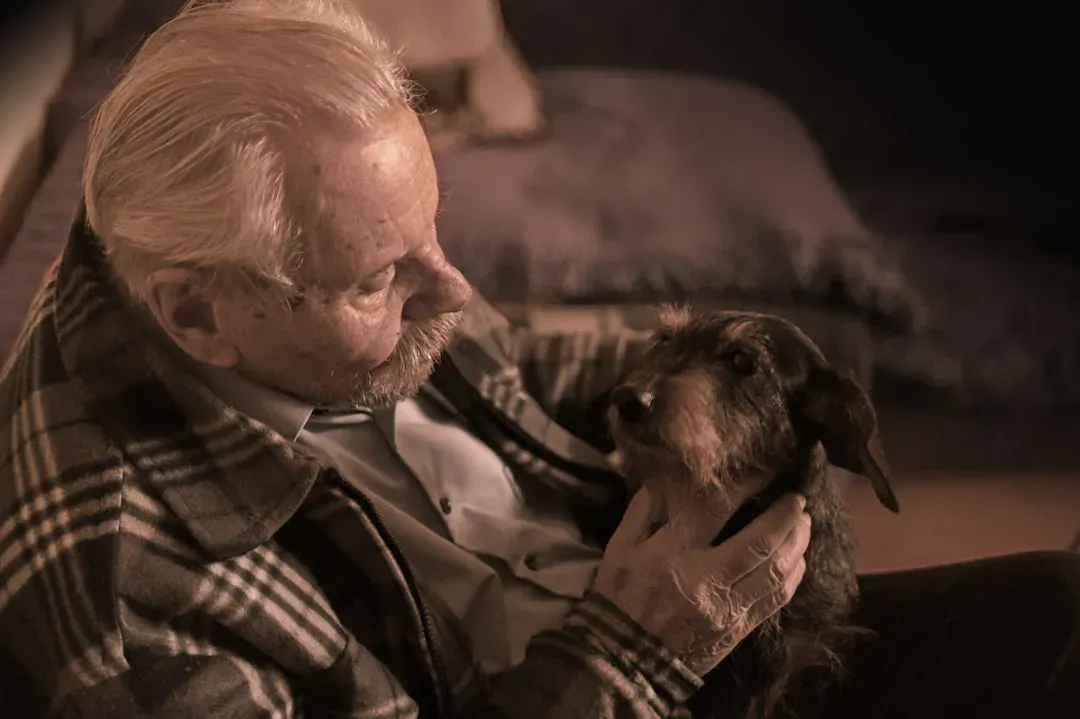
Maybe you used to throw the ball thirty times; now it’s three. Maybe the floor wrestling is gone, replaced with a quiet cuddle on the couch. Senior dogs count repetitions far more carefully than we give them credit for, and once a request that used to get a yes starts getting a soft “not today,” they stop asking as often.
It’s tempting to read this as your dog losing interest or giving up. More often, it’s careful, conflict-avoidant adaptation – dogs don’t keep pushing a behavior that stops paying off. This can quietly sting: you might start believing your dog “doesn’t want to play anymore,” when really they’re just honoring the new limits you’ve set, even if physically they could still do more.
Quick Compare
- Old play style: Long fetch sessions, rough wrestling, frequent demands for attention.
- New play style: Shorter games, calmer affection, fewer repeated requests.
- Old signal the dog reads: A request almost always gets a “yes.”
- New signal the dog reads: Requests quietly recalibrate to match a lower “yes” rate.
4. They Notice You Talking to Them More – And Doing Less With Them
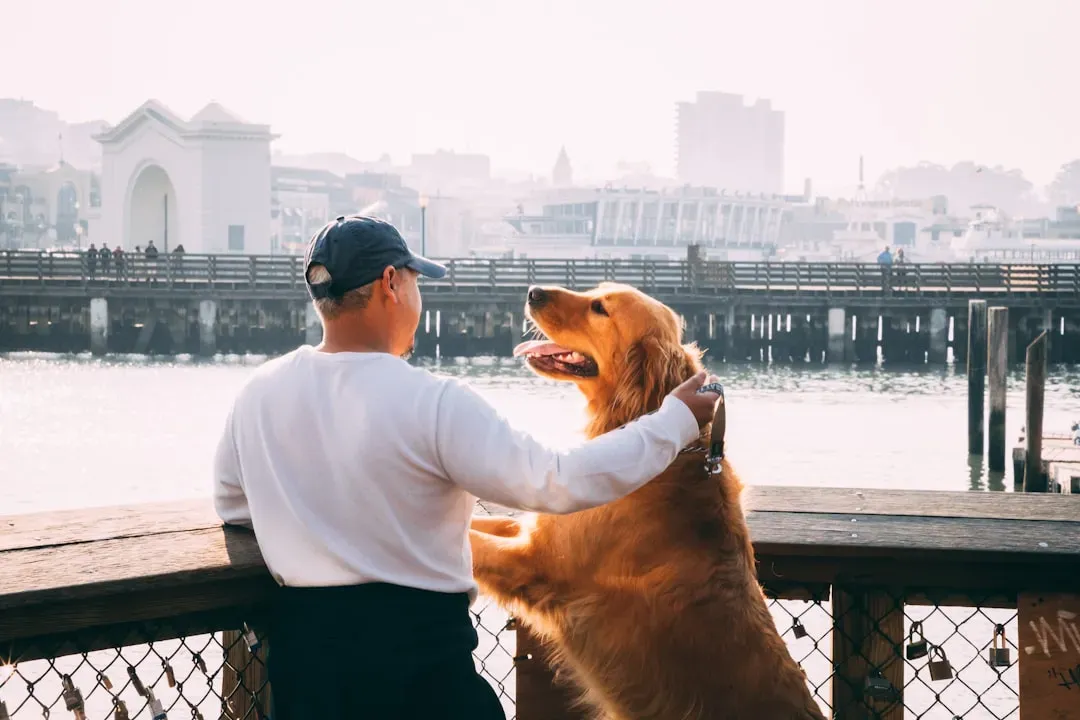
Something strange happens as people slow down: the ratio of talking to doing with the dog flips. Active games get replaced with narration – venting about your day, reminiscing out loud, thinking through the mail while your dog just listens. For a dog who’s lived through multiple chapters of your life, that shift into a more vocal, less physical relationship is a massive signal that something has changed.
Dogs don’t understand the words, but they clearly track tone, duration, and frequency. Some seem to thrive on it – holding your gaze longer, reacting harder to their name, repositioning to watch your face while you talk. Others look away more, which some trainers believe is the dog’s way of helping an overly emotional human regulate. Either way, they’re tracking that your love has shifted from action to presence.
3. They See You Forgetting Little Things – And They Fill the Gaps
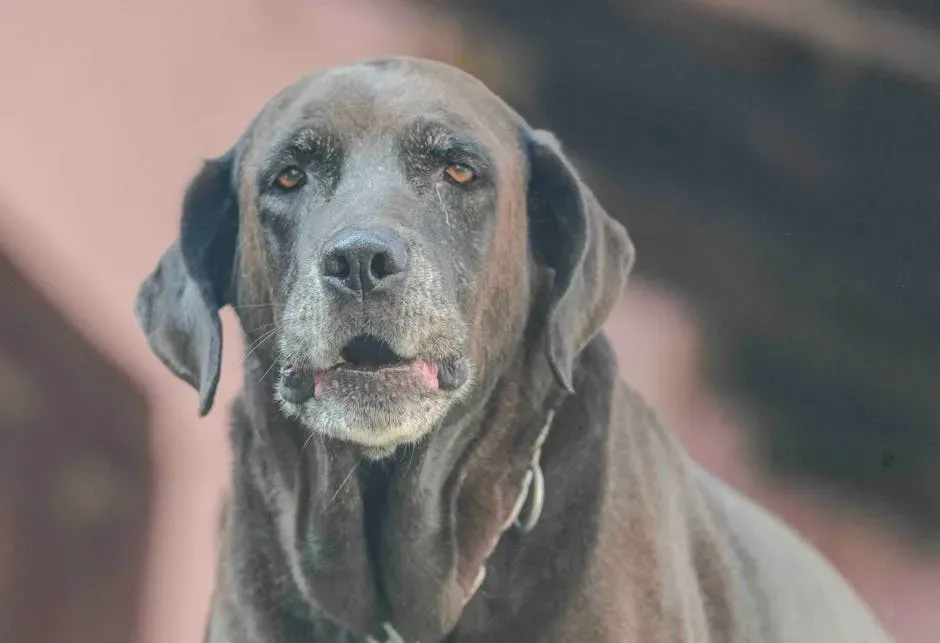
As we slow down, small slips creep in – misplaced keys, repeated questions, a missed step in a routine you’ve run a thousand times. Dogs don’t diagnose memory loss, but they absolutely notice when the script breaks. When breakfast runs late or the walk happens out of order, many senior dogs respond by hovering closer at exactly the right moments, almost like a quiet nudge toward what usually comes next.
They’ll plant themselves by the treat drawer at eight o’clock sharp, station themselves at the door around walk time, or nose at you more insistently when part of the bedtime ritual gets skipped. It’s easy to roll your eyes at someone claiming “my dog reminds me to take my meds” – but observationally, it’s not far off. Dogs are pattern-driven creatures, and when a human starts dropping pieces of the pattern, the dog fills in the blanks.
2. They Adjust Their Own Vulnerability to Match Yours
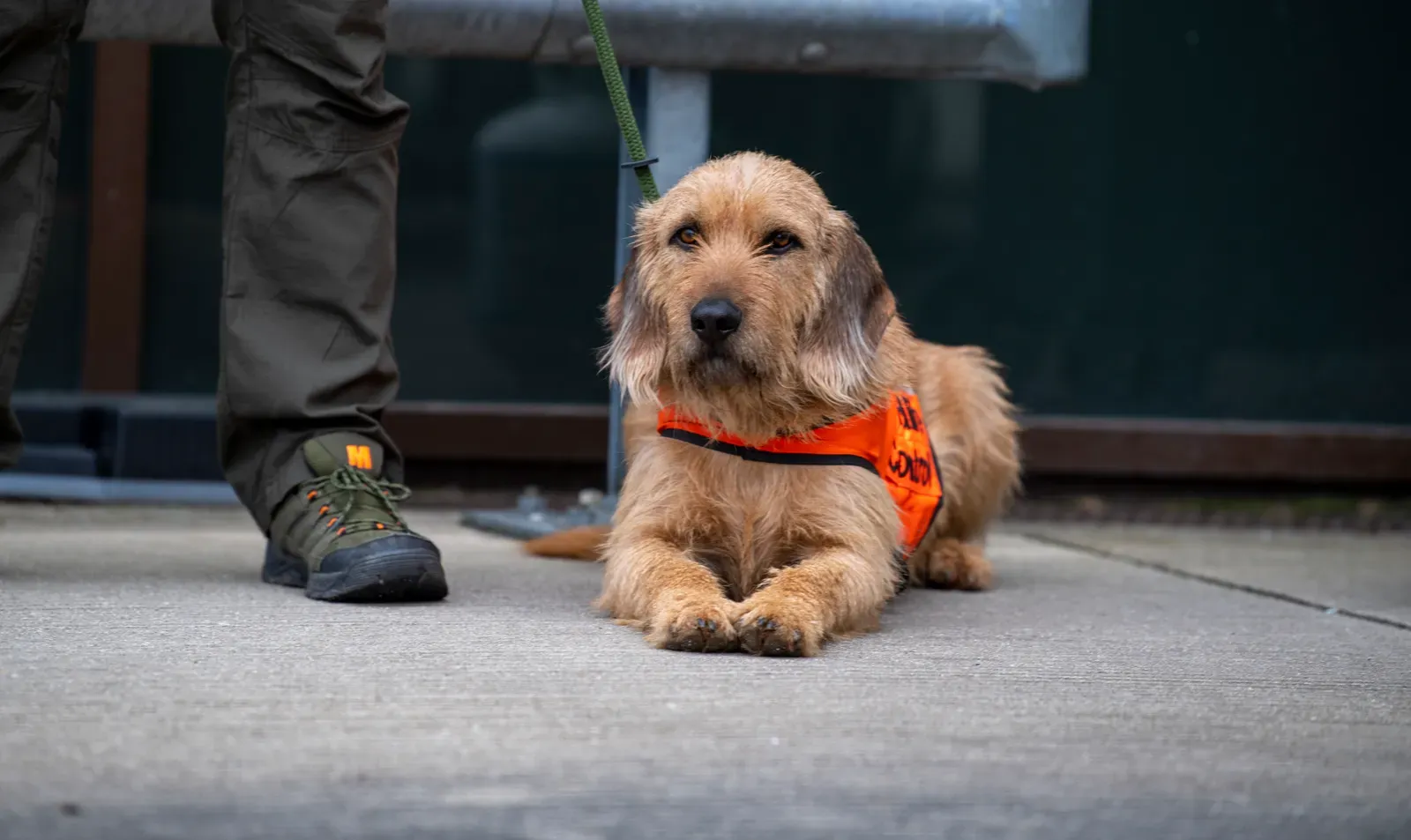
Here’s the part most owners never see coming: as you become more fragile, many senior dogs start hiding their own fragility more. Older dogs already mask pain and stiffness by instinct – but around a person who seems maxed out, that masking often gets stronger, not weaker. As you slow down, some dogs turn strangely stoic, pushing through their own discomfort to stay in step with your reduced routines.
They’ll still climb onto the couch even when it clearly costs them something. They’ll still trail you to the bathroom when they could easily stay put. There’s a slightly uncomfortable truth buried here: in aging households, it’s often the dog who keeps compromising the longest, quietly downplaying their own needs as yours grow. Vets will tell you people wait too long to adjust a dog’s environment for exactly this reason – the dog “seems fine,” because the dog is mirroring your own refusal to complain.
Why It Stands Out
- Dogs are wired to mask pain and weakness, a holdover from pack-survival instincts.
- That masking often intensifies, not fades, when a dog senses their person is also struggling.
- Vets frequently see dogs “acting fine” right up until a health issue becomes serious.
- Mutual downplaying between owner and dog can delay care on both sides if it goes unnoticed.
1. They Quietly Realize You’re Finally Moving at Their Speed
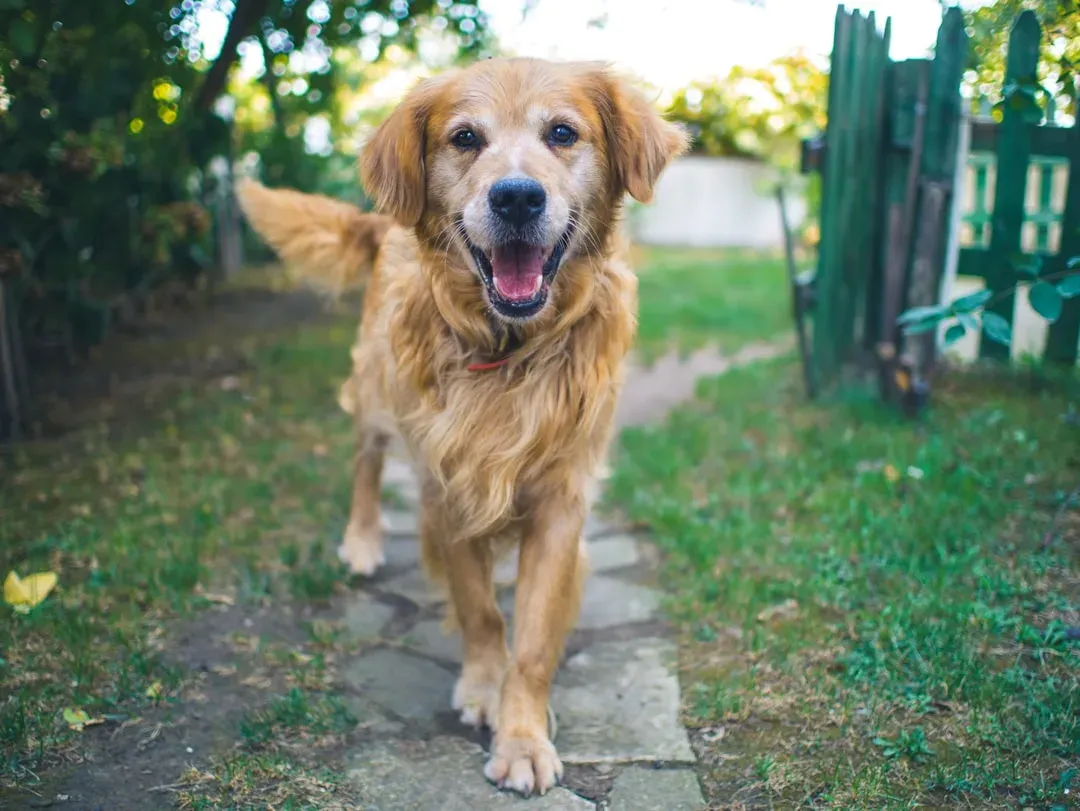
The most profound thing a senior dog notices when you slow down is this: for the first time in years, you’re actually living at their pace. Senior dogs spend most of their lives waiting on us – at the door, by the bowl, at the end of the hallway. When your own body forces you to ease up, that gap between your speed and theirs finally closes.
Walks stop being about distance and start being about standing still together while they sniff the same tree for the fifth time. Couch time stops being a break from your day and becomes the actual point of it. None of this is some soft, Hallmark transformation – it can feel frustrating, scary, and humbling in equal measure. But from your dog’s side of things, the slower life is still life with you, and that’s always been the whole deal.
The Bottom Line
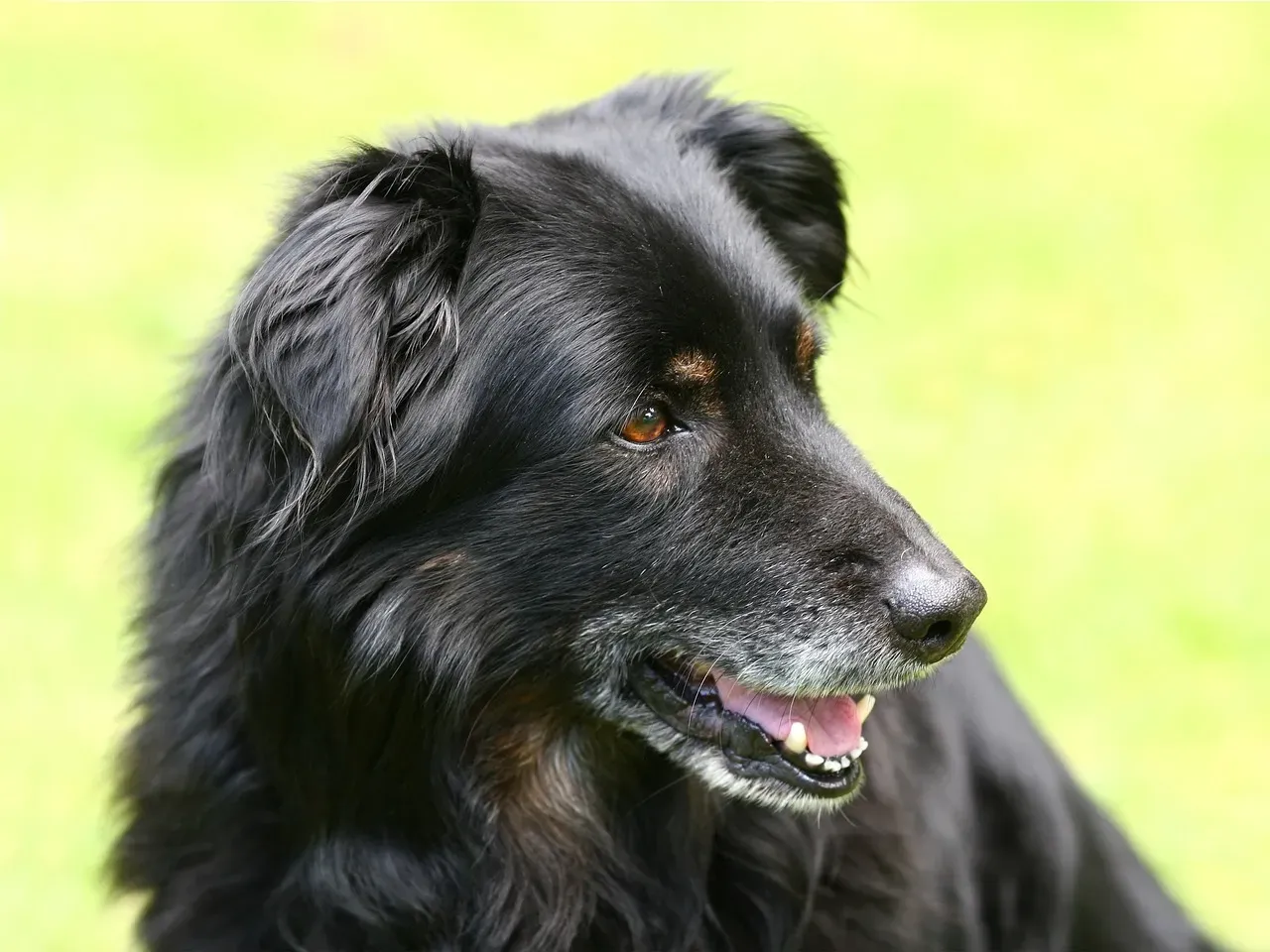
Your senior dog has been studying you longer, and often more honestly, than most of the people in your life. They’ve catalogued the extra sit-downs, the shorter walks, the earlier bedtimes, the heavier sighs – and instead of questioning your worth, they simply rebuild their whole world around your new limits.
Where we see decline, they seem to see updated instructions. That’s why the bed moves closer, the stride gets shorter, the demands get quieter, and the leaning-in gets harder during the silent parts of the day. We like to tell ourselves dogs “don’t know any better” – but that sells them short. They know enough to notice their person changing, and they choose to stay anyway. In a culture that treats slowing down like failure, your dog is the one creature in the house that treats it as an invitation to get closer.


