
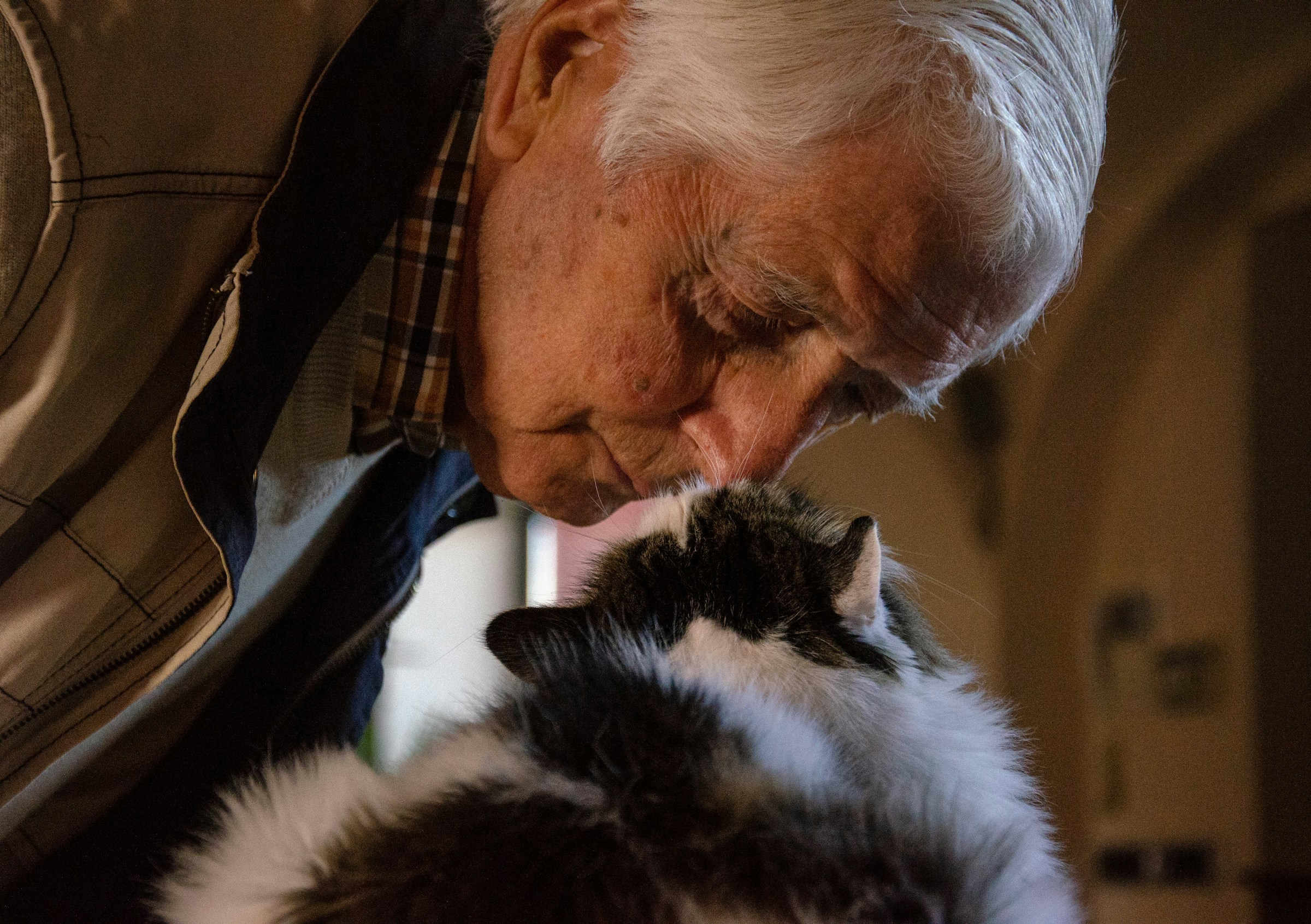
You’d think a cat living with someone in their golden years has it made – more laps, more quiet company, more hours of undivided attention. Vets see it differently. Before a single test comes back, before the owner even finishes explaining why they came in, a good vet can often guess the owner’s age just by watching how the cat moves, breathes, and flinches at being touched.
It’s rarely about neglect. It’s about small, very human limits that quietly ripple into a cat’s daily life – a bad knee, stiff fingers, a missed grocery trip. Here are the 12 things vets notice before you’ve even said hello.
#1 – Litter Box Placement Betrays Aching Knees and Backs
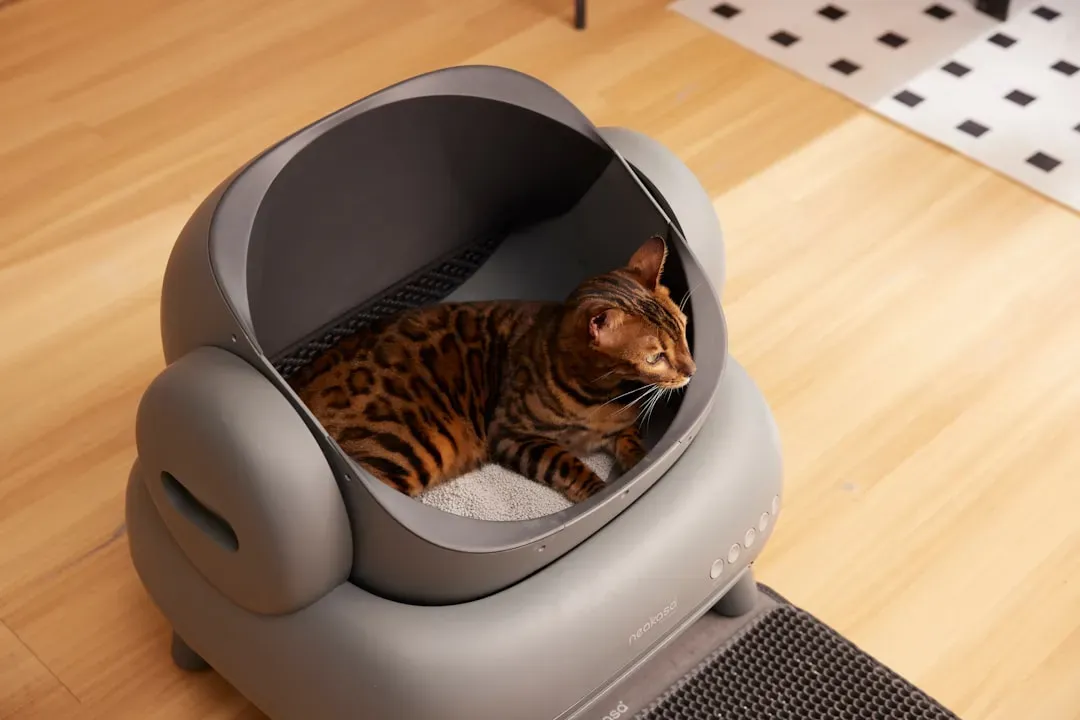
Vets clock it almost instantly: is the litter box somewhere an older body can actually reach every day? Many seniors tuck the box upstairs or behind heavy furniture because bending down hurts, and scooping becomes a chore that gets put off.
The cat pays for it first. Waste builds up, the cat starts holding it or avoiding the box altogether, and the eventual accident on the carpet gets blamed on “getting older” instead of the real cause. Vets trace it back to the box location in seconds – it’s one of the fastest tells in the room.
#2 – A Matted Coat Reveals Grooming That Quietly Stopped
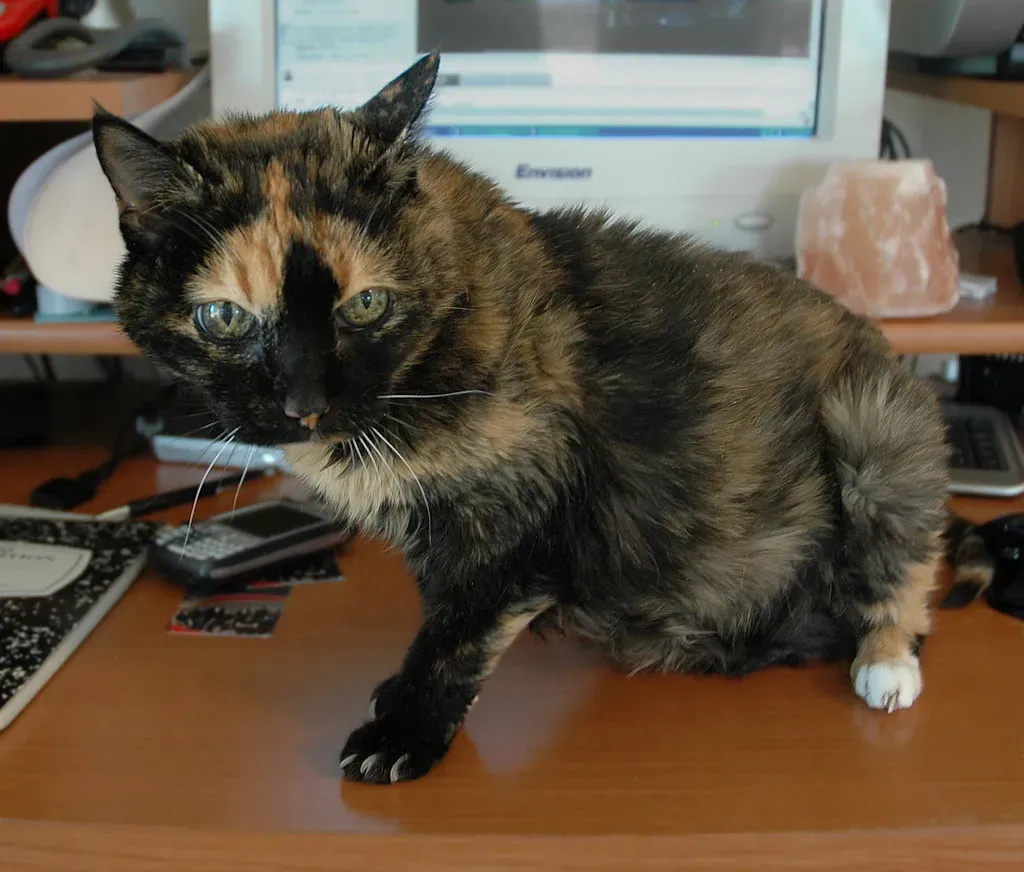
A dull, tangled coat is one of the first things a vet’s hands find. Arthritis in aging fingers makes daily brushing painful, and mats start forming around the hindquarters – the exact spot where a cat can no longer groom itself comfortably either.
It isn’t random. It’s a direct sign that the daily human touch a cat used to get has faded. One glance at the base of the tail tells a vet whether that help disappeared months ago, and by then the shedding and skin irritation have already set in.
Worth Knowing
- Mats usually form first at the base of the tail, armpits, and belly – spots a stiff-jointed cat can’t twist around to reach
- Even cats that want to self-groom often physically can’t if they’re carrying extra weight or joint pain
- Left unchecked, mats can pull tight on skin and cause painful sores underneath
- A slicker brush used just twice a week prevents most matting before it ever starts
#3 – Odd Weight Swings Expose Feeding Struggles at Home
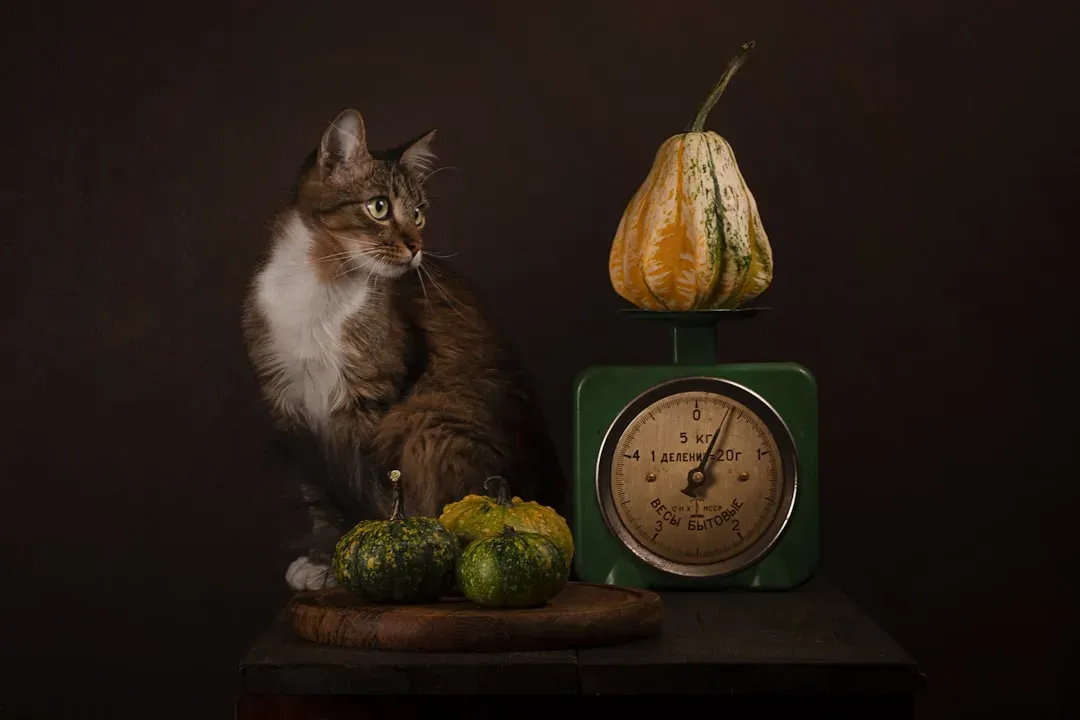
Sudden weight gain or loss puts vets on alert immediately. Some seniors free-feed because bending to refill a bowl is easier done once than three times a day, or they use treats as an easy stand-in for affection during long, quiet afternoons.
Other times it goes the other way – shopping trips get harder, portions shrink, and the cat slowly loses weight without anyone noticing. A five-minute weigh-in often exposes the exact same struggle the owner is having with their own meals.
#4 – Dental Decay Hints at Skipped Checkups
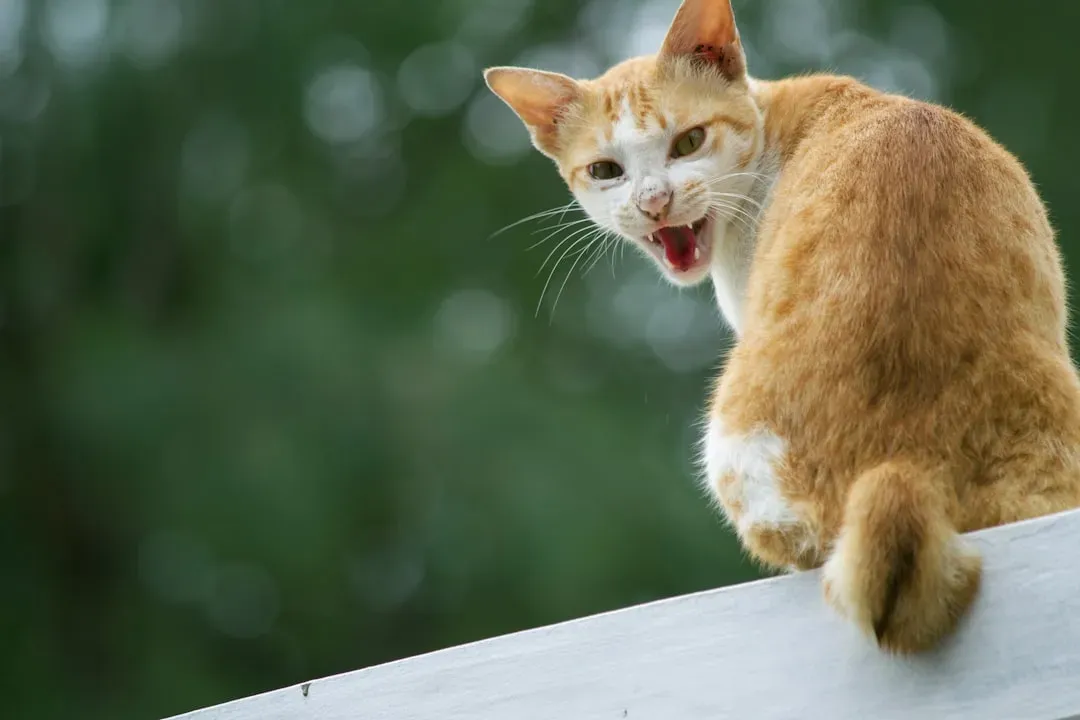
Yellowed teeth and bad breath jump out fast, because a cat’s dental cleanings are usually the first appointment to slip when an owner is juggling their own doctor visits. Vets routinely see more advanced tartar in cats owned by seniors than in any other age group.
Dry kibble, chosen for convenience, only makes the buildup worse. And the phrase vets hear over and over – “that’s just normal old cat breath” – is almost always untreated disease quietly turning into a future extraction.
#5 – Water Bowls Tell the Real Story of Hydration
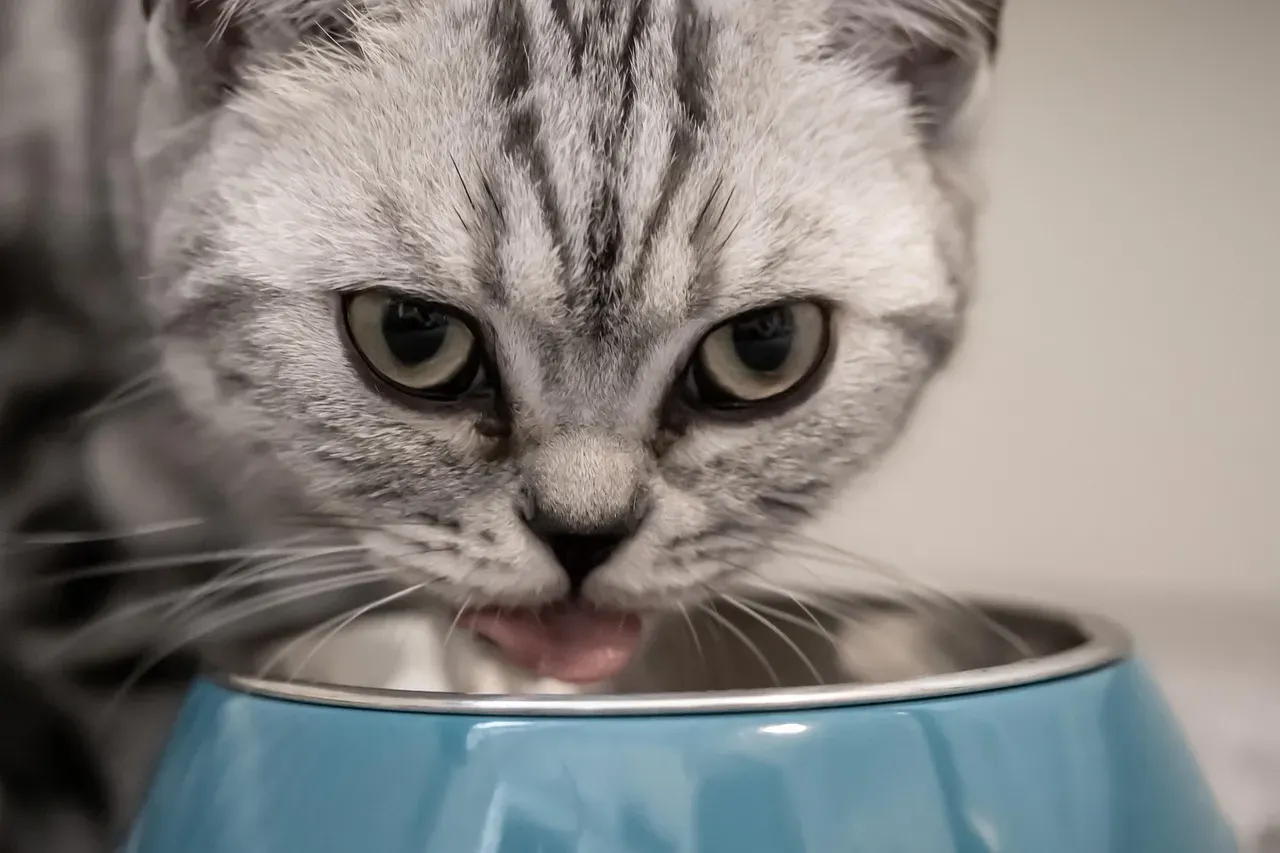
An empty or grimy water bowl sitting in a hard-to-reach corner tells a vet the household simply moves less. Some cats adapt by drinking from the sink or the toilet instead, because the usual bowl is too low, too far, or too often forgotten.
That workaround hides a slower problem: quiet kidney strain building in the background. A quick check of every bowl in the house reveals exactly how much the household has adjusted around limited bending and reaching – and dehydration shows up faster than most owners expect.
#6 – A Hesitant Jump Points to Joint Pain and Blocked Access
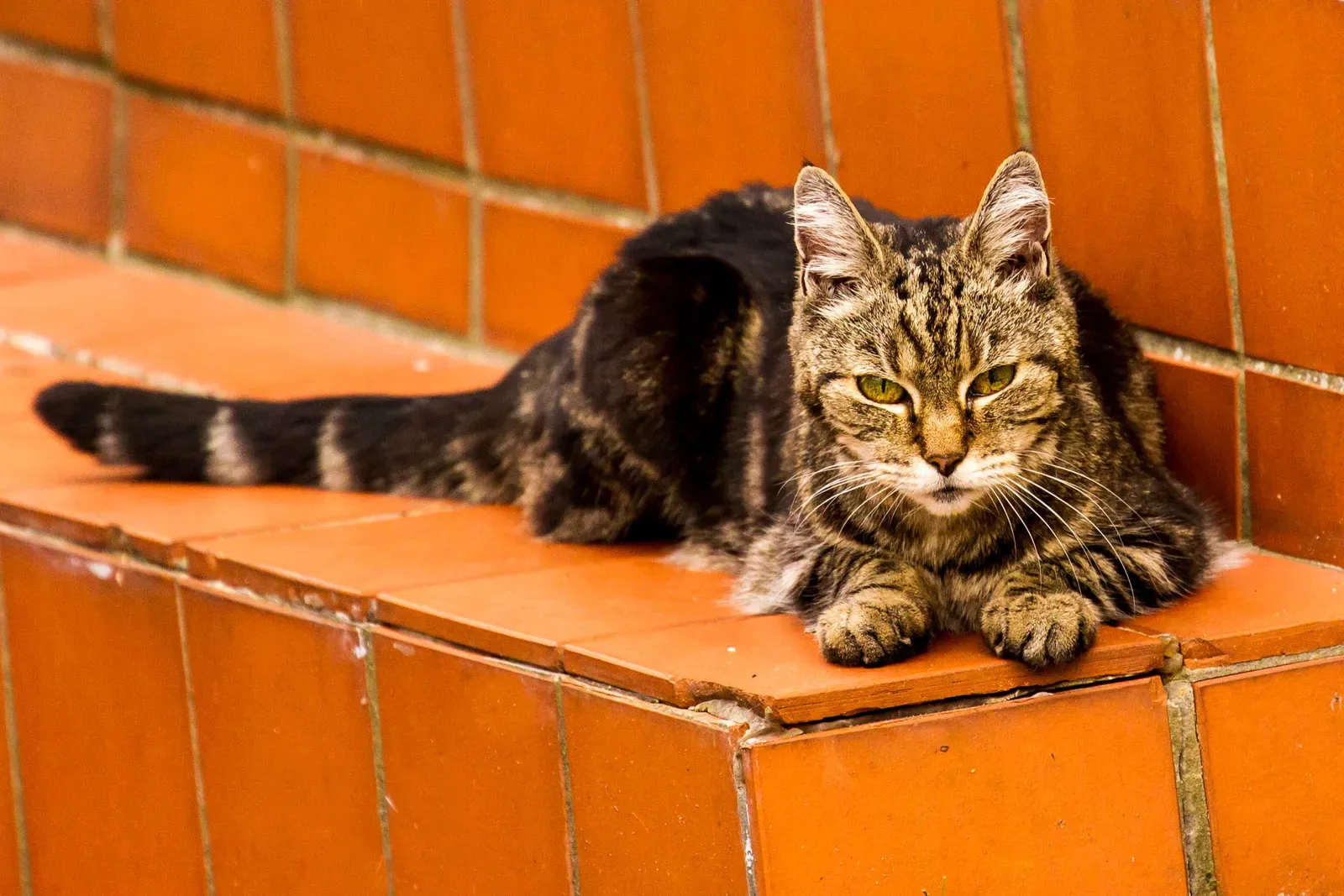
A cat that won’t hop onto the counter or curl up in a lap anymore is often dealing with arthritis made worse by obstacles the owner didn’t even mean to create – a feeder placed too high, a chair blocking the usual path.
Vets watch that first hesitant leap in the exam room and connect it instantly to a home where stairs or furniture have quietly become harder to navigate. Since the owner can no longer lift the cat to help, the pain just compounds until someone finally notices.
Fast Facts
- Feline osteoarthritis is widely underdiagnosed because cats rarely limp the way dogs do
- A cat avoiding jumps is often the earliest visible sign of joint pain, not old habits
- Low ramps or a stack of sturdy steps near a favorite window can restore lost access
- Vets have safe pain-management options for senior cats, even those with other health concerns
#7 – Excess Meowing Echoes the Owner’s Changing Routine
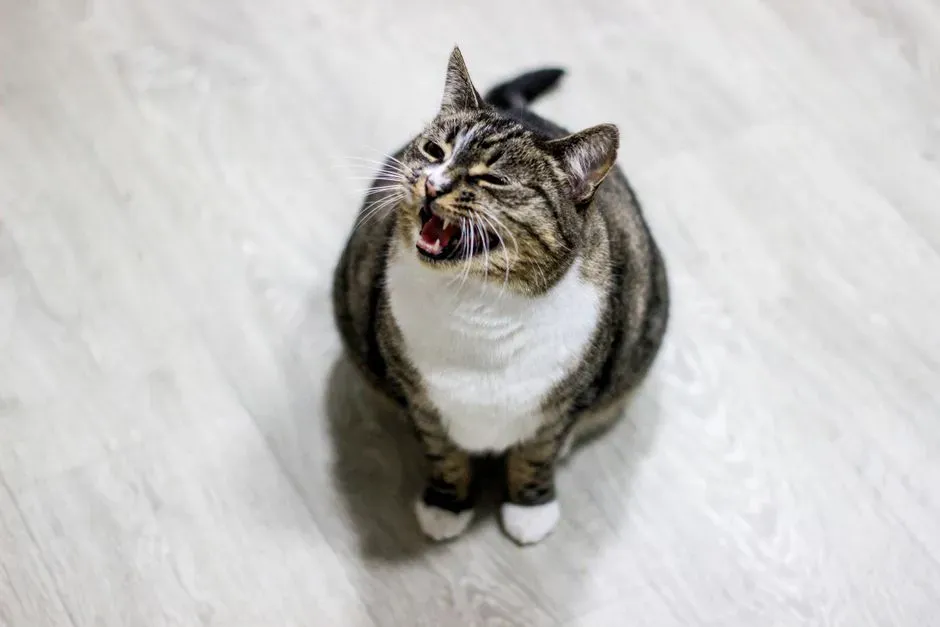
Nonstop meowing is rarely random. Vets hear stories of cats calling out at night because their owner now naps earlier in the evening, or crying for attention during play sessions that quietly stopped happening.
It’s easy to blame the cat’s age, but the pattern usually mirrors the household’s own schedule shifts – new medications, changed sleep times, longer stretches of quiet. Behavior that looks like feline decline is often just an echo of a routine that changed for someone else entirely.
#8 – The Way a Cat Leans Away Reveals a Fading Bond
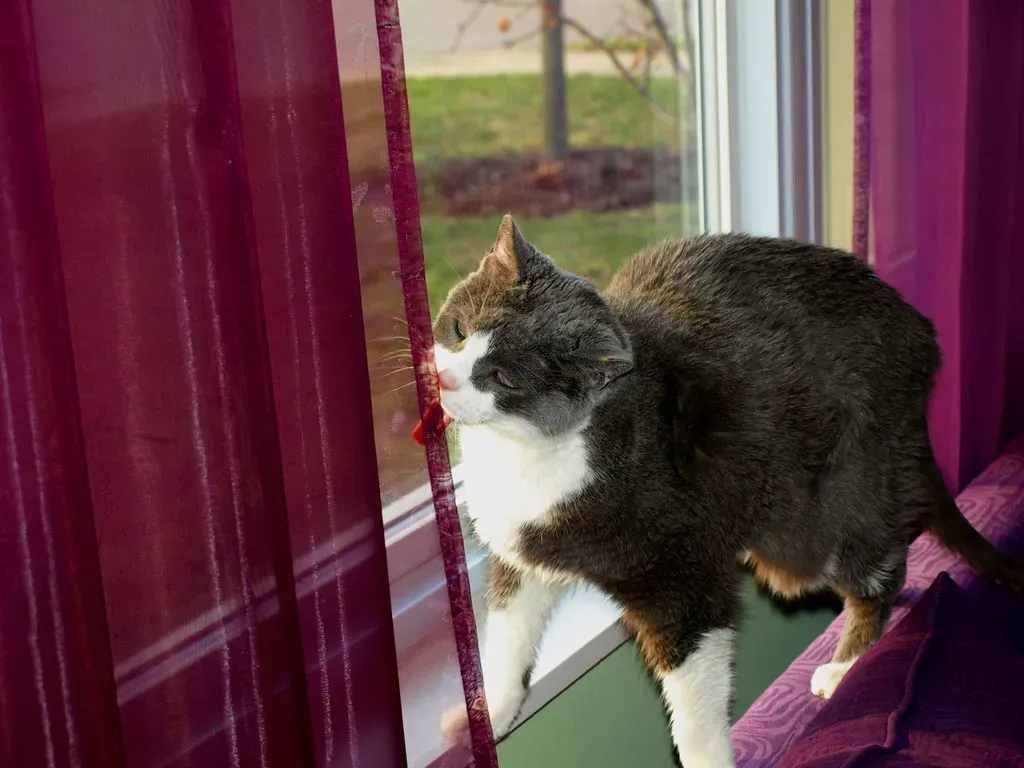
Vets notice it the second they reach out: a cat that flinches or leans away from touch usually hasn’t been handled much lately. Stiff hands and fatigue make petting sessions shorter and less frequent, even when the love hasn’t changed at all.
Owners often describe it as “she’s just independent,” but that phrase can mask something else – their own reduced ability to engage the way they used to. The bond doesn’t break loudly. It just quietly thins out until a stranger in a white coat notices the tension in the cat’s shoulders.
#9 – Overgrown Claws Show Dexterity Slipping Away
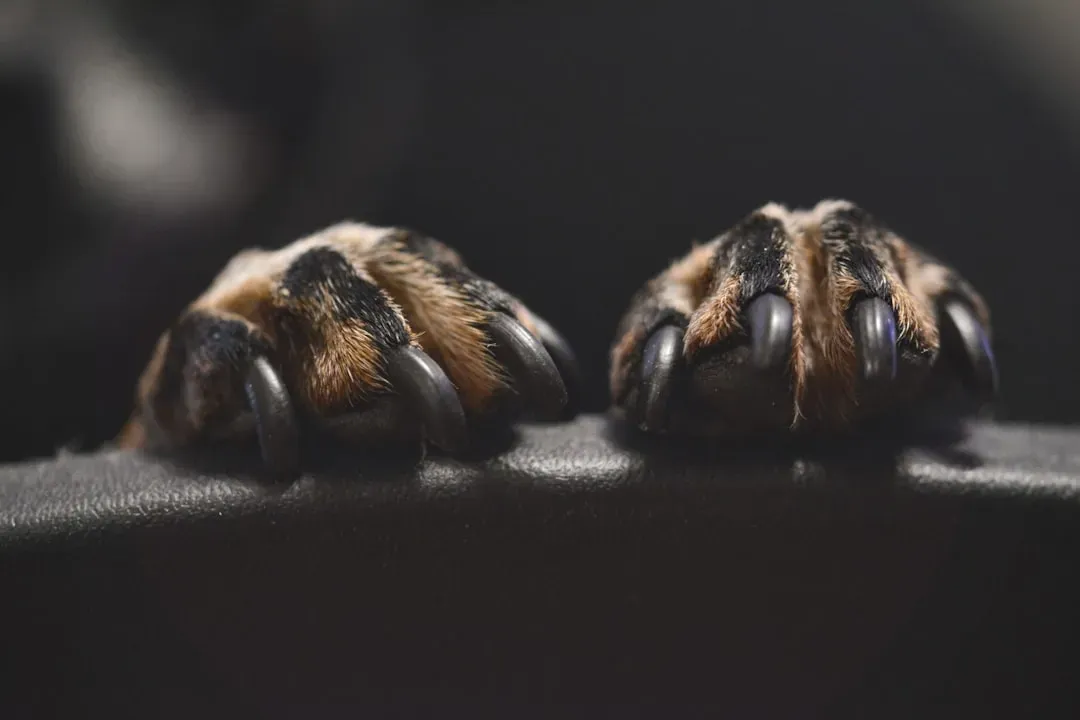
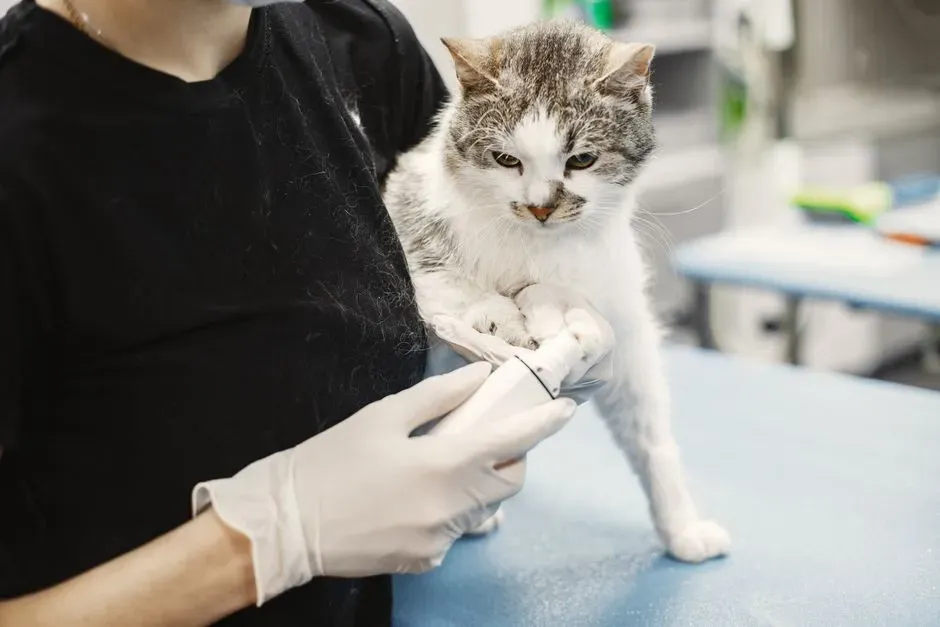
Long, curled nails are one of the fastest things a vet spots the moment they pick up a paw. Trimming takes steady hands and sharp eyesight – both of which can fade – so the task gets skipped, sometimes for months.
The result is more than cosmetic. Overgrown nails can curl into the pad, snag on carpet, or make walking uncomfortable. It’s almost never the cat resisting the trim – it’s the owner’s grip and vision quietly losing ground.
Quick Compare
- Normal wear: nails stay short and blunt from regular scratching and activity
- Needs attention: nails curl visibly or click loudly on hard floors
- Normal grip: paw pads look clean with no redness between toes
- Needs attention: a nail has grown into the pad, causing swelling or limping
#10 – Cloudy Eyes Signal Changes No One Caught in Time
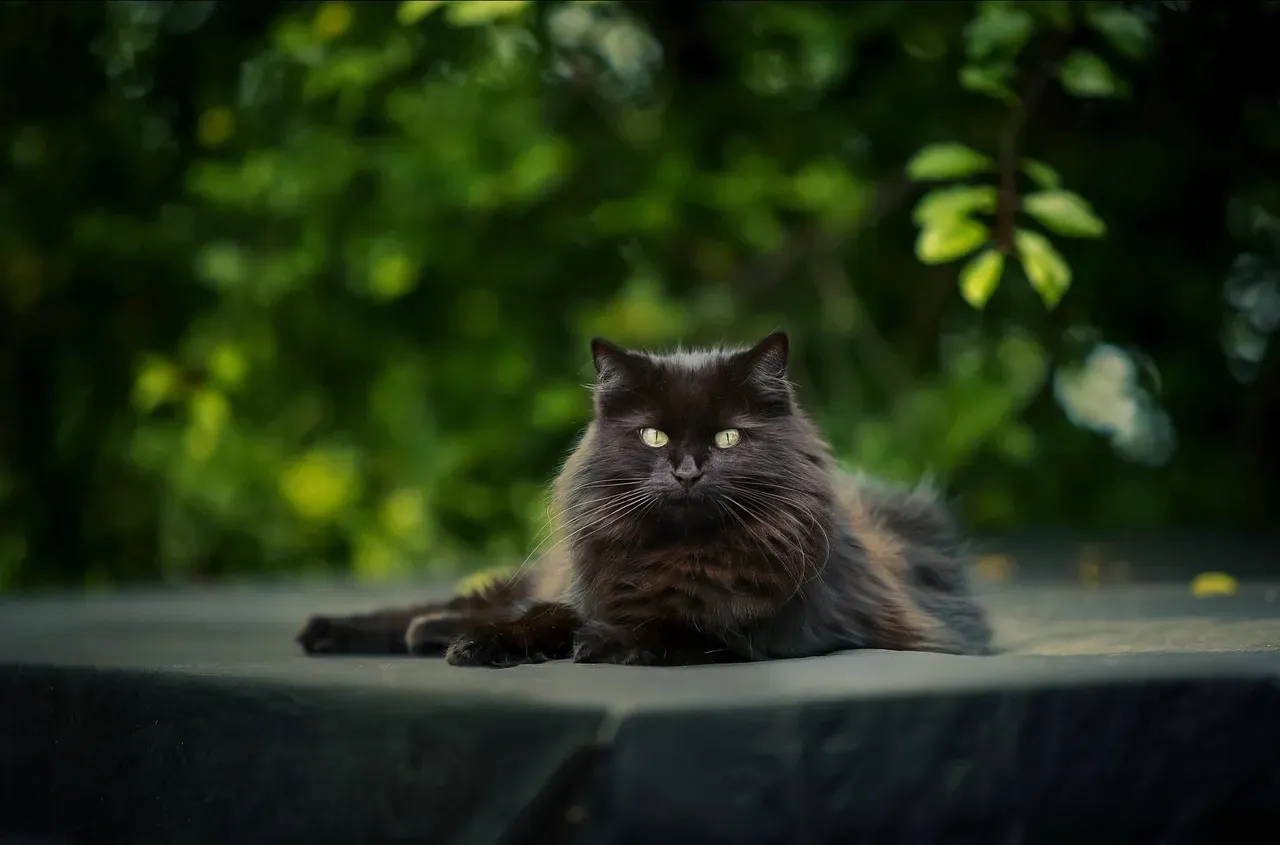
Crusty discharge or a faint cloudiness in the eyes often means subtle changes went unnoticed during everyday routines. Dimmer home lighting and less close-up inspection make it easy to miss what a younger owner might catch during a casual cuddle on the couch.
Left alone, those small signs can point to bigger issues like hypertension building quietly in the background. What looks like minor tearing in the exam room can be the first real clue that something has gone unchecked for far too long.
#11 – A Hunched Posture Mirrors the Owner’s Own Aches
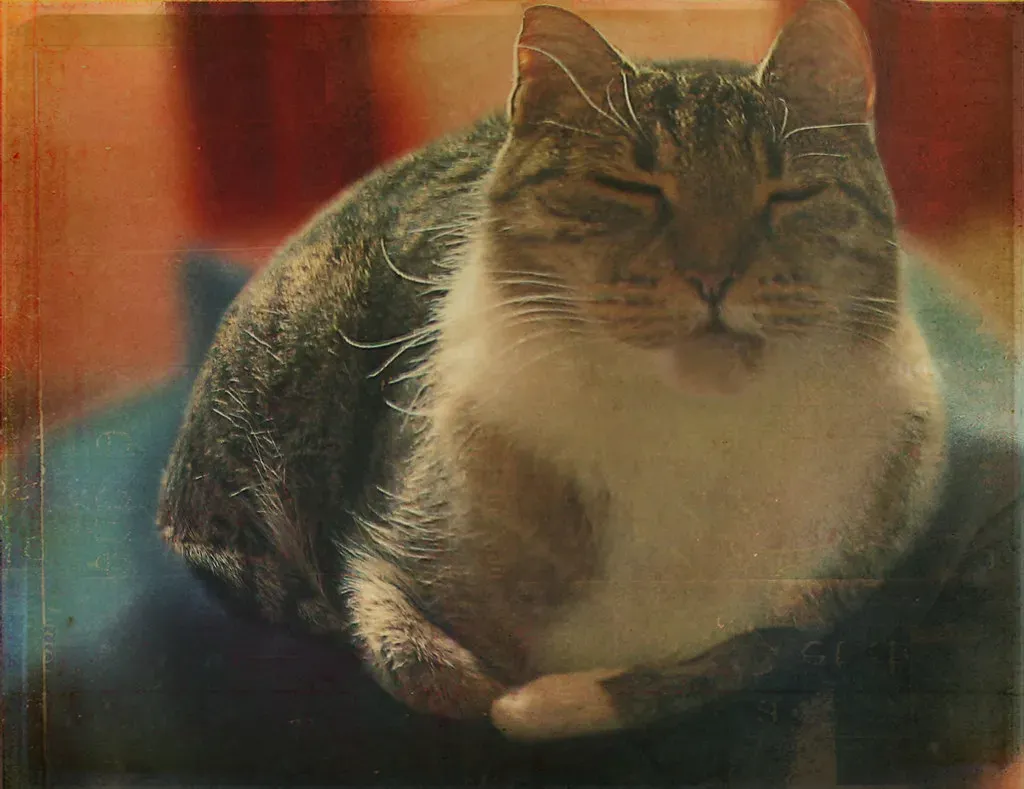
A cat that holds itself stiffly or won’t stretch out fully is usually dealing with arthritis of its own – and it’s often chalked up to “just getting old” rather than a treatable problem. Vets see it the instant the cat avoids certain positions on the exam table.
Daily monitoring slips, pain relief gets delayed, and the cat’s discomfort ends up matching the owner’s own joint complaints almost exactly. It’s a strange kind of parallel aging that vets notice constantly but rarely get asked about directly.
At a Glance
- Keeping a cat lean takes real pressure off aging joints
- A heated pad or extra-soft bedding can visibly loosen up a stiff cat within days
- Omega-3 supplements are commonly recommended alongside other joint support
- Comfortable cats stretch fully and move without hesitation – watch for that as a good sign
#12 – The Carrier Itself Tells Vets Everything They Need to Know
Sometimes the biggest clue isn’t the cat at all – it’s the carrier. Dusty, awkward to lift, dragged in by someone who moves slowly and carefully. That single detail often confirms every pattern the vet already noticed: fewer visits, slower home adaptations, a routine stretched thin.
A cat almost always ends up reflecting the pace of its household, whether anyone admits it or not. These first-five-minute observations rarely point to a bad owner or a difficult cat – they point to a home quietly running on less capacity than it used to.
What This Really Comes Down To
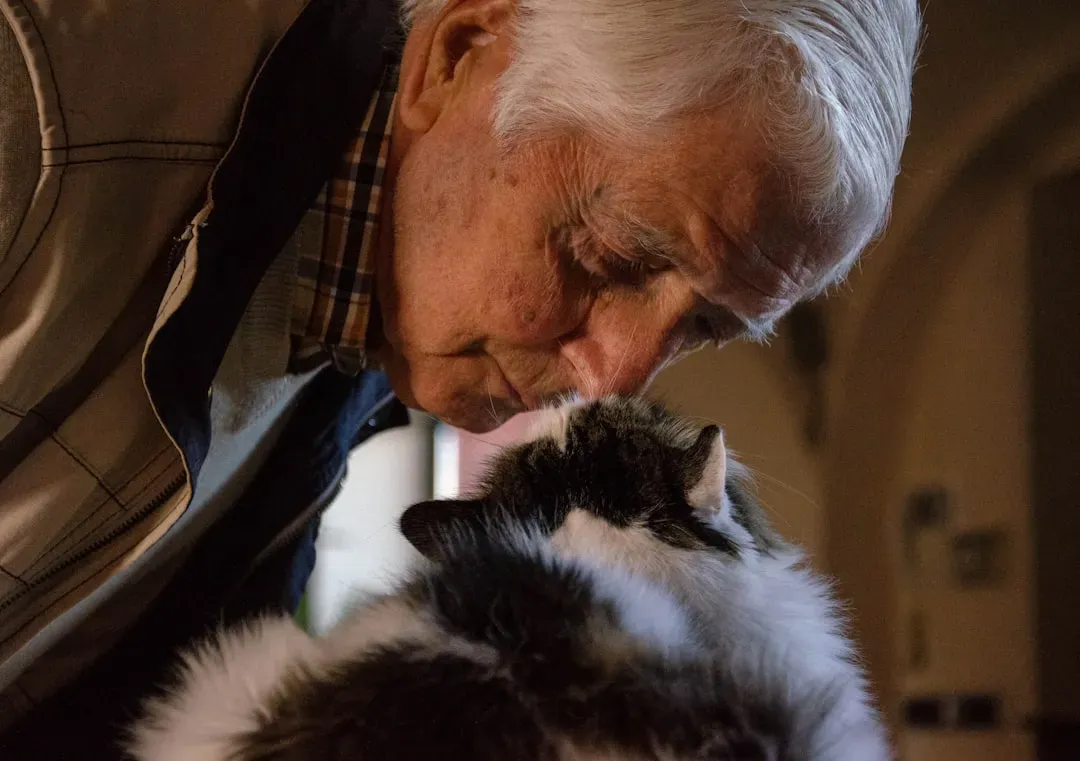
None of this is a case against older cat owners. If anything, it’s the opposite. The cats in these homes are usually loved fiercely – the problem is never affection, it’s access: to bending, lifting, seeing clearly, moving fast enough to keep up with daily chores that younger bodies do without thinking twice.
Vets aren’t quietly judging these owners. They’re quietly rooting for them – hoping a family member notices the litter box on the wrong floor, or offers to trim those claws once a month. The real takeaway isn’t that older owners are failing their cats. It’s that a little outside help, applied early, is often the difference between a cat that ages gracefully alongside its person and one that suffers in silence because nobody thought to ask.


