
You think the hardest part of drop-off is the paperwork. Vaccine records, emergency contacts, maybe a rushed goodbye. Meanwhile, the person behind the counter has already run a full read on your dog before you’ve even signed your name.
They’re not being nosy. They’re building a quiet risk profile in real time – one that decides which run your dog gets, who they’re placed next to, and how closely they’ll be watched for the next few days. Here’s what’s actually happening in those first five minutes, whether you notice it or not.
#1 – Your Dog’s Energy Level Is a Giant Red Flag (or Green Light)

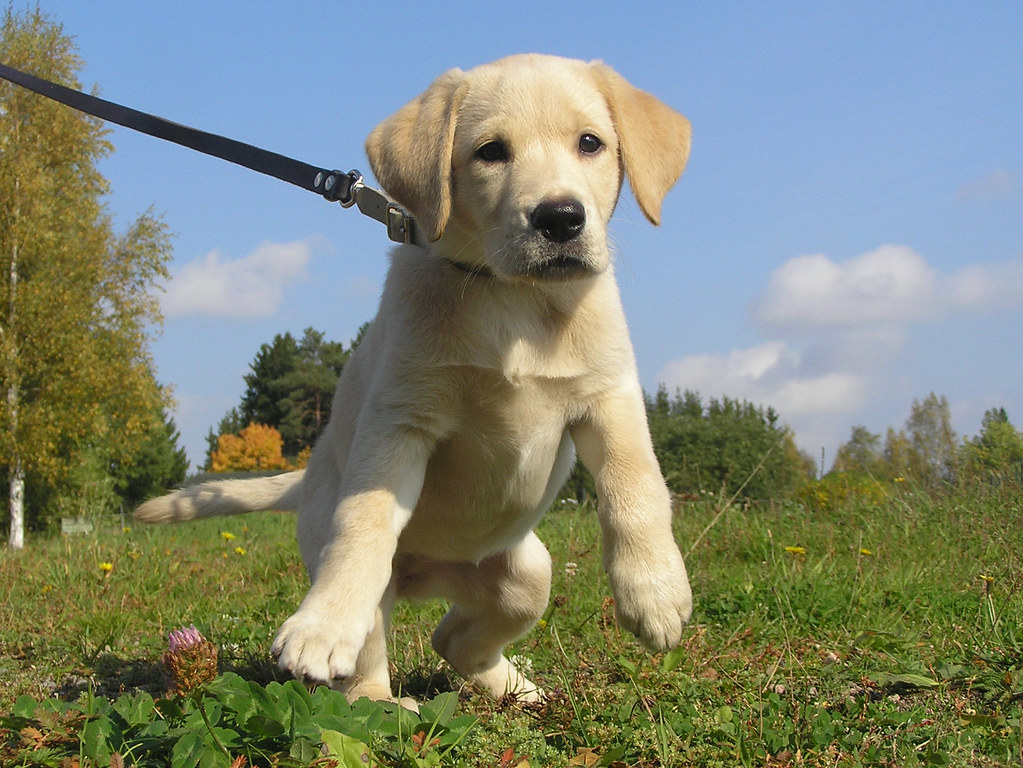
Before staff even look at your face, they’re clocking your dog’s engine. Dragging, buzzing, or fully turbocharged – that first-second “vibe scan” tells them how this dog is likely to handle a loud, unfamiliar building full of strangers and other animals.
An over-amped dog can actually worry staff more than a shy one, because high arousal tends to curdle into barking, barrier frustration, or a sudden nip once the stress builds. They’re watching whether your dog settles within 30 seconds or just keeps escalating. A dog who can come back down from excitement usually adapts fast. One who stays wound tight often gets a quieter run and extra decompression time before anyone even mentions group play.
#2 – How You Handle the Leash Tells Them Who’s Really in Charge
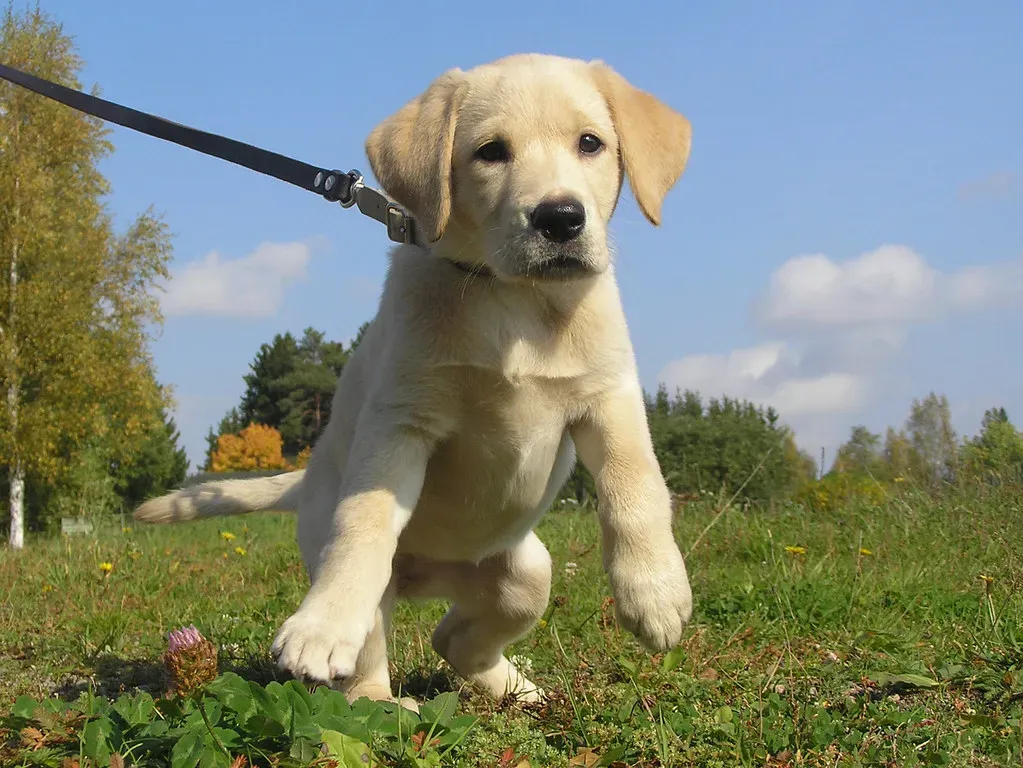
Staff read your leash grip the way a mechanic reads a strange engine noise. A tight, constantly-yanking leash usually means a dog who’s used to making his own decisions – and that matters a lot in a building full of doors, gates, and other dogs.
If your dog is dragging you across the lobby, staff already know they’ll try the same move on a handler. It’s not about judging your training. It’s about safety math: can this dog pause when asked, or are they already rehearsing “I do what I want”? That single observation quietly adds “two-hand grip” and “double-check every gate” to their mental plan for your dog.
#3 – Your Dog’s Eyes and Ears Reveal What the Tail Won’t

Most owners watch the tail. Kennel staff go straight for the eyes and ears, because a wagging tail can absolutely lie, but wide, whale-eyed stares and pinned-back ears almost never do.
Soft eyes, ears that move naturally, normal blinking – that’s a dog who’s curious, not cracking. A dog frozen still with a closed mouth and huge eyes is a walking warning label for staff: high stress, low predictability, handle with care. Those dogs get quieter kennels and slower intros. The relaxed ones become candidates for playgroups. You might read your dog as “just being dramatic.” Staff know that exact stillness is often the moment before a nervous dog snaps.
Fast Facts
- Soft eyes + naturally moving ears usually signal a comfortable, curious dog
- Wide, whale-eyed stares and pinned ears are classic high-stress markers
- Frozen stillness with a closed mouth often precedes a defensive snap
- Tail movement alone is the least reliable signal staff use
#4 – Your Goodbye Can Wreck Your Dog’s Whole Stay in Sixty Seconds
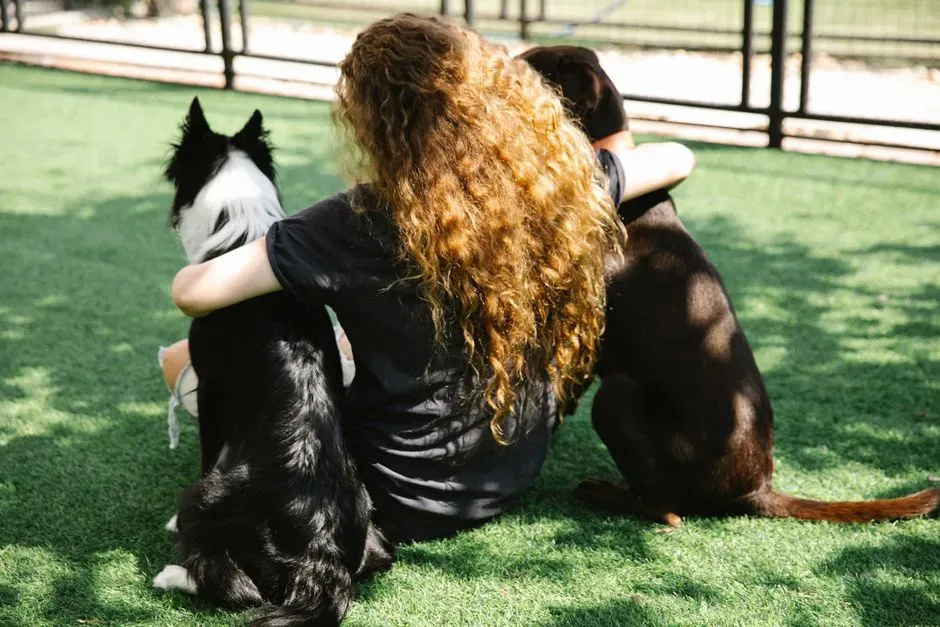
Here’s the uncomfortable one: owners often manufacture the exact meltdown they’re afraid of. Big tearful hugs, high-pitched baby talk, a five-minute string of “Mommy will miss you so much!” – staff have seen this pattern a thousand times, and they watch it happen in real time.
The dog who was calm in the car becomes a wreck in the lobby, purely because you just told them, in dog language, that something terrible is happening. A confident, low-key handoff – leash passed over, one calm “see you later, buddy,” and you’re out – tends to produce a dog who settles fast. Staff can’t say it to your face, but they’re absolutely thinking it while they plan extra reassurance for the dog you just wound up.
#5 – The Way Your Dog Takes a Treat Is a Three-Second Safety Test
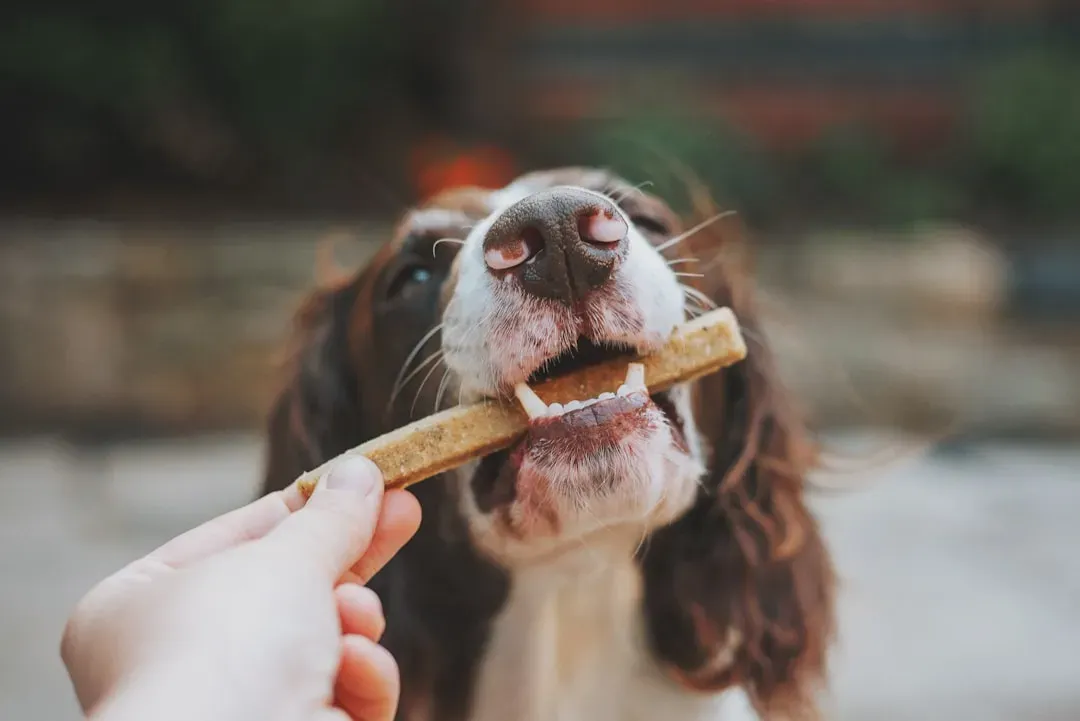
It looks like a cute moment. It’s actually a micro temperament check. A dog who takes a treat gently, or even hesitates because they’re a little nervous, tells staff something very different than a dog who snaps it out of a palm like it’s the last biscuit on earth.
A hard, fast grab usually signals high arousal and low impulse control, which matters a lot around feeding time and medications in a facility full of strange dogs and strange hands. Gentle takers are simply easier and safer to manage in tight spaces. Over-grabby dogs might quietly get extra structure – no shared-fence feeding, no hand-feeding when they’re already spun up. Staff aren’t just being sweet with that biscuit. They’re gathering real data in the time it takes you to say “aww.”
#6 – Your Dog’s Nails, Coat, and Smell Hint at Problems You Might Be Missing
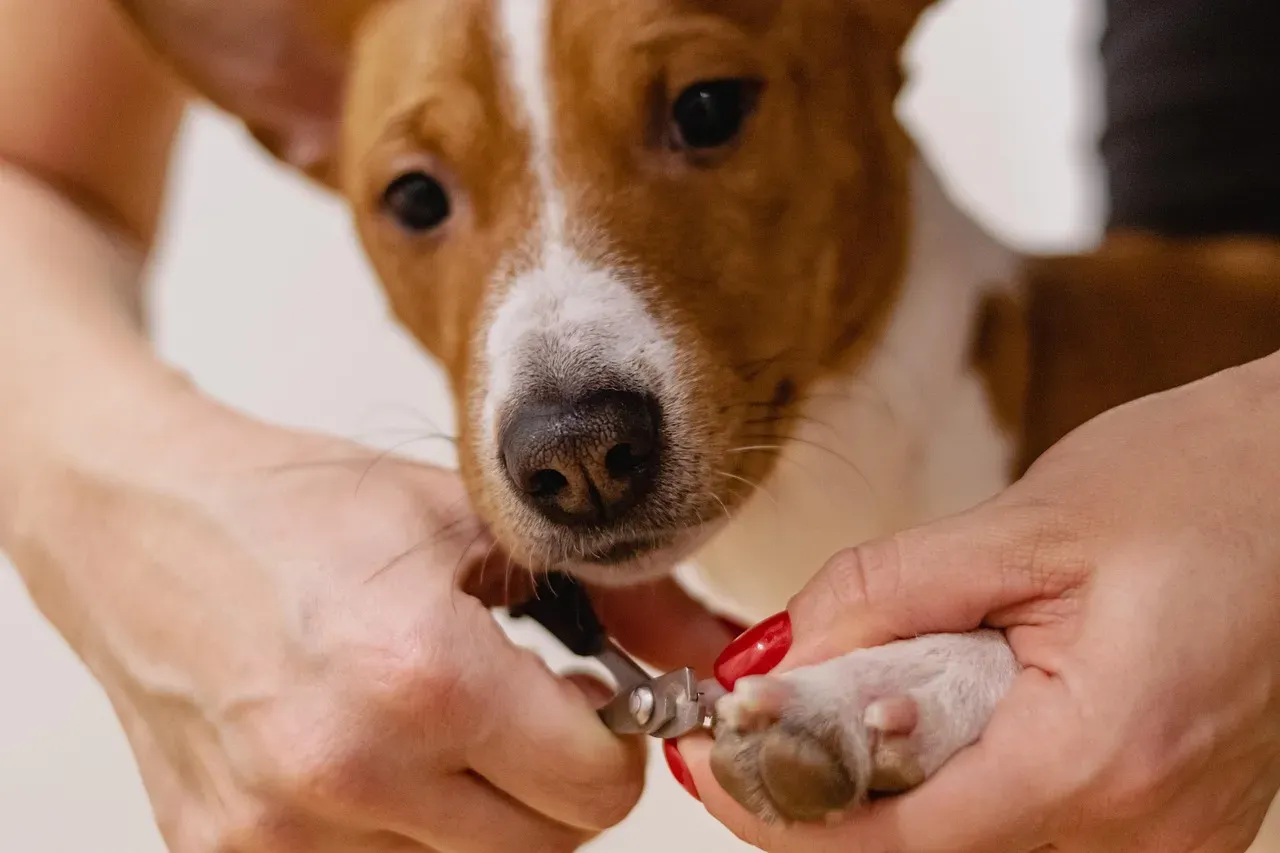
Kennel staff aren’t vets, but they see hundreds of dogs a month, so patterns jump out fast. Overgrown nails can mean real discomfort on slick concrete. A matted rear end can point to trouble toileting or pain nobody’s flagged yet. A strong, yeasty smell often means skin or ear issues that are about to flare in a warm, humid kennel environment.
Nobody’s judging you for it. They’re thinking, “Will this dog be miserable after three days on this floor?” or “Will cleaning around that mat actually hurt him?” That quiet read can shift where your dog is placed – cooler run, softer bedding – and how often someone checks on them. Small issues snowball fast in boarding, and staff know it even when they don’t say it out loud.
Worth Knowing
- Overgrown nails can cause real pain on slick kennel flooring within days
- Matted fur near the rear may hide toileting trouble or unnoticed pain
- A strong yeasty smell often points to skin or ear issues flaring up
- These small physical clues can change bedding, run assignment, and check-in frequency
#7 – Whether Your Dog Reaches for Them, or Refuses to Let Go
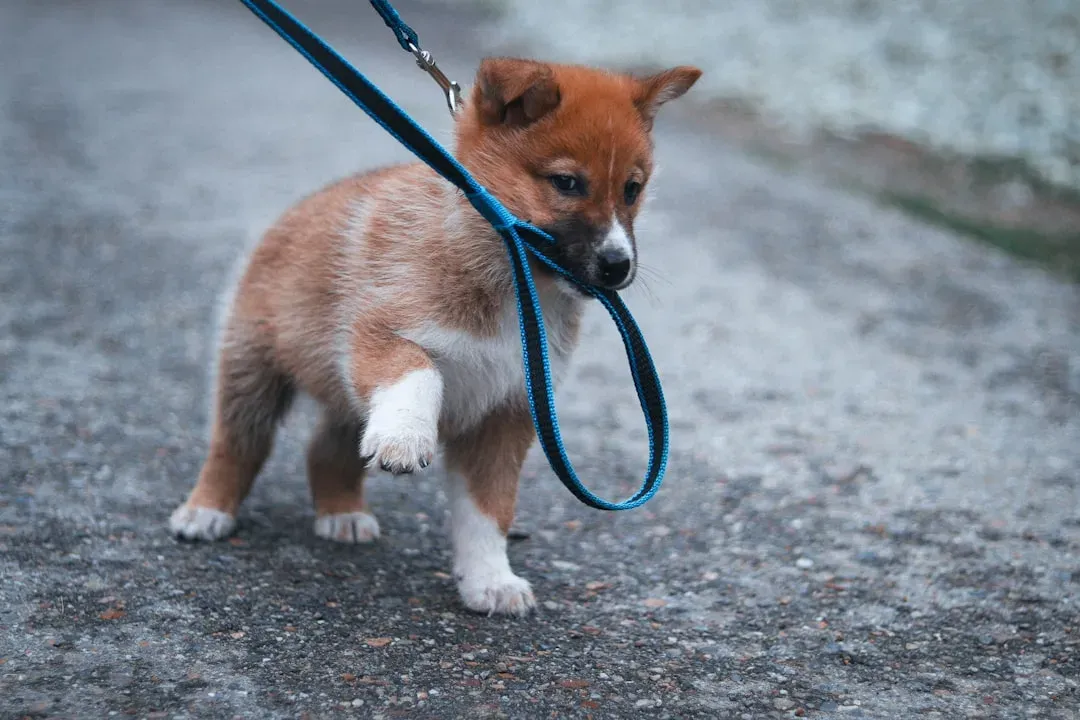
The real test comes when staff actually take the leash from your hand. Does your dog walk off with them easily, hang back, or pancake flat on the floor in protest? Dogs who can accept a new handler quickly almost always cope better with the nonstop “stranger care” that boarding requires.
Dogs who lunge back toward you or refuse to budge get quietly flagged for separation stress. It’s not about how much your dog loves you – independent dogs who don’t obsess over your exit often settle in faster, even if it stings your ego a little. Velcro dogs may bark, skip meals, or pace for the first day or two, so staff mentally prepare for extra check-ins and appetite monitoring before it even happens.
#8 – What You Say at the Counter Tells Them What to Actually Expect
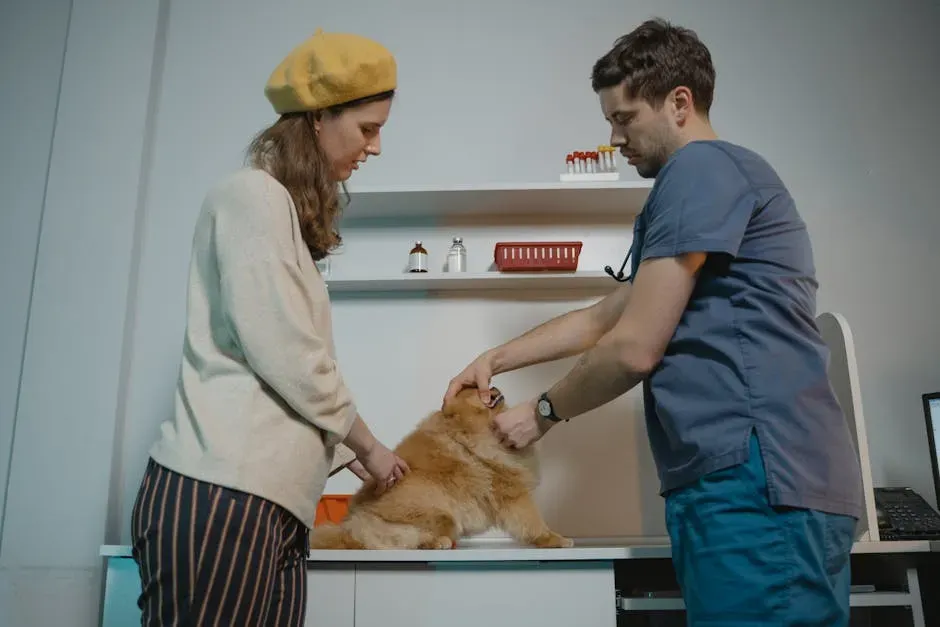
Your words matter more than you think. “Oh, he’s a total baby, he’ll cry all night” and “She hates other dogs but she’s fine” tell staff two completely different things about how much to trust the rest of your report.
Minimizing a real problem – “he nipped, but it was basically an accident” – is a bigger red flag than an owner who plainly says, “He can be weird with strangers, please don’t let people reach for him.” Honest, specific owners let staff plan correctly, which usually means the dog does better. Owners who joke about “spicy behavior” without details are setting everyone up for a surprise nobody wanted. Staff won’t argue with you at the desk, but your honesty level quietly decides how cautious they’ll be the second they take your dog.
#9 – Your Dog’s Reaction to Lobby Noise Predicts Their Kennel Behavior

The lobby is basically a stress test in miniature: ringing phones, barking dogs, clanging gates, strangers moving in every direction. How your dog handles that chaos in the first few minutes often mirrors exactly how they’ll behave once they’re back in the kennel wing.
Staff are tracking the startle response – a quick recovery versus lingering fear – and the bark style, since a confident alert bark reads very differently than a high-pitched panic yap. Dogs who orient to a sound and then shrug it off are usually adaptable. Dogs who spiral into frantic barking or shaking may get placed farther from the loudest runs, with extra quiet time built in before anyone even mentions group play. You just hear noise. Staff are watching a preview of your dog’s entire stay.
#10 – How Your Dog Reads Other Dogs Gets Studied Like a Chart
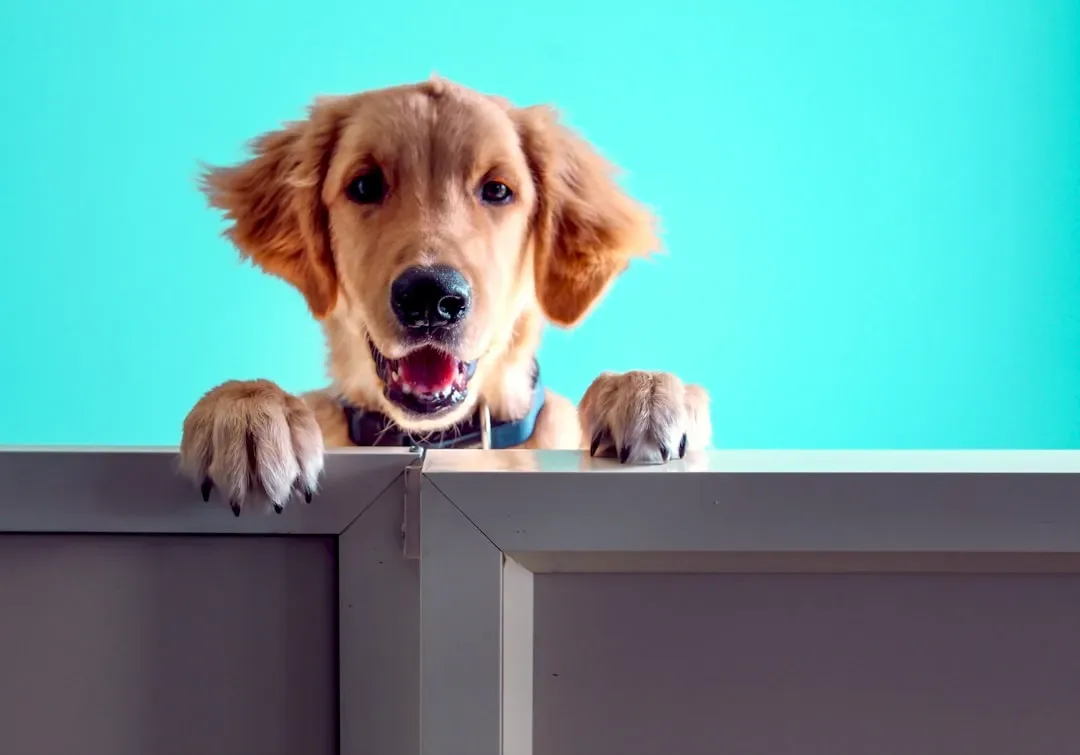
Most kennels see multiple dogs pass through the lobby or just beyond a gate, and staff watch those tiny interactions closely. A dog doesn’t need a nose-to-nose meeting for an experienced handler to know exactly how they feel about other dogs.
A stiff body, hard stare, and tail held high and tight is a dog who could fence-fight or blow up in tight quarters. A soft body, curved approach, and quick glance-then-disengage is a much safer bet. Plenty of owners call their dog “friendly” simply because they’ve never watched a fight happen. Staff aren’t taking your word for it. They’re watching live behavior, and that’s what actually decides who gets group play and who gets a quiet corner instead.
Quick Compare
- Higher risk: stiff body, hard stare, tail held high and tight
- Lower risk: soft body, curved approach, quick glance-then-disengage
- Higher risk: fixated staring that doesn’t break on its own
- Lower risk: loose, wiggly movement with relaxed weight shifting
#11 – Your Dog’s Curiosity About Food and Smells Is a Coping Clue

Within minutes, staff can usually tell whether your dog has the mental bandwidth to enjoy this stay or is already running purely on anxiety. A dog who can still sniff the floor, check out a toy, or nibble a treat is using a real, healthy coping skill.
A dog who refuses all food, ignores every smell, and just stares or whines is likely sitting at a much higher stress level than they’re showing on the surface. Sniffing is self-soothing – a dog who’s still exploring is essentially saying, “I’m stressed, but I’m functional,” and those dogs usually come out of their shell within a day. A dog who shuts down completely may need a slower routine, or even a vet check if it doesn’t ease up. “Oh, he always eats eventually” is a sentence staff hear a lot – and one they quietly plan to verify themselves.
#12 – How Prepared You Are Decides How Seriously They Take Your Warnings
It sounds harsh, but it’s true: how organized you are at drop-off shapes how much weight your words carry for the rest of the stay. The owner who shows up late, forgets the food, shrugs about medication, and then insists “he absolutely must have this exact schedule” doesn’t inspire much confidence.
The owner who brings labeled food, written instructions, and honest notes about quirks gets taken far more seriously, fast. When your drop-off is put together, staff assume claims like “he can scale low fencing” or “she guards her bowl” are accurate and worth building a plan around. When it’s chaos, staff still care just as much about your dog – they just lean harder on their own eyes than on your word. In boarding, details matter, and your level of detail is one of the very first things anyone notices.
At a Glance: What Builds Instant Trust
- Food pre-portioned and clearly labeled with your dog’s name
- Medication instructions written down, not just spoken in passing
- A current emergency contact who can actually answer the phone
- Honest, specific notes on quirks – no minimizing, no vague jokes
#13 – Whether You Treat Boarding as Guilt or Normal Life Rubs Off on Your Dog

Here’s the part most people don’t want to hear: your attitude toward boarding tends to predict your dog’s attitude, long term. Owners who treat every single stay like a tragic abandonment – the apologies, the guilt, the dramatic goodbyes – often end up with dogs who stay high-stress visitors year after year.
Owners who treat it as normal – “this is your doggy hotel, see you Tuesday” – tend to raise dogs who settle in faster every single time. Dogs live off your emotional story, whether you realize it or not. If you clearly believe the kennel is safe and routine, your dog is far more likely to believe it too. If you act like you’re dropping them off at a shelter, don’t be surprised when they act like it’s one.
Here’s the part that stings a little: most “problem stays” were predictable in that very first five minutes. Not because the dog was bad, but because energy, honesty, and a shaky goodbye all showed up before anyone even reached the kennel wing. If you want your dog to genuinely thrive on their next stay, the fix isn’t more apologizing – it’s a calmer goodbye, a more honest conversation at the counter, and treating boarding like the normal, safe part of dog ownership it actually is. Your dog is watching you for the cue. Staff already know that. It’s time the rest of us caught up.


