
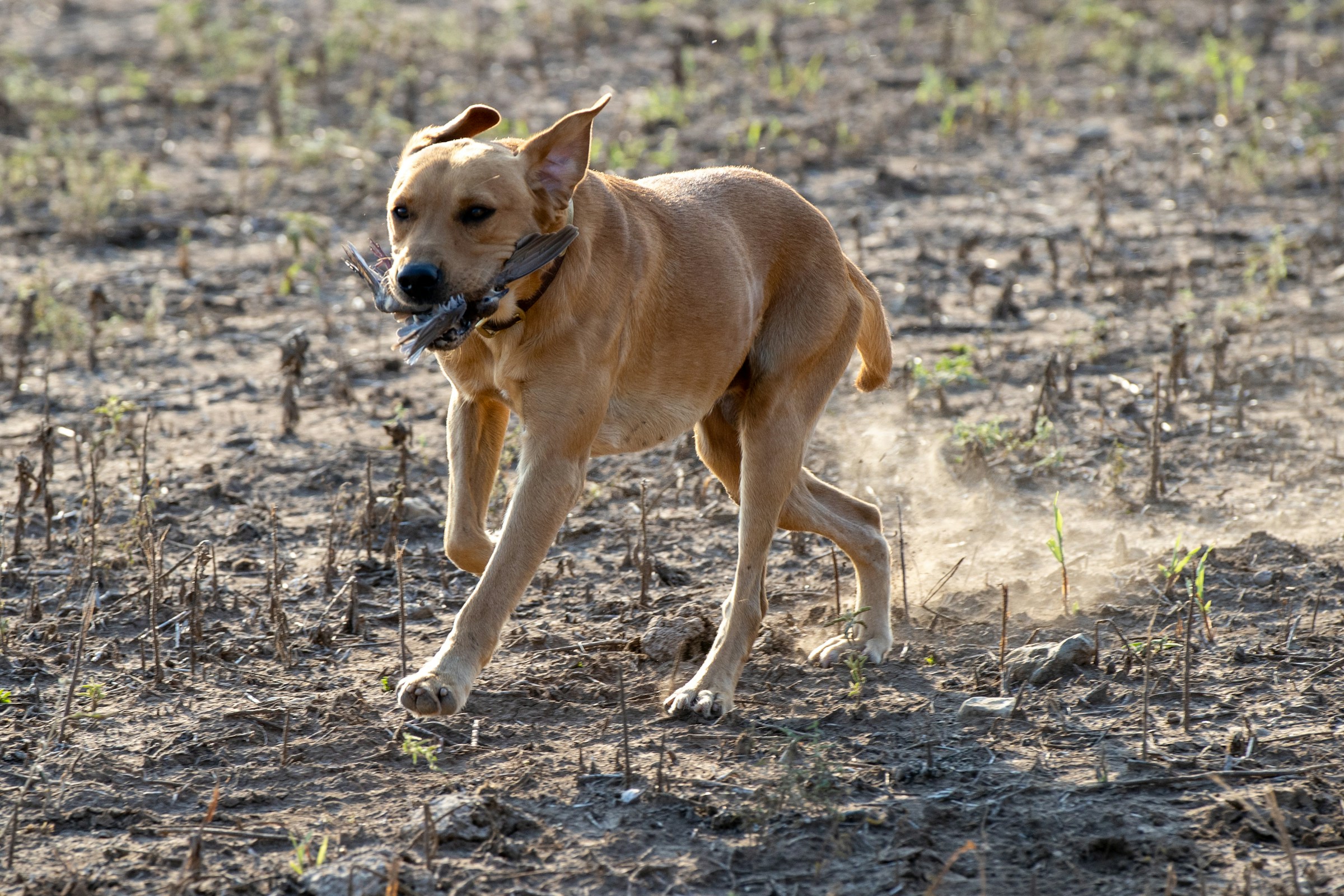
You watch your dog finish their business, then suddenly they launch into an enthusiastic backward scratch, flinging grass, dirt, and sometimes half the flowerbed into the air. They are clearly not burying anything, so what on earth are they doing? This little post-poop dance can look funny, dramatic, or even a bit worrying if you do not know what it means.
The truth is, that ground-scratching ritual is usually less about covering waste and more about communication, instinct, and emotion. Once you understand what is going on, the behavior starts to feel a lot less weird and a lot more like a secret dog language written in dirt. Let us unpack the most likely reasons your dog does this, so you can tell the difference between normal canine quirks and something that actually needs attention.
1. Scent Marking With Their Paws, Not Just Their Poop
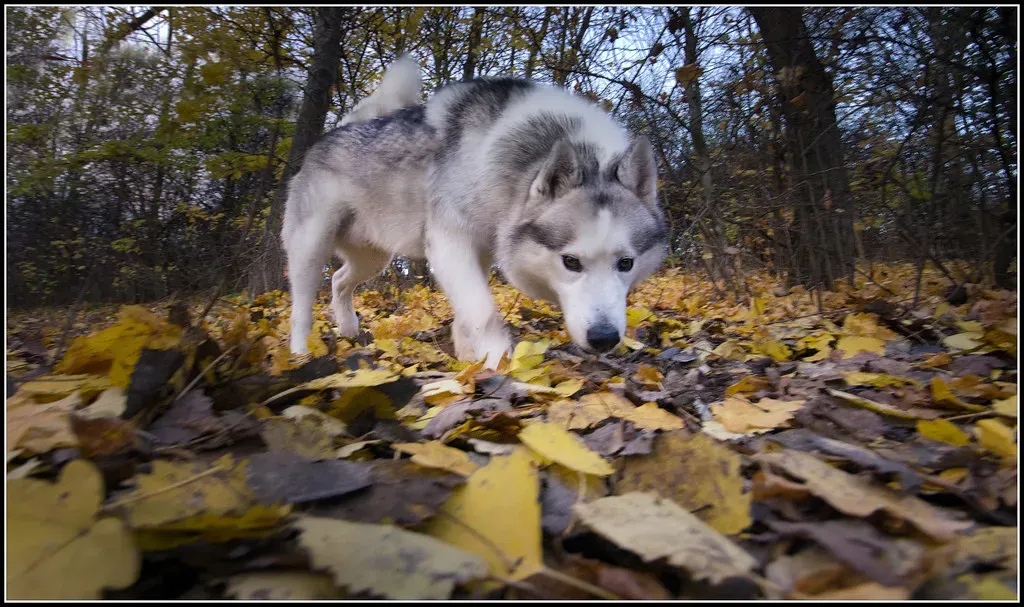
Here is the surprising part: that dramatic scratching has far more to do with smell than with sight. Dogs have tiny scent glands in their paw pads, and when they rake the ground, they are essentially signing their name in smell, not just leaving a visual mess. The feces or urine is only one part of their message, the paw scent is the underline and exclamation mark.
To another dog, that scratched patch of earth is like a social media post that says who was there and how they were feeling. Even if it looks pointless to us on clean pavement or trimmed grass, to a dog it is a powerful way to say this spot is mine, I was here, and here is my vibe today. Once you see it as scent graffiti instead of clumsy burying, the behavior suddenly makes a lot more sense.
2. Broadcasting Territory for Other Dogs to Read Later
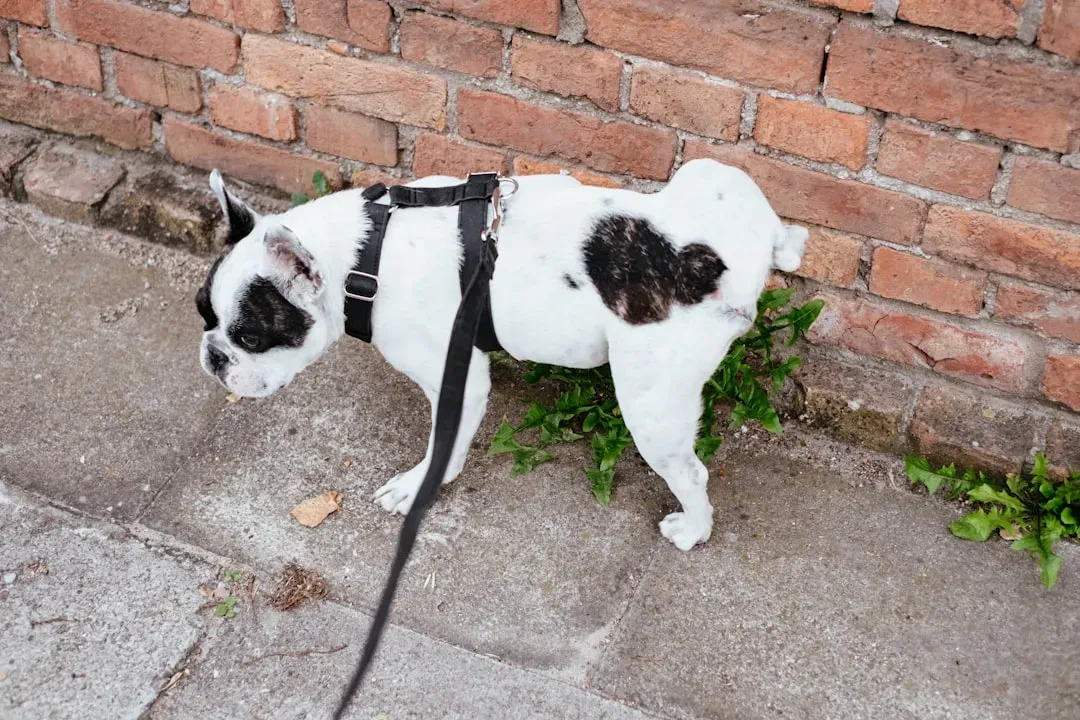
When your dog scratches the ground after toileting, they are not just thinking about right now, they are leaving a message for whoever strolls through later. Dogs have an incredible sense of smell, and the combination of waste plus paw scent creates a kind of scent billboard that can travel farther on the breeze and linger much longer than the poop alone. Scratching also spreads bits of scent over a slightly wider area, like dragging a paintbrush instead of stamping a dot.
This territorial broadcasting is especially common on walks or in shared areas like parks and sidewalks. Your dog may not be growling, barking, or acting tough, but those scratches quietly say this route is part of my map and I know it well. Even a small or shy dog can use this behavior to claim space in a calm, confident way without needing any direct confrontation.
3. Instinctive Wolf Ancestry Showing Through
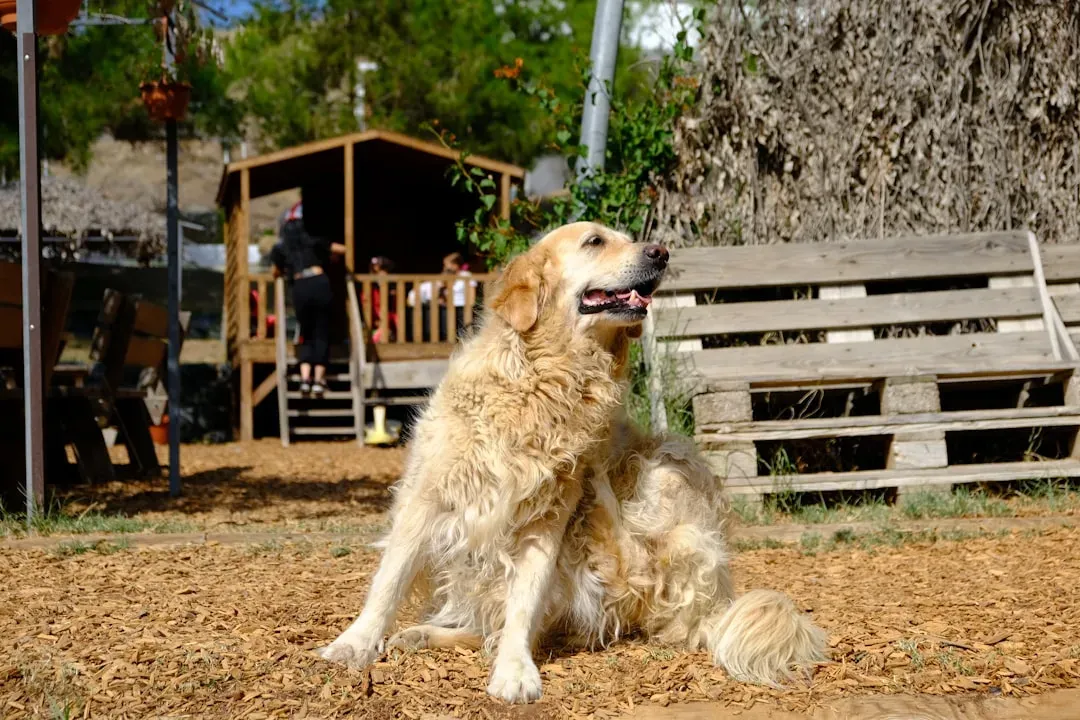
Even the fluffiest couch potato has a wild ancestor living in their DNA. Back in the days of wolves and wild canids, scratching and kicking after toileting helped spread scent, mark trails, and possibly disturb the soil in ways that made trails more noticeable to their pack. Today, that old survival behavior shows up in your neat suburban yard, even though your dog sleeps on memory foam and eats from a stainless-steel bowl.
Instincts like this tend to be stubborn, they stick around even when they are no longer strictly needed. Many dogs that have never seen another dog do it will still naturally start scratching the ground one day as they grow more confident and mature. It is a bit like a human tapping their foot to music without realizing why, the body remembers things the conscious mind never learned.
4. Emotion and Excitement: A Little Post-Toilet Victory Dance
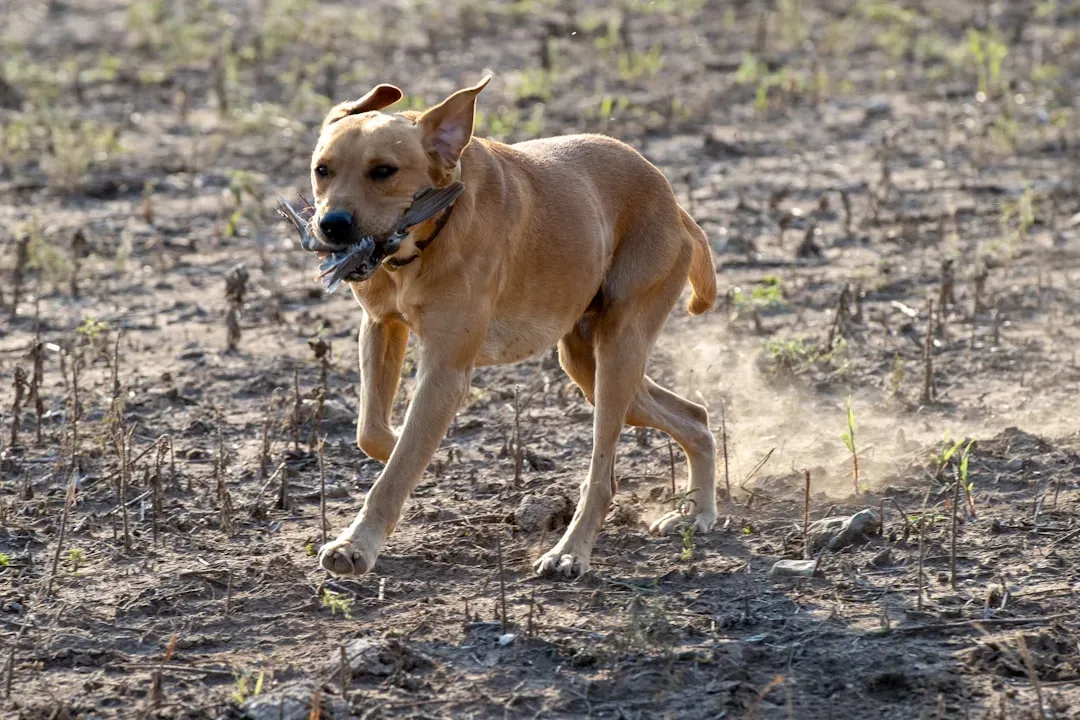
Sometimes the explanation is wonderfully simple: your dog just feels good. Toileting brings physical relief, and for some dogs that relief comes with a burst of energy, so they kick up their heels afterward like they are celebrating a small, everyday victory. The exaggerated scratching, tail swishing, and playful body language can look more like a party than a practical behavior.
If you watch closely, you might notice your dog does this more when they are already a bit hyped, such as on a walk, after greeting another dog, or when you are in a new environment full of smells. In those moments, scratching is almost like a happy dance plus scent-marking rolled into one. They are comfortable, confident, and using their body to express that mood in the most dog way possible.
5. Visual Signaling: Turning the Ground Into a Noticeable Marker
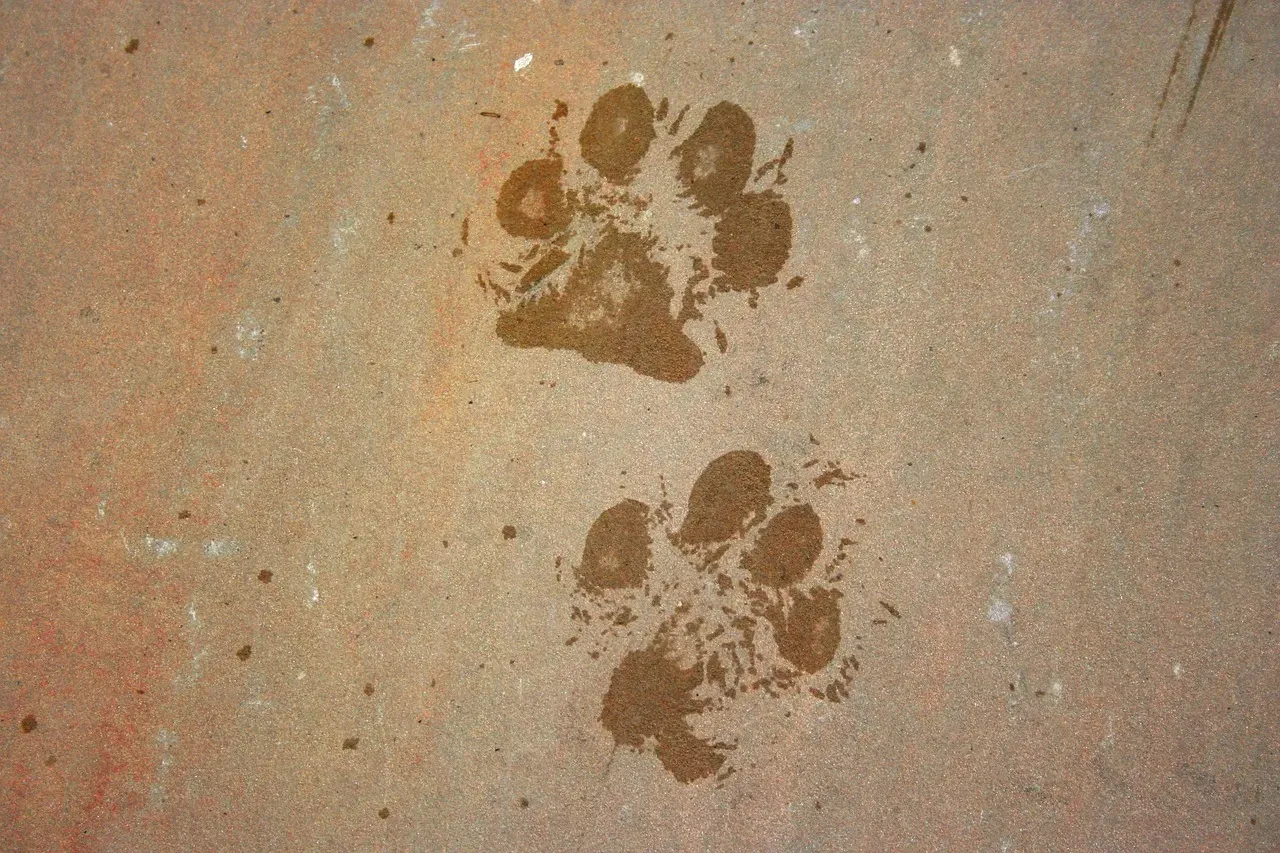
While smell is the main player, the scratched-up ground also works as a visual signal. A disturbed patch of dirt or grass stands out from the surroundings, especially to other animals who are constantly scanning their environment. Think of it as underlining a sentence on a page so it jumps out at whoever reads it later.
Your dog is not consciously landscaping their territory, but the effect is similar. The combination of scattered soil, small claw marks, and sometimes a faint track pattern all draw attention to that spot. For other dogs, it is a clear sign that this is an important smell checkpoint, worth slowing down to investigate and add their own message on top.
6. Social Communication and Confidence Display
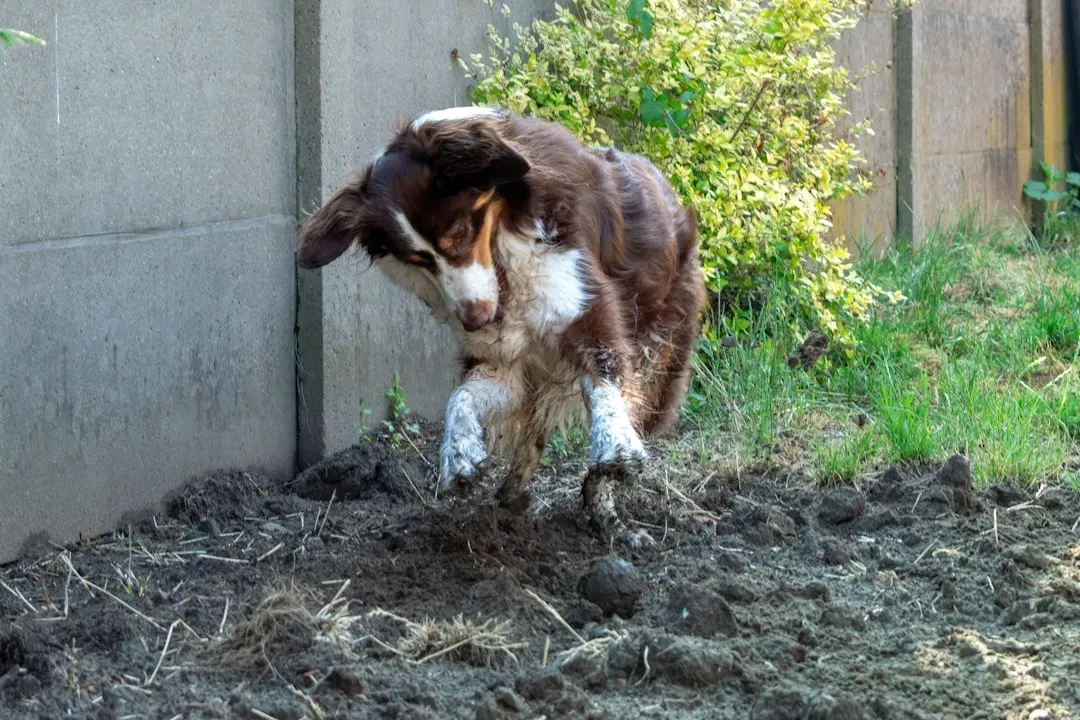
Scratching after toileting can also be a subtle way of showing confidence to other dogs. It is a very calm form of social signaling that says I am secure enough to mark here and strong enough to back it up if needed, without your dog having to bare their teeth or bark. You might notice that bolder dogs scratch more energetically, while timid dogs either scratch lightly or skip it altogether.
In multi-dog households, you may even see one dog start scratching and another rush over to sniff or scratch the same spot, like a conversation layered onto the ground. This is not your dog being dramatic for no reason, it is their way of navigating status and relationships in a language that is completely silent to human ears. Once you imagine it as a kind of polite but firm handshake, it stops feeling so mysterious.
7. Habit and Learned Association With Going Outside
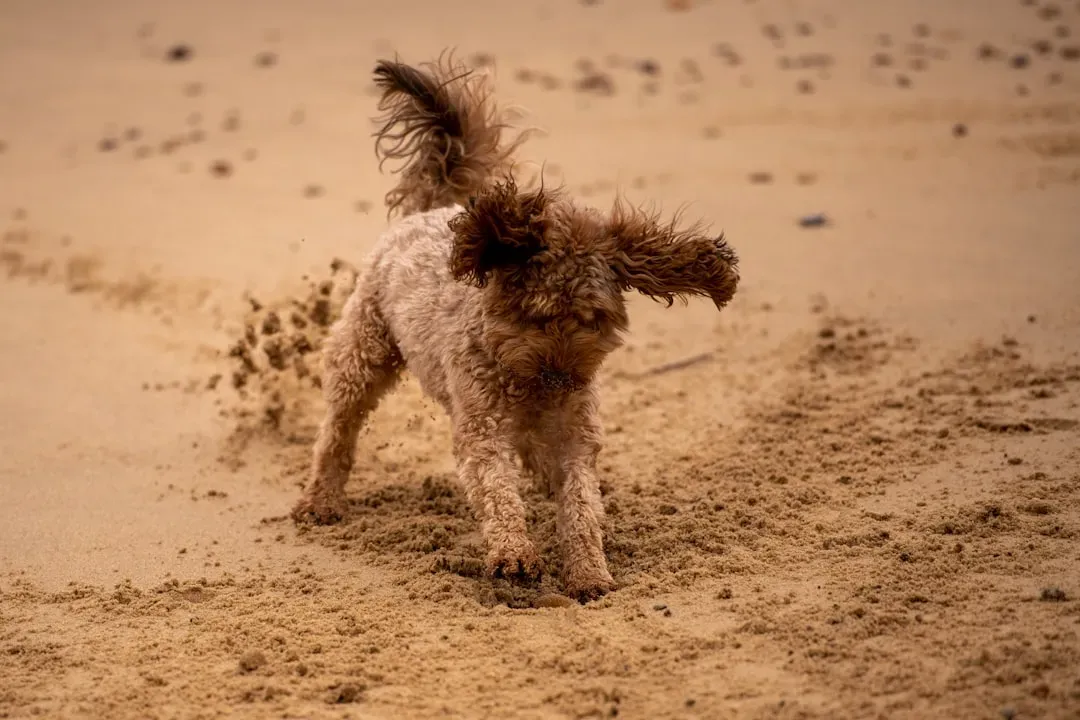
Not every behavior has a deep meaning, sometimes it just turns into a habit. If your dog felt good after scratching once or twice, or if it seemed to get a strong response from you or other dogs, that little after-toilet scratch can become part of their routine. Over time, it is simply what they do after they finish, the same way some people always straighten their clothes after standing up.
Dogs are masters of association. The feel of grass, the smell of the outdoors, the act of eliminating, and the muscle memory of scratching can all blend into one automatic ritual. They are not carefully planning it or trying to bury anything, it just feels like the proper way to wrap up the bathroom break, so they do it without thinking twice.
8. Anxiety, Over-Arousal, or Displacement Behavior
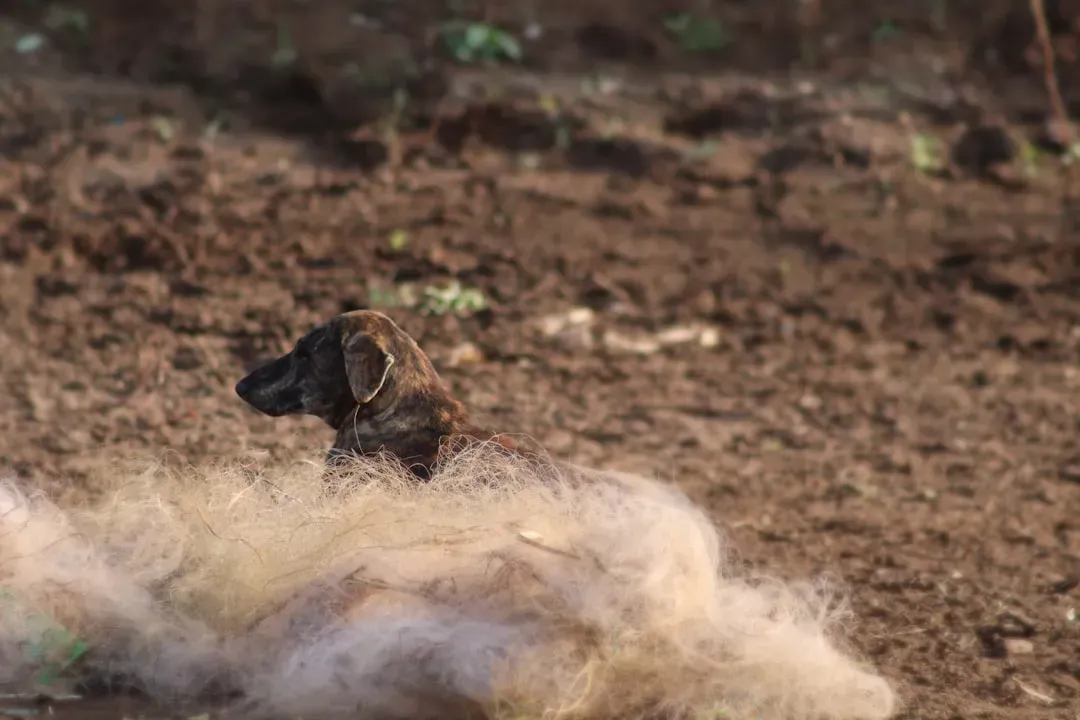
While scratching is usually normal, in some cases it may reflect stress or over-arousal. If your dog seems restless, tense, or easily startled outside, they might use ground scratching as a way to vent nervous energy. This is sometimes called displacement behavior, where a dog channels inner tension into a harmless, repetitive action like scratching, licking, or sniffing.
If you notice your dog tearing at the ground excessively, panting, pacing, or struggling to settle during or after toileting, it is worth paying attention. That might be your cue to give them more time to decompress, avoid overwhelming environments, or speak with a veterinarian or qualified behavior professional. Scratching alone is rarely a problem, but when it comes with obvious distress, it becomes a window into how your dog is really feeling.
Conclusion: A Messy Ritual With a Clear Meaning
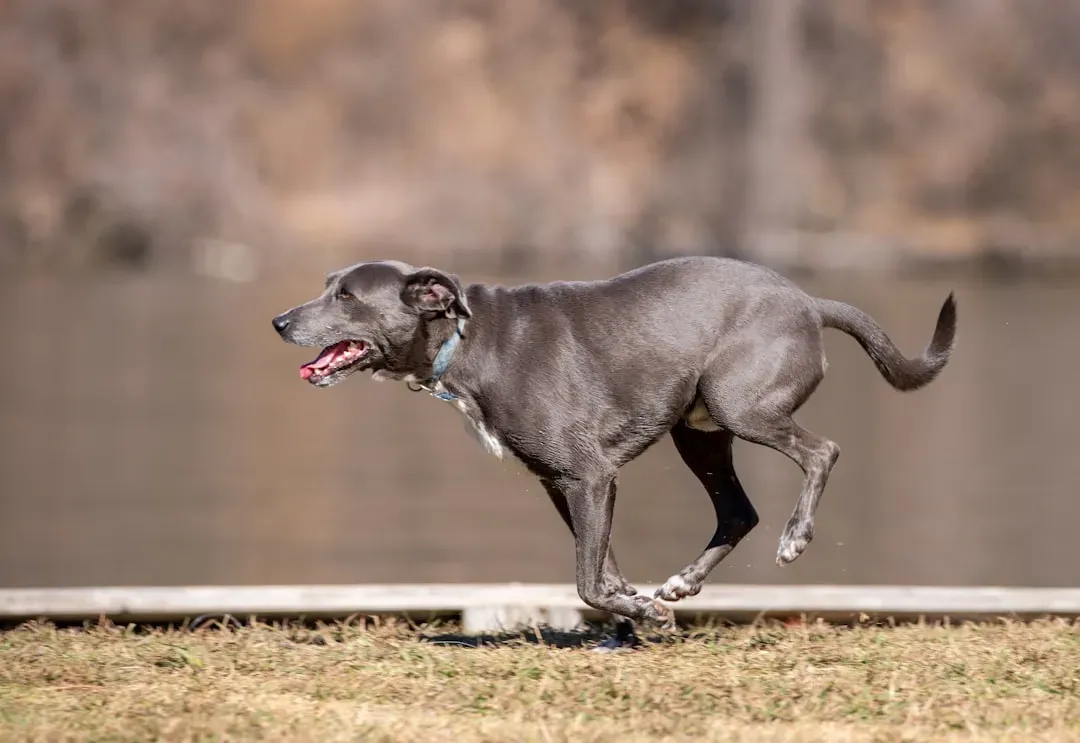
Once you see all the layers behind that simple scratch of the ground, it becomes a lot harder to dismiss it as random weirdness. Your dog is mixing instinct, emotion, scent, and sometimes stress into one powerful little ritual that turns a basic bodily function into a full-on communication event. Personally, I have gone from groaning about dirt on the patio to quietly respecting it as my dog’s way of writing his story on the world.
As long as your dog is healthy, relaxed, and not injuring themselves or destroying your yard beyond repair, this ground-scratching is usually nothing to worry about and often something to appreciate. It is one more reminder that dogs are living, thinking creatures with a rich inner life we only partially understand. Next time your dog finishes their toilet break and launches into that dramatic backward kick, will you see a nuisance, or will you see a tiny, dusty love letter to being a dog?


