

Have you ever watched two dogs meet and felt your stomach tighten, waiting to see if they’ll be best friends or bitter enemies in three seconds flat? That tiny window of time, when they close the gap between them, can tell you a lot, and science is finally catching up to what good dog trainers and behaviorists have been saying for years: the way a dog approaches another dog really matters. A curved, sideways approach is not just “cute” or “polite” – it is part of a documented social protocol that helps keep peace and prevent fights.
Once you start looking for it, you can’t unsee it. Dogs who feel reasonably safe tend to move in arcs, with soft bodies and a bit of a side view, while tense or under-socialized dogs drive straight forward like furry missiles. One style says “I come in peace,” the other can accidentally scream “I’m a problem.” Understanding this difference does more than satisfy curiosity; it gives you a practical tool to read canine body language, reduce risk at the park, and advocate for your dog in a world that often forces them into awkward, human-designed encounters.
Why Dogs Avoid Straight Lines When They Have a Choice
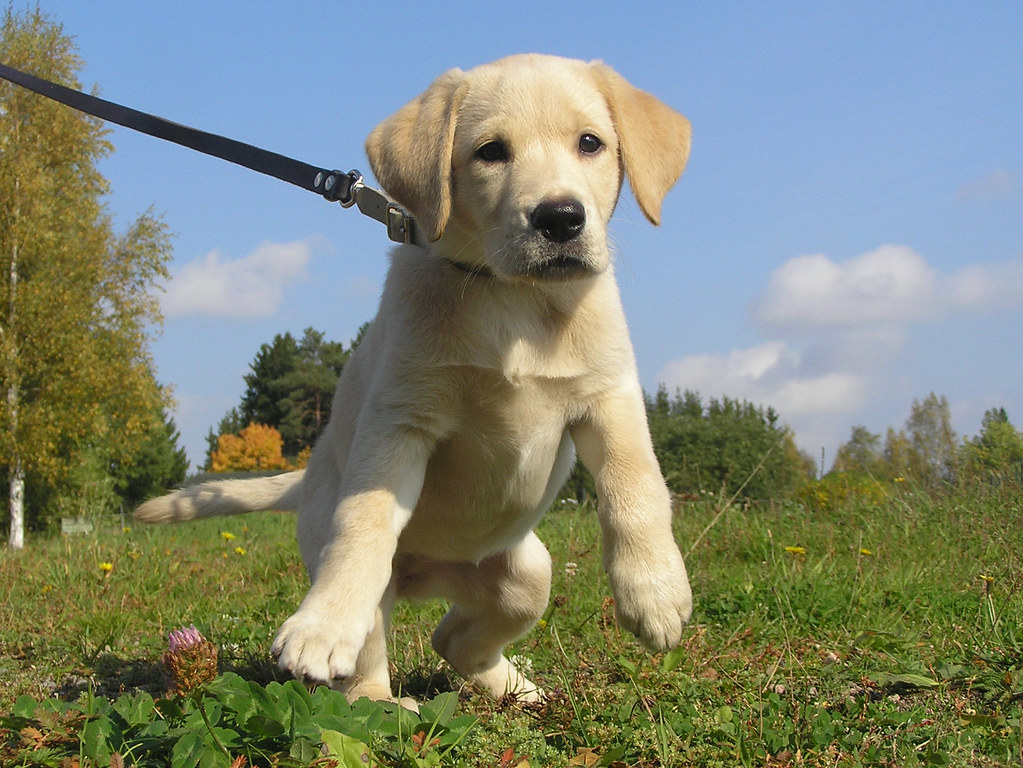
In the dog world, marching directly toward another individual, especially while staring, is not neutral. It is closer to a challenge. Social animals that descended from cooperative hunters, like dogs and wolves, evolved subtle ways to avoid unnecessary battles, because constant fighting is a horrible survival strategy. A curved approach lets them gather information from a safer angle while sending a calmer signal.
Think of it like how most of us feel if a stranger walks straight at us and stops a few inches away, versus drifting up from the side with a relaxed posture. The first one feels intense, even if they mean well. For dogs, that intensity is multiplied by their sharper senses and faster reactions. The arc gives both dogs time to sniff, reassess, and disengage if needed, long before anything explodes into snarling or lunging.
The Arc: A Documented Canine Greeting Protocol, Not Just “Cute Behavior”
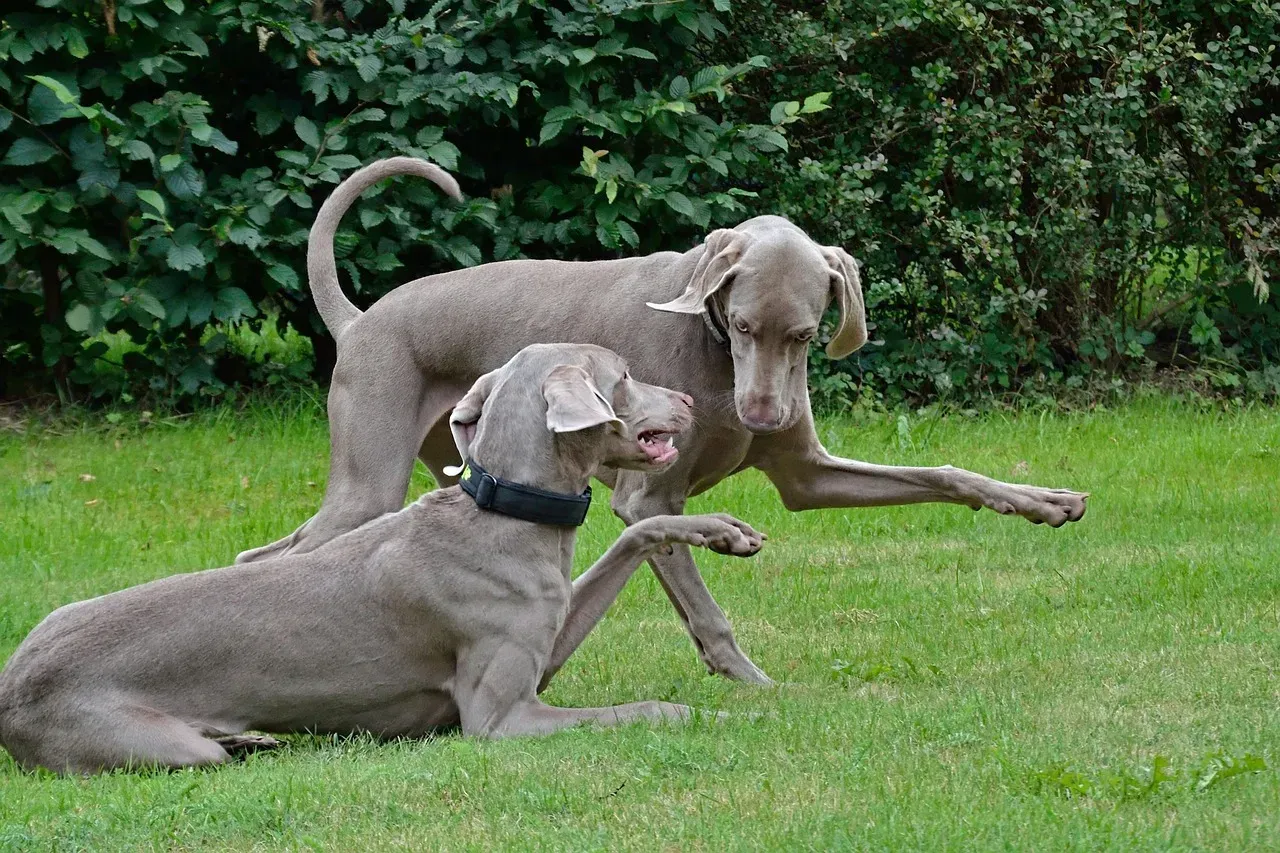
Behavior researchers and experienced trainers have repeatedly documented this arcing pattern in off-leash, voluntary greetings between socially skilled dogs. When dogs are not being held tight on a leash or dragged straight in by a human, they naturally tend to spiral toward each other in gentle curves, often approaching the flank or rear first. It is a pattern you see across ages, breeds, and settings when dogs are given the freedom to choose.
This curved approach is part of a broader greeting protocol that includes turning the head slightly away, soft or blinking eyes, loose tails that wag at mid-height or lower, and brief sniffing rather than long, frozen stares. Taken together, these signals form a kind of “politeness package” that helps both dogs communicate: I’m here, I’m interested, but I’m not trying to start anything. When that protocol breaks down – for example, when one dog barrels in straight, stiff, and locked-on – the risk of conflict rises sharply.
How the Arc Physically Reduces the Risk of Conflict
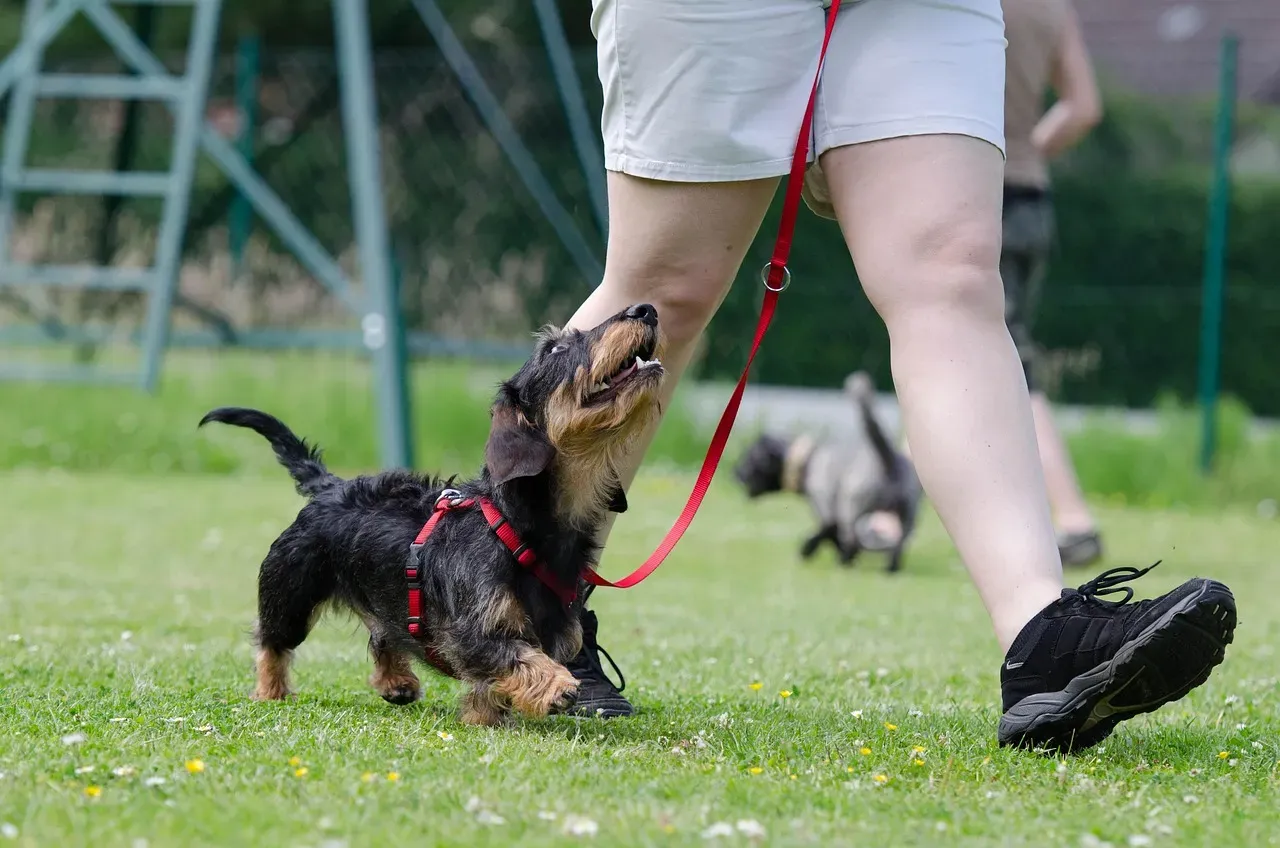
The curved arc lowers tension in a few very practical ways. First, it keeps the dogs slightly offset instead of nose-to-nose, which makes it easier for either one to peel away if they suddenly feel uncertain. That built-in escape route alone can be enough to prevent a snarl from turning into a full fight. Straight, head-on approaches box both dogs in and force a more confrontational interaction, even if neither planned it.
Second, arcing naturally breaks up hard eye contact and slows the speed of the approach. Instead of a direct collision course, you get a slower, more oblique path that gives both brains more time to process what their noses and eyes are telling them. That extra beat or two can be the difference between “Whoa, this guy’s intense” and “Okay, they smell fine, I can relax.” It is not magic, but it is a simple mechanical way that body position and movement can dial the temperature down.
What a “Polite” Dog Greeting Actually Looks Like

When people first learn about the arc, they often realize they have been missing a whole movie while focusing on a single frame. A socially competent dog will usually approach in a curve, angle their body a bit sideways, and might even turn their head away briefly as they close in. Their tail tends to move loosely, not in a stiff, fast, helicopter spin, and their body has a subtle wiggle rather than a statue-like stillness.
Once they get close, many dogs slide toward the other dog’s shoulder or hip, doing that famous behind-the-tail sniff rather than standing nose-to-nose like humans shaking hands. The contact is often short and sweet: a few seconds of investigation, then a move away, a little circle, or a casual wander in another direction. That ebb and flow – approach, sniff, break away, maybe re-approach – is part of the polite ritual that keeps arousal from spiking into trouble.
When a Head-On Approach Is a Red Flag
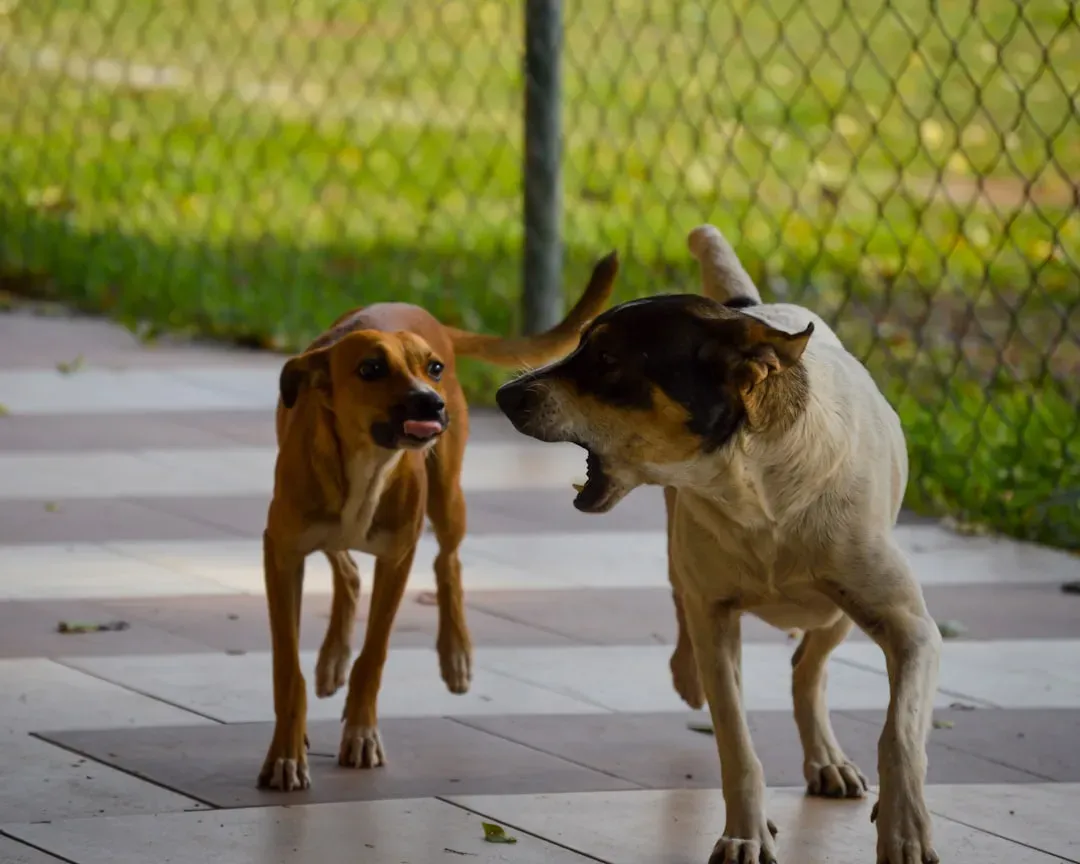
A straight, fast, head-on approach does not automatically mean a fight is coming, but it is absolutely a yellow flag that deserves your attention. Dogs who slam straight in, especially with a tall, stiff posture and narrow, focused eyes, are often over-aroused, anxious, rude, or rehearsing patterns that can lead to aggression. Sometimes it is simply lack of social experience; other times it is a learned habit that has been accidentally reinforced.
I still remember the first time I really noticed this with my own dog at a busy park. A large, muscular dog locked eyes with him from across the field and powered straight in, while my dog curved off to the side, clearly trying to soften things. Even before they touched, you could feel the tension in the air. The moment they reached nose-to-nose, the other dog froze, my dog turned his head away, and I stepped in and called him out of there. That encounter never became a fight, but it was a perfect real-life lesson in how a head-on missile approach can crank everyone’s anxiety up in seconds.
How Leashes, Sidewalks, and Humans Accidentally Break the Protocol
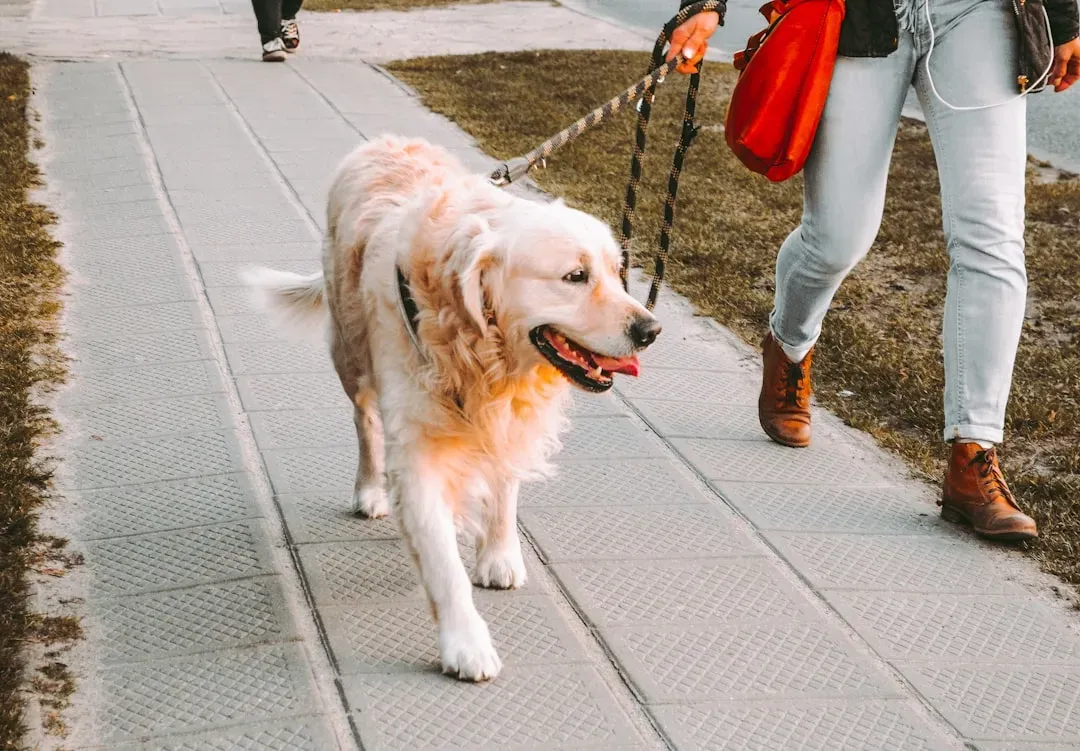
Here is the uncomfortable truth: modern human life constantly works against the natural canine greeting protocol. Narrow sidewalks, short leashes, and social pressure to “be polite” push dogs to walk in straight lines directly toward each other. When two leashed dogs meet face-to-face while their humans stand still and tighten the leashes, it creates exactly the kind of intense, trapped feeling their body language is designed to avoid.
On top of that, many people confuse tolerance with enjoyment. A dog may stand there, tense and still, because the leash and their training keep them physically present, not because they are comfortable. They never get to arc, circle, or choose a different angle. Over time, that repeated pattern can build frustration or reactivity, which is why some dogs are fine off-leash but bark and lunge like maniacs when leashed. It is not that the protocol is broken inside the dog; it is that the environment keeps blocking it.
How You Can Support Safer, Arc-Based Greetings in Everyday Life
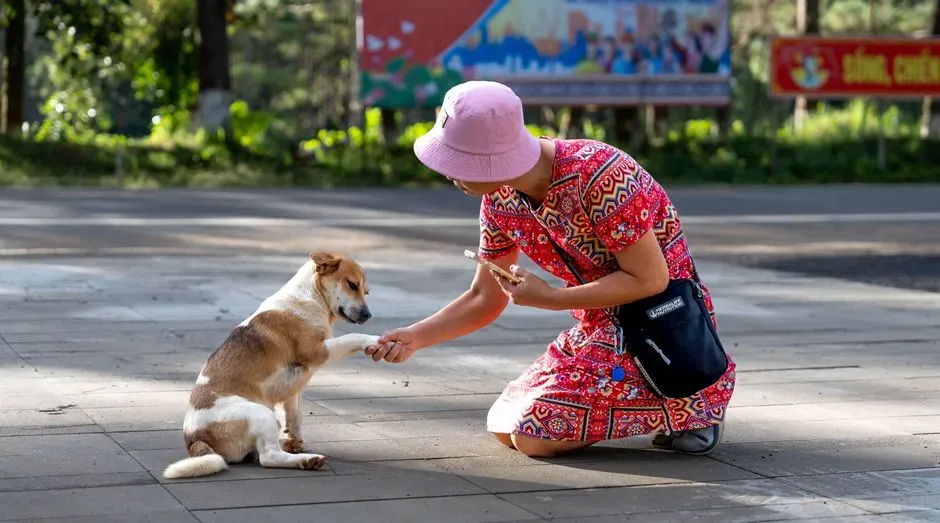
The good news is that you have far more influence over this than you might think. One of the simplest, most powerful habits is to stop forcing leashed, face-to-face greetings with unfamiliar dogs. Instead, create gentle arcs by walking in a curve, giving the dogs space to pass on the outside of you, and letting them choose whether to swivel in for a sniff or simply walk by. If either dog looks stiff, uncertain, or locked-on, you can just keep moving and skip the greeting altogether.
In off-leash areas, watch how dogs approach each other and step in early if you see repeated straight-line, high-arousal charges toward your dog. You are allowed to advocate for your dog by calling them away, placing your body between them and the oncoming dog, or leaving a situation that feels off. Encouraging curved paths, soft approaches, and quick, low-pressure interactions is not overprotective; it is you respecting a social system that evolution built long before harnesses, flexi-leads, and dog parks existed.
Conclusion: Respect the Arc or Own the Fallout
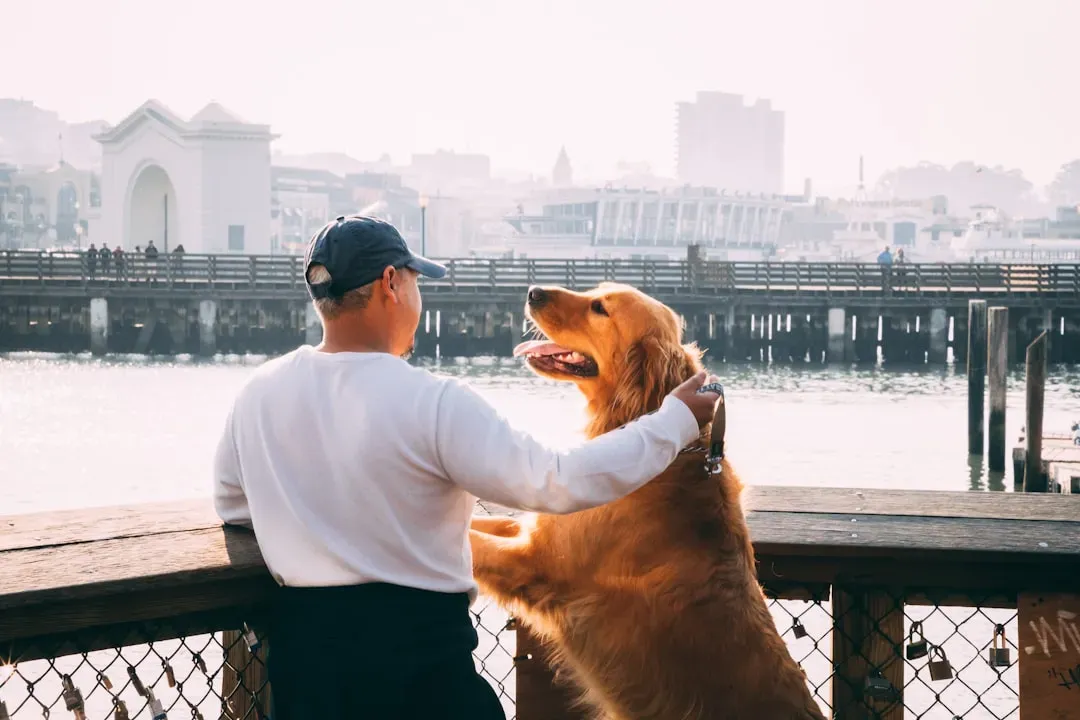
When you strip away the science jargon and the diagrams of body angles, the message is blunt: dogs have a built-in greeting protocol that uses curved approaches to turn potential conflict into manageable curiosity. When we ignore that protocol – by insisting dogs march straight up to strangers, trapping them on tight leashes, or brushing off obvious red flags – we are not being “relaxed dog people.” We are gambling with their safety and comfort, and the odds are not in our favor over the long term.
In my opinion, once you understand the power of the arc, it becomes almost irresponsible not to factor it into your everyday dog decisions. You do not have to become a behavior expert to do this; you just have to give your dog the space to move like a dog, not like a little human on two legs. Next time you see your dog drift into a gentle curve rather than marching straight in, you will know they are not being weird or dramatic – they are following an ancient peace treaty written in body language. Now that you can read it, what will you do differently the next time two dogs are about to meet?


