
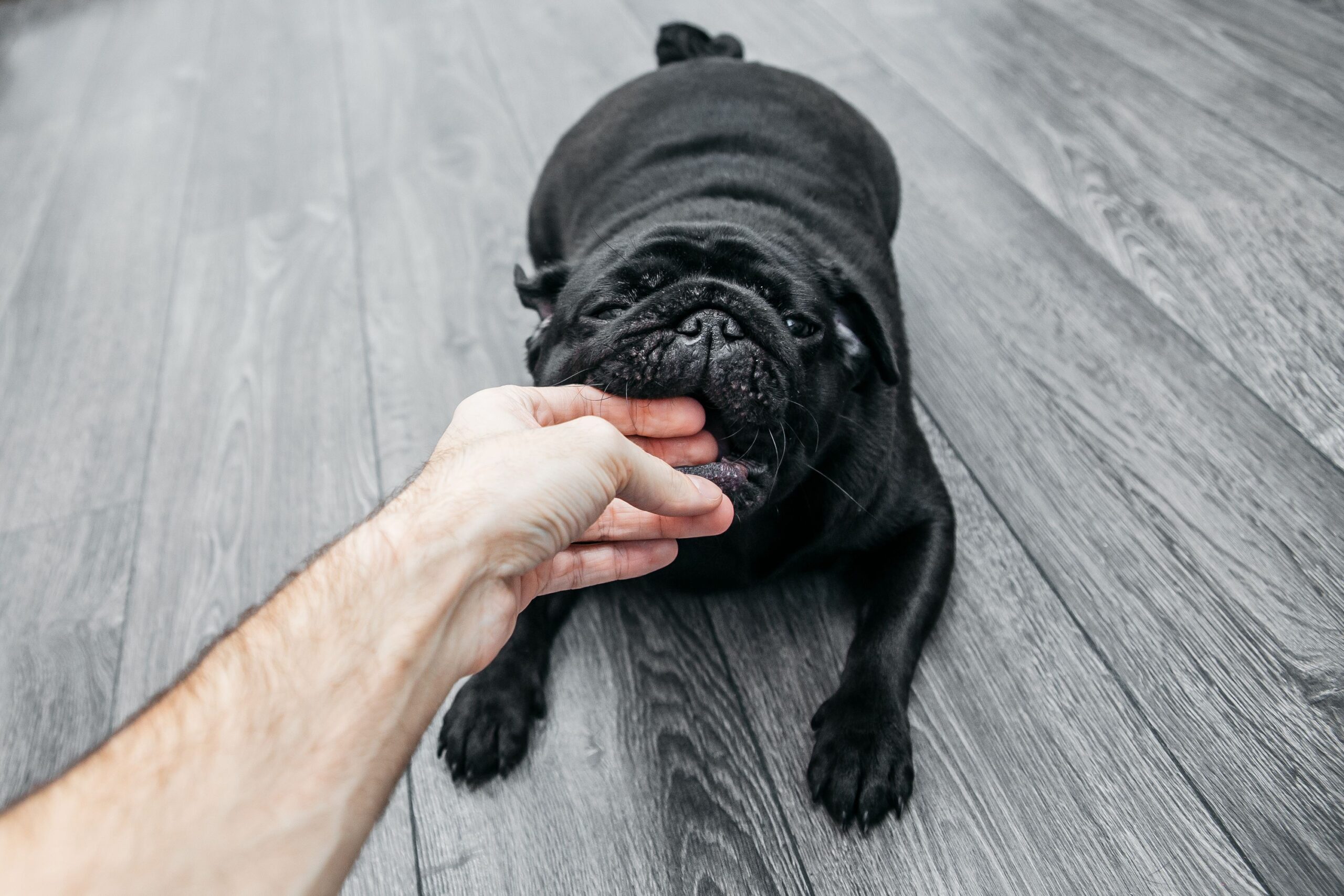
There’s a special kind of chaos that only a puppy can bring into a home: zoomies across the couch, shoelaces under attack, those tiny shark teeth on your fingers. At first it can feel like your sweet fluffball is part angel, part piranha. But hidden inside all that rough-and-tumble play is something incredibly important: your puppy is learning how to use their mouth gently, and their behavior during play is your best window into that progress.
When puppies practice bite control, it doesn’t look like a calm obedience exercise. It looks messy, noisy, and sometimes a little alarming. The trick is knowing which behaviors are actually signs of learning and which ones mean things are going too far. Once you learn to spot these eight key behaviors, you start to relax a bit and realize: this wild little creature is actually figuring out how to be safe, social, and kind with those tiny teeth.
Softer, More “Mouthy” Bites Instead of Hard Chomps
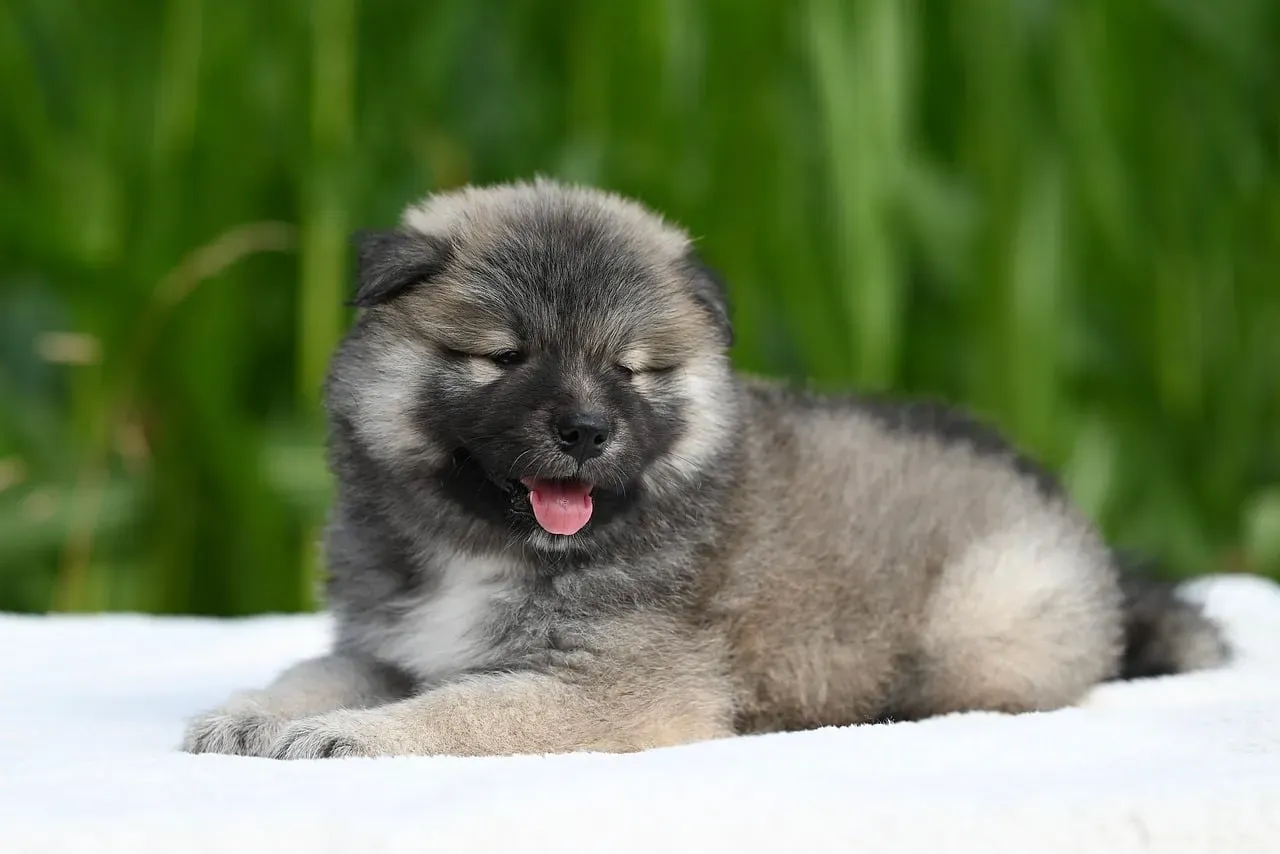
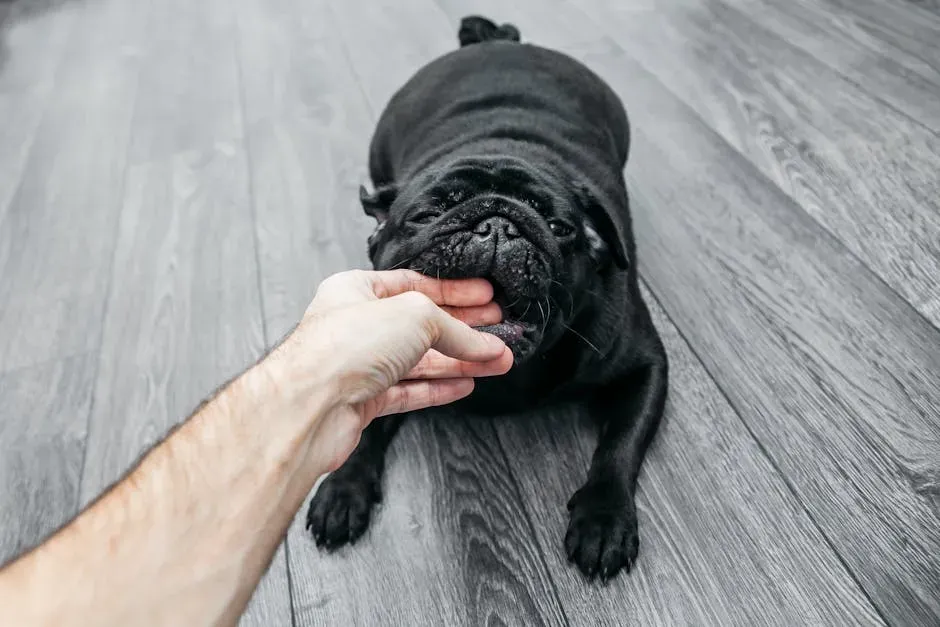
One of the clearest signs that a puppy is learning bite control is when their play biting starts to feel more like gentle mouthing than sharp nipping. In the beginning, those teeth can land like needles, and every touch feels intense. Over time, if things are going well, the pressure starts to ease, and you’ll notice more lips and tongue and less stabbing tooth contact.
This change in pressure is not accidental; it’s your puppy’s nervous system and social instincts kicking in. They’re experimenting: what happens if I bite this hard, or that softly? When you yelp, freeze, or calmly end play after a hard bite, you’re giving valuable feedback. When they try again with a gentler mouth and you keep the game going, they’re learning a simple but life‑changing rule: soft mouth equals fun; hard bite equals game over.
Brief Pauses or “Oops” Moments After a Too-Hard Bite
A surprisingly beautiful moment in puppyhood is the first time your pup bites too hard, then instantly freezes and looks at you like they just realized they messed up. That tiny pause is pure gold. It means your puppy is starting to connect cause and effect: they sensed your reaction and their brain hit a little internal brake pedal.
Sometimes it’s just a microsecond pause, a quick lick, or a gentle nuzzle as if they’re asking to resume the game. Other times, they might even back off for a second, then re‑engage with noticeably lighter pressure. That reset is exactly what we want. It shows you are not just dealing with a bitey baby; you’re watching self‑control slowly grow in real time, like watching a dimmer switch turning up on their social awareness.
Self-Handicapping During Play With Smaller Dogs or Kids
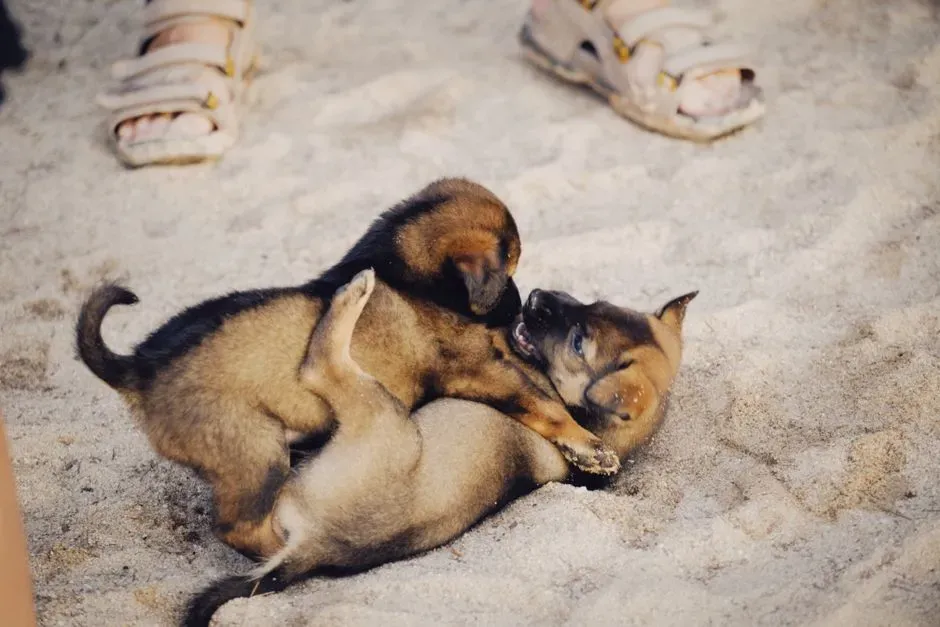
Self‑handicapping is a fancy way of saying your puppy is intentionally toning themselves down so others can keep up. You might see a big, confident pup who wrestles hard with adult dogs but suddenly becomes more delicate when playing with a smaller puppy, a shy dog, or even a gentle tug game with a child. That is them adjusting bite strength and play style to match their partner.
In practice, this might look like your pup rolling onto their back, letting the other dog “win,” or using their mouth without clamping down during toy games. When a puppy is capable of going full gremlin but chooses to go half-speed, that’s emotional intelligence in action. It shows that the puppy is not just physically capable of biting harder but actively choosing restraint, which is the heartbeat of true bite control.
Responding to Yelps, Cries, or “Ouch” With Gentler Play
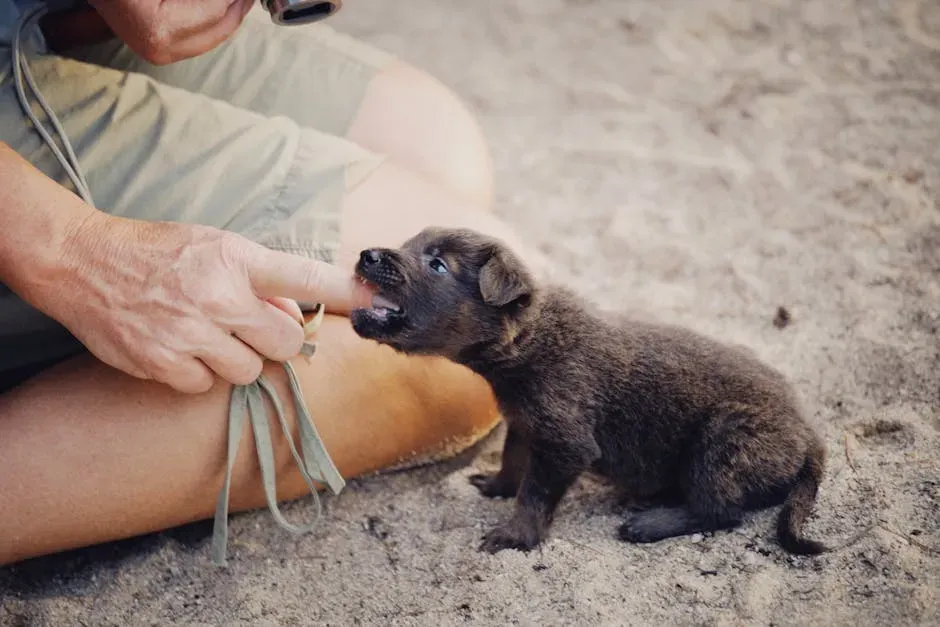
In a litter, puppies teach each other bite control by yelping or abruptly ending the game when a sibling bites too hard. When your pup brings that same sensitivity into their interactions with you, it’s a strong sign they’re learning the rules of polite mouthing. If you say “ouch” in a natural tone or let out a startled sound and your puppy pauses, loosens their mouth, or backs away, they’re showing they care about your reaction.
You might even see them come back with softer play afterward, as if testing new, safer settings on their bite strength. Of course, some puppies are more dramatic than others; a bold pup might ignore a mild “ouch” but respond when you fully stop the fun. The key is that over time, your puppy shows a pattern: rough bite equals your withdrawal, softer mouth equals continued fun. When they start to adjust without you having to exaggerate responses, you know the lesson is sinking in.
Switching From Biting Skin to Biting Toys During Excitement
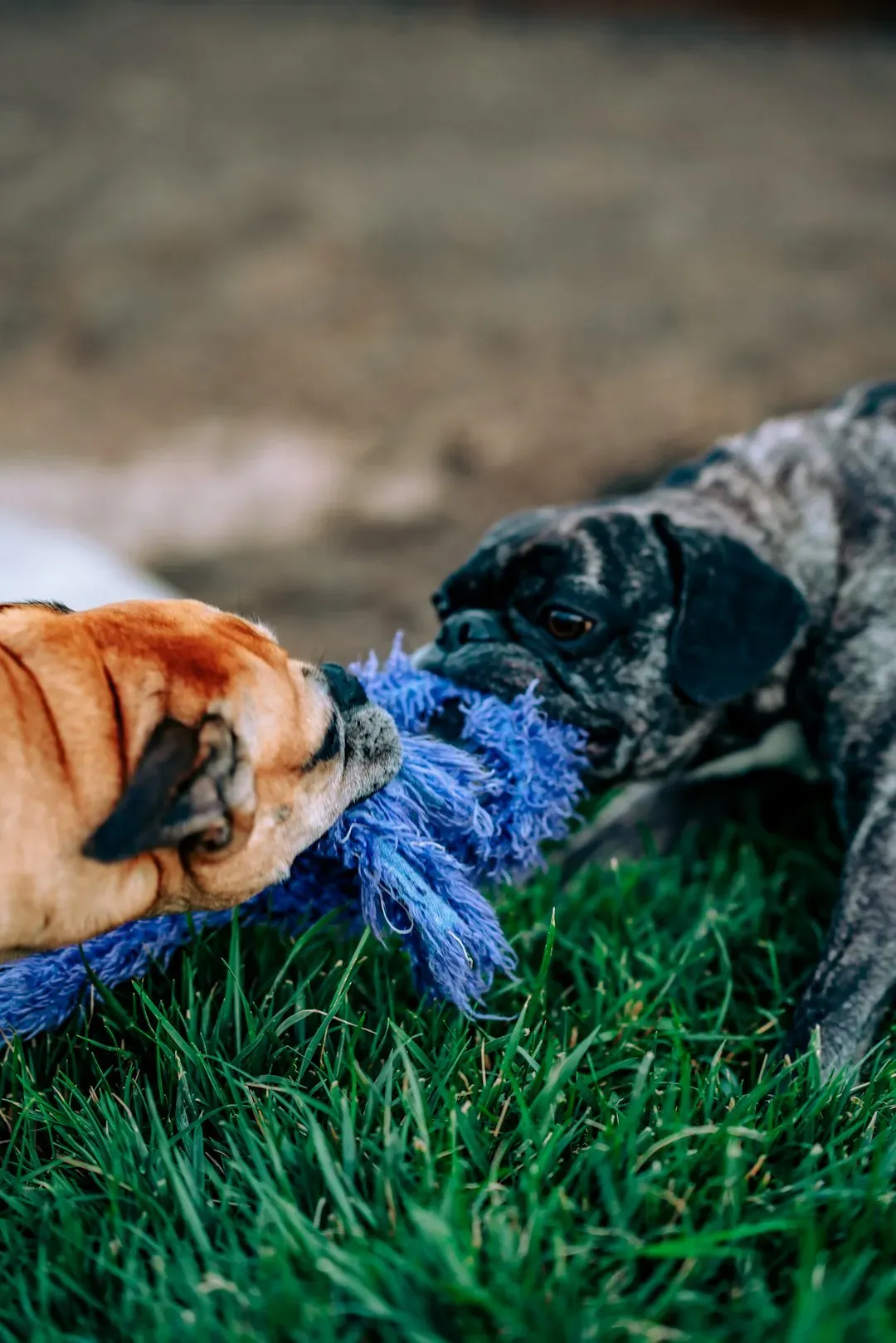
Another green flag: your puppy learns to redirect their intense energy onto appropriate objects when they get overexcited. Instead of going straight for your hands, ankles, or clothing, they start diving for a tug rope, a chew, or their favorite squeaky toy. It might not be perfect, but that tiny hesitation followed by “grab toy, not skin” is a huge step towards reliable bite control.
I remember standing in the kitchen with a wildly excited puppy snapping at my sleeves; once he figured out that getting the tug toy meant more play and more praise, he began searching for it the second his energy spiked. That kind of self‑redirection shows your dog is developing an internal rulebook: when I’m hyped, I use my mouth on toys, not humans. It won’t stop every nip overnight, but it’s a powerful sign of growing maturity.
Shorter, Less Frequent “Zoom-In” Bite Attacks During Play
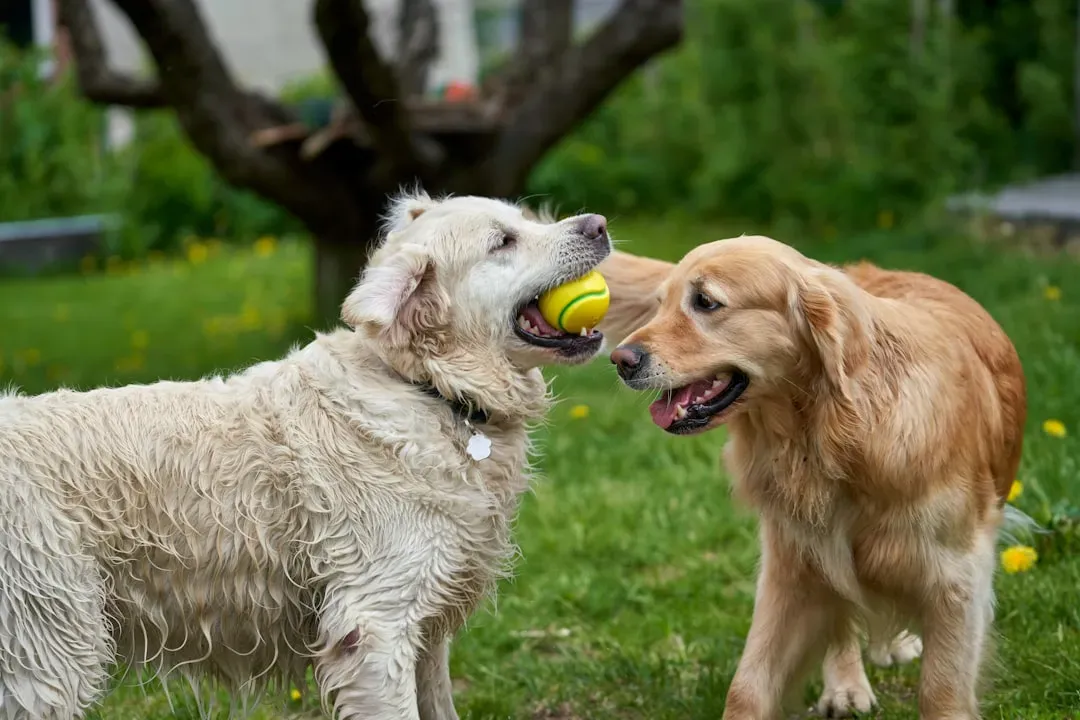
Most puppies go through what feels like a demon phase where they suddenly lock onto your feet or hands like a heat‑seeking missile. Early on, this can happen constantly, and it can be intense. As bite control improves, those frenzied bite attacks get shorter, less frantic, and less frequent, even if your puppy still has bursts of wild energy.
You’ll notice the difference not just in how often they bite, but in how quickly they can pull themselves together. Where they once spiraled into a full‑on mouthy meltdown, now they can pause, take a breath (sometimes literally), and pivot back into a calmer game or a chew toy. Think of it like a toddler who used to have full tantrums and now just pouts for a minute and moves on. The urge is still there, but the control is starting to win.
Playing Well With Other Dogs Without Constant Interruptions
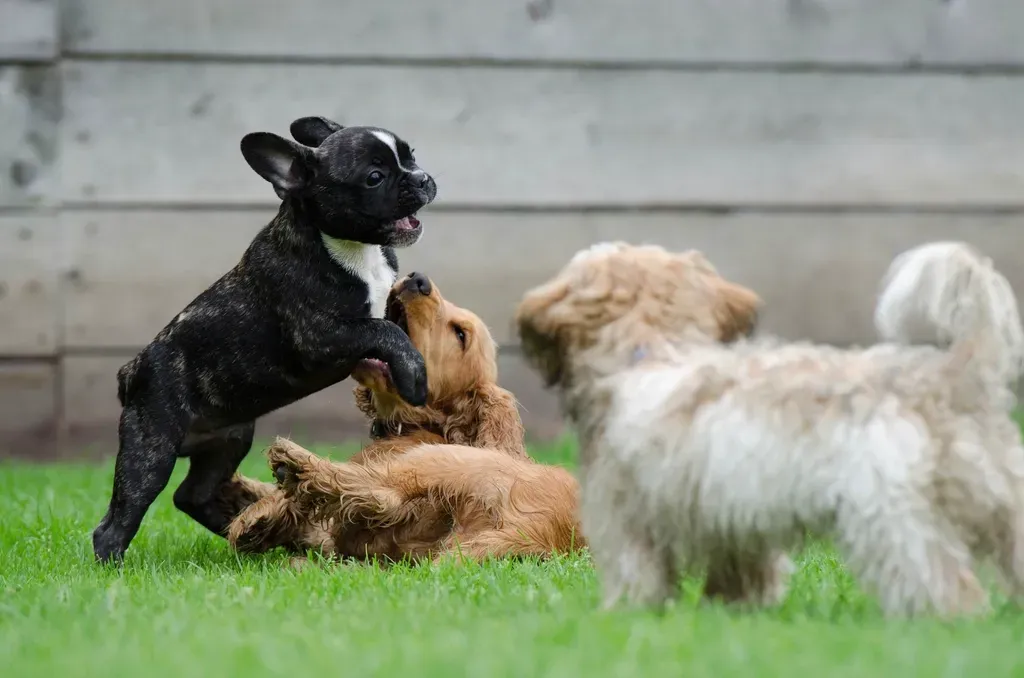
Well‑run puppy play sessions or good‑natured play with calm adult dogs are bite‑control boot camps. If, at first, your pup was always the one getting pulled away because they were too rough, watch for the shift when they can play longer without human interruption. That’s usually because they’re learning to moderate their mouth and listen to the social feedback from other dogs.
Healthy dog play has a rhythm: bursts of wrestling, pauses, role reversals, and lots of small body language signals. When your puppy can stay in that dance without constantly triggering yelps, growls, or shutdowns from their playmates, they’re showing that they’ve learned a crucial balance. They still use their mouth, but they know when to ease up, when to back off, and when the fun is about to tip into “too much.”
Calming Down Faster After Getting Overstimulated
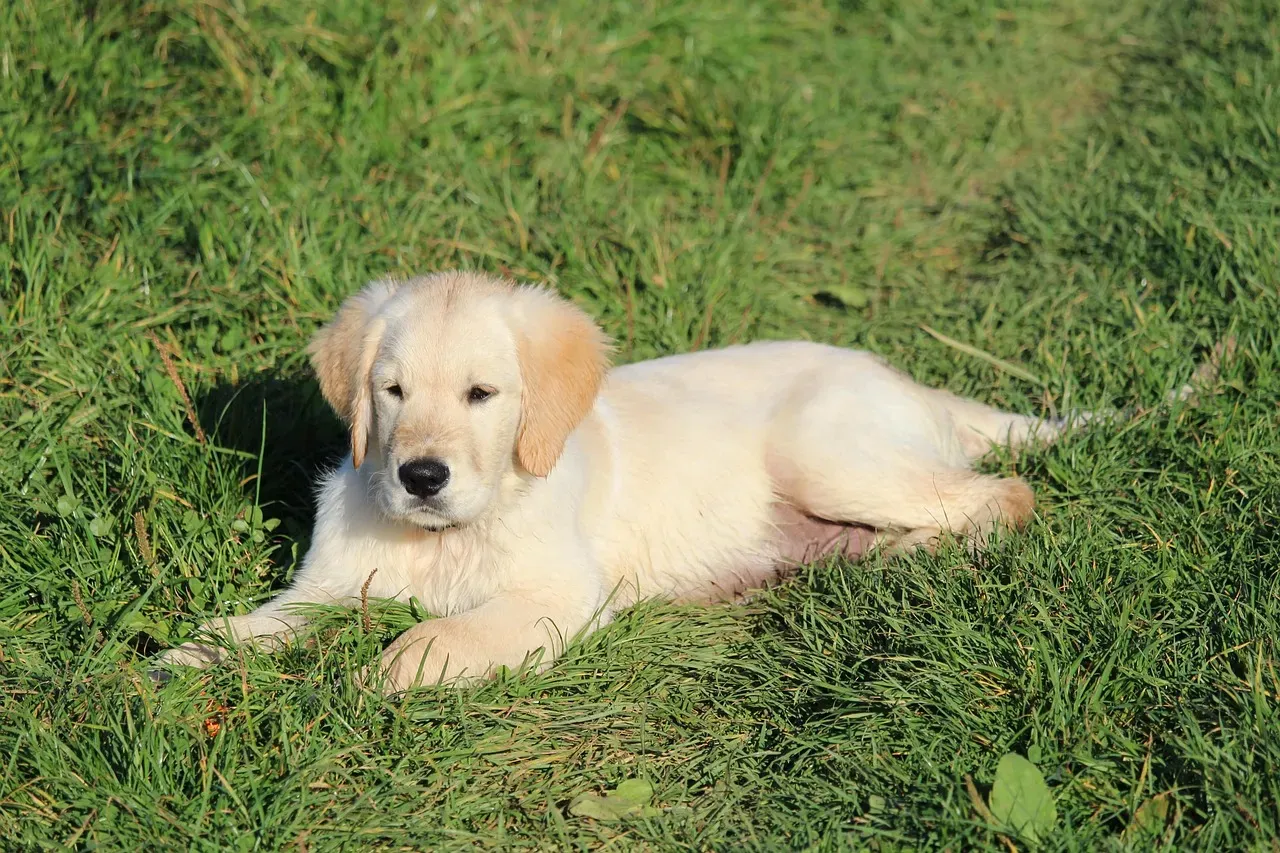
Bite control is not only about what happens in your puppy’s mouth; it’s also about their ability to manage arousal and excitement. In the early days, a hyped‑up pup can feel like a spinning top that just keeps going until it crashes. Over time, a puppy who is truly learning bite control can ramp down more quickly after getting overstimulated, instead of escalating into harder and harder biting.
You might notice that after a particularly wild game, they can settle with a chew, flop down for a nap, or focus on a simple cue like “sit” or “come.” That shift from chaos to calm without a full meltdown tells you their brain is developing the brakes it needs. It is not about perfection; it is about trending in the right direction. A puppy who can calm down faster is a puppy who will, eventually, use their mouth more gently and thoughtfully in almost every situation.
A Growing Ability to Stop on Cue and Resume Gently
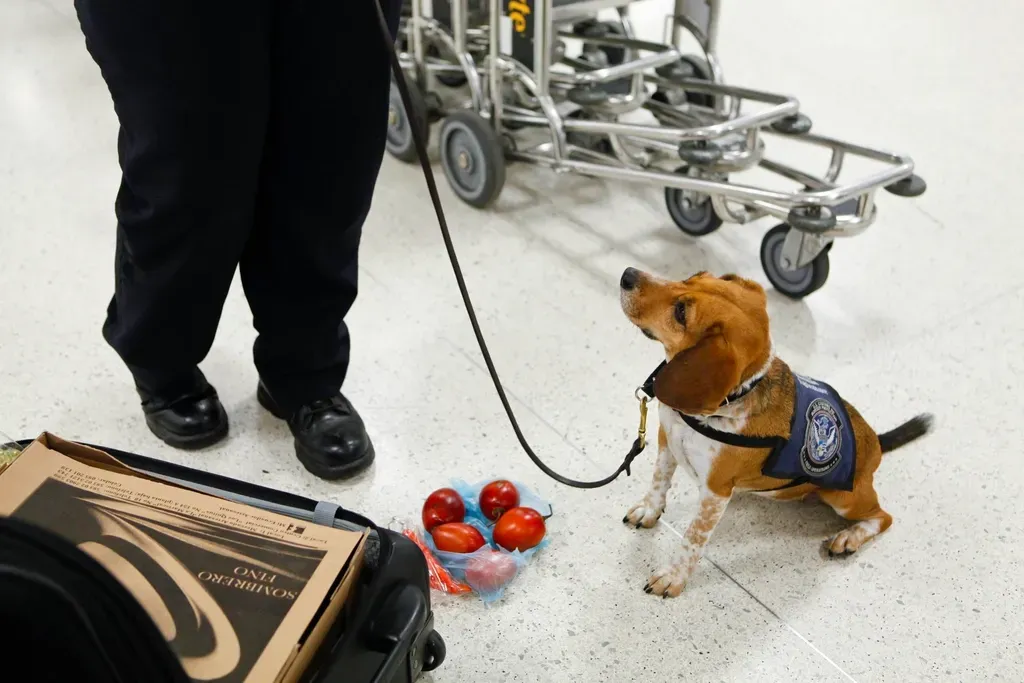
One of the most underrated signs of bite control is what happens when you interrupt play on purpose. If you can say something like “that’s enough” or simply stand up, fold your arms, and stop engaging, and your puppy can actually pause, even briefly, that is a huge milestone. When you then restart play and your puppy comes back with a softer mouth, it is even better.
It might not be pretty at first; sometimes they whine, paw at you, or bounce around in frustration. But watch closely over a span of weeks. If you see your pup gradually responding faster to your cues to stop and then returning to play with more measured, softer mouthing, that is the real story of bite control unfolding. You are teaching them that fun has rules, and they are starting to play by them.
Conclusion: Bitey Now, Brilliant Later
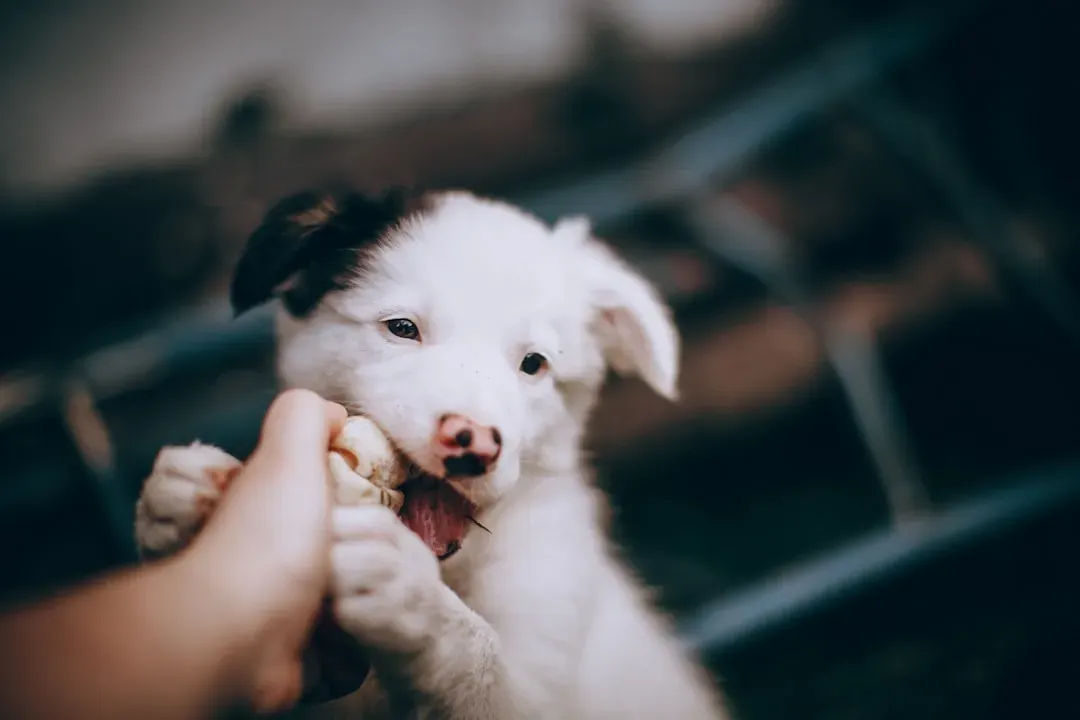
Living with a mouthy puppy can be exhausting, and it is totally normal to wonder if you accidentally adopted a tiny alligator. But when you zoom out and look for these eight behaviors, you start to see the bigger picture: that wild, bite‑happy creature is actually learning some incredibly sophisticated social skills. Softer bites, pauses after mistakes, gentler play with kids or smaller dogs, and the ability to calm down or redirect to toys are not just cute quirks; they are the building blocks of a safe, stable adult dog.
In my view, we sometimes underestimate just how much puppies are trying to get it right. They are not out to hurt us; they are experimenting in the only language they really understand at first: their mouth. When we respond consistently and pay attention to these subtle signs of progress, we shift from feeling attacked to feeling like a teammate in their learning process. So the next time your pup nips and then quickly softens their bite or reaches for a toy instead of your hand, take a breath and give them some quiet credit: that is bite control in action, and it is your glimpse of the amazing dog they are on their way to becoming. Did you expect bite control to look this messy – and this hopeful?


