
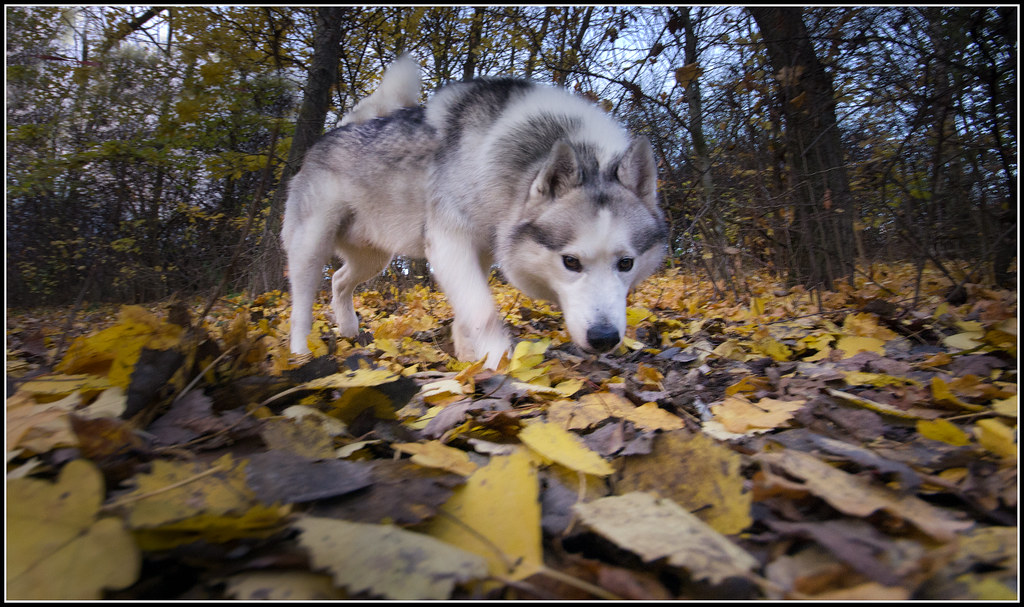
You probably think your dog is just being nosy when they freeze over a random paw print on the sidewalk. Cute, maybe a little annoying when you’re in a hurry, but harmless curiosity, right? Except that muddy little smudge is actually a full data file, and your dog is reading it like a detective reads a crime scene.
Scientists studying canine olfaction have found that a single paw print can carry information most of us never imagined was even possible to smell. Age, mood, health, even where that dog spent their morning. Stick around, because by the end of this list you’ll never look at a “boring” sniff break the same way again.
7. Who Left the Track: Age, Sex, and Size in One Sniff
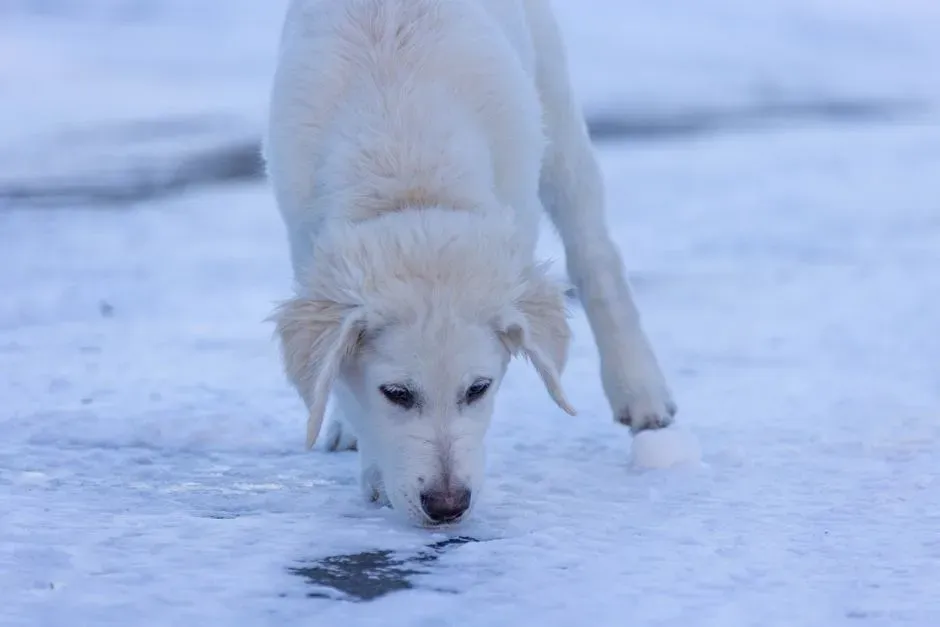
Dogs don’t just smell “dog.” They smell a full profile. When your dog pauses over a single muddy paw print, they’re reading chemical cues from sweat glands between the toes and microscopic skin cells left behind. From that tiny trace, they can often tell whether it was a male or female, roughly how big the dog is, and even pick up hints of age and maturity.
Most people assume this level of detail only comes from sniffing another dog nose-to-nose. But dogs evolved to track prey and pack members from faint ground scents alone, so a paw pad carrying body odor, hormonal traces, and bits of diet and environment is more than enough. Your dog may look like they’re wasting time on a sidewalk, but they’re quietly building a mental ID card for a dog they’ve never even seen.
Fast Facts
- Dogs have up to roughly 300 million scent receptors, compared to about 6 million in humans.
- Sweat glands between the toes deposit hormone and chemical traces with every single step.
- The part of a dog’s brain devoted to analyzing scent is proportionally far larger than a human’s.
- Diet, genetics, and even stress levels can subtly change how a paw print smells.
6. Whether the Other Dog Was Confident, Stressed, or Scared
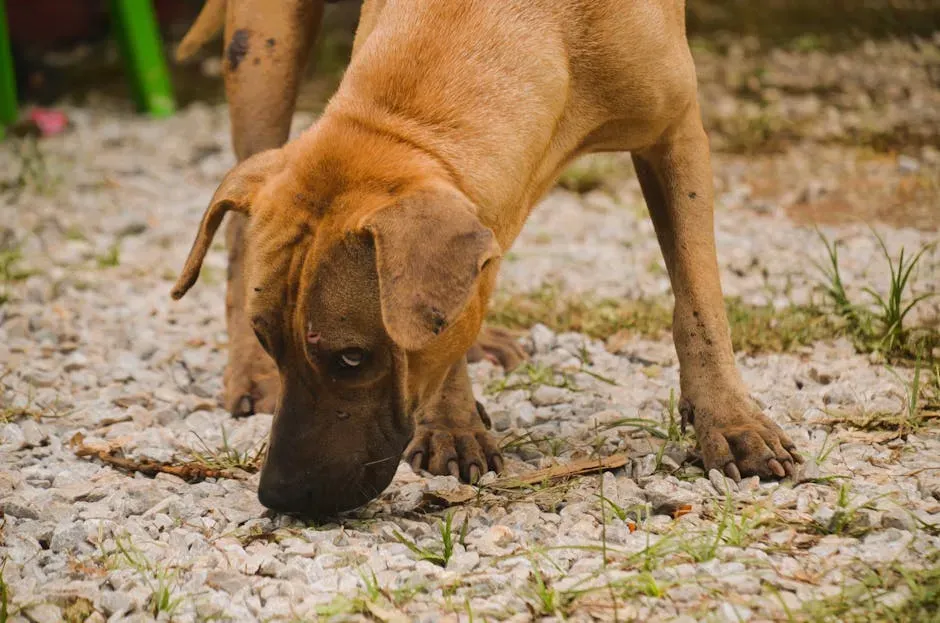
Here’s the part that tends to blow people’s minds: your dog can often smell emotional state. Stress, fear, and excitement all shift body chemistry, altering the sweat, hormones, and odor compounds that leak through the paw pads. When those paws hit dirt, grass, or concrete, they leave behind something close to an emotional fingerprint.
This is why your dog might sniff deeply, hesitate, then swing wide around one particular track like it’s radioactive. They could be reading “anxious, reactive dog” straight out of the ground. Relaxed, confident dogs tend to leave a different chemical signature entirely, which can make their trail feel almost “welcoming” by comparison. Some dogs seem tense at one park and totally carefree at another for this exact reason, and it has nothing to do with drama.
5. How Recently the Other Dog Passed By
To us, an old paw print and a fresh one look identical. To a dog’s nose, they’re worlds apart. Odor molecules from a fresh track are strong, layered, and haven’t been broken down yet by sun, wind, or microbes, but as time passes those molecules literally decay and disperse, changing the entire “shape” of the smell.
This is why your dog can suddenly explode into excitement on a totally familiar path for what looks like no reason at all. They just crossed a fresh trail from a dog that walked through minutes earlier. An old track gets a polite sniff and a shrug. A new one gets deep, repeated inhaling and maybe a quick scan of the horizon, because for a social animal, knowing whether someone was here five minutes ago or five hours ago can change everything about how they react next.
At a Glance
- Fresh tracks, only minutes old, carry the strongest and most layered scent signals.
- Sun, wind, and moisture all speed up how quickly a scent trail breaks down.
- Older tracks lose complexity over time, leaving only faint base notes behind.
- A sudden burst of excitement on a routine walk often signals a very fresh crossing.
4. The Other Dog’s Health and Hormonal Status
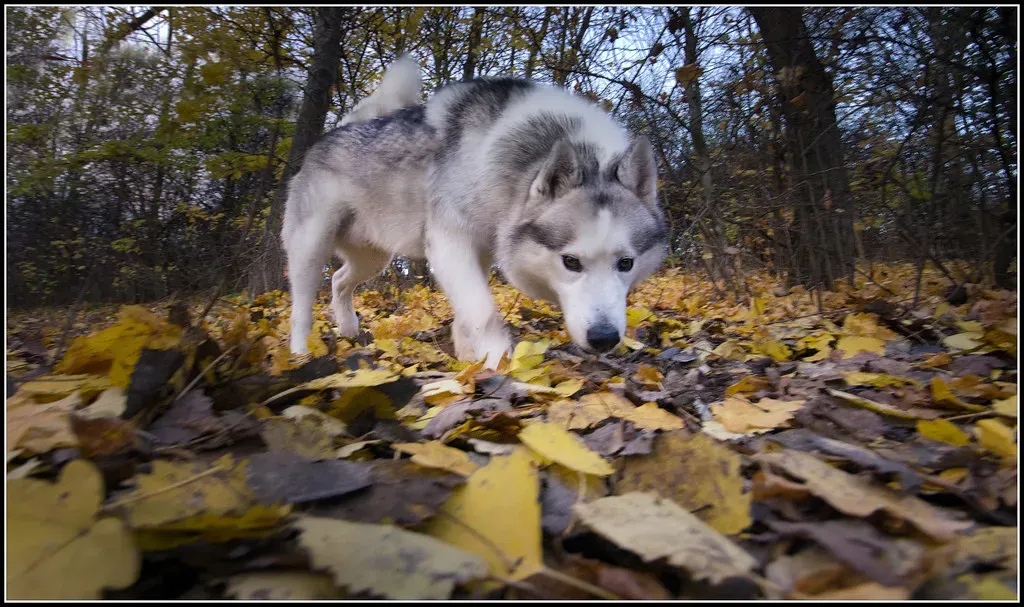
It sounds almost like science fiction, but working dogs already detect cancers, infections, and blood sugar swings in humans purely through scent. So it’s not much of a stretch to say your dog can pick up basic health clues from another dog’s paw prints too. Inflammation, infection, and metabolic changes all alter body odor, and those shifted compounds show up in the sweat between the toes.
Hormones tell their own story as well. We usually talk about scent marking through urine, but hormones also travel through sweat and skin oil, meaning paw prints can hint at whether a dog is intact, neutered, in heat, or going through something like adolescence. If you’ve ever wondered why your dog is oddly fixated on one specific patch of sidewalk, this is often the real answer. It’s not random. It’s chemically loud.
3. Where That Dog Has Been
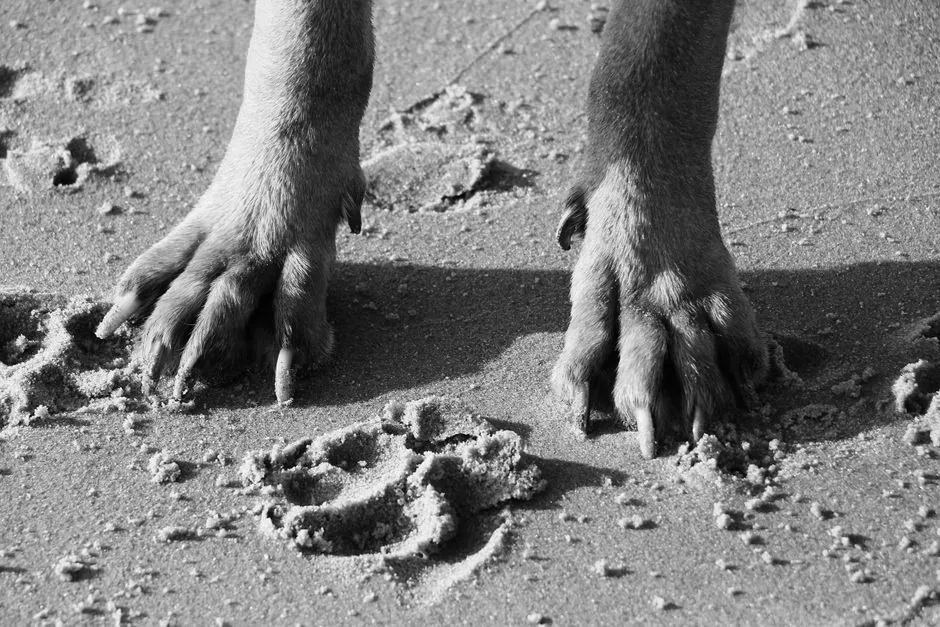
Paw prints work like tiny scent suitcases. Every step picks up and drops off environmental odors: floor cleaner from a house, motor oil from a garage, pond water, cut grass, sand, even traces of last night’s dinner off a kitchen floor. When your dog sniffs another dog’s track, they’re not only smelling the dog itself, they’re smelling the places that dog has been in the last stretch of their day.
This explains why some prints seem to fascinate your dog way more than others. A dog fresh from a creek, a farm, or a busy street market leaves behind a wildly layered trail of fish, livestock, gasoline, or restaurant grease all tangled together. It’s basically a highlight reel of somebody else’s morning, and your dog is reading it like a travel diary written entirely in smell.
Quick Compare
- Urban sidewalk trail: gasoline, cleaning products, dropped food scraps.
- Backyard or park trail: cut grass, dirt, traces of other animals.
- Waterside trail: pond algae, fish, damp mud.
- Farm or rural trail: livestock, hay, manure.
2. Social Boundaries: Territory, Routes, and No-Go Zones
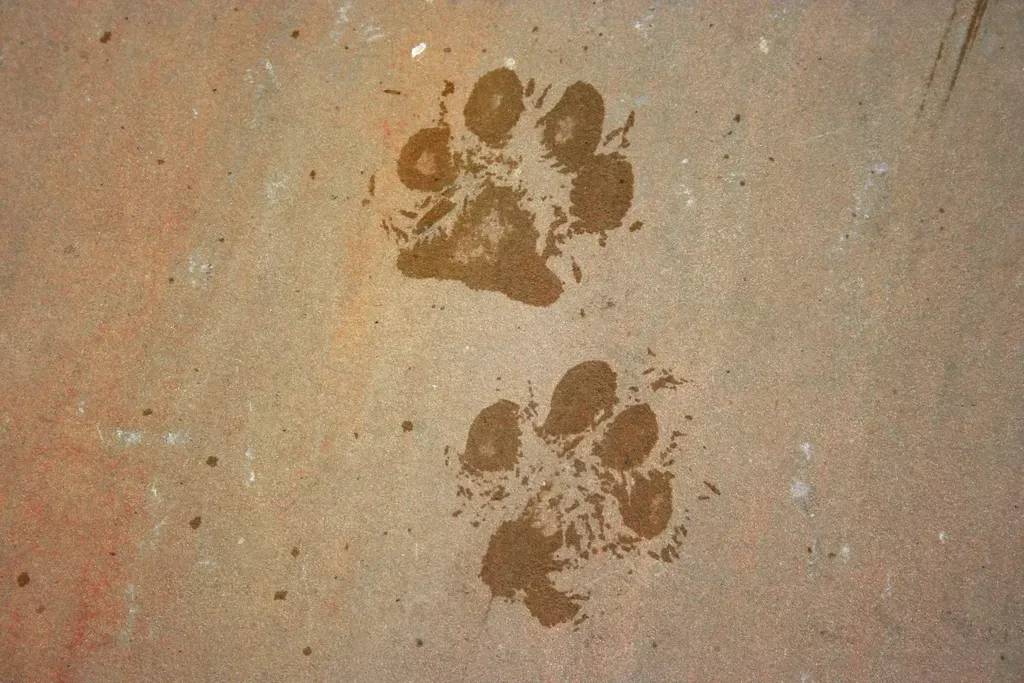
Most people assume territory marking is all about pee on trees, but paw prints quietly map out social routes too. Dogs often walk the same paths day after day, laying overlapping tracks that essentially announce, “this is my regular route.” Over time, the ground itself becomes a scented network only dogs can read, like invisible sidewalks layered on top of the real ones.
Your dog learns which tracks repeat, which show up rarely, and which direction they tend to head. A timid dog might steer clear of heavily “owned” paths, especially around the time a dominant neighbor dog usually passes through. A bolder dog might deliberately chase those same tracks, hoping for a meetup or even a confrontation. That stubborn insistence on walking one particular side of the street isn’t randomness, it’s your dog navigating a social map that’s invisible to you but glaringly obvious to them.
1. How to React Before They Ever Meet the Other Dog
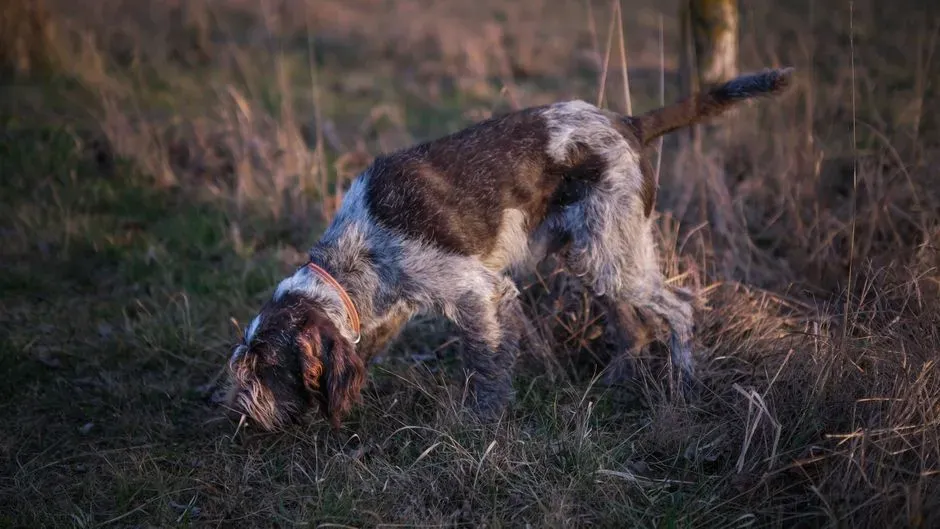
Here’s the real secret hiding under all of this: by the time two dogs actually lay eyes on each other, they may have already “met” through paw prints alone. From those faint scent traces, your dog has quietly built a working profile covering size, sex, confidence level, health, route, and how fresh the trail is. That information shapes how they’ll respond the second they round the corner and see the real thing.
This is why your dog can react strongly to a dog they’ve technically never met, or shrug off another one completely. If the prints screamed “pushy young male, high energy, just came through,” your dog may already be tense and alert before you’re even close enough to see the other leash. Paw prints act like an advance social profile, except there’s no filter and no curating. It’s raw chemical truth, and your dog is reading it fluently while you’re still fumbling for a poop bag.
Worth Knowing
- Dogs can show stress, excitement, or wariness from scent alone, well before any visual contact happens.
- This “scent-first” reaction can explain sudden leash pulling, freezing, or fixating mid-walk.
- Reactivity that seems to come “out of nowhere” is often triggered by a scent trail you can’t detect.
- Recognizing this pattern can help owners anticipate reactions before an actual dog ever appears.
The Bottom Line
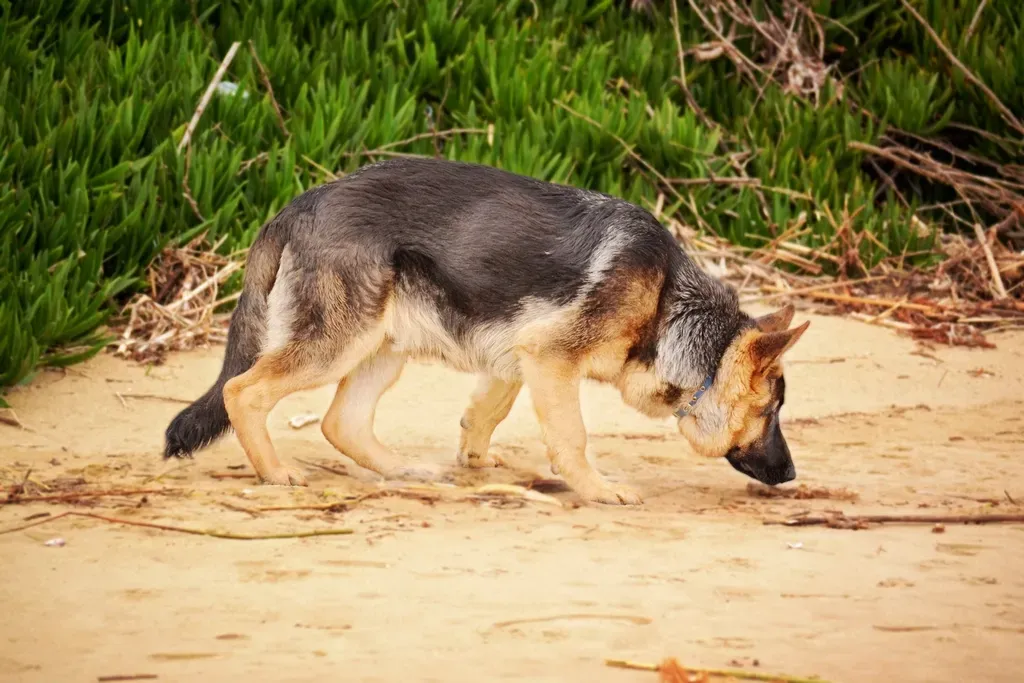
We see paw prints as cute little mud stamps. Your dog sees them as full intelligence briefings. From those faint marks alone, they quietly learn who the other dog is, how they’re feeling, how healthy they might be, where they’ve been, and whether they’re worth meeting or worth avoiding entirely.
Honestly, I think humans wildly underestimate how much social planning happens down at nose level, long before any tail wags or growls ever start. Yanking your dog away from every “boring” patch of sidewalk is a little like ripping a book out of someone’s hands mid-chapter. That sniff isn’t wasted time, it’s how they stay informed, cautious, and safe in a world we can barely smell at all.
So the next time your dog plants their feet and refuses to budge over a random paw print, ask yourself honestly: are you letting them finish the story, or are you the one always saying “just keep walking”?


