
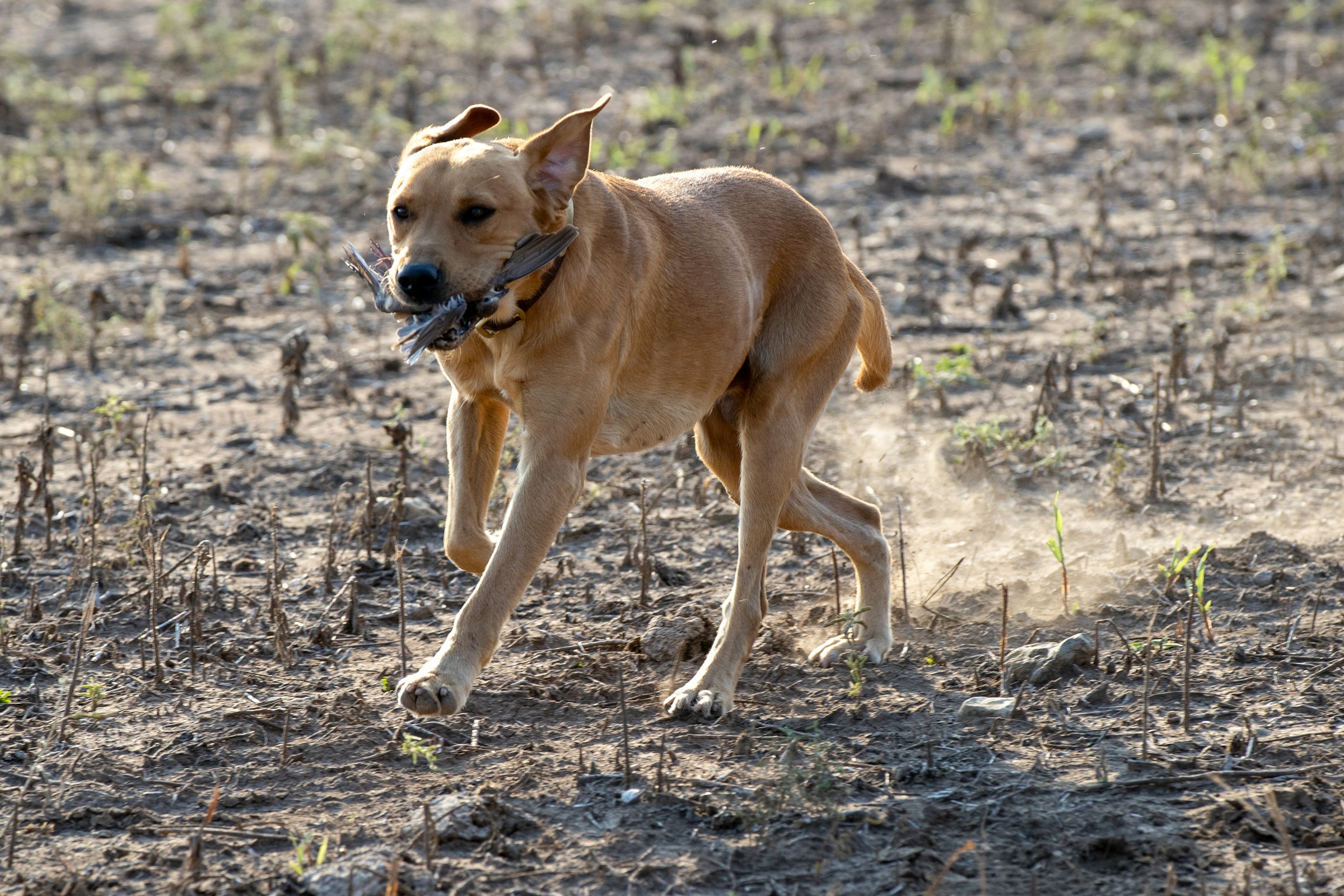
Most people assume their dog is trying to bury their business like a cat covering a litter box. That assumption is almost always wrong. In fact, very few dogs ever actually manage to cover their waste at all – so what is all that frantic kicking actually for?
What looks like random scraping is actually a complex communication signal and a leftover wolf habit that most vets never bother explaining. Once you understand what’s really happening underneath your dog’s paws, that weird post-potty dance suddenly makes a lot more sense – and by reason #8, you’ll probably never look at it the same way again.
#1 – It’s a Powerful “Scent Broadcast,” Not a Clean-Up
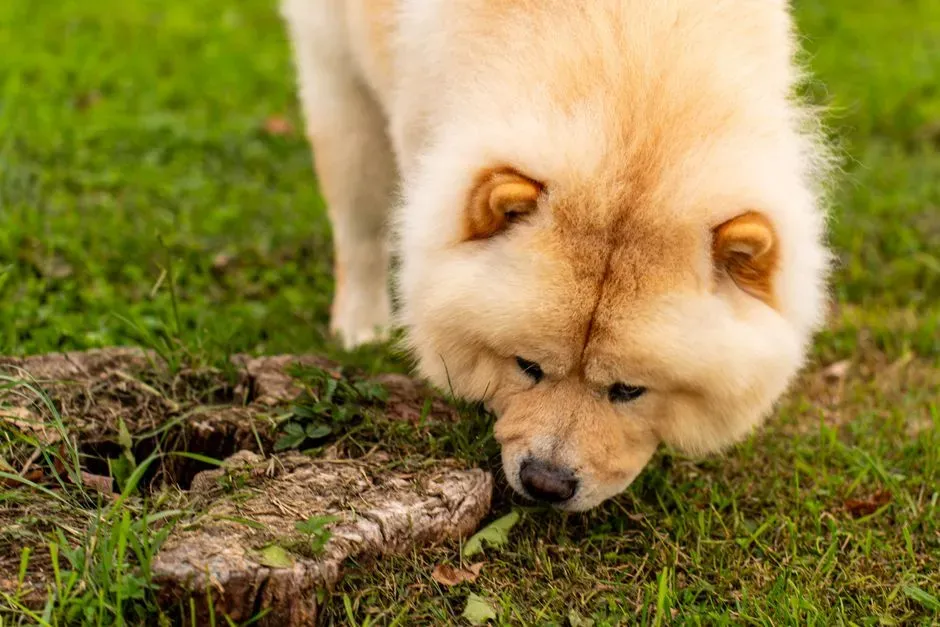
Your dog isn’t tidying up after themselves. They’re turning a bathroom break into a billboard. Scratching the ground helps spread the scent of urine and feces over a wider area, making their chemical message louder and impossible for other dogs to ignore.
Between their paw pads sit special glands that release scent every time they rake their feet across the dirt. Those scratches drag pheromones over a much bigger patch of ground, so other dogs don’t even need to reach the pile itself to get the message. The real announcement lives in the scratched-up path, not the poop. That’s why some dogs scratch furiously even when there’s barely anything on the ground to cover.
So when your dog finishes, kicks like a tiny bull, and struts off with their head held high, they’ve just left a high-strength voicemail for every dog in the neighborhood.
#2 – It’s Territory Marking With a Visual “Warning Sign”
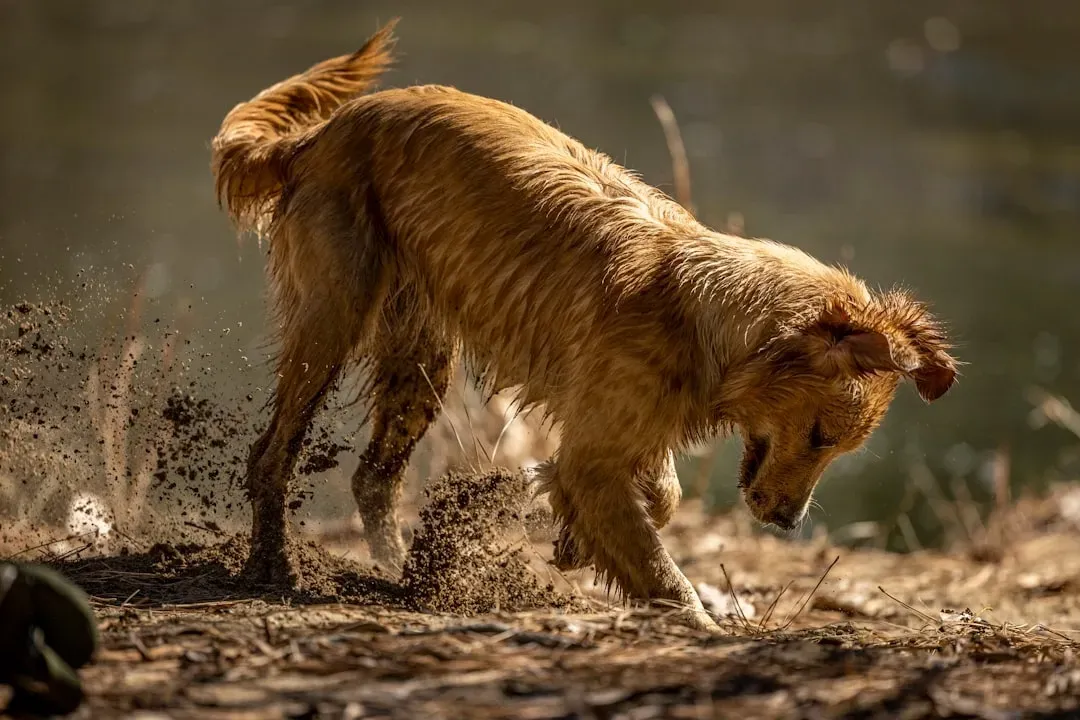
Most people think only urine marking counts as territorial behavior, but dogs are sneakier than that. Ground scratching after toileting doubles as a “you’ve been warned” sign for any animal wandering into their space. The scent says, “I was here.” The torn-up ground says, “And I meant it.”
Those claw marks create a visual marker that lasts long after the scent fades or rain washes it away. In the wild, disturbed soil and scratch lines can tell other canids exactly where the boundaries sit. Your lawn is basically becoming a map drawn in dog graffiti.
Fast Facts
- Paw pad glands release pheromones with every single scratch
- Visual scratch marks can outlast the scent itself by days
- Both male and female dogs perform this ritual, not just males
- Even spayed and neutered dogs keep the habit for life
Here’s the twist most owners miss: even small, shy dogs can be intense ground scratchers. It isn’t always about confidence – sometimes it’s overcompensation. A nervous dog might exaggerate the whole ritual just to feel a little safer in an uncertain world.
#3 – It’s a Leftover Wolf Habit Hardwired Into Their Brain
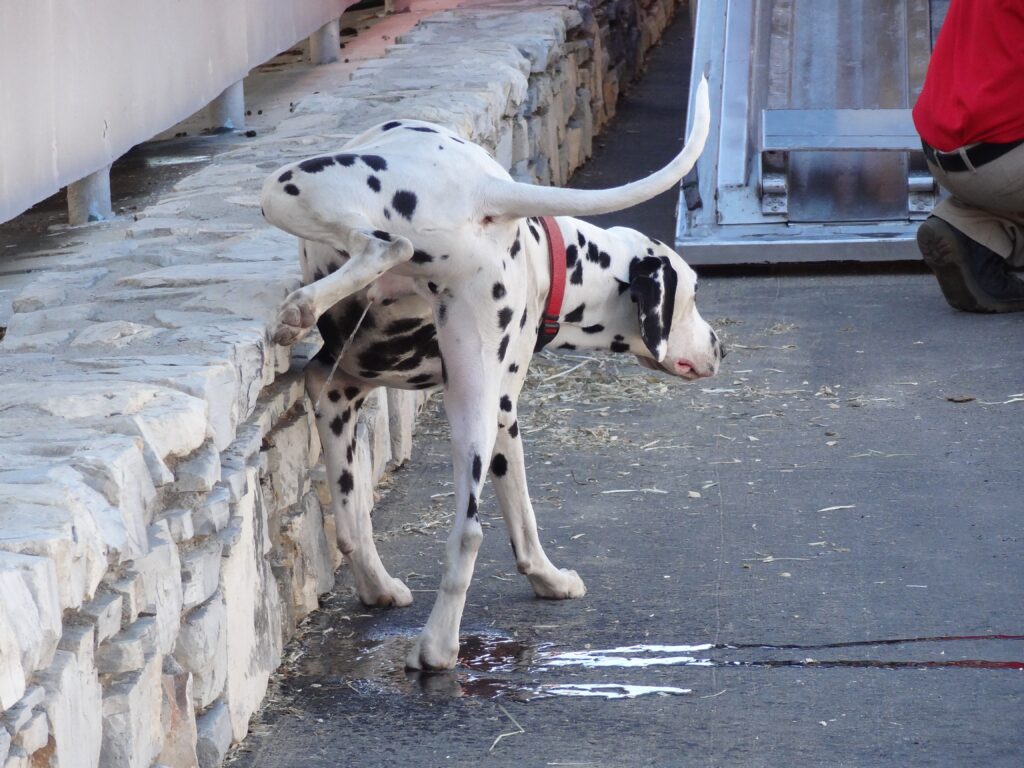
Most modern pet dogs have never hunted, fought for territory, or dealt with a rival pack – yet they still run through ancient wolf routines like clockwork. Ground scratching after eliminating is one of those fossil behaviors that survives long after it stopped serving any real purpose in your backyard.
In wild canids, kicking and scratching spread scent over a wider range so packmates can track each other and strangers know to keep their distance. Domestic dogs inherited the exact same script. Even if your dog sleeps on a memory foam bed, their brain is still quietly running wolf software in the background.
The behavior is automatic, not a conscious decision to wreck your grass. That’s why puppies who’ve never watched another dog do it still start kicking on pure instinct – like they were born already knowing the choreography.
#4 – It Signals Confidence, Status… and Sometimes Insecurity
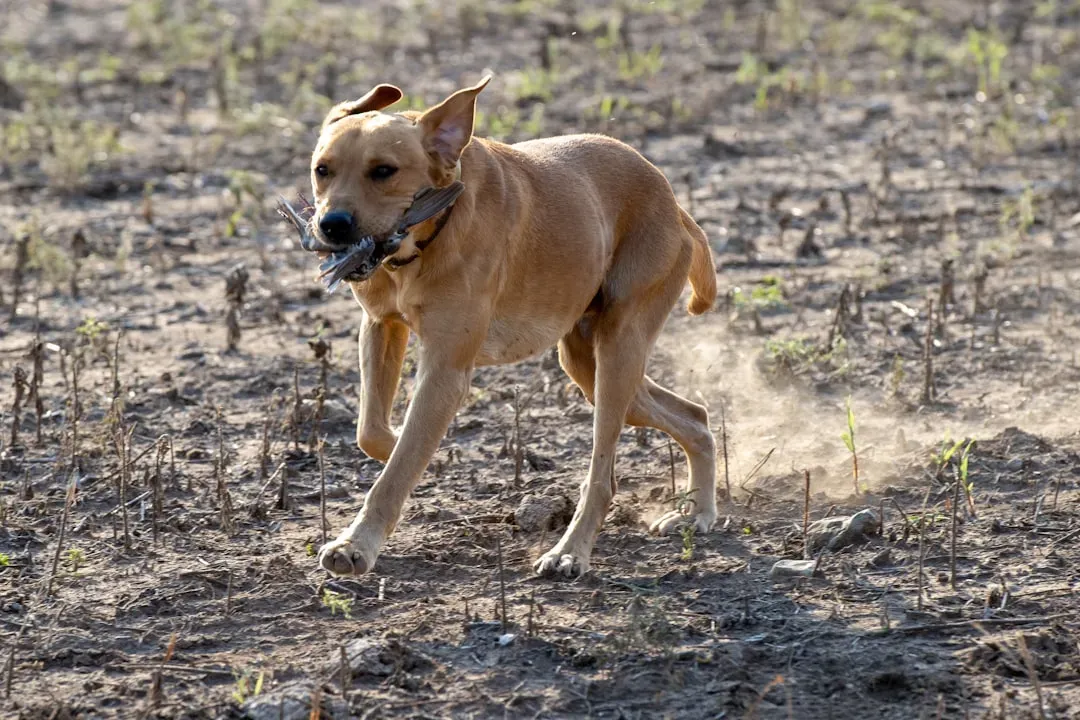
Here’s where things get controversial. Plenty of trainers claim only “dominant” dogs scratch after toileting. That’s an oversimplification, and often just wrong. Scratching can absolutely be a confidence display, but it can also be an anxious overreaction – and context matters far more than the internet myth suggests.
A calm, balanced dog might toss a few controlled kicks and casually walk away. A stressed or insecure dog, on the other hand, may scratch wildly, flinging dirt in every direction, especially right after meeting another dog or catching an unfamiliar scent. Think of it less as “I’m the boss” and more as “I really need everyone to know I was here.”
Quick Compare
- Confident scratcher: a few controlled kicks, relaxed body, walks away casually
- Anxious scratcher: frantic, wide kicks, tense posture, repeats after every new scent or dog
- Attention-seeking scratcher: glances back at you mid-scratch, escalates if you react
Over-the-top scratching can actually mean a dog doesn’t feel fully safe. So if your dog is digging trenches into the yard every single time, that might be your cue to look at their stress levels, not just their manners.
#5 – It Spreads Their Personal Foot Scent Even Farther
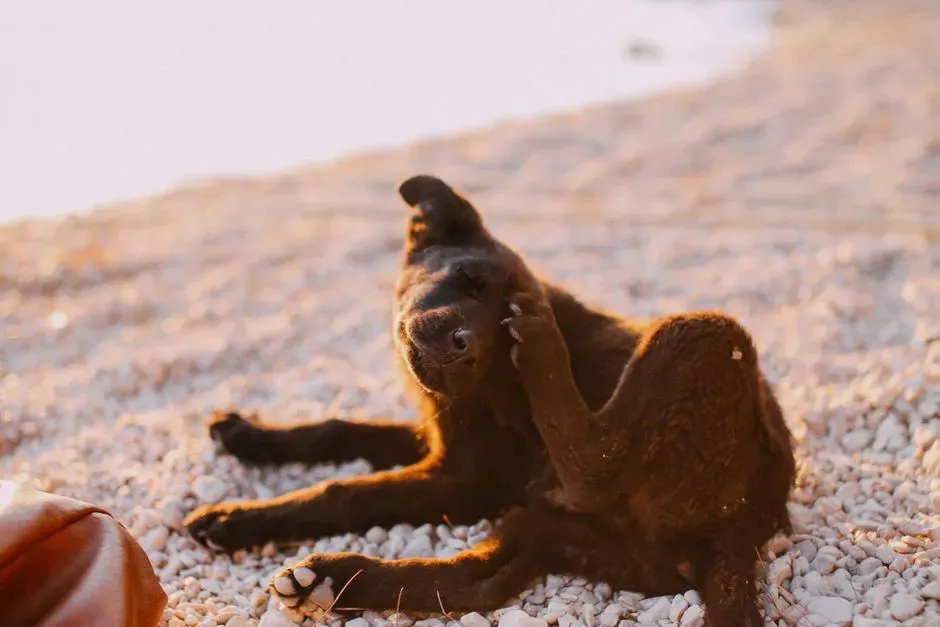
Most owners have no idea their dog’s feet are constantly broadcasting identity. Glands between the paw pads leave behind a unique scent signature everywhere they walk or scratch. When your dog scrapes the ground after toileting, they’re layering that foot smell right on top of the waste smell like a personalized stamp.
That combination – waste scent plus paw-gland chemicals – builds a far more detailed “ID card” for other dogs to read. They’re not just saying “a dog was here.” They’re saying “this exact dog, this age, this sex, this hormonal state, at this specific time.” To another dog, that scratch trail is more detailed than a social media profile.
That’s likely why dogs scratch harder in high-traffic spots like a shared walking trail, and barely bother in a quiet corner of the yard where nobody’s likely to notice.
#6 – It Can Become a Learned “Look at Me” Move
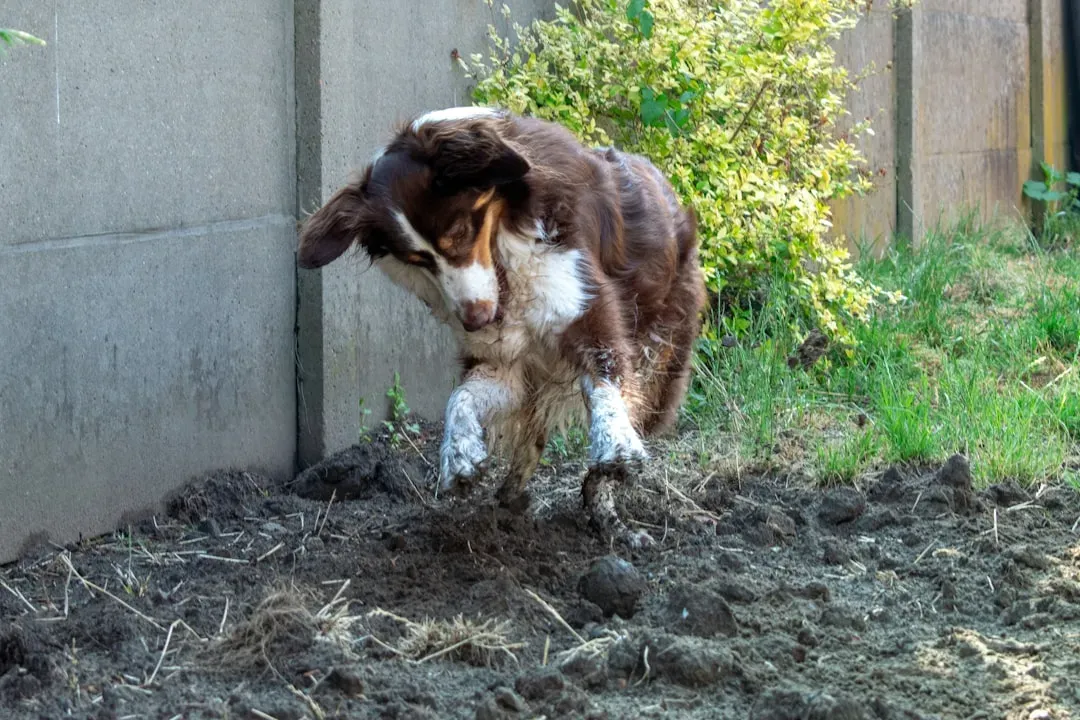
Here’s the part many behaviorists hate admitting: sometimes your dog scratches harder because of how you react to it. Dogs are ruthless pattern-readers. If every time they kick up grass you scold them, laugh, grab your phone, or come running over shouting their name, you’ve just turned pure instinct into a reliable way to get your attention.
Over time, a simple reflex can morph into a full performance. Dogs who feel bored, under-stimulated, or ignored on walks often lean into this – scratching harder, flinging more dirt, glancing back to check your reaction. If you talk about it, chase them, or scold them loudly, congratulations – you just reinforced it.
The quiet truth most owners don’t want to hear is that ignoring the theatrics and calmly rewarding a walk-away often kills the drama fast. Your dog isn’t being naughty here. They’re being opportunistic.
#7 – Sometimes It’s Tangled Up With Discomfort or Habit Loops
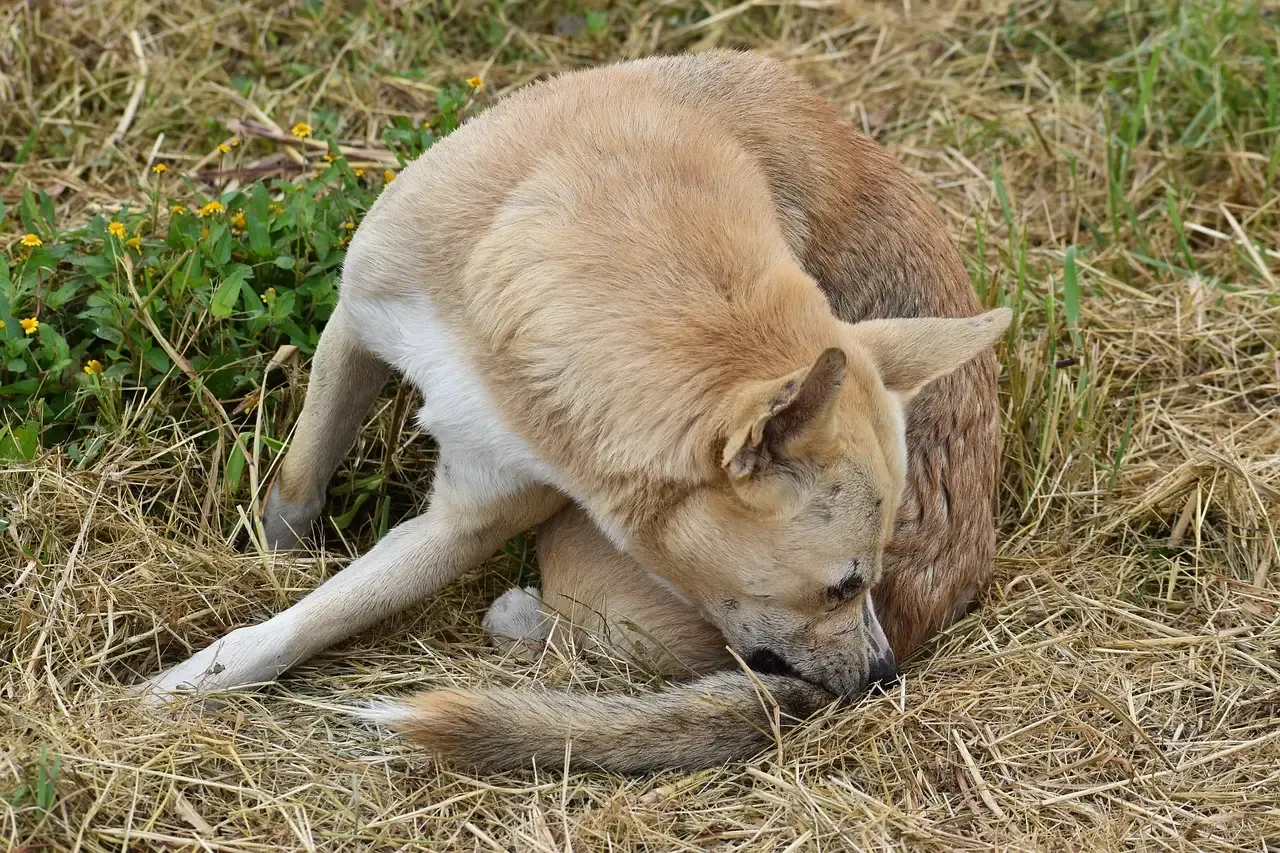
Not every scratch is purely social. Occasionally, repetitive post-toileting scratching tags along with mild physical discomfort, digestive trouble, or a slightly obsessive habit loop. It’s uncommon, but worth watching for, especially if your dog’s routine suddenly shifts.
At a Glance
- Straining to poop or looking uncomfortable
- Scratching noticeably harder or longer than their normal habit
- Licking or chewing at their paws right afterward
Pain, allergies, or anal gland issues can quietly change how a dog behaves around bathroom time. Scratching can become part of a “discomfort ritual” they repeat because it feels like it helps, even when it isn’t fixing anything physically.
Most of the time it’s just exaggerated instinct blended with habit – but any sudden, frantic version of an old behavior deserves a vet check before you file it away as just a quirk.
#8 – It’s Also a Confidence-Boosting “Victory Lap”
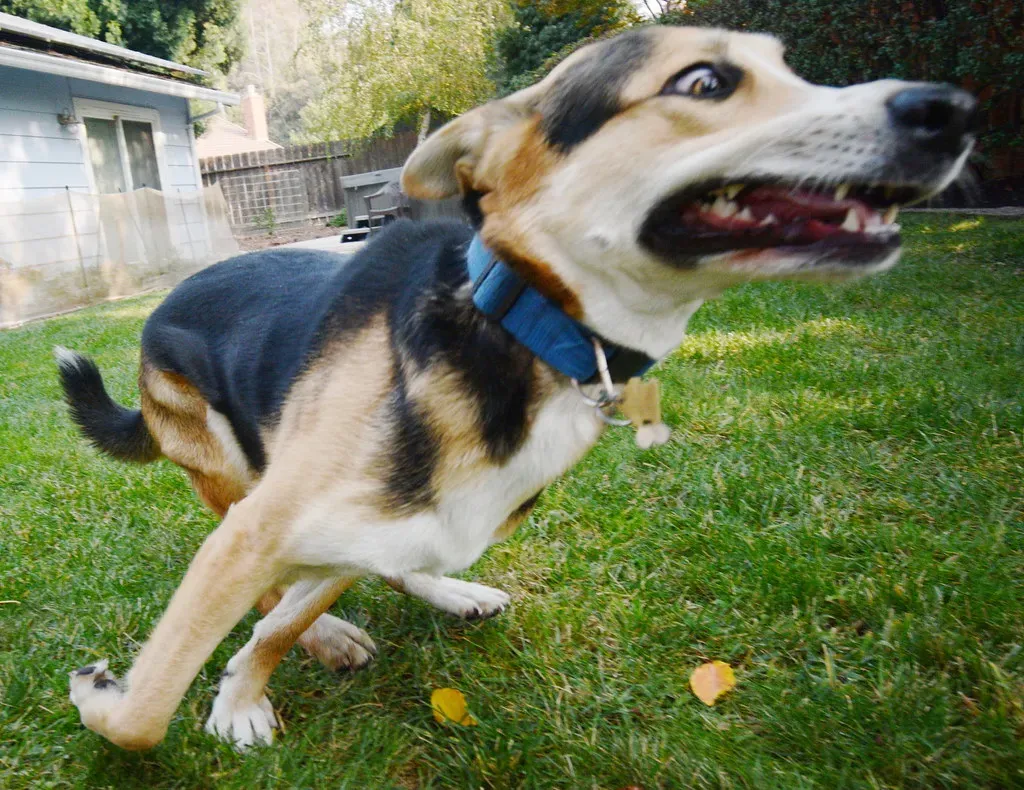
Here’s the most human part of the whole ritual: for a lot of dogs, that big kicky routine is basically a victory lap. Finishing a successful bathroom break, especially somewhere familiar and outdoors, can spike a dog’s confidence and energy all at once. Scratching becomes a tiny celebration of “job done, I own this space, and I feel great.”
Why It Stands Out
- A springier step immediately after finishing
- Tail carried higher than it was during the walk
- A quick burst of zoomies or playful energy
- A confident stride with zero hesitation walking away
You’ll often catch it paired with a springier step as they walk away, a tail carried a little higher than usual, or a quick burst of zoomies right after. The real mistake isn’t the scratching – it’s obsessing over lawn damage while completely missing what your dog’s body language is telling you.
In moments like these, there’s nothing to “fix.” It’s just a snapshot of a dog who feels completely at home in their own skin.
The Bottom Line
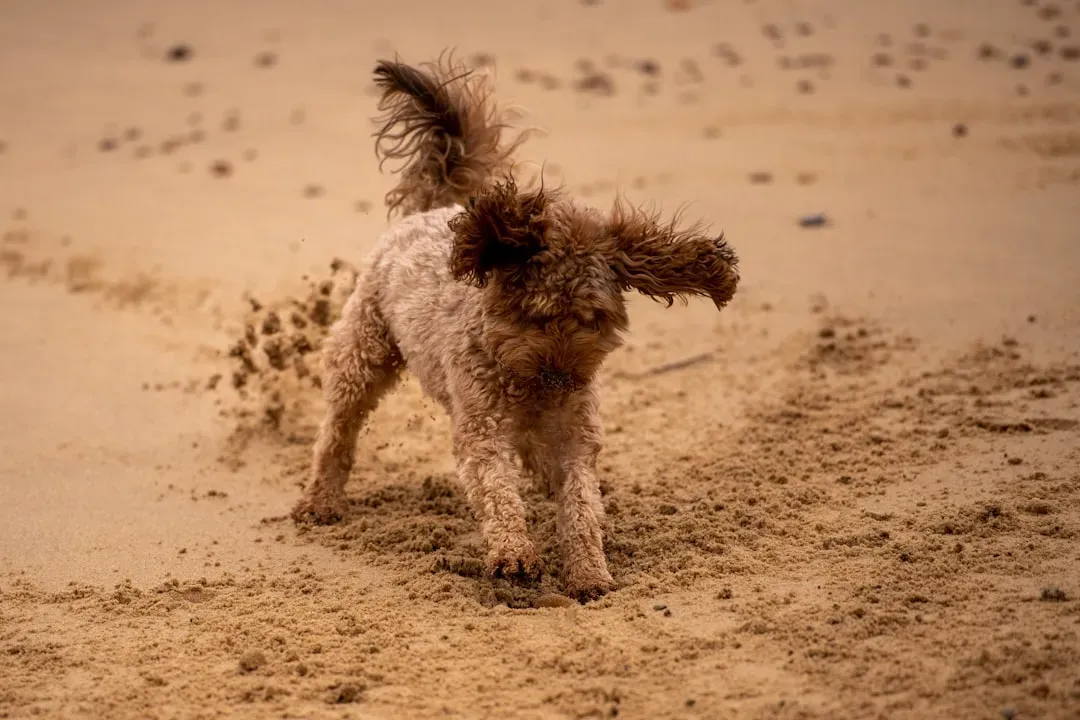
Dog owners love to overcomplicate this: is it dominance, bad manners, or a secret attempt to bury the evidence? In reality, ground scratching after toileting is a cocktail of ancient instinct, scent-based messaging, habit, and raw emotion, all rolled into a few seconds of dirt-flinging.
Your dog is broadcasting information, marking territory, boosting their own confidence, and sometimes just repeating a pattern you accidentally rewarded without realizing it. Yes, it can wreck your grass. Yes, it can be annoying at 6 a.m. in your socks. But calling it “bad behavior” completely misses the point.
Dogs don’t behave the way they do to annoy us – they behave the way they do because it worked for their ancestors.
Common wisdom among canine behaviorists
Most of the time, this is completely normal and only needs managing, not erasing. The real red flags are sudden changes, extreme intensity, or clear signs of discomfort – everything else is just your dog being exactly what they are: a highly social animal using every tool nature gave them.
So, do you think we should be trying to stop it – or just letting your dog have their well-earned victory lap?


