
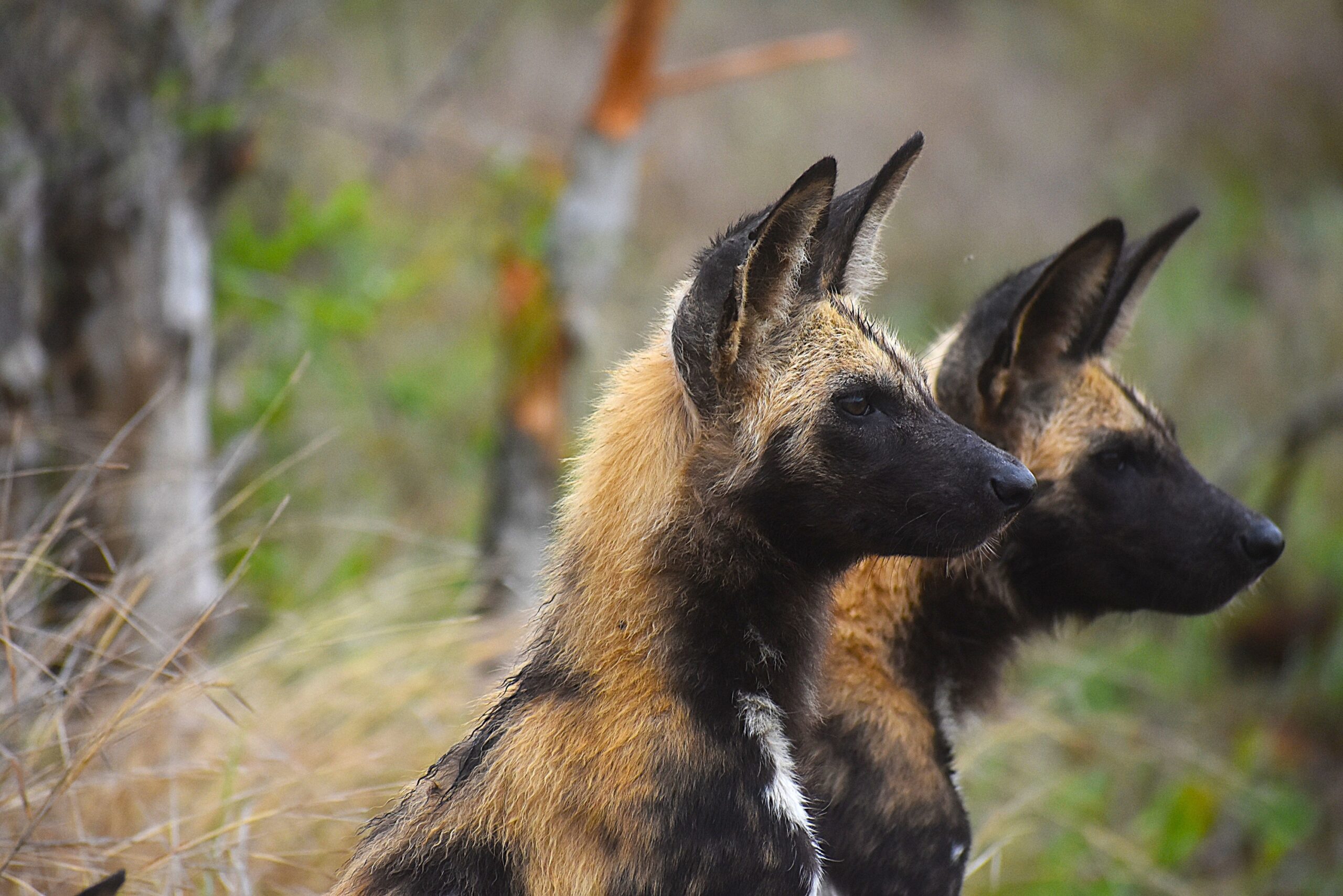
If you pictured democracy as something that only happens in parliaments and polling stations, African wild dogs are about to blow your mind. Out on the African savanna, far from ballot boxes and debate stages, these fierce and endangered predators seem to make group decisions using something surprisingly close to a vote. And the most charming part? Their version of raising hands is… sneezing.
When I first read about this, it sounded almost like a joke: a pack of wild dogs sneezing to decide whether to go hunting. But the more you look at the research and watch these animals in action, the more it feels like you’re peeking into a hidden world of social negotiation. It forces you to ask a bigger question: how “special” is human democracy, really, if a group of painted dogs in the bush is already doing something that looks so similar?
A Shocking Idea: Can Wild Dogs Really “Vote” With Sneezes?
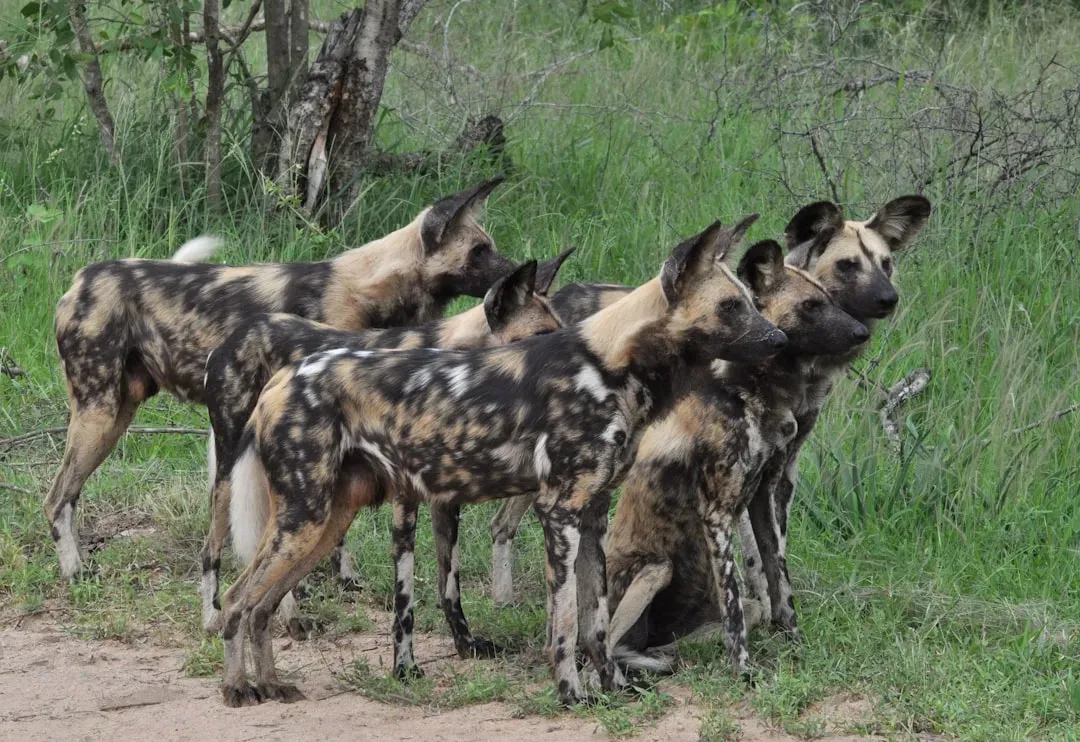
On the surface, it sounds like something from a nature documentary trying too hard to go viral: African wild dogs standing up, stretching, sneezing, then suddenly rushing off on a coordinated hunt. But this sneezing behavior is not random noise; scientists have watched it closely and noticed a pattern. Before a hunt, while the pack is gathered and restless, the dogs let out a series of distinctive sneezes, and only when enough sneezes happen does the group finally get moving.
In simple terms, more sneezes mean a higher chance the hunt will actually start. It is not a human-style roll call or a show-of-hands, but it has the same underlying logic: individuals express their “vote,” and once there are enough signals, the group acts. That alone is amazing. These dogs are not just blindly following a bossy leader; they are collectively shaping what happens next, one sneeze at a time.
How the Sneeze “Threshold” Works Like a Hidden Ballot
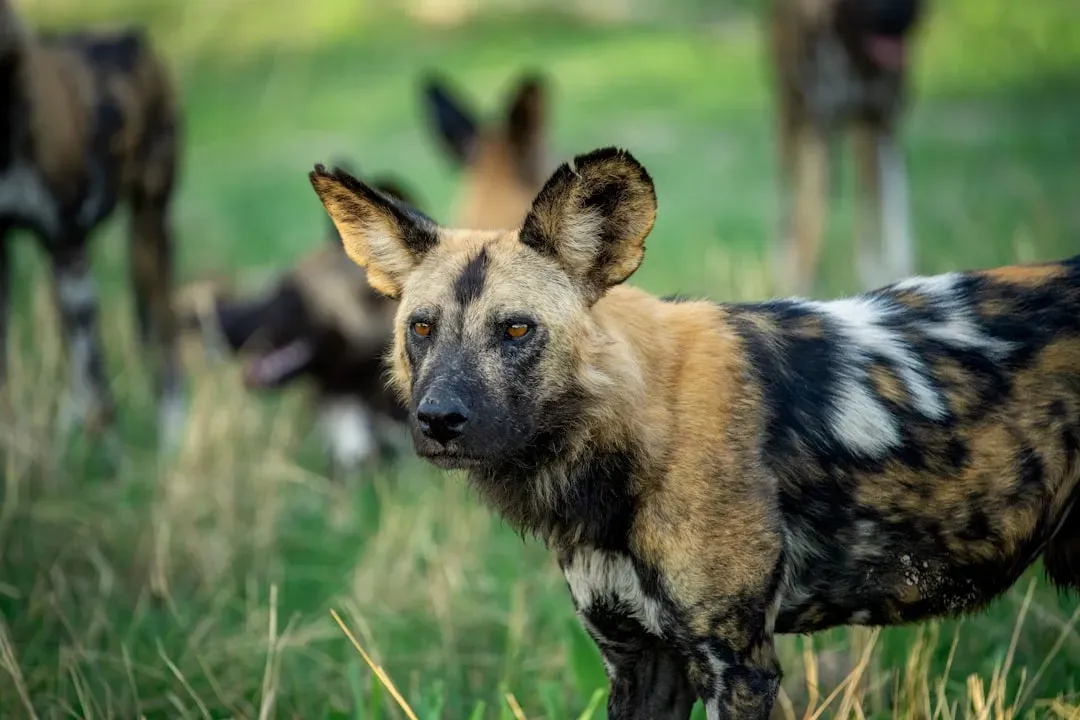
Researchers studying African wild dogs noticed something even more intriguing: there seems to be a kind of threshold. If a high-ranking dog initiates the gathering, only a few sneezes may be needed before the pack takes off. But when lower-ranking members try to get the group moving, it takes more sneezes to tip the balance. It is as if the pack is running a simple but flexible voting system, where not all votes carry the same influence, yet everyone gets at least some say.
This is where it starts feeling eerily similar to how groups of people operate, whether we admit it or not. We like to pretend every voice is perfectly equal, but in reality, some individuals sway the room more than others. The dogs are not counting sneezes on a chalkboard, of course, but their behavior reflects a kind of shared understanding: once enough agreement is signaled, it is time to move. The result is a fluid, responsive decision-making process that works in the chaos of the wild.
Why Shared Decisions Matter for Life and Death Hunts
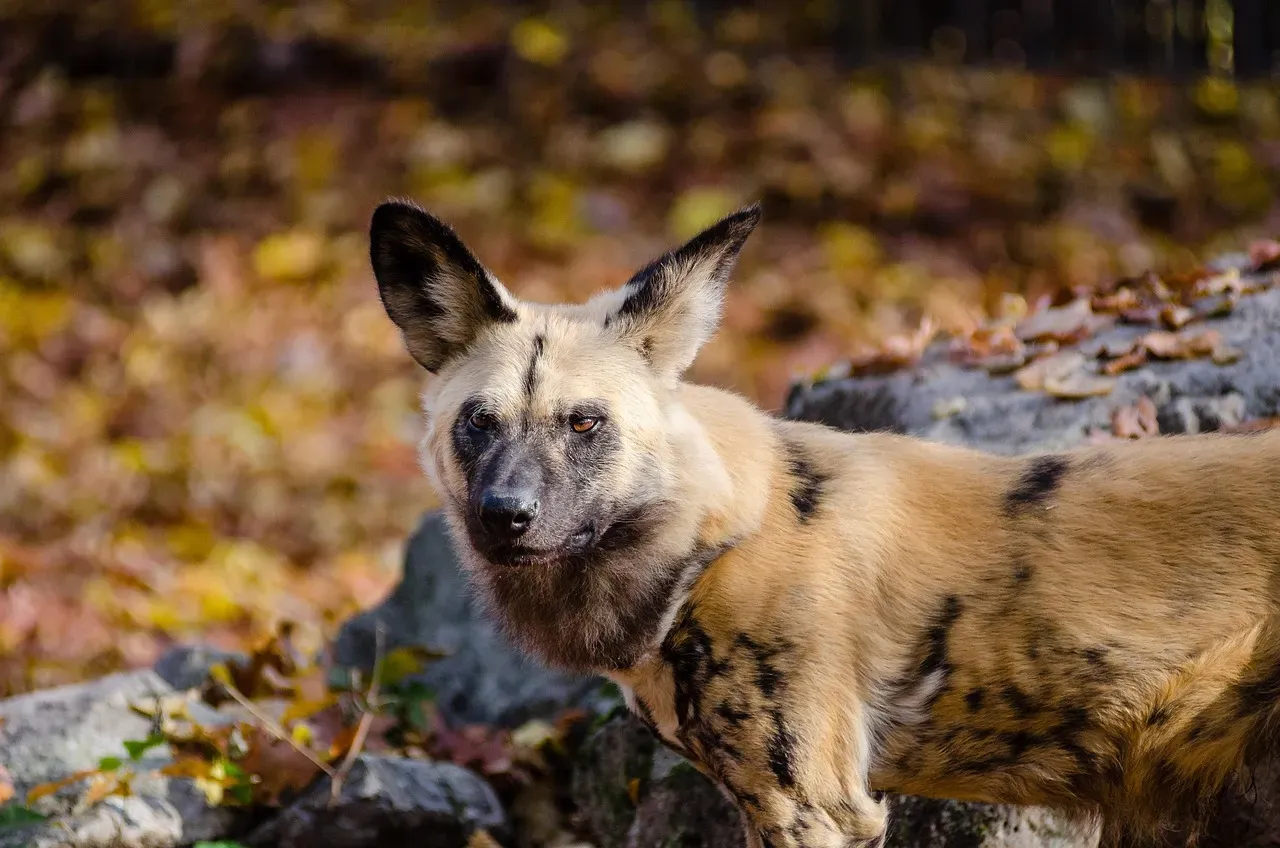
A hunt for African wild dogs is not a casual group activity; it is a risky, exhausting mission where animals can get injured, energy reserves get burned, and success is never guaranteed. If only one pushy individual decided everything, the pack might be dragged into bad or mistimed hunts. Instead, this sneezing system helps align the group. Only when a critical mass is ready and willing does the pack commit to sprinting after antelope at full speed.
From an evolutionary point of view, that kind of coordination is gold. It helps avoid costly mistakes and makes sure that enough bodies are in the game to make the chase worthwhile. You can think of it like a rough version of a group chat where everyone has to react with a thumbs-up emoji before the plan goes ahead. The “votes” are sneezes and body language, but the core goal is the same: make sure the group is truly on board before they bet their survival on a decision.
Pack Politics: Not Quite Equal, But Not a Dictatorship Either
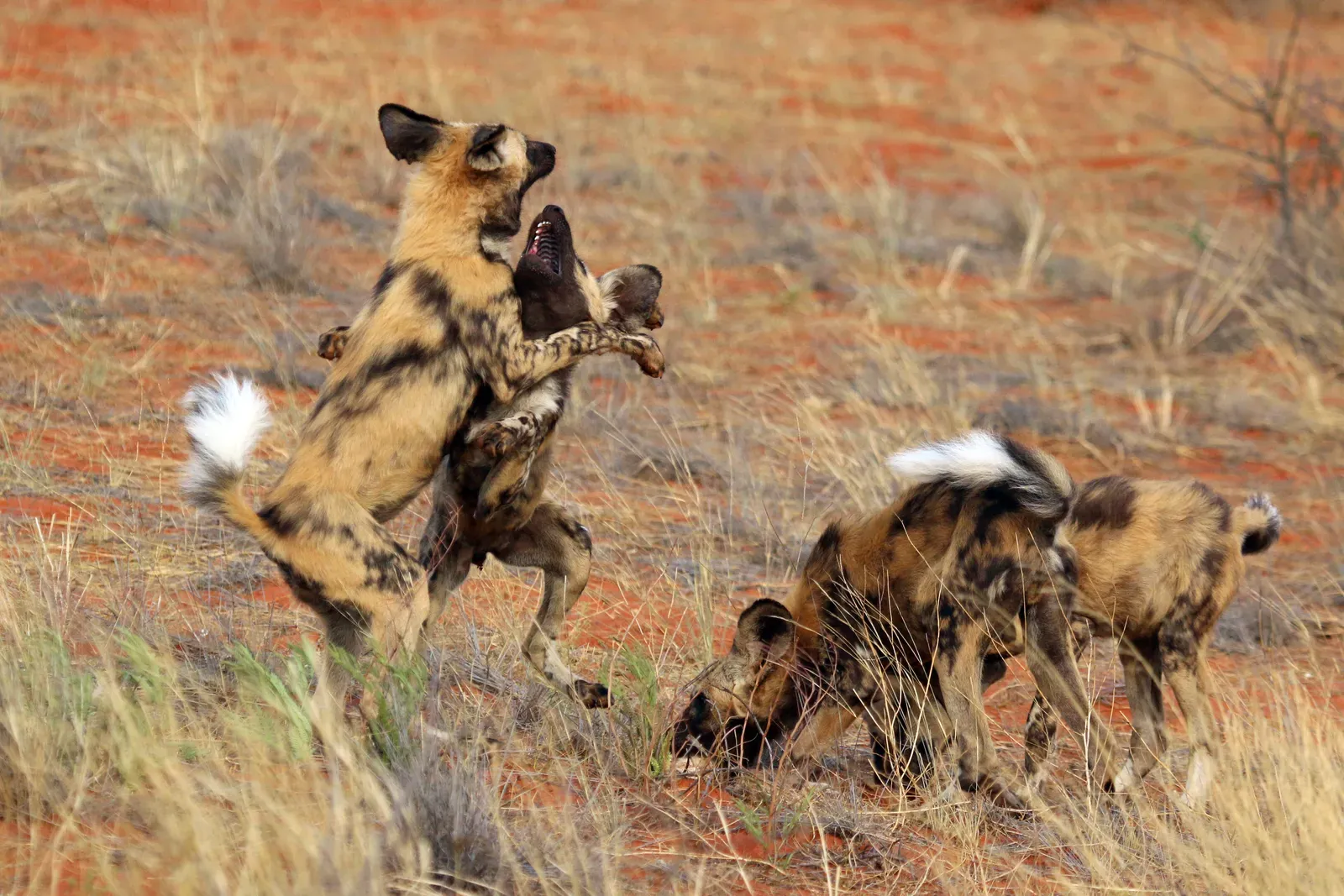
Just because wild dogs use something like a vote does not mean their world is perfectly fair or utopian. Dominant individuals still matter, and their support seems to lower the barrier for action, a little like a powerful figure backing a proposal in a meeting. At the same time, lower-ranking dogs are not completely sidelined. If enough of them “sneeze” in favor of going, they can still pull the group into motion, even when the top dogs are less enthusiastic.
This mix of hierarchy and participation feels very familiar. Many human systems are exactly like this: leaders have extra weight, but regular members can still drive decisions when they act collectively. For me, that is one of the most fascinating parts of this research. It suggests that you do not need a constitution or a formal vote-count to get a kind of rough democracy. All you need is a system where group members can signal, influence, and sometimes overrule the preferences of the powerful.
From Bees to Baboons: Wild Dogs Join a Larger Story of Animal “Democracy”
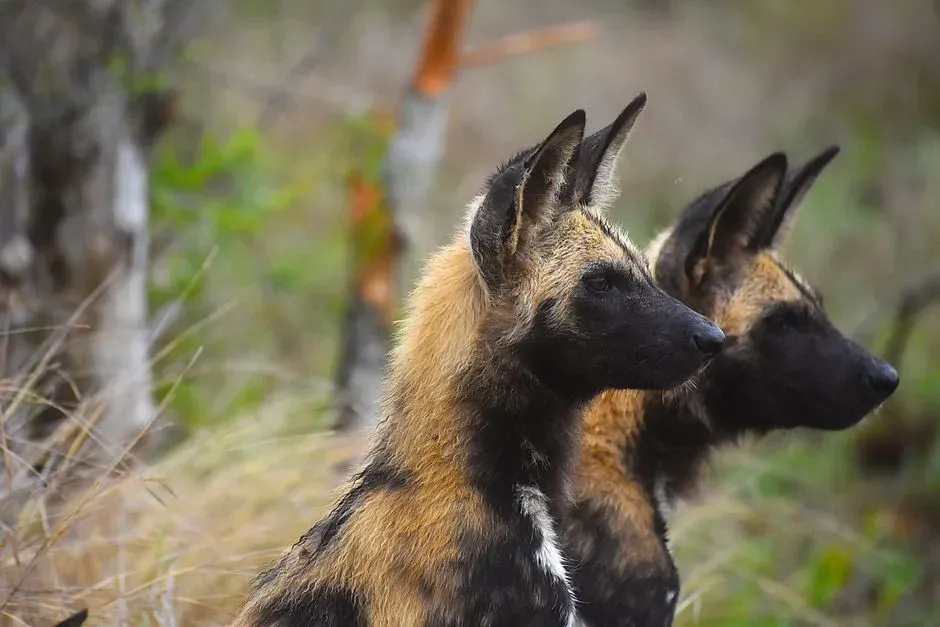
African wild dogs are not the only animals that seem to share decisions in surprisingly sophisticated ways. Studies of honeybees show that scout bees “dance” to advertise good nest sites, and the swarm switches locations only when enough bees support one option. Baboons use their movements to “vote” for the direction a troop should travel, with the group eventually following the path that gets the most subtle backing. Wild dogs, with their sneezing sessions, are now another striking example in this growing list.
These patterns hint at something bigger: democratic-style decision-making might not be a human invention at all, but a natural solution that keeps popping up when groups need to act together. When you watch these animals, it starts to feel less flattering to insist that only people do politics. In a way, the savanna is full of small, everyday referendums, and we have only recently learned to recognize them for what they are.
What This Says About Intelligence, Emotion, And “Us Versus Them” Thinking
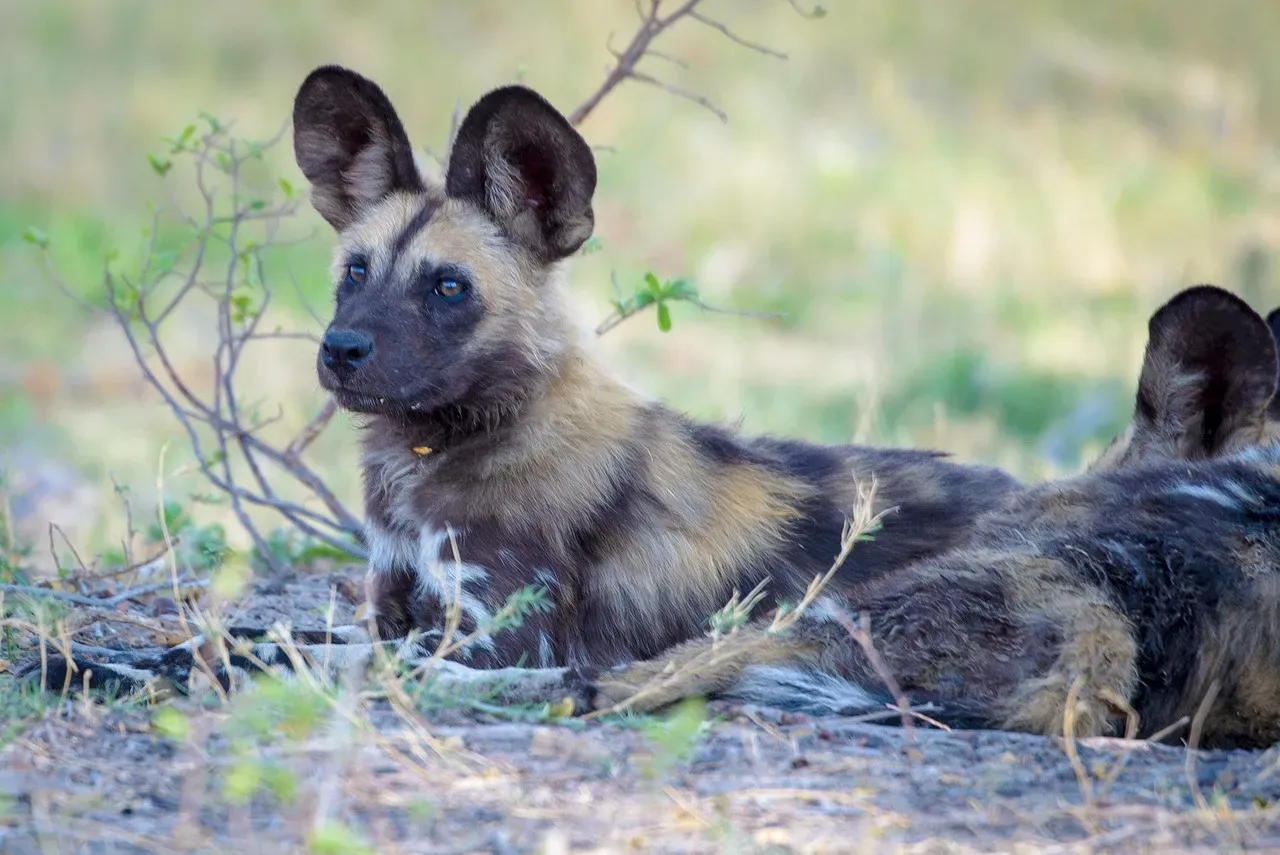
It is tempting to treat these findings as a cute curiosity, but they quietly challenge how we think about intelligence and social life. If wild dogs are negotiating hunts through something that functions like a vote, then their social world is more complex, emotional, and strategic than many people assume. They are not just bundles of instinct; they are responsive individuals working through conflict and consensus in real time.
I find that oddly humbling. It chips away at the old idea that humans are totally separate from other animals when it comes to cooperation and fairness. Of course, we have language, laws, and all the rest, but the basic need to listen to others and build agreement might be much older than our species. In that light, the dogs’ sneezes are less a fun trivia fact and more a reminder that “us versus them” thinking about animals and humans is often far too simple.
Why This Matters For Conservation – And My Take On Their “Democracy”
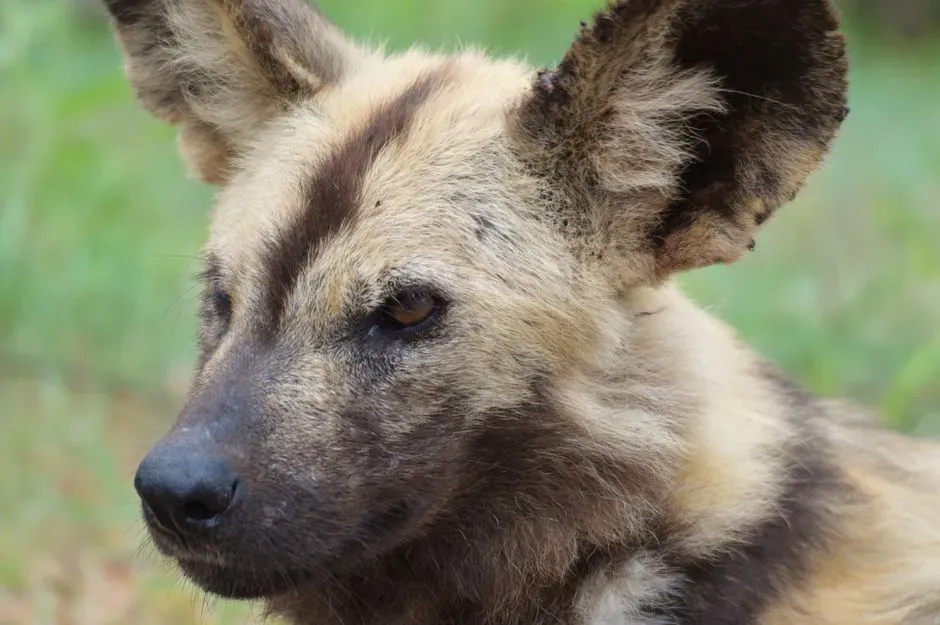
African wild dogs are one of the most endangered large carnivores in Africa, threatened by habitat loss, conflict with humans, and disease. Knowing that their social lives are this nuanced makes their decline feel even more tragic. We are not just losing a predator; we are losing a culture of complex group decisions, shared risks, and what looks uncannily like a grassroots voting system written into behavior instead of law.
Personally, I do think it is fair to call their sneezing behavior “almost democratic,” as long as we remember it is metaphor, not a perfect mirror of human politics. It is messy, tilted by status, and completely unspoken, but it is still a real, collective way of deciding what to do next. For me, that is the most powerful takeaway: democracy, in its rawest form, might just be what happens whenever individuals in a group refuse to be silent passengers. Out there in the dust, under fading light, a pack of painted wolves is already holding its tiny votes. Did you ever imagine that the sound of a sneeze could carry so much weight?


