
7 Reasons a Dog May Shake Off Immediately After a Hug or Exciting Greeting
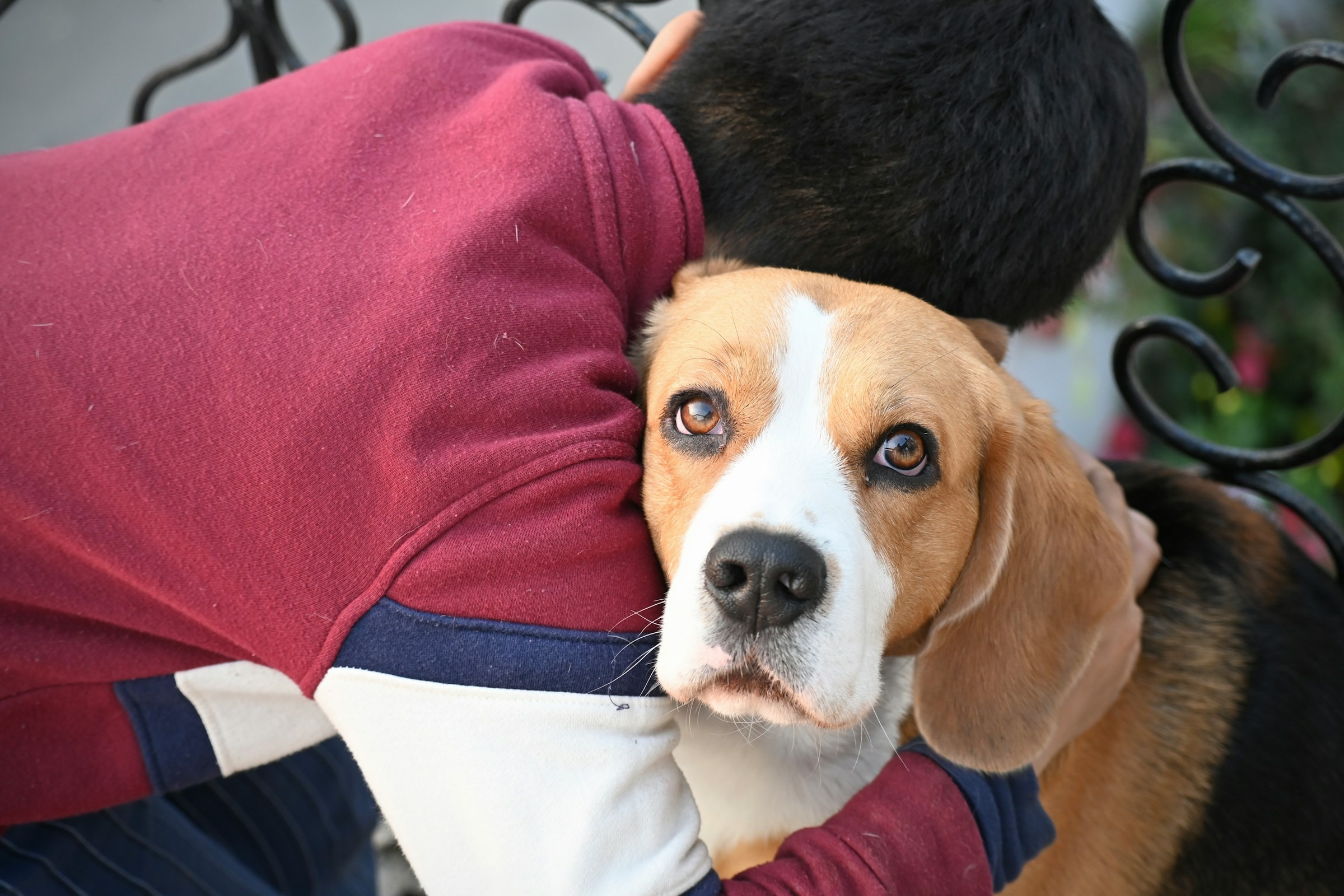
Dogs have a funny way of turning our most affectionate moments into little puzzles. You lean in for a big hug, your dog seems thrilled… and then instantly does that full-body shake like they just got out of a bath. It can feel a bit like they’re “wiping you off,” and if you’re sensitive, it might even sting for a second. But that dramatic shake is usually not rejection at all – it’s your dog’s body language trying to say something important. Understanding why dogs do this can actually deepen your bond with them. That quick shake can be a stress release, a reset button, or even their way of transitioning from one emotional state to another. Once you know what’s going on under the fur, you stop taking it personally and start seeing it as another clue to how your dog feels in that moment. Let’s break down what that post-hug shimmy might really mean.
#1 A Natural Stress Reset After Sudden Excitement
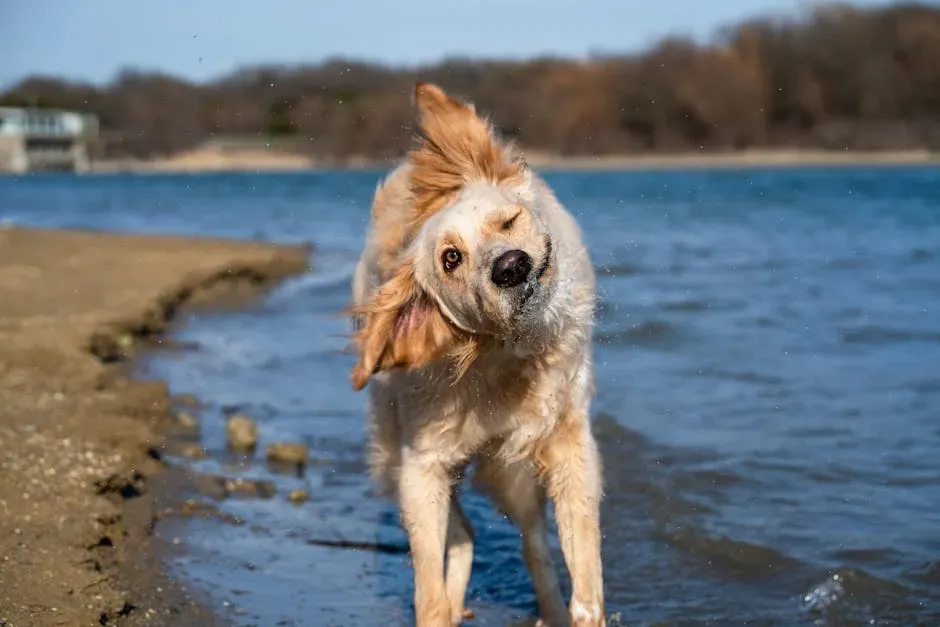
Ever notice how dogs often shake off right after something intense happens – like a loud noise, a sudden interaction with another dog, or an awkward hug? That shake is their built‑in reset button. Just like you might exhale deeply after a tense moment, a dog uses that full‑body shake to unload leftover physical tension and return their nervous system to a calmer baseline. It’s a sign their body is moving from “whoa, that was a lot” back toward normal. When a greeting is extra enthusiastic – high‑pitched voice, quick movements, tight contact – it can be exciting and a little overwhelming at the same time. The shake does not automatically mean your dog hated the hug; it often means the hug was simply a big emotional spike. Think of it more like your dog pushing the emotional “clear history” button so they can settle into whatever comes next without carrying all that intensity.
#2 Mixed Feelings: Enjoying You, Unsure About the Hug Itself
Here’s the part many people do not want to hear: a lot of dogs love you, but are not that into human-style hugging. Hugging is not really a natural gesture in dog language, and some dogs tolerate it more than they truly enjoy it. They might lean into your body because they want to be close but still feel slightly restricted, especially if arms are wrapped around their shoulders or neck. The shake afterward can be their way of releasing that mild discomfort once the hug is over. You’ll often see this with dogs who happily come running, wagging like crazy, then stiffen just a bit during the hug and immediately shake off when you let go. The greeting and your presence are definitely positive; the hug itself is more of a “fine, I’ll allow it.” That shake is less about you and more about them decompressing from a type of contact that is slightly confusing or claustrophobic in dog terms. It is a gentle reminder to pay attention to their preferences, not just our own favorite way of showing affection.
#3 Sensory Overload: Too Much Touch, Too Close, Too Fast
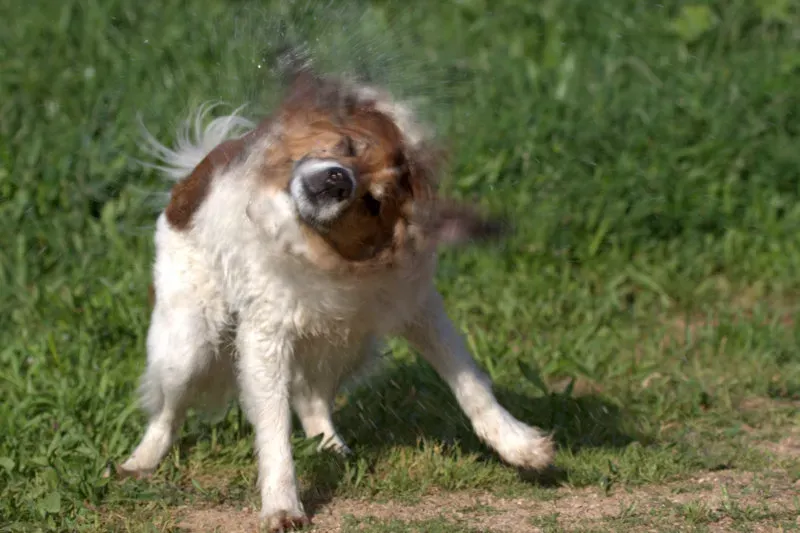
Imagine somebody jumping straight into your personal space with loud enthusiasm, strong perfume, and a tight squeeze – sometimes that is what a hug feels like to a dog. The sudden flood of sensations (voice, scent, pressure, movement) can tip a sensitive dog into mild sensory overload. That full‑body shake is like them rapidly rebooting their senses, shaking off the lingering buzz of stimulation that hit all at once. This is especially common in smaller dogs, shy dogs, or rescue dogs who are still figuring out which humans feel safe. Even if they don’t growl or pull away, they might quietly endure the hug, then immediately shake off as soon as they’re free. It is not drama; it’s self‑regulation. If your dog regularly shakes off after big, intense greetings, you might find they relax more when you dial the energy down – think softer voice, side‑on body position, and gentle strokes instead of sudden swoops and squeals.
#4 Removing Physical Sensations: Loose Fur, Pressure, or Odor
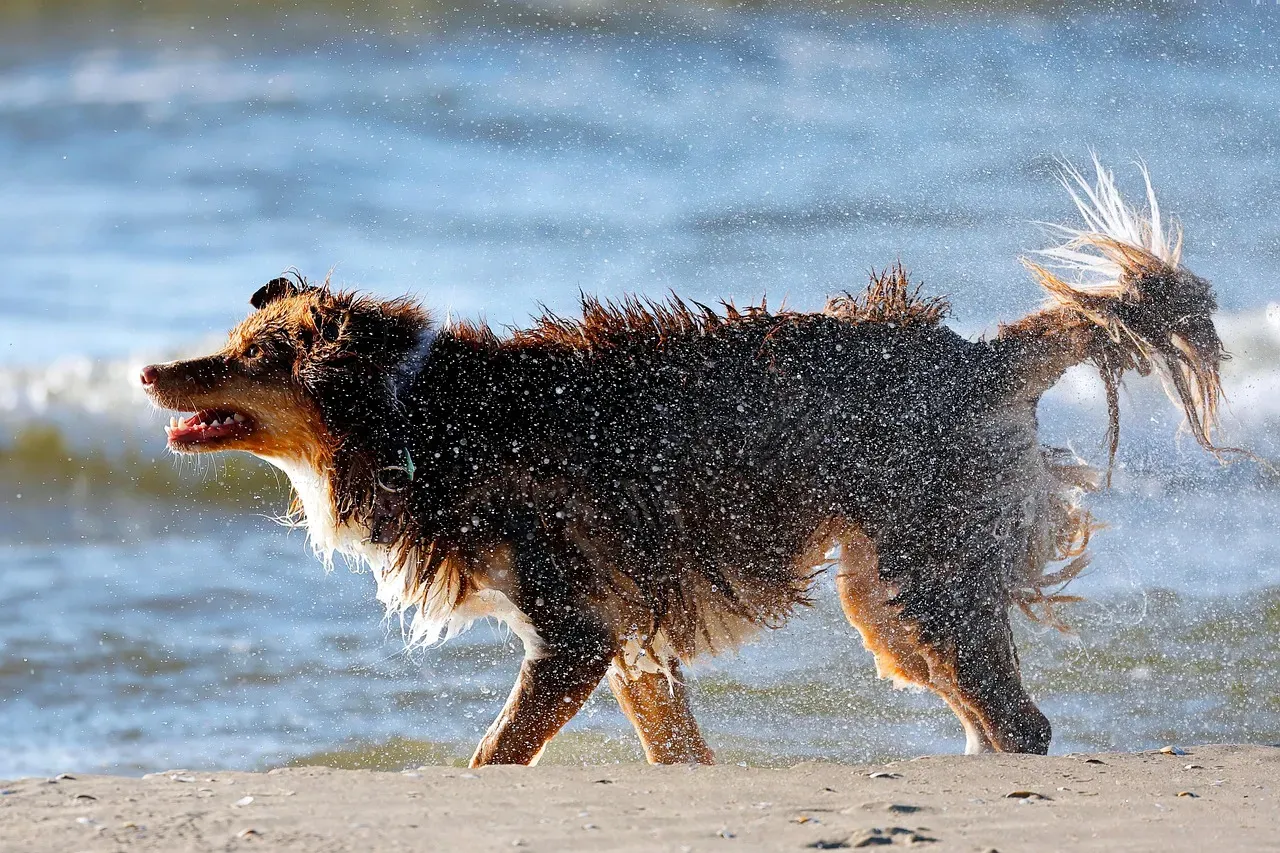
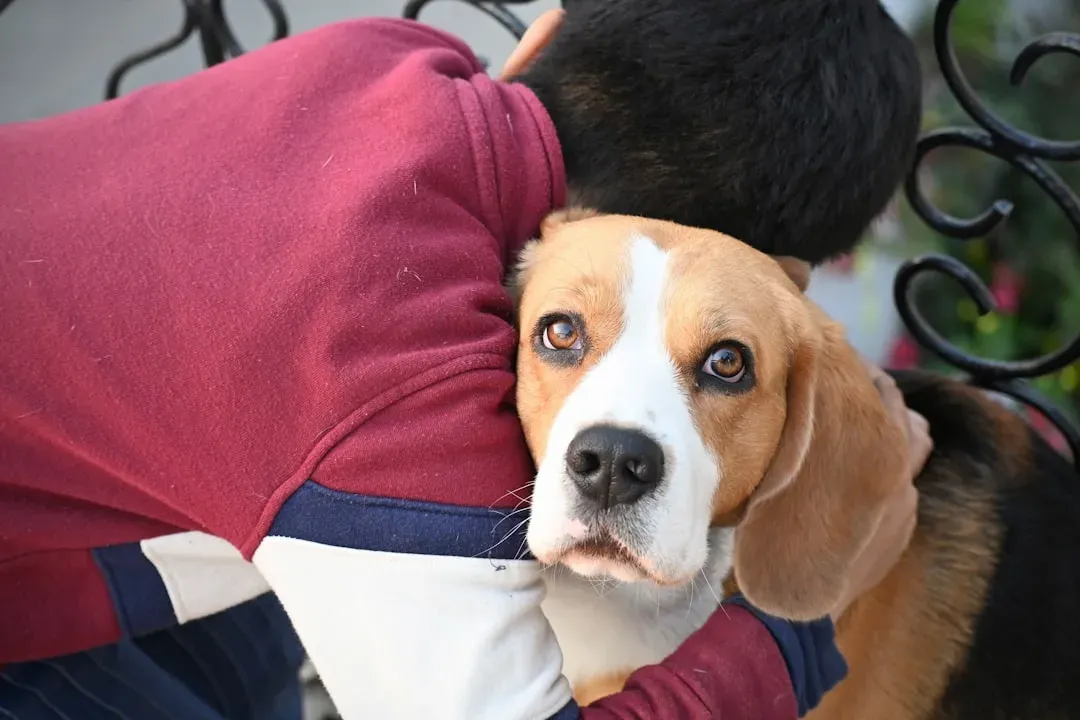
Sometimes the explanation is refreshingly simple: something physically feels “off” after the hug, and your dog wants it gone. Maybe your hug flattened the fur in a weird way, your clothing left a light dusting of fibers, or your hands carried the smell of another dog. The shake is a multipurpose tool that helps redistribute their coat, release trapped dead hair, and relieve tiny pressures or tickly sensations left on their skin. Dogs also live through scent far more than we do. If you hugged another dog or visited a vet clinic, your dog might be shaking off more than just emotion – they may be trying to reset the smell profile on their body. It’s a bit like you coming home from a smoky room and immediately wanting to change clothes. To us, the shake looks dramatic; to them, it is just a quick “fix the coat, fix the vibes, move on” maneuver.
#5 Social Signal: Saying “That Was a Lot, I’m Cool Though”
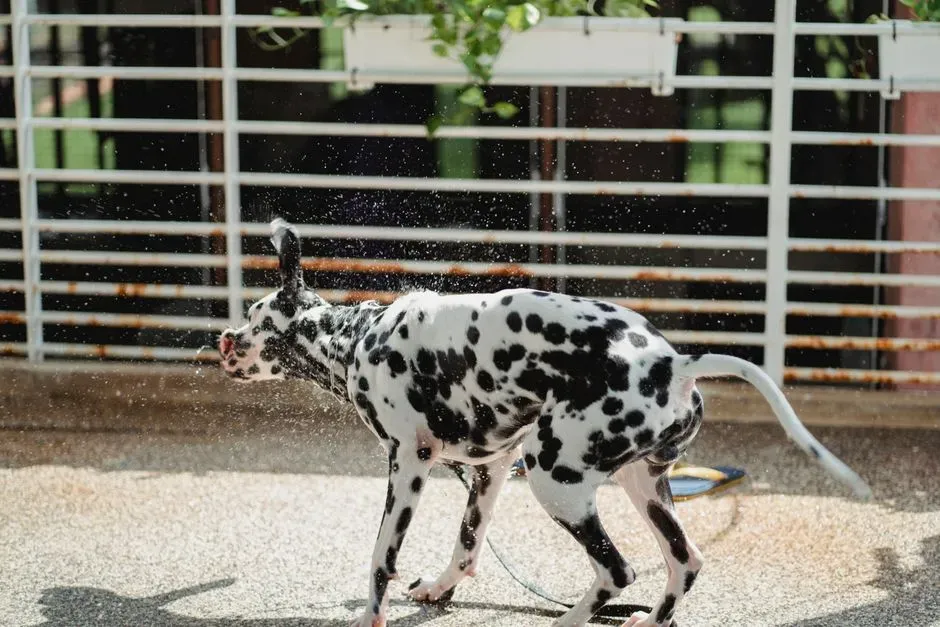
In dog‑to‑dog interactions, you’ll often see a shake right after a bouncy play session or a slightly tense moment. It can act like a social signal, a nonverbal way of saying, “Okay, that’s over, I’m not holding a grudge, let’s reset.” When your dog shakes off after your enthusiastic greeting, they might be using the same social tool on you. It’s their way of smoothing out the interaction and telling themselves – and you – “We’re good, I’m fine now.” From a human perspective, it can feel like a tiny rejection, but in dog language it is more like a shrug. The greeting spiked their arousal (in a good or uncertain way), and the shake punctuates the end of that moment. If your dog then looks relaxed, soft‑eyed, maybe sniffs around or trots off calmly, you can safely read that shake as a friendly “scene change,” not a sign of deep discomfort. The real red flags are tense body language and avoidance, not the shake itself.
#6 Mild Anxiety or Conflict About Close Contact

Sometimes the shake does hint at a bit of emotional conflict. Your dog may want to be near you but feel uneasy about the type of closeness a hug creates. If a dog has a history of rough handling, past punishment, or just never got comfortable with tight physical restraint, even loving hugs can nudge them into low‑level anxiety. They might freeze slightly, lick their lips, look away, or hold their breath a little – then shake off the second they get space again. This is where it is worth being brutally honest with yourself: is the hug more for you than for them? I had a rescue dog who adored being near me but visibly tensed when I did the classic arms‑around hug; she would always shake off afterward and then come lean gently against my leg instead. That was her compromise. Learning to respect that boundary, and offer touch she clearly enjoyed – like chest rubs or gentle side scratches – did more for our bond than forcing my idea of affection ever did.
#7 Just Transitioning From High Arousal Back to Normal Life
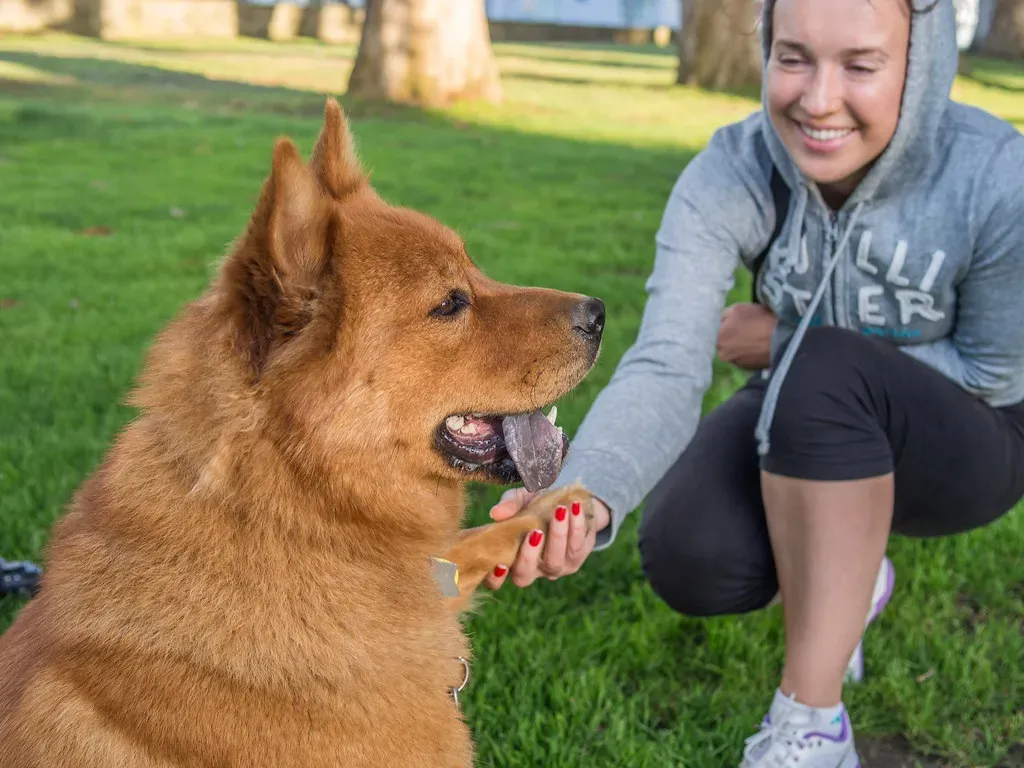
Sometimes, the most accurate answer is also the most boring: your dog is simply moving from one emotional state to another. Exciting greeting, big feelings, then a shake to switch gears into whatever comes next – sniffing, drinking water, napping, or following you around. The shake isn’t always a loaded message; it is often just a familiar physical ritual that helps them slide from “high” to “neutral.” You might even notice your dog doing the same thing after training sessions, car rides, vet visits, or a noisy delivery at the front door. Hug or no hug, the pattern is the same: arousal up, shake, arousal down. When you stop taking the shake personally and start watching the bigger context – tail, eyes, posture, what they do right after – you get a much clearer and kinder picture of what they are feeling. Most of the time, the answer is simply that life is intense for a few seconds, and that shake is how they cope.
Conclusion: Stop Taking the Shake Personally – and Start Listening to It
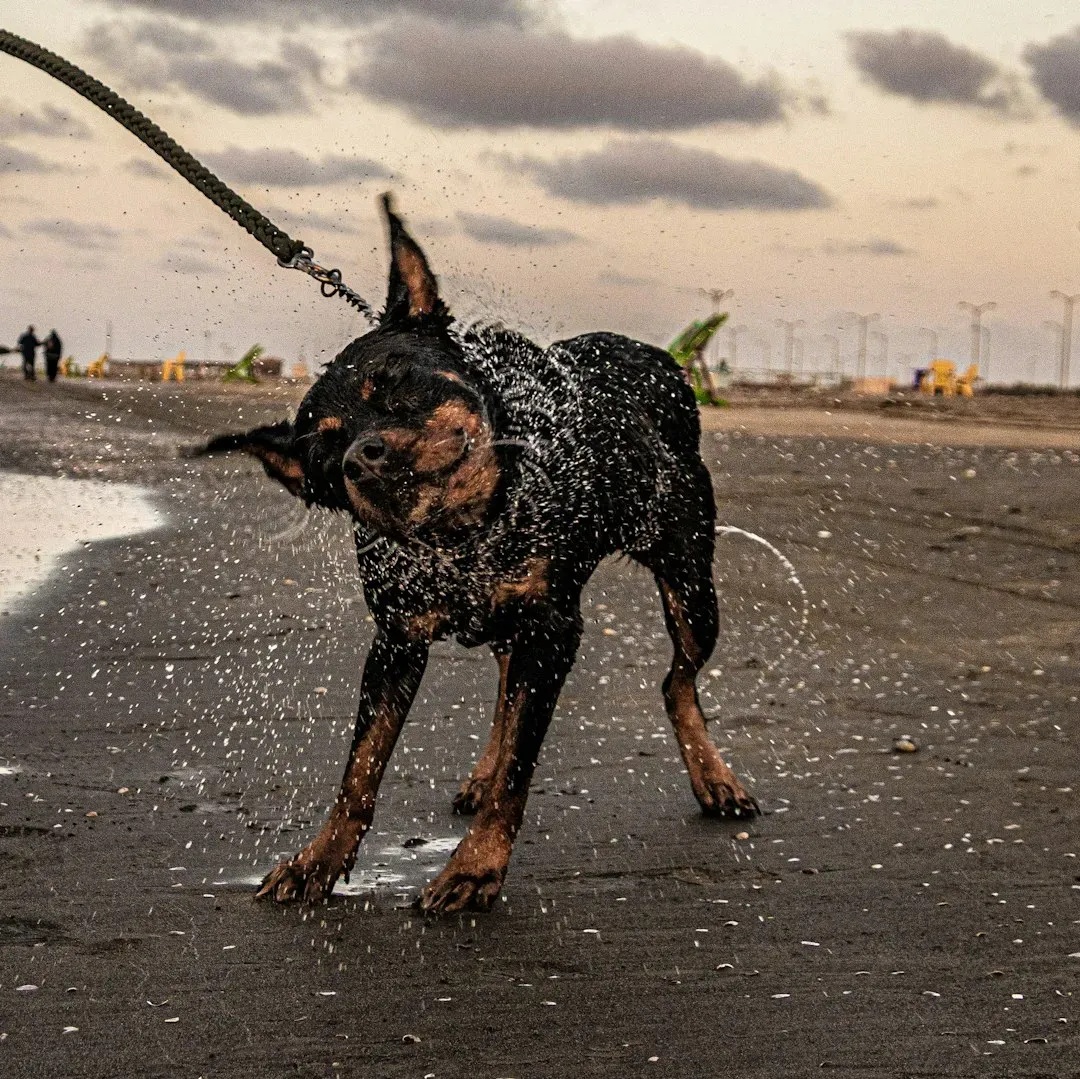
If there is one opinion I am willing to stand on firmly, it is this: we humans take dog behavior way too personally and not nearly seriously enough. That quick post‑hug shake is not your dog rejecting your love; it is your dog managing their own body and emotions in the only way they know how. When we see it as information instead of insult, we open the door to a more respectful, dog‑centered kind of affection. Some dogs will always be full‑body‑hug fans, others will politely tolerate it and then shake it off, and a few would really rather you just scratch their chest and let them lean into you on their terms. Paying attention to that tiny shake – and what comes before and after it – is one of the quietest, most powerful ways to show your dog you are actually listening. The real question is not, “Why are they shaking me off?” but, “Am I willing to adjust how I love them so it feels good in their language too?”