
9 Reasons Dogs Circle a Scent Mark Without Leaving One of Their Own
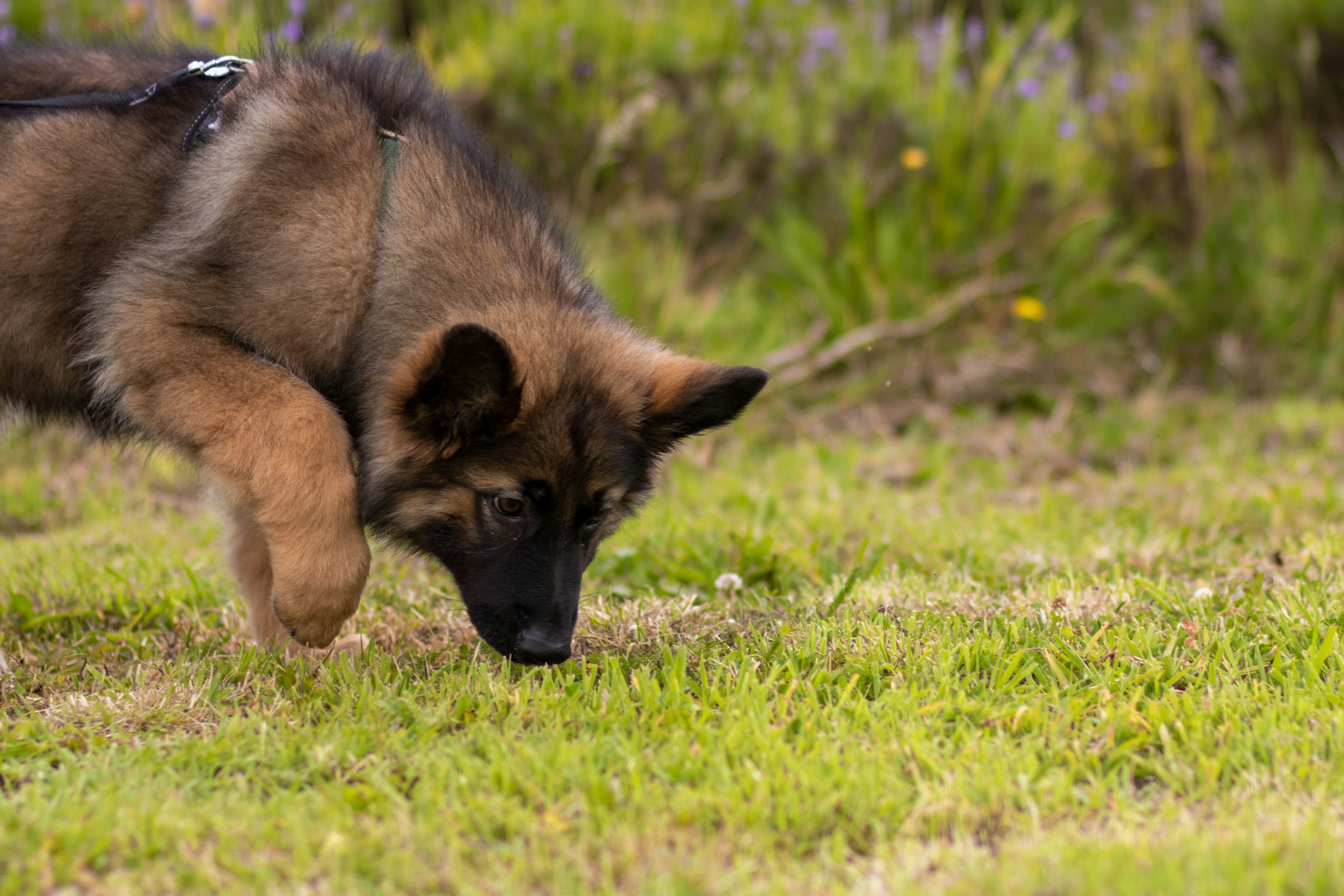
You’re out on a walk, your dog locks onto a single blade of grass like it holds the secrets of the universe, circles it three times… and then just walks away. No pee, no poop, nothing. If you’ve ever stood there on the sidewalk wondering what on earth just happened, you’re definitely not alone.
That tiny, weird moment actually opens a window into how complex your dog’s mind and nose really are. Circling around can mean a lot of different things: social decisions, emotional states, even health issues. Let’s dig into the real reasons behind this strange little ritual – and why it says more about your dog’s inner world than you might think.
1. They’re Gathering Detailed “Social Intel” Before Responding
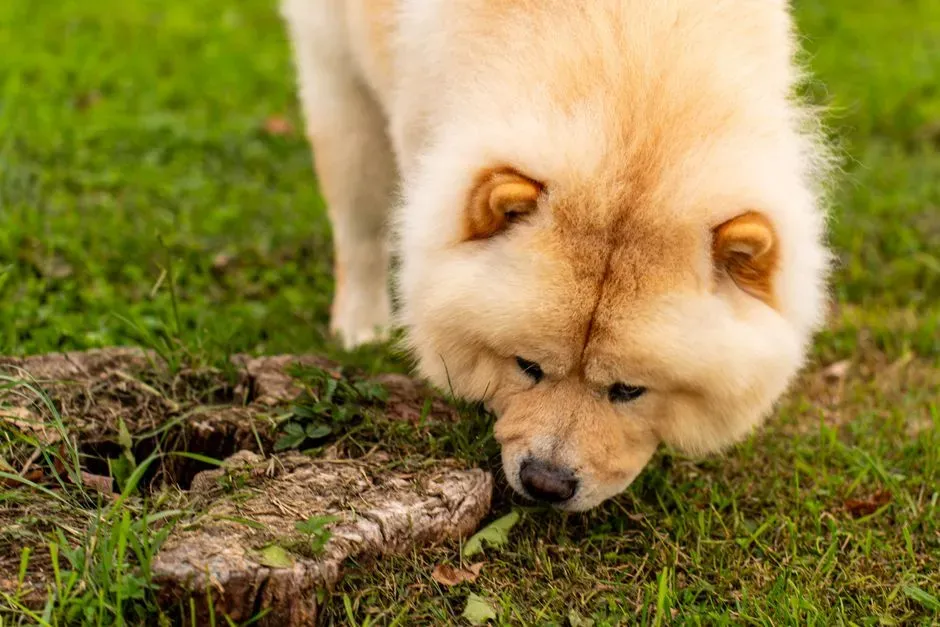
One of the biggest reasons dogs circle a scent mark without adding their own is that they’re still in data-collection mode. To us it just smells like grass and dirt, but to them that patch is basically a fully loaded social media profile: who was here, when they were here, what sex they are, whether they’re stressed, confident, sick, in heat, and so on. Circling lets a dog catch that scent from slightly different angles, with different air currents and surfaces, like walking around a painting to see it from every side.
Sometimes, once they’ve gathered all that information, they simply decide there’s no need to reply. Think of it like scrolling through someone’s profile and choosing not to comment – you’ve seen what you needed to see. I’ve watched dogs do an entire slow orbit around a tree that some other dog clearly “commented” on, then calmly move on as if to say: message received, no response necessary right now.
2. They’re Submissive or Cautious About the Original Scent
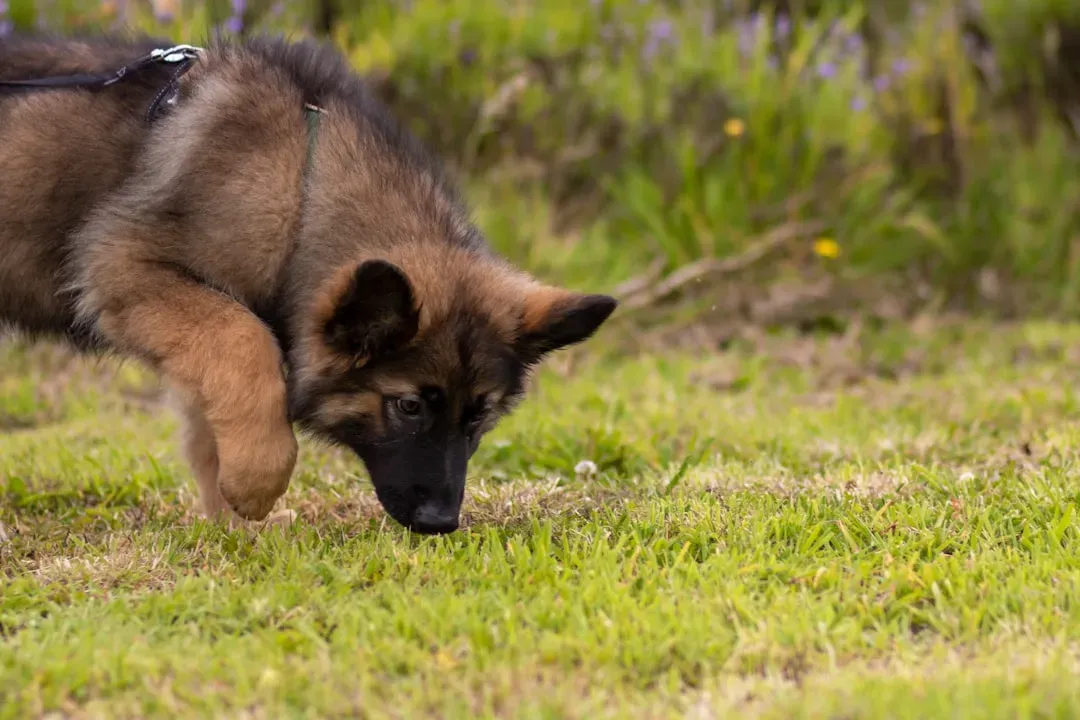
Not all scent marks are equal in your dog’s mind. If the smell belongs to a particularly confident, dominant, or unfamiliar dog, a more cautious dog might choose not to challenge that invisible presence. Circling allows them to inspect, confirm, and mentally file the information while still showing a kind of polite deference by not overlaying their own scent. It’s the canine version of walking past the corner office and not barging in.
Shy, anxious, or younger dogs are especially likely to circle and move on without marking, particularly in new neighborhoods or busy dog areas. They might be thinking: “Okay, big dogs have claimed this spot; I’m just passing through.” That little orbit is often a mix of curiosity and respect, a way to stay socially safe in a world where scent is everything.
3. They’re Overstimulated by Scent and Can’t “Decide” to Mark
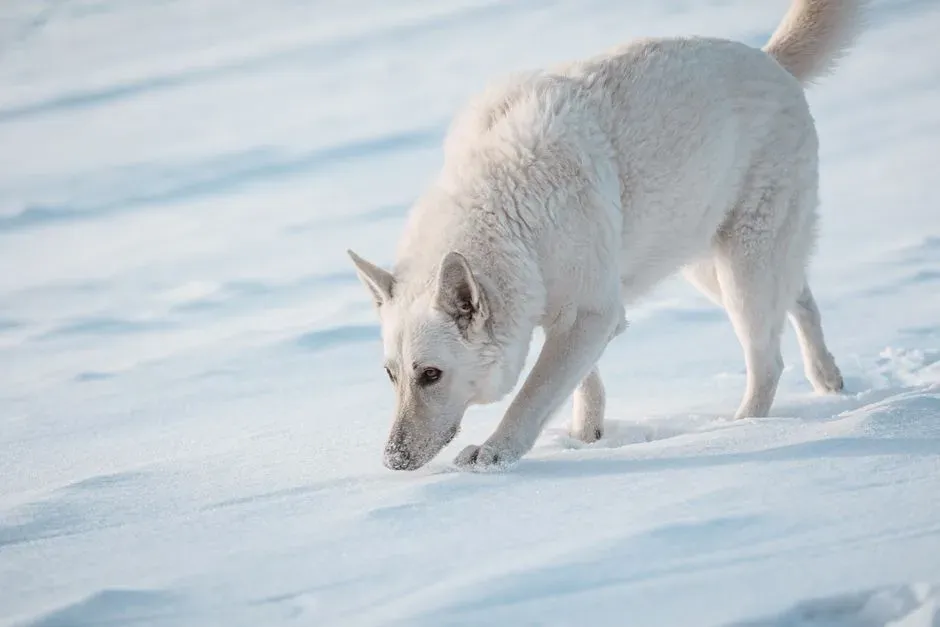
Sometimes a smell is so rich and complex that it overwhelms your dog’s decision-making in the moment. Imagine walking into a bakery where every shelf is packed with your favorite pastries – you might freeze up just trying to pick one. For dogs, a heavily used marking area can feel like an olfactory overload. Circling gives them time to process all that layered information without committing to a response.
In those moments, your dog might start to posture as if they’re about to pee, then hesitate, then move, then re-sniff. To humans, it looks indecisive or weird. To your dog, it’s more like: “There’s a lot going on here. I need another loop.” By the time they finish circling, the urge to mark may have faded, or they may mentally flag the spot and mark somewhere slightly less intense instead.
4. They’ve Already Emptied Their Bladder but Their Nose Is Still Working
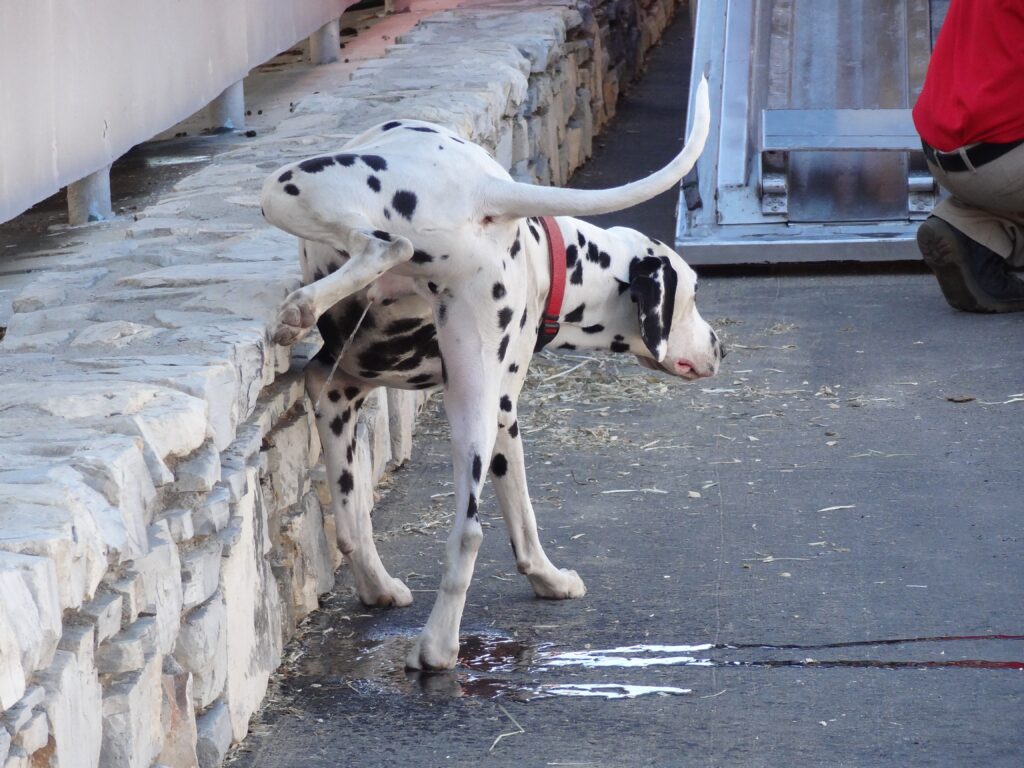
Sometimes the explanation is surprisingly simple: there’s nothing left in the tank. Dogs will often keep investigating and circling strongly scented spots even after they’ve already peed multiple times on a walk. Their nose doesn’t switch off just because their bladder is running on empty. So they might go through all the usual pre-marking motions, circle, sniff deeply… and then nothing happens, because biologically it just can’t.
This is especially common toward the end of a walk where they’ve been leaving lots of little marks along the way. The interest in other dogs’ messages is still very real, but the body can’t match that interest with action. If you notice your dog circling and trying to posture but repeatedly unable to produce more than a tiny drop, that’s normal in moderation – but if it’s constant, especially with strain or discomfort, it’s worth mentioning to your vet.
5. They’re Avoiding Leaving a Scent for Safety or Comfort Reasons
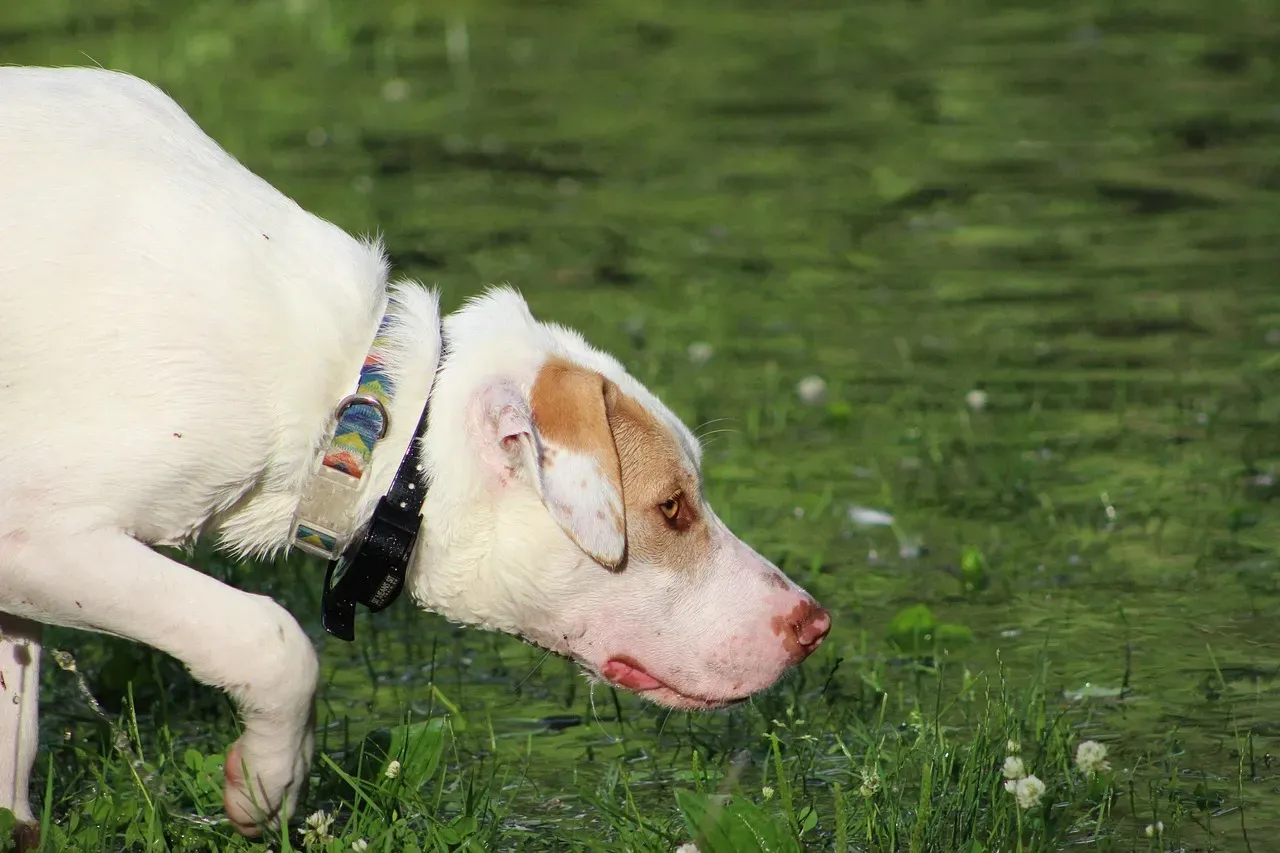
Dogs are more strategic than we give them credit for, especially in unfamiliar or slightly tense environments. In some situations, not marking is actually safer. A dog who feels uneasy in a particular area may still investigate the smells to learn what kind of dogs frequent the spot, but they might avoid “broadcasting” their own presence. It’s a quiet, stay-off-the-radar approach that makes sense if they feel outnumbered or unsure.
This can show up on walks through new neighborhoods, vet clinic lawns, or places with a lot of loud traffic or barking dogs. You might see your dog circle and sniff intensely, almost like they’re considering marking, then abandon it and walk away. That can be their subtle way of saying: “I want information, not attention.” It’s less about politeness and more about emotional survival and comfort.
6. They’re Dealing With Mild Pain, Discomfort, or Health Changes
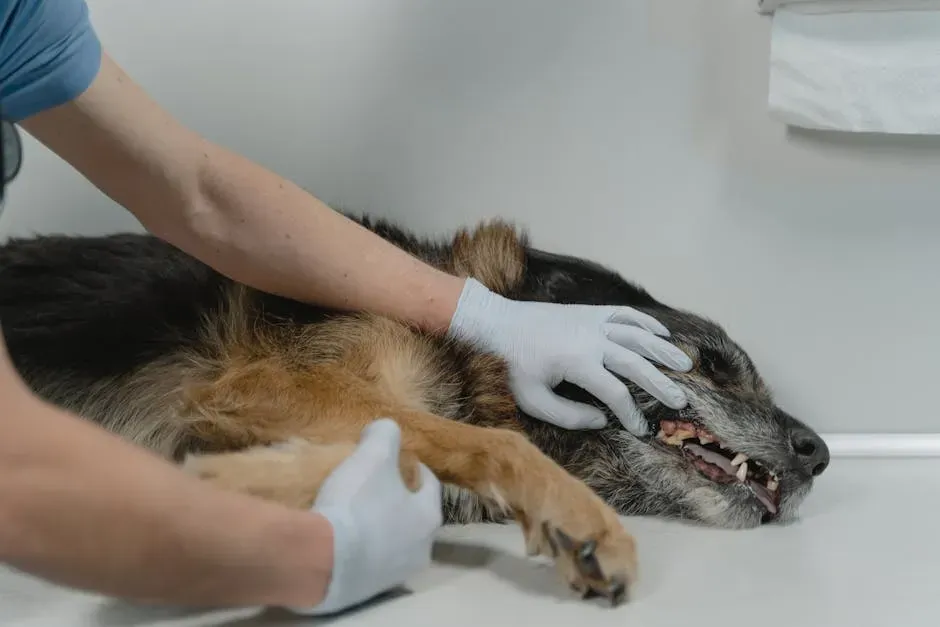
Sometimes that odd circling without marking is your first quiet clue that something in your dog’s body does not feel quite right. If it suddenly becomes a pattern – circling, squatting or posturing, then nothing coming out, repeated many times a day – that can point to issues like a urinary tract irritation, early joint pain, or simple age-related stiffness. They may want to mark, but the act of actually doing it feels uncomfortable or complicated.
In older dogs especially, circling a scent and then abandoning the idea can be part physical and part mental. They get the urge, line themselves up, rethink it, then move on. If you see this paired with other signs like licking their genitals more than usual, straining, accidents in the house, or changes in energy, it’s not just a quirk to laugh off. That’s the moment to trust your gut and get a professional opinion instead of assuming it’s only a funny behavioral thing.
7. They’re Following a Learned Routine, Not a Real Urge
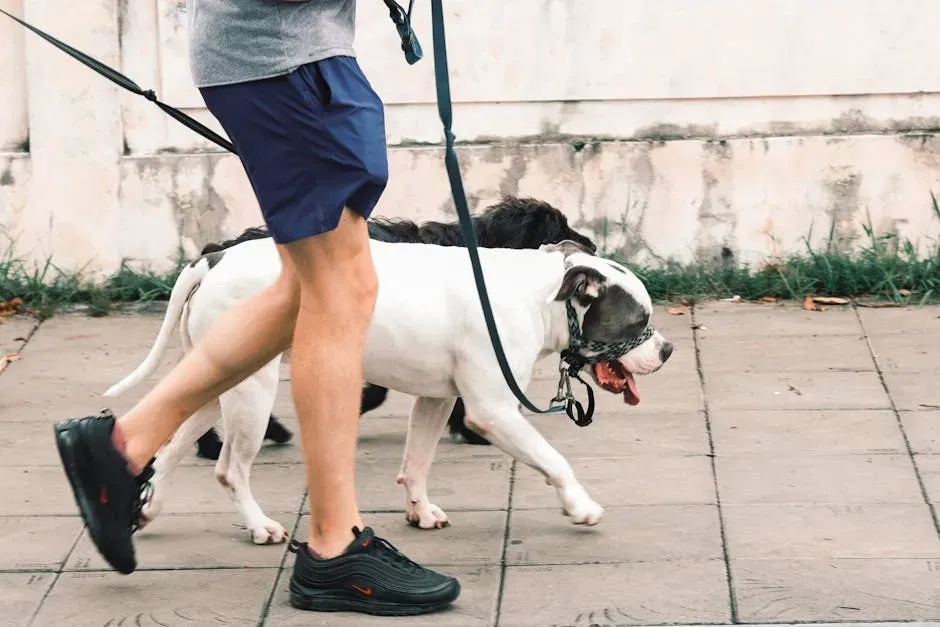
We unintentionally train our dogs in ways we never realize. If your dog has learned that you stop and wait whenever they sniff and circle, they may repeat that whole ritual simply because it’s part of the walk “script,” not because they truly need to pee. It becomes a kind of habit loop: sniff, circle, maybe mark, maybe not – but the behavior itself feels rewarding and expected.
Some dogs also copy other dogs’ behavior without fully understanding the purpose. In multi-dog households or dog parks, a more impressionable dog might see another dog circle a post, then do the same thing without actually feeling the urge to mark. It’s like a teenager mimicking a trend because everyone else is doing it. The circling looks purposeful, but at its core it’s more about routine, ritual, and social imitation than function.
8. They’re Using Scent to Calm Themselves Instead of Communicate
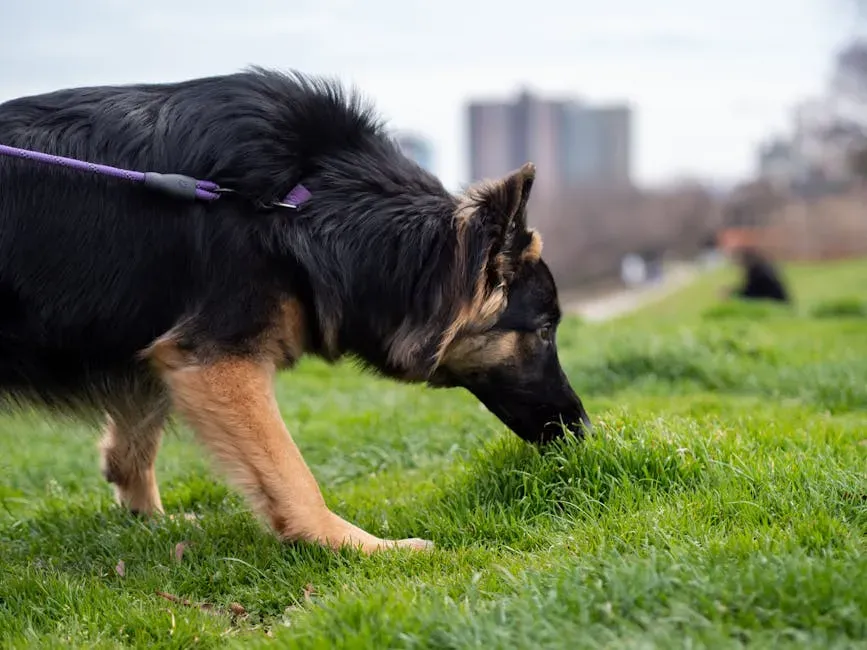
Scent is not just information for dogs; it’s soothing. Sniffing and circling around a comforting or familiar smell can help them regulate their emotions the way some people pace or fiddle with a ring when they’re nervous. If your dog is feeling a bit anxious, overstimulated, or uncertain – new place, loud noises, lots of people – they might orbit a scent mark to ground themselves, then simply walk away once their nervous system has settled a little.
In those moments, the goal is not to send a message to other dogs but to receive one: “Other dogs have been here. Life is normal. The world is still dog-shaped.” That reassurance can be enough. You might notice this more in younger dogs or rescues who are still building confidence, especially in busy urban environments where the world feels big and chaotic. Circling becomes a small, quiet coping strategy hidden in plain sight.
9. They’re Saving Their Mark for a Spot They Like Better
Dogs are surprisingly picky about where they want to leave their “signature.” Just because a spot smells interesting does not mean it earns a mark. Your dog might circle a strong scent, catalog the data, and then decide it doesn’t deserve their personal brand, choosing instead to mark a different spot a few steps later. It’s a bit like glancing at several billboards before choosing exactly where to put your own ad.
Over time, you might even notice patterns – your dog has favorite corners, trees, or fence posts they go back to over and over, while other high-traffic spots get plenty of sniffing but zero contribution. That circling-without-marking moment is part of their selection process. They’re curating their presence in the neighborhood like someone choosing which photos to post, not just blasting scent everywhere without a second thought.
Conclusion: A Silent Circle That Says More Than You Think
Once you start paying attention, that small act of circling a scent and walking away stops looking random and starts to feel intentional, even thoughtful. It can signal caution, curiosity, habit, comfort-seeking, or even subtle health changes long before anything dramatic shows up. I’ve come to see it as one of those tiny behaviors that separates dogs from simple “pets” and reveals them as complex, feeling creatures constantly making choices about how loudly they want to exist in their world.
If anything, this behavior is a reminder that we only see the surface layer of what’s happening in a dog’s mind. Whether your dog is gathering intel, staying humble, or quietly opting out of a conversation, that little circle is a glimpse of their private logic. Next time they do it, instead of getting annoyed or impatient, it might be more interesting to pause and wonder: in their world of invisible messages and silent negotiations, what decision did they just make?