
10 Breeds That Make the Best Therapy Dogs for Aging Adults
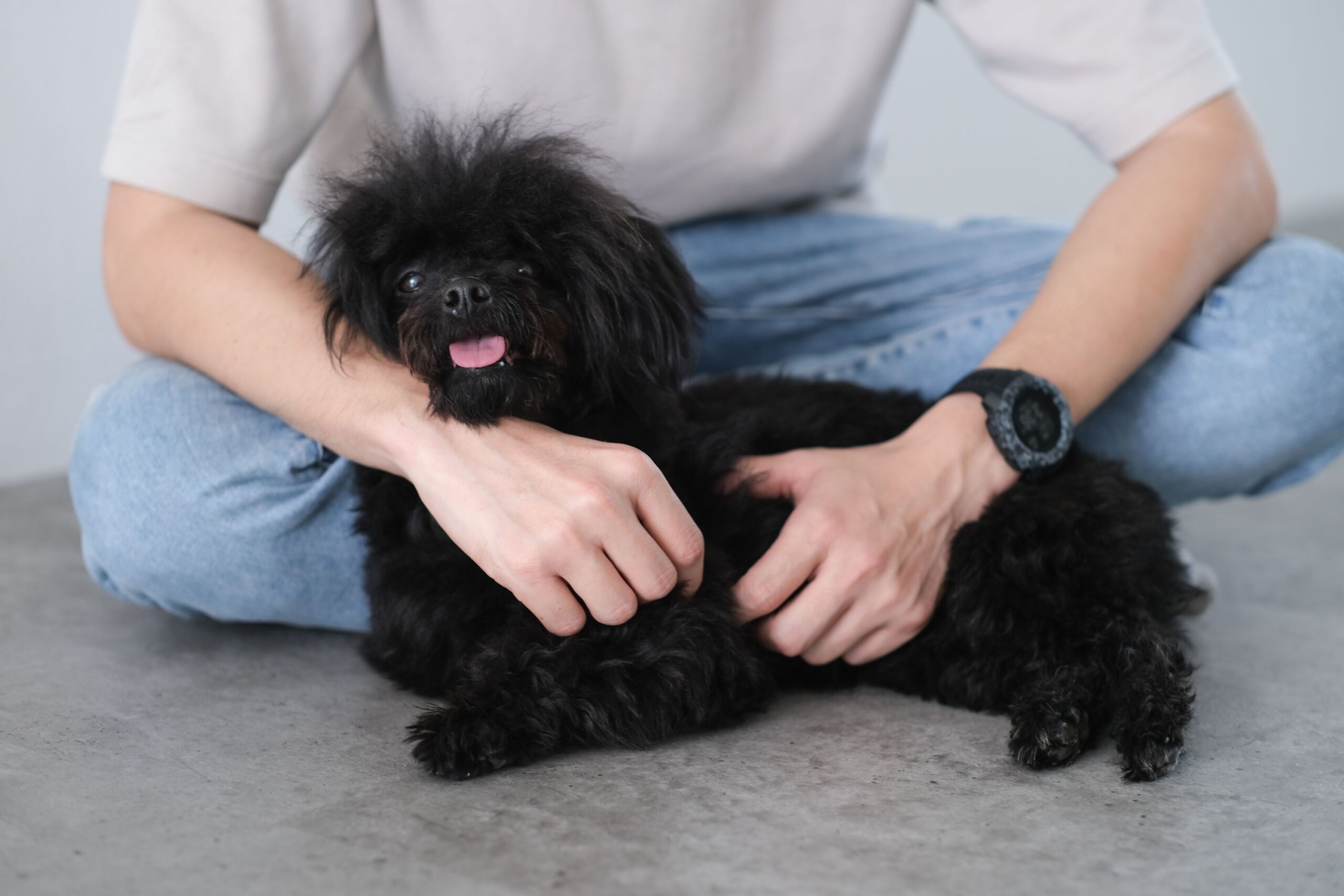
There’s something quietly magical about the way a dog will lean into an older person’s leg, sigh, and simply stay. No advice, no solutions, just warm, steady company. For many aging adults, that gentle presence can soften loneliness, calm anxiety, and even make the aches and worries of the day feel a little lighter.
Not every dog is cut out for this kind of emotional work, though. The best therapy breeds tend to be patient, people-focused, and surprisingly intuitive about human moods. Let’s walk through ten breeds that consistently shine with older adults – and why, in real life, they often end up being so much more than “just a pet.”
Labrador Retriever: The Gentle Optimist
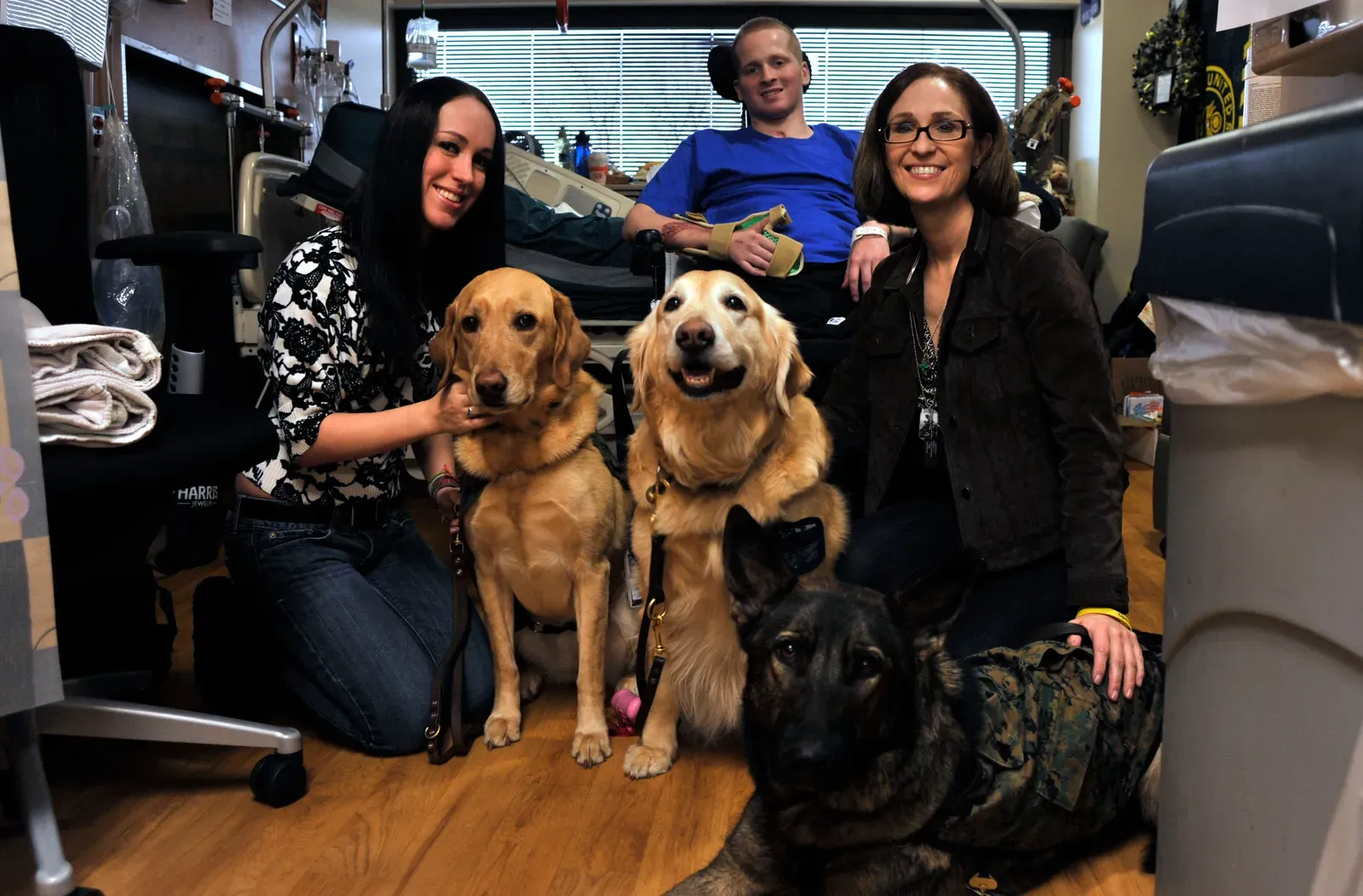
Labradors are often the first breed people picture when they think of a therapy dog, and it’s not an accident. They’re famously friendly, steady-nerved, and usually delighted just to be wherever their people are, whether that’s a quiet living room or a doctor’s waiting area. For aging adults, that easygoing enthusiasm can bring a sense of lightness into days that might otherwise feel routine or heavy.
Well-bred and well-trained Labs tend to be calm indoors, strong enough to walk at a slow pace without frustration, and remarkably tolerant of mobility aids like walkers or wheelchairs. They’re food-motivated, which makes training easier, but it also means their humans need to be a bit disciplined with treats to avoid extra weight. When you meet a therapy Lab resting its head on an elder’s knee, eyes half-closed in contentment, it’s hard not to feel that you’re watching the emotional version of a warm cup of tea.
Golden Retriever: The Empathetic Companion
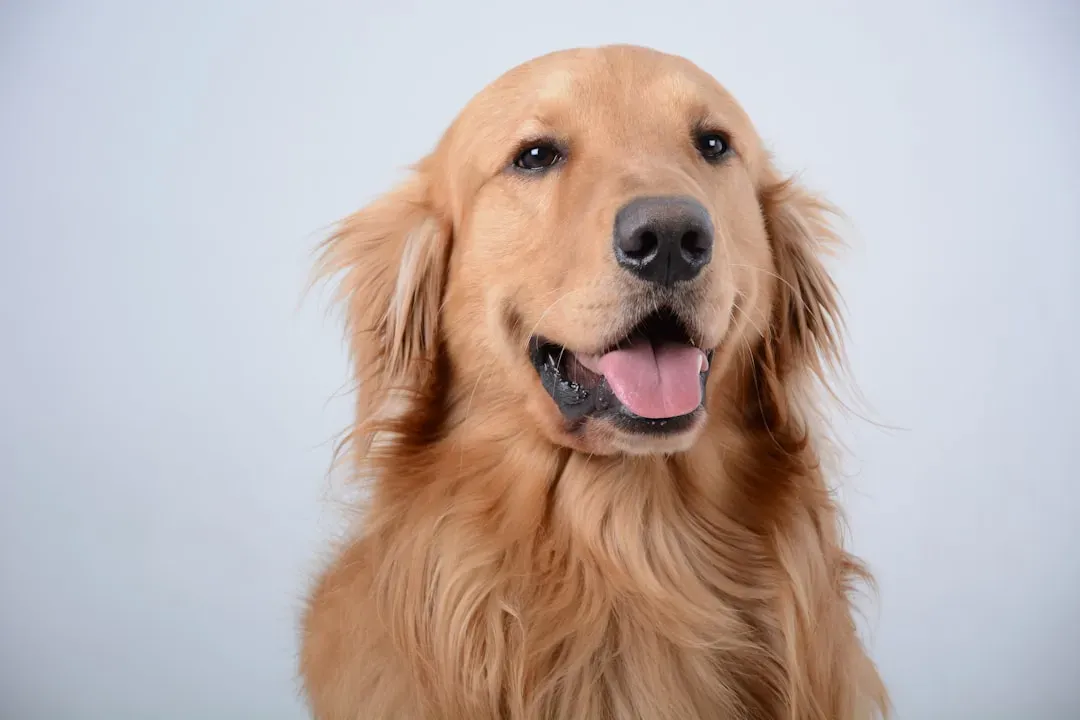
Golden Retrievers are often described as having “soft hearts,” and around seniors, that softness really shows. They’re affectionate without being clingy, sensitive without being fragile, and they seem to have a special knack for reading the room. An older adult who is grieving, anxious, or dealing with memory challenges may find comfort in a Golden’s gentle gaze and unhurried company.
Goldens usually enjoy light activity like slow walks or simple fetch games, but they’re just as happy to curl up beside a recliner for an afternoon nap. Their silky coats do require regular grooming, which can become a shared routine and even a soothing ritual. When a Golden leans in and closes the space between silence and connection, it often feels like the dog is saying, in its own way, that you are still deeply needed.
Cavalier King Charles Spaniel: The Lap-Sized Heart Healer
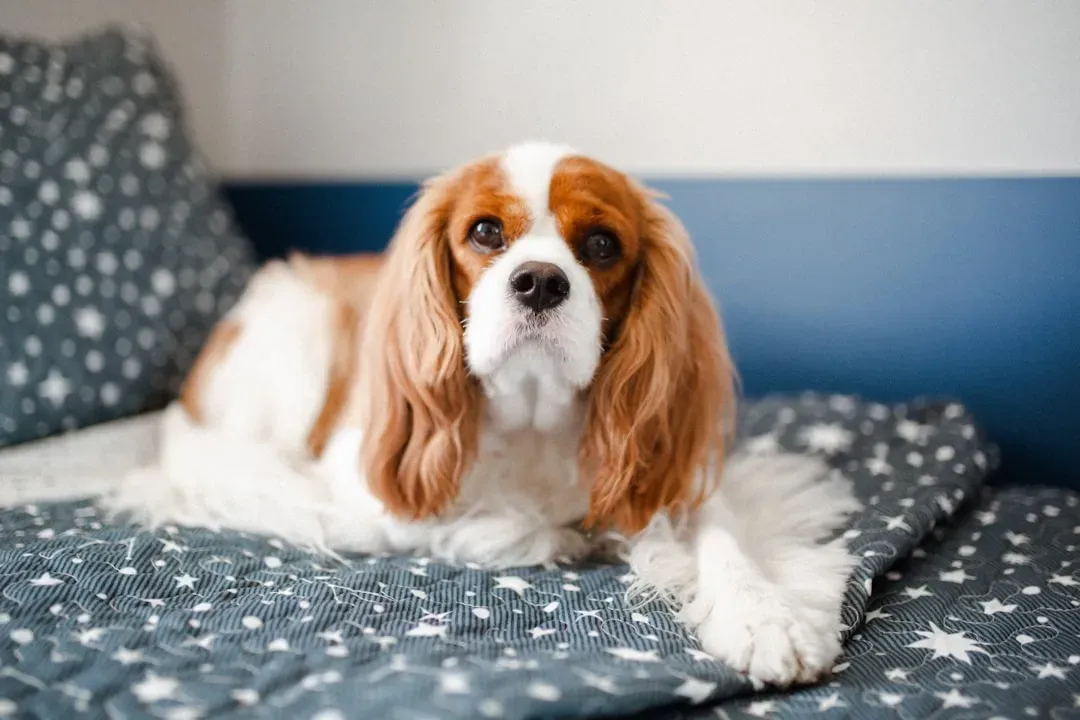
For aging adults who want a smaller dog, the Cavalier King Charles Spaniel often feels like it was designed for cuddling and quiet companionship. Cavaliers are famously affectionate and tend to bond very closely with their humans, often following them from room to room like a soft, furry shadow. That constant but gentle presence can be deeply reassuring to someone living alone.
Because they’re small, Cavaliers are easier to handle physically: lifting them onto a couch, grooming them, or managing them on a short walk is usually more realistic for someone with reduced strength. They don’t need intense exercise and are typically happy with short strolls and lots of lap time. Their big, expressive eyes and soft ears invite touch, which can encourage older adults to keep using their hands and arms in a natural, pleasant way rather than formal “exercises” that can feel like a chore.
Poodle (Miniature or Standard): The Smart, Low-Shedding Ally
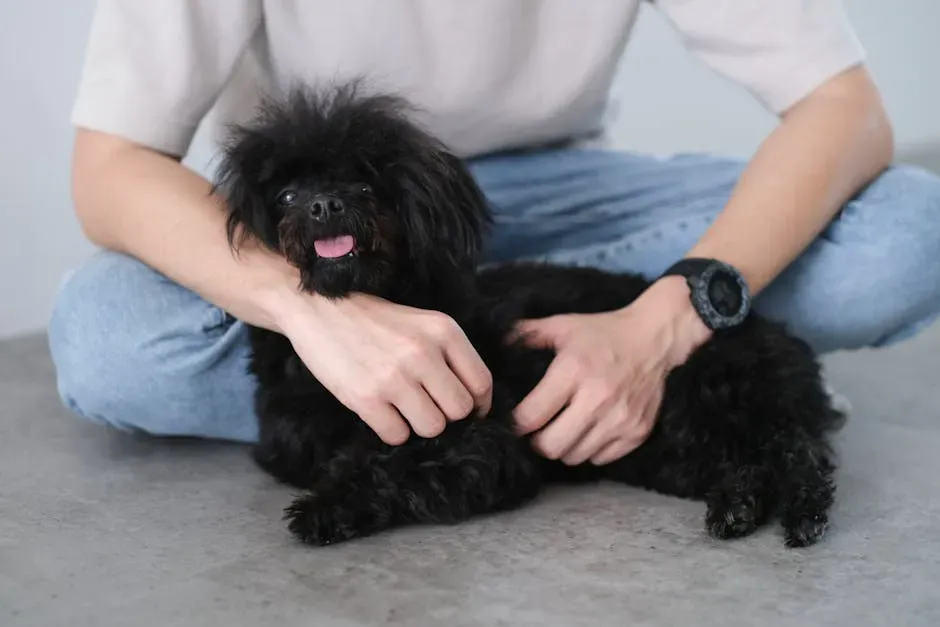
Poodles, especially Miniature and Standard sizes, bring an almost uncanny intelligence to the therapy world. They tend to notice patterns quickly: when medications are taken, when someone usually sits down, when visitors normally arrive. For an aging adult, that kind of subtle predictability can feel grounding and safe. They’re often playful but can also switch into calm, watchful mode in a heartbeat.
Another major advantage is that Poodles shed very little, which can be helpful for people with allergies or those who prefer a tidier environment. Their curly coats do require regular grooming, but that can be scheduled and handled by a professional if needed. There’s something oddly moving about watching a Poodle quietly rest its head on an elder’s lap, as if all that cleverness has decided that the most important task of the day is simply being there.
Bichon Frise: The Cheerful Mood Booster
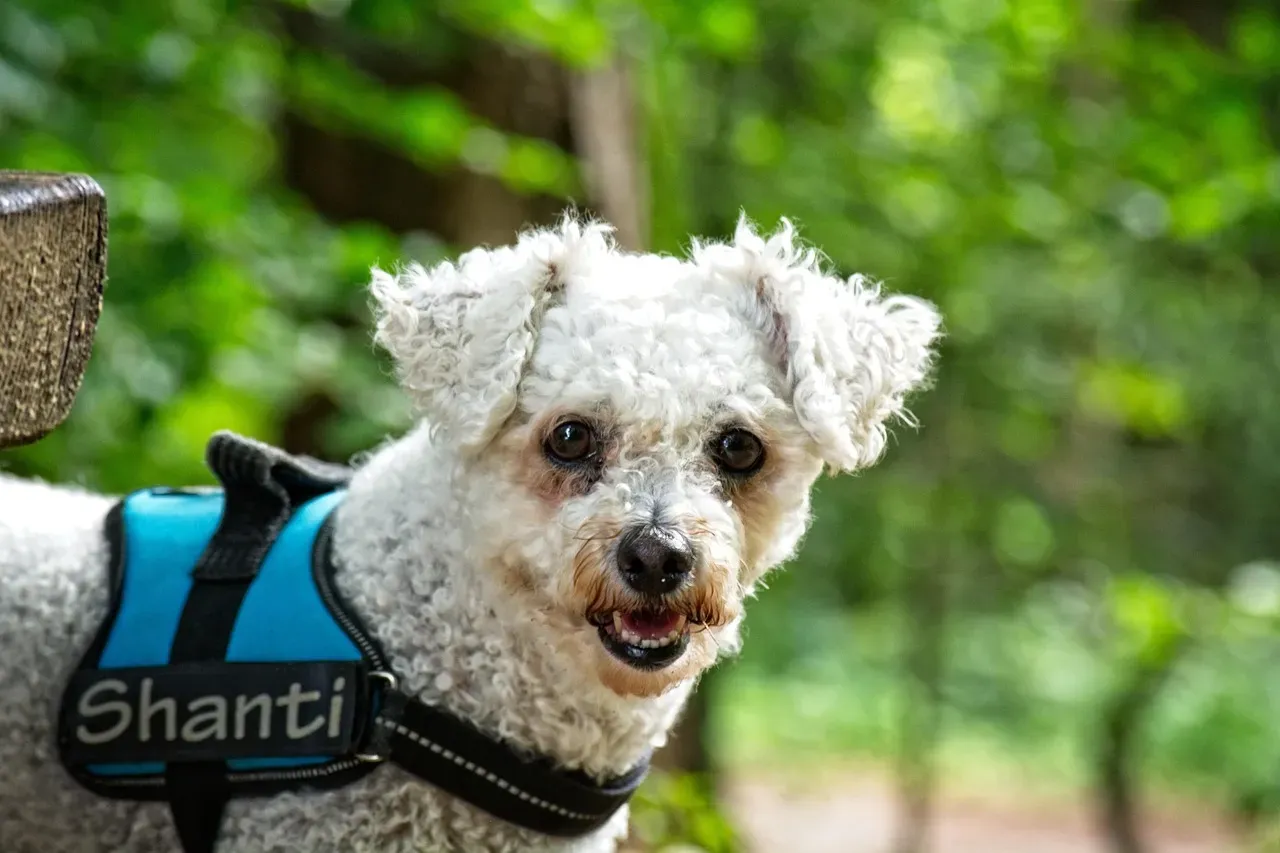
The Bichon Frise often feels like a little cloud of good mood on four legs. This breed tends to be bright, social, and naturally drawn to people, which is why they’ve become popular in therapy dog programs visiting nursing homes and assisted living communities. Their small size and non-shedding coats make them especially practical for apartments and shared spaces.
Bichons usually enjoy gentle play and short walks, but they’re also content to hang out on the couch and soak up attention. Their playful antics and expressive faces can coax smiles out of people who haven’t laughed much lately. For an older adult whose world has shrunk due to health or mobility issues, a Bichon can feel like a little daily reminder that joy is still allowed, and even a bit of silliness has a place.
Cocker Spaniel: The Soft-Eared Listener
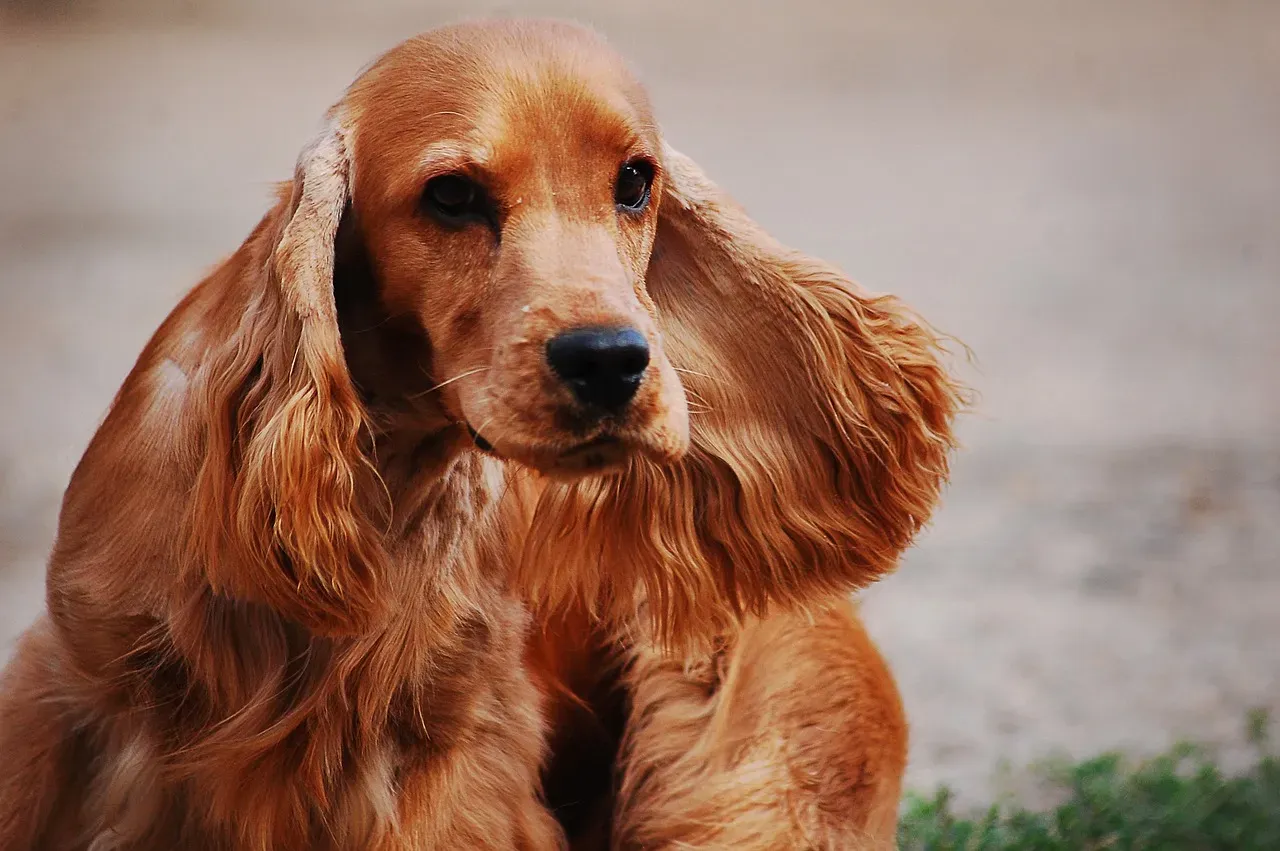
Cocker Spaniels bring a sweet, sometimes slightly dreamy temperament that can fit beautifully with quieter, slower-paced households. Many Cockers are sensitive and people-oriented, making them well suited to sitting close, listening to stories, and offering calm, nonjudgmental company. For aging adults who talk less or struggle to find the right words, a Cocker’s steady presence can feel comforting rather than demanding.
They’re typically medium-sized, which can be a nice compromise: large enough to feel solid and reassuring, small enough to handle more easily than a big retriever. Their long ears and soft coats do need regular grooming and ear care, but that attention can become part of a gentle, bonding routine. When a Cocker curls up at someone’s feet, there’s an almost old-fashioned coziness to it, like putting on a familiar, worn-in sweater.
Pembroke Welsh Corgi: The Short-Legged Guardian
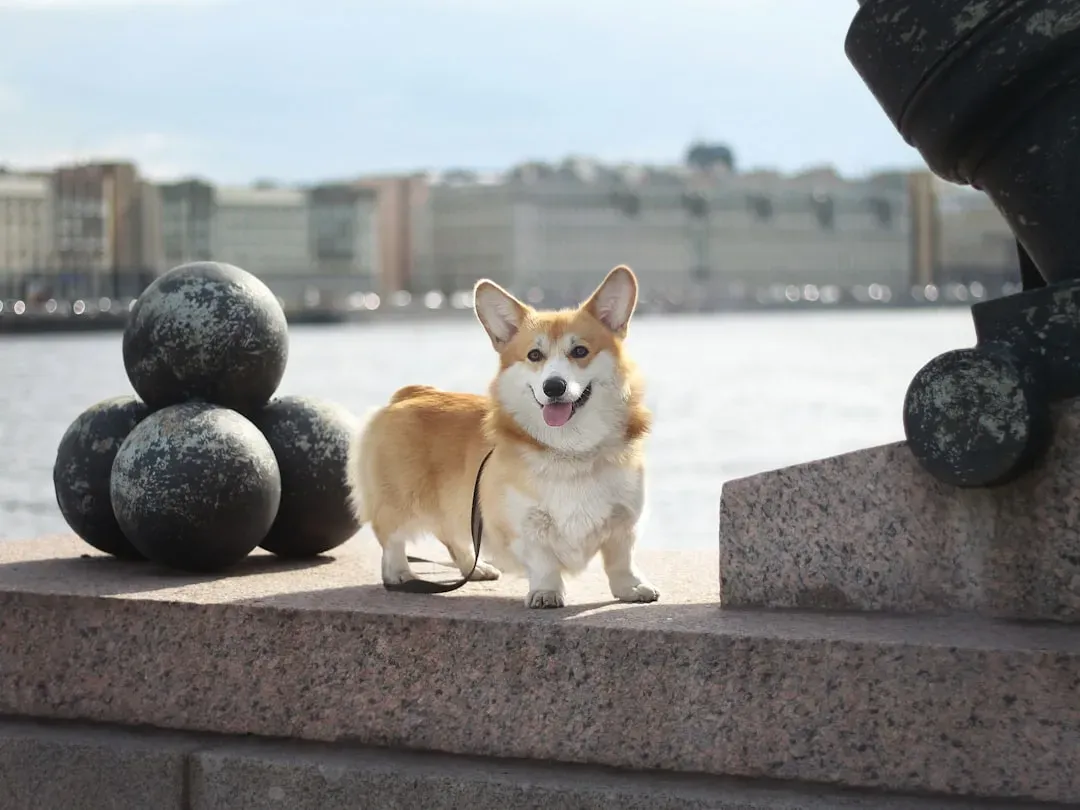
At first glance, Corgis might not look like typical therapy dogs, with their stout bodies and big personalities. But many aging adults enjoy their alert, affectionate, slightly comical nature. Corgis often form strong bonds with their people and like to keep an eye on everything, which can make an older person feel less alone and more “looked after,” even if the dog is only a foot tall.
Because of their herding background, Corgis can be energetic and vocal, so they’re best suited to older adults who still enjoy some activity and mental engagement. Short, frequent walks and little training games can keep their minds busy without overtaxing their owners. There’s something strangely empowering about having a small, determined dog trot beside a walker or cane, as if announcing to the world that this team is still very much in motion.
Pug: The Comedian With a Big Heart
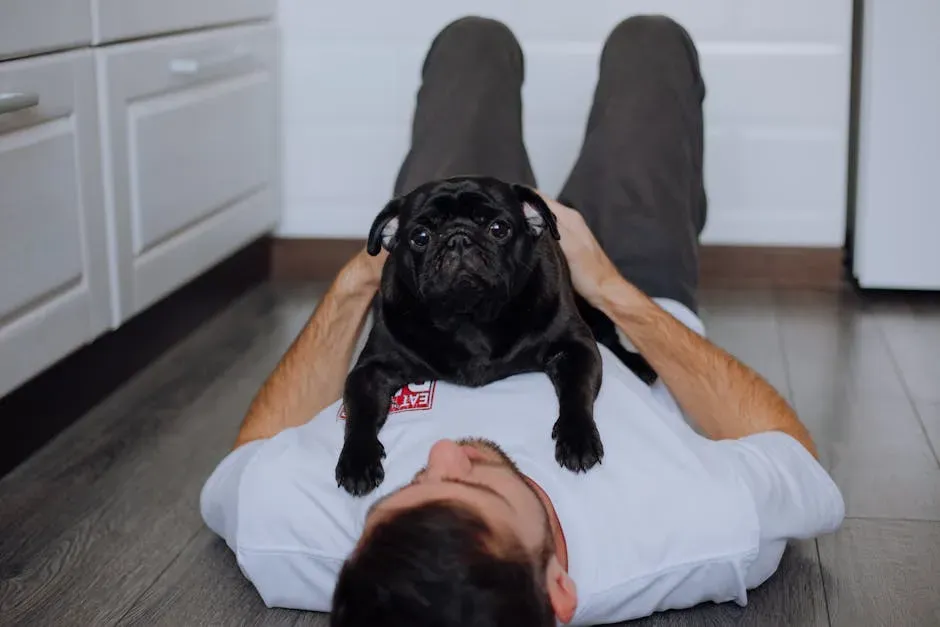
Pugs are often called “clowns,” and around aging adults that playful goofiness can be a real emotional lifeline. They tend to adore human attention, thrive on being close, and have a way of making even simple moments feel entertaining. For someone dealing with chronic pain or low mood, a Pug’s snorts, silly expressions, and deep love of cuddling can break through the heaviness in a way few other things can.
Pugs are small and generally not high-energy, which makes them manageable for older owners, though their breathing and weight need to be carefully monitored. They do well with short, gentle walks and plenty of indoor interaction. When a Pug curls into the crook of an elder’s arm and falls instantly asleep, it sends a quiet message: right now, it is absolutely enough just to rest and be together.
Shetland Sheepdog: The Sensitive, Observant Partner
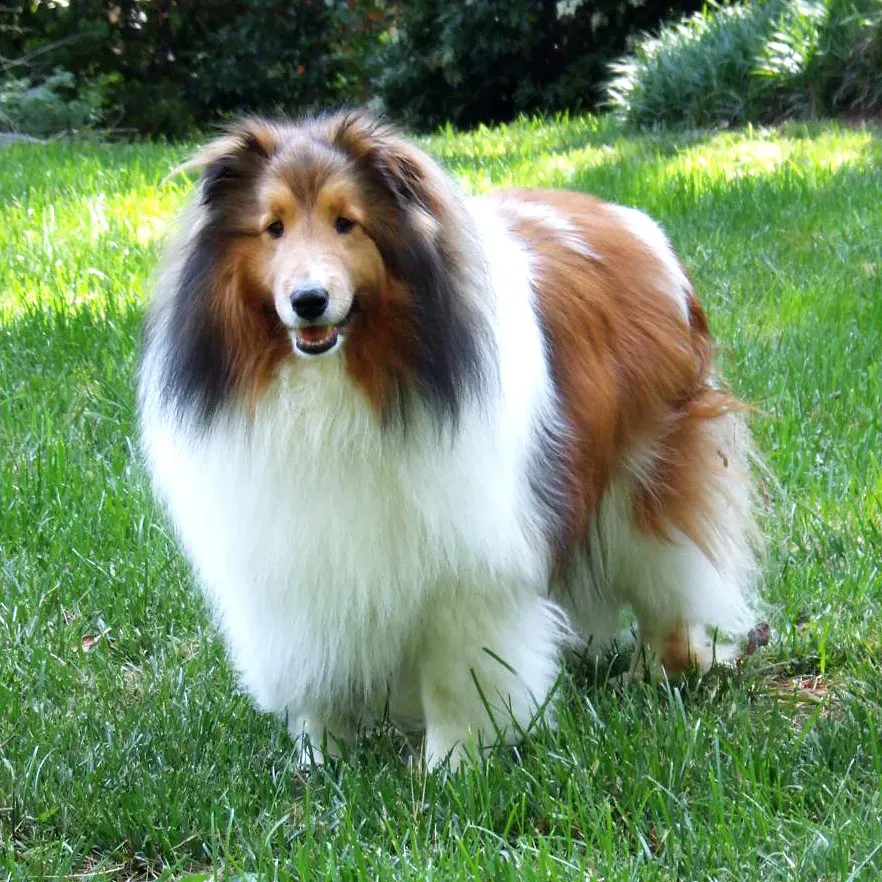
Shetland Sheepdogs, or Shelties, are deeply loyal and highly attuned to their people. They often seem to notice shifts in mood or routine and respond with increased attention, whether that means nudging a hand, following more closely, or settling nearby with focused eyes. For aging adults who appreciate a dog that “pays attention,” a Sheltie can feel like a true partner rather than just a pet.
They’re usually gentle, medium-sized, and enjoy both mental and light physical exercise. Puzzle toys, simple tricks, and relaxed walks suit them well, and they can be surprisingly patient with quiet days. Their beautiful coats do shed and need brushing, which can be either a pleasant ritual or a bit of a task, depending on the person. Still, when a Sheltie chooses a spot by an older person’s side and stays there as if on silent watch, it creates an almost protective bubble of calm.
Maltese: The Delicate Yet Devoted Companion
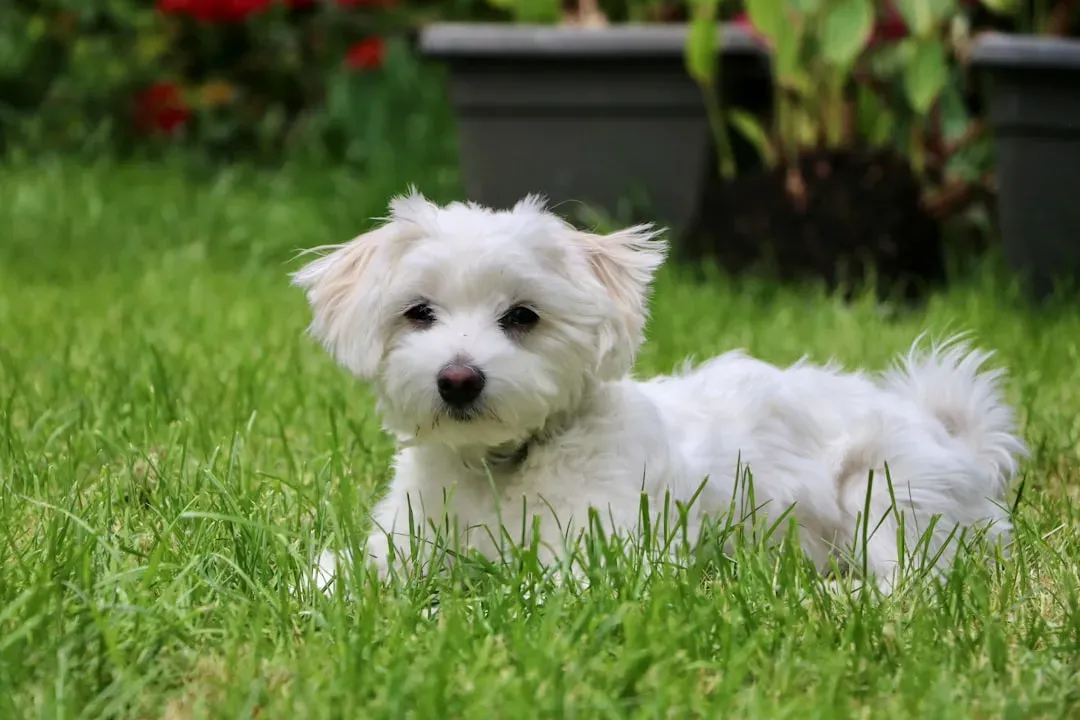
The Maltese is a tiny breed with a surprisingly big capacity for attachment. They’re often happiest when they are close – really close – to their humans, whether that’s on a lap, next to a pillow, or tucked into the crook of an arm. For aging adults who crave constant companionship but cannot manage a larger dog, a Maltese can feel like a living, breathing comfort object that also happens to adore them back.
Their small size makes them ideal for apartment living and for owners who may have limited strength or stamina. They do require regular coat care, but many families choose shorter, easier-to-maintain clips. In quieter households, a Maltese often adapts beautifully, matching its person’s pace and rhythm. When one of these little dogs looks up from a lap with soft eyes, it has a way of reminding you that even in later life, you are still someone’s entire world.
Choosing the Right Therapy Dog for an Older Adult: My Take
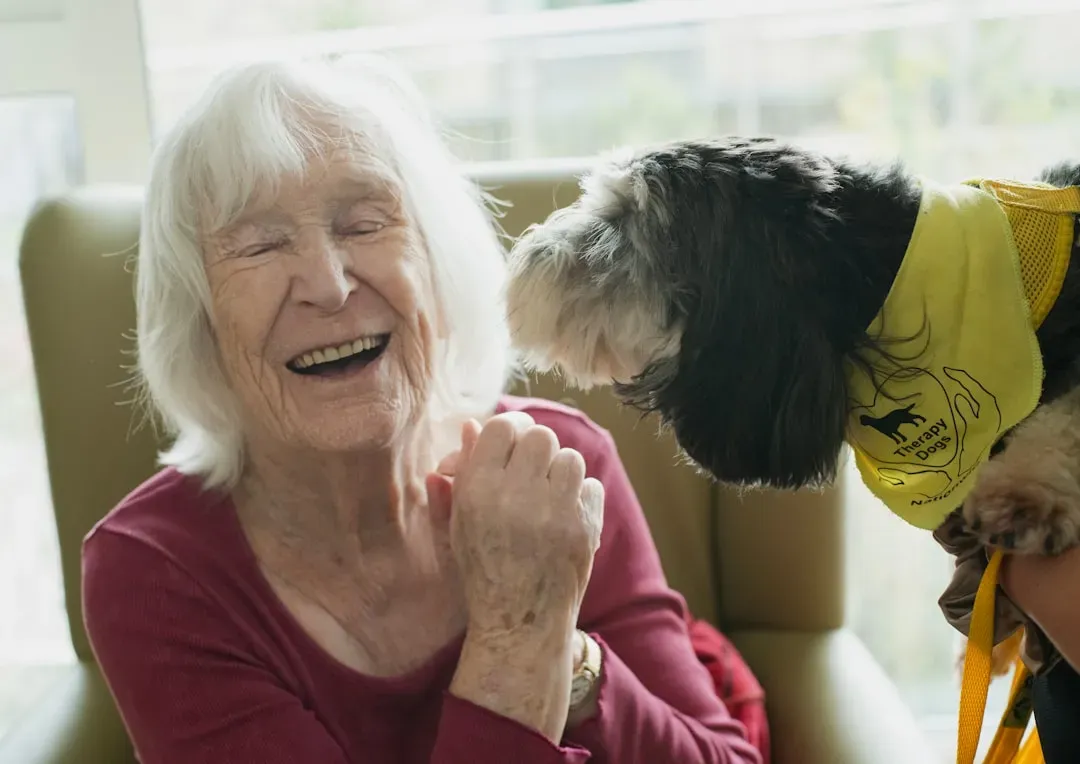
When people ask me which breed is “best” for aging adults, I always end up giving the most unsatisfying answer: it depends. Energy level, grooming needs, size, health, and the older person’s lifestyle all matter more than any list on the internet. A quiet, homebody senior might thrive with a calm Cavalier or Maltese, while a more active, social elder could light up around a Labrador or Corgi. The real magic happens when the dog’s temperament matches the human’s actual life, not the life we wish they had.
Personally, I think the most overlooked factor is support: who will help with vet visits, grooming, and walking if a bad health day or surgery comes up? A dog can absolutely transform an older adult’s emotional world, but it’s unfair to expect them to shoulder all the responsibility alone. The breeds in this list are wonderful starting points, not rigid rules. In the end, the “best” therapy dog is the one that shows up every single day with patient eyes, a willing heart, and a quiet insistence that there is still joy to be found in simply being together. If you picture an older person you love, which dog from this list can you most easily imagine at their side?