
8 Things That Happen When You Treat Your Dog Like Family
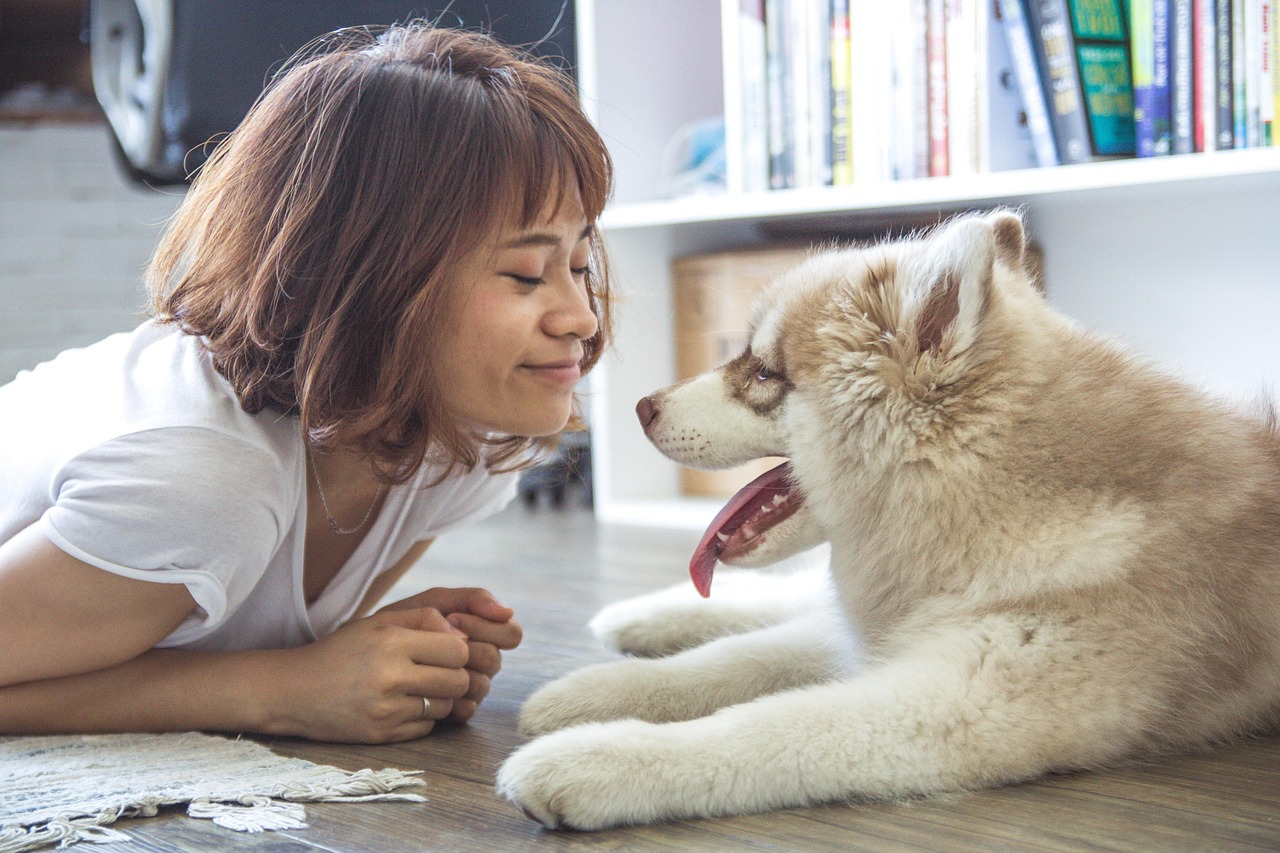
There’s a quiet moment every dog person knows: the way your dog looks at you when you walk in the door, like you’re the best thing that’s happened to them all day. When you stop seeing your dog as “just a pet” and start treating them like real family, that look changes, and honestly, so do you. Your routines, your priorities, even your mental health can shift in surprising ways.
This isn’t about spoiling dogs with fancy outfits or over-the-top birthday parties (though, no judgment if you do). It’s about what happens when you give them the same emotional space, respect, and care you’d give any loved one. Some of the changes are heartwarming, some are challenging, and a few might even catch you off guard. Let’s dig into what really happens when your dog becomes more than a pet and truly becomes family.
Your Bond Deepens Into Real Emotional Attachment
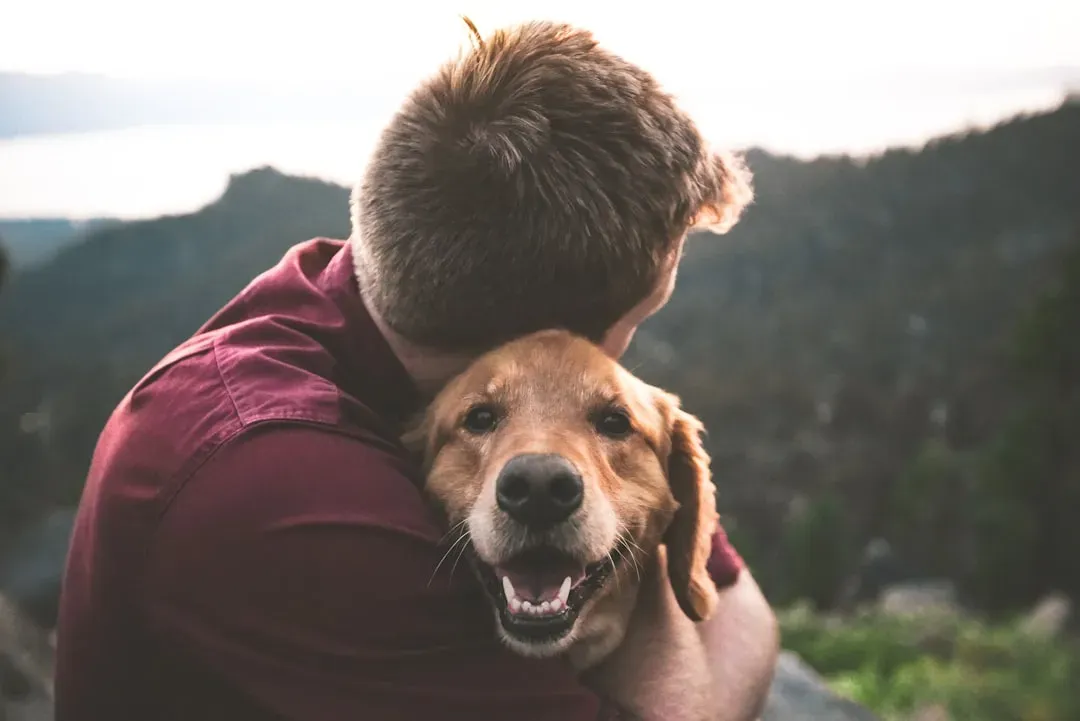
, the relationship stops being transactional. You’re no longer the person who just fills the bowl and opens the back door; you become their safe place, their constant in a confusing human world. Over time, your dog learns your voice, your footsteps, your moods, and starts to read you in ways that can feel almost eerie.
This deeper bond goes both ways. You find yourself unconsciously checking in on them the way you would a child or partner: Are they comfortable, are they scared, are they happy right now? It’s not just “I own a dog”; it becomes “we’re in this together.” That quiet emotional attachment can be one of the most grounding relationships in your life, especially on the days when human connections feel complicated or fragile.
Your Dog’s Behavior Improves Because They Feel Secure
A dog that’s treated like family usually has something many overlooked dogs don’t: emotional security. When they know they’ll be fed, walked, reassured, and not punished out of anger or unpredictability, they’re far less likely to act out. A lot of “bad behavior” in dogs is really anxiety, boredom, or confusion wearing a different mask.
Routines, gentle boundaries, and consistent affection help your dog relax into their life with you. Think of it like a kid who finally realizes they don’t have to be on edge all the time; their nervous energy starts to melt into calm confidence. That often means fewer destructive chewed-up shoes, less frantic barking, and more of that easy, happy dog energy people are always chasing with quick-fix training tools.
Your Own Stress Levels Quietly Start To Drop

Spending real, connected time with your dog can feel like unplugging from the chaos of the world for a moment. When you sit on the couch with them tucked against your side, or walk in the park without doomscrolling, your nervous system gets a break. People who live closely with dogs often report feeling less alone, less anxious, and more grounded, especially during tough seasons of life.
There’s also something weirdly healing about caring for another living being that depends on you but doesn’t judge you. Your dog doesn’t care what you look like today, how productive you were, or whether you hit your goals. They just want your presence. That simple, nonverbal relationship can act like a pressure valve for stress, even when nothing else in your life has changed.
Your Daily Routine Reshapes Around Their Needs
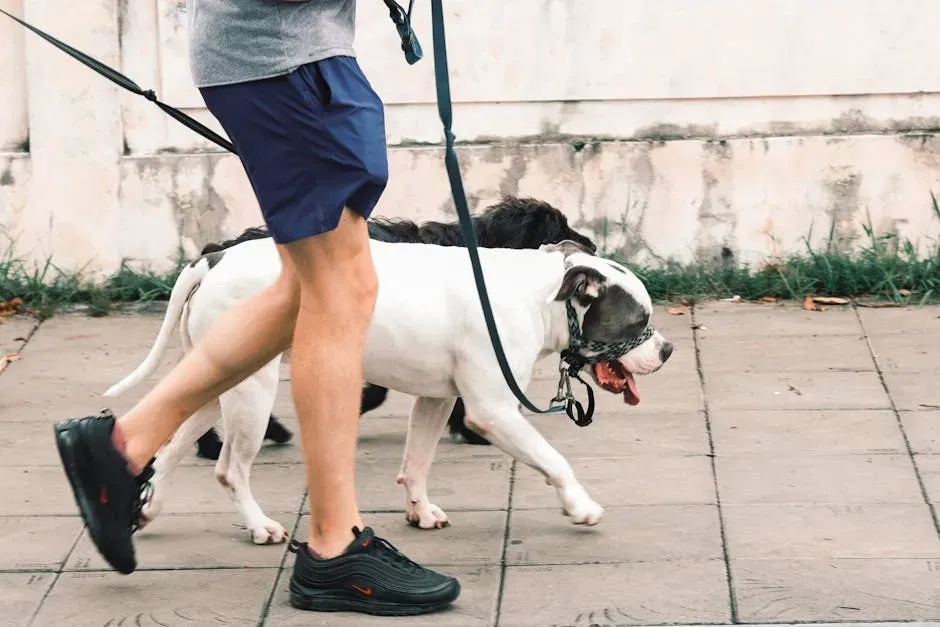
The moment you start to see your dog as family, you start planning like they matter. You think about walk times, feeding schedules, vet checkups, and even who will watch them if you’re away. Suddenly, impulsive plans might become “Can I be back in time for their dinner?” or “Is this place dog-friendly?” It can feel like your entire day stretches and bends to make room for them.
This can sound like a burden on paper, but in practice it often adds healthy structure to your life. You move more because you walk them, you get outside even when you don’t feel like it, and you build little pockets of routine into mornings and evenings. For a lot of people, those small anchors become a lifeline, especially when the rest of life feels chaotic or unsteady.
Your Priorities Shift When Money and Time Are On The Line
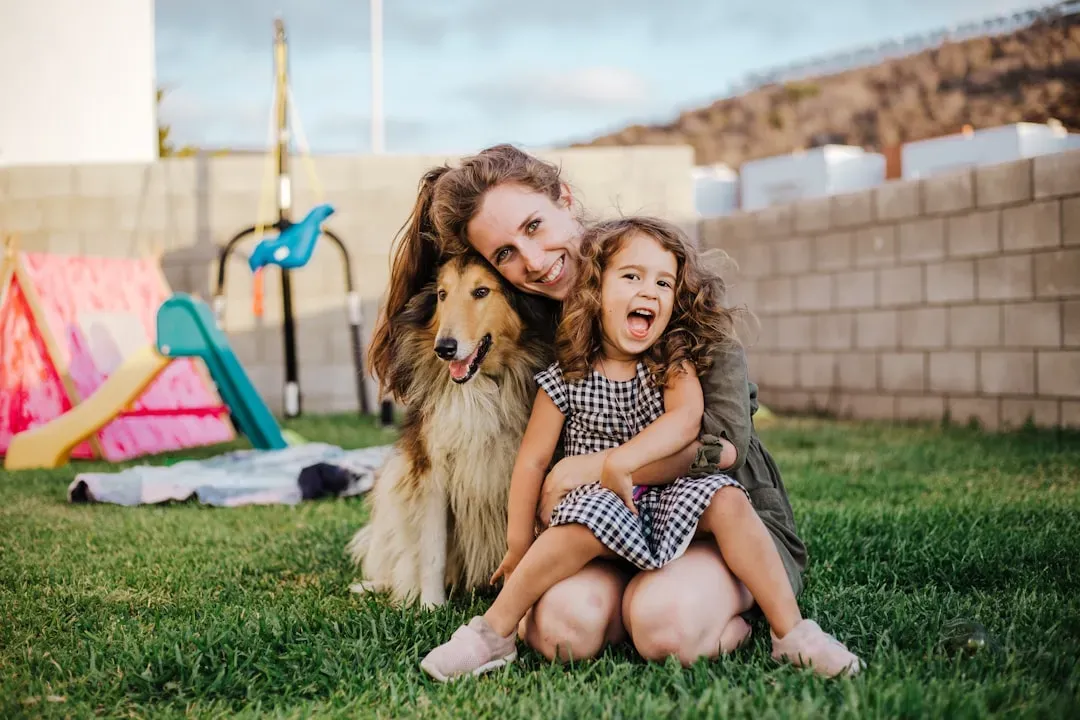
Treating your dog like family shows up in the choices you make when it costs you something. You don’t just pick the cheapest food; you start reading labels and thinking about what actually supports their health long-term. Vet visits become nonnegotiable instead of “if something seems really wrong.” You might even set aside an emergency fund for them, just like you would for any other family member.
Time works the same way. You notice when you’ve been too busy and your dog has just been existing in the background of your life. Guilt can hit a little harder because you see them as a real emotional being, not an accessory. That shift can be uncomfortable, but it often forces a useful question: If I claim this dog is my family, am I living like that’s true?
Your Social Life Changes – Sometimes In Surprising Ways
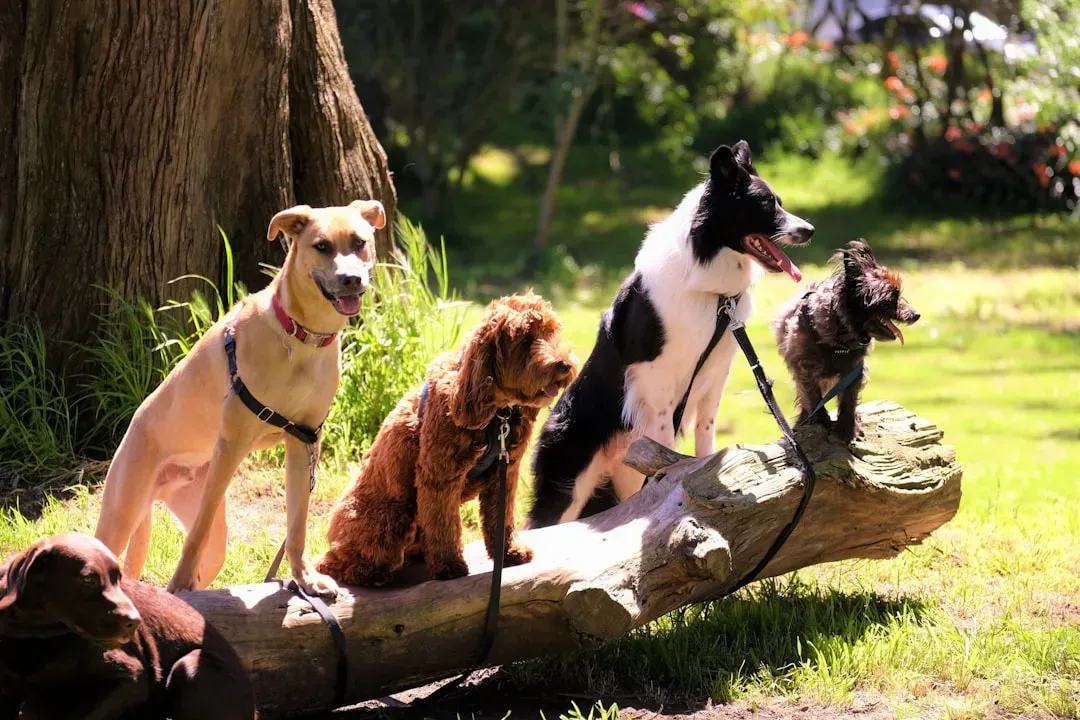
When your dog is family, they stop being an afterthought in your social world. You start looking for dog-friendly cafes, parks, and hangouts, and you may naturally gravitate toward people who also love and respect animals. Some friendships deepen because your dog becomes a shared point of connection, while others quietly fade if people dismiss or mock how much your dog matters to you.
On the flip side, your dog can open doors socially. Walks turn into casual conversations with neighbors you never would have met otherwise. Dog parks, training classes, or daycare drop-offs can turn into new friendships. It’s not unusual for a dog to become the reason you build a small, unexpected community of people who “get it” without you having to explain why you care so much.
You Start Thinking About Their Future Almost Like A Child’s
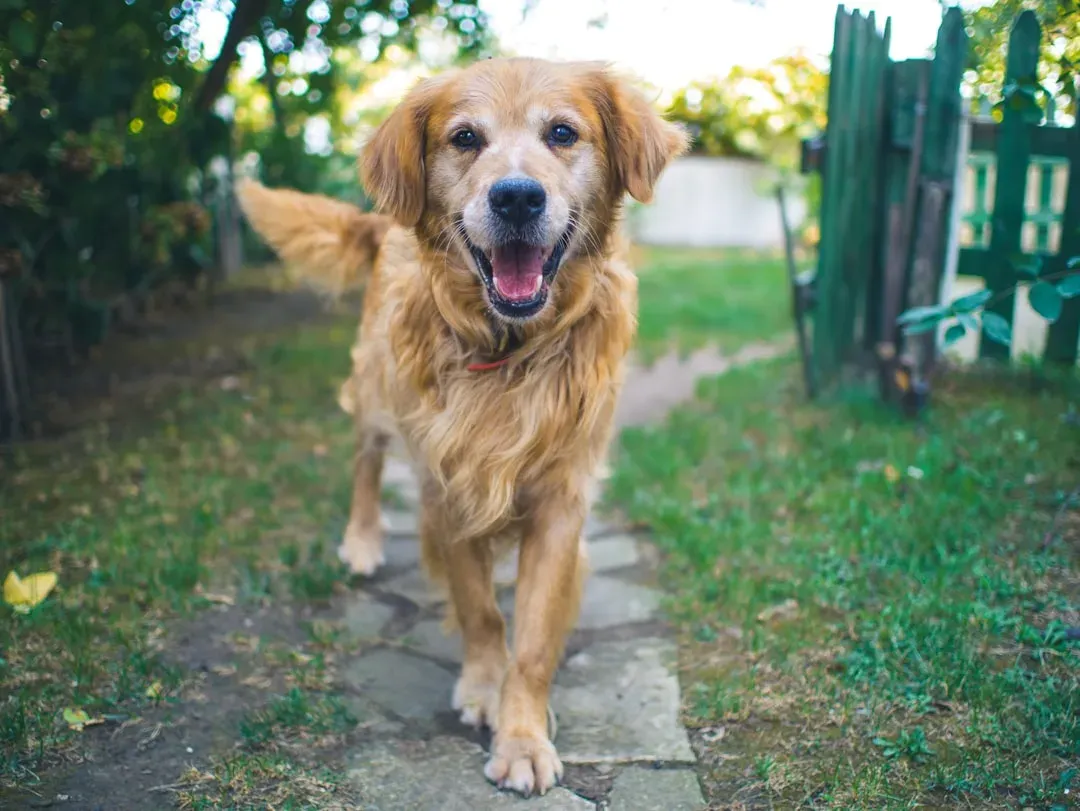
At some point, treating your dog like family means thinking ahead in ways that might feel intense to someone on the outside. You consider what will happen if you move, change jobs, or start a family. You might think about pet insurance, long-term health, and even who would care for them if something happened to you. It’s the same protective, slightly anxious planning people do for those they love most.
This long-view mindset also changes how you handle aging. When your dog slows down, struggles with stairs, or needs medication, you’re not just annoyed by the inconvenience. You’re aware you’re walking them through their equivalent of old age, and that awareness can make you gentler, more patient, and more present. It’s a small, quiet training ground for compassion that doesn’t end when life gets less cute and more complicated.
You Realize How Short Their Life Is – And It Changes How You Love
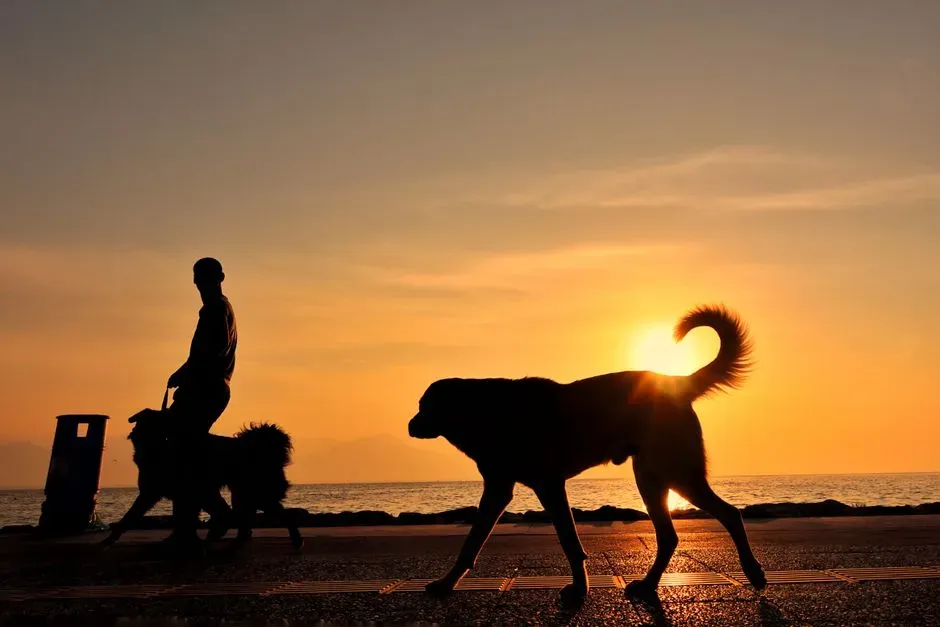
One of the hardest parts of treating your dog like family is knowing, deep down, that you’re almost guaranteed to outlive them. When that reality sinks in, the years you do have together feel more like a countdown than an endless stretch of “someday.” You start to care less about the fur on the couch or the muddy paw prints, and more about how many sunsets you get to share on the porch.
That awareness can make your love sharper and more intentional. You take the extra walk, you pause to play tug even when you’re tired, you put your phone down and look into those ridiculously trusting eyes. It sounds dramatic, but living closely with a dog who feels like family can quietly teach you how to show up for the humans in your life, too: with more patience, more presence, and less assumption that you’ll always have more time.
Conclusion: Loving A Dog Like Family Will Change You Too
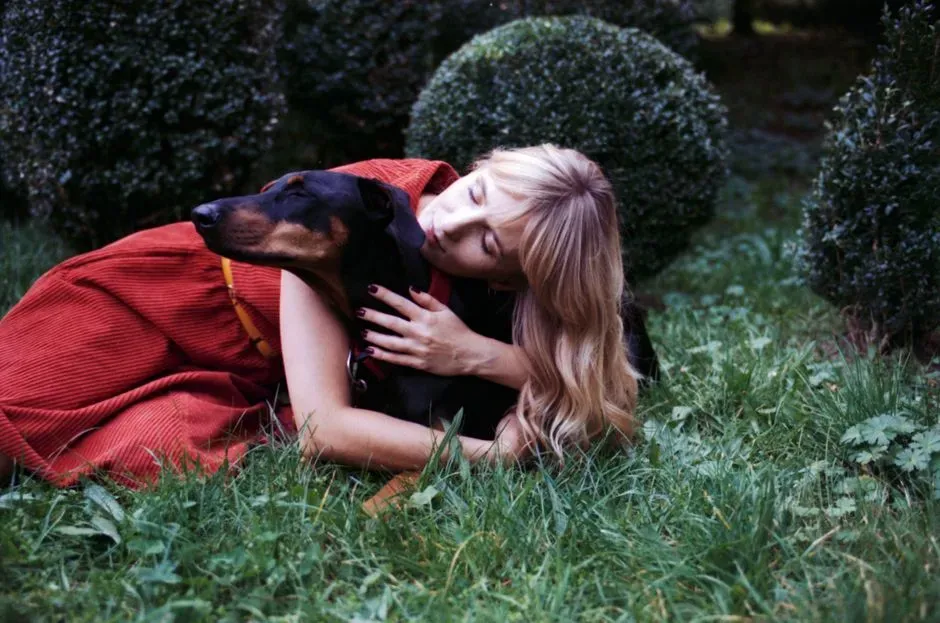
Treating your dog like family is not just about upgrading their life; it is absolutely about reshaping yours. You become someone who plans around another being’s needs, who softens in the face of unconditional trust, and who learns to communicate without words. It is messy and inconvenient sometimes, sure, but it is also one of the most honest, uncomplicated forms of love most of us will ever experience.
My opinion? If you are going to bring a dog into your life, loving them like family is the only way that really makes sense. Anything less feels like shortchanging both of you. Their life with you is heartbreakingly short; your life with them can be quietly, beautifully transformed. So the real question isn’t whether your dog is family – it is whether you are ready to live like that is true every single day.