
8 Signs Your Dog Trusts Another Dog More Than Their Play Style Suggests
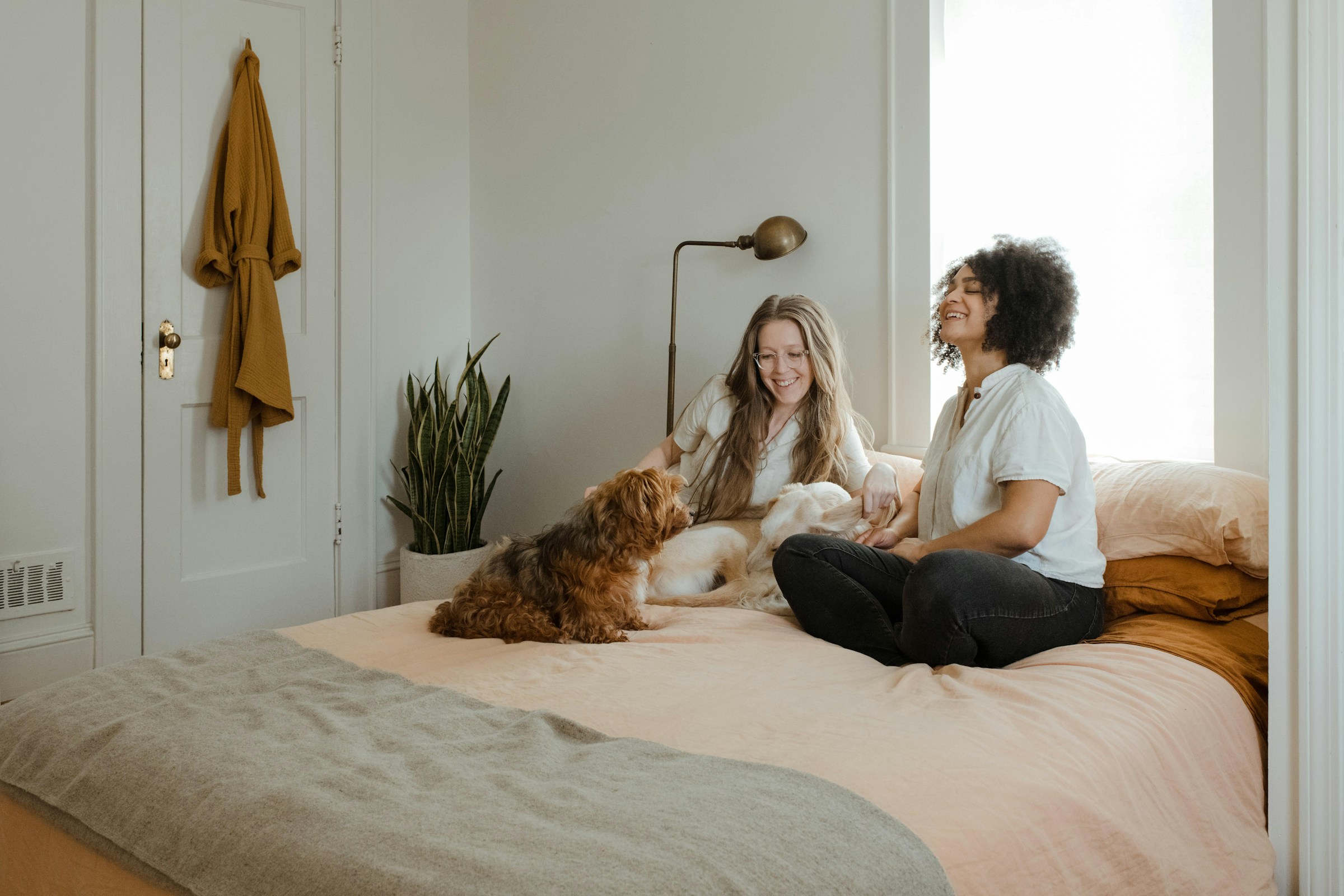
You know that moment at the dog park when two dogs look like they’re one tail wag away from chaos, but somehow everything just… works? Play can look wild, noisy, even a little alarming, and it’s easy to assume that a rough-and-tumble style means your dog is not really comfortable. But underneath all the wrestling, chasing, and dramatic barking, there are subtle signs that reveal something much deeper: real trust.
Most people focus on the big, obvious stuff like zoomies and play bows. Yet the most telling signals are small, quiet behaviors that say, in dog language, “I feel safe with you.” Once you start spotting these, you realize your dog might trust that “crazy” playmate way more than their rowdy style suggests. Some of these signs shocked me when I first learned to notice them, and honestly, they changed how I read every dog interaction I see now.
1. They Keep Choosing That Dog, Even When Other Options Are Around
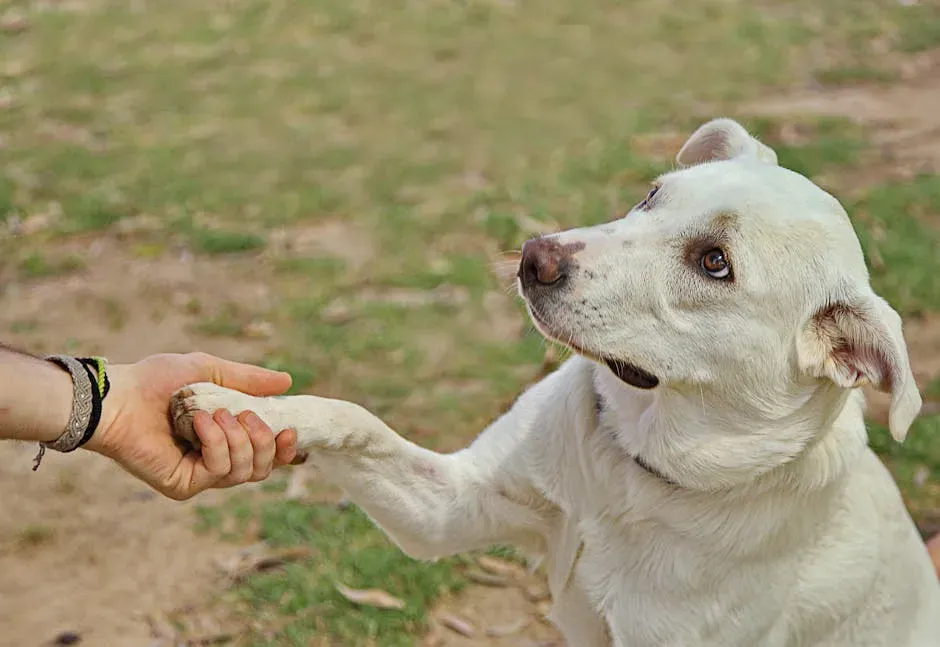
One of the strongest clues your dog genuinely trusts another dog is simple: they keep going back to them. At a busy park or daycare, your dog has countless choices – different sizes, personalities, and energies. If they scan the crowd and consistently drift back to the same dog, that’s not random; that’s preference, and preference is usually built on comfort and safety.
You might even notice your dog briefly checking out other dogs, sniffing a few tails, and then trotting right back to “their” buddy like someone returning to the friend they feel most at ease with at a party. Even if their play looks like chaotic wrestling or endless chase, that repeated choice quietly says, “Out of everyone here, I feel best with you.” I’ve seen dogs ignore calmer partners in favor of the same bouncy, barky pal, because underneath the madness, the trust is there.
2. They Take Breaks Together Instead of Just Walking Away
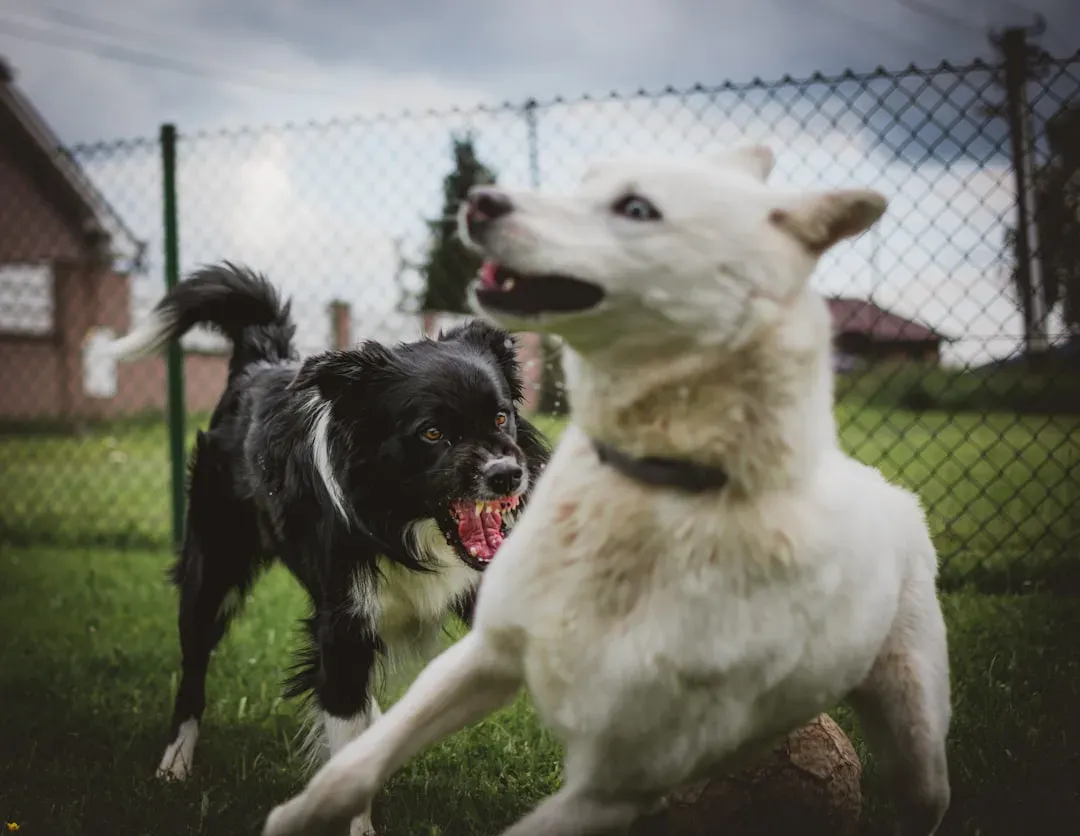
Play breaks are one of the most underrated signs of healthy, trusting dog relationships. When two dogs pause at the same time, sniff the ground, wander side by side, or lay down near each other, they’re regulating their own excitement together. It’s like two kids deciding to grab water and sit on the curb before going back to the soccer game. That shared pause is a big emotional green flag.
Even if the play moments look intense – body slams, wrestling, crazy zoomies – what matters is what happens right after. If your dog doesn’t bolt away or hide but instead slows down near the other dog, maybe shoulder to shoulder or flopped down a few feet away, it points to genuine ease. Trust isn’t just about how they play; it’s about how they rest together when the volume turns down.
3. Your Dog Offers Vulnerable Positions and Doesn’t Seem Worried
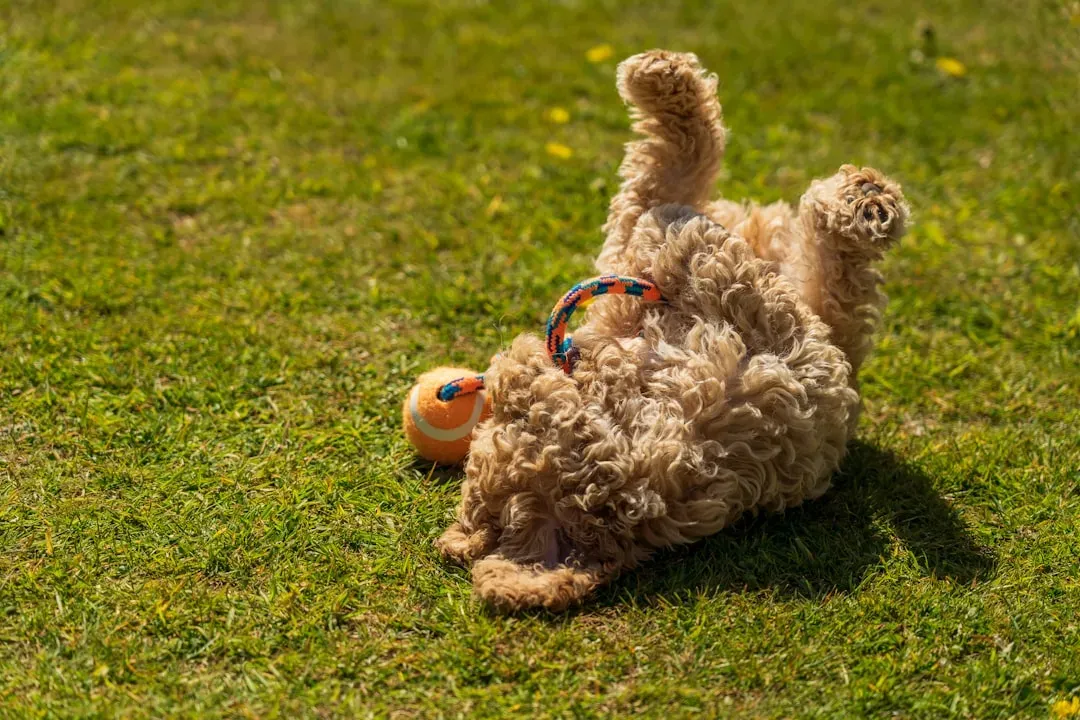
Rolling onto the back, exposing the belly, or stretching out with their side exposed can be a big deal in dog language. These positions are physically vulnerable, and while they don’t always mean “submission” in a strict sense, they do mean the dog isn’t on high alert. When your dog chooses to do this repeatedly around a particular dog during play, they’re basically saying, “I’m relaxed enough to not guard myself around you.”
What’s even more telling is how your dog looks and moves while they’re in that position. Do you see a loose, wiggly body, soft eyes, maybe a gently wagging tail? Do they pop up and dive straight back into play with a happy bounce? That smooth, unbothered transition – from vulnerable to playful and back again – only really shows up when your dog feels safely understood by their playmate, even if the wrestling looks over the top to human eyes.
4. They Use Self-Handicapping to Match the Other Dog’s Level
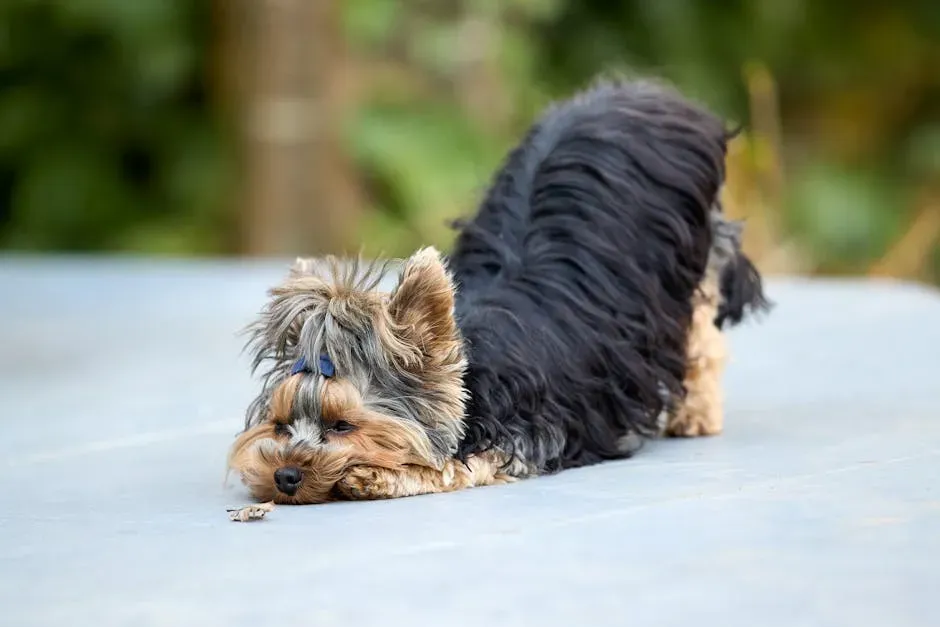
Self-handicapping is a fancy term for when a dog voluntarily tones down their strength or size advantage to keep play fair. You’ll see bigger dogs crouch lower, flop onto the ground, or let a smaller dog “win” the wrestling match. It might look like clumsy, silly chaos, but it’s actually incredibly considerate. A dog that self-handicaps is saying, “I want you to feel safe with me, so I’ll meet you where you are.”
When both dogs do this back and forth – taking turns chasing, wrestling, or being the “top” dog – it’s a huge sign of mutual trust. They’re not just blowing off steam; they’re negotiating together in real time. If your dog is normally intense but consistently softens their moves for a specific dog, that’s a trust signal that goes way deeper than their dramatic play style lets on.
5. Their “Rough” Behavior Comes with Soft, Balanced Body Language
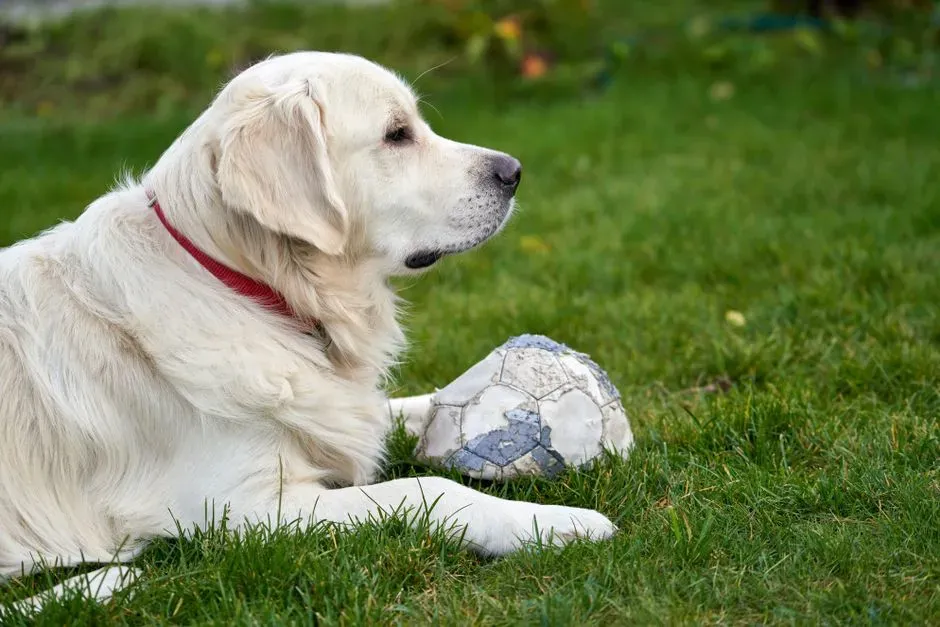
To us, loud barking, pouncing, and full-speed chasing can look like trouble, but dogs live in the details. A trusted relationship often shows up as rough actions wrapped in soft body language. Watch for loose, curved bodies instead of rigid lines, bouncy movements instead of straight, stiff charging, and relaxed, open mouths rather than tight, tense jaws. It’s like watching a heated debate between good friends versus a tense argument between strangers – the words might sound similar, but the vibe is completely different.
Another big indicator is the quick back-and-forth nature of the interaction. Does your dog slam into the other dog and then immediately bounce away to give space? Do you see quick play bows, shake-offs, or little pauses that reset the mood? Those tiny “check-ins” are your dog’s way of making sure the other dog is still having fun. That kind of emotional checking only really happens in relationships where trust has already been built.
6. They Comfortably Share Space, Resources, or “Home Base” Spots
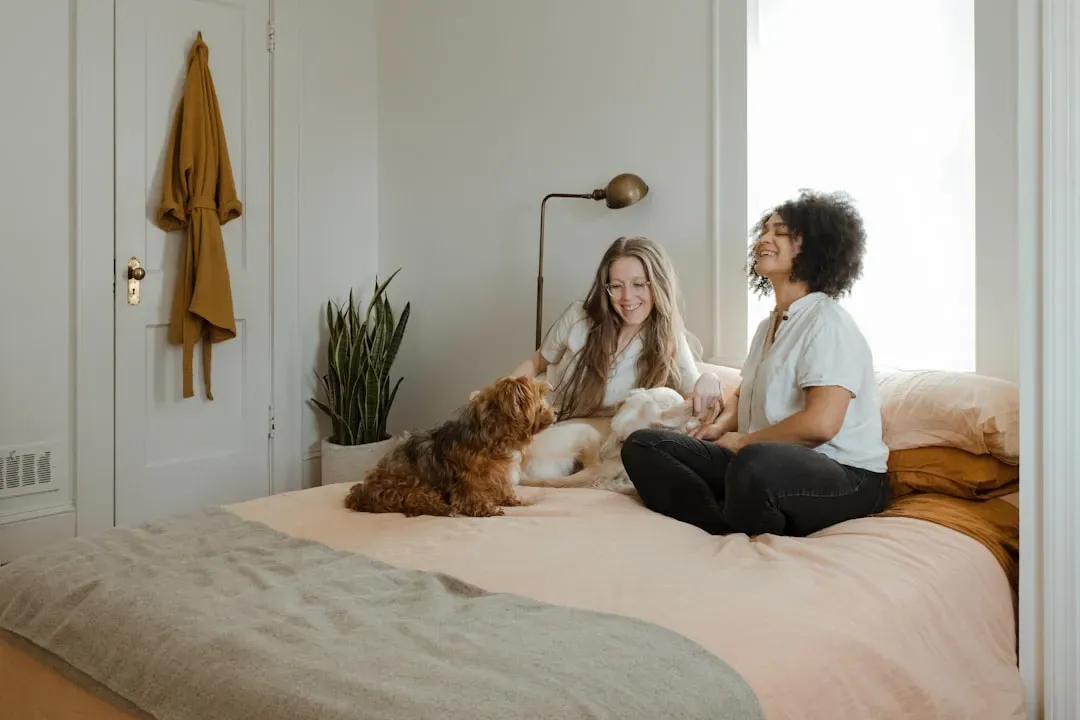
Play is one thing; sharing is another. When your dog is happy to curl up on the same bed, lie close on the couch, drink from the same water bowl without guarding, or hang out together in a tight space like a hallway or car, it shows a deeper level of comfort. Most dogs are at their most honest when it comes to space and resources, so if they’re relaxed instead of defensive, that says a lot.
I’ve seen dogs who wrestle like wrestlers in training but then settle down nose to tail on the same mat as if it’s the most natural thing in the world. That contrast can be confusing if you only judge by the wildness of their play. But the calm parts – the soft sighs, the shared resting place, the lack of tension around beds, toys, or food zones – are the quiet proof that trust is stronger than the noise of their game.
7. They Read and Respect Each Other’s “Nope, I’m Done” Signals
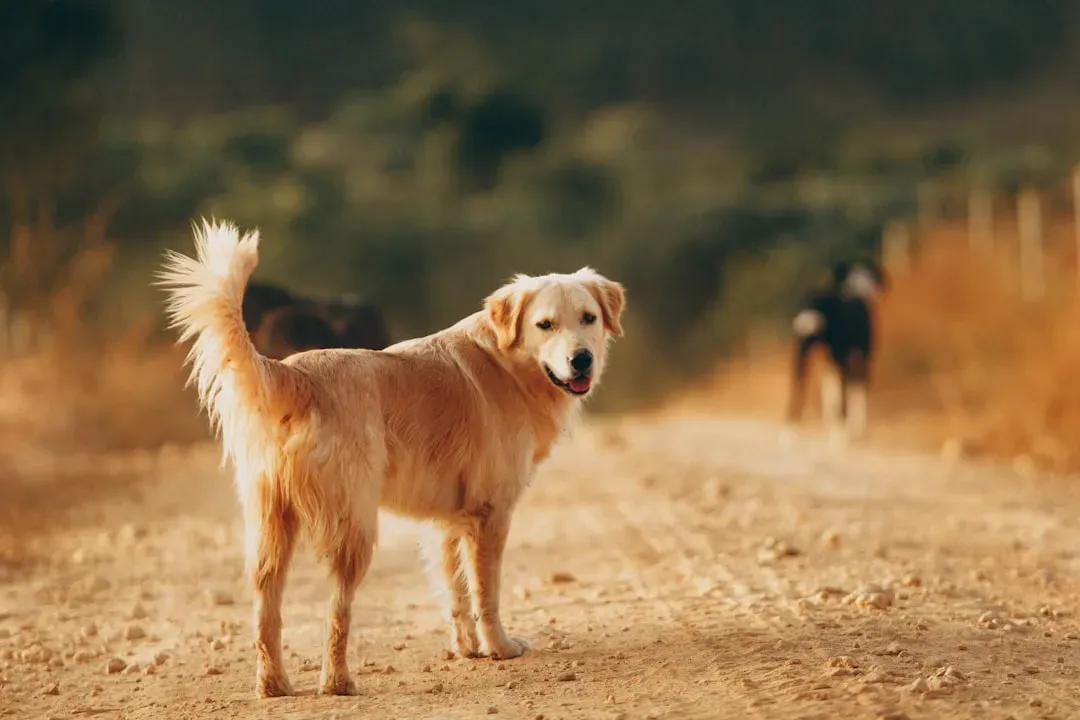
Trust is tested, not during the fun parts, but during the boundary moments. Watch what happens when one dog says, “I need a break” – maybe they freeze briefly, turn their head away, lick their lips, or move to a human or a gate. If your dog backs off, slows down, or changes the game instead of doubling down, they’re showing respect. And respect is one of the clearest signs of genuine trust between dogs.
On the flip side, notice how your dog responds when the other dog sets limits with a growl, a bark, or a quick snap. A trusted partner will often pause, look slightly sheepish, maybe shake off, and then re-engage more gently or shift to another activity. If your dog can “take the note” without holding a grudge, it means they’re secure in that relationship. They know that a small conflict doesn’t threaten the bond, which is exactly what trusting friendships – human or canine – look like.
8. They Mirror Each Other’s Energy and Recover Quickly from Spats
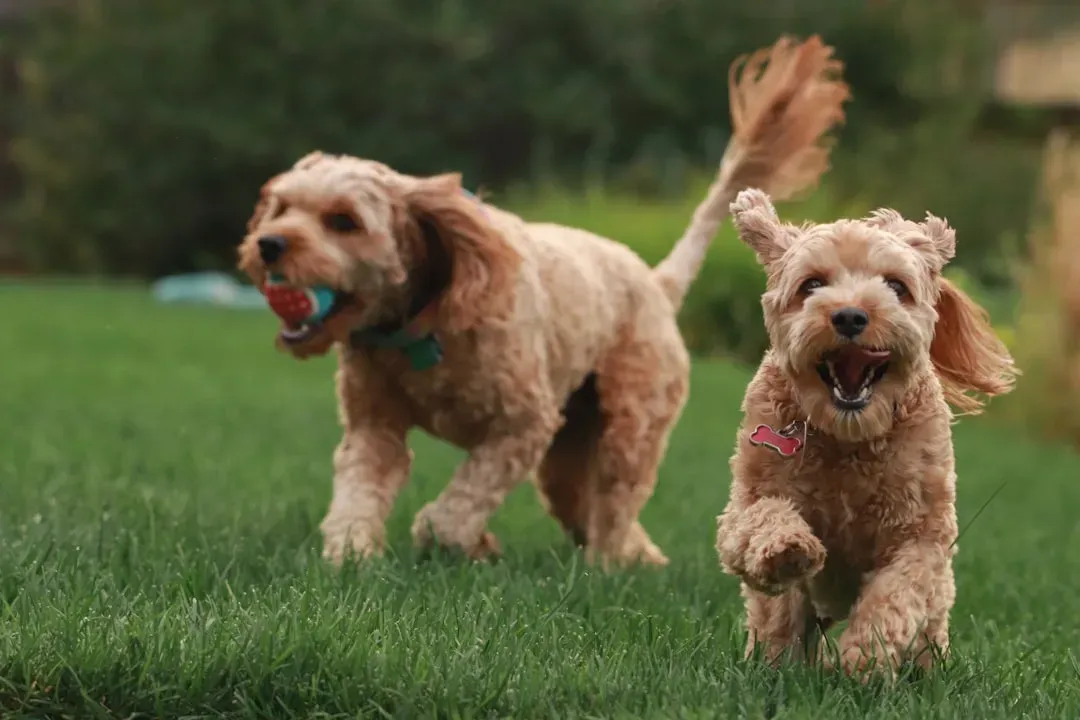
When dogs really click, they start to mirror each other – matching speed, play style, even the way they move through space. Your usually hyper dog might dial it down around a calmer friend, or your shy dog might perk up and run when their trusted buddy initiates a chase. That kind of emotional syncing is a powerful sign that your dog not only enjoys the other dog but feels safe enough to adjust and align with them.
Minor spats are normal, even between dogs that adore each other. What really matters is the recovery. If they have a quick disagreement – maybe a snark over a toy or a bump that felt too hard – and then, within moments, they’re back to wagging, sniffing, or playful chasing, you’re looking at a relationship with real resilience. That bounce-back ability screams trust: they know one bad moment doesn’t mean the other dog is unsafe or unpredictable.
Conclusion: Trust Runs Deeper Than the Chaos You See
It’s easy to misjudge dogs based only on how wild or noisy their play looks from the outside. I’ve absolutely been that person who tensed up at a wrestling match, only to realize later that those two dogs were incredibly well-matched and genuinely fond of each other. Once you start watching for choice, vulnerability, shared breaks, and respectful boundaries, you see that trust is built in the quiet details, not just in the obvious “cute” moments.
My opinion? We tend to worry more about energetic play than we need to, and not nearly enough about the subtle signals that show when a dog is actually uncomfortable. If your dog keeps choosing the same buddy, sharing space, honoring limits, and bouncing back from tiny disagreements, there’s a good chance that relationship is stronger than their wrestling style suggests. The real skill as a dog guardian is learning to see beyond the chaos and notice the calm, steady thread of trust running underneath it all – now that you know what to look for, what will you see next time you head to the park?