
8 Things Dogs Do When They Are Trying to Understand a New Situation
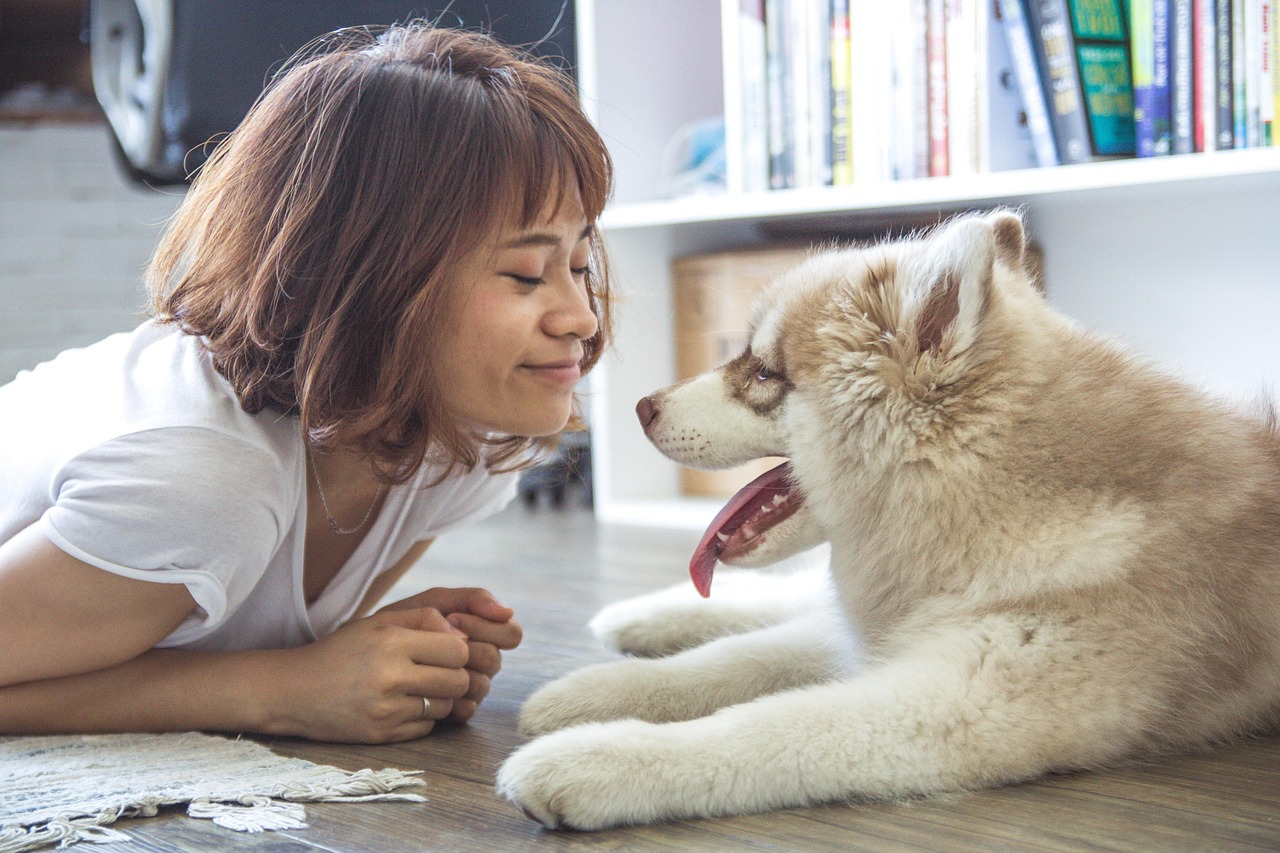
Have you ever watched your dog freeze in the doorway of a new place, eyes wide, ears perked, like they’ve just walked onto an alien planet? In those moments, they’re not being stubborn or dramatic – they’re running a full-on, canine-style investigation. Dogs are constantly scanning, sniffing, and silently taking notes, trying to answer one big question: Is this safe, and what am I supposed to do here?
Once you start noticing the subtle things your dog does in new situations, it feels like someone handed you a decoder ring to their mind. Suddenly that slow walk, that yawn, or that obsessive sniffing spree isn’t random – it’s communication. Let’s break down the small but powerful ways dogs try to make sense of unfamiliar people, places, and experiences.
1. The Intense Sniff-Scan: Reading the Room With Their Nose
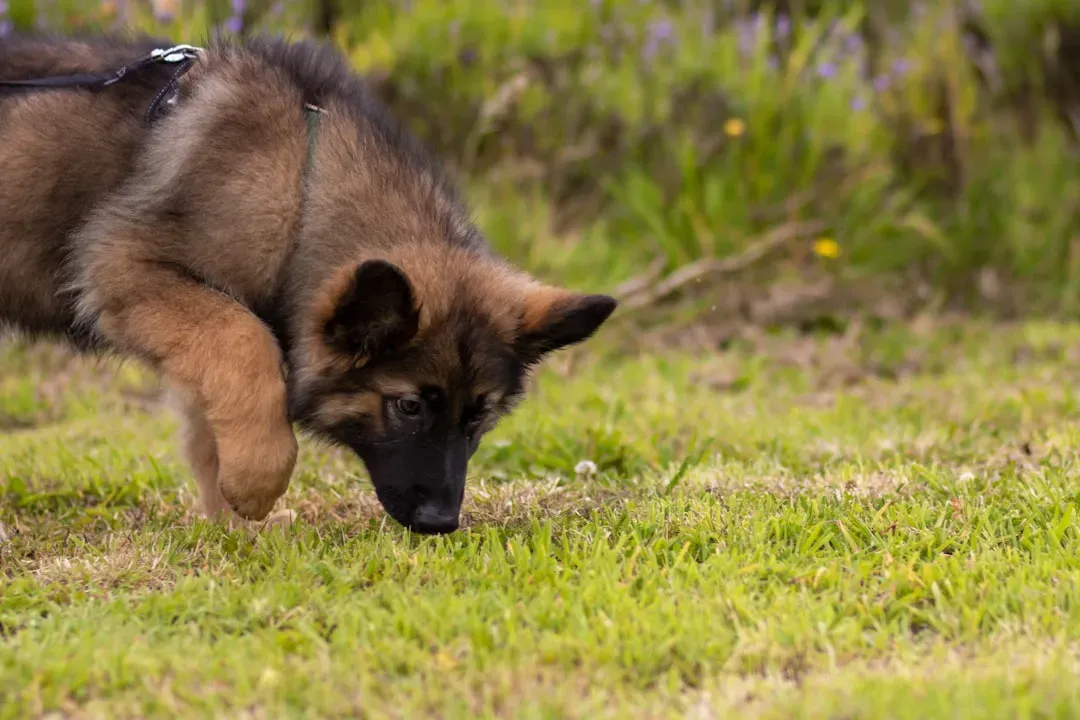
When a dog walks into a new space, their first reaction is often to lower their head and start sniffing everything like a tiny detective on a crime scene. They’re not being nosy; they’re gathering information about who has been there, what happened, and whether anything smells like danger. Smell is their primary sense, and it gives them a layered story in a way our human eyes simply can’t match.
You’ll notice this especially in places like the vet’s office, a friend’s house with other pets, or even when you bring home a new piece of furniture. The more confusing or different the environment, the more thorough the sniffing. If you let them take that sniff-tour instead of rushing them, you’re essentially giving them time to read the situation and calm themselves before they have to interact with it.
2. Freezing in Place: Hitting the Pause Button to Think

One of the most misunderstood dog behaviors is when they suddenly stop moving, stand stiff, and just stare. Many people assume the dog is being defiant or scared for no reason, but often, they’re simply processing. Freezing lets them pause all other actions and focus fully on figuring things out – like when you hit pause on a busy video to read a tiny caption.
You might see this at the edge of a shiny new floor, on a staircase they’ve never used, or the first time they hear a strange noise. That stillness is your dog taking a mental snapshot and deciding: Do I approach, avoid, or wait and see? If you give them a moment, use a calm voice, and avoid dragging them forward, you’re telling them that they’re allowed to think rather than just react.
3. Head Tilting and Staring: Trying to Decode Your Signals
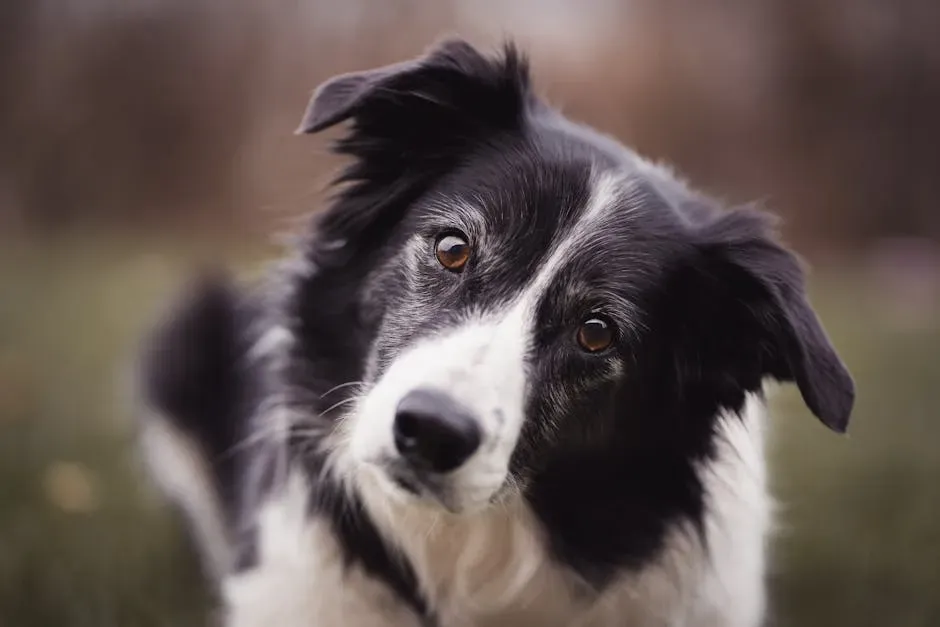
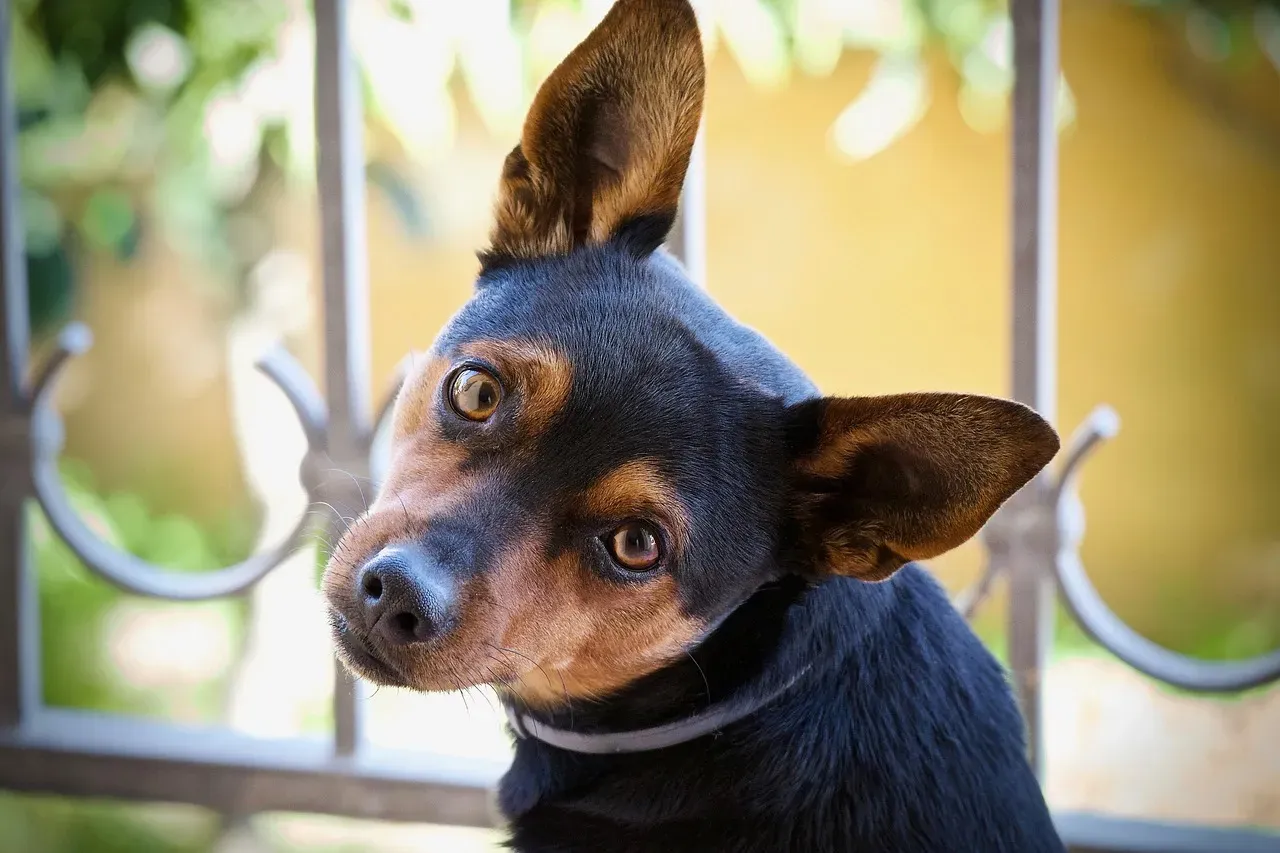
The classic head tilt is adorable, but it’s not just for show. When dogs tilt their heads and listen hard, especially in a new situation, they’re trying to make sense of unfamiliar sounds, tones, or words. That tilt can help them hear more clearly and may also change what they see, like adjusting the angle of a camera to get a better view.
You’ll often notice this when you introduce a new object, ask a new kind of cue, or use a different tone of voice. They might stare at you, then at the object, then back again, as if they’re thinking: OK, what exactly do you want here? If you stay consistent, use simple cues, and reward small attempts, you make it easier for them to connect your words and body language to what’s happening around them.
4. Pacing, Circling, or Slow Approaches: Testing the Waters
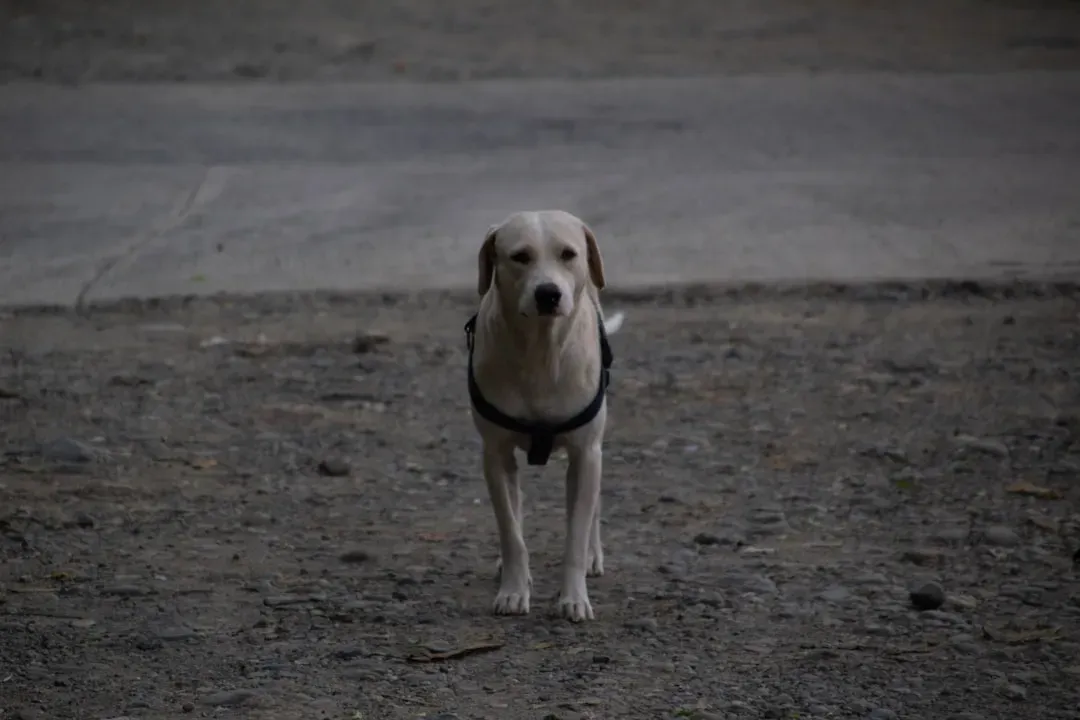
In a brand-new situation, many dogs won’t go straight in; instead, they move in arcs, circles, or slow zigzags toward whatever is unfamiliar. This is their way of getting closer without committing, giving themselves space to retreat if they need to. Think of it as them dipping one toe into the pool instead of cannonballing in.
You might see this when they approach a new dog, a strange object in the yard, or a person wearing a big hat or carrying a noisy bag. The key sign that they’re investigating rather than panicking is that they can still move freely, look away, and choose their pace. Giving them a loose leash, room to circle, and the option to retreat helps them learn that they’re safe and have control, which builds confidence over time.
5. Checking Back With You: Using You as a Safety Anchor
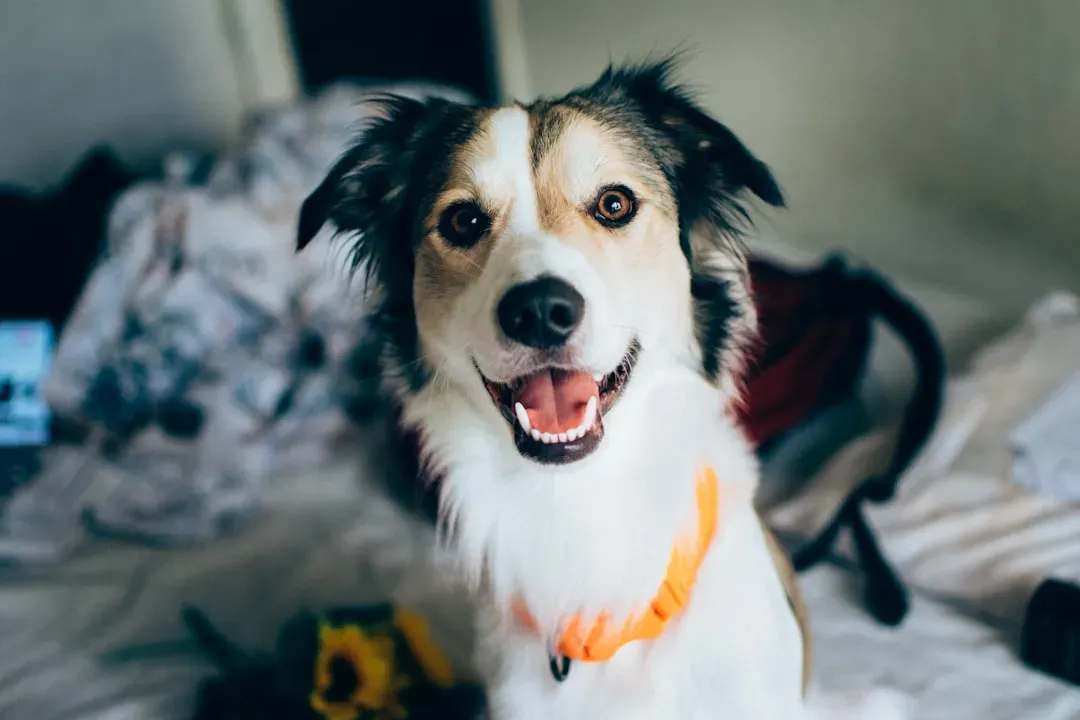
One of the sweetest things dogs do in confusing situations is glance back at their person for reassurance. That quick check-in – eyes flicking to your face, maybe a small step toward you – is your dog asking: Are we good? Is this OK? In their mind, you’re the one who understands the rules of this weird human world.
I’ve noticed this most clearly when walking in busy city streets with lots of noise and movement. A dog might look at a loud truck, then immediately look up at you, almost like they’re reading your reaction. If they see you relaxed, maybe even smiling or using a calm, upbeat tone, that message sinks in: My human isn’t worried, so I probably don’t need to be, either.
6. Displacement Behaviors: Sniffing, Scratching, or Yawning Out of Nowhere
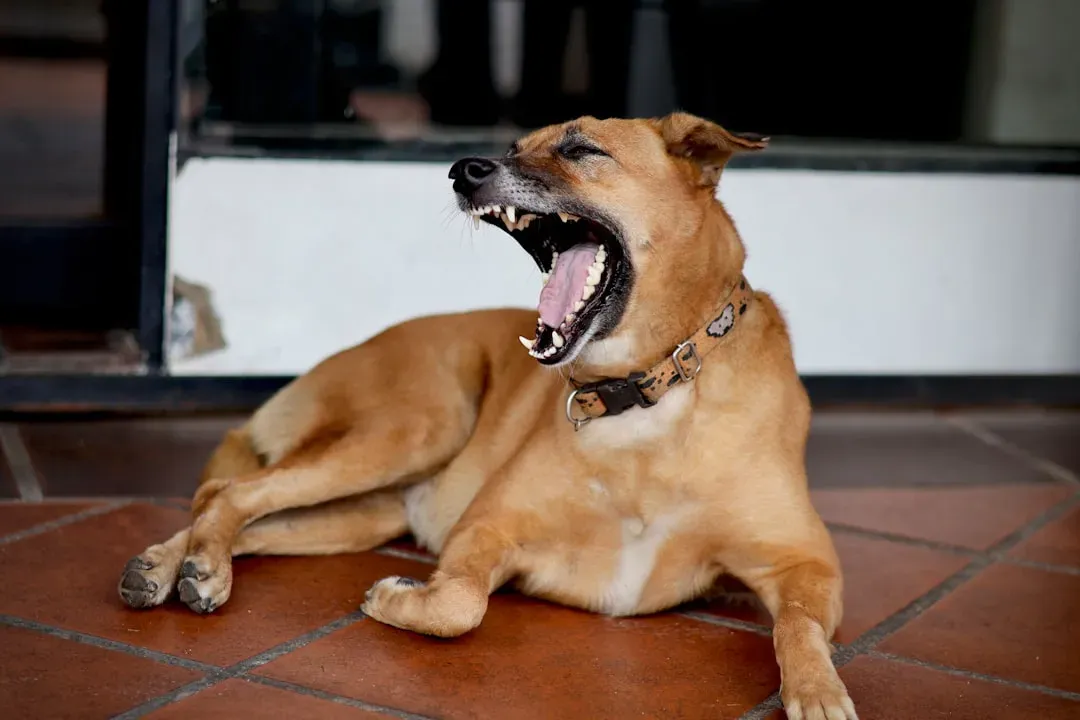
Sometimes, when a dog is unsure what to do, they suddenly start doing something that looks random or out of place – sniffing the ground when there’s nothing interesting there, scratching even though they’re not itchy, or yawning when they’re not tired. These are often called displacement behaviors, and they’re basically stress relief and thinking time rolled into one.
You’ll see this during awkward greetings, when a dog is asked to do something confusing, or when the environment feels intense. Instead of reacting explosively, they shift into a harmless behavior to buy themselves a moment. If you notice this, it’s usually a gentle signal that the situation is a bit much and that slowing things down, adding distance, or simplifying the task could really help them cope.
7. Barking, Growling, or Backing Away: Gathering Data While Staying Safe
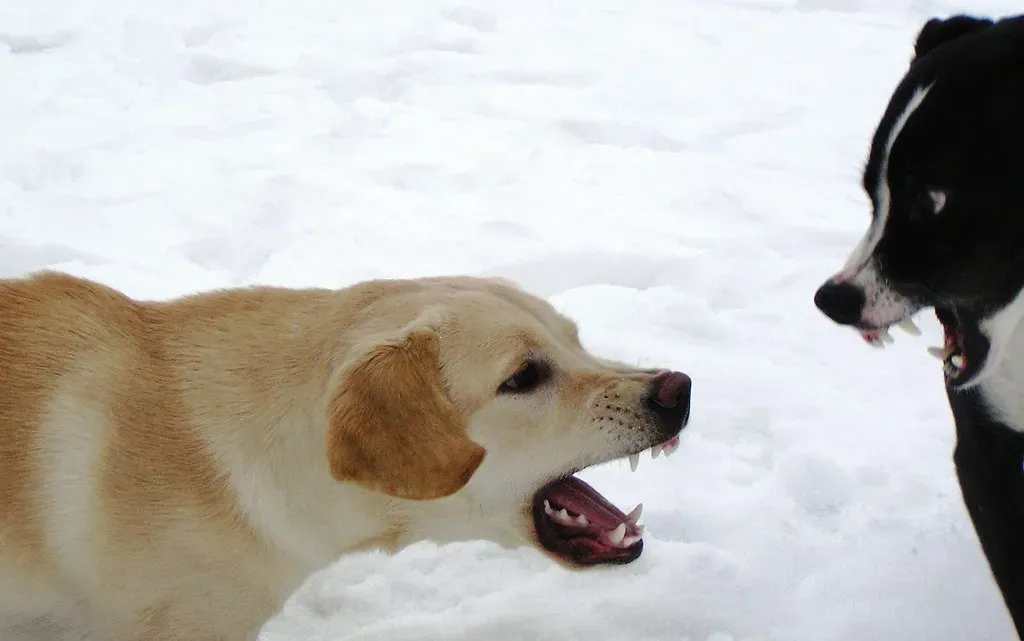
Not all understanding looks calm or cute. Sometimes, when dogs are faced with something new and potentially scary, they bark, growl softly, or take a few steps back. This doesn’t automatically mean the dog is “bad” or “aggressive”; it often means they’re unsure and trying to both keep themselves safe and learn more about the threat from a distance.
In these moments, your dog is saying loud and clear: I’m not sure about this, and I need space. Punishing that reaction can shut down their honest communication and make them more anxious the next time. A better approach is to respect the distance they’re asking for, remove or soften the trigger if you can, and work gradually to build positive experiences around similar situations.
8. Experimenting With Behavior: Trying Things to See What Works
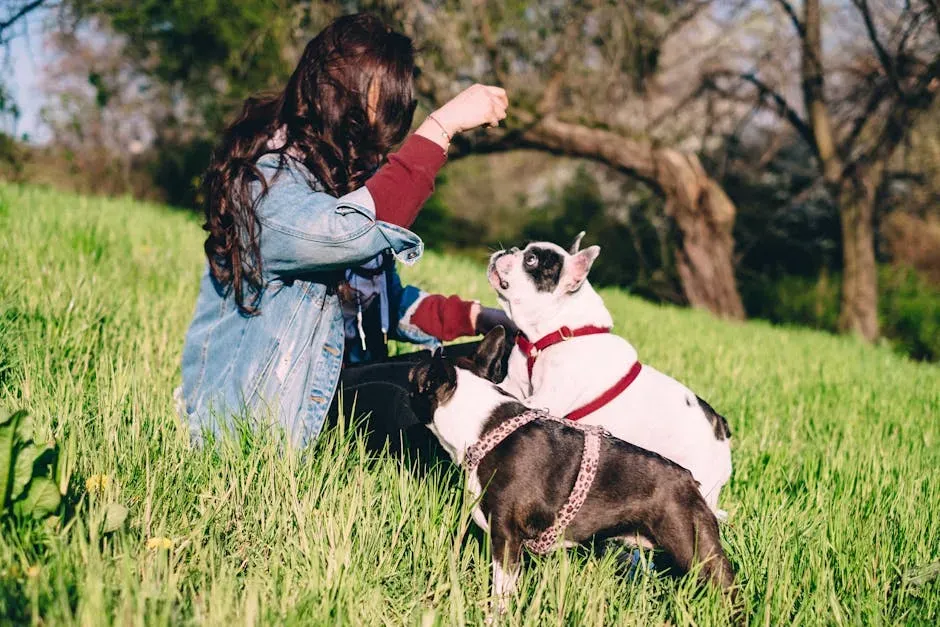
When dogs face a new situation, they often test out different behaviors like little scientists running experiments. They might sit, then stand, then paw at something, then look at you, watching closely to see what gets a response or a reward. This trial-and-error approach is how they figure out the “rules” of a new context, from a new training game to a new kind of social interaction.
I’ve seen dogs in new homes try out all sorts of things – jumping on the couch, pawing at doors, bringing toys, nudging hands – to see what each action does. Over time, they learn which behaviors get them comfort, attention, or treats, and which ones are ignored or gently redirected. When you reward the behaviors you like and calmly guide them away from the ones you don’t, you’re basically helping them write a manual for how to succeed in this strange new chapter of their life.
Opinionated Conclusion: Why Paying Attention to These Signals Really Matters
The way I see it, a lot of the frustration people feel with their dogs in new situations comes from expecting them to instantly “get it” instead of recognizing that they’re actively studying the world. When you start to notice the sniffing, freezing, head tilting, and checking back with you as signs of thinking rather than misbehaving, everything shifts. Your dog stops being a problem to manage and becomes a partner who’s genuinely trying to understand a confusing, human-made world.
I honestly believe that respecting these small clues is one of the clearest signs of good dog ownership. It’s easy to demand obedience; it takes a bit more humility to slow down and say: My dog is telling me something, and I should listen. Next time your dog hesitates at a doorway or tilts their head at a strange noise, will you rush them – or will you give them those few extra seconds to figure things out their way?