
10 Things Your Dog Will Remember About You Long After You’re Gone – Even if You Never Knew They Were Watching
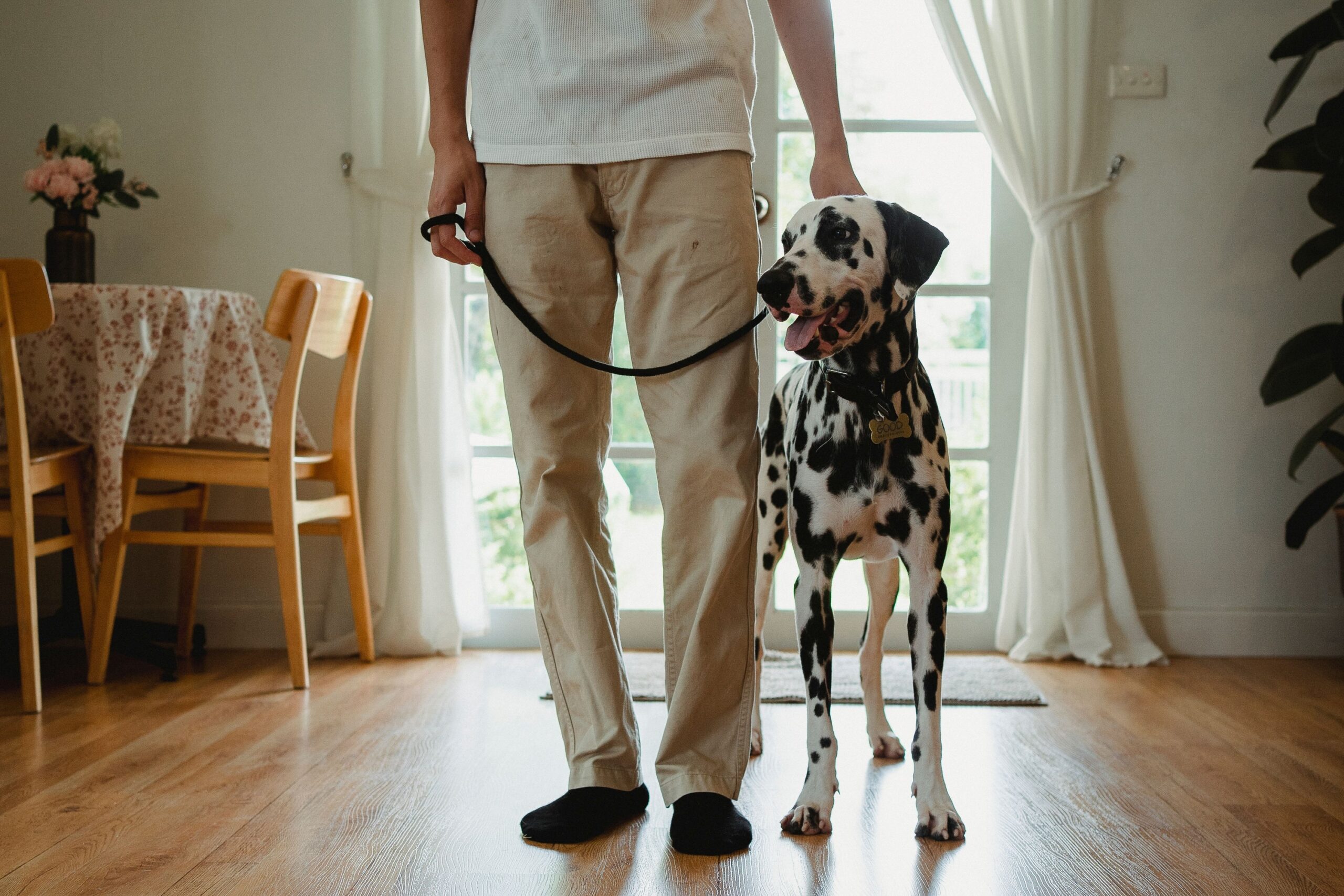
I still remember the way my old dog would run to the door at the exact time I usually came home from work, long after my schedule had changed. It felt like he was remembering a version of me that only he could see, as if our life together was playing on repeat in his head. That is the quiet, powerful thing about dogs: they are always collecting moments with us, even when we think nothing special is happening.
Scientists have been learning more about how dogs remember, and while they probably do not replay memories the same way humans do, they absolutely store emotional impressions and routines linked to us. Your dog may not recall the exact date you taught them a trick, but they remember how you made them feel, what your voice sounded like, and the rhythm of your days together. And some of those memories will stay with them for years. Let’s talk about what, exactly, your dog is likely to carry with them long after you are gone.
The Sound of Your Voice
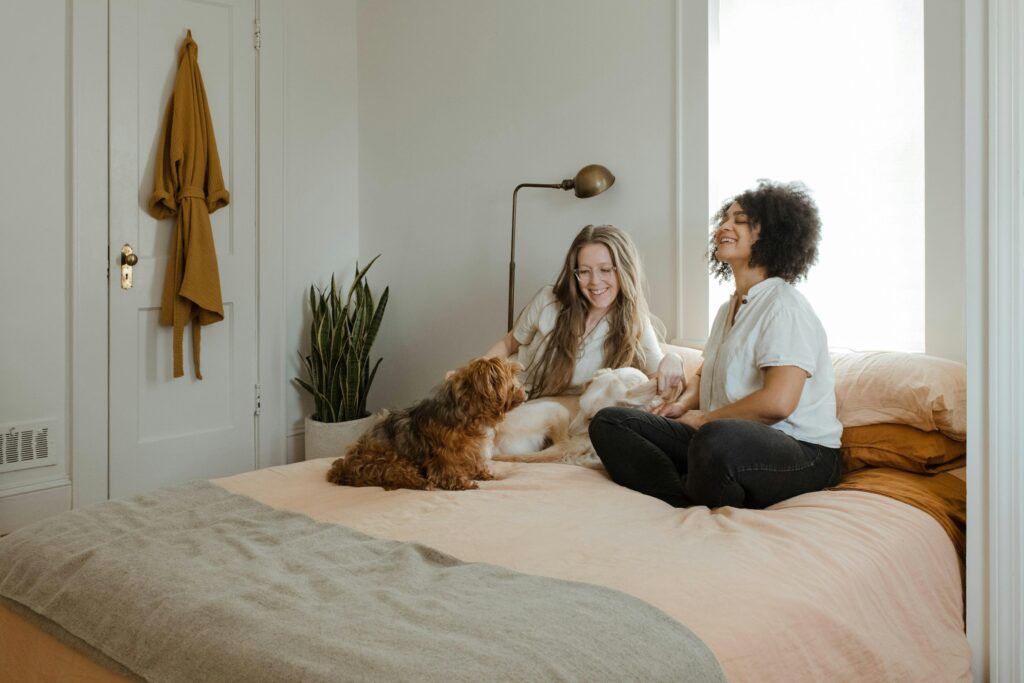
One of the first things a dog imprints on with a person is their voice: the pitch, the rhythm, the way you say their name. Research suggests dogs process human voices in a way that is surprisingly similar to us noticing tone and emotion, which is why they can tell the difference between your angry “hey” and your silly “hey there.” Even if they do not understand every word, they absolutely recognize the sound that belongs to you.
Think about all the times you have talked to your dog when nobody else was around: muttering while making coffee, singing badly in the car, whispering goodnight. Those moments matter more than you realize. Your dog learns that your voice means safety, food, fun, or comfort, and that emotional imprint can stick for a very long time. Long after you are gone, the memory of your voice is likely one of the strongest threads tying their world to yours.
Your Daily Routines and Rituals
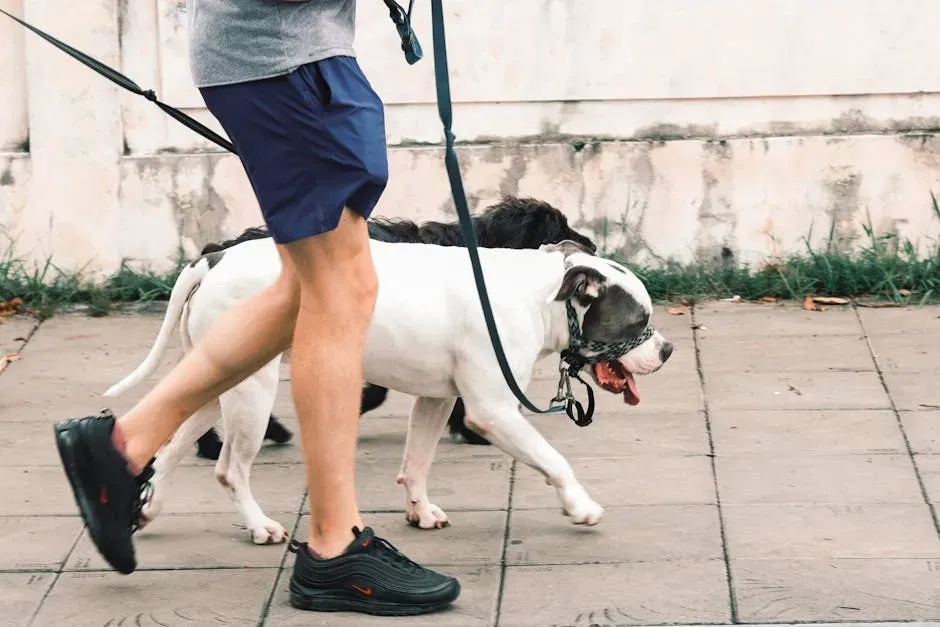
If you have ever seen your dog start pacing or waiting by the door at the same time every day, you have witnessed how seriously they take your routines. Dogs are masters at picking up on patterns: the sound of the alarm, your shoes going on, keys jingling, the particular way you sigh before getting off the couch. Those tiny cues become a script for their day, and you are the main character in it.
Even when routines change, dogs can hang onto the old ones for a surprisingly long time. A dog may still trot to the door at the “old walk time” months later, almost like they are checking whether that version of life might come back. To them, those predictable rituals where you showed up every day are proof that you were reliable and worth trusting. That sense of structure – your rituals together – is something they quietly keep with them.
The Way You Touched Them
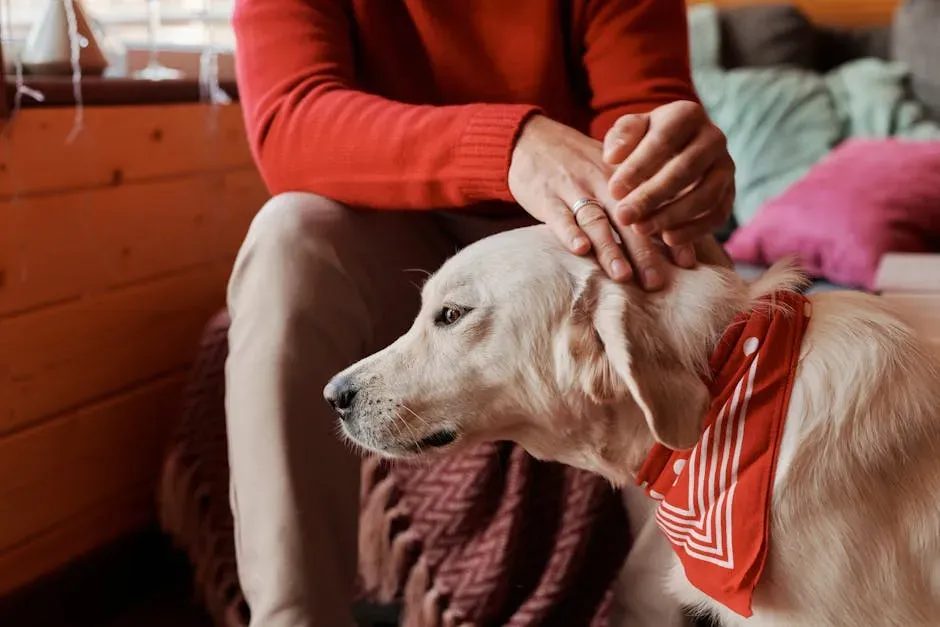
Not all touch feels the same to a dog, and they absolutely remember the difference. A rough, rushed pat on the head sends a very different message than a slow ear rub while you are watching a movie. Over time, your dog builds an emotional map of your hands: how you scratched just under the collar, how you rubbed their chest to help them relax, how you held them still at the vet but then softened and comforted them after.
Touch for a dog is not just physical; it is a kind of language. A dog who has been handled with patience, gentleness, and respect tends to trust people more deeply because their body has learned that human touch can mean safety instead of fear. Long after you are gone, the memory of “how humans feel” on their fur and skin is colored by the way you treated them. If you were kind with your hands, that kindness will echo in every calm tail wag they give to someone new.
How You Reacted When They Were Scared
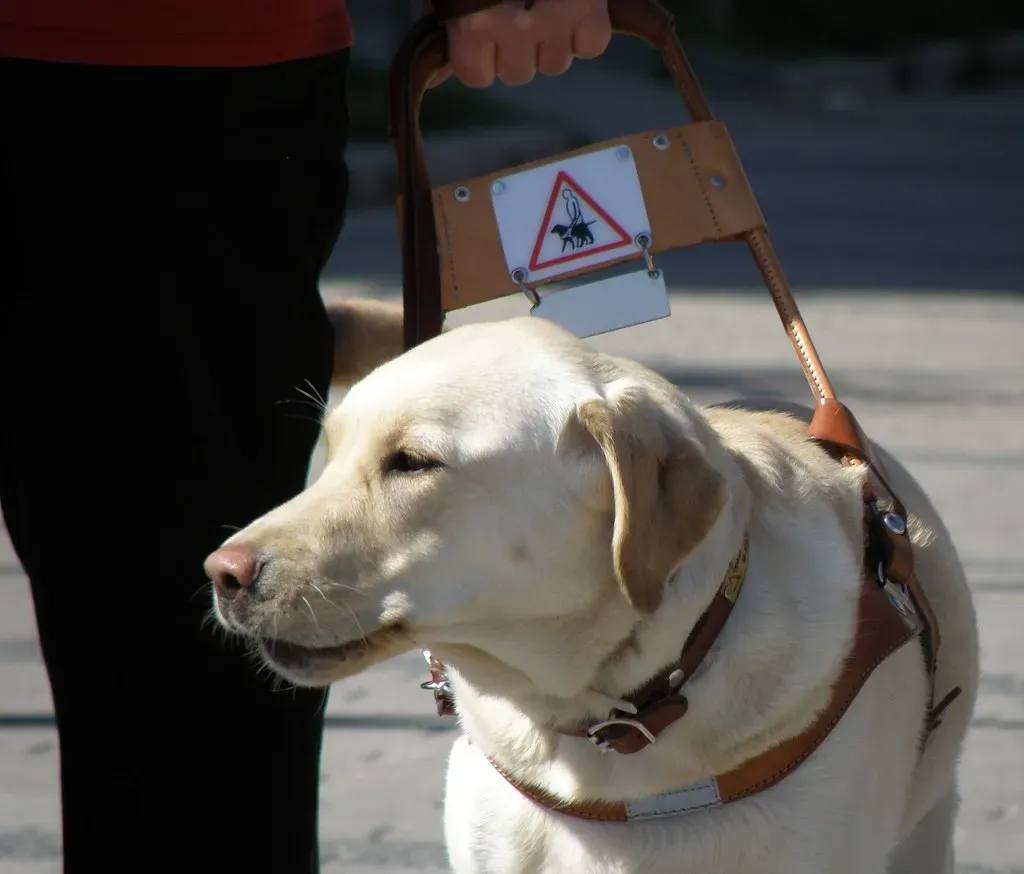
Moments of fear carve deep grooves in memory – for both humans and dogs. When your dog trembled during a thunderstorm, panicked at fireworks, or froze at the vet’s office, they were not just reacting to the scary thing. They were also reading you. Did you stay calm? Did you snap at them to be quiet? Did you sit on the floor with them and let them shake against your chest?
Dogs are incredibly tuned in to our emotional state during stressful times. When you become their safe place in moments of fear, that memory sticks like glue. They remember that you were the one who turned chaos into something survivable. On the flip side, if they were punished or ignored when terrified, that negative association can hang around just as long. The way you responded when they were at their most vulnerable is one of the sharpest memories they are likely to carry.
The Games You Played Together
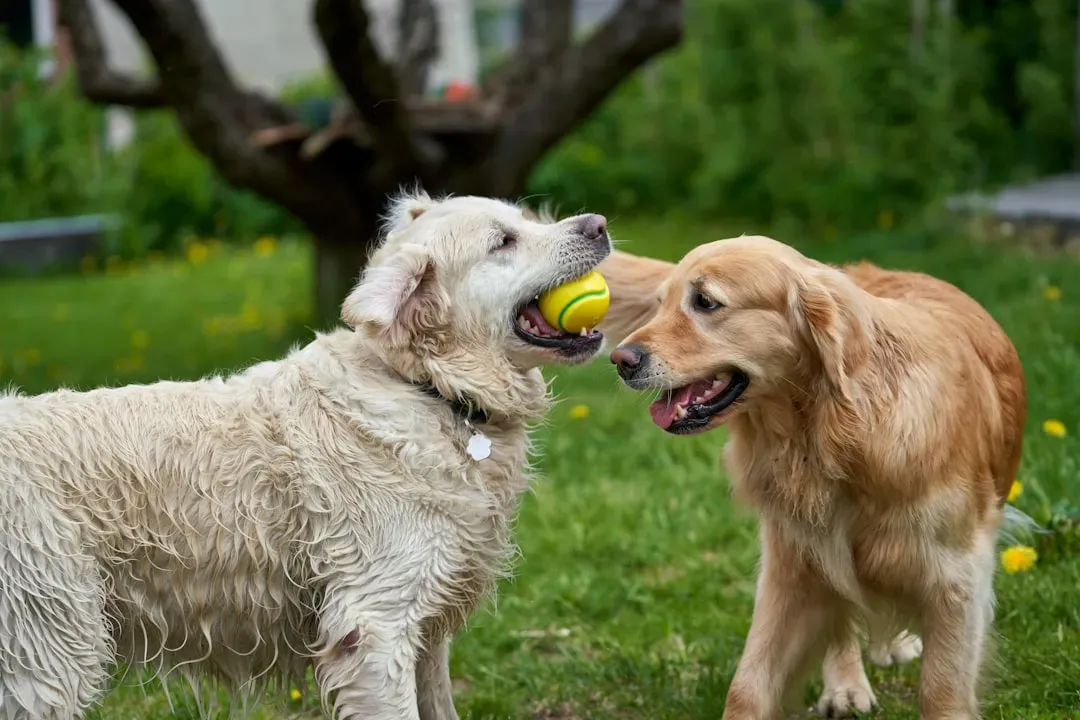
Ask someone what they miss most about a dog they lost, and a lot of the time they will talk about play: the ridiculous fetch marathon in the backyard, the tug-of-war that knocked over a lamp, the hide-and-seek game that always ended with a wagging tail and happy panting. Dogs remember play not just as “fun,” but as a form of connection where you are fully present with them and nothing else matters.
What is easy to overlook is how specific their play memories can be. Many dogs show a clear preference for the exact kind of game their favorite person used to play: the particular ball you always threw, the weird zoomies you encouraged, the silly dance you did before handing over a toy. That mix of laughter, movement, and attention tells your dog that you enjoy being with them. Long after you are gone, certain toys or actions may trigger the ghost of that old joy in their body, even if they cannot recreate it perfectly.
Your Smell on Their Favorite Things
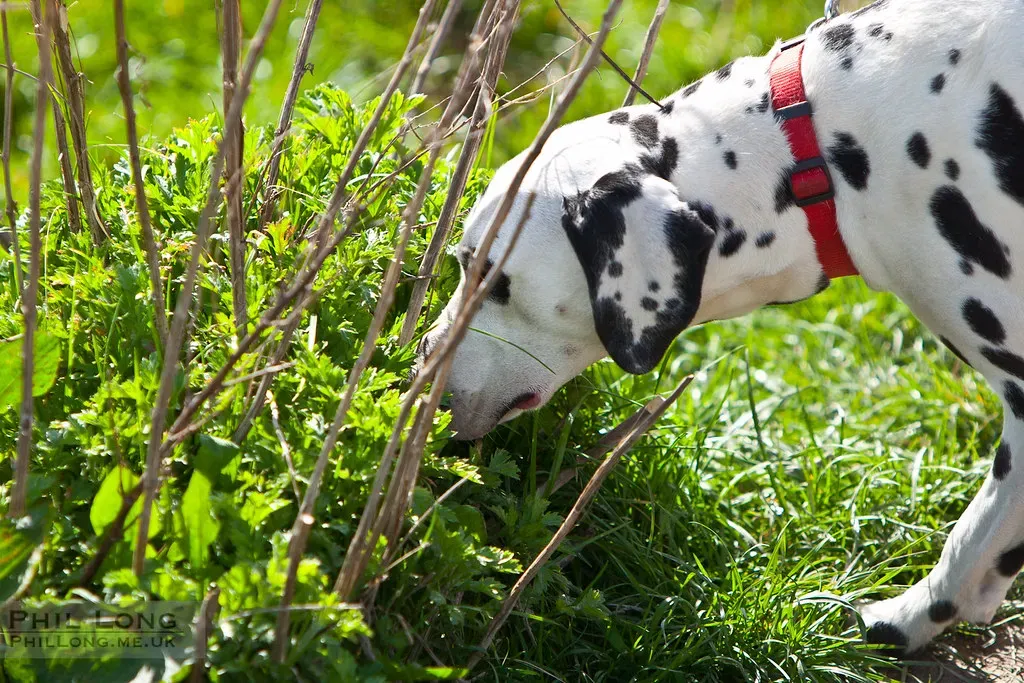
For dogs, scent is like a living photo album, and you are one of the main pictures. Your smell clings to everything: blankets, furniture, old T-shirts, even the leash hanging by the door. It is common to see a dog curl up on their person’s chair or sleep on a pile of clothes, not because they are trying to be disobedient, but because that is where the comforting scent is strongest.
There are heartbreaking stories of dogs sleeping on their person’s bed or by the front door for weeks or months after they are gone, drawn there by lingering smell and habit. While we will never know exactly what they are thinking, it is fair to say that your scent is a powerful, emotional anchor for them. In a way, it is your most consistent signature in their world, and they will likely hold onto it for as long as they can sniff even a faint trace of you.
The Rules You Lived By
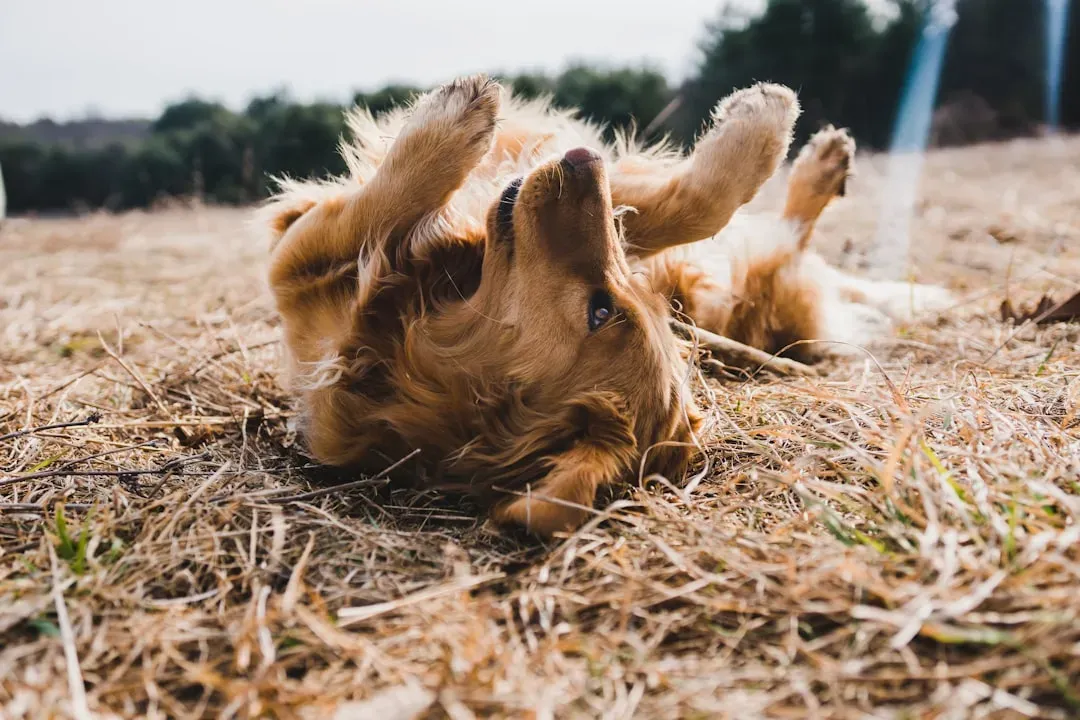
Dogs notice our boundaries more than we think. Maybe you never let them on the couch, or maybe you invited them up every night. Maybe treats only appeared after a sit and a paw, or maybe your dog could melt you with one look at the dinner table. Over time, those rules – however imperfectly enforced – become part of how your dog understands you and their place in your shared home.
It might not feel very sentimental, but clear, fair rules actually make a dog feel safer. They learn what makes you happy, what gets your attention, and where the lines are. Long after you are gone, many dogs will still hesitate at the doorway of a room they were never allowed to enter, or wait politely for food instead of stealing it, because that is the world you built together. Your way of saying yes and no becomes a quiet, lasting memory of who you were to them.
The Times You Lost Your Temper
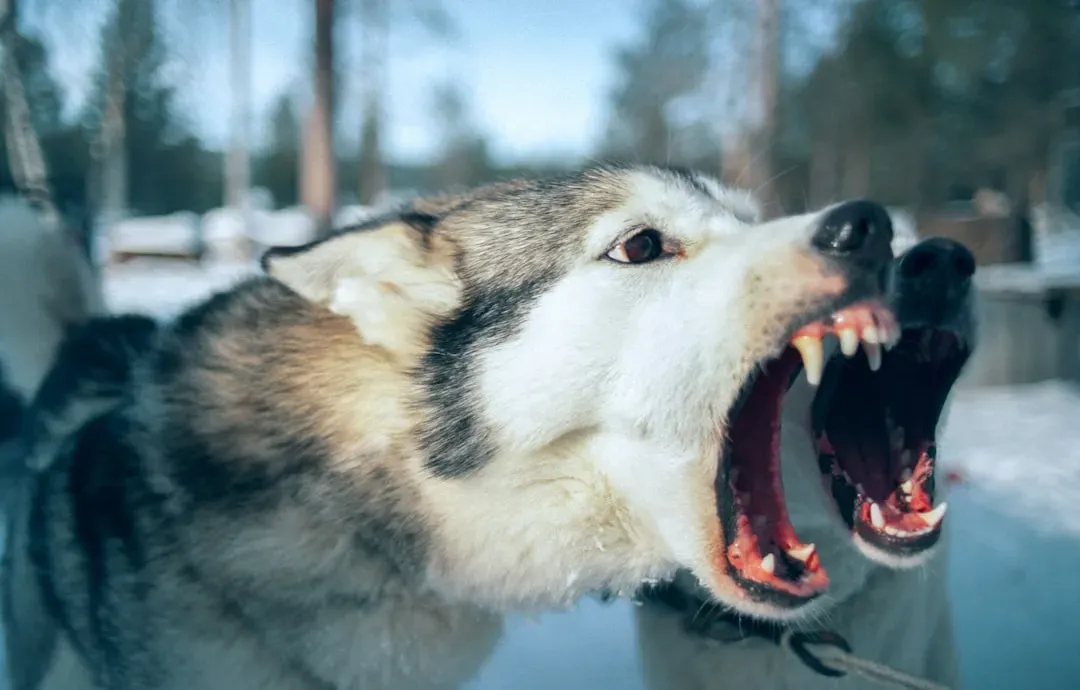
This is the uncomfortable one most of us do not want to think about, but it matters. Dogs are very sensitive to sudden anger, especially when it comes from someone they love and rely on. A slammed door, a shouted word, a harsh yank on the leash – these moments can imprint more deeply than we like to admit, particularly in anxious or already sensitive dogs.
The point is not to drown in guilt, but to be honest: your dog will remember not just your love, but also your flashes of frustration. They remember if you apologized in your own way afterward – softer voice, gentle petting, a calmer presence. Relationships with dogs, like relationships with people, are built over time. If kindness and patience outweighed those bad moments by far, the overall memory of you is likely to be one of safety. But it is worth knowing that even the moments you regret are part of the story they carry.
How You Cared for Them When They Were Sick or Old
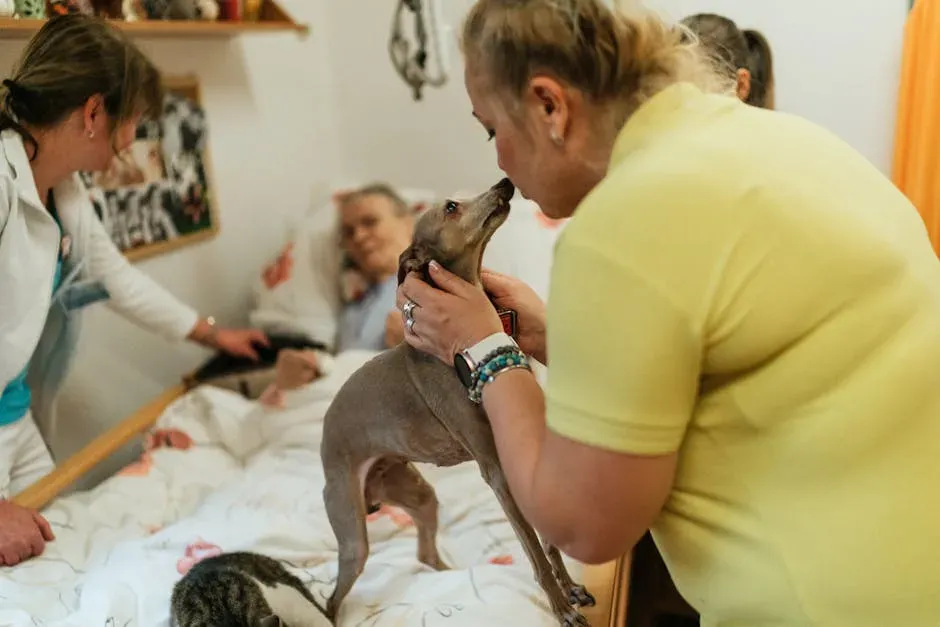
There is something unbearably tender about caring for a dog when they are limping, nauseous, or too old to jump in the car anymore. You lift them into the car instead of letting them leap. You sit on the bathroom floor while they are unwell. You give medication they may not enjoy, but then follow it with a favorite treat and a gentle cuddle. Dogs may not understand the details of medical care, but they absolutely sense when you are pouring extra effort into their comfort.
Those slow, careful days can become a meaningful part of your dog’s memory of you. They remember being carried up the stairs, guided on shorter walks, tucked into softer beds. To them, this is proof that your love was not just about fun and games, but also about showing up when life got hard. Long after you are gone, the experience of being cared for with that level of devotion shapes how they respond to future discomfort and to the people who step in after you.
The Feeling of Belonging to You
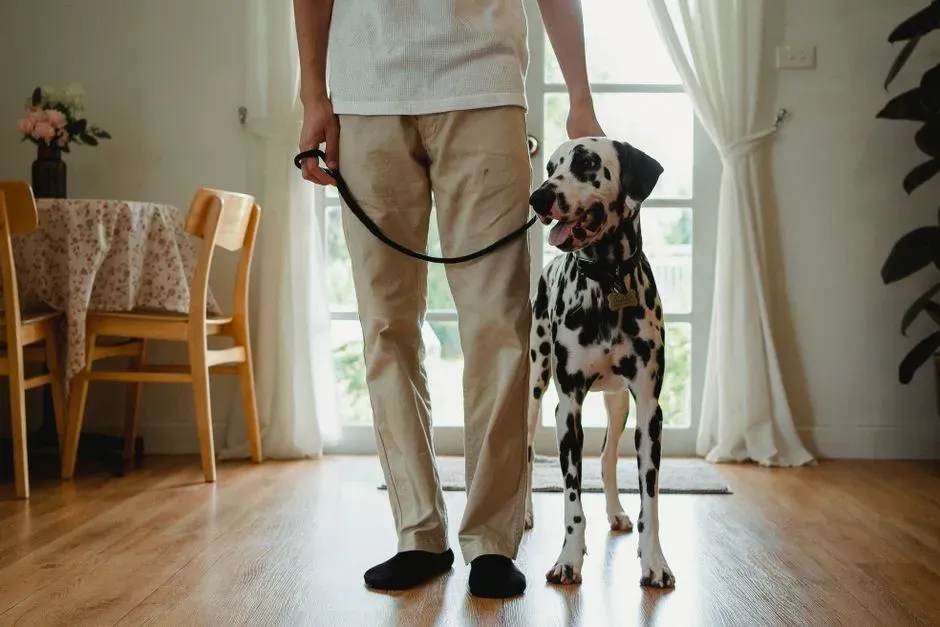
Underneath all the little details – your voice, your routines, your smell – there is one big thing your dog will remember: the feeling of being your dog. That sense of belonging is not a single memory; it is the sum of thousands of tiny interactions. The way you greeted them when you came home, how you included them in road trips or lazy Sundays, the fact that their food bowl was always filled and their bed always waiting.
When people say dogs are loyal, it is easy to imagine it as a one-way street, but it is not. They are loyal partly because they remember how it felt to be loved by you, in ways that words do not really cover. That feeling of home you created – however imperfectly – is something they carry in their body: in the way they relax when they hear a certain kind of laugh, or perk up when someone walks like you. Your dog may not recall your birthday or your job title, but they remember what it meant, deep down, to be yours.
Conclusion: The Legacy You Leave in a Dog’s Heart
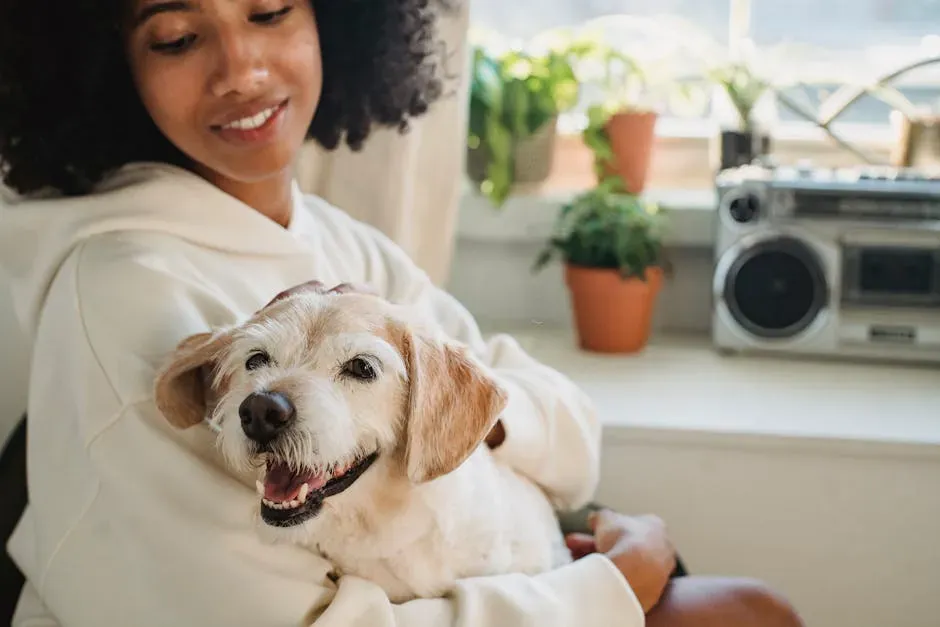
I think the most humbling thing about living with a dog is realizing how much they are quietly recording, even on days when we are tired, distracted, or convinced we are not doing enough. They do not remember us by our achievements or our to-do lists, but by the warmth of our voice, the consistency of our care, and the way we made scary things feel smaller. That means the legacy you leave in your dog’s heart is not built on grand gestures; it is built on the ordinary, repeated proof that you were there for them.
If that sounds like a lot of responsibility, it is – but it is also a gift. You have an animal in front of you who will likely remember your kindness long after your social media posts are forgotten and your emails deleted. You get to decide, today, what kind of memories they will carry: rushed and irritated, or patient and present. When you think about it that way, every walk, every cuddle, every deep breath you take instead of snapping is part of the story they will keep. Knowing that, what kind of story do you want your dog to remember about you?