
15 Common Garden Plants That Pose Hidden Dangers to Curious Canines

If you share your life with a dog, you already know they experience the world nose-first and mouth-second. The problem is, our gardens can look like an all-you-can-eat salad bar to a curious pup, while some of those “harmless” plants quietly pack a serious toxic punch. A yard you see as peaceful and pretty can, in a worst-case scenario, send your dog straight to the emergency vet.
That sounds dramatic, but it’s not about panic; it’s about knowing what you’re planting and what your dog is nibbling. Many of the most dangerous plants are also the most popular, the ones you see in every neighborhood and big-box garden center. Once you know what to look out for, you can redesign smarter, supervise better, and still have a gorgeous garden. Let’s walk through the plants that deserve a second look before you let your dog roam free.
1. Azaleas: The Spring Showstopper With a Dark Side
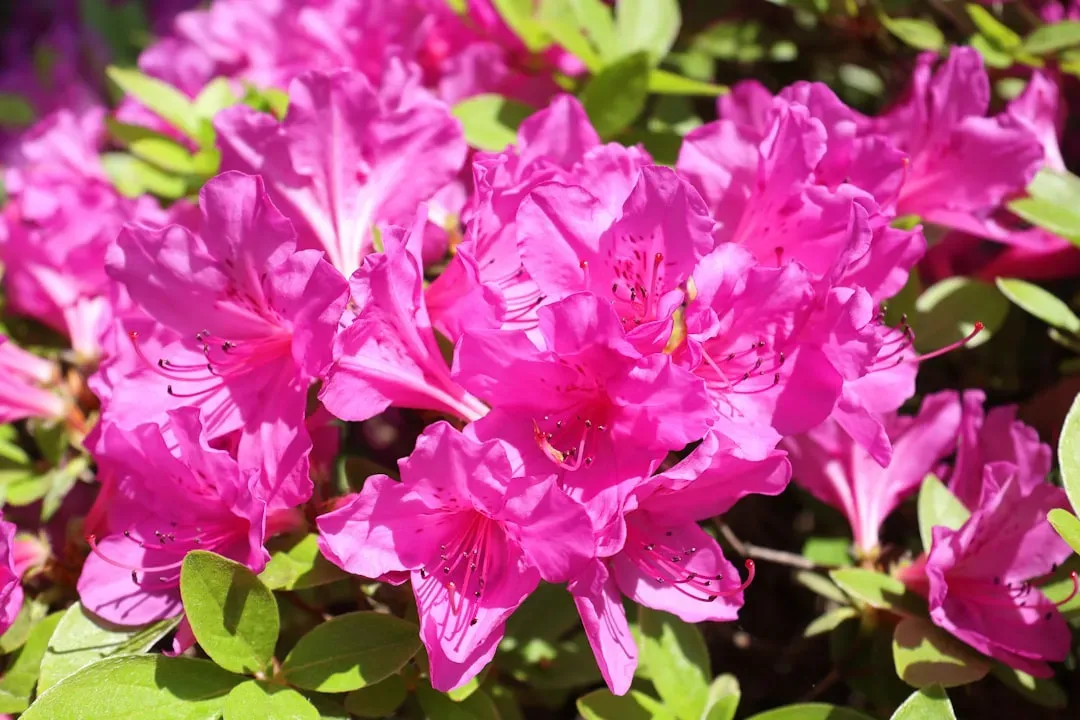
Those bright, cloud-like azalea blooms are the pride of many spring gardens, but for dogs they can be genuinely dangerous. All parts of azaleas contain toxic compounds that can affect the heart, nervous system, and gut, even in relatively small amounts. A dog that munches on leaves or flowers can go from a bit “off” to seriously ill much faster than most people expect.
Early signs may look like simple tummy trouble – drooling, vomiting, or refusing food – so it’s easy to dismiss it as something minor. But as the toxins take hold, dogs can become weak, unsteady, or strangely quiet, and in more severe cases, their heart rhythm can be affected. If you grow azaleas and have a dog that loves to graze, it’s worth fencing them off or replacing them with safer shrubs rather than banking on “they never touch them.”
2. Rhododendrons: Big Bushes, Big Risks
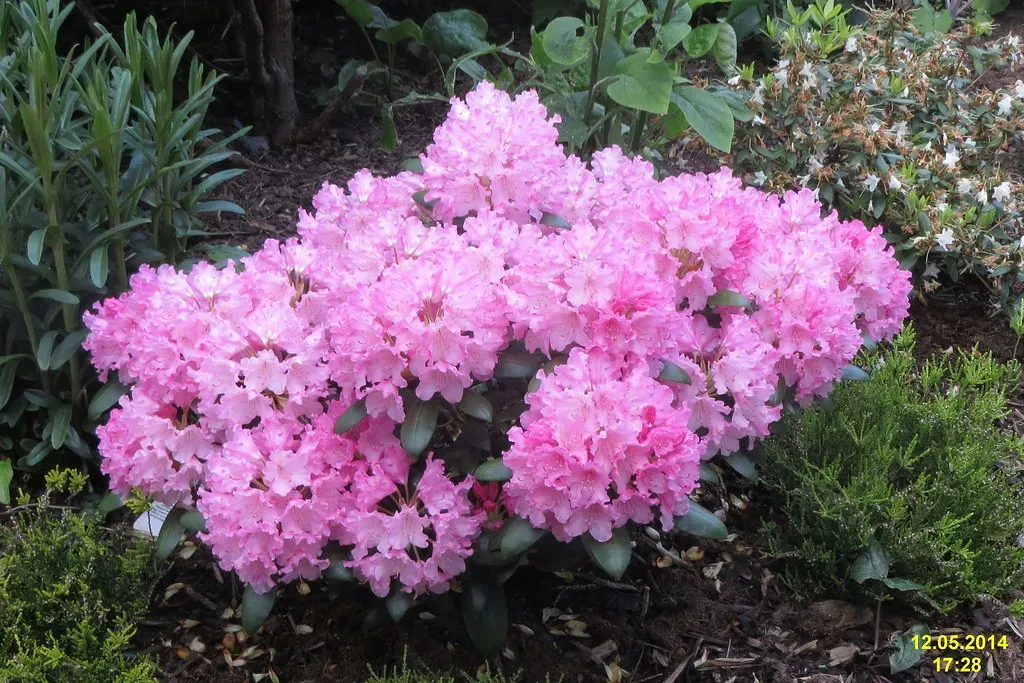
Rhododendrons are close cousins to azaleas, and unfortunately, they share the same problematic toxins. Because these shrubs often grow quite large, dogs have more plant material to explore – and that means more opportunity for a toxic snack. People sometimes assume older, taller shrubs are less of an issue because they’re “out of reach,” but fallen leaves, petals, and pruned branches can still end up where dogs roam.
The effects on dogs can mirror azalea poisoning: stomach upset, unusual drooling, difficulty walking, and in bad cases, heart and breathing issues. If you adore rhododendrons, you don’t automatically have to rip them out, but you should be very clear on where your dog is allowed to wander. A good compromise is to keep toxic ornamentals in a clearly blocked-off front yard and reserve the back garden for dog-safe plants and supervised time.
3. Oleander: Beautiful, But Brutally Toxic
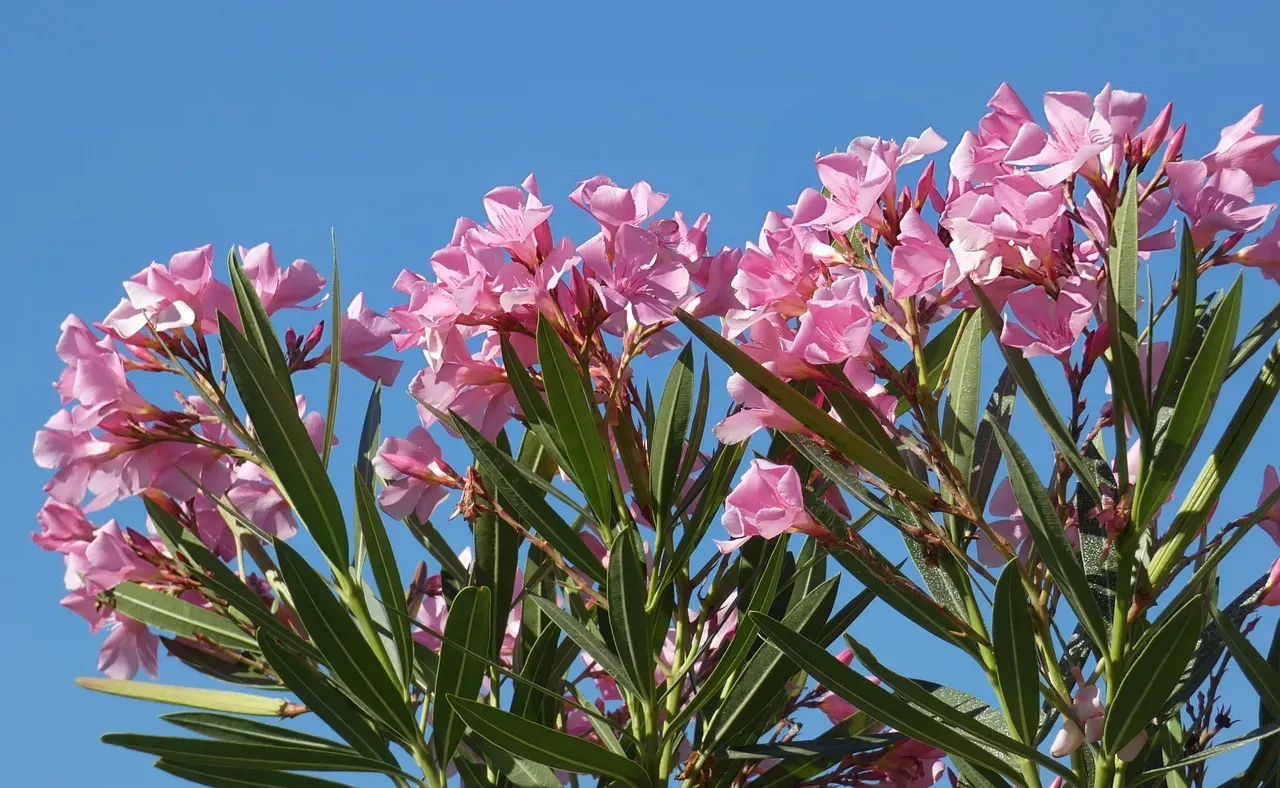
Oleander is one of those plants that looks like a Mediterranean dream – lush foliage, pretty clusters of flowers – and hides one of the harshest realities for pets. Every part of the plant is highly toxic to dogs, from the leaves and stems down to the flower petals and even the water in a vase holding cut branches. It does not take much ingestion to cause potentially life-threatening heart problems.
What makes oleander especially scary is that some dogs will chew on dry leaves or fallen twigs, not just the fresh green growth. Symptoms can start with vomiting, diarrhea, and drooling, then progress to abnormal heart rhythm, collapse, or sudden weakness. In all honesty, if you have dogs and live in a climate where oleander thrives, this is one plant that’s far better replaced than managed – there are many safer shrubs that can give you color without the constant fear.
4. Sago Palm: A “Tropical” Accent That Can Be Deadly
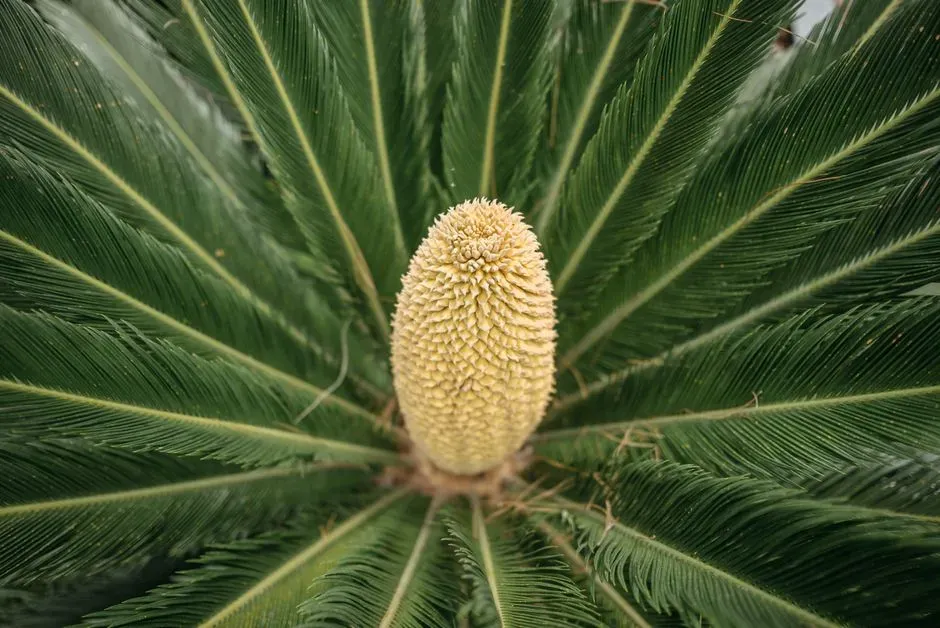
Sago palms have become trendy as landscape accents and even as indoor container plants, but they are a nightmare risk for dogs. The seeds (often called “nuts”) are the most toxic part, yet the leaves and roots are dangerous too. Dogs seem strangely drawn to the seeds, maybe because they look like chewable treats scattered around the plant, and that’s where many serious poisonings begin.
The toxins in sago palm primarily attack the liver, and the damage can be fast and severe. Early signs like vomiting, diarrhea, and lethargy may show up within a day, but liver failure can unfold over the next several days. This is one of those plants where the risk is wildly out of proportion to any decorative benefit in a pet household. If you already own one and you love your dog, the kindest choice is usually to rehome the plant, not the pet.
5. Foxglove: Cottage-Garden Charm, Cardiac Danger
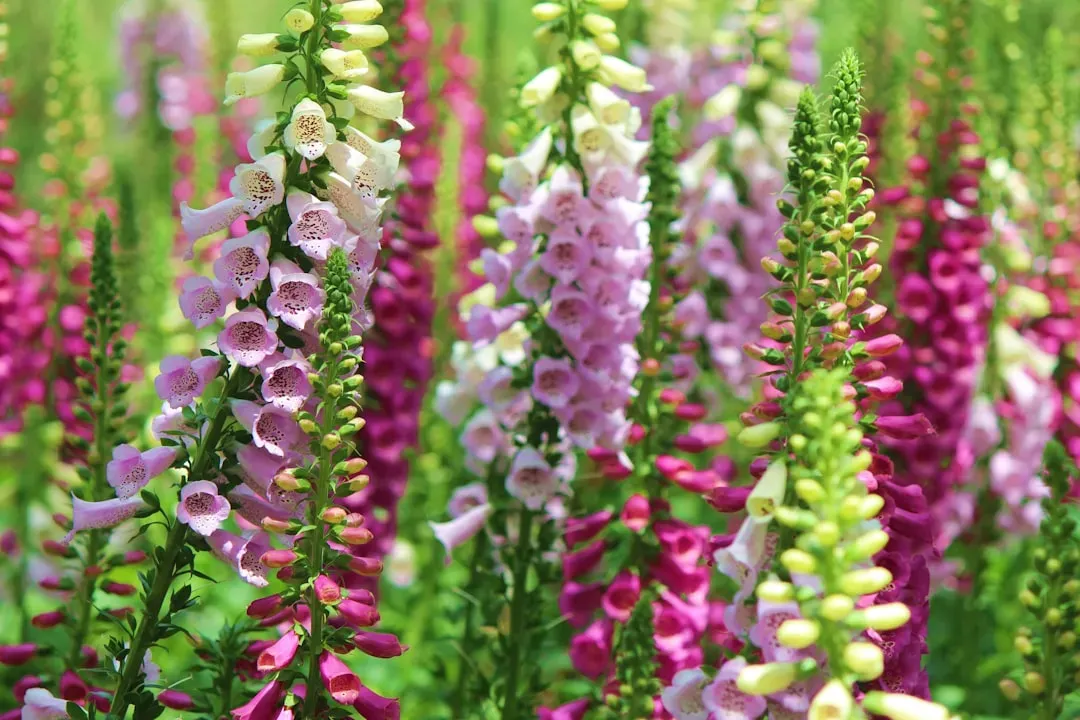
Foxglove looks like something straight out of a fairytale, with tall spires of bell-shaped flowers that bees adore. Behind that storybook charm is a very real danger: foxglove contains potent compounds that affect the heart’s rhythm and strength. These are similar in nature to some heart medications used in controlled doses – but a dog chewing on the plant gets a wild, unregulated hit.
A dog that bites into foxglove may start with vague signs like vomiting, drooling, or lack of interest in food. As more toxin is absorbed, they can show abnormal heartbeats, weakness, or collapse, and in serious cases, it can be fatal. Because foxglove readily self-seeds and pops up in new spots, a garden that started with one innocent clump can quietly turn into a minefield. If you absolutely must grow it, keep it well-contained and entirely out of areas where dogs roam, and remove any seedlings that appear near paths or lawns.
6. Lilies: Not Just a Cat Problem
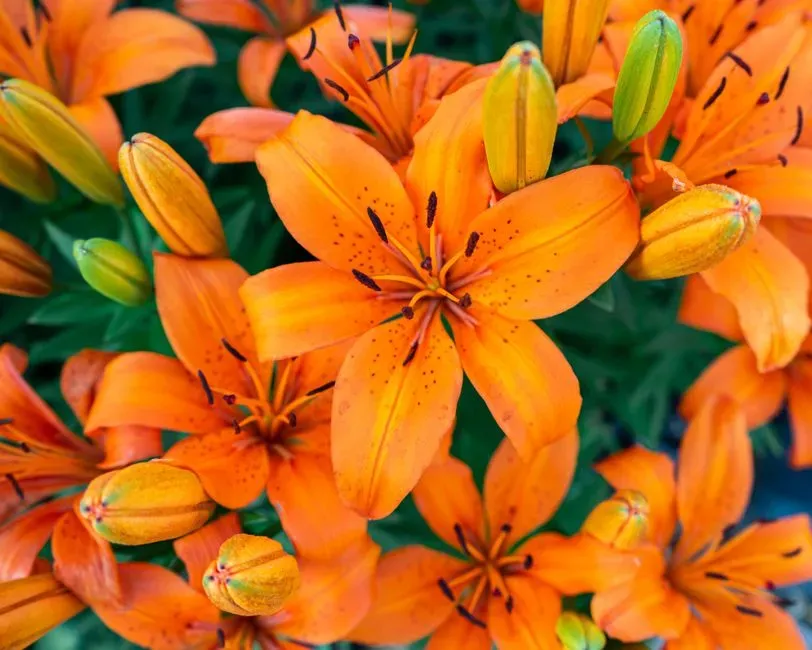
Lilies are often discussed as a big risk for cats, but dogs are not completely safe around them either. While many lily species hit cats much harder, dogs can still suffer from stomach upset, drooling, or more serious issues depending on the exact plant. The trouble is that “lily” gets slapped onto a lot of different plants, and not all of them have the same level of danger, which makes it confusing for dog owners trying to do the right thing.
Even when the primary risk is gastrointestinal, that’s not trivial if your dog ends up in pain, dehydrated, and miserable. Bulbs stored in garages or sheds can also tempt dogs that like to chew anything vaguely crunchy or onion-like. A simple approach is to treat all “true” lilies and lookalikes with caution and keep them to beds that your dog can’t reach. There are loads of dog-safer flowers that give similar big, showy color without the toxic baggage.
7. Daffodils: Cheerful Bulbs With a Toxic Bulb Core
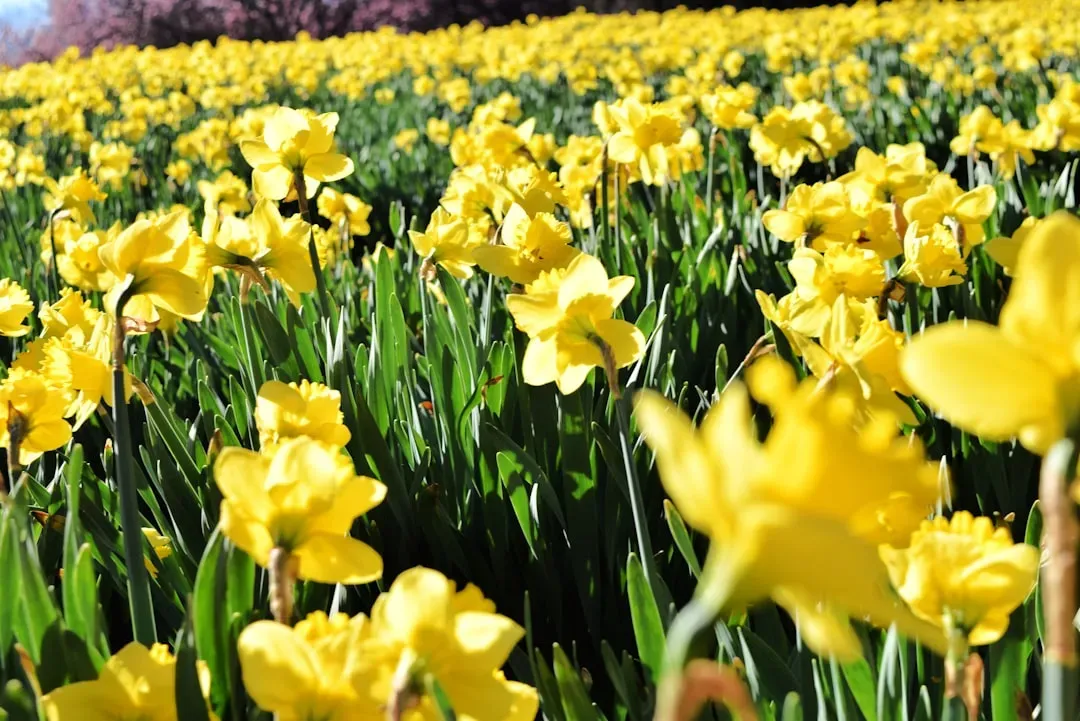
Daffodils are the unofficial promise that winter is finally loosening its grip, but those sunny trumpets come with a catch. The entire plant can cause trouble for dogs, but the bulbs are particularly strong sources of irritation and toxins. Dogs that love to dig are at highest risk, since they can actually unearth and chew the bulbs like dirty little apples.
Ingestion often results in vomiting, drooling, stomach cramps, and sometimes more serious symptoms like low blood pressure or tremors if enough is eaten. Even chewing on stems and flowers can cause a rough bout of gastrointestinal upset in a sensitive dog. If your dog is a known garden “helper” with a passion for excavation, it’s smart to plant daffodils and similar bulbs in spots they cannot access, or in raised beds and containers that are off-limits. You get your spring color; they keep their health.
8. Tulips and Hyacinths: Colorful Bulbs That Bite Back

Tulips and hyacinths are another pair of beloved spring bulbs that can be harsh on dogs. Like daffodils, the bulbs contain higher concentrations of irritating and toxic compounds, but leaves and flowers can still cause moderate issues. Dogs might dig up bulbs out of curiosity, or nibble fresh shoots in early spring when little else is green and tempting.
The result can be drooling, mouth irritation, vomiting, and diarrhea, sometimes paired with restlessness or discomfort. While a quick nibble of a leaf is unlikely to be catastrophic, repeated or heavy snacking on bulbs raises the risk of more serious effects. A simple, dog-friendly strategy is to reserve your bulb-heavy beds for areas completely separated from your dog’s play zone, and rely on safer perennials and grasses inside their main yard.
9. Hydrangeas: Instagram-Pretty, Gut-Irritating

Hydrangeas have become social-media darlings, with their big pom-pom flowers in dreamy blues and pinks. They do contain compounds that can be toxic to dogs in larger amounts, although many dogs that take a tiny nibble only end up with mild irritation. The real issue appears when a bored or anxious dog uses the shrub as a chew toy and ingests a meaningful quantity of leaves, buds, or flowers.
That kind of grazing can trigger vomiting, diarrhea, and signs of discomfort, and in some cases more concerning effects if a lot is eaten. Because hydrangeas are often placed right along fences or patios where dogs hang out, access is easy and temptation is high. If you notice your dog showing too much interest, it might be time to redirect that chewing energy onto safe toys and consider protecting the plant with a barrier or swapping it out for a less risky shrub.
10. Autumn Crocus: Small Flower, Serious Threat
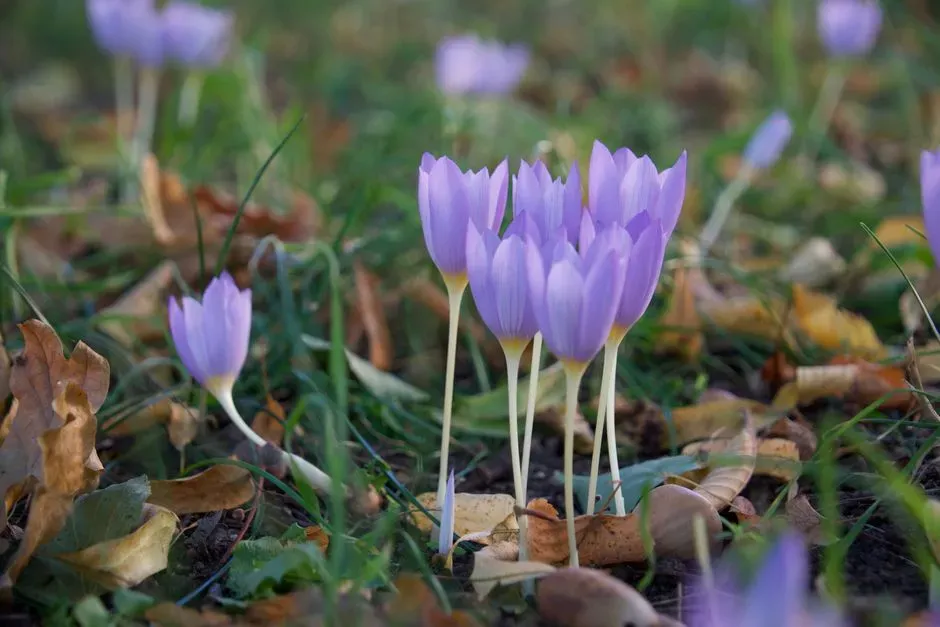
Autumn crocus, which blooms later in the year, is sometimes confused with the more common spring crocus – but it is a completely different level of danger. This plant contains very potent toxins that can cause violent vomiting, severe diarrhea, and, in bad cases, damage to internal organs like the liver and kidneys. The scary part is that signs can sometimes be delayed, giving a false impression that everything is fine after an initial incident.
Because the plant is small and neat, people often tuck it into borders where dogs wander, assuming it is harmless. Dogs that like to graze or chew anything new can easily sample a flower or leaf without anyone noticing. If you have any kind of crocus-like plant and a dog, it’s important to identify exactly what species you own. When in doubt with autumn crocus, the safest move in a pet household is removal; the potential downside is simply too big.
11. Yew: Evergreen Hedges With Hidden Poison

Yew is a common choice for hedges and topiary because it’s tough, evergreen, and easy to shape, but it hides a potent cocktail of toxins. Nearly the entire plant is dangerous, with the exception of the fleshy outer part of the red berries – though even those are wrapped around highly toxic seeds. Dogs are not immune to the effects, and ingestion of needles, bark, or seeds can cause rapid-onset, life-threatening problems.
Sometimes the first signs are vague – weakness, trembling, or difficulty breathing – and sometimes there is simply a sudden collapse. Because yew is often used along property lines, it may even be growing just beyond your fence where dogs can reach fallen branches or berries through gaps. If you rely on yew hedges and you have a dog that chews sticks or foliage, it’s worth seriously reconsidering your hedge choices. Safer alternatives like boxwood or non-toxic laurel varieties can offer similar structure with far less worry.
12. Castor Bean Plant: Dramatic Foliage, Extreme Toxicity
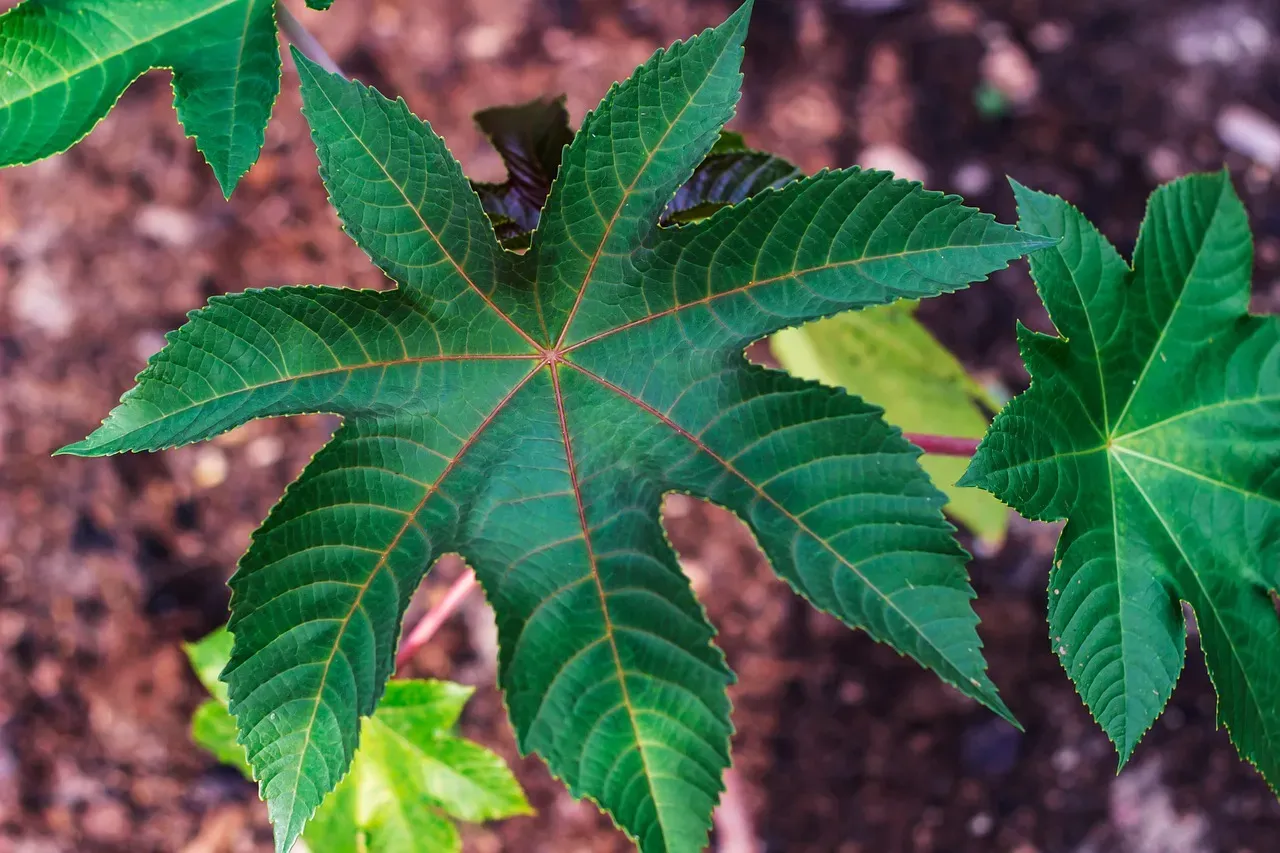
The castor bean plant is often grown as a bold, architectural accent with huge leaves and eye-catching seed pods. What many people do not realize is that the seeds contain one of the most notorious natural toxins. Just a small number of chewed seeds can be enough to cause severe poisoning in a dog, especially if no one notices until symptoms are advanced.
Early signs may look like generic stomach upset – vomiting, diarrhea, loss of appetite – before progressing to dehydration, abdominal pain, and potentially much more serious complications. The seeds and pods are often at nose level for medium and large dogs, making it all too easy for them to investigate. In a pet-free garden, this plant might be just a dramatic curiosity, but in a dog household it is an unnecessary and extreme risk. There are plenty of bold foliage plants that do not carry such a heavy price tag.
13. English Ivy: Classic Climber, Irritating Invader
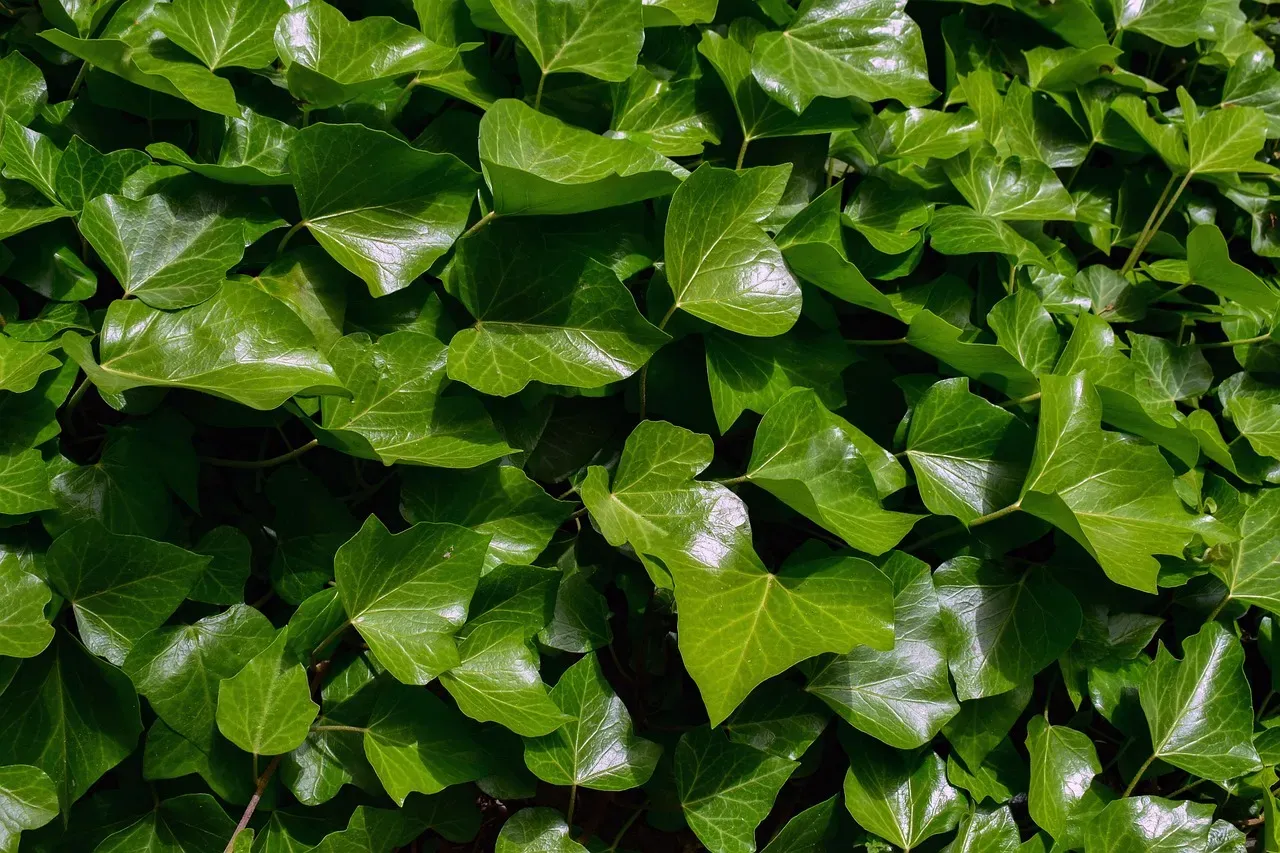
English ivy crawling up a brick wall looks timeless and romantic, but for dogs it is more of an itchy, upset-stomach situation waiting to happen. The leaves and berries can irritate the mouth and gut when chewed, leading to drooling, vomiting, or diarrhea. Some dogs also develop skin irritation if they brush repeatedly against dense ivy, especially in narrow pathways.
The real headache is that ivy spreads aggressively, sneaking under fences and into lawns, so it can quickly invade the areas where your dog actually plays. Even if it rarely causes dramatic, life-threatening toxicity, it can still make your dog very uncomfortable and lead to unwanted vet visits. If you already have ivy, keeping it heavily pruned and away from ground level is key. If you are considering planting it and you own a dog, it is worth pausing and looking at groundcovers that are both non-invasive and significantly safer.
14. Aloe Vera: Healing for Humans, Harsh on Dogs
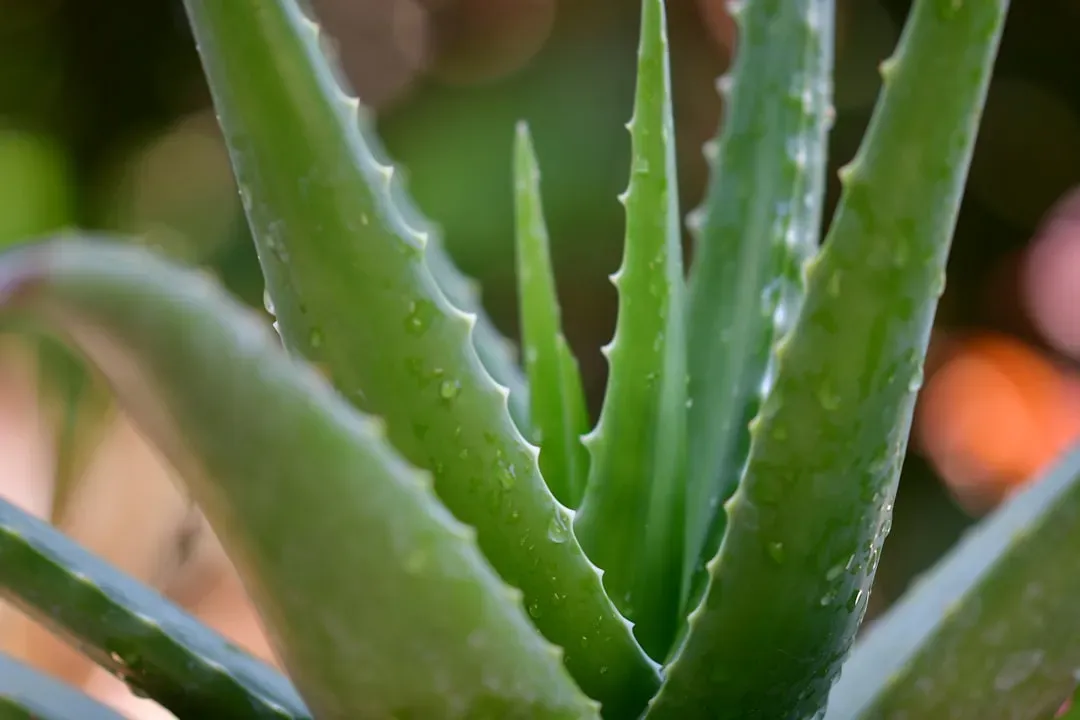
Aloe is a favorite for sunburned humans and as an easy-care houseplant, but the story gets more complicated for dogs. The clear inner gel is generally considered milder, but the outer leaf material can be irritating if ingested. Dogs that chew on aloe leaves may end up with diarrhea, cramping, or other signs of gut upset, and that “natural remedy” suddenly feels a lot less friendly.
Because aloe is marketed as soothing and medicinal, people often assume it is universally safe and place pots right at floor level or on low patios. Some dogs will ignore it, but others – especially young or bored ones – will happily test those thick leaves with their teeth. You do not necessarily have to ban aloe from your home and garden, but it should be placed out of easy reach and monitored. If your dog ever develops a taste for it, swapping to truly pet-safe succulents is the better path.
15. Roses: Safer Than Most, But Still Not Risk-Free
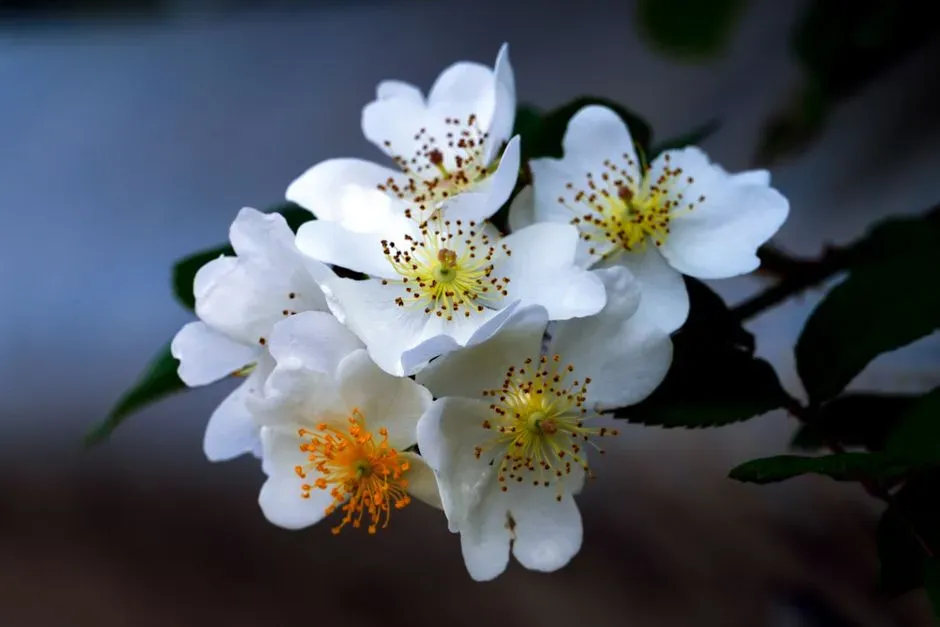
Here is where nuance matters: roses are generally considered far safer than most plants on this list in terms of true toxicity. The petals themselves are usually not the main concern; dogs that snack on a few may only experience mild digestive upset, if anything. The bigger risks are the thorns causing mouth injuries, eye trauma, or puncture wounds if a dog barrels through a rose bed or chews pruned stems.
There is also the issue of fertilizers, insecticides, and fungicides often used heavily on roses, which can introduce a different kind of danger. A dog licking treated leaves or soil can end up reacting more to the chemicals than the plant. So while roses are often a better choice than many traditional ornamentals, they still deserve respect and thoughtful placement. Think of them as the “less risky, but still not a chew toy” option in your dog-friendly design plan.
Conclusion: Designing a Garden That Loves Your Dog Back
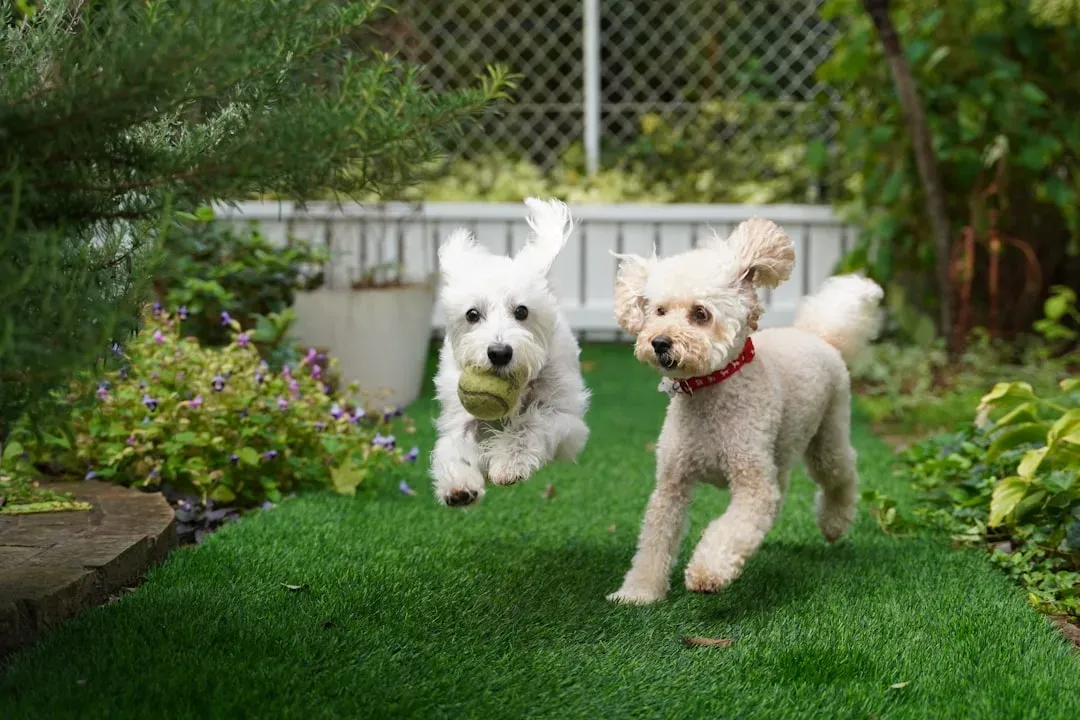
Looking at this list, it is tempting to feel like every pretty plant is out to get your dog, but that is not the reality. The truth is more balanced: plenty of garden favorites are risky if chewed in quantity, yet with thoughtful design and honest awareness, you can absolutely have both a beautiful yard and a healthy, joyful canine. The real danger comes from assuming that “natural” means “safe” and planting on autopilot without considering who else is sharing the space.
Personally, I think the most dog-loving gardens are not the ones with the fanciest borders; they are the ones where the humans have clearly planned with paws in mind. That might mean swapping out oleander for a safe flowering shrub, fencing off a bed of daffodils, or rethinking a dramatic but toxic focal plant. It is not about perfection, but about stacking the odds in your dog’s favor so one curious nibble does not turn into a crisis. When you look around your yard now, do you see just plants – or do you see potential hazards you are finally ready to change?