
Animal Research Says When a Dog Refuses to Eat After Their Owner Leaves for Several Days It Is Not a Hunger Strike – It Is a Documented Stress Response With Measurable Hormonal Markers
Anyone who has ever left their dog for a few days and come home to hear, “They barely ate while you were gone,” knows the quiet sting of guilt that follows. It is easy to brush it off as a little drama or a quirky hunger strike, but modern animal research paints a very different, far more serious picture. When some dogs refuse food after their owner leaves, their bodies are not “being stubborn” – they are showing a measurable stress response that shows up in their hormones, their brain chemistry, and even their immune systems.
I still remember the first time a kennel worker told me my dog had just picked at his food while I was away, and how I half-joked that he was being dramatic. Looking at the science now, I realize I was downplaying what was really a physiological stress reaction, not a personality quirk. Once you understand what is happening under the fur – elevated stress hormones, disrupted appetite signals, and emotional distress – it becomes almost impossible to treat this like a joke. It starts to feel more like a quiet emotional emergency that deserves real respect and better handling.
Separation Is Not Just “Missing You” – It Can Be Biological Stress

We like to imagine dogs as endlessly adaptable sidekicks who simply roll with our comings and goings, but their biology often tells another story. Many dogs form deep attachment bonds to one or two key humans, and when those humans suddenly disappear for several days, the dog’s nervous system can react as if something is genuinely wrong. What looks like “Oh, he’s sulking because you’re not here” can actually be a stress system firing on all cylinders, similar in some ways to what happens to people after a significant emotional shock.
In research settings, dogs separated from their primary caregivers frequently show changes in behavior that match classic stress responses: pacing, whining, restlessness, or, at the other extreme, shutting down and becoming unusually quiet. Loss of appetite sits right in the middle of that cluster. Their bodies are reacting to uncertainty and perceived loss, and the refusal to eat can be one visible, heartbreaking symptom of a deeper internal storm. It is not performance; it is physiology.
How Stress Hormones Hijack a Dog’s Appetite
When a dog’s main person suddenly vanishes from their daily life, one of the first biological systems to react is the stress axis centered around hormones like cortisol and adrenaline. These hormones are part of the body’s emergency response toolkit, designed to sharpen focus and get an animal through a threat – not to encourage them to sit down for a nice meal. In both humans and dogs, sustained elevated stress hormones are known to suppress appetite, slow digestion, and make food seem far less appealing than safety and survival.
Studies of dogs under stress, such as in shelters, kennels, or experimental setups involving separation, often show measurable spikes in cortisol levels along with shifts in other markers like heart rate and activity patterns. Those hormonal shifts do not float in isolation; they interact with hunger signals in the brain. The parts of the brain that manage appetite and reward can be dialed down under stress, making it genuinely hard for the dog to feel interested in food, even if they are technically hungry. To put it bluntly: they are not snubbing dinner to make a point – their stress chemistry is turning down the volume on hunger itself.
The Science of Attachment: Why Some Dogs Take It Harder Than Others
Not every dog stops eating when their owner goes away, and that difference has led some people to assume that the ones who do are just more spoiled or manipulative. The more we learn about canine attachment, the more unfair that assumption looks. Research borrowing methods from human child development has shown that dogs can display attachment styles that resemble secure and insecure bonds, and dogs with more anxious attachment tend to react more intensely when separated from their main person.
Those stronger reactions do not just show up in behavior; they show up in measurable physiology too. Dogs that are more prone to separation distress often show higher or more sustained stress hormone levels during absences, as well as more obvious behavioral signs like vocalizing, panting, restlessness, or shutting down. Food refusal becomes one of several ways that distress comes to the surface. In that sense, a dog not eating while you are gone is less a sign of “bad behavior” and more a signal that the bond is so important to them that your absence actually disrupts their internal balance.
From Kennels to Cortisol: What Researchers Actually Measure
It is easy to hear phrases like “documented stress response” and think it is just scientific padding, but in animal studies those words have very concrete meaning. Researchers do not simply watch dogs and shrug; they collect saliva, blood, or hair samples to measure things like cortisol, and they track heart rates, activity levels, and behavior. In boarding facilities, shelters, and controlled experiments where dogs are separated from their familiar humans or environments, scientists have repeatedly seen stress hormones rise and, in some dogs, appetite fall.
These measurements matter, because they confirm that what we see from the outside – the untouched food bowl, the quiet posture, the clinginess when you return – corresponds to measurable changes inside the body. Researchers have also looked at patterns over time, showing that while some dogs adapt after a few days, others continue to show elevated markers of stress and disrupted routines. The key takeaway is that there is a biological footprint behind that full food bowl, and it is much closer to an emotional injury than a power play.
Why Calling It a “Hunger Strike” Misses the Point

The phrase “hunger strike” sounds almost funny when we apply it to dogs, as if they are little four-legged activists refusing kibble to protest our vacation plans. The reality is a lot less playful. A hunger strike implies conscious strategy, intent, and a desire to pressure someone into changing their behavior. What the science shows in many cases is not clever manipulation but a body so stressed and unsettled that eating feels secondary or even impossible. Saying a dog is on a hunger strike risks turning distress into a joke.
Worse, that framing can influence how we respond. If you think your dog is just being dramatic or trying to punish you, you might feel annoyed, dismissive, or even tempted to wait them out. If instead you recognize that their refusal to eat can be part of a documented stress response with real hormonal changes behind it, your attitude shifts toward compassion and problem-solving. You stop asking, “Why is he doing this to me?” and start asking, “What has this experience felt like for him, and how can I make it less overwhelming?”
Practical Ways to Support a Stressed, Not-Eating Dog While You’re Away

Once you accept that this is about stress, not stubbornness, it becomes a lot easier to design support around the dog’s emotional needs rather than just trying to get calories in. Consistency is huge: keeping feeding times, walk schedules, and sleep routines as close to normal as possible can blunt the shock of your absence. Familiar smells, like an unwashed T-shirt in the dog’s bed, and familiar sounds, like a recorded message or video call, can also offer a small sense of continuity that matters more than you might think.
It can also help to prepare your dog in advance rather than dropping them into a totally new environment with no rehearsal. Short practice stays at a kennel or with a sitter before a longer trip can gradually teach the dog that you leave and come back, and that food is still safe to eat in your absence. In more severe cases, involving a veterinarian or a qualified behavior professional is not overkill; it is responsible care. Sometimes medical support or structured training plans are needed to turn down the intensity of the stress response so your dog can relax enough to eat and rest.
Reframing Your Dog’s Distress: An Opinionated Closing Thought
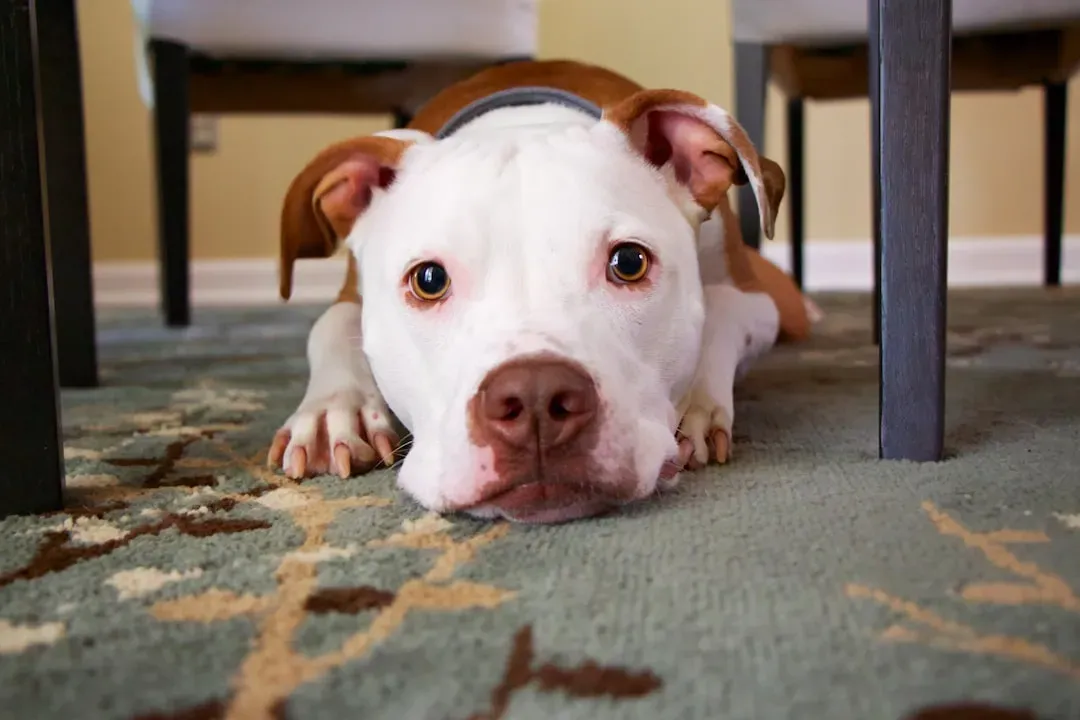
Here is the uncomfortable truth: when a dog stops eating after we leave, it challenges the convenient story that they are endlessly resilient and we can disappear for days with minimal impact. The research forces us to admit that for some dogs, our absence is not a minor blip; it is a full-body experience of stress that shows up in their hormones, brains, and behavior. In my view, dismissing that as a hunger strike is not just inaccurate, it is a little cruel, because it shrinks real distress into a punchline.
If we claim to love dogs like family, we owe it to them to treat their emotional reactions as more than theatrics. That means planning our absences with the same seriousness we would give a young child’s first overnight away from home, building in comfort, predictability, and support. It means seeing that untouched bowl not as defiance but as a quiet signal that says, in the only language they have, “This is hard for me.” The question is not whether science has proved that stress can shut down a dog’s appetite; it has. The real question is: now that you know, will you keep calling it a hunger strike, or will you start treating it like the stress response it truly is?