
Research Has Found That Dogs Who Freeze Briefly During Interaction Are Not Being Stubborn – Freezing Is a Recognized Communication Behavior That Signals Discomfort Before the Dog Escalates to Growling
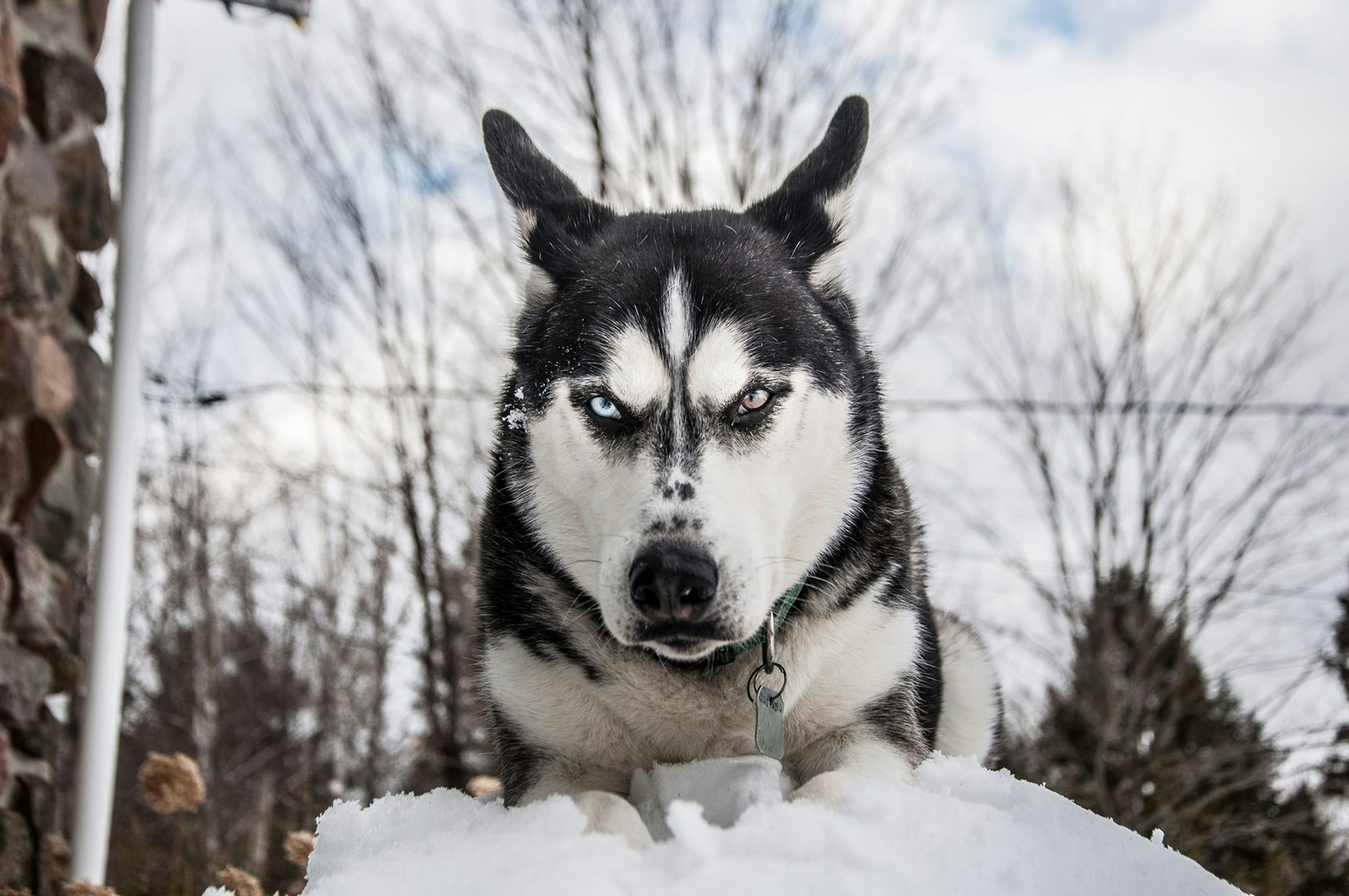
You know that split second when your dog suddenly goes still, almost like someone hit pause on a remote? A lot of people brush it off or label it as stubbornness, especially if it happens when you want the dog to move, greet someone, or tolerate a hug. But that tiny freeze is often your dog whispering something very serious: I’m not okay with this.
Modern behavior research and force‑free trainers have been saying it for years: freezing is communication. It is one of the subtle stress signals dogs use before they ever growl, snap, or bite. Once you start noticing it, you can’t unsee it – and it completely changes how you relate to your dog. Let’s break down what that freeze really means, why it matters, and how you can respond in a way that keeps everyone safe and your relationship stronger.
That Sudden Stillness Is a Safety Warning, Not an Attitude Problem
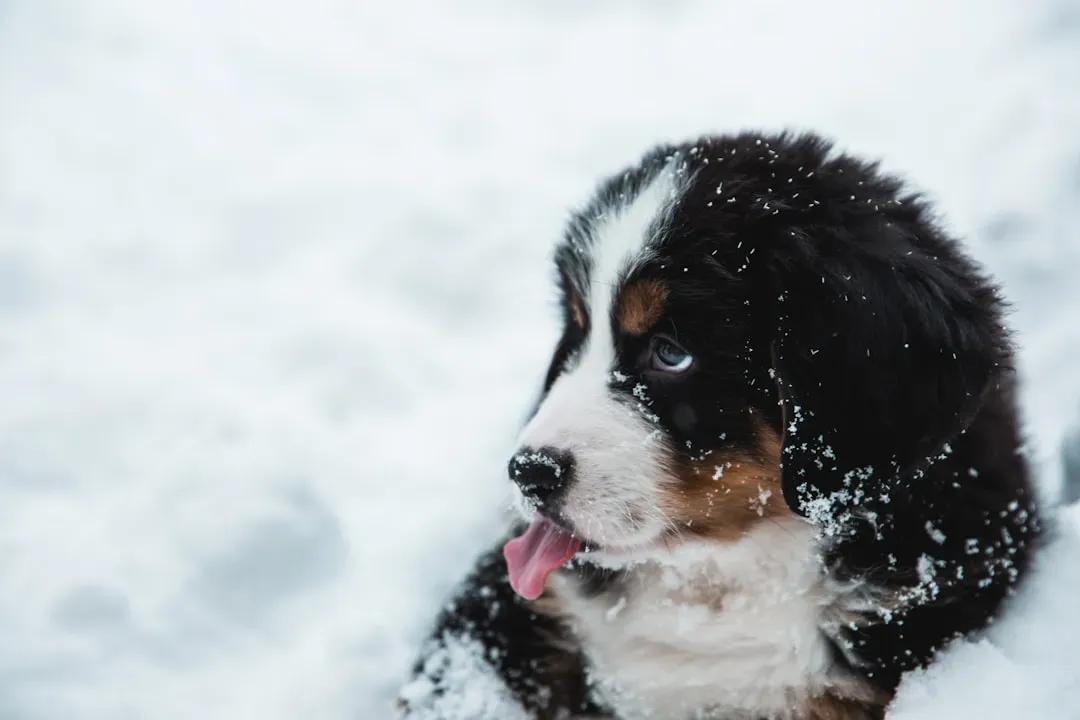
Freezing looks deceptively simple: the dog’s body stops moving, their muscles often tense, and for a brief moment the whole dog seems to lock up. To an untrained eye, it can be mistaken for cooperation or hesitation, and some people even see it as the dog “thinking about” obeying a command. In reality, it is often a sign the dog is experiencing internal conflict or discomfort and is trying to decide what to do next.
In behavior terms, freezing is a classic “fight–flight–freeze” response. When the dog feels trapped, overwhelmed, or unsure, they may freeze because they are not yet ready to flee or fight – but both are on the table. If the situation doesn’t change and the dog continues to feel pressured, that freeze can quickly escalate into growling, snarling, or even a bite. So the stillness that looks so mild is actually your early warning system that things are heading in a risky direction.
Why We Mislabel Freezing as Stubbornness or “Being Difficult”

Many of us grew up hearing that dogs should be obedient, grateful, and endlessly tolerant of whatever we do with them. In that mindset, when a dog stops moving, pulls back slightly, or freezes instead of happily complying, it is easy to slap on the label stubborn, difficult, or even dominant. From that frame, people often respond with more pressure – pulling the leash harder, repeating commands louder, or physically forcing the dog.
The tragedy is that this approach punishes communication. When a dog learns that subtle warnings like freezing are ignored or even met with harsher handling, they may skip straight to more intense behaviors the next time they feel that level of stress. That is how you get the seemingly “out of nowhere” bite: the dog tried to whisper with their body language over and over, but nobody listened, so eventually they shouted the only way they knew how.
How Freezing Fits into the Ladder of Canine Communication
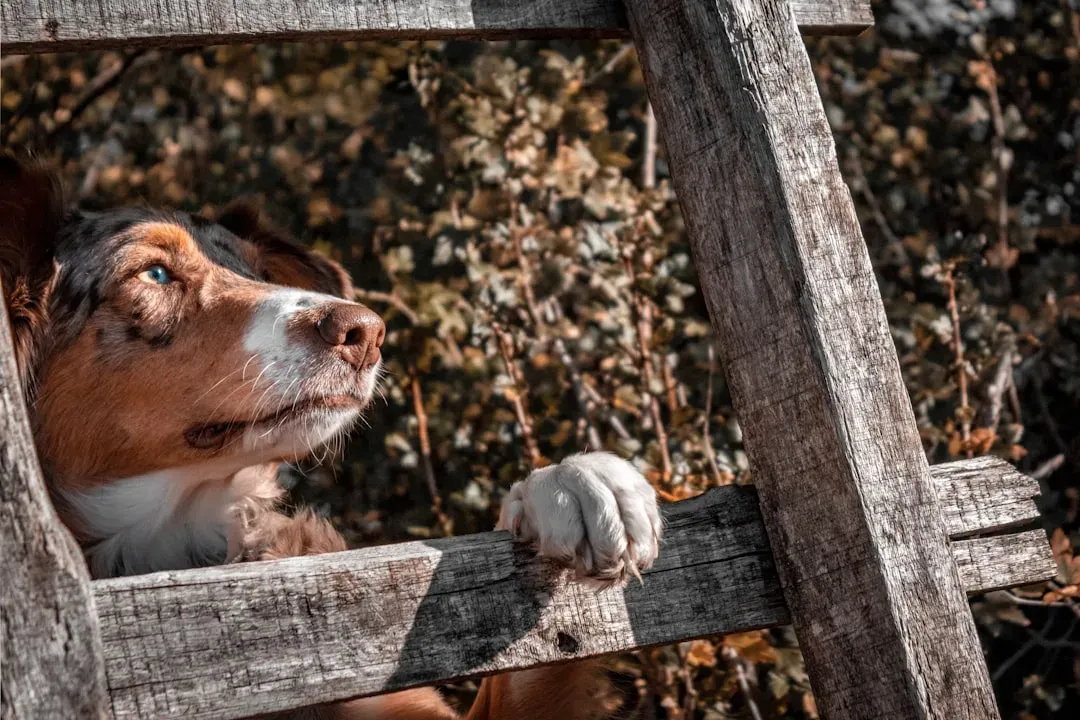
Dogs almost never jump from perfectly relaxed to biting in one leap. Behaviorists sometimes talk about a “ladder” of aggression or a scale of escalating warnings. At the bottom of that ladder are ultra‑subtle signs: turning the head away, licking the nose, showing the whites of the eyes, yawning in a tense context, or shifting weight slightly away from the trigger. These can be so quick and small that humans easily miss them.
Freezing sits higher up that ladder. It is typically more obvious than a small head turn, but it is still quieter than a growl or a snap. When dogs freeze during petting, hugging, picking them up, or while kids are hanging on them, they are often saying this is too much, I’m not comfortable, but I am still trying to avoid a full confrontation. If that freeze is respected and the pressure is reduced, many dogs relax back down the ladder again. If it is ignored, they may feel forced to climb higher toward more intense warnings.
Common Situations Where Dogs Freeze – and What They’re Really Saying
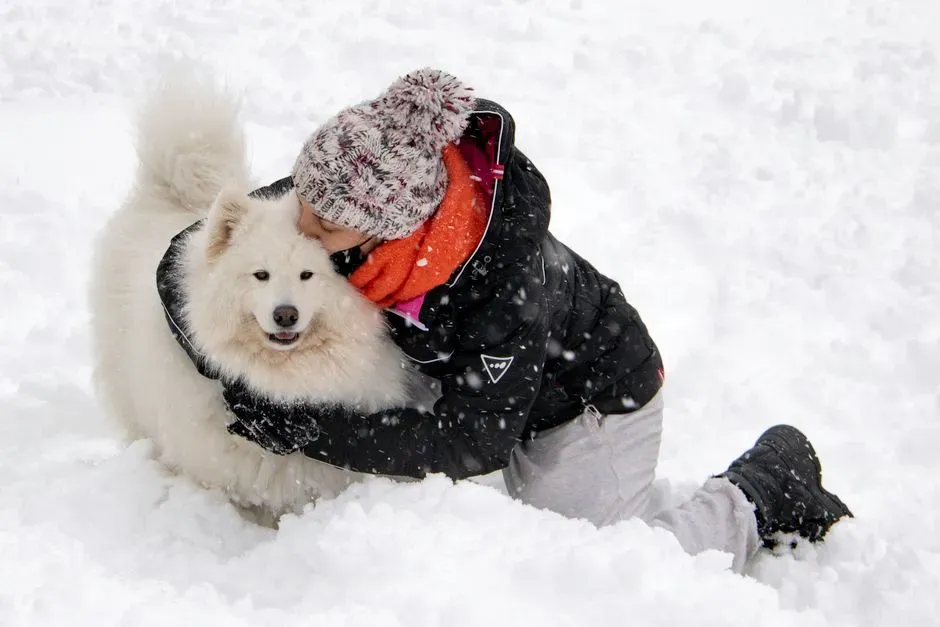
Once you know what to look for, you will start spotting freezes in very predictable situations. Many dogs go still when a stranger leans over them to pet their head, when a child wraps their arms around their neck, or when a person reaches into their food bowl. Grooming, nail trims, tight hugs, costumes, or being lifted off the ground are also frequent triggers for that split‑second stillness.
In all of these scenarios, the dog is often feeling trapped or invaded in a way they do not know how to escape politely. The freeze is that polite attempt. It is the dog’s version of saying: I don’t like this, please stop, I’m trying really hard not to react. If the human notices and immediately creates space – pausing petting, letting the dog move away, changing the angle of approach – many dogs will visibly exhale, blink, soften their bodies, and get back to a more comfortable baseline.
Subtle Body Language That Usually Shows Up Before and After a Freeze
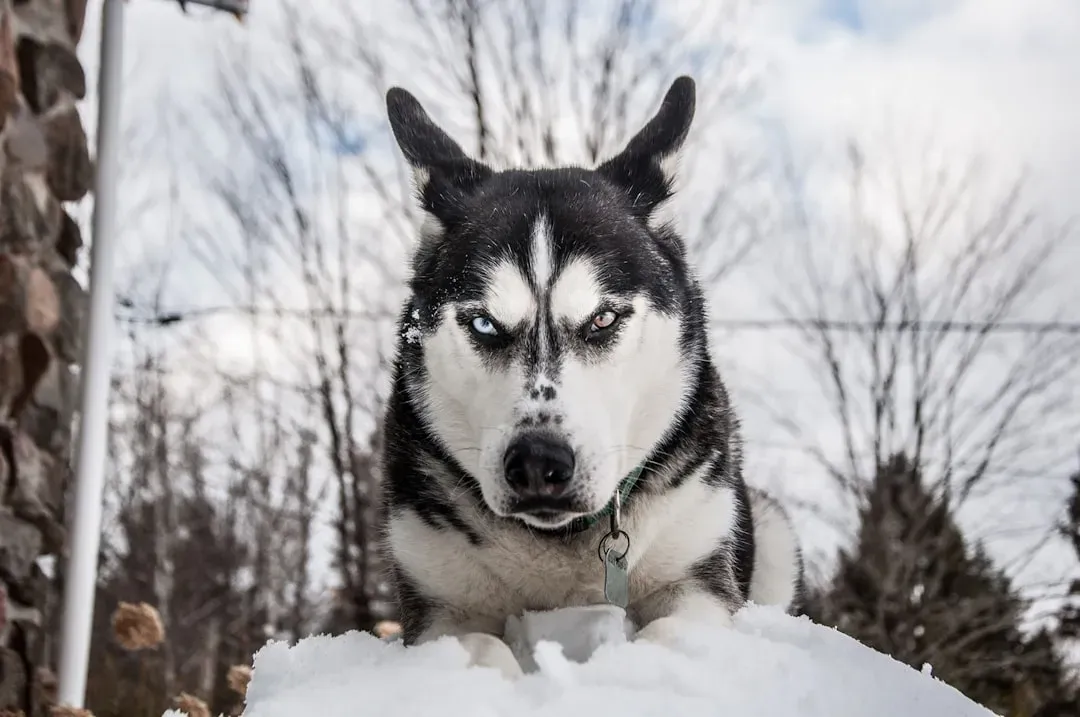
Freezing rarely happens in isolation. If you watch your dog as if you were watching a slow‑motion video, you will often see a whole chain of body language happening before and after that stiff moment. Before the freeze you might notice ears pinning back, the tail going lower or stopping wagging, the dog leaning away, tongue flicks, or a quick yawn that does not match the situation. Their eyes may look a bit rounder, or you might see more of the whites in a classic “whale eye” look.
After the freeze, if the dog feels relieved because the pressure stopped, you will often see a big exhale, blinking, shaking off like they just got wet, or stretching before moving away. If the pressure does not stop, the next steps could be a growl, a lip curl, showing teeth, or an air snap. Learning to read that arc – subtle signs, freeze, and then either de‑escalation or escalation – lets you intervene early so your dog does not feel forced to take that next, more serious step.
How Research and Modern Training Methods View Freezing
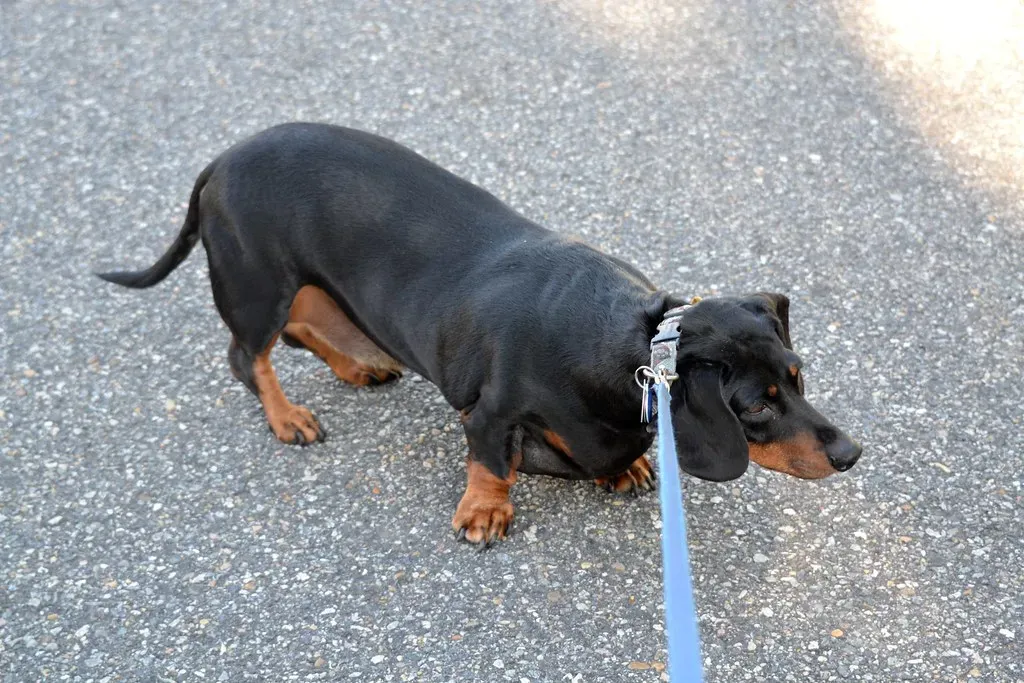
Contemporary dog behavior science frames freezing as part of a larger stress response system, not as a moral failing or disobedience. Studies of canine body language and bite incidents consistently show sequences of subtle signals and changes in posture before more overt aggression appears. Trainers who specialize in fear, anxiety, and aggression cases often rely on video analysis to slow down these moments and show owners exactly when the dog started asking for help long before the incident.
This more nuanced understanding has fueled a strong shift toward force‑free, consent‑based training and handling methods. Instead of insisting that the dog must endure whatever humans want, these approaches treat freeze behavior as vital feedback. If a dog regularly freezes during a certain activity – like veterinary exams, nail trims, or interactions with visitors – that is treated as a signal to adjust the environment, training plan, and handling so the dog can feel safer and more in control.
Why Punishing Freezes and Growls Backfires So Badly
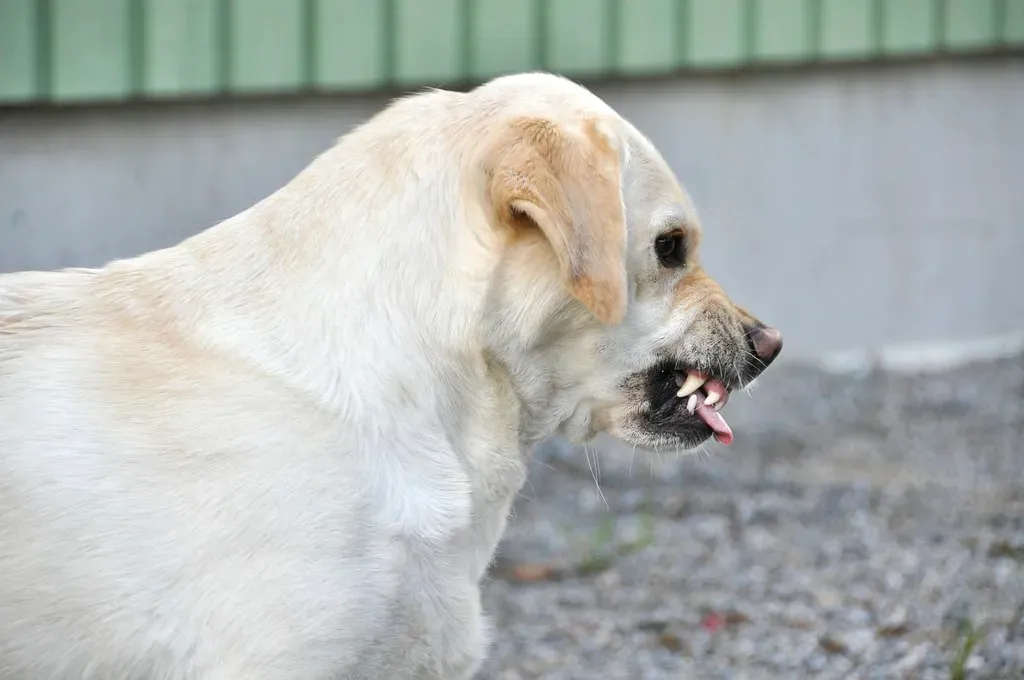
It can be unsettling or embarrassing when your dog growls or goes stiff around family members, guests, or kids, so many people feel an urge to shut it down quickly. They might scold the dog, jerk the leash, or punish the growl outright. On the surface, this can appear to “work” because the dog may stop growling or visibly freezing in that moment. Under the hood, though, you have not removed the fear or discomfort – you have only removed the dog’s safe way of expressing it.
When the communication channel is punished, the emotion tends to fester and intensify. A dog who learns that freezing and growling are not allowed might look fine right up until the instant they bite, because you have trained them that all earlier warnings are dangerous to give. That is a scary place to be as an owner. Protecting and even thanking your dog for growling or freezing feels counterintuitive at first, but it is actually one of the most reliable ways to prevent serious bites and keep everybody safe.
What to Do in the Exact Moment You See Your Dog Freeze
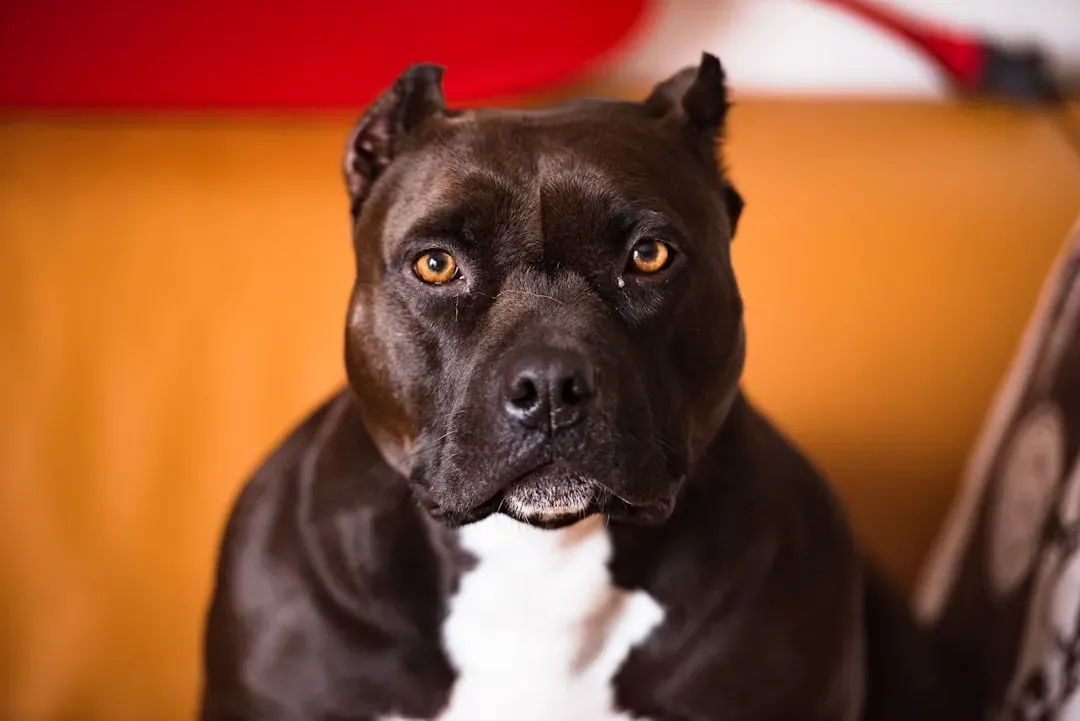
If you notice your dog suddenly go still, think of it like a bright flashing caution sign. The best immediate response is to pause and reduce pressure. Stop what you are doing, step back or turn your body slightly sideways, and give the dog space to move away if they want. If a child or another adult is interacting with the dog, calmly guide them to stop petting or leaning over and re‑direct them without scolding the dog.
Once everyone has backed off and the dog has a chance to breathe, watch for signs of relaxation – softer eyes, slower breathing, a little shake‑off, or approaching you on their own terms. That tells you you’ve successfully lowered the stress level. Later, you can think through what triggered that freeze: Was it a certain type of touch? A particular person or object? A location, like the vet’s lobby or grooming table? Understanding the pattern is the first step to building a better plan.
Long‑Term Support: Building Safety So Freezing Is Less Necessary
Seeing your dog freeze frequently is a sign that their world feels too intense, confusing, or unpredictable in certain contexts. Long‑term, the goal is not to force the dog to “push through” discomfort but to set up their life so they rarely feel the need to send such a strong warning at all. That often means controlling the environment more thoughtfully: using baby gates, safe zones, and management tools to prevent kids from hovering over the dog, or to keep strangers from crowding the dog on walks.
It also means practicing cooperative care and consent‑based handling. Instead of holding the dog down for grooming or vet care, you can work with a trainer or veterinarian who uses gradual desensitization and positive reinforcement. The dog is taught to opt in to handling as much as possible and to signal when they need a break. Over time, this builds trust: the dog learns that their communication works, their boundaries matter, and humans will listen long before things become overwhelming.
How to Explain Freezing to Friends, Family, and Kids
One of the hardest parts of honoring freeze behavior is dealing with other people who do not yet understand what it means. Kids may think the dog is “being good” when they see that stillness during a hug, and adults may see a lack of obvious protest as consent. This is where simple metaphors can help. You can describe freezing as the dog’s version of someone going rigid and quiet when a stranger gets too close on a bus: they are not enjoying it; they are enduring it.
Teaching children that a still dog is not necessarily a happy dog can be life‑changing. You can coach them to follow a few simple rules: always let the dog come to you, pet on the chest or side rather than over the head, and stop if the dog turns away, licks its lips, or stops moving. For adults, you can frame it as respect rather than fear. Saying something like, this is my dog’s way of saying they’re uncomfortable, and I want them to know I’ve got their back, sets a tone that protects both the dog and your relationships.
When to Involve a Professional Behavior Consultant or Veterinarian
Some dogs freeze only occasionally in very specific, understandable contexts, like a first nail trim or a crowded elevator. Others start freezing more and more often, or in situations that used to be fine. If you are seeing regular freezing, especially paired with other red flags like growling, snapping, or attempts to escape, it is time to bring in expert help. A qualified behavior professional can observe your dog, pinpoint triggers, and design a tailored plan to reduce fear and build coping skills.
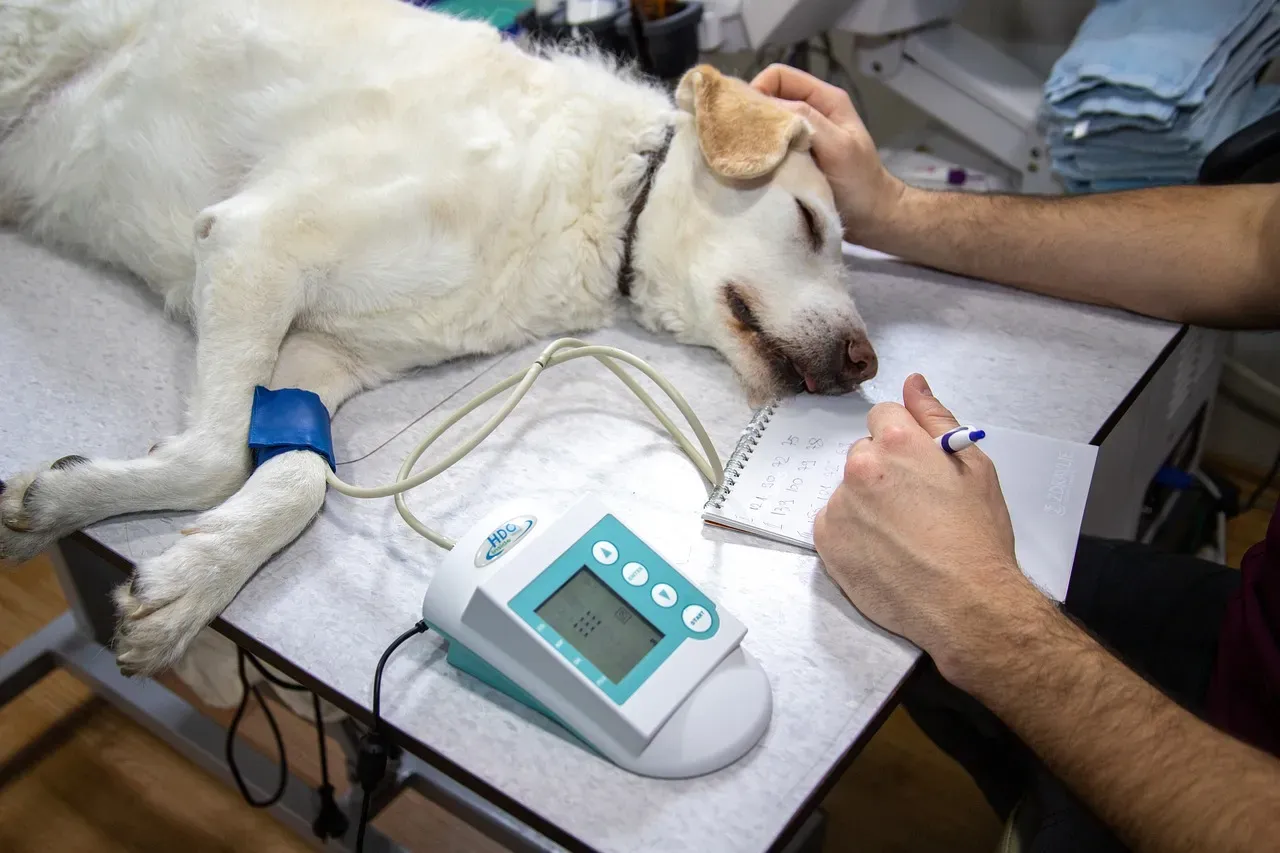
It is also important not to overlook the role of pain or underlying medical issues. A dog who suddenly starts freezing when touched around the hips, spine, ears, or mouth might be hurting rather than simply “not liking” the interaction. A thorough veterinary exam can rule out or address physical causes that make handling uncomfortable. Behavior change and medical care often need to work hand in hand, because a dog who feels better physically usually has a much easier time emotionally too.
Freezing as a Sign of Trust: Your Dog Believes You Will Listen
Here is the part that surprised me the most when I first started really paying attention to dogs: a freeze can actually be a sign of trust. A dog who has learned that their human notices and respects their small signals may feel safer giving those signals in the first place. In a strange way, the dog is betting that you will hear the whisper so they do not have to shout. That is a powerful responsibility, but also a huge compliment.
When you respond calmly and kindly to a freeze – by creating space, changing the situation, or ending the interaction – you teach your dog that their feelings matter. Over time, many dogs become more relaxed, more expressive, and more willing to engage because they are no longer bracing for humans to push them past their limits. It is the emotional difference between living with someone who steamrolls you and someone who genuinely asks how you are and listens to the answer.
Opinionated Conclusion: Listening to the Freeze Is the New Bare Minimum

I genuinely believe that in 2026, with everything we now know about canine behavior, ignoring or dismissing a dog’s freeze response is no longer defensible. Calling it stubbornness or drama is a way of protecting our own comfort at the expense of the dog’s safety and well‑being. If we invite dogs into our homes, onto our couches, into our families, then listening to the ways they tell us they are uncomfortable should not be optional – it should be the bare minimum of what we owe them.
We do not get to choose whether dogs have emotions, only whether we bother to respect them. That single moment of stillness is your dog doing everything in their power to avoid conflict while still staying honest. If we are wise, we will treat that freeze as a gift: an early warning, a window into their inner world, a chance to choose kindness before anyone gets hurt. The real question is not whether dogs are communicating; it is whether we are finally ready to answer.