
10 Ways Your Dog Tries to Make Peace After They Know You’re Upset
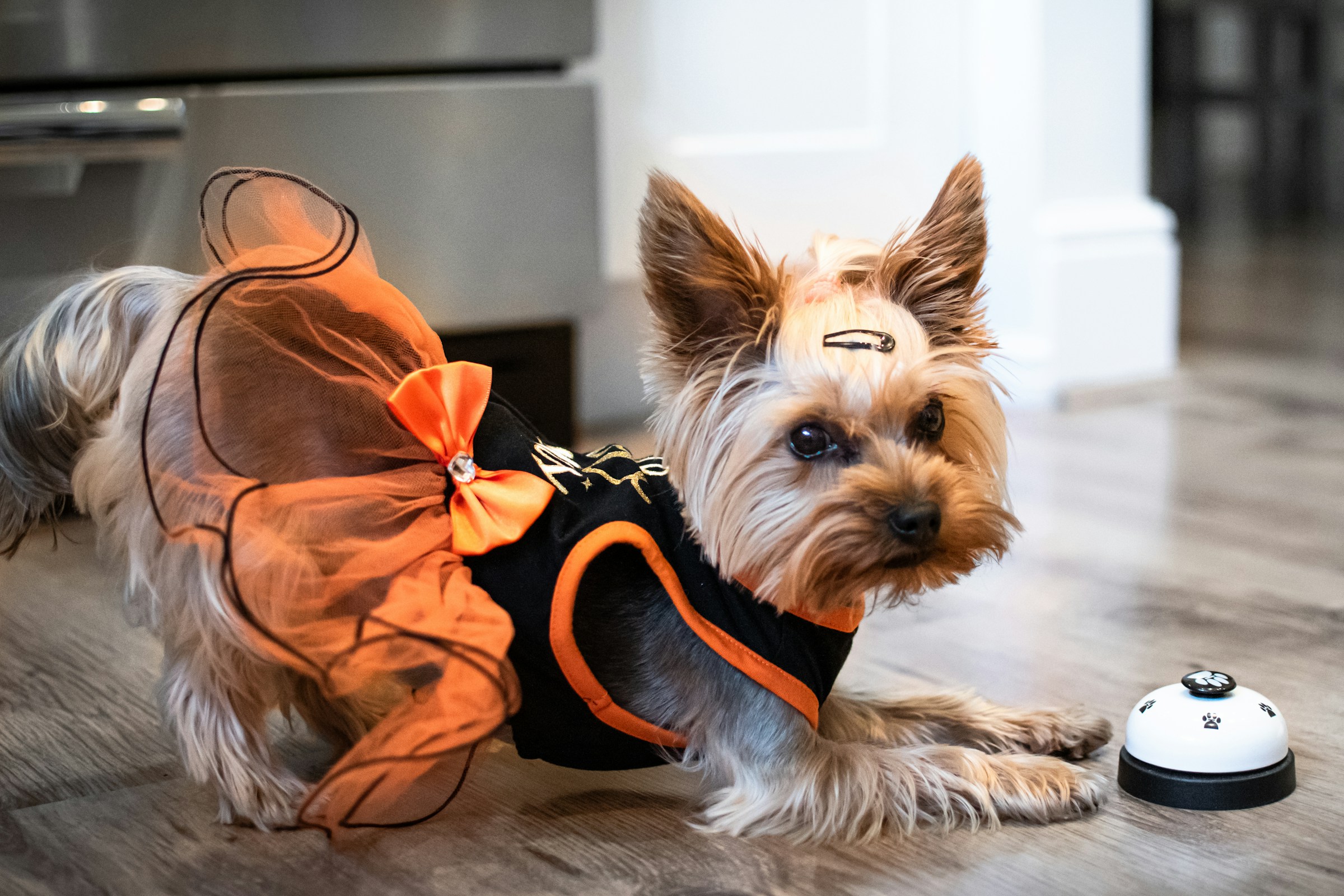
If you’ve ever tried to stay mad while your dog stares at you with those giant, worried eyes, you know it’s almost impossible. One minute you’re frustrated about the chewed shoe or the muddy paw prints, and the next you’re laughing because your dog is practically throwing themselves at your feet like a tiny, furry diplomat begging for a ceasefire. It feels weirdly intentional, almost like they know you’re upset and they are scrambling to fix it.
Scientists debate how much dogs truly understand about our emotions, but everyday life with them paints a pretty convincing picture: they notice when our mood shifts, and they respond. Not always perfectly, not always the way we’d like, but in ways that are often incredibly sweet, funny, and disarming. Let’s walk through 10 of the most common “peace offerings” your dog makes once they realize the vibes are off between you.
1. The Guilty Look That Melts Your Anger
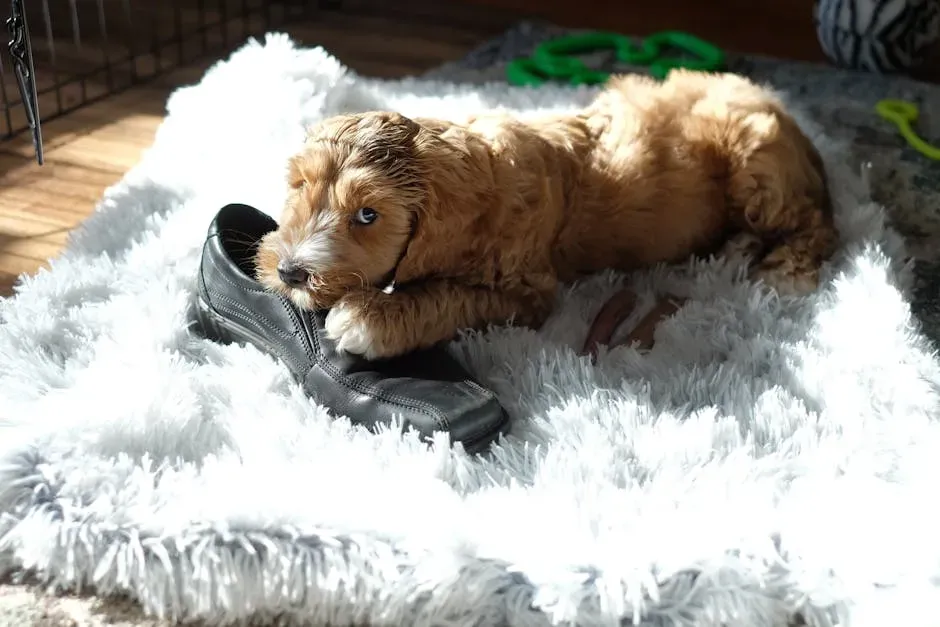
You know that classic guilty look: head slightly lowered, ears back, whites of the eyes showing a little, maybe even a slow blink and a nervous tail wag. It is like your dog is saying, without words, that they know something is wrong and they are testing the emotional temperature of the room. Even if they do not actually feel guilt in the human sense, they are incredibly good at reading your body language and tone, and they react with appeasement signals to calm things down.
Dogs learn fast that this look tends to soften humans. If every time they avert their gaze and make themselves small you eventually sigh and say something gentle, they start using that “face” as a kind of emotional reset button. It is less about moral guilt and more about social survival: you are their family and their source of safety, so making peace with you is priority number one.
2. The Slow, Apologetic Approach
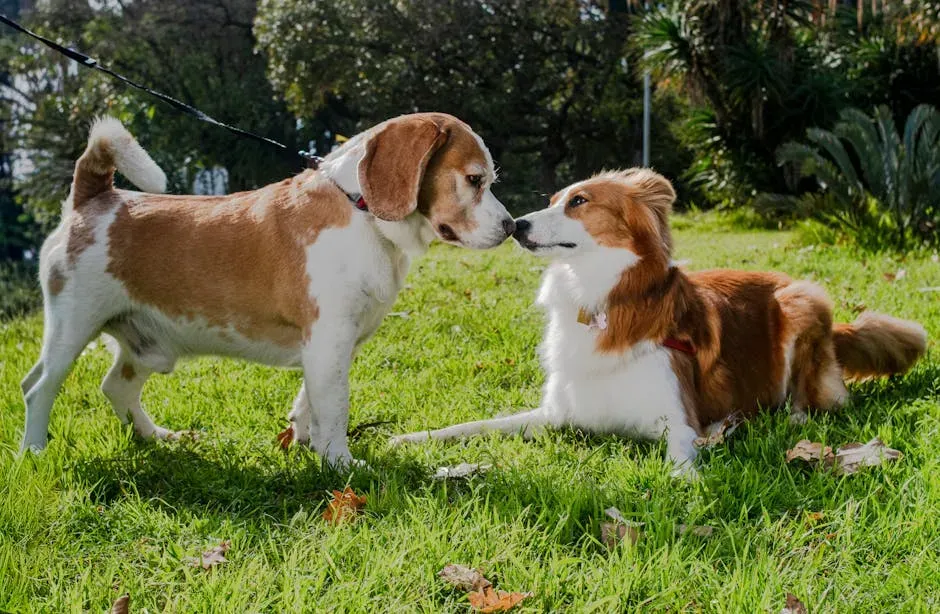
Watch what your dog does physically when they sense you are upset: they often move more slowly, approach in a curved path instead of straight on, and keep their body a little lower to the ground. That curved, cautious approach is a huge canine way of saying they are not a threat and they do not want trouble. In dog language, approaching directly and fast can be rude or challenging; approaching in a soft arc with relaxed movements is a peace gesture.
Many dogs will pause a few feet away, glance up at you, then inch closer if you do not push them away with your voice or body. It is like they are asking for permission to reconnect. When you finally give in and reach out a hand, you may notice their whole body relax, almost as if they were holding their breath. That tiny exchange is their version of “Are we okay?” and your answer is everything.
3. Bringing You a Toy as a Peace Offering
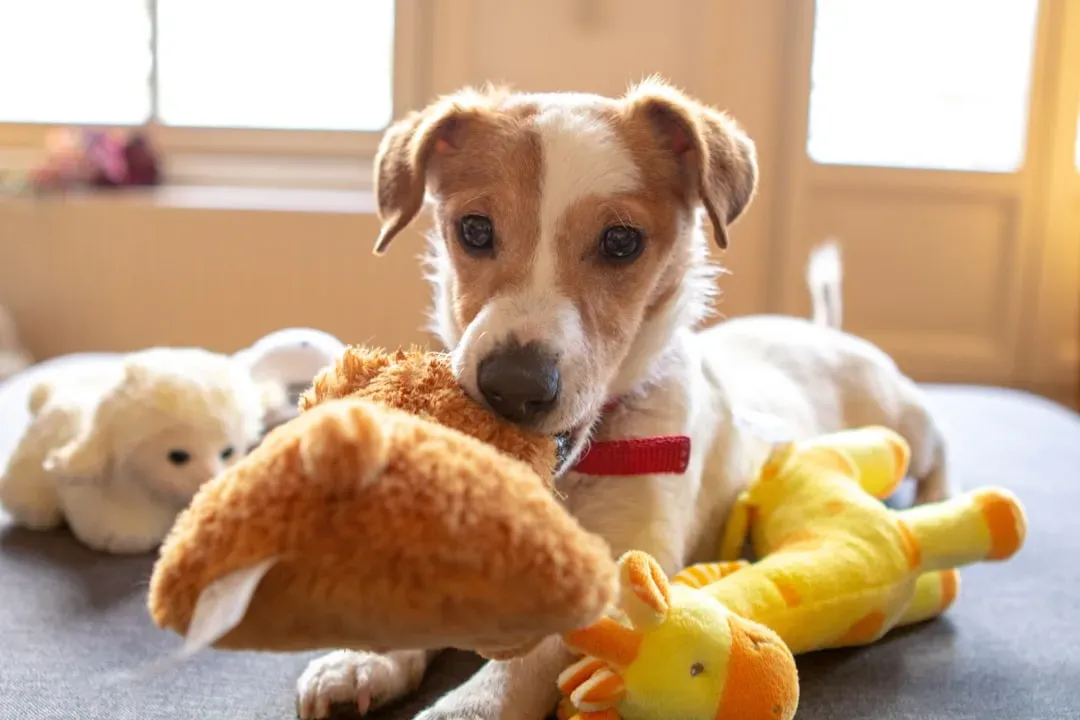
One of the sweetest things dogs do after tension is grab a toy and march over like they are presenting you with treasure. It might be their favorite squeaky toy, a slobbery ball, or even a random sock they rescued from the laundry pile. To us it can look like a distraction tactic, but for them it is part apology, part invitation. They are saying, in the most dog way possible, that they want to switch from conflict to play.
Play is a huge social glue in the dog world. Offering a toy is a bit like offering a handshake, a coffee, or a “Let’s talk” in human terms. Even if they do not fully connect your frustration to the specific thing they did, they understand that the atmosphere is heavier and that play has fixed that before. Accepting the toy, even briefly, can be your way of saying the fight is over, and their relief is usually written all over their wiggling body.
4. Climbing Into Your Space for a “Sorry” Cuddle
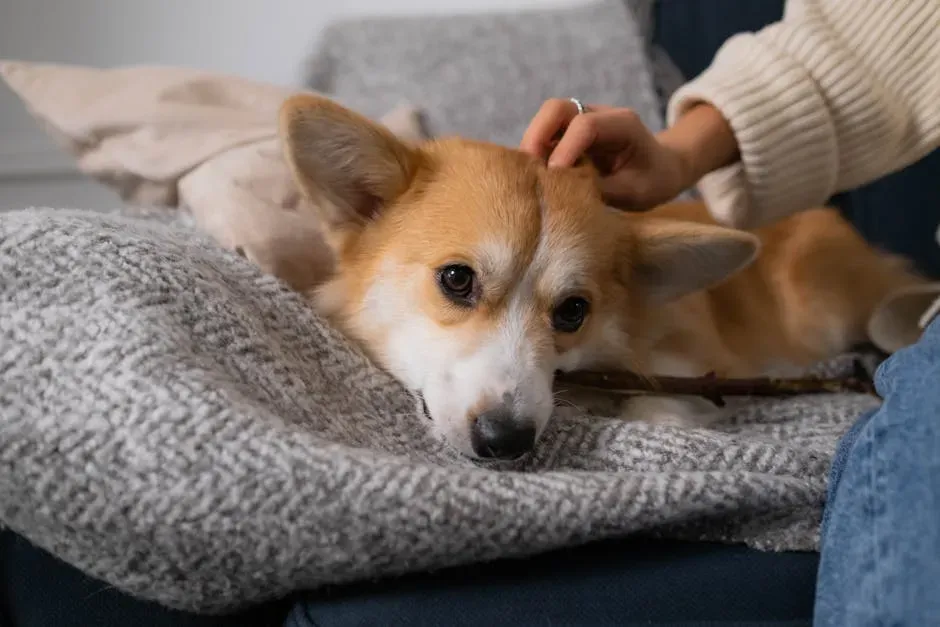
Sometimes a dog’s version of a peace treaty is incredibly straightforward: they climb right into your lap or lean their full weight against your side. There is nothing subtle about it. A lot of dogs become extra clingy when they sense tension, following you room to room, nudging your hand, or quietly curling up right against your leg. Touch is their language of reassurance, and they use it heavily when something feels off.
From a behavioral standpoint, they may be seeking comfort for themselves as much as for you, but that does not make the gesture less real. You are their safe person, so if you are upset, their whole world feels wobbly. When my own dog once destroyed an entire roll of paper towels, I tried really hard to stay annoyed, but she crawled into my lap and let out a big sigh that sounded like surrender. That moment reminded me that, for them, the bond matters far more than the mess.
5. Licking Your Hands or Face to Calm You Down
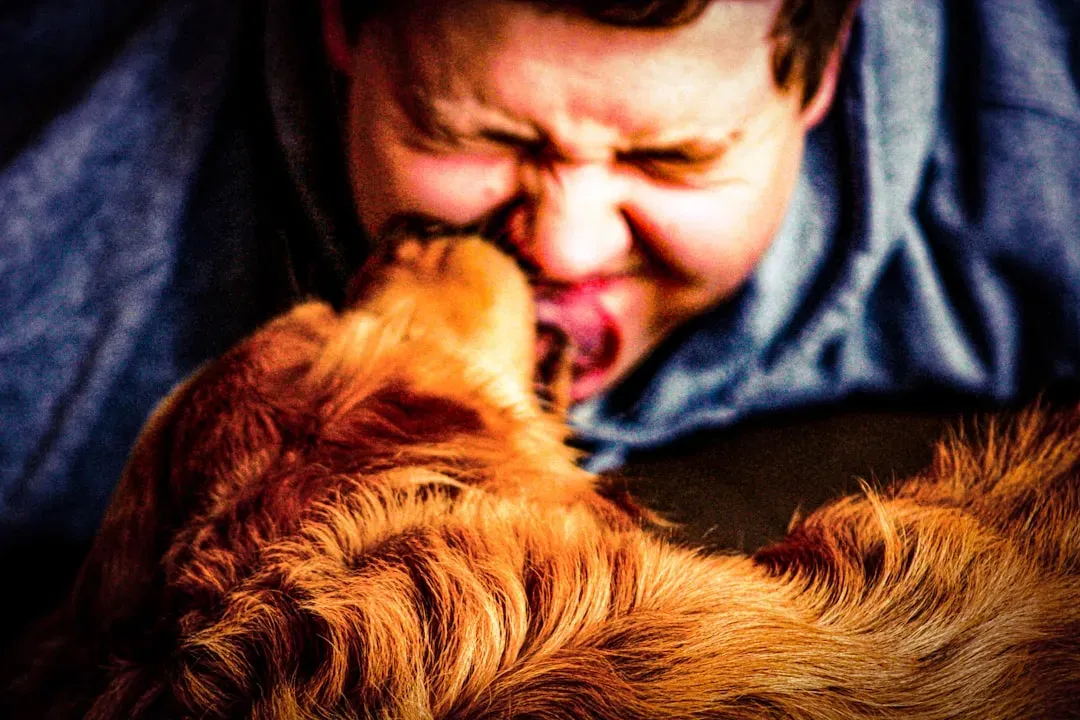
Many dogs turn to licking when they sense tension, targeting your hands, face, or even your arms if they can reach them. To us it can feel like kisses, but in canine terms it can also function as appeasement and bonding. Puppies lick older dogs around the mouth, and adult dogs often use gentle licking in social situations to show friendliness and reduce conflict. When you are upset, that same behavior shows up directed right at you.
Some people find the licking annoying, especially when they are already frustrated, but underneath it is a genuine attempt to connect. In their mind, giving you that focused, repetitive attention has worked before to get you smiling again, so they keep trying. If the licking is too much, you can redirect it without punishing them, because from their perspective, they are not being rude; they are throwing every affection tool they have at the problem.
6. Performing Calming Signals Like Yawning and Turning Away
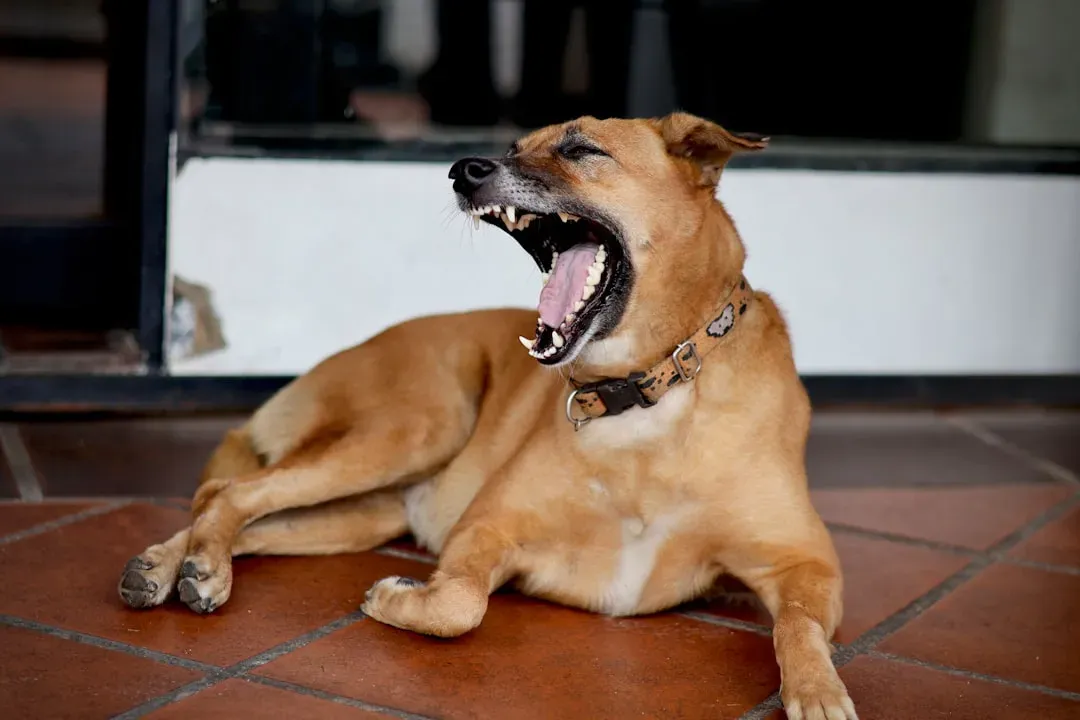
One of the most underrated ways dogs try to make peace is through subtle body language, often called calming signals. When tensions rise, you may see your dog yawn when they are not tired, lick their lips, blink slowly, or deliberately turn their head to the side. These are small, almost quiet gestures that dogs use around each other to say they are not looking for a fight and would like everyone to relax.
When you are upset, your dog might start stringing several of these together: a yawn, a head turn, maybe a little shake of their body as if they are shaking off stress. They might even sit or lie down between you and whatever is upsetting you, as if placing a calm barrier there. It can be easy to miss these signs in the moment, but once you learn to spot them, you realize your dog has a whole peace-making toolkit that never involves words.
7. Shadowing You Quietly Around the House
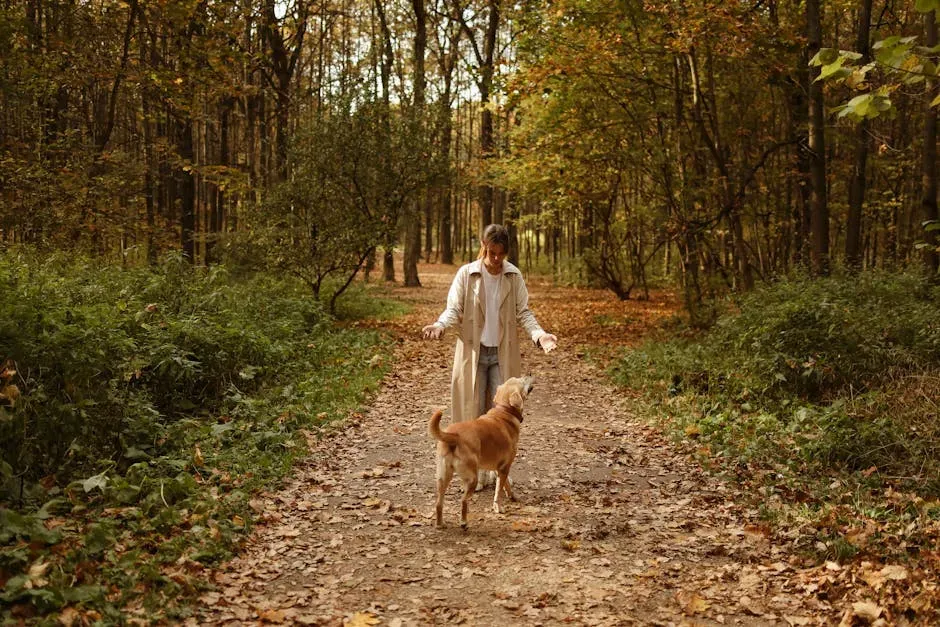
Another classic peace move is the silent follow. You stomp into the kitchen, they are there. You walk to the bedroom, they are behind you like a little furry ghost. They are not always asking for anything; sometimes they are just monitoring you, checking whether your mood is softening, and making sure the relationship is still intact. Their presence is their way of saying they have not given up on connection, even if you are not ready to interact yet.
Dogs are social animals wired to stay close to their group. When there is emotional distance, many will physically close the gap instead. It can feel a bit intense, like having a living, breathing conscience trailing you, but it is actually a huge compliment. They care enough about how you feel that they do not want to leave you alone with your frustration. Their quiet footsteps in the hallway are their gentle reminder that you are not alone, even when you are in a bad mood.
8. Offering a Play Bow to Break the Tension
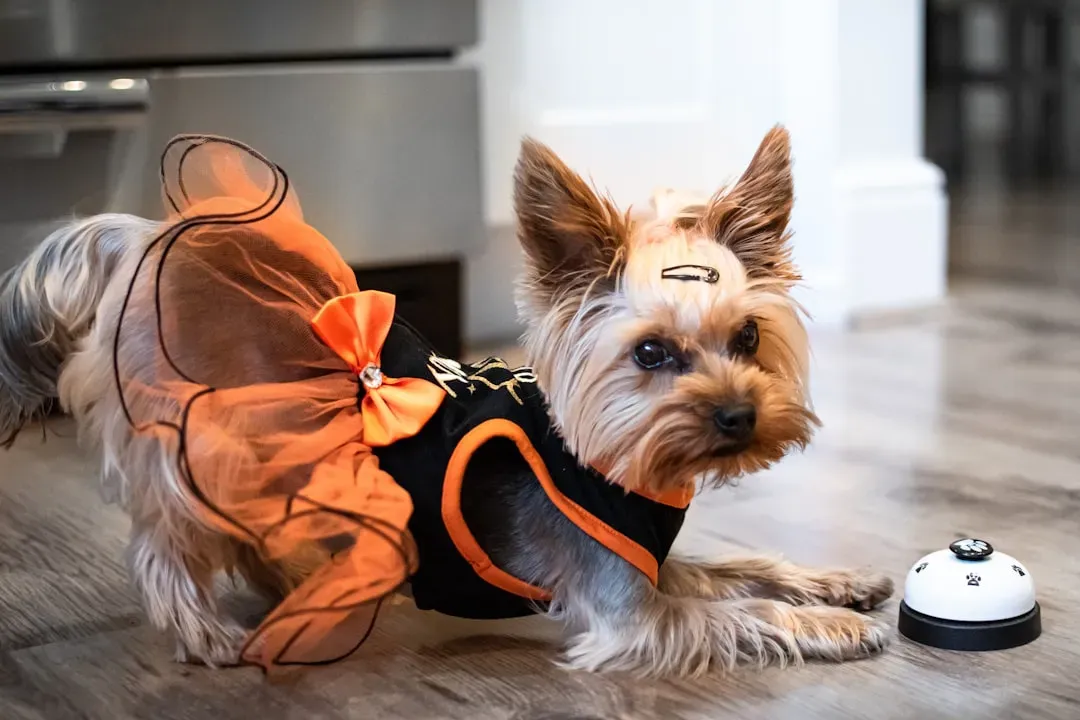
Every so often, especially with younger or naturally goofy dogs, their solution to your anger is to go full clown mode. They will drop into a deep play bow, front legs stretched forward, rear in the air, tail wagging, maybe even tossing in a little bark or silly zoomie run. This is dog language for “Let’s play” and “I come in peace.” Play bows are powerful social tools in dog communities, used to signal friendly intentions and keep things from escalating.
When you are irritated and your dog suddenly does a play bow in front of you, it can feel almost like a joke at your expense. But it is really an instinctive attempt to reset the tone. They have learned that when humans laugh or chase them around in play, everything feels better. So even if you decide not to engage, just recognizing what they are trying to do can shift your perspective. They are not mocking you; they are reaching for the only “reset button” they know.
9. Retreating to Give You Space (But Staying Within Sight)
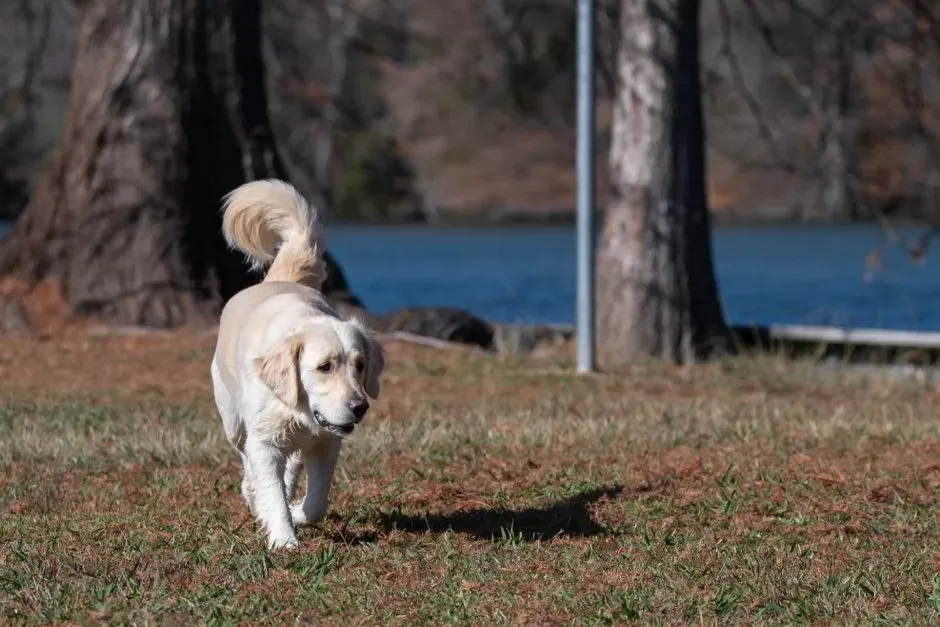
Not every dog rushes in to fix things; some try to make peace by doing the opposite: backing off a little. If your voice gets sharp or your movements get big, a sensitive dog may quietly move to their bed, crate, or a corner of the room. They are not sulking; they are choosing the safest, calmest option they know. By removing themselves from the immediate conflict, they are hoping the storm will pass and things can return to normal.
What is touching is that many dogs do not disappear completely. They will often lie somewhere they can still see you, head resting on their paws, watching carefully for signs that it is safe to reconnect. When your shoulders drop or your tone softens, they may slowly approach again. This whole pattern tells you they are not indifferent; they are managing their own stress while still staying emotionally tuned in to you.
10. Curling Up Close When Things Finally Quiet Down
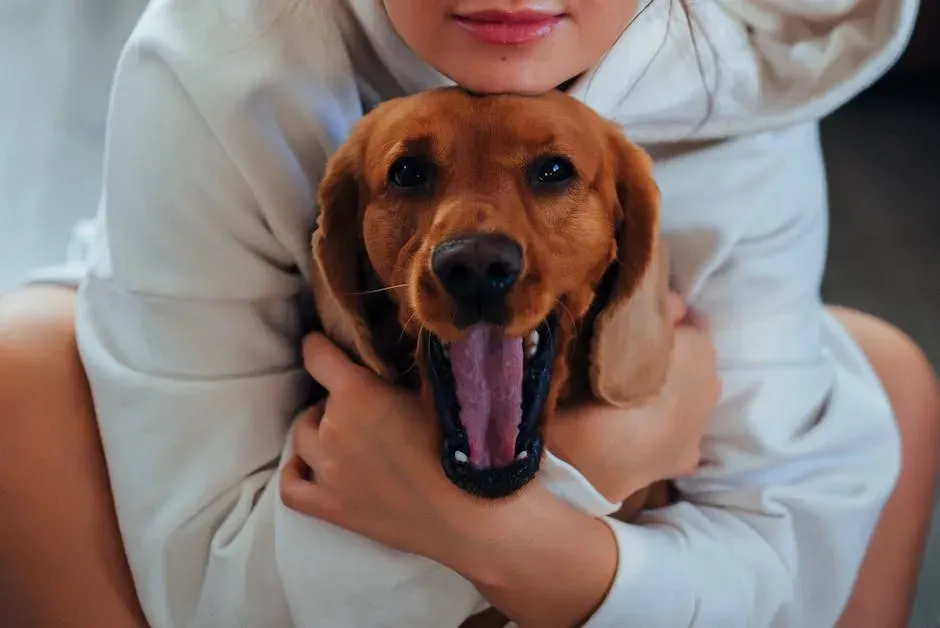
After the frustration, after the sighs, after the mess is cleaned or the argument is over, many dogs have one final peace move: they curl up right next to you when everything gets quiet. Maybe it is at the end of the day on the couch, or when you finally sit on the bed to scroll your phone. They take that moment of stillness as their cue, slide in against your hip, and just exist there with you, breathing slowly, like a living apology and a promise at the same time.
This quiet closeness is often where the real repair happens. There are no big gestures, no wild antics, just shared comfort and routine. From my own experience and from countless stories people tell, this is where the anger usually melts completely, because it is hard to stay upset at the creature that chooses your side, every single time, no matter how grumpy you get. In their own wordless way, your dog is saying that arguments are temporary, but the bond is not.
Why Your Dog’s Peace Efforts Deserve More Credit
When you step back and look at all these behaviors together, it becomes clear that dogs work pretty hard to keep the relationship steady. They may not understand every detail of why you are upset, but they absolutely notice the change and they respond with the tools evolution and life with humans have given them: appeasement, play, touch, space, and loyalty. That is not nothing; it is actually a remarkable emotional dance between two very different species.
Personally, I think we underestimate how much effort they put into making things right. We expect them to adapt to our routines, our rules, our moods, and even our bad days, and still be ready to cuddle at night like nothing happened. The next time your dog offers you a toy, gives you those soft eyes, or simply stretches out beside you after an argument, it might be worth asking yourself: if they are trying this hard to make peace, how willing am I to meet them halfway?