
How Much Sleep Does Your Dog Really Need? The Answer Depends on More Than Their Age
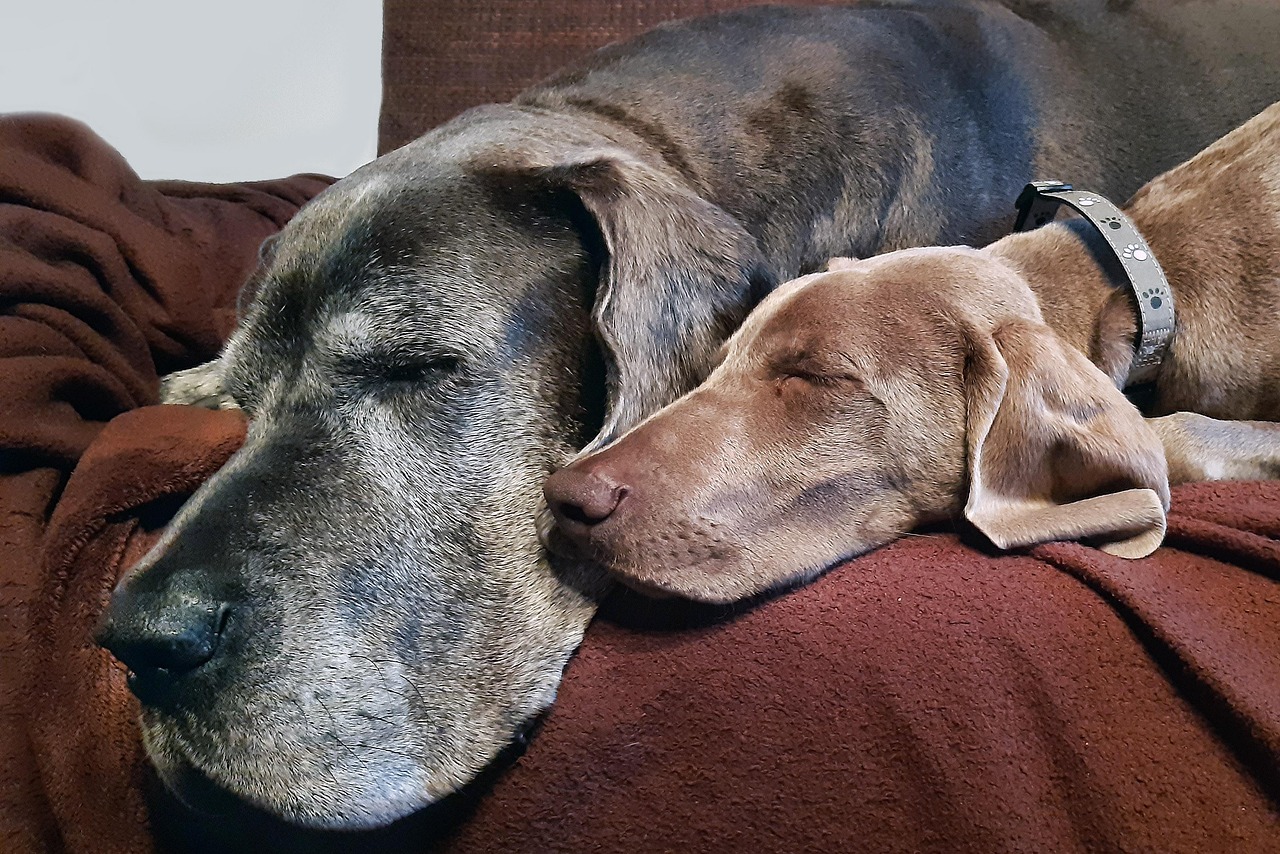
If you’ve ever watched your dog snoozing for what feels like the entire day and thought, “Is this normal, or is my dog just lazy?” you’re not alone. Dog sleep is one of those things most people never really question until something feels off: a puppy that crashes mid-play, a senior dog that seems to nap more than they’re awake, or a once-bouncy dog that suddenly prefers the couch to the park.
The twist is that there isn’t a single “correct” number of hours that works for every dog. Age matters, sure – but so do breed, lifestyle, health, and even what’s going on emotionally in your dog’s world. Once you see how all these pieces fit together, your dog’s sleep habits stop being a mystery and start becoming one of the clearest windows into how they’re actually doing.
The Real Sleep Ranges: What’s “Normal” for Dogs at Different Life Stages?
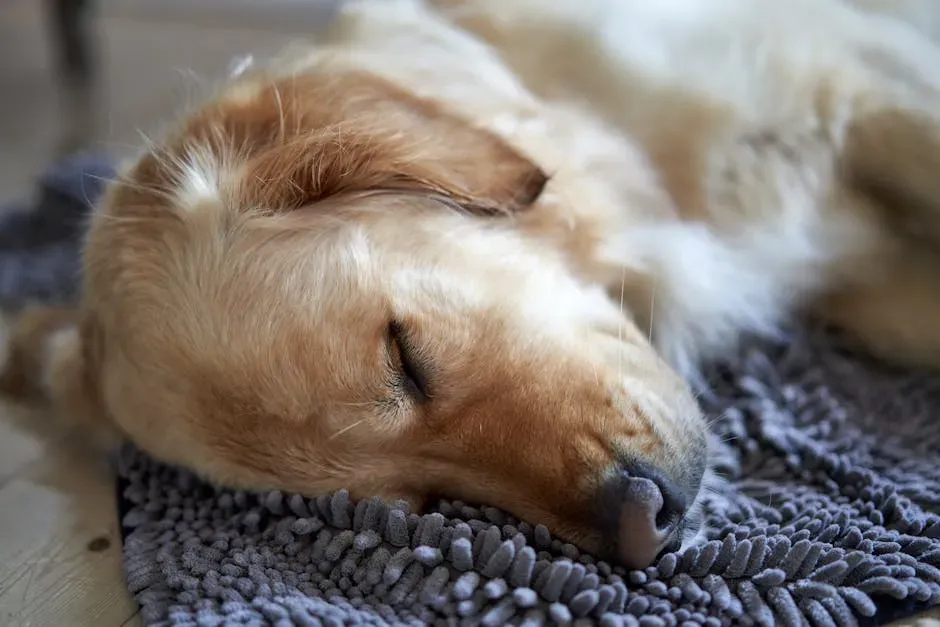
Here’s the first surprising truth: healthy adult dogs generally sleep somewhere between about half and roughly two thirds of the day when you add up both nighttime sleep and daytime naps. Puppies and senior dogs often clock even more, sometimes drifting into the territory of three quarters of the day. If that sounds like a lot, remember that dogs don’t live in our rigid “eight hours at night and go” rhythm; their sleep is spread out in chunks.
Puppies are basically tiny, furry sleep machines. They burn through energy learning, playing, and growing, then crash hard to let their brains and bodies recover. Seniors, on the other hand, tend to slow down as their joints age and their metabolism changes, so longer sleep stretches or more frequent naps are completely expected. What matters most is less the exact number of hours and more whether your dog’s pattern is reasonably stable and fits their age, energy level, and health.
Breed and Size: Why a Great Dane Sleeps Differently Than a Jack Russell
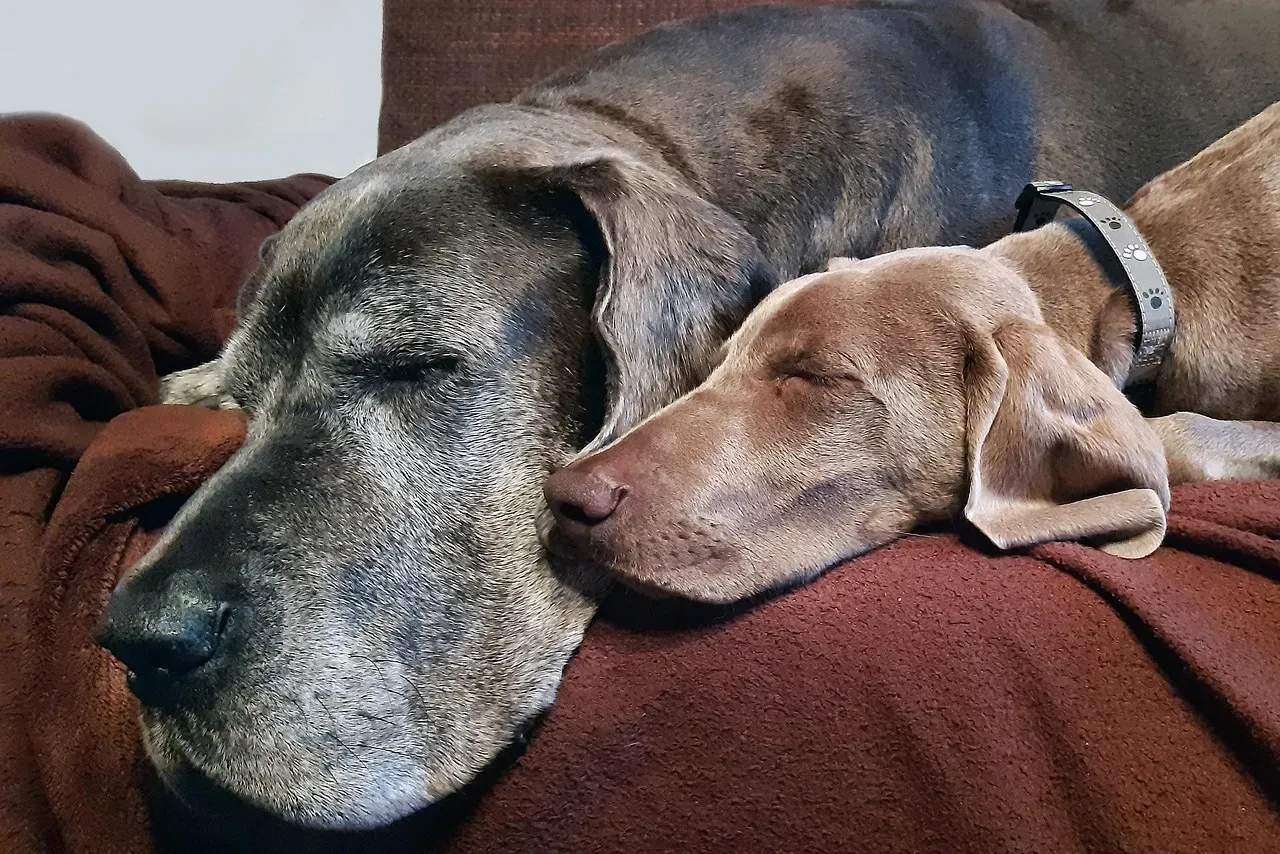
Not all dogs are wired the same way. Big, heavy breeds like Great Danes, Newfoundlands, or Mastiffs often behave like gentle, sleepy giants, content to lounge and nap much of the day. Their bodies are doing more work just carrying their size, so recovery and rest are a bigger part of their daily rhythm. Many giant breeds are naturally lower energy, so extra sleep isn’t usually a red flag – it’s just how they’re built.
Now think of a smaller, high-drive dog like a Jack Russell Terrier or a working-bred Border Collie. These dogs are often mentally and physically “on,” scanning, thinking, herding shadows, and waiting for the next thing to happen. They still sleep a lot more than you might expect compared to humans, but their wake windows may be more intense and focused, and they’re quicker to snap into action. If a typically zippy, busy breed suddenly starts sleeping like a couch-locked giant, that shift is often more concerning than the raw hours on the clock.
Day in the Life: How Lifestyle, Activity, and Environment Shape Sleep
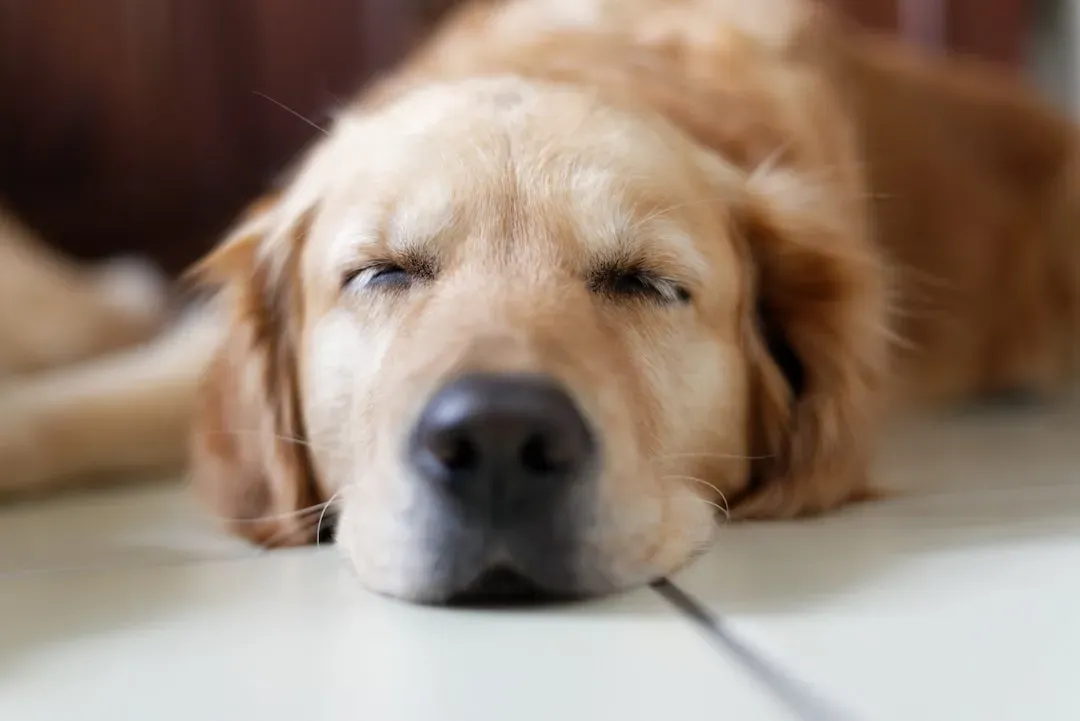
A dog that spends two solid hours hiking, training, and playing in the yard is going to sleep very differently from a dog whose main excitement is watching you walk back and forth to the fridge. Physically and mentally fulfilling days create deep, high-quality sleep afterward, almost like hitting a natural reset button. Under-exercised or under-stimulated dogs may still sleep a lot, but it can look more like boredom and zoning out than truly restful, restorative sleep.
Your home environment also matters more than people realize. A noisy apartment with constant hallway traffic, loud neighbors, or kids running around can fragment sleep into short, choppy naps. On the other hand, a calm, predictable home with a cozy, safe sleeping spot lets your dog sink into longer, more satisfying rest. If your dog seems tired but restless, it’s worth asking: are they truly getting peace and quiet, or are they constantly half on alert?
Emotions and Stress: When Anxiety Steals or Inflates Sleep
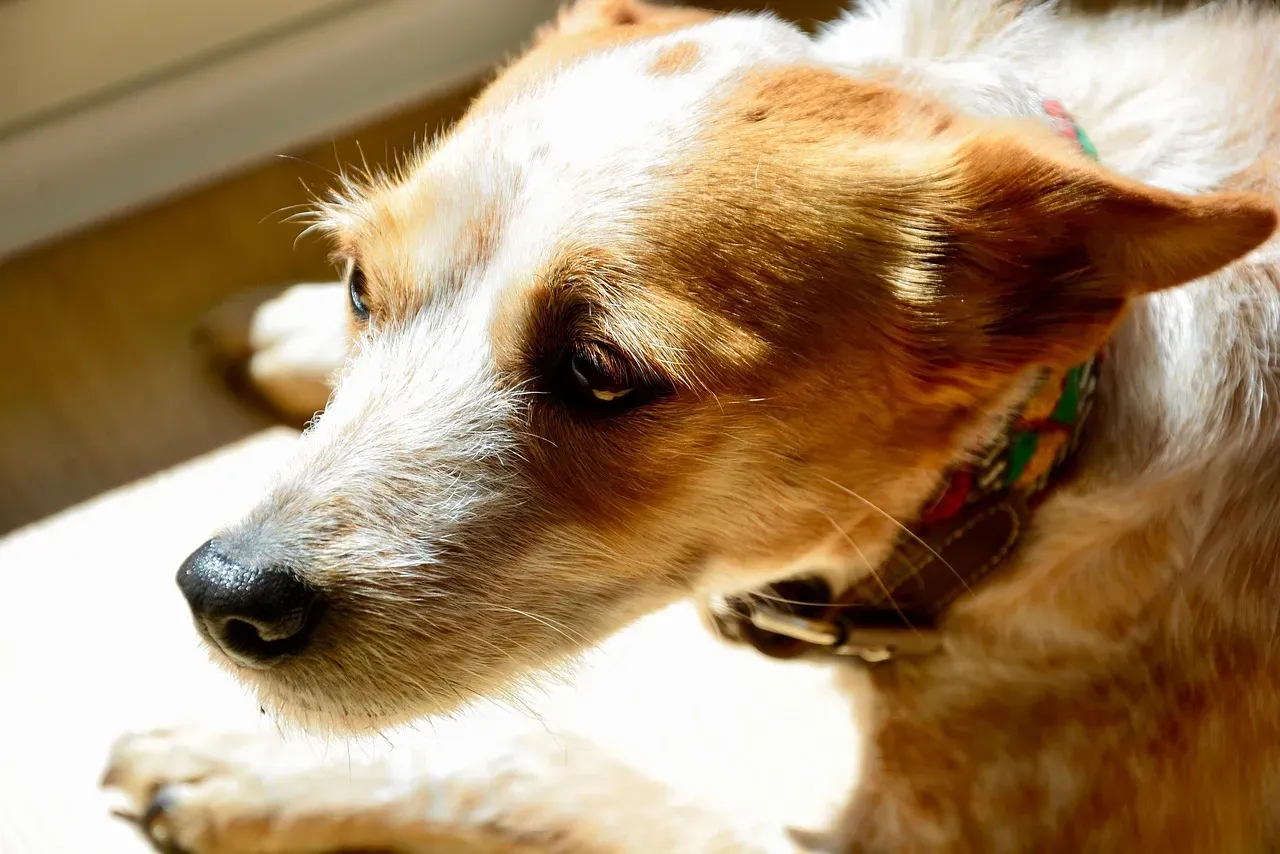
Dogs don’t just sleep because they’re physically tired; their emotional world shows up in their sleep patterns too. A dog that is anxious, hypervigilant, or stressed by changes – like a move, a new baby, or schedule shifts – might struggle to relax enough for deep sleep. They may do a lot of light dozing but wake at every tiny sound, or they might pace, reposition constantly, or insist on sleeping right on top of you to feel safe.
There’s also the flip side: some stressed or depressed dogs sleep excessively in a way that feels flat and withdrawn rather than content and relaxed. Think of it like emotional shutdown. If your normally cheerful dog suddenly seems checked out, uninterested in play, and sleeping way more without a clear physical reason, that’s not something to shrug off. Emotional health is health, and big shifts in sleep can be one of the clearest early warning signs that something deeper is going on.
Health Red Flags: When Your Dog’s Sleep Pattern Signals Trouble
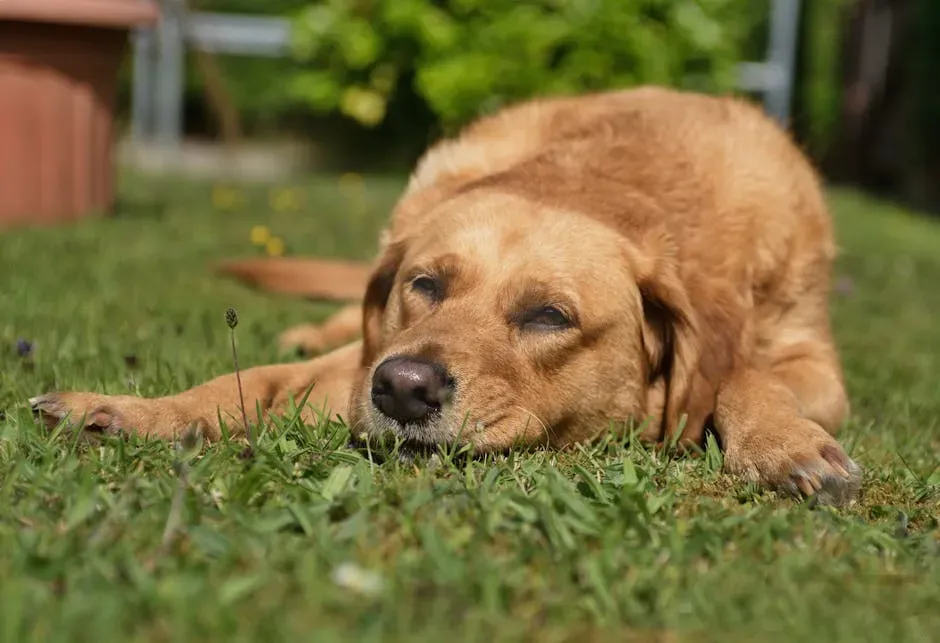
Because dogs sleep a lot by default, it’s tempting to dismiss changes as “they’re just tired,” but your gut often knows when something feels off. A dog that suddenly starts sleeping much more, especially if they’re hard to wake or seem weak, may be dealing with pain, illness, metabolic changes, or even heart or neurologic issues. On the other hand, dogs that can’t seem to settle, pant at night, pace, or wake you up repeatedly might be uncomfortable, anxious, or struggling with conditions like cognitive decline in older dogs.
The key is to pay attention to what has changed and how fast. A slow, gradual increase in naps over years in a senior dog is pretty normal. A sudden crash in energy or a dramatic flip from playful to lethargic over days or a few weeks deserves a call to your vet. I’ve learned the hard way that it’s better to feel a little overcautious and get reassurance than to ignore nagging doubts and miss an early window to help your dog feel better.
Setting Up Healthy Sleep: Routines, Sleep Spots, and Household Habits
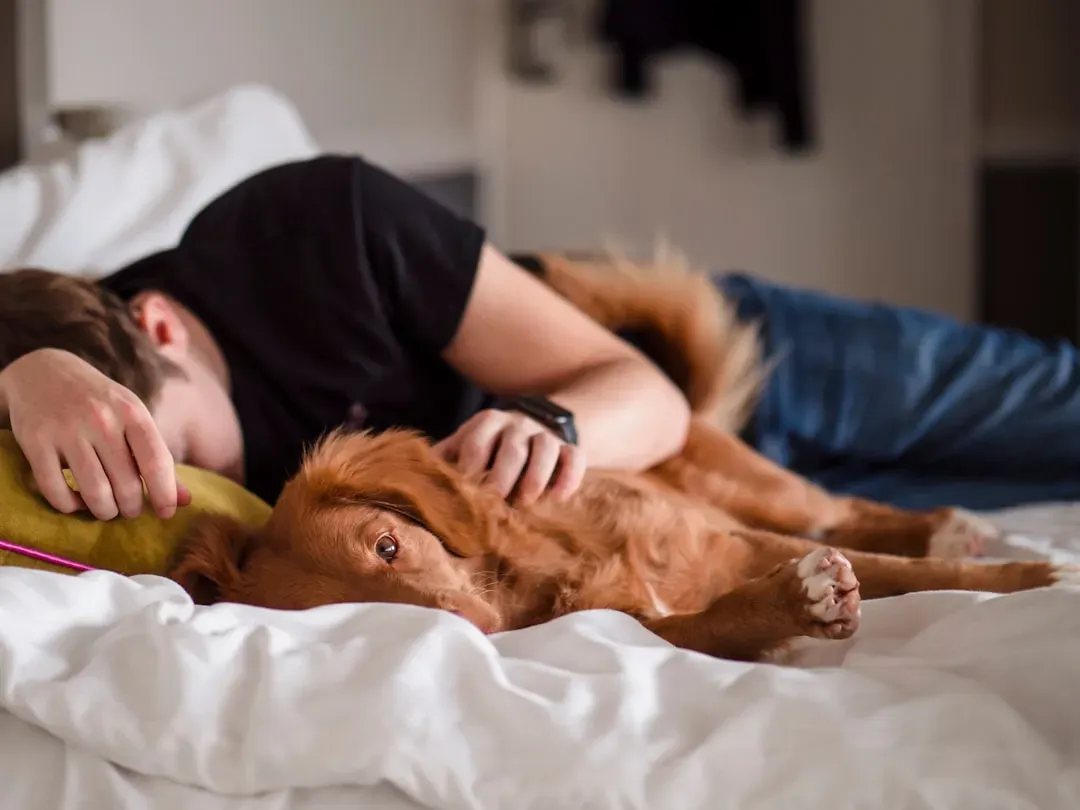
Dogs thrive on predictability, and sleep is no exception. Having a basic daily rhythm – meal times, walk times, play times, and wind-down times – helps their body learn when to power up and when to power down. A short nighttime routine, like a last potty break, a bit of calm affection, and then heading to the same sleep spot, can do wonders for helping them settle faster and sleep more deeply.
The physical sleep setup matters too. Some dogs feel safest in a crate covered like a den; others prefer a thick bed in a quiet corner, away from constant foot traffic. Temperature, light, and noise all affect canine sleep, just like they do for us. Something as simple as moving the bed away from a draft, adding a soft blanket for joint comfort, or using white noise in a busy household can turn your dog’s sleep from fragmented to genuinely restorative.
When to Trust Your Instincts: Making Sense of Your Individual Dog
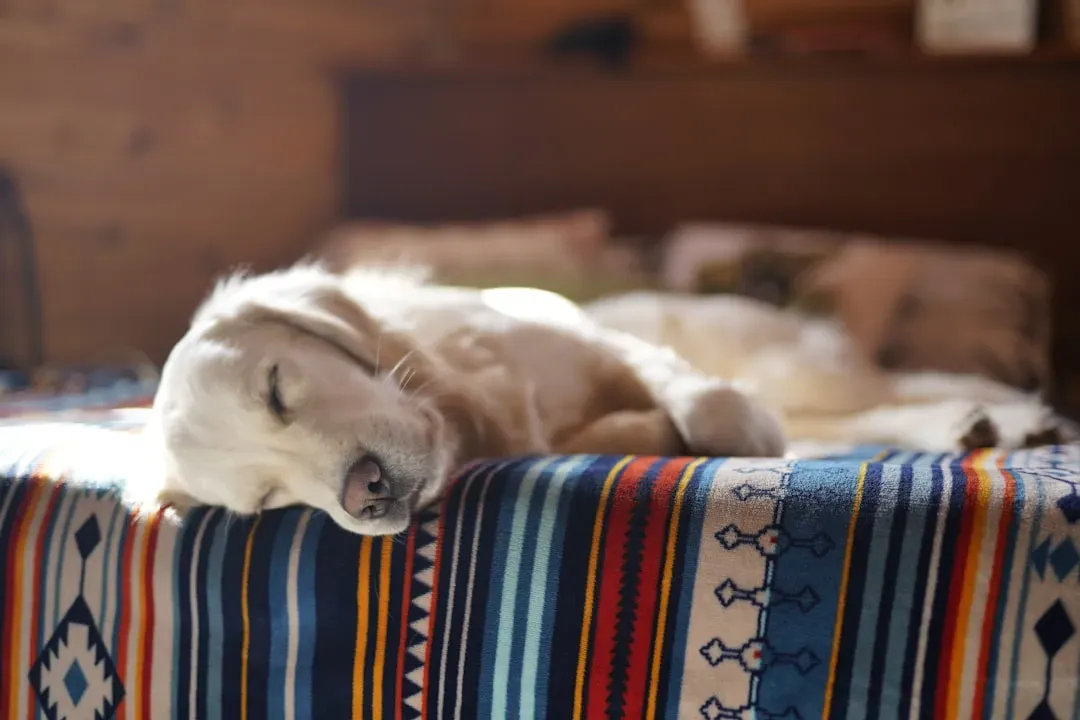
At the end of the day, no chart or average can compete with what you see in your own dog. Some perfectly healthy dogs simply skew a little more sleepy or a little more wired than the “typical” numbers might suggest. What really matters is whether your dog seems content, engaged when they’re awake, and reasonably consistent in their patterns. If they wake up eager for walks, enjoy food, and still light up for their favorite toy, their sleep habits are probably serving them just fine.
That said, your nagging worry is worth listening to if something feels off. If your dog suddenly needs way more sleep, starts waking at odd hours, seems confused at night, or just feels “different,” that’s a sign to stop guessing and loop in your vet. In my opinion, the smartest dog owners are not the ones who obsess over hitting some ideal number of hours, but the ones who stay curious, notice the changes, and treat sleep as a vital sign rather than a background detail. Your dog’s naps are telling you a story – are you paying attention?