
10 Things a Rescue Dog Slowly Learns When They Finally Realize They’re Home for Good
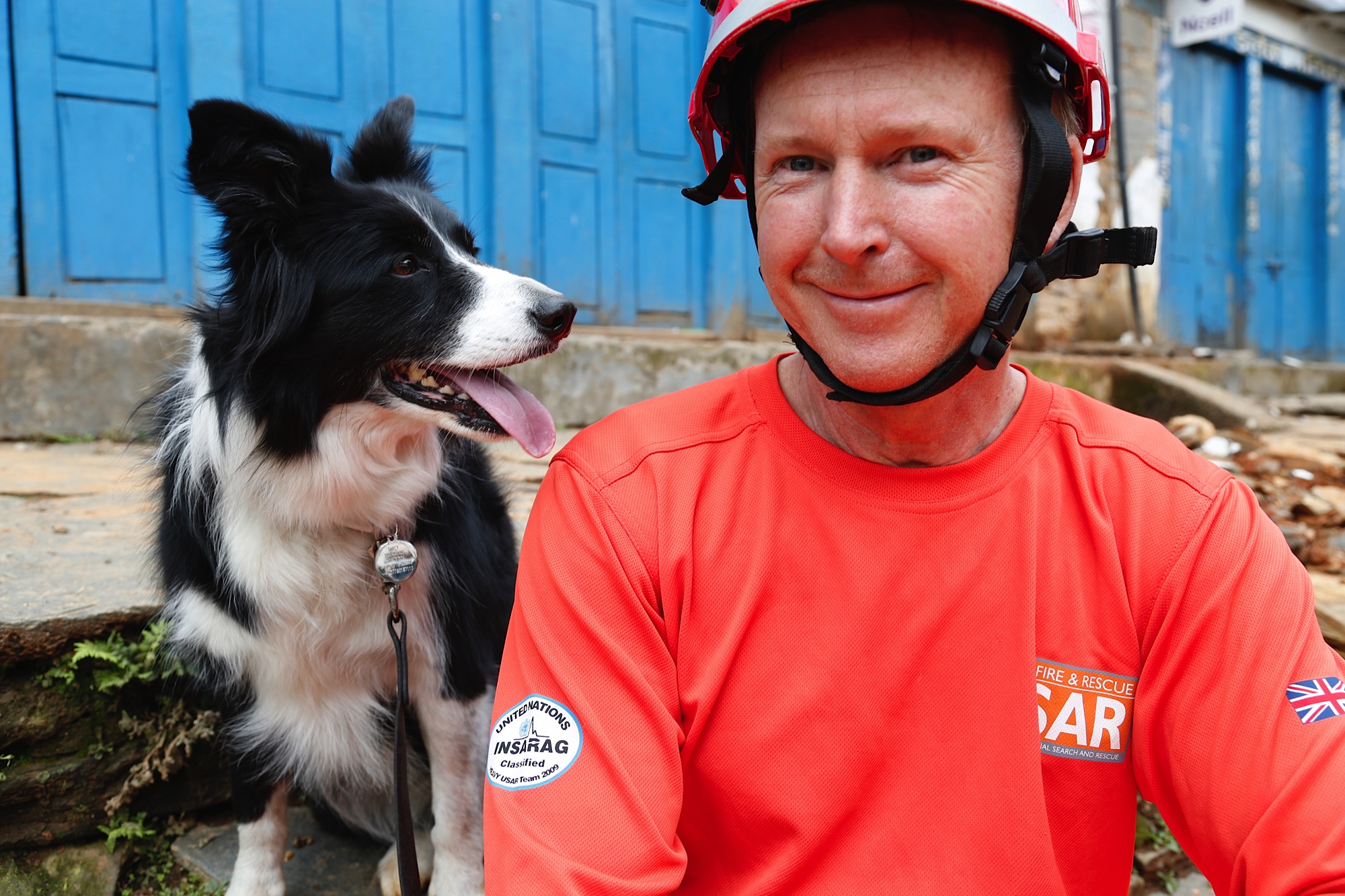
There’s a quiet, almost sacred moment when a rescue dog looks at you and you can tell something has shifted. The panic in their eyes softens, their body loosens, and you suddenly realize they’re not just surviving anymore – they’re starting to believe they’re safe. That moment doesn’t usually arrive with fireworks; it shows up in tiny, almost invisible ways that only someone who loves them would notice.
Living with a rescued dog often feels like watching a long, slow sunrise. At first everything is shadows and guesswork: you do not know what they’ve lived through, what scares them, or what they might do next. Then, day by day, they learn. They test. They heal. And eventually, they accept something that still feels miraculous: this time, the good thing is not going to disappear.
1. Food Will Always Be There Tomorrow
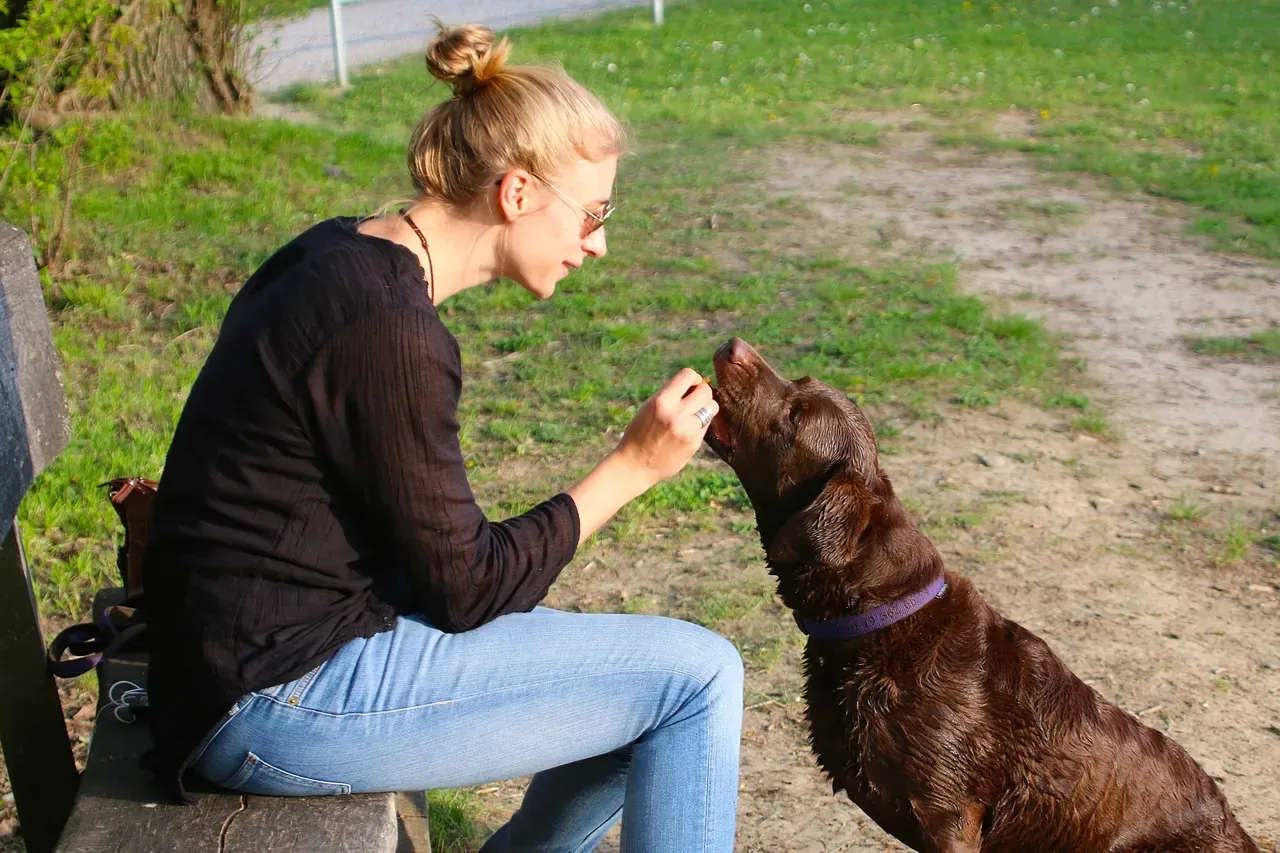
Many rescue dogs come from backgrounds where meals were unpredictable or fought over, so it is no surprise they inhale food like it might vanish. You see it in the way they guard the bowl, lick it clean long after it is empty, or circle the kitchen every time a cupboard opens. In their world, hunger used to be a constant, not a feeling that faded after dinner.
Over time, a dog slowly learns that in this new life, meals keep coming in a steady, almost boring rhythm. When the same scoop of kibble appears in the same bowl, in the same spot, day after day, it does something deeply healing to their nervous system. One day you realize they are no longer growling over crumbs, they are walking away with half the bowl still full, and that tiny act of trust might be the most beautiful thing you see all week.
2. Hands Can Mean Comfort, Not Pain
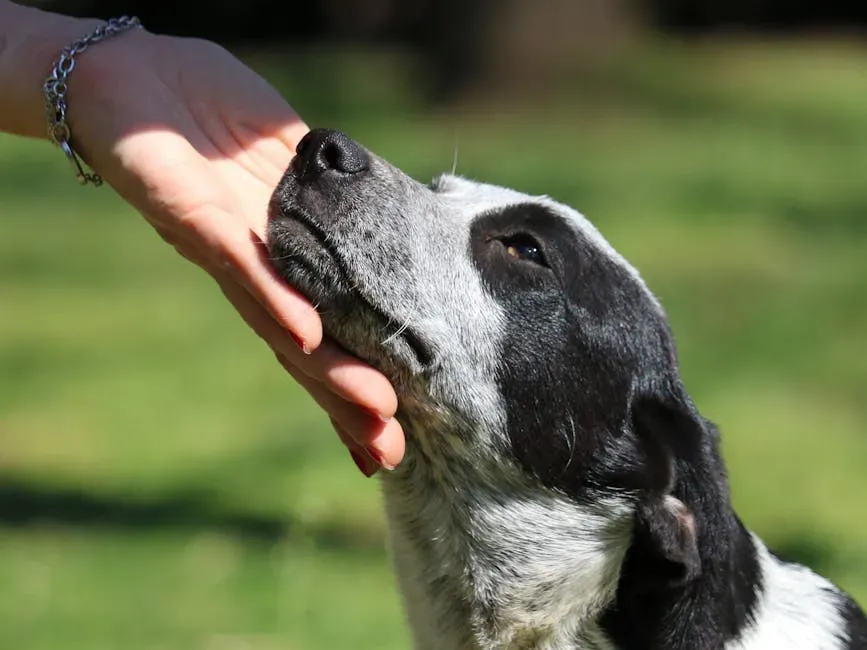
For a lot of rescue dogs, a human hand is a confusing symbol. It is the thing that once threw things, grabbed too hard, or just never showed up at all. That is why some flinch when you reach down, or freeze the moment you move too quickly. Their body remembers what their mind is still trying to unlearn.
But then you start rebuilding that meaning, one gentle touch at a time. A hand that only brings scratches behind the ear, soft brushing, and slow, predictable contact slowly rewires their expectations. The day they nudge your hand for more instead of pulling away is the day you realize they are not just tolerating touch – they are asking for affection and believing they deserve it.
3. The Door Can Open Without Anyone Leaving Forever
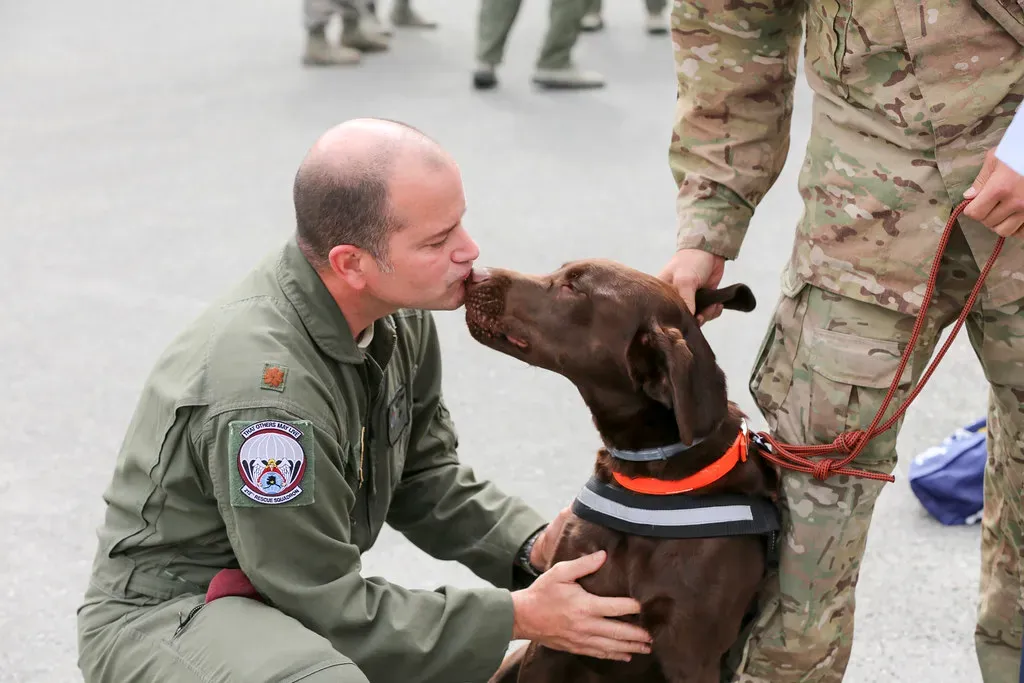
Some rescue dogs panic every time you grab your keys or slip on shoes, as if each exit is a potential abandonment. You see it in the pacing, the whining, maybe even destructive behavior when you are gone. To them, closed doors and disappearing humans used to mean they were on their own again.
Slowly, almost boringly, you prove a different story. You step out and you always return: five minutes, three hours, a whole workday – you keep coming back. Eventually they stop racing to the door in a desperate frenzy and instead lift their head from the couch as if to say, You again, huh? That lazy, half-interested greeting is not rudeness; it is the quiet confidence of a dog who finally believes that goodbye does not mean forever.
4. Their Voice Matters – And Someone’s Finally Listening
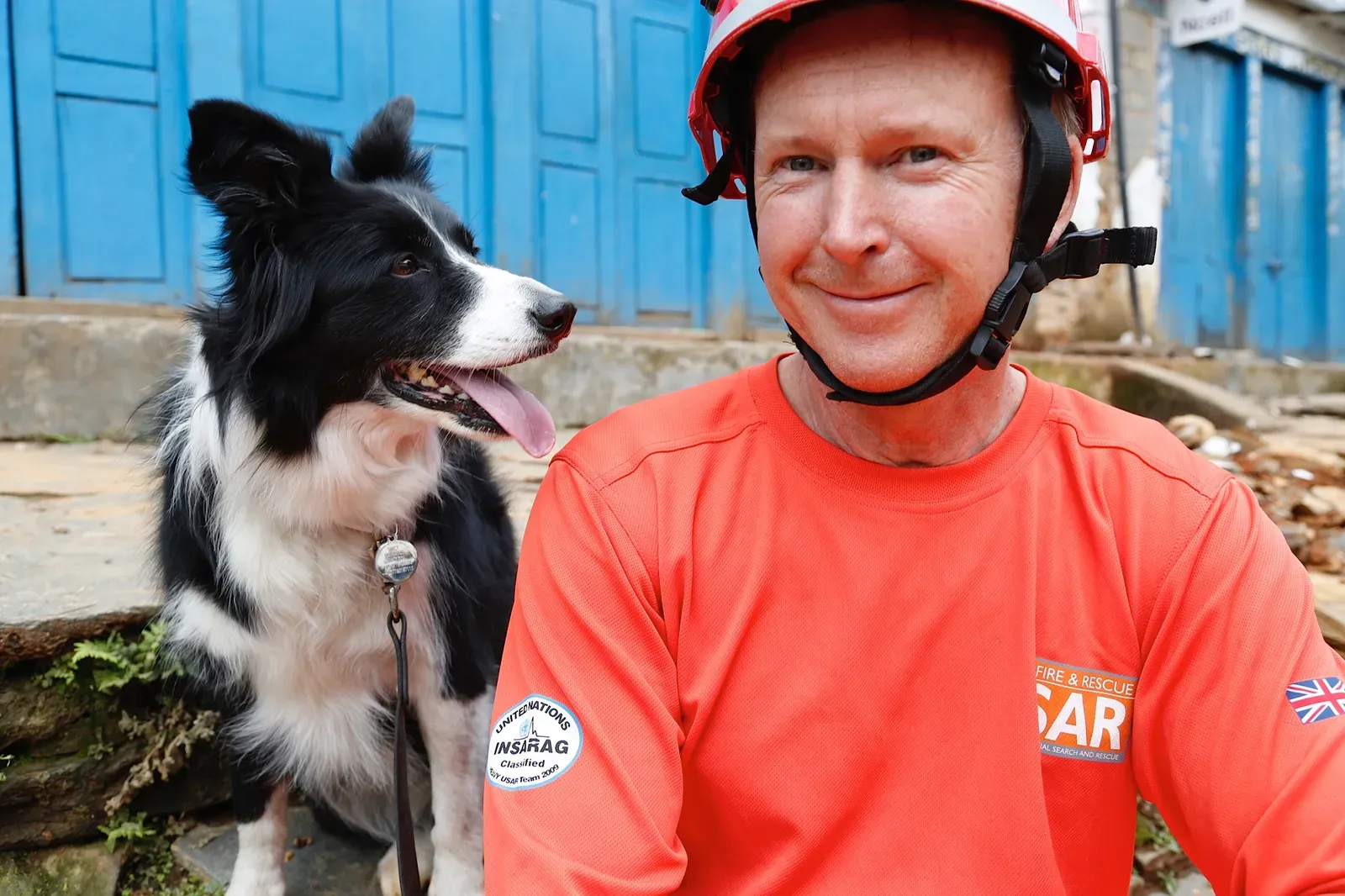
Rescue dogs often arrive either loud and frantic or eerily silent. Some bark at every sound, as if alerting the world is their only job. Others barely make a sound, having learned that noise never brought help or only caused trouble. Either way, they are usually used to being ignored or punished, not heard.
When a dog realizes you pay attention to their cues, something profound shifts. You respond to the soft whine at the door, the paw on your lap, the way they stare at the empty water bowl. You are teaching them that their needs matter and that communication works. Over time, their behavior becomes less chaotic and more intentional, because for the first time in their life, using their “voice” actually changes something.
5. The World Outside Is Big, But It’s Not Out to Get Them
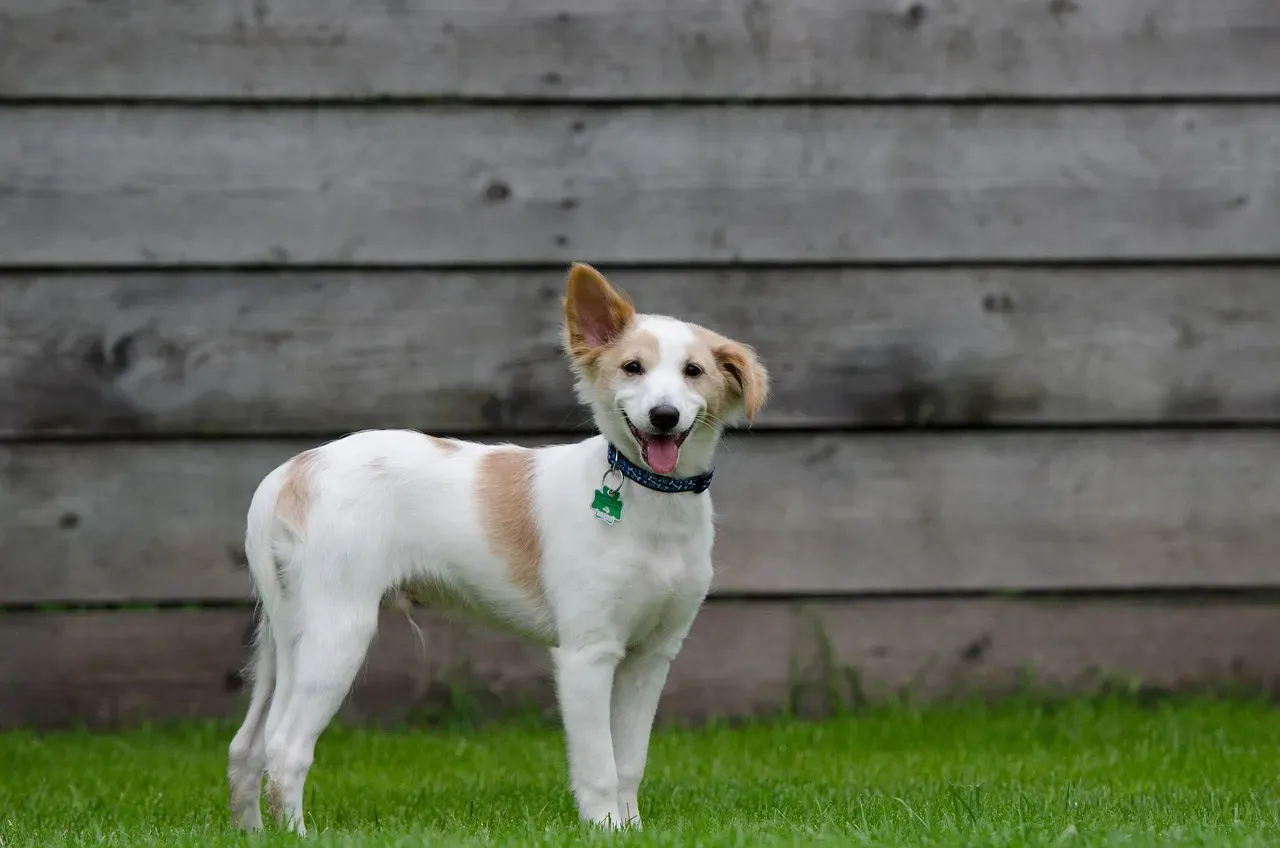
For many rescues, the outside world is a minefield of unknowns: loud trucks, bicycles, other dogs, kids on scooters, even fluttering plastic bags can send them into panic. You see them scanning every direction, tail tucked, body low, ready to bolt at the slightest surprise. Walks are not relaxing; they are survival missions.
With patience, exposure at their pace, and a safe human by their side, those same walks start to mean something very different. Grass becomes a place to roll, not hide; passing dogs are potential sniffing buddies, not automatic threats. One day you realize your dog is trotting ahead on a loose leash, stopping to investigate a tree instead of watching over their shoulder – and that simple curiosity is a sign they finally feel safe enough to explore, not just endure.
6. Routines Are Not Boring – They’re Security Blankets
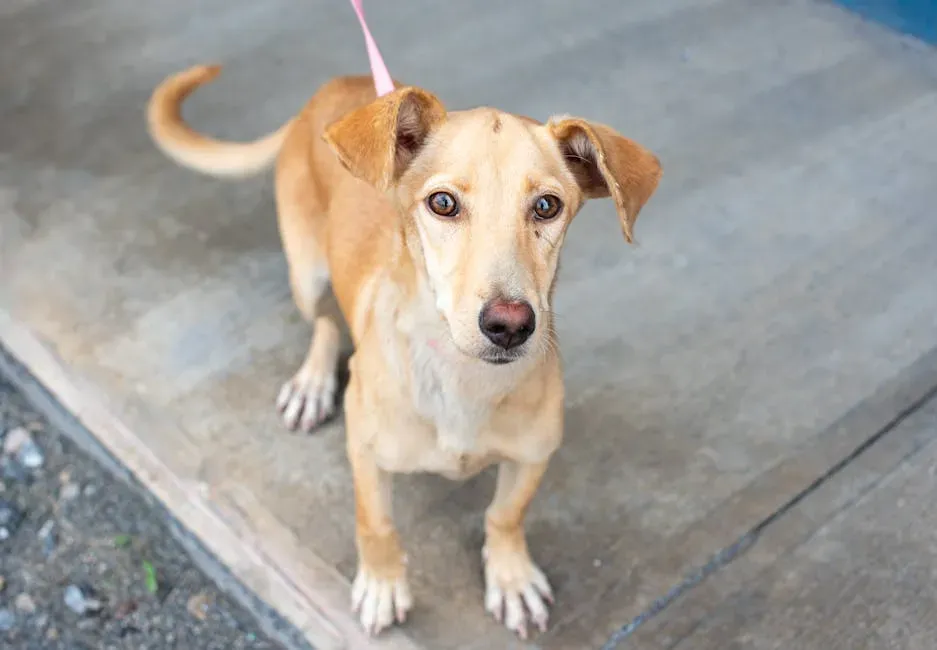
Humans often crave excitement, but rescue dogs tend to thrive on the opposite. Knowing when breakfast shows up, when the evening walk happens, and where they sleep at night gives them an anchor in a world that used to be unpredictable. Repetition is not dull for them; it is deeply reassuring.
When a dog understands the rhythm of their new life, you see them relax into it like a favorite blanket. Instead of pacing at random hours, they curl up in their usual spot right before bedtime, already expecting the lights to dim. Instead of panicking when you walk to the kitchen, they settle back down, trusting that they know what comes next. In a life that used to be chaos, routine becomes the quiet proof that home is real.
7. Toys, Play, and Joy Aren’t Just for Other Dogs
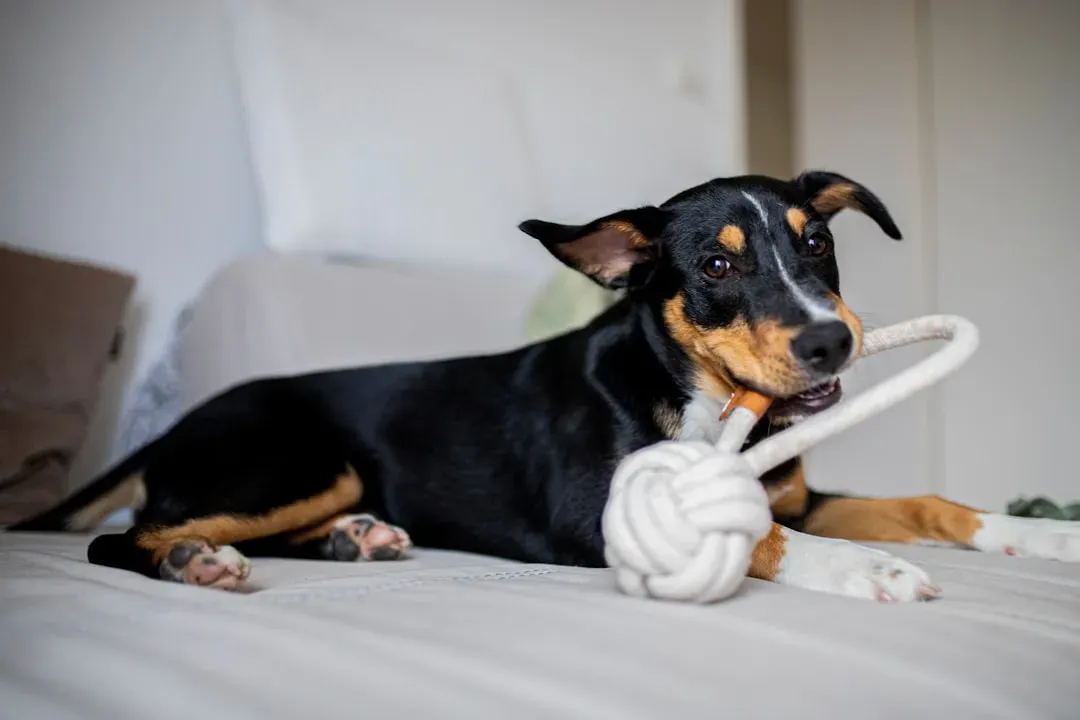
It is surprisingly common for rescue dogs to have no idea what to do with a toy. You toss a ball and they stare at it, or they flinch when it bounces. Sometimes they treat toys like suspicious objects, because fun was never really a part of their survival plan. Joy is a skill they simply never got to practice.
Then, one day, curiosity wins. Maybe they start by chewing the corner of a stuffed animal, or tentatively nudging a squeaky toy like it might bite back. And then you see it: the first real play bow, the wild zoomies in the living room, the ecstatic moment they proudly parade around with a slobbery tennis ball. That is not just play – it is proof they finally feel safe enough to be silly, and silly is the opposite of scared.
8. Their Past Shapes Them, But It Doesn’t Define Their Future
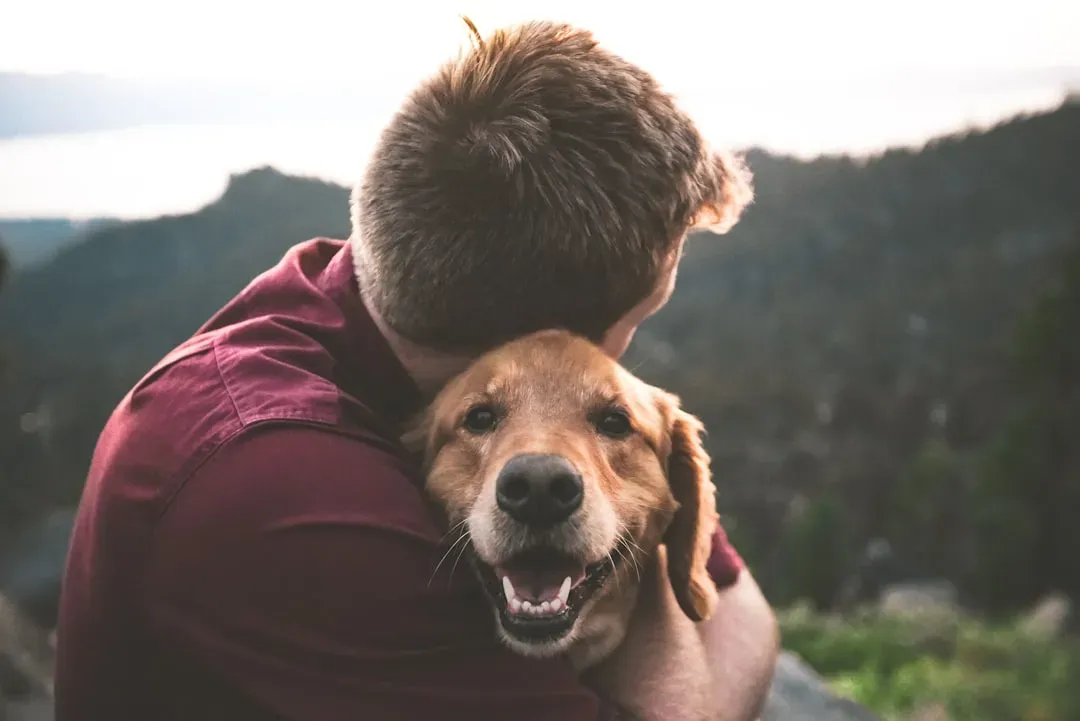
A rescue dog carries their history in their body language: the way they freeze at certain sounds, avoid particular objects, or cling to you in new places. You will never know every chapter of what they lived through, and sometimes their reactions feel confusing or “over the top.” Trauma leaves fingerprints, even when the story is missing.
But over time, they begin to write new chapters with you. The sound that once made them cower becomes just another thing that happens while they chew a bone on the couch. The hallway they used to refuse to enter turns into their chosen napping spot. Watching them slowly overwrite old fears with new memories is like seeing someone repaint a room one patient brushstroke at a time – the old color is not gone, but it no longer dominates the walls.
9. They Belong To Someone – And That Someone Isn’t Going Anywhere
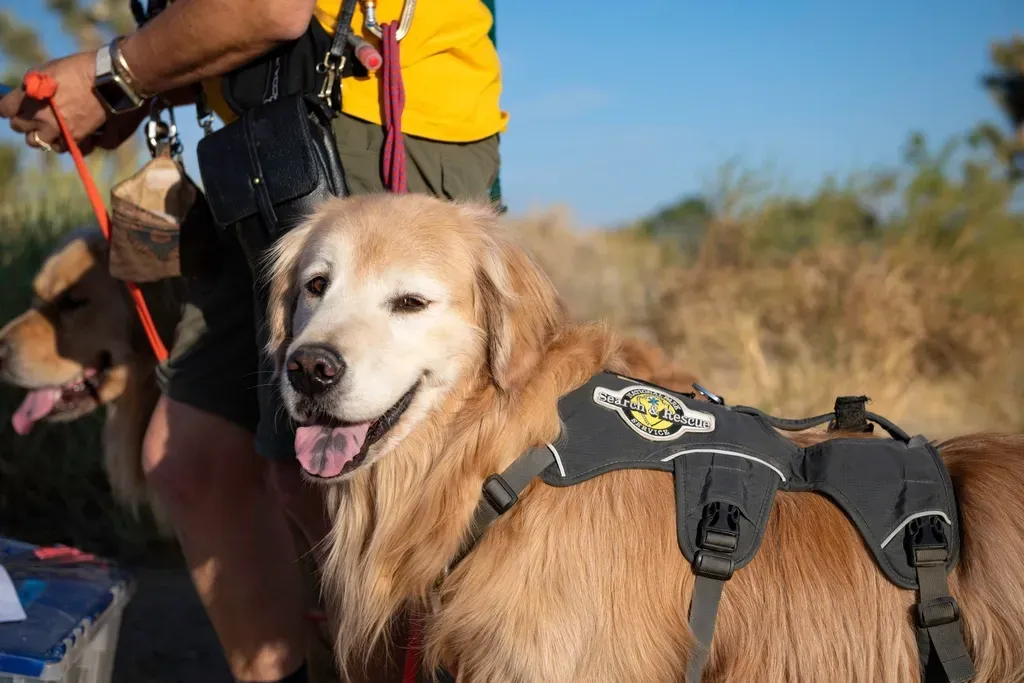
There is a specific kind of look a rescue dog gives when they finally realize you are their person. Not just the food-bringer or the leash-holder, but their actual family. It shows up in the way they track you with their eyes across the room, or how they finally choose to sleep with their back turned toward you, which is a deeply vulnerable kind of trust.
Belonging is more than cuddles on the couch; it is the understanding that this is not temporary. The car rides end back at the same driveway. The vet visits end back on the same bed. The storms, the visitors, the weird deliveries – all of it happens against the backdrop of the same consistent humans. Eventually, your dog stops living like a guest and starts moving through the house like they own the place, which, let’s be honest, they absolutely do.
10. Love Isn’t a Trick – It’s the New Normal
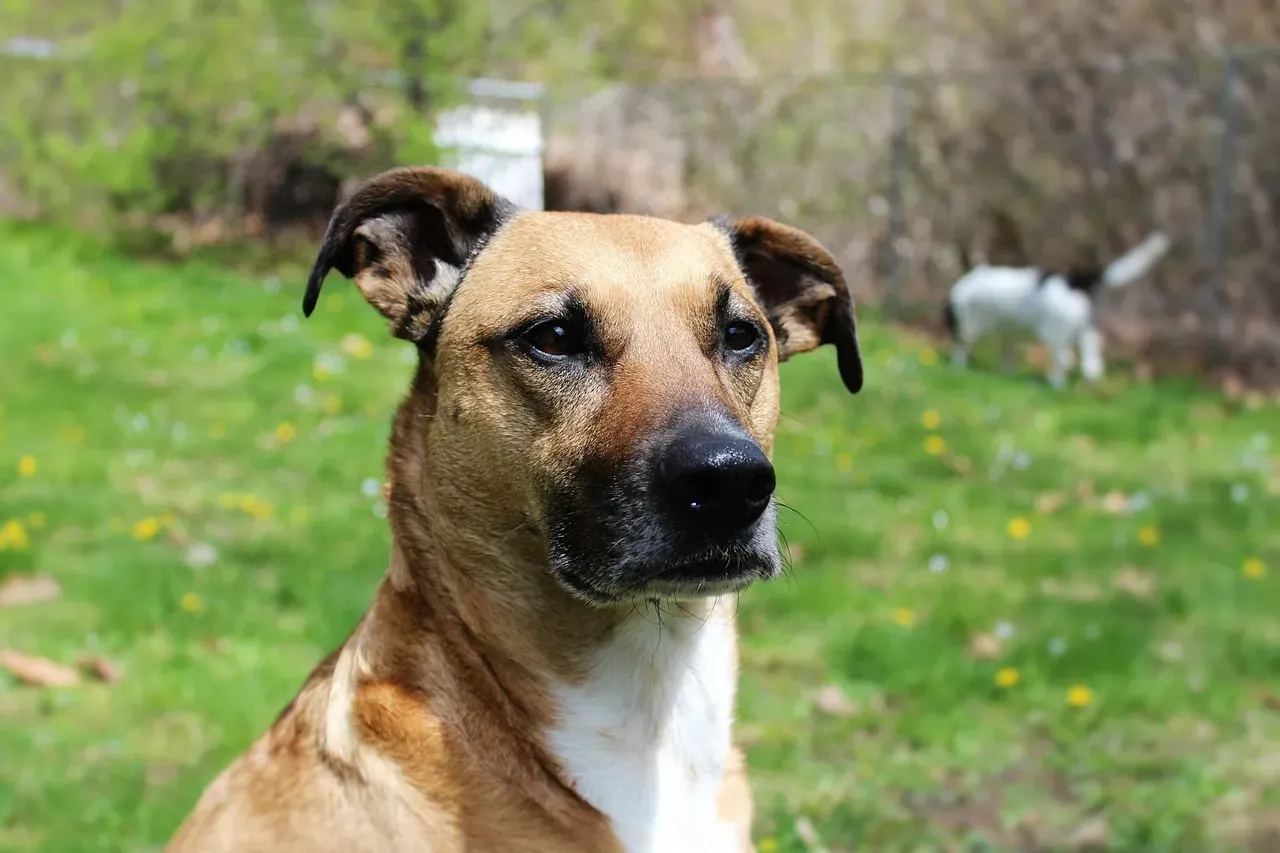
At first, a lot of rescued dogs seem suspicious of kindness. Extra treats, soft words, cozy beds – it can feel like a setup, because in their old life, good things were rare and often came with a catch. They may test you by acting out, withdrawing, or pushing boundaries, almost as if they are asking, Will you still want me if I’m not easy?
Real home means the answer, day after day, is yes. Yes when they have accidents. Yes when they chew something expensive. Yes when they bark at the worst possible time. As they experience that consistent, imperfect, everyday love, they slowly stop bracing for it to disappear. In my opinion, that is the quiet miracle of rescue work: you are not just saving a life, you are convincing a heart that love can last. And really, once a dog learns that, what else could they possibly need?
Conclusion: Why This Slow Transformation Matters More Than Any “Perfect” Dog
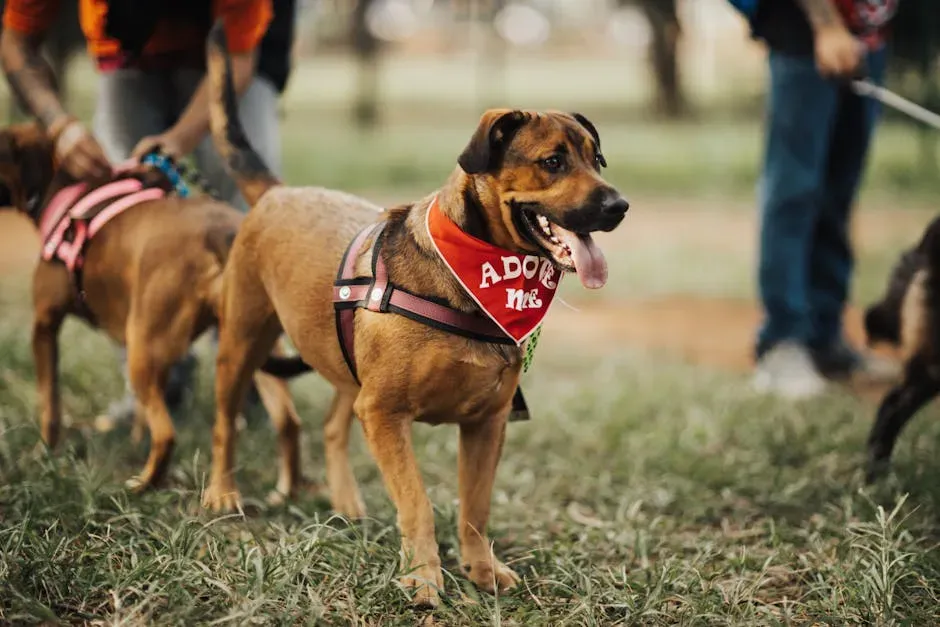
People sometimes talk about wanting a dog that is already trained, already calm, already “easy,” and honestly, I think they are missing the best part. Watching a rescue dog slowly realize they are home for good is messy, emotional, and occasionally exhausting – but it is also one of the most honest, grounding experiences you can have. You are not just adding a pet to your life; you are rebuilding a sense of safety for a living, breathing soul who once had every reason not to trust you.
There is something deeply humbling about knowing your consistency, your routines, and your small, daily choices are what teach a dog that love is real and not going anywhere this time. Perfectly behaved dogs are nice, sure, but a dog who went from terrified to trusting right there in your kitchen feels like a small everyday miracle. In a world that often feels harsh and disposable, choosing to stand by a rescue dog is a quiet rebellion in favor of patience, loyalty, and second chances. If anything, the real question is not whether rescue dogs deserve that kind of commitment – it is whether we can afford to live in a world where they do not get it.