
14 Ordinary Things a Dog Reserves for One Member of a Household and Withholds From All the Rest
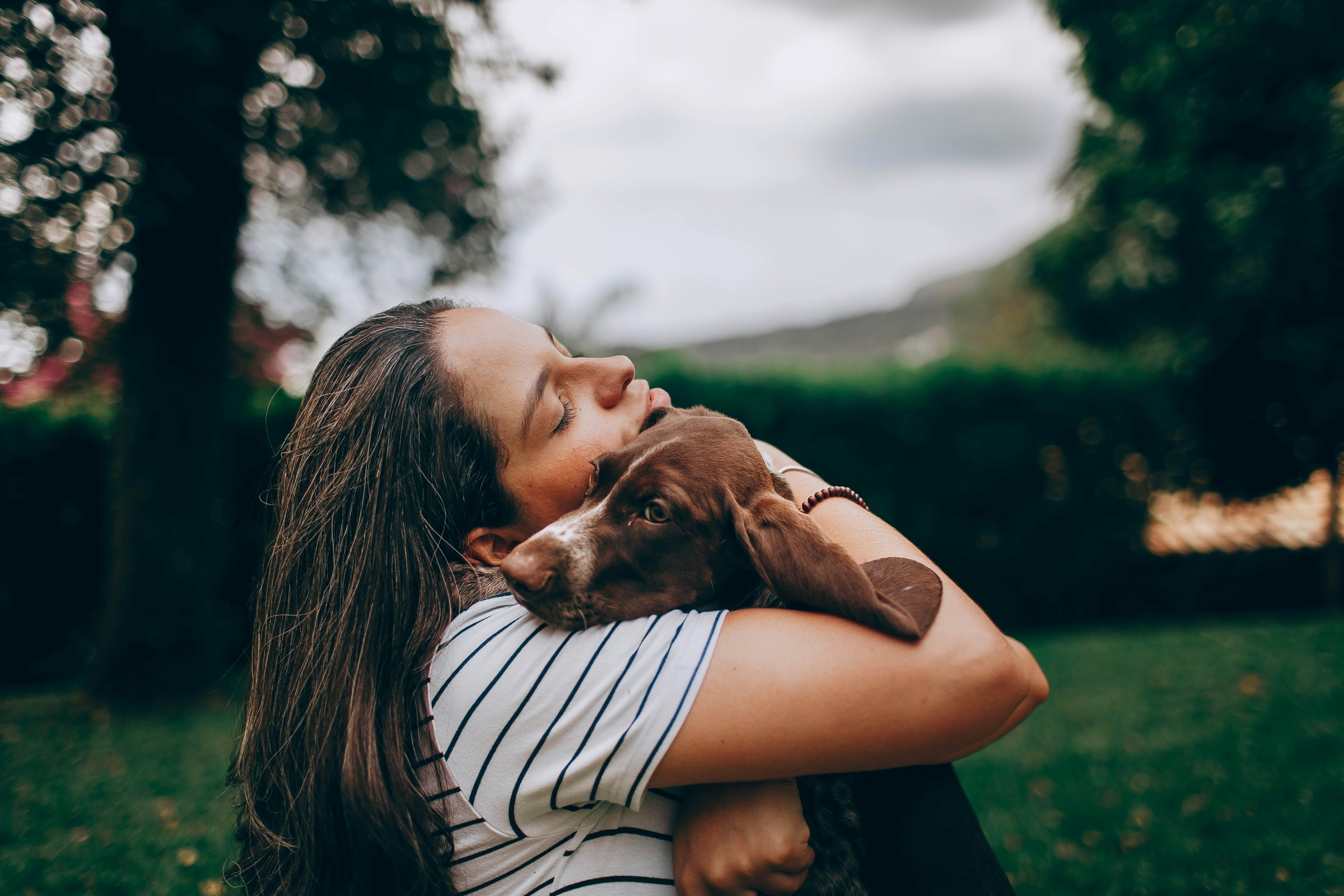
You feed the dog. You walk the dog. You even let it sleep in your bed on the nights it whines loud enough to win. And yet somehow, when the front door opens, your dog launches itself at your partner like they’ve been reunited after a war.
That sting is real, and it’s not your imagination. Behavior researchers have quietly confirmed what pet-obsessed families have suspected for years: dogs do not love everyone in a house the same way. They pick a person. Then they hand that person a set of private, almost secret behaviors that nobody else in the home ever gets to see – and once you know what to look for, you’ll spot it everywhere.
#1 – The “You’re My Safe Place” Gaze
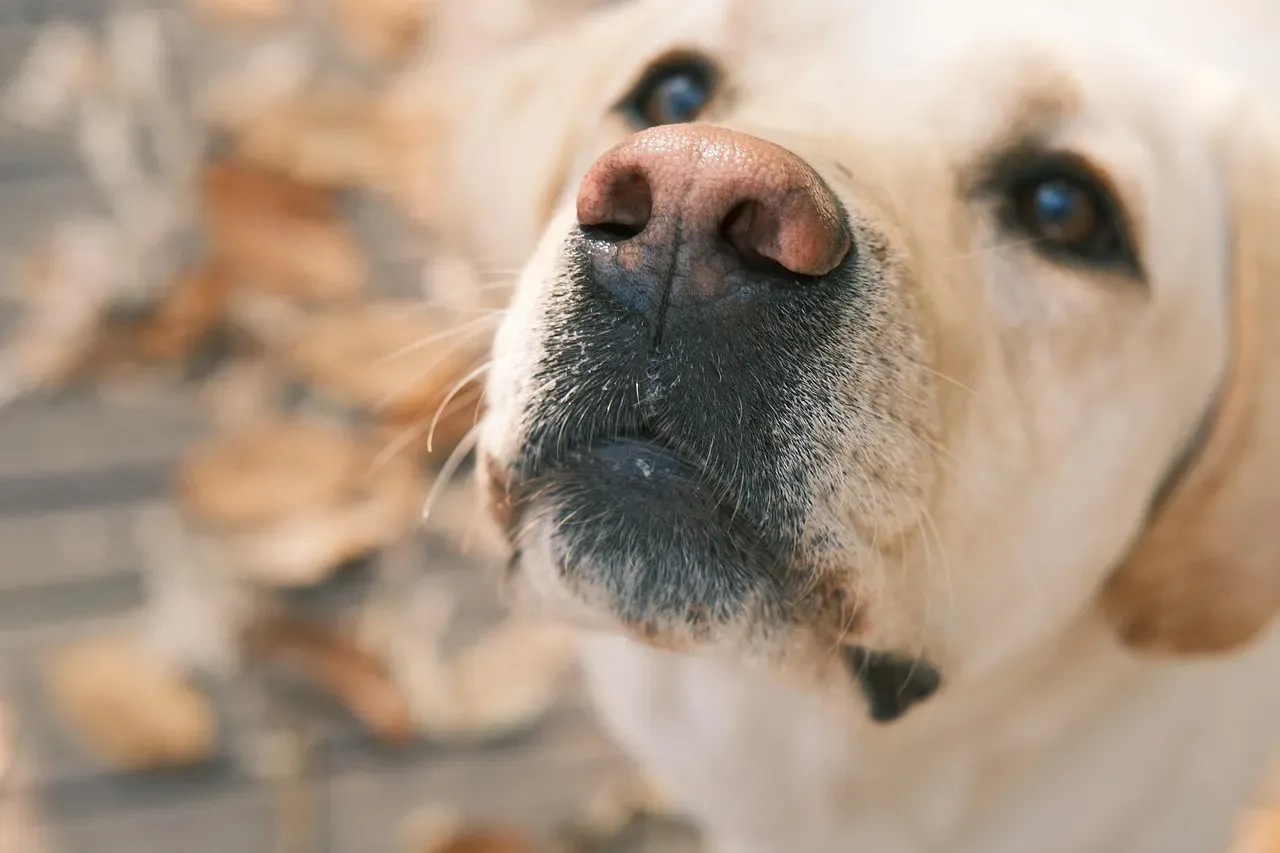
Here’s the behavior that quietly outs your dog’s favorite person: who they stare at when absolutely nothing is happening. Dogs don’t just look at us for food. When a dog locks eyes with their chosen human, both brains release oxytocin – the same bonding hormone seen between mothers and babies. That soft, unblinking, slightly awkward “I’m just watching you exist” gaze isn’t random. It’s biological glue.
In a room full of people, notice who your dog keeps checking on from the couch or the doorway. That’s usually the person they trust to regulate their emotions when the world feels loud. And here’s the twist that annoys families everywhere: it’s rarely the person who buys the treats. It’s the one who does the boring stuff, every single day, without fail.
#2 – The Real “Shadowing”: Following Only One Person Room to Room
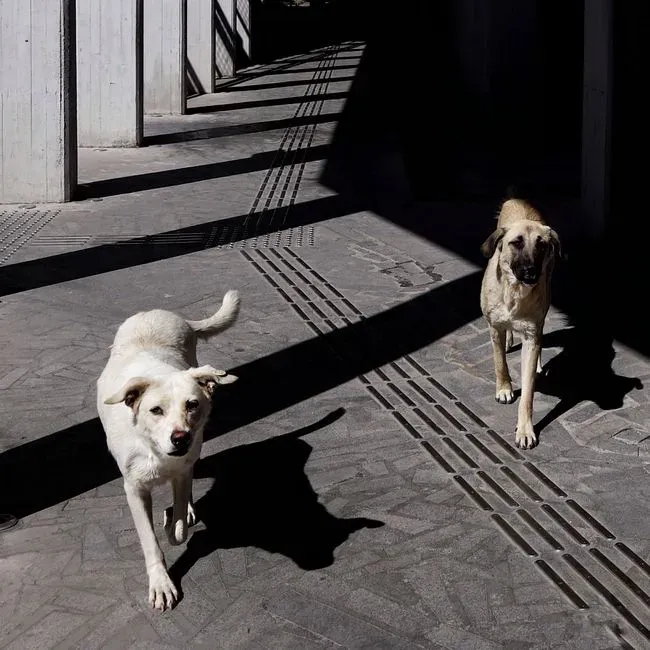
Every household has seen it – the dog that pops up off the floor the instant ONE person moves, even just to grab a glass of water. This isn’t clinginess. It’s a specific attachment behavior called shadowing, and it means your dog has quietly declared that person their mobile base camp. Wherever they go, safety goes too.
Watch the sleeping spots and you’ll see the pattern confirmed. A dog will often nap near several people but sleep directly on or against only one person’s chair, bed, or feet. That’s not an accident. It’s proximity math – the closer they stay, the faster they can react if something feels wrong.
Fast Facts
- Shadowing is one of the clearest markers of primary attachment in domestic dogs.
- Dogs choose one “safe base” person, then treat every other family member as secondary.
- Sleeping spot preference is considered one of the most reliable at-home attachment signals.
- The behavior tends to intensify during stress, illness, or major household changes.
#3 – The “Reserved Only for You” Greeting Ritual
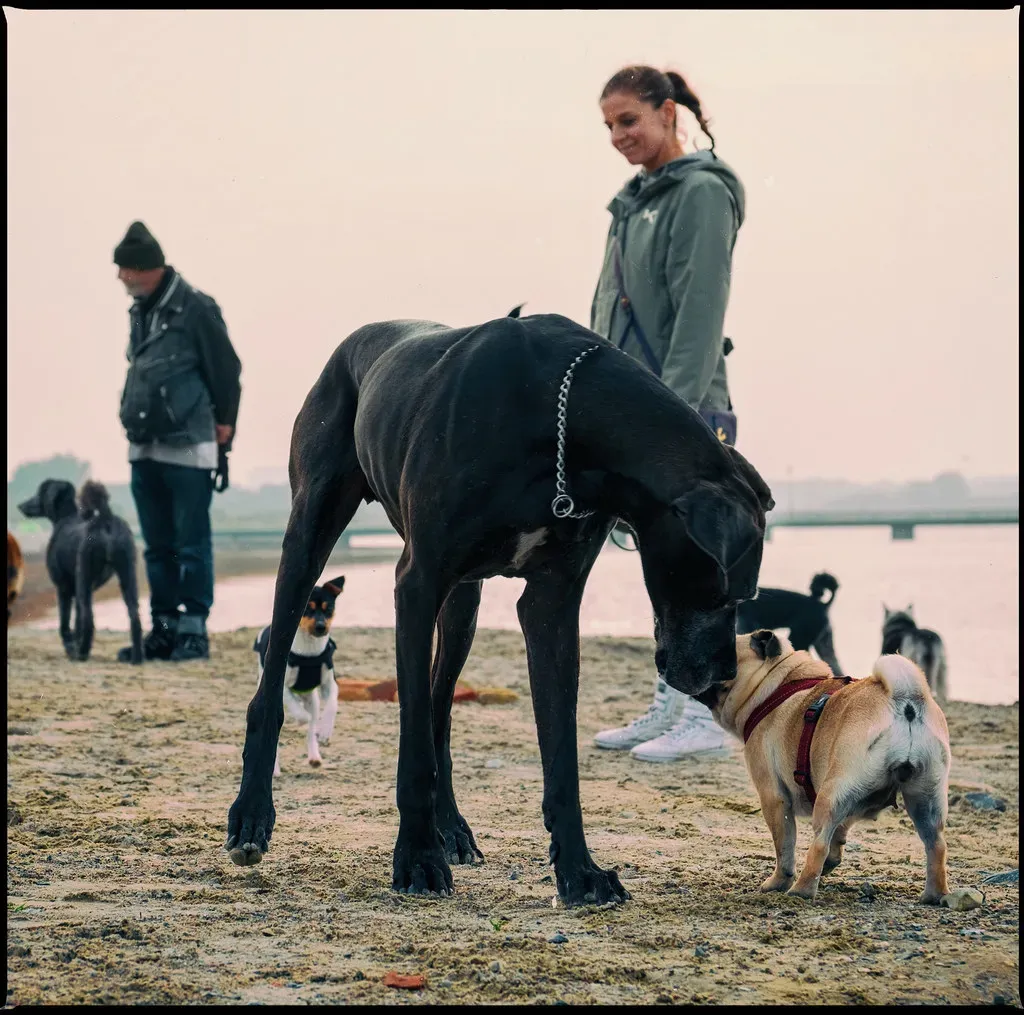
Everyone walks through the same front door, but not everyone gets the same welcome. Dogs build a unique greeting script for their main person – maybe it’s grabbing a specific toy the second that one car pulls into the driveway, or a full-body meltdown of whining, spinning, and leaning. Other family members might get a polite tail wag. One person gets the fireworks show.
People take offense when the dog clearly reserves the “crazy happy” ritual for one partner or one kid, but from the dog’s point of view, that person’s return is a genuine emotional event – like the sun coming back up. The greeting isn’t performance. It’s relief finally allowed to spill out.
#4 – Seeking Comfort From One Person When Scared or Overwhelmed
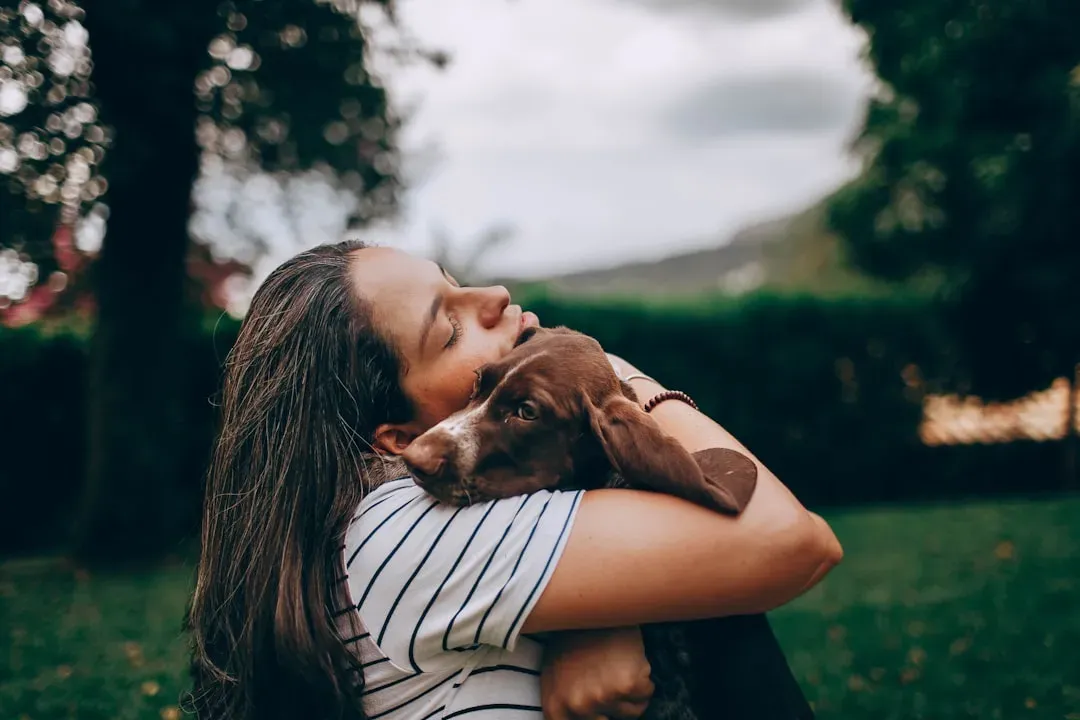
When the thunder hits, the choice gets crystal clear fast. Dogs don’t run to whoever is closest during fireworks, storms, or a screaming vacuum – they run to whoever they believe keeps them safest. Fear strips away politeness. If your dog wedges under only one person’s legs or climbs into only one lap during chaos, that’s a serious vote of confidence.
What makes families uncomfortable is that it’s rarely the “fun” parent. It’s often the one who calmly enforces boundaries. Structure plus gentleness reads as safety in a dog’s brain, and once they find that person during a scary moment, they’re essentially saying, “Now I can finally let my guard down.”
#5 – Bringing Their “Most Precious” Toy to Only One Human
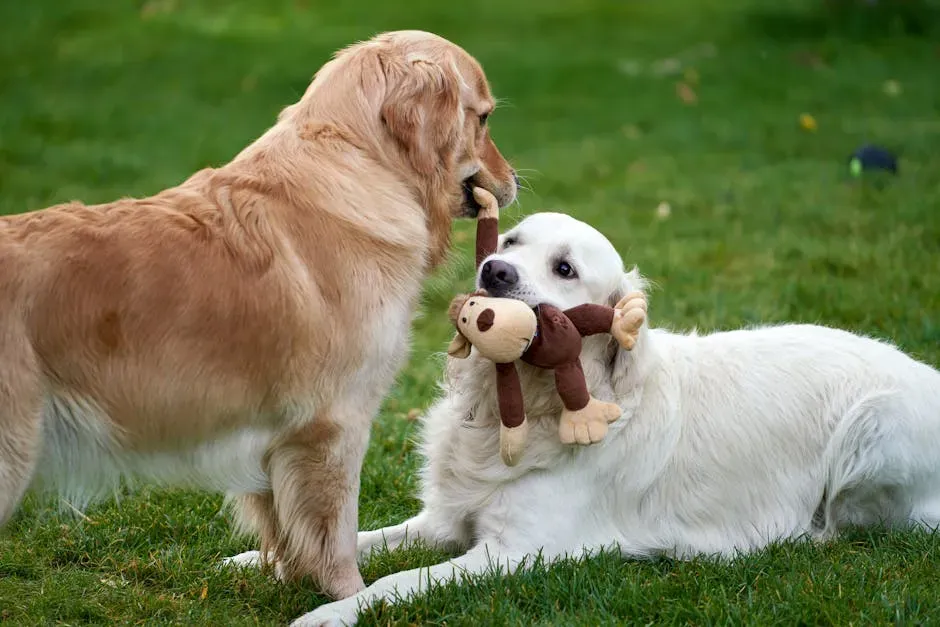
Not everyone gets offered the prized squeaky duck, and that’s intentional. Many dogs will chew mindlessly near most of the family, but the moment their chosen person sits down, the special object magically appears at their feet. Offering a prized possession is both a trust gesture and a quiet request for connection.
Here’s the part people miss: some dogs won’t let anyone else touch that toy without tension, yet let their favorite person take it, tug it, and put it away without a flinch. That’s the dog equivalent of handing someone your phone, unlocked, with zero anxiety. It’s rare, and it’s deeply personal.
#6 – Obeying Commands Faster (and Happier) for One Person
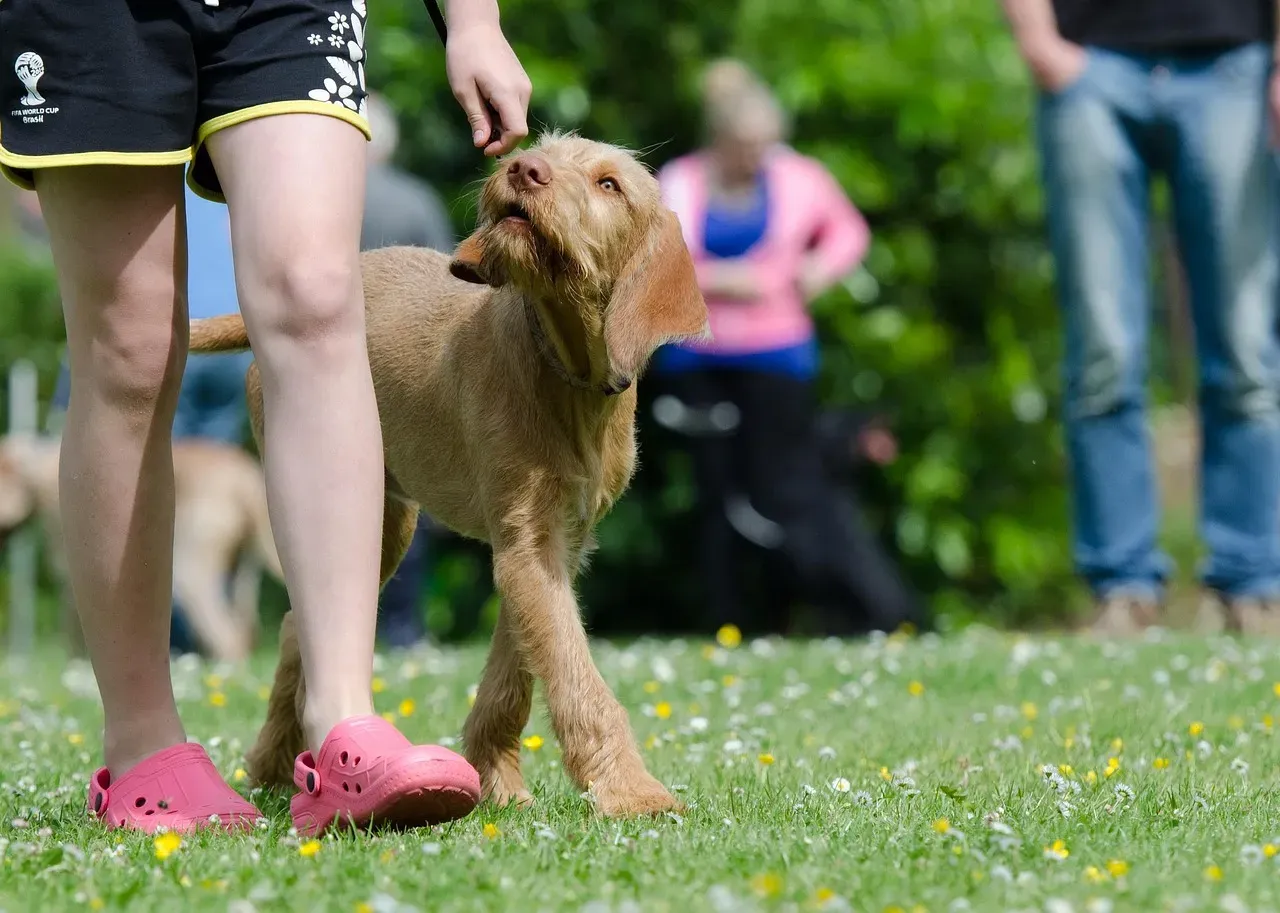
Your dog may treat Dad’s “come” like a polite suggestion, then sprint the instant Mom says it once. That’s not about tone of voice – it’s about relationship history. Dogs give more weight to whoever trained them the most, fed them the most consistently, or actually followed through on what they said.
Here’s the harsh part: some dogs get labeled “stubborn” or “dumb” by certain family members, not because they don’t understand the command, but because they simply don’t prioritize that person’s requests. If your dog’s head whips around for one voice and barely flicks an ear for another, you just met their real decision-maker.
Worth Knowing
- Consistency in training, not corrections, is what shapes long-term obedience.
- Dogs often generalize command compliance to whoever feeds and walks them daily.
- A single missed follow-through can quietly erode a person’s authority over time.
- The “selective listening” pattern usually starts in puppyhood and rarely reverses on its own.
#7 – Choosing One Lap, One Side of the Bed, One Spot on the Couch
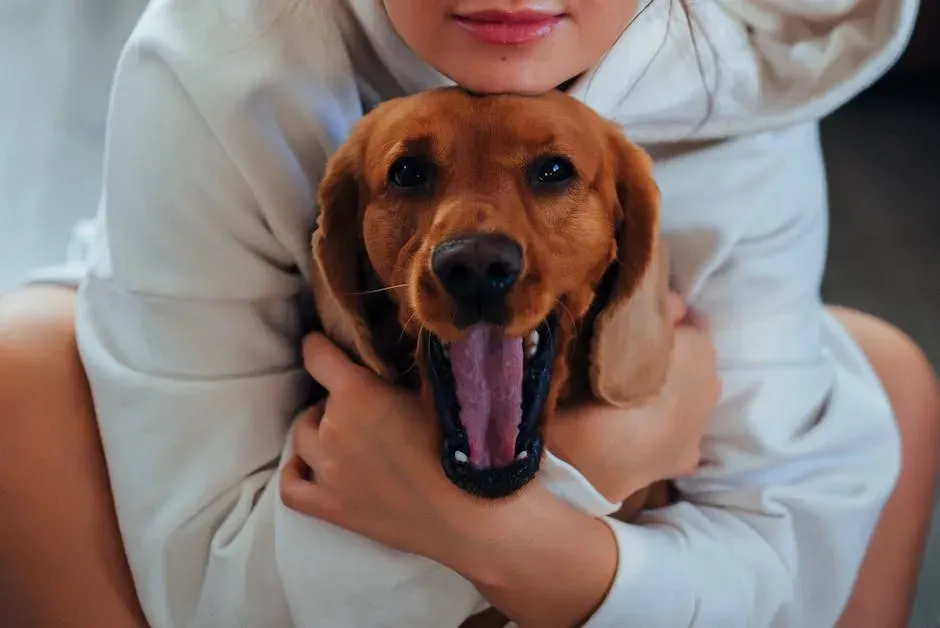
Cuddling looks random until you actually track it. Many dogs have a favorite lap, a favorite side of the bed, and a specific spot pressed against one person’s leg on the couch. When they’re truly tired or vulnerable, they gravitate to that one body like a magnet – because rest is when animals are most exposed, and they don’t share that exposure with just anyone.
Watch what happens when floor space is limited. Dogs will contort into uncomfortable angles just to keep touching one specific person, and if that person gets up, many dogs either follow or visibly tense. Leaning isn’t random. It’s a full-body trust fall.
#8 – Defending or “Checking On” One Person More Than Anyone Else
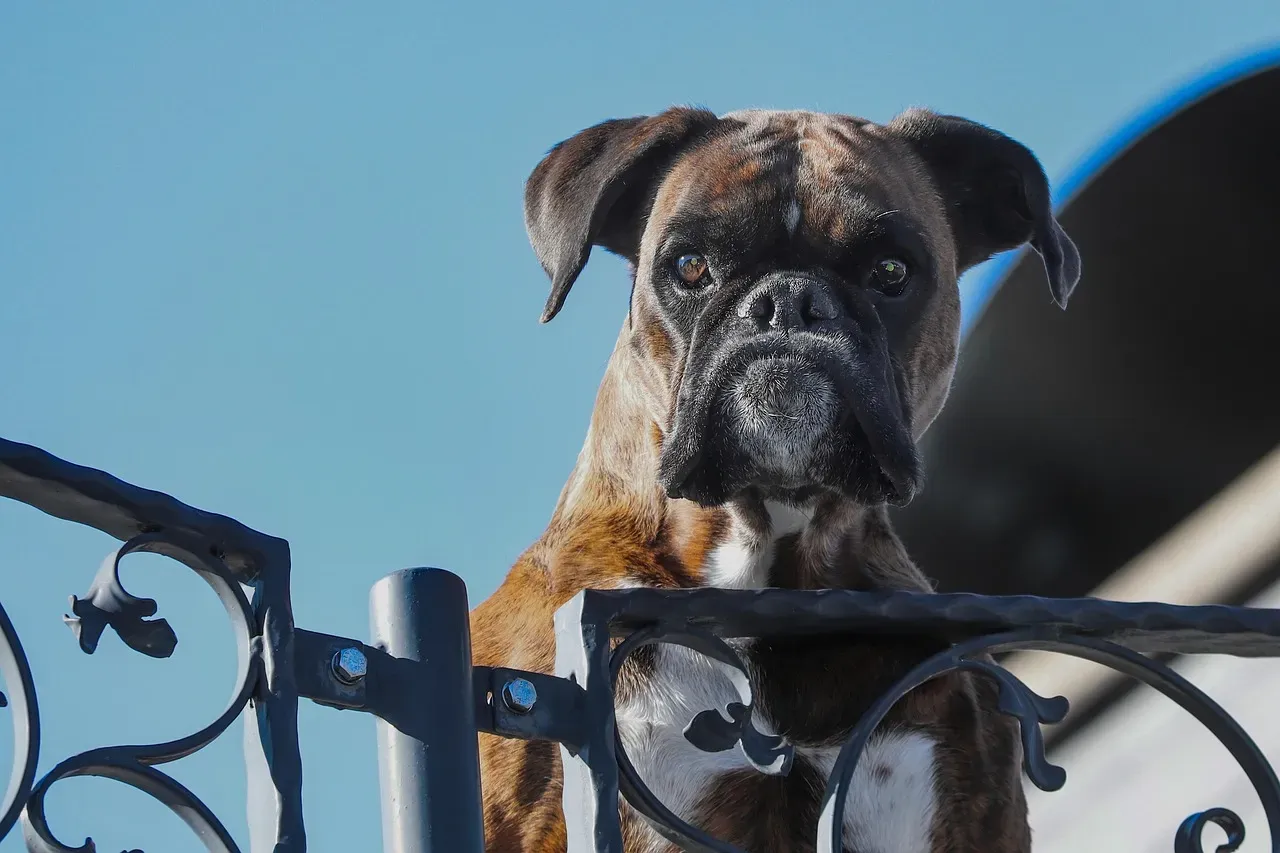
Guarding isn’t always loud. Sometimes a dog just quietly positions itself between one person and the front door when someone knocks, or escorts only that one person to the mailbox like a tiny, off-duty security detail. That’s not clinginess – it’s targeted protection aimed at their top-priority human.
People hate hearing this, but many dogs show measurably different body language around their favorite person: upright posture, alert ears, faster reactions when a stranger enters their bubble. They might ignore rough play between siblings entirely, then step in the second someone fake-swats their main human.
#9 – Tolerating Handling, Grooming, and “Annoying” Touch From Only One Human
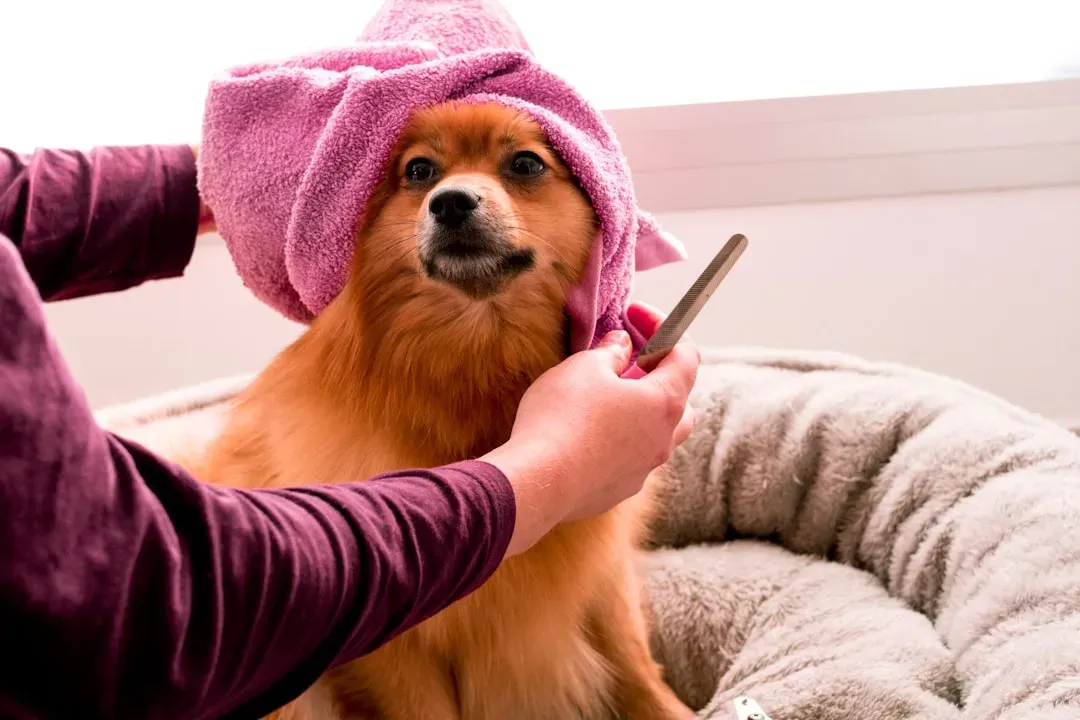
Most dogs hate nail trims and ear cleaning – but one person can somehow do it anyway. Watch who can touch the sensitive spots, paws, tail, mouth, belly, without a fight. Many dogs stiffen for everyone else, then go limp and cooperative for a single trusted person, because that person has proven, again and again, that even the uncomfortable stuff ends safely.
Families often miss this signal because it’s not a cute moment, it’s an annoying chore. But allowing someone to lift you, restrain you gently, or inspect an injury is a form of vulnerability. And vulnerability, in dog language, is loyalty with its sleeves rolled up.
At a Glance
- Handling tolerance is one of the most physical trust signals a dog can give.
- Paws, ears, mouth, and belly are the most sensitive “vulnerability zones.”
- Resisting grooming from most people but relaxing for one shows targeted trust, not random mood.
- This tolerance usually builds gradually through repeated calm, low-stress handling.
#10 – Showing the “Ugly” Emotions (Tantrums, Sulks, and Neediness)
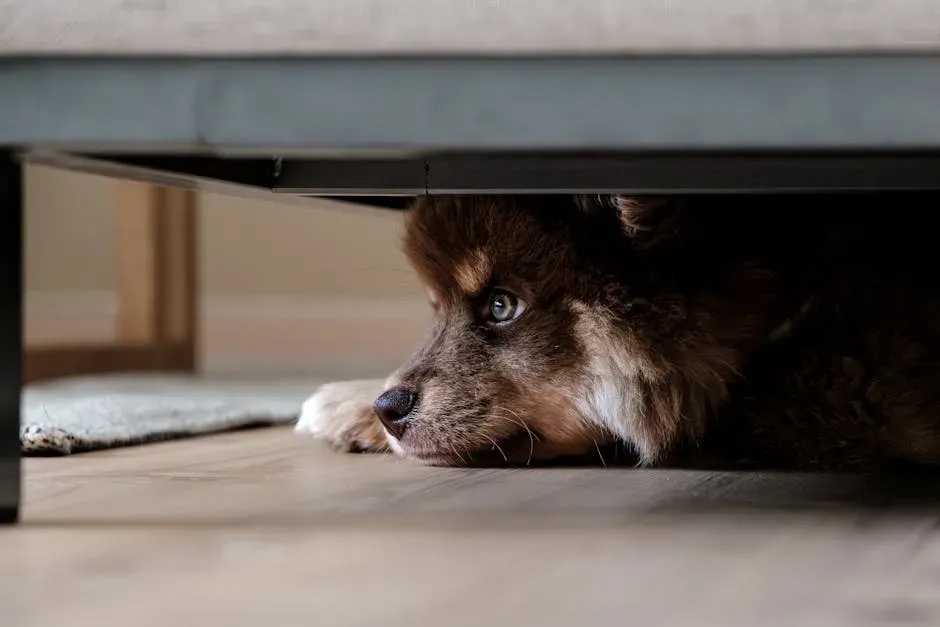
Dogs don’t save their best behavior for their favorite person – they often save their worst. It’s an unpopular truth: the human a dog feels safest with is usually the one who gets the whining, the desperate pawing, and the sulky moods, because that’s the person the dog believes won’t abandon them for being “too much.”
You’ll notice it in small ways – crying at the door only when this one person leaves, pacing the house searching for them, only calming down once that specific human shows up. The chosen human often jokes, “I can’t even pee alone,” but that so-called obsession is built entirely on emotional safety.
The better you know an animal, the more you realize that all animals have unique personalities.
Jane Goodall
#11 – Turning to One Person for “Permission” in New or Confusing Situations
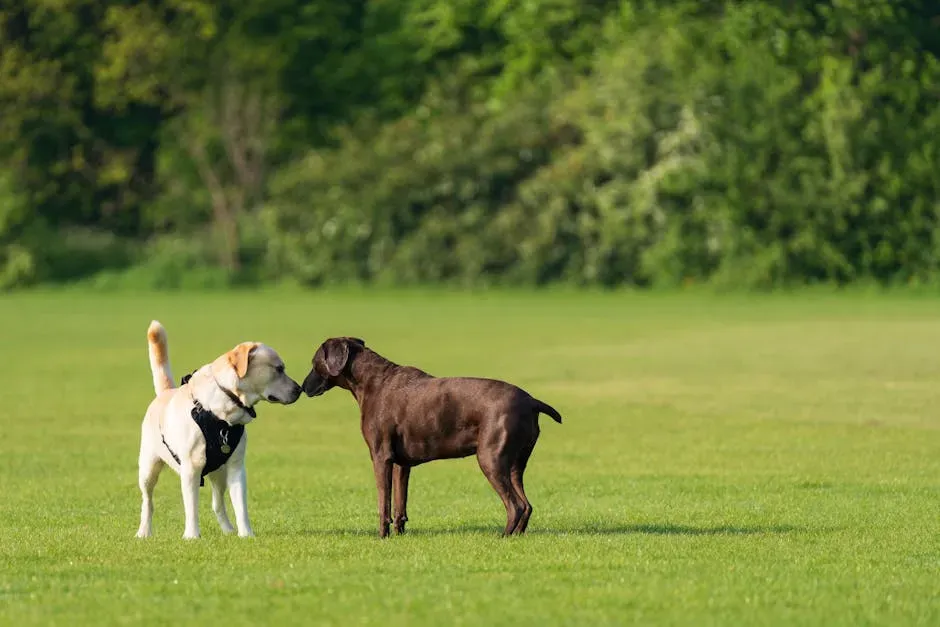
When something unfamiliar shows up – a new dog, a new baby, a strange noise from outside – dogs perform a quick, telling move. They check one specific face. This is called social referencing, and it’s your dog’s version of asking, “Is this okay?” If that person looks relaxed, the dog settles. If they tense up, the dog often escalates too.
What’s surprising is that it’s rarely the most talkative or affectionate person in the house who earns this role. It’s whoever has been most consistent over time. Dogs read patterns, not personalities, and that kind of trust is not handed out like candy.
#12 – Separation Anxiety That Targets One Human, Not the Whole Family
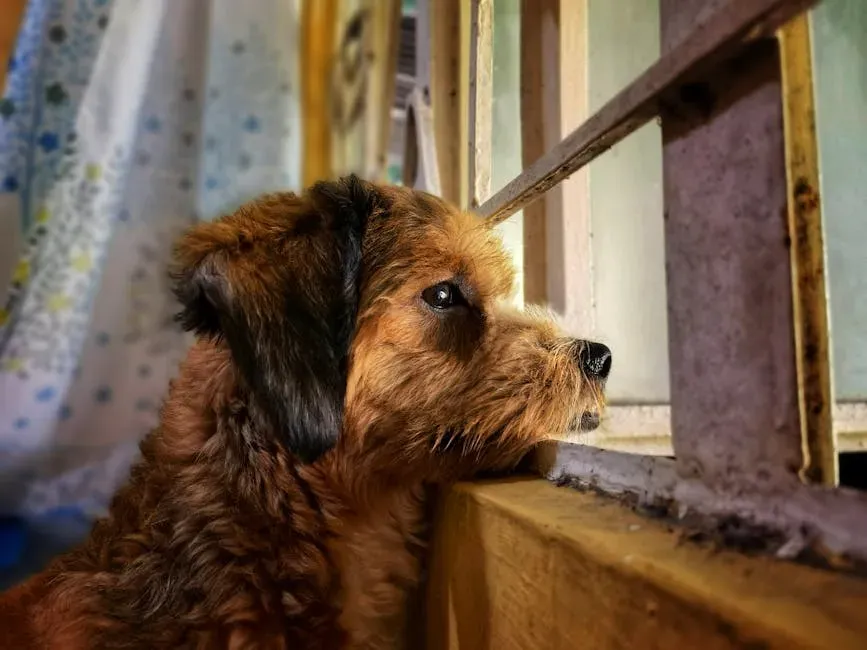
Most people assume separation anxiety is about anyone leaving. Often, it’s about one specific person leaving. The dog stays perfectly relaxed when the kids head to school, then spirals the moment one particular person grabs their keys – panting, pacing, scratching at the door, refusing food.
Here’s the part that stings: a dog can be friendly and affectionate with the entire family, yet only truly panic when one person disappears. It doesn’t mean the others don’t matter. It means attachment is layered, not flat, and this is usually the clearest confirmation of who wears the crown.
#13 – Deep Sleep and Snoring Only Next to One Person
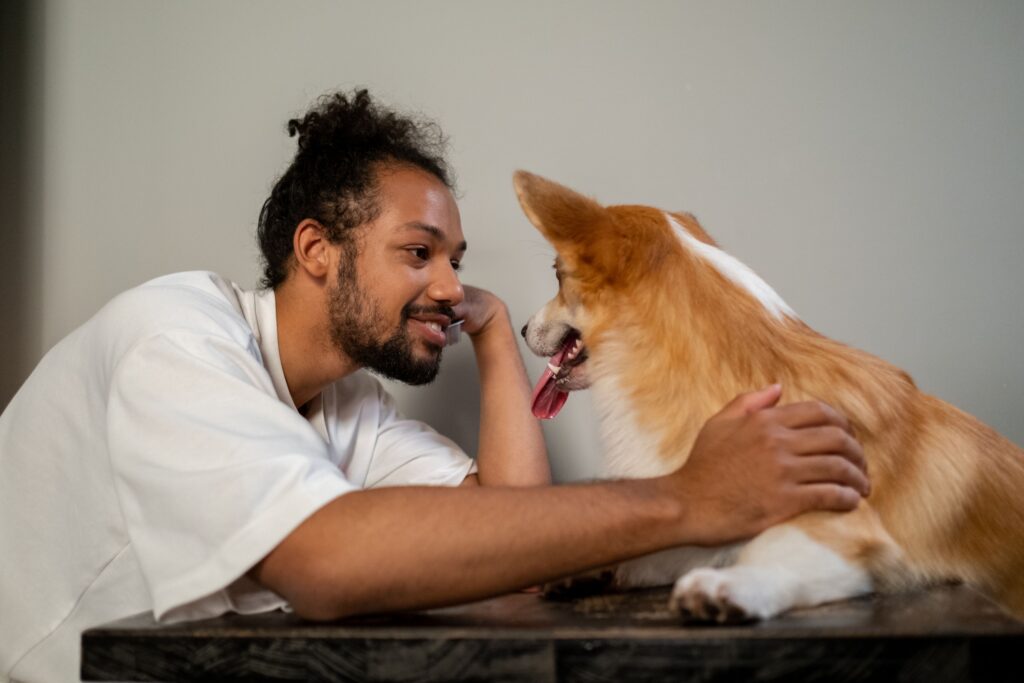
Sleep is when animals are at their most exposed, so who your dog fully knocks out beside is never a casual choice. Many dogs will nap loosely around anyone, but true limp, twitching, dream-heavy sleep, complete with grunts and belly-up stretching, usually only happens next to one specific person.
It’s not about the softness of the mattress. It’s about feeling off-duty. Turning their back to someone is extreme vulnerability in dog terms – they’re literally putting their vital organs out of their own sightline and trusting one human to keep watch while they power down completely.
Why It Stands Out
- Deep REM sleep near a person is one of the rarest trust signals dogs display.
- Twitching, grunting, and belly-up positions all indicate a fully relaxed nervous system.
- Dogs instinctively avoid exposing their vital organs unless they feel fully protected.
- This is often the last attachment behavior to appear – and the hardest to fake.
#14 – Responding Differently When You Are Sad, Sick, or in Pain
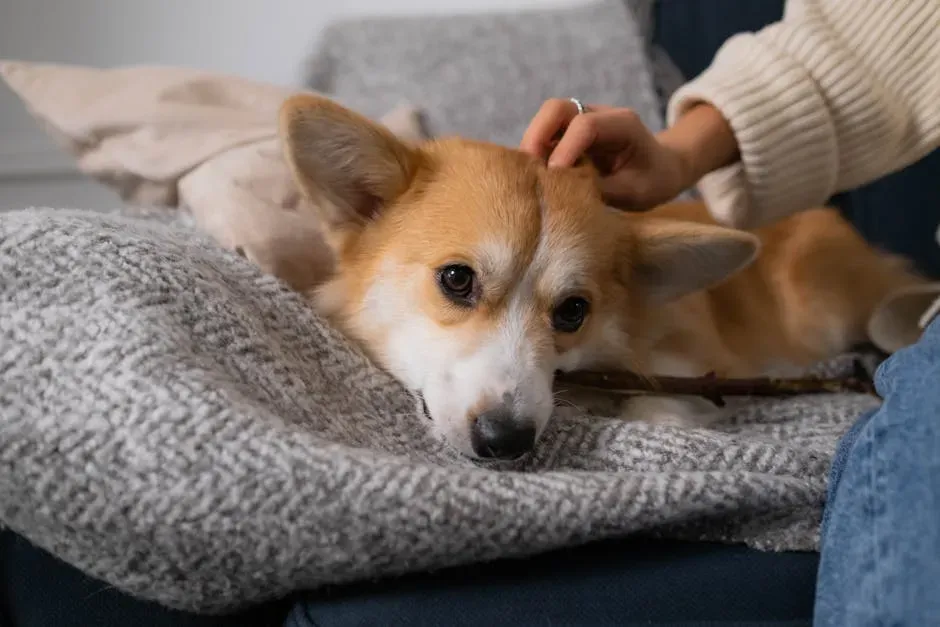
The clearest proof of a dog’s chosen person shows up when that human isn’t okay. Many dogs register concern when anyone in the house cries, but there’s often a dramatic gap in intensity for their favorite. They’ll refuse to leave your side, ignore toys, even eat less while you’re sick in bed.
What’s most striking is that this same intensity often doesn’t show up for other people’s bad days. Dogs read scent changes, tone shifts, and micro-movements, and they prioritize the emotional state of whoever is most deeply wired into their own. If your dog gets distressed when you cry but barely reacts to anyone else’s tears, they’ve already cast their vote.
The Bottom Line: Your Dog Already Picked Their Person
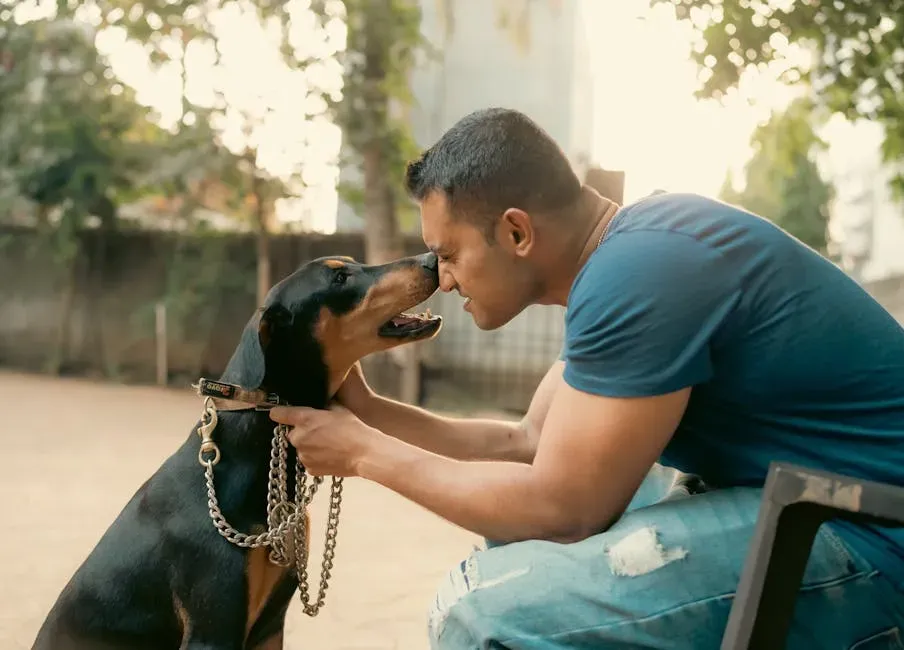
Your dog doesn’t distribute love evenly like a polite host passing around snacks. They quietly choose one member of the household as their emotional home base, then reserve a long list of ordinary, easy-to-miss behaviors just for that person – the gaze, the shadowing, the meltdown at the door, the trembling lap during a storm.
None of this means everyone else is invisible to the dog. It means attachment is tiered, and dogs are painfully honest about who sits at the top. You can sulk about not being “the one,” or you can show up more consistently, more calmly, and more predictably and let the dog decide again. Either way, be honest with yourself: whose name would your dog circle if it could actually answer?