
17 Familiar Dog Breeds Experts Admit Were Reinvented Within the Last Hundred Years and Marketed as Ancient
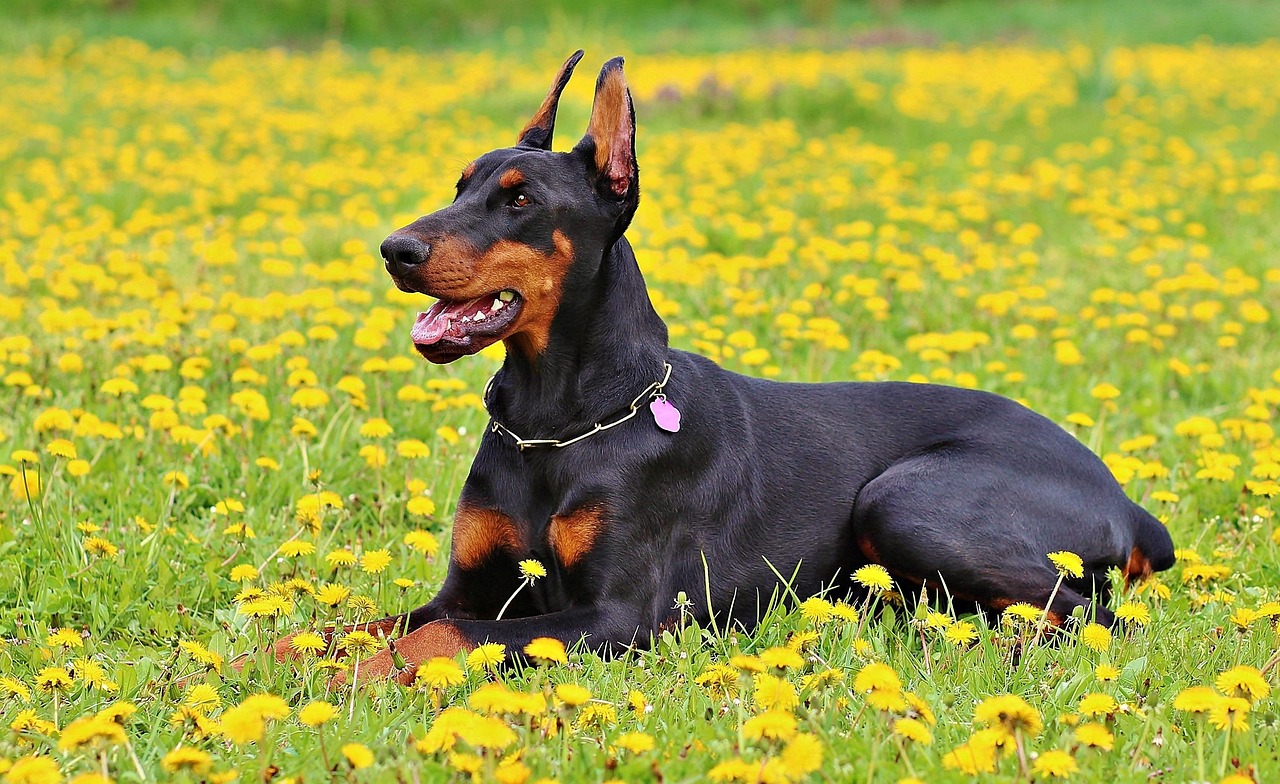
Most people assume the dog snoring next to them on the couch is basically unchanged from ancient temples, medieval battlefields, or Roman armies – same skull, same coat, same bloodline stretching back thousands of years. That story feels comforting. It’s also, according to breed historians and geneticists who’ve actually dug through kennel club archives and old photographs, mostly fiction.
Some of the most “ancient” dogs alive today are barely older than your grandparents, deliberately rebuilt, rebranded, and resold as living relics. Stick around, because a few of these reveals are about to change how you look at your own dog.
#1 – The Modern “Ancient” Pug
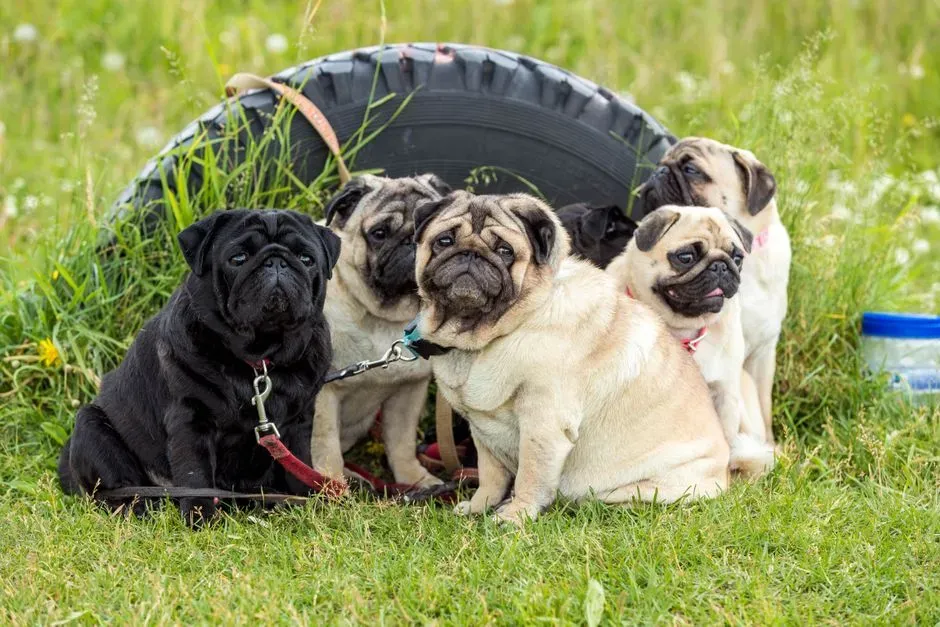
The cute, wheezy Pug dominating Instagram is usually sold as a royal Chinese lapdog, unchanged for 2,000 years. That’s partly true and mostly false. Small flat-faced dogs did exist in imperial China, but the ultra-compressed nose, bug-eyed skull, and barrel body we see today are largely 20th-century inventions.
Western breeders, especially in Britain, aggressively selected for shorter muzzles and bigger eyes once kennel clubs formalized standards. Photos of Pugs from the 1800s show longer noses, leaner frames, and far fewer breathing problems – dogs that could actually run and regulate their own body temperature. The “baby-face” look people find irresistible today is also what drives the current epidemic of airway surgeries and eye injuries, and plenty of vets now openly call the standard unethical while show breeders insist they’re just preserving tradition.
That tension between cuteness and cruelty is uncomfortable enough. The next breed’s backstory is almost pure fiction.
#2 – The Shar Pei’s Manufactured Mystery
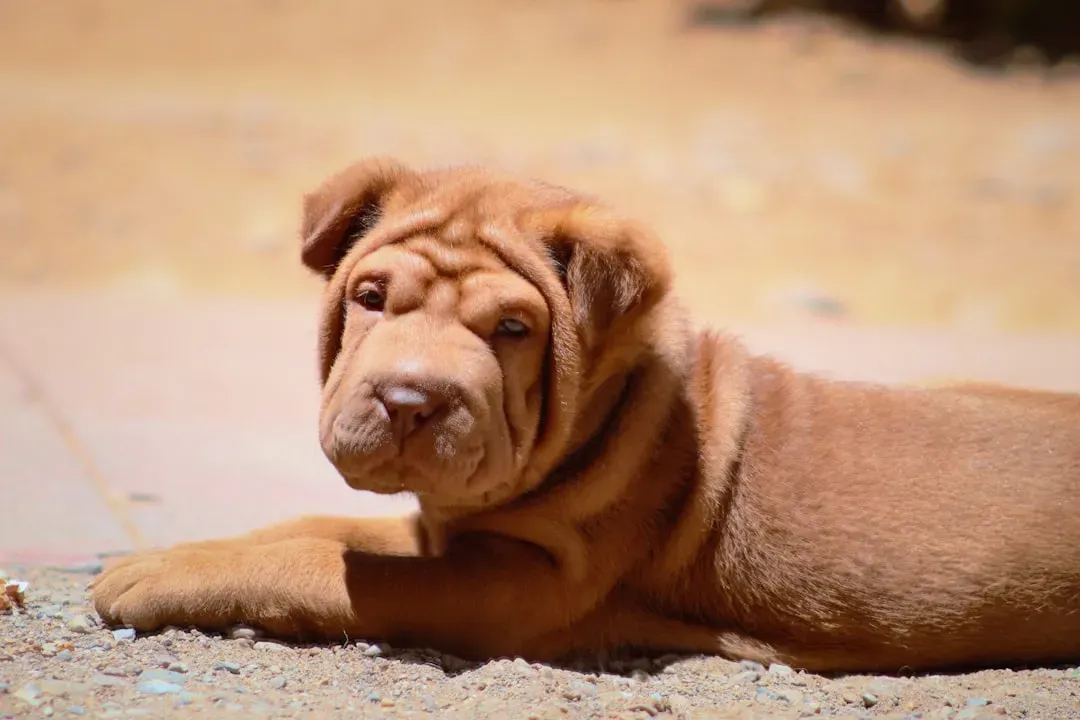
Most people assume the Shar Pei is a mysterious ancient Chinese farm guardian, resurrected intact from dusty scrolls. The truth is messier. The wrinkled, folded dog we know today – skin stacked like a melted candle – really exploded in popularity after a clever “save this rare breed from extinction” marketing campaign in the 1970s.
Earlier rural Shar Pei in China were short-coated, lightly wrinkled, and far more athletic. When a Hong Kong breeder started exporting them to the West, demand outpaced supply, so crosses and heavy selection for wrinkles, blue-black tongues, and “hippo” muzzles reshaped the breed within a few generations. Those folds now trap moisture and bacteria, fueling chronic skin infections – the price of a look that earlier standards would have called a fault, not a feature.
At a Glance
- Named the world’s rarest dog breed by Guinness World Records, with only about 60 survivors left at the low point.
- Saved through a publicity push led by Hong Kong breeder Matgo Law starting in the early 1970s.
- Not officially recognized by the AKC until 1992 – decades after the “ancient breed” label took hold in the West.
- Shares its blue-black tongue with only one other breed, the Chow Chow, though no genetic link has ever been confirmed.
The “ancient warrior dog” label still sells puppies. What happened to the Bulldog is even harder to unsee.
#3 – The Bulldog: Victorian Reinvention Sold as Medieval Relic
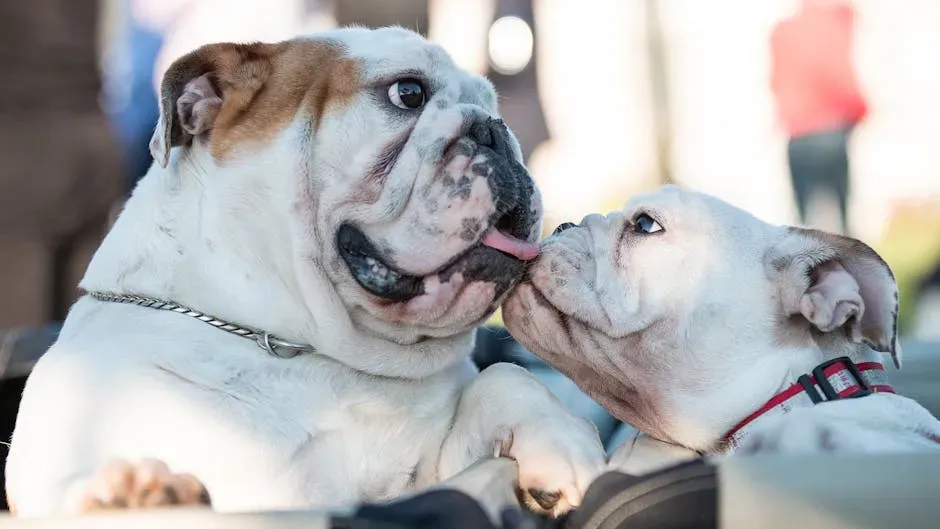
Ask around and you’ll hear that Bulldogs are medieval bull-baiters, frozen in time. In reality, the dog snoring on today’s couch would never survive the job its legend is built on. The original “bull dogs” of the 1600s and 1700s were taller and more athletic, with longer muzzles built to breathe while gripping a bull.
When blood sports were banned in the 1800s, those working lines faded and fanciers turned them into companions, deliberately shortening the muzzle and widening the skull and chest into the cartoonish “sour mug” we know now. By the mid-1900s the modern Bulldog – heavy, low-slung, and heat-intolerant – was fully locked in, and many can’t even mate or give birth without veterinary help. Marketing still leans hard on “old English courage,” but genetics and old paintings tell a very different story.
For historians, the modern Bulldog is basically fan fiction with a real ancestor. The Labrador’s origin story has its own quiet rewrite.
#4 – The Labrador Retriever’s “Old Fishing Dog” Story
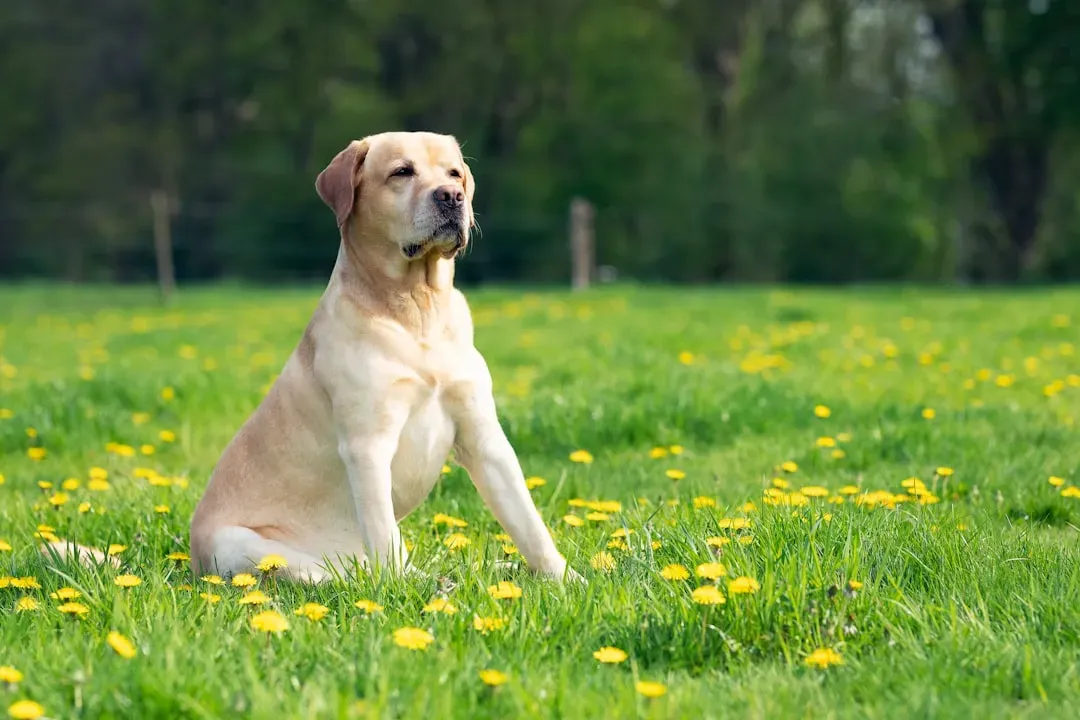
Labradors get branded as rugged 19th-century fishing partners from Newfoundland, unchanged family icons for generations. But the Lab curled up at the dog park is really the product of deliberate 20th-century split-breeding and careful image control. The original “St. John’s water dogs” were darker, stockier, and marked with white – built for hauling nets, not posing for family photos.
Through the early-to-mid 1900s, breeders pulled the breed in two directions: sleek, high-drive field Labs and blocky, heavy-boned show Labs. The calmer, chunkier “family Lab” that dominates suburban life owes far more to modern temperament selection and decades of clever marketing than to any fishing boat heritage. Plenty of today’s Labs are so far removed from that working past that they’d struggle to get through a full field trial without months of conditioning first.
The image is timeless. The dog underneath it is much younger than you’d guess – and so is the next one.
#5 – The Golden Retriever’s Fake “Scottish Highland Legend”
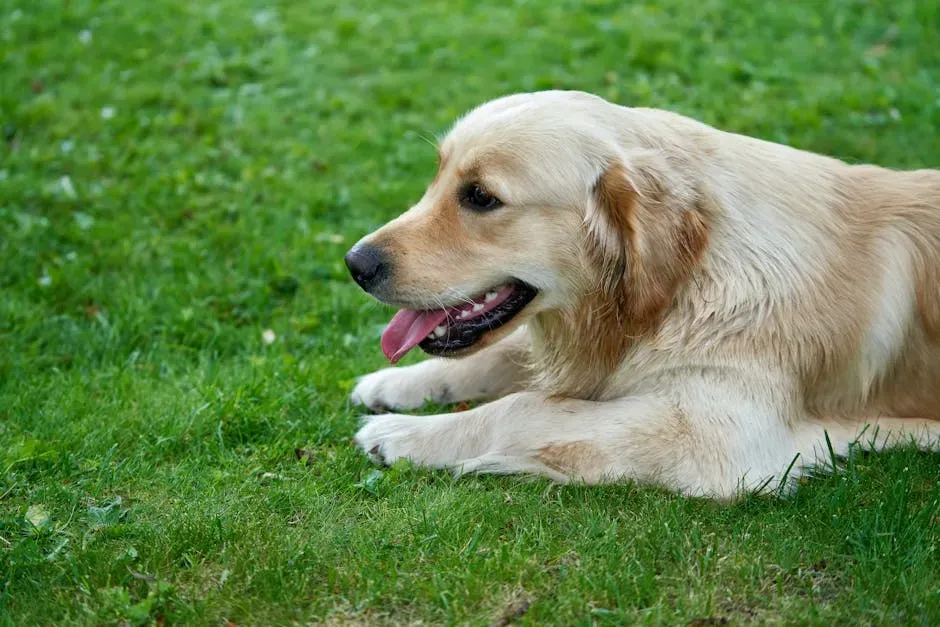
People love the story that Golden Retrievers descend from rare Russian circus dogs bought by a Scottish lord, because it sounds romantic and ancient. Breed historians have debunked it for years. The modern Golden is actually a carefully curated 20th-century blend of yellow retrievers and Tweed Water Spaniels, standardized in the late 1800s and early 1900s. The “ancient” aura is marketing polish, not documented fact.
Even the look itself is a recent exaggeration. Early Goldens were leaner hunting dogs with short, practical coats, while show-ring preferences in the mid-to-late 1900s pushed toward the huge coats, rounder eyes, and soft “teddy bear” heads people expect today. Field-line Goldens split off into a completely different, high-octane dog along the way. Calling them unchanged Highland legends quietly skips the decades of reshaping that made them fit modern sofas and Instagram feeds.
That’s a gentle rebrand compared to what happened to the Dachshund’s spine.
#6 – The “Ancient” Dachshund That Shrunk on Purpose
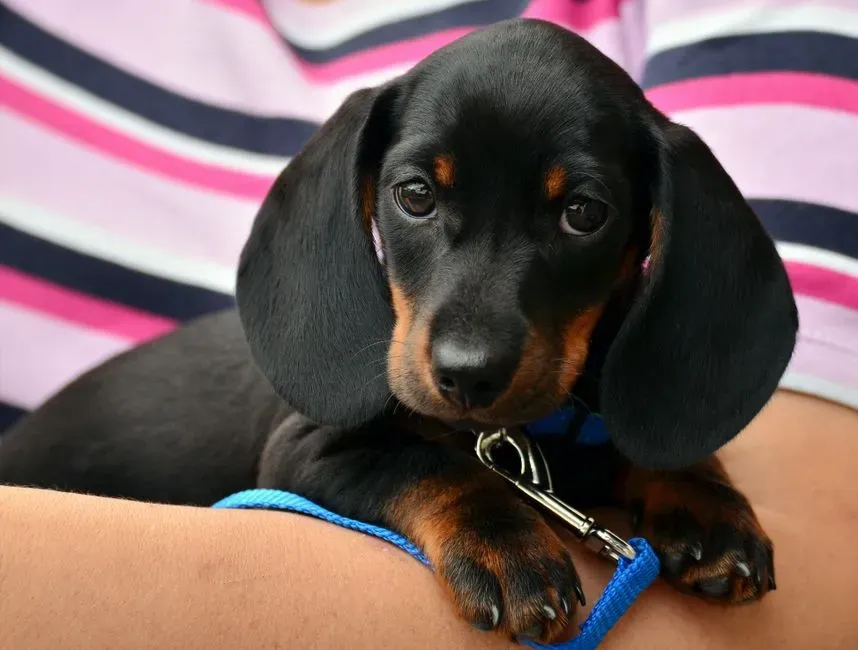
Dachshunds are advertised as centuries-old German badger dogs, and there’s real truth in the function, if not the current look. The standard Dachshund’s hunting role is genuinely old, but the toy-sized, long-haired, ultra-miniature versions people know today were deliberately manufactured within the last hundred years. Breeders refined the size down and stretched the back to fit an exaggerated “sausage” silhouette that never existed in historic working kennels.
Early Dachshunds were taller, with more balanced proportions and sturdier spines built for actual underground work. As hunting declined and city living grew, breeders pivoted toward compactness and a cute, almost cartoonish outline, while long-haired versions emerged from crosses with spaniel-type dogs. That stylistic win is also why Dachshunds now rank among the breeds most at risk for severe spinal disease like IVDD – the myth of the plucky ancient hunter hides just how recently we stretched their bodies toward fragility.
One breed’s back paid the price for fashion. Another breed’s entire skeleton got rewritten for the show ring.
#7 – The German Shepherd’s Cinematic Makeover
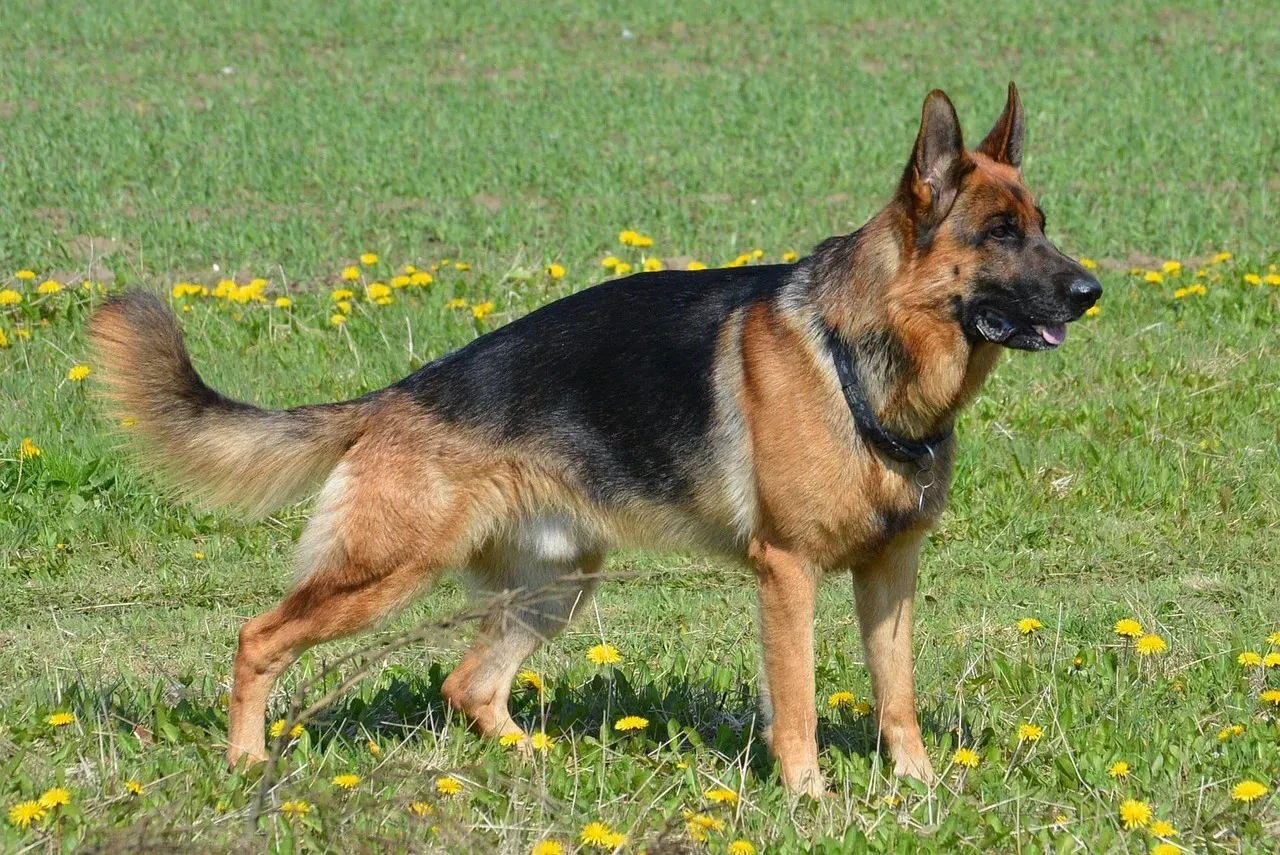
Most people assume the German Shepherd Dog seen in movies, police units, and backyards is the same noble herder from 19th-century Germany. In reality, the current show-ring GSD is one of the most dramatically reshaped breeds of the last hundred years. Early herding dogs were square, moderate, and built with straighter backs for all-day work on rough terrain.
As kennel clubs and show culture took over in the mid-1900s, breeders in some lines began selecting for exaggerated rear angulation and that infamous sloping topline – photos from the 1920s versus the 1990s look almost like different species. Working-line GSDs, still preferred by police and sport trainers, more closely resemble the originals, but they’re a minority now. Many vets and behaviorists argue the extreme show lines carry higher orthopedic and nerve problems, while defenders insist they’re simply refining type.
Quick Compare
- Original working herder: square build, straighter back, moderate angulation for all-day movement.
- Modern show-line GSD: sloped topline, dramatic rear angulation, shaped for the ring rather than the field.
- Working-line GSD today: still closely resembles the original, favored by police and military handlers.
- Health trade-off: more hip, spine, and nerve issues reported in dogs bred to the exaggerated show standard.
That civil war within one breed is dramatic. The Rottweiler’s rebrand is more about muscle than movement.
#8 – The Rottweiler’s Reinvented Tough-Guy Image
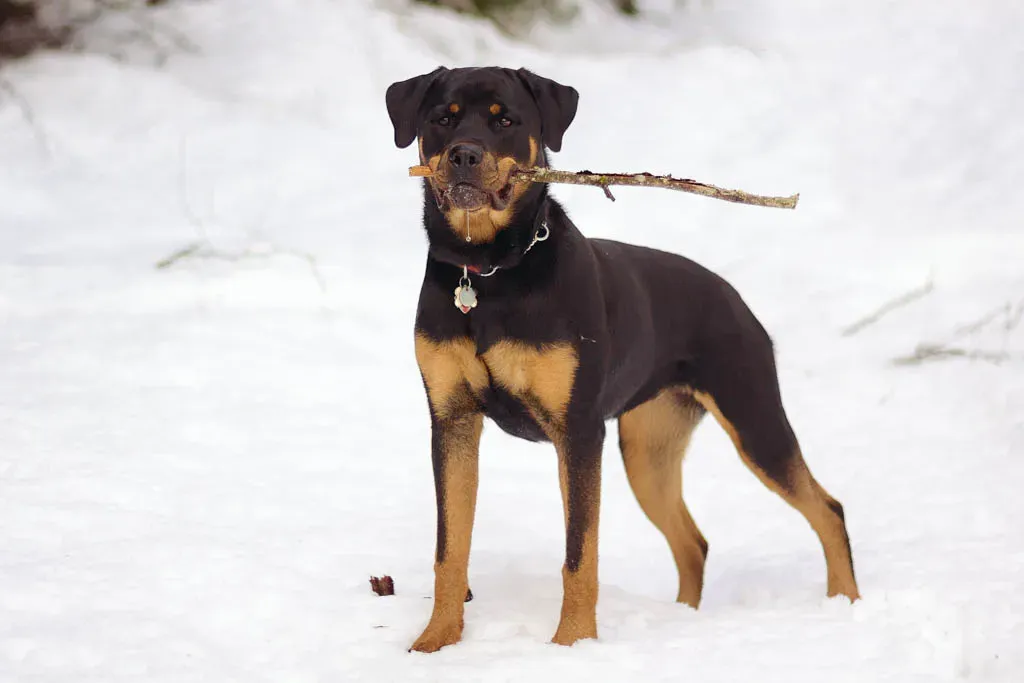
Ask a casual owner and they’ll tell you Rottweilers guarded Roman armies and have looked like tanks ever since. The Roman part is half legend, half guess – mastiff-type dogs did exist, but the modern block-headed, glossy-coated Rottweiler with strict tan-point markings is a creature of recent German breed clubs and 20th-century refinement. Early butchers’ dogs from the Rottweil region were less standardized, coming in more varied shapes and colors.
Formal breed standards eventually locked in the current look: black with rich rust, a heavy head, and a powerful, compact body. In the late 1900s, media and backyard breeders leaned hard into a “dangerous guard dog” angle that exaggerated bulk and temperament, helping sales but also landing the breed on insurance blacklists. Many responsible breeders now fight to push the dog back toward stable, biddable working roots and away from the muscle-monster caricature built for movies and status seekers.
The Roman guardian story sells great. The Shih Tzu’s royal backstory has an even stranger gap in it.
#9 – The Shih Tzu’s Royal Story with a Modern Twist
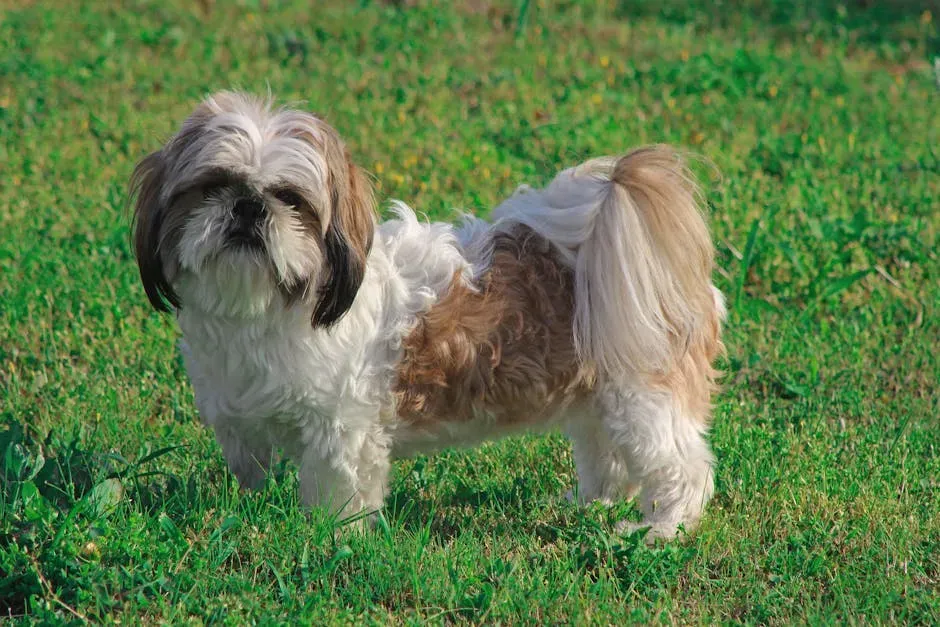
Everyone knows the Shih Tzu as an “ancient lion dog of Chinese royalty,” and that’s not entirely false – but the continuity is oversold. The line that produced the modern Shih Tzu was nearly wiped out during early-20th-century political upheaval. The breed we see now is essentially a 20th-century reconstruction from a shockingly small founder base, with likely Pekingese and Lhasa influence smoothing out the gaps.
Old photos of palace dogs show a mix of small, flat-faced companions, not one uniform breed. Western fanciers grabbed a handful of survivors, standardized a look – big round eyes, domed skull, flowing coat – and sold it hard as a preserved imperial treasure. Even the ridiculously long show coats are a modern artistic choice, not functional history; the royal backstory didn’t just survive, it was carefully repackaged to sell a rebuilt companion breed.
That’s a quiet reconstruction. The Irish Wolfhound’s comeback story is almost a full resurrection.
#10 – The “Irish” Wolfhound That’s Mostly a Renaissance Revival
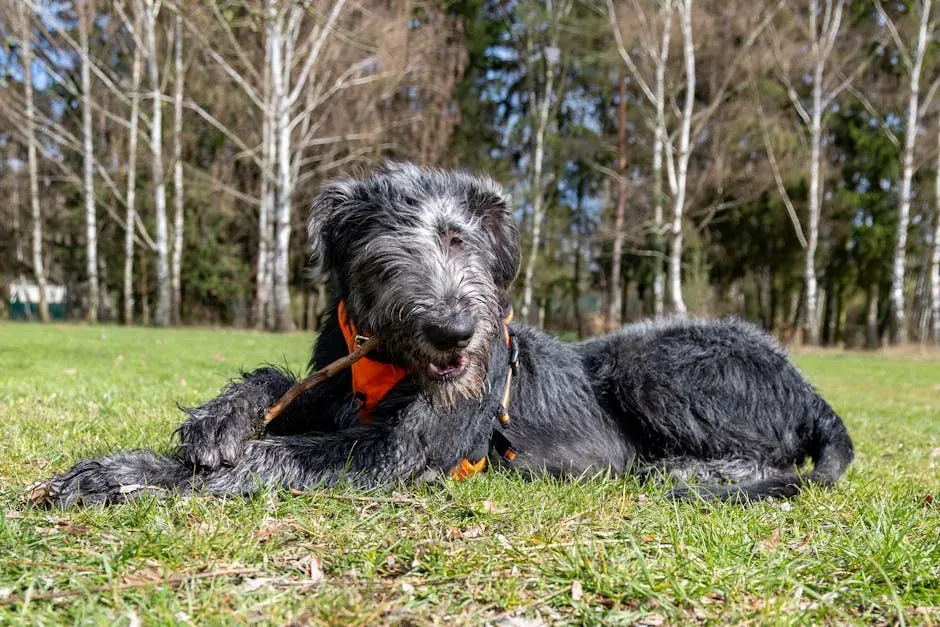
People are shocked to learn that the Irish Wolfhound, marketed as a Celtic warrior dog dating back over a thousand years, actually went functionally extinct and was rebuilt in the 19th and early 20th centuries. Historical references to huge Irish hounds are real, but the modern breed was recreated using Scottish Deerhounds, Great Danes, and other giant breeds to approximate the old descriptions.
Breed founder Captain G.A. Graham openly documented using these crosses to revive size and type, and later fanciers refined the mixes into the tall, rough-coated giant we know today. That doesn’t make the breed fake, but it does mean the unbroken ancient bloodline the brochures brag about simply isn’t there. Ironically, thanks to tight 20th-century linebreeding, the modern Wolfhound is often more uniform than its supposed ancestors ever were – beautiful historical cosplay turned into a real, living dog.
At least the Wolfhound admits its crosses on paper. The Doberman was built the same way and marketed as ancient anyway.
#11 – The Doberman Pinscher’s Instant “Old World” Makeover
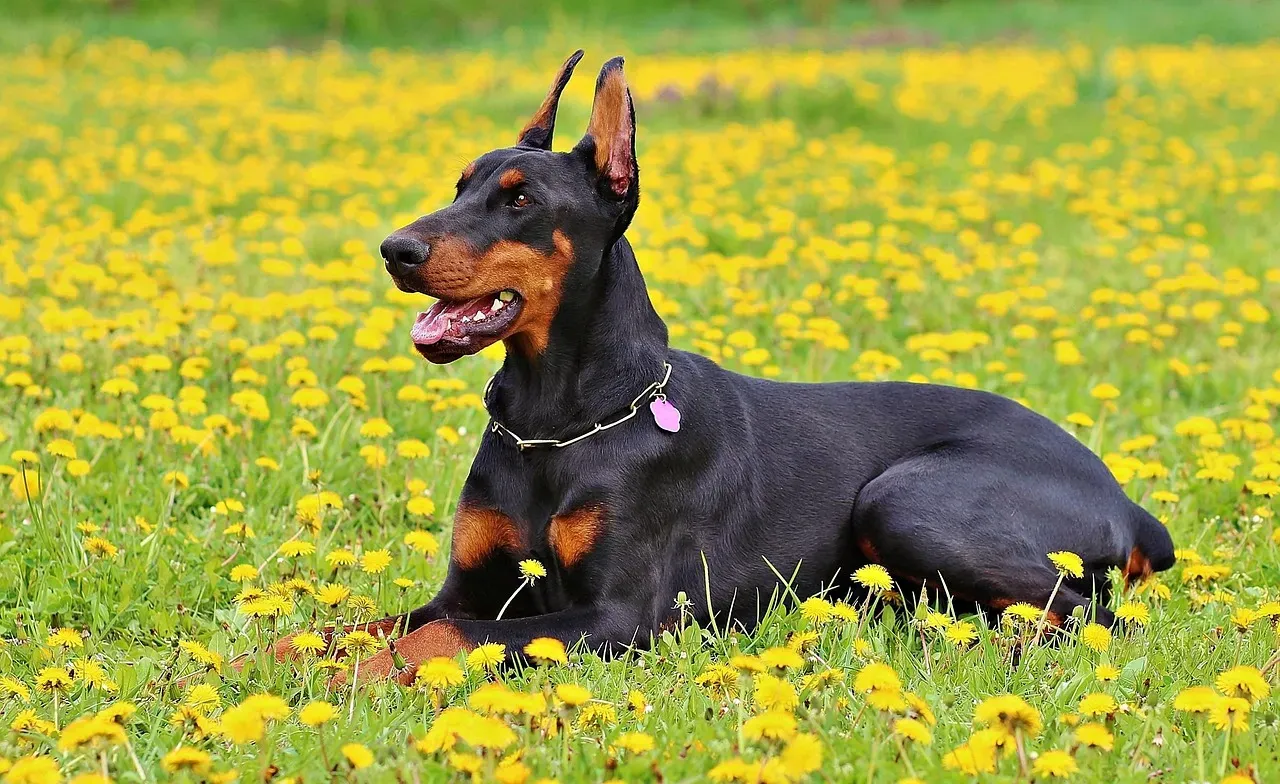
The Doberman gets marketed as a sleek, old European guardian, but it’s one of the youngest breeds on this list – and one of the most deliberately engineered. Created in the late 1800s by tax collector Louis Dobermann, the breed pulled from local shepherd dogs, Rottweilers, Pinschers, and possibly terriers. The razor-sharp silhouette people know now – crop-eared, docked tail, hyper-defined muscle – is largely a 20th-century fashion choice.
Early Dobermans were rougher around the edges, with far more variation in coat and structure. As dog shows and global exports took off, fanciers leaned hard into a “devil dog” aesthetic: narrow heads, tight skin, and that unmistakable outline, completed with ear cropping and tail docking that offered no real health benefit but sold the myth of unbroken Old World tradition. The Doberman might be brilliant and capable, but “ancient” it is not.
Worth Knowing
- Created single-handedly in the late 1800s by a tax collector who wanted a fearless personal protector.
- Early foundation dogs were rougher and far more variable in coat and structure than today’s sleek, uniform standard.
- Ear cropping and tail docking are purely cosmetic traditions, now banned or restricted across much of Europe.
- Despite the “devil dog” reputation, Dobermans consistently rank among the most trainable working breeds alive today.
Even the Poodle – yes, that Poodle – has a working-class past nobody advertises.
#12 – The Poodle: From Working Water Dog to Luxury Artifact
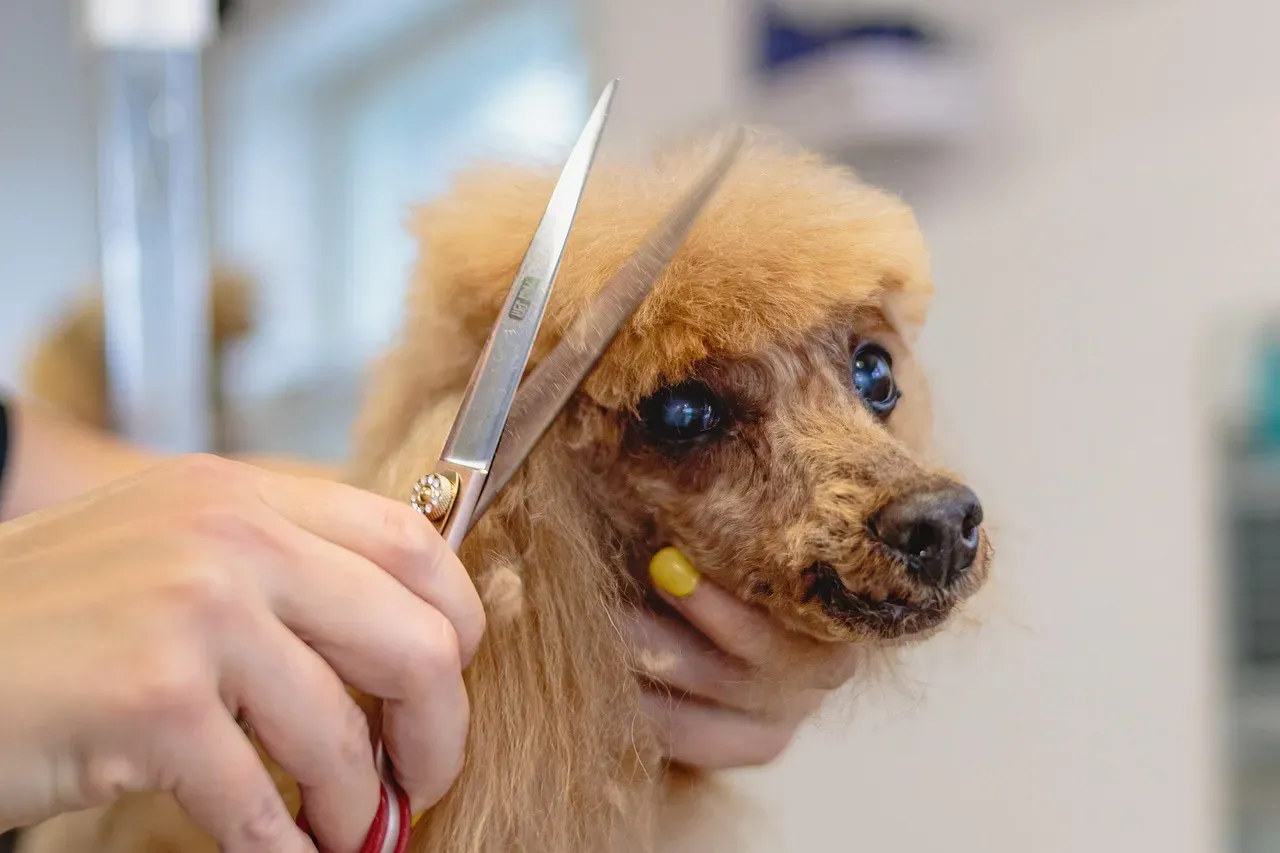
People think of Poodles as fussy show dogs bred for Paris salons centuries ago. In truth, historical Poodles were hard-working European water retrievers, used for hunting and often shorn practically rather than decoratively. The theatrical modern show clip and porcelain Toy Poodle are very much 20th-century reinventions, exaggerated for ring spectacle and apartment living.
Standard, Miniature, and Toy Poodles were all deliberately carved out of the same genetic base, with the smallest versions refined down specifically as companions rather than field dogs. Coat texture and density were pushed to extremes, and elaborate clips were standardized and romanticized as “traditional.” Ironically, the breed’s real intelligence and athleticism are remnants of its working past, buried under a marketing campaign that sells them as decorative aristocrats instead of the sporty water dogs they once were.
That’s a costume change. What happened to the Husky is closer to a full identity swap.
#13 – The Siberian Husky’s Carefully Edited Origin Story
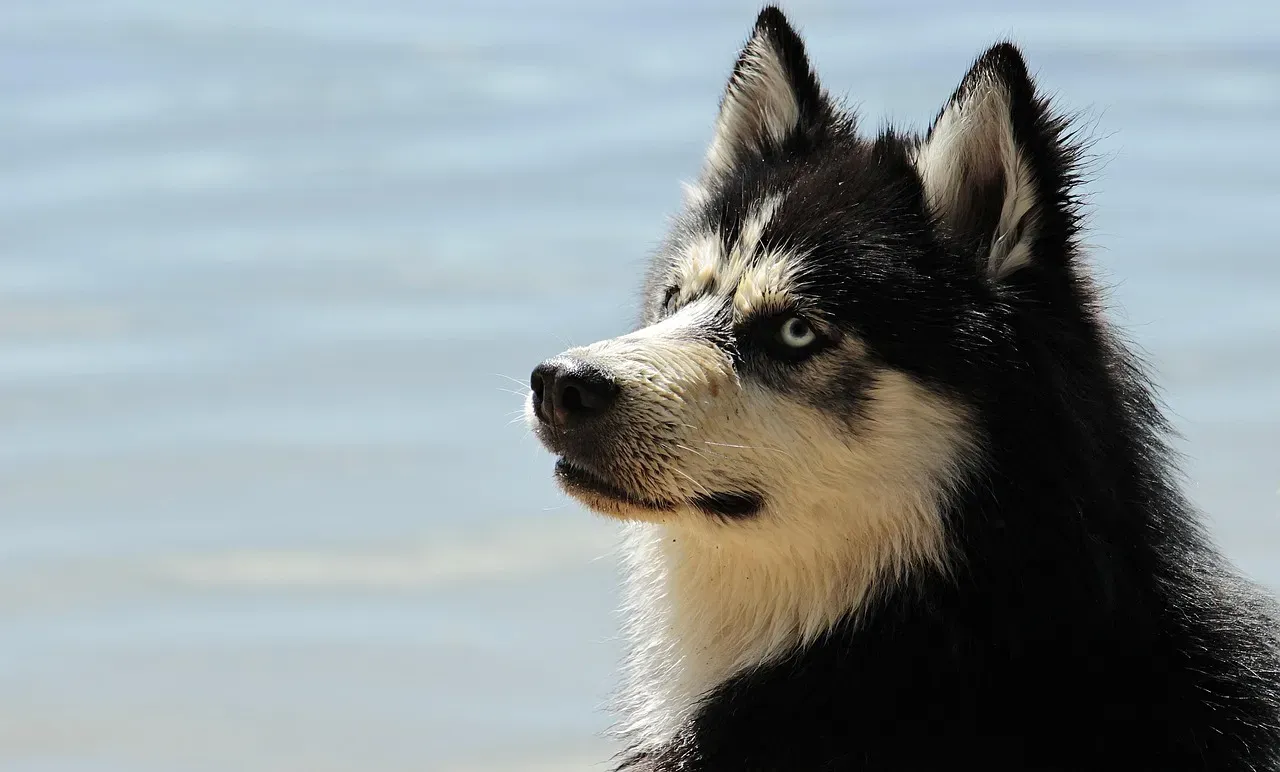
Huskies are endlessly marketed as ancient sled dogs of the Chukchi people, and there is real indigenous working-dog history behind that claim. What’s less advertised is that the registered Siberian Husky as we know it was heavily shaped by early-20th-century American and Canadian racing kennels. Only a subset of dogs imported from Siberia became the genetic core of the modern breed.
Breeders selected for the size, coat, eye color, and temperament that worked for racing and, later, for suburban homes – blue eyes became a selling point even though not all traditional working dogs had them. After famous sled races and Hollywood exposure sent demand soaring, pet-market breeders diluted working ability while doubling down on “wolf-like” looks. The Chukchi heritage is real; the idea that your couch Husky is a direct, unchanged continuation of that line is mostly clever, Western-made branding.
The Akita’s story has an even messier split hiding behind its noble reputation.
#14 – The Akita’s Split Personality and Invented Antiquity
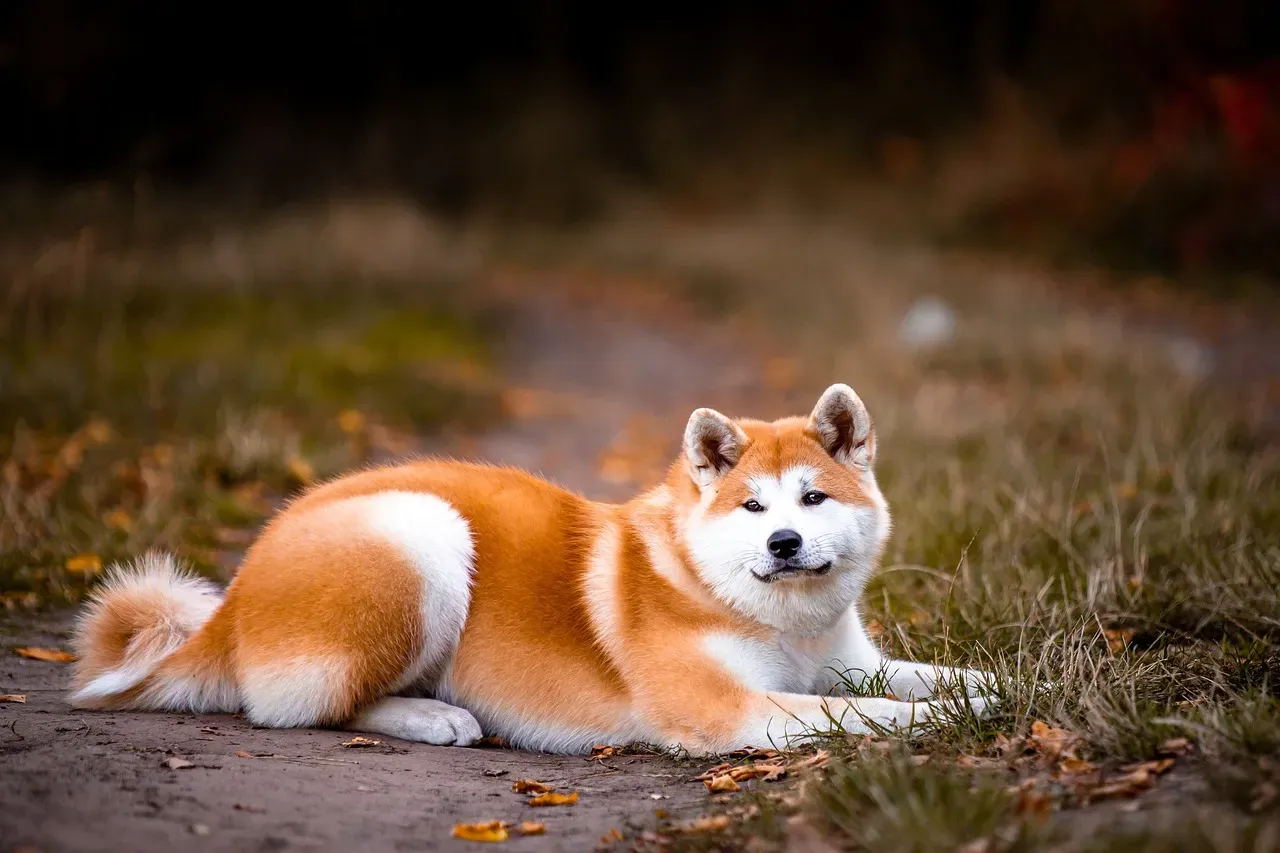
The Akita is sold globally as Japan’s ancient noble guardian, complete with statues and war stories. What rarely makes it into glossy brochures is how much the breed was modified in the early-to-mid 1900s using Western mastiff and German Shepherd blood to enlarge size and change head type. After the war, Japan even worked to “purify” the breed back toward a more Spitz-like look, creating a lasting divide between Japanese Akitas and heavier American Akitas.
Many of the traits Western fans now associate with the breed – massive heads, heavy bone, bear-like frames – are products of that relatively recent crossbreeding and selection, not ancient continuity. Some purists argue the American Akita should be considered almost a separate breed given how different it’s become. The deeper you dig into the archives, the clearer it is that today’s Akitas are as much 20th-century political and cultural projects as they are living history.
The Chow Chow’s ancient look has an equally recent glow-up behind it.
#15 – The Chow Chow’s Lion-Dog Myth vs. Modern Reality
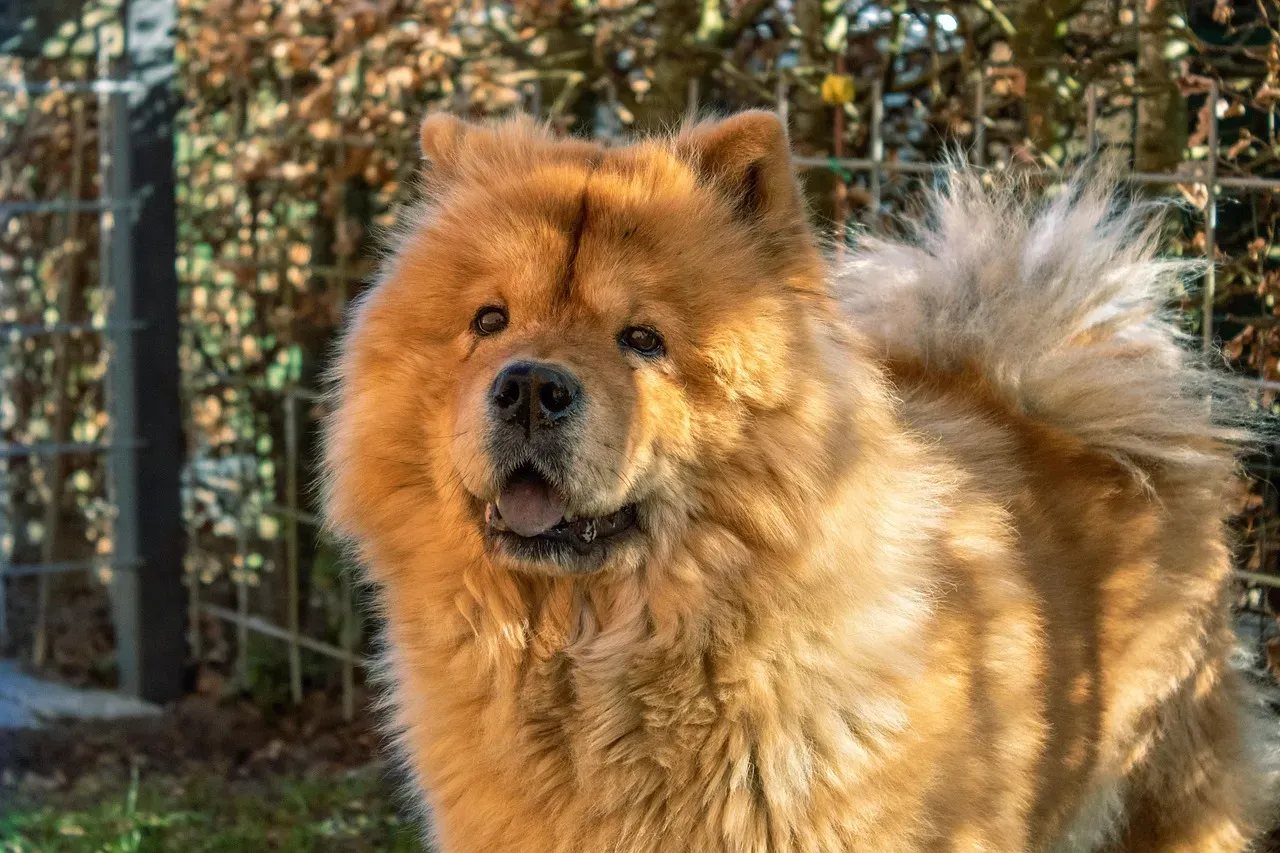
Chow Chows are endlessly framed as one of the world’s oldest breeds, and genetic studies do suggest real ancient East Asian roots. But the stiff-legged, massive-coated, intensely wrinkled face on many modern Chows is a far more recent style. Early photographs and descriptions show more moderate coats, less excess skin, and a far less exaggerated scowl.
Western kennel clubs amplified whatever traits screamed “exotic lion dog” – thick mane, blue-black tongue, aloof demeanor – often at the cost of the dog’s basic function. Over time, that curated look became “the” Chow, even as it diverged sharply from the working village dogs still found in China. Some modern breeders quietly try to reverse course, aiming for less coat and better health, but they’re swimming against a century of lion-dog branding.
The Maltese pulled off a similar disguise – all it took was bleaching out the truth.
#16 – The Maltese: From Random Lapdogs to Show-Ring Snowball
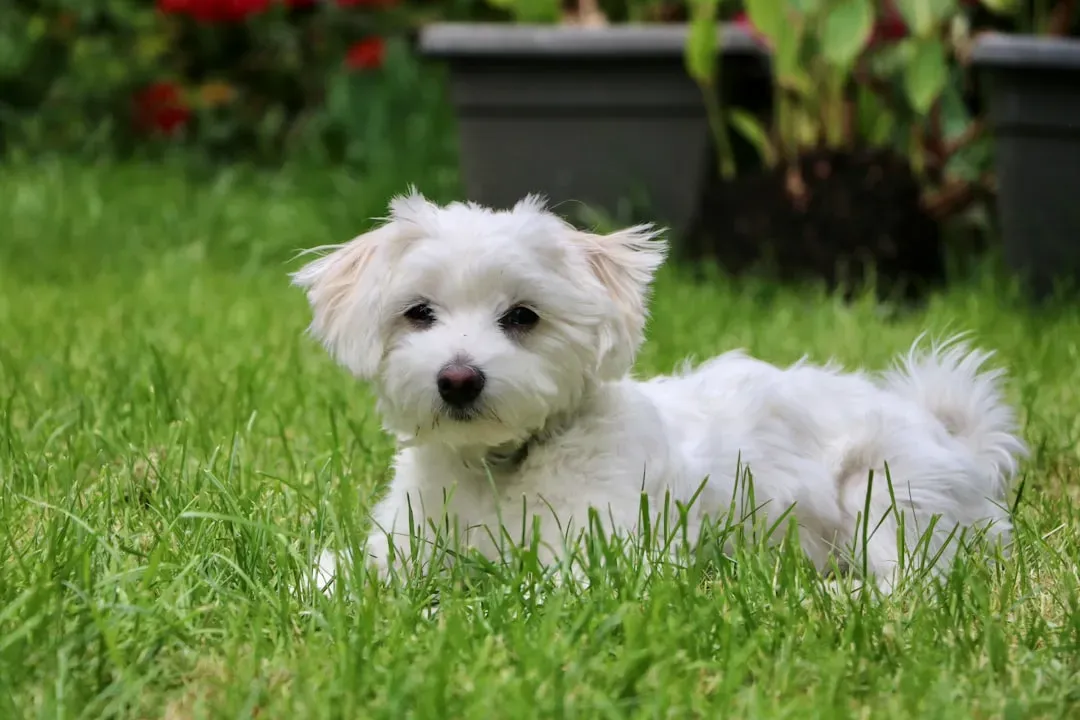
The Maltese is pitched as an ancient Mediterranean lapdog adored by Roman matrons and aristocrats. Small white toy dogs did exist, but the hyper-white, floor-length-coated Maltese we see today is largely a 19th-to-20th-century luxury project. Early “Maltese” and related toy dogs came in multiple colors and coat types, with far less standardized features than today’s show dog.
Kennel clubs and elite breeders narrowed the palette down to solid white, then relentlessly selected for silkier, longer hair that could be groomed into a curtain around the dog. That image – tiny dark eyes peeking out from a wall of hair – signals “ancient luxury” to modern buyers, even though it’s really a costume crafted over a few dozen generations. Strip away the show-ring theatrics and companion-bred Maltese are often trimmed short, acting like the lively, bossy little dogs they always were underneath the myth.
Fast Facts
- The AKC officially recognized the Maltese in 1888, after its 1877 Westminster debut billed as the “Maltese lion dog.”
- The breed ranks 38th on the AKC’s list of most popular dog breeds today.
- Historic Maltese-type dogs came in a range of colors, not the solid white required by modern show standards.
- Show-standard Maltese weigh under 7 pounds and stand just 7 to 9 inches tall, with coats groomed purely for the ring.
Save the biggest gap between legend and reality for last: the dog riding in millions of purses right now.
#17 – The “Ancient” Chihuahua That’s Mostly 20th-Century Pop Culture
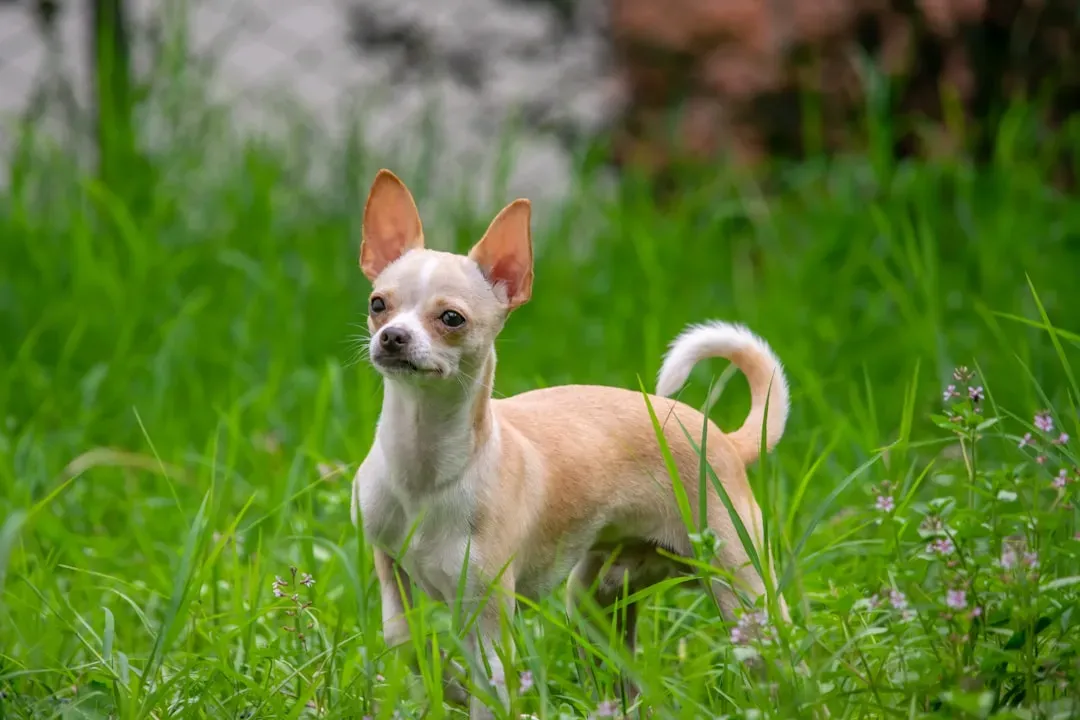
Chihuahuas are constantly tied to Aztec and Toltec “Techichi” dogs, with the implication that your four-pound, apple-headed purse pet is a direct lineal descendant. Reality check: small indigenous dogs did exist in Mesoamerica, but the modern Chihuahua type was heavily solidified in the early-to-mid 1900s along the U.S.-Mexico border, shaped by American kennel standards and pop-culture demand rather than ancient continuity.
Many early Chihuahuas had longer muzzles, varied ear sets, and rougher coats than today’s dogs. As the breed caught on through the mid-to-late 20th century, breeders doubled down on extreme smallness, domed skulls, and oversized eyes – traits that trigger a very human soft spot for anything that looks like a baby. Hollywood appearances and fashion trends did the rest, turning a village dog into a handbag accessory and pulling out the Aztec narrative whenever the tiny modern toy needed some spiritual weight.
The Real Story Nobody Puts on the Puppy Flyer
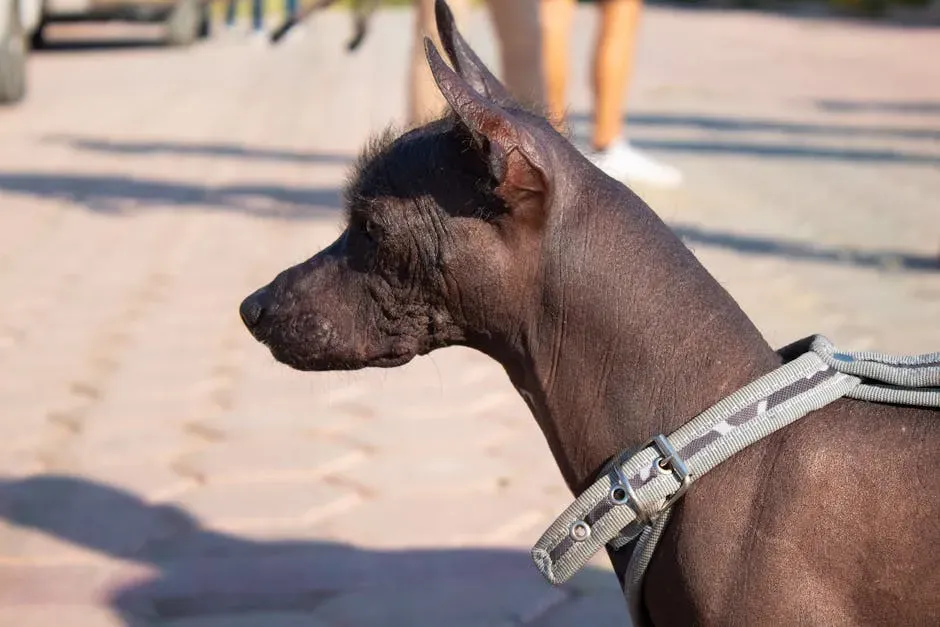
Zoom out and an uncomfortable pattern shows up: many of the “ancient” breeds people brag about are, in their current form, younger than our grandparents. Real historical roots exist in almost every one of these dogs – but heavy 20th-century redesign, crossbreeding, and marketing spin turned rough working types into highly stylized lifestyle products.
Kennel clubs wrote the standards, breeders sculpted bodies and temperaments to match, and somewhere along the way someone slapped on a myth about monks, samurai, or Roman legions to make the sale easier.
None of this makes these dogs lesser, and it definitely doesn’t make them less lovable. But pretending they’re untouched relics does real damage – it blinds owners and buyers to the health costs baked into all that exaggeration, and it erases the very human fingerprints all over their DNA. Honestly? The real story – that we built and rebuilt these companions again and again to fit our changing world – is more interesting, and more honest, than any fake legend stamped on a pedigree certificate.
So which “ancient” breed myth do you think is the most misleading – and which one did we leave off this list that drives you absolutely crazy?