
18 Tiny Daily Routines a Dog Will Not Abandon No Matter How Much the Household Shifts Around It
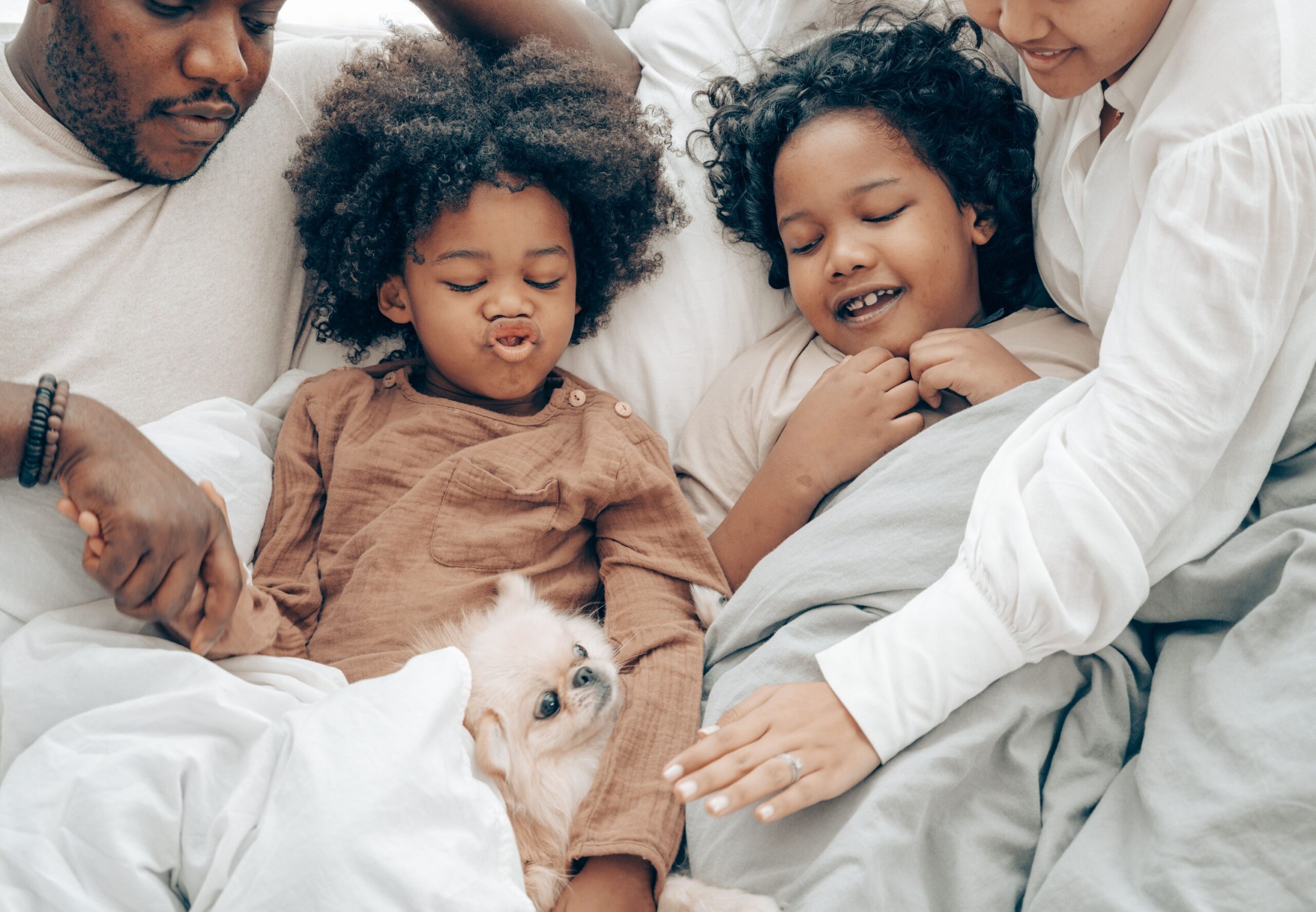
Most people assume dogs just “go with the flow” when a job changes, a partner moves in, or a family adds a baby. Behaviorists say that’s almost backwards. Underneath all that adaptability, your dog is quietly obsessed with a tiny handful of rituals it refuses to let go of, no matter how loudly the rest of life is falling apart around it.
Circling the same rug. Staring out the same window. Running the same weird little loop after dinner. These aren’t quirks – they’re survival anchors wired straight into your dog’s nervous system. Once you see the full list, you’ll never look at your dog’s “odd habits” as random again.
#1 – The “First Sniff” Morning Patrol
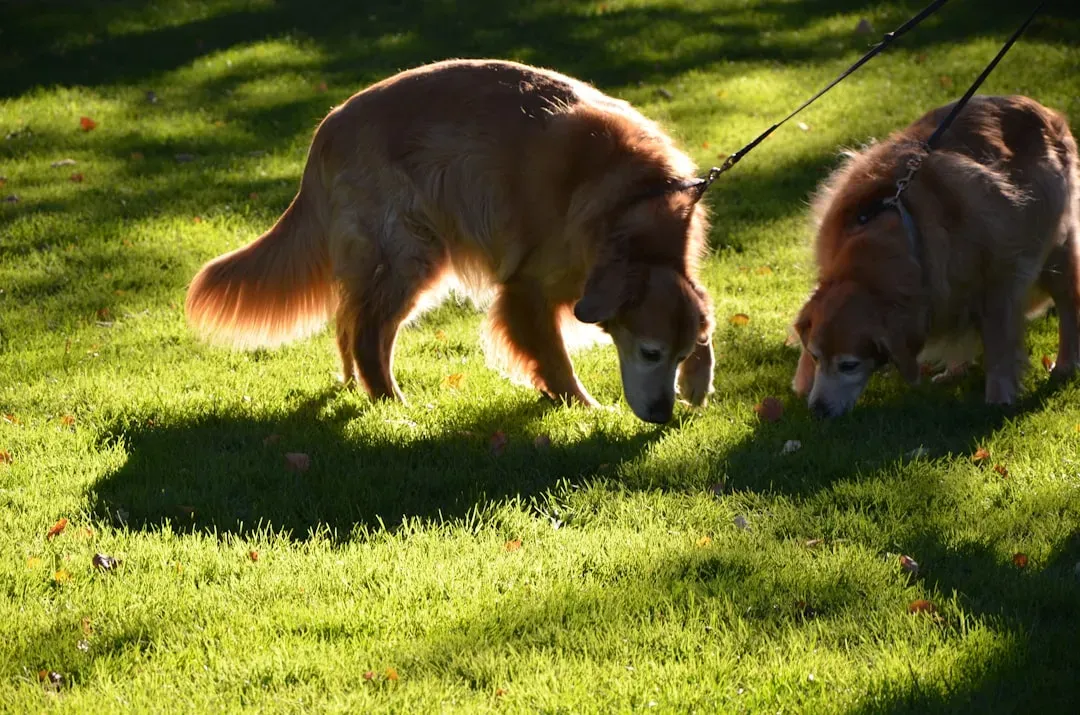
Your alarm might change, but your dog’s first move of the day almost never does. Before you’ve even registered that it’s morning, they’re already gliding through a quiet circuit – hallway, bedroom door, window, whatever their route happens to be.
Dogs are wired to take an olfactory snapshot the second they wake up, scanning for what’s new, what’s safe, and what might need watching today. Move houses or rearrange the furniture, and most dogs will rebuild this exact patrol within days. It’s never really about the objects. It’s about the job. When life gets chaotic – a new baby, a sudden switch to working from home – dogs often lean on this ritual even harder, because it’s one of the only things they still control. Interrupt it constantly and you’re not saving time, you’re quietly feeding their anxiety.
#2 – The Exact Same “Good Morning” Greeting
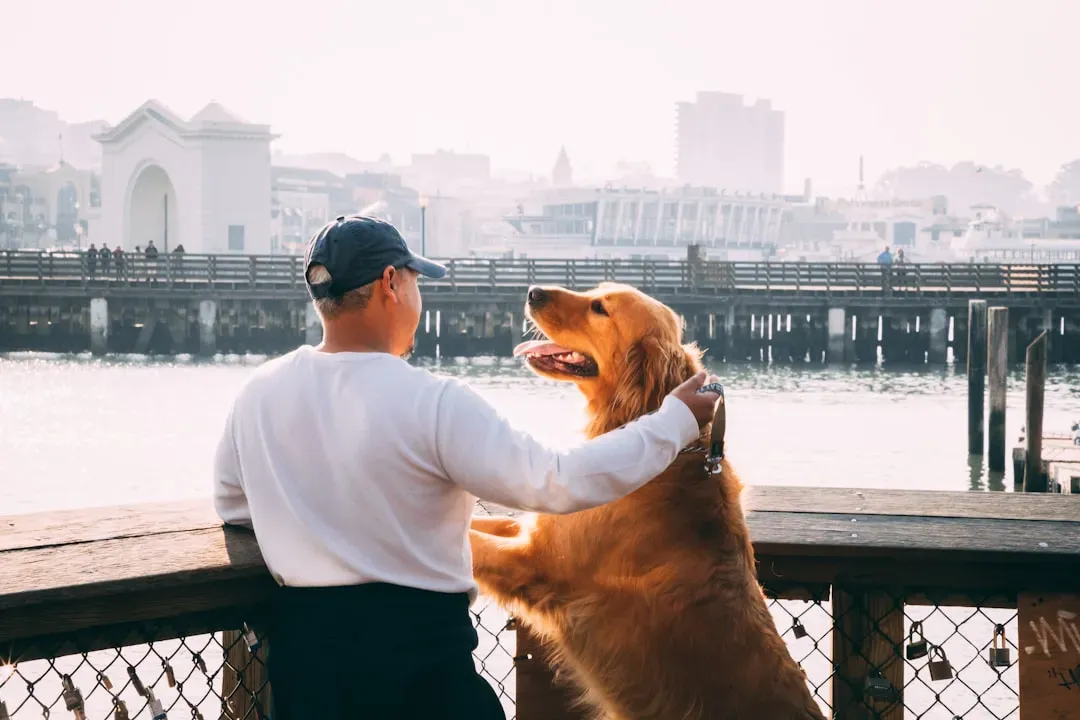
Watch closely and you’ll notice your dog’s morning hello is basically scripted. Maybe it’s a toy dropped on the bed, a single bark, or that full-body wag that starts at the nose and rolls backward. Whatever it is, they repeat it almost identically, day after day.
It’s not just affection – it’s a rehearsed check-in that says, “my human is still here, the world is still okay.” Even through a job change or a new partner moving in, dogs cling to this exact script, often pushing past a houseguest or new roommate just to reach their person first. This is also why rehomed dogs seem clingy at first: they’re desperately trying to build a new version of this ritual with someone who doesn’t know the routine yet. Let them lead it, and their stress tends to drop faster than any calming chew or supplement ever will.
#3 – The Sacred Bathroom Shadowing
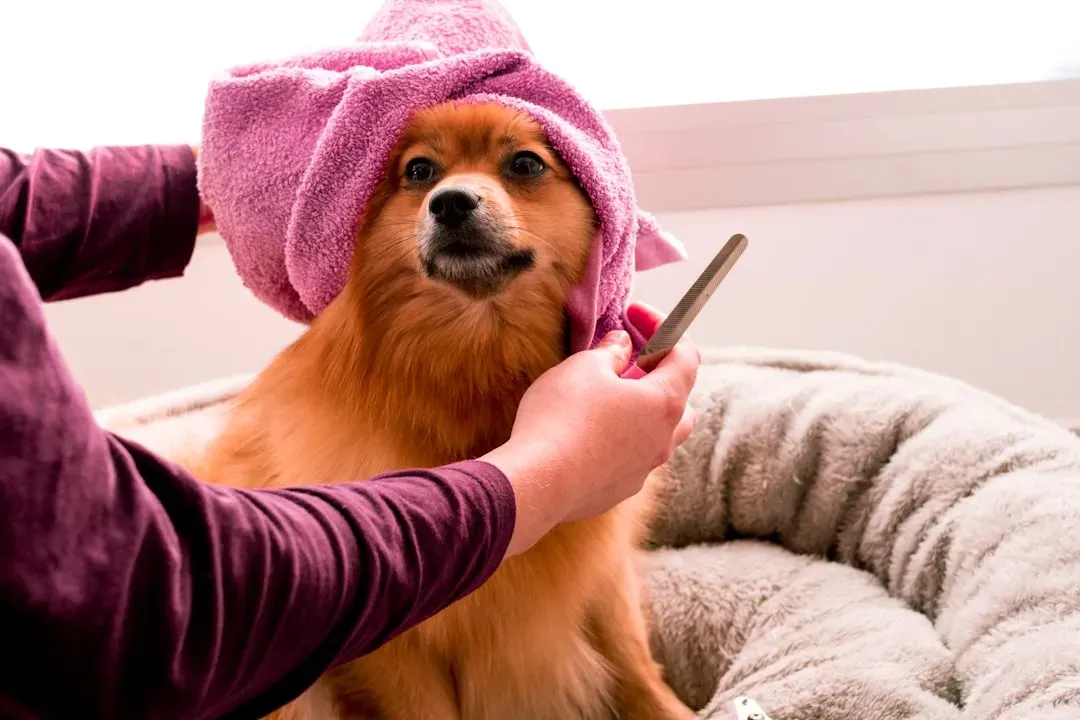
Shut a door, and your dog materializes like a tiny, furry ghost. Shower, toothbrushing, five minutes alone – somehow they always know, and somehow they always show up to “escort” you there.
To your dog, you’re momentarily stuck in a small, closed space, and evolutionarily that’s not a great look for a pack member. So they station themselves outside like an unpaid security guard, same tile, same bathmat, same angle every time. Even senior dogs who can barely be bothered to get off the bed will drag themselves down the hall for this one. Your steady sequence – shower, towel, teeth, lights off – reads to them as proof that things are still normal, which is exactly why keeping that rhythm matters more during chaotic weeks than most owners realize.
#4 – The Non-Negotiable Meal-Time Dance
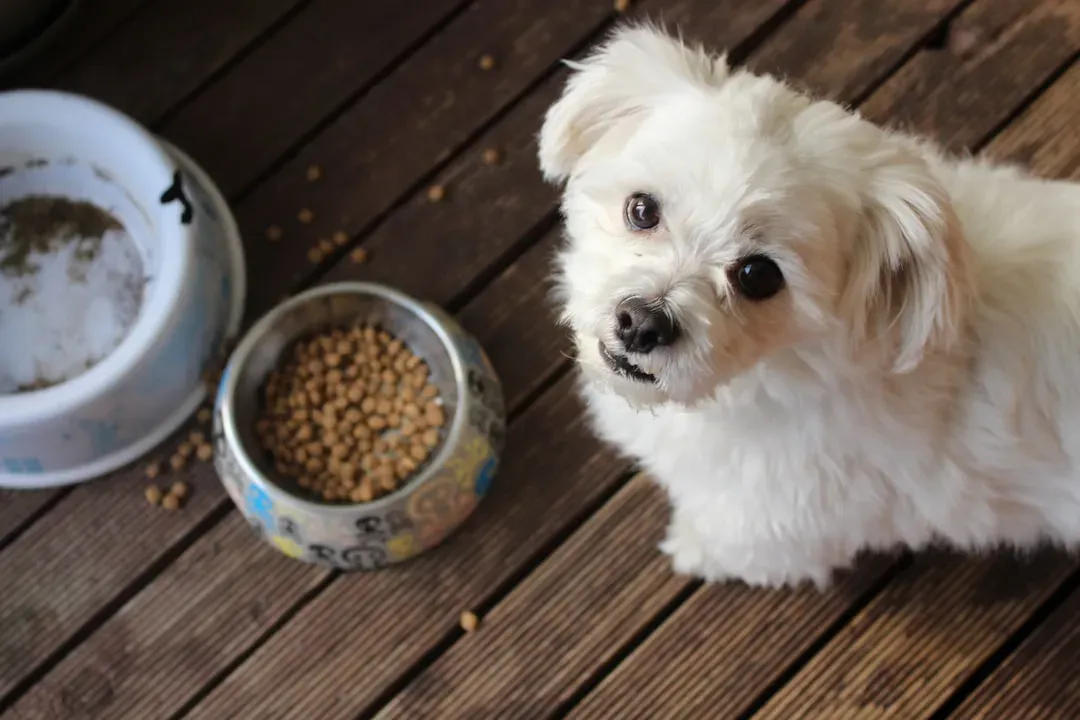
A new job, a new partner, a new baby – your dog will bend on almost all of it. The lead-up to dinner, though, is untouchable. Long before the bowl hits the floor, most dogs run the same private sequence: a certain spot, a spin, one whine, an automatic sit, or full-on herding you toward the kitchen.
Feeding is one of the most deeply conditioned events in a dog’s brain, so the ritual around it becomes almost sacred. Even if the actual mealtime shifts, the behavior pattern rarely does – say “you hungry?” the same way you always have, and they’ll perk up years later. Some dogs will even resist food from a family member who skips the familiar steps, because to them, it doesn’t count as a real meal. Lose this pattern during a move or breakup, and don’t be surprised if food guarding or frantic begging shows up out of nowhere.
Fast Facts
- Feeding rituals are among the most deeply conditioned behaviors in a dog’s day.
- The pre-meal sequence usually forms early in life and rarely changes afterward.
- Dogs often notice when a family member skips the familiar steps before feeding.
- Disrupted mealtime rituals are a common trigger for sudden food guarding.
#5 – The Same Window, the Same View, Every Day
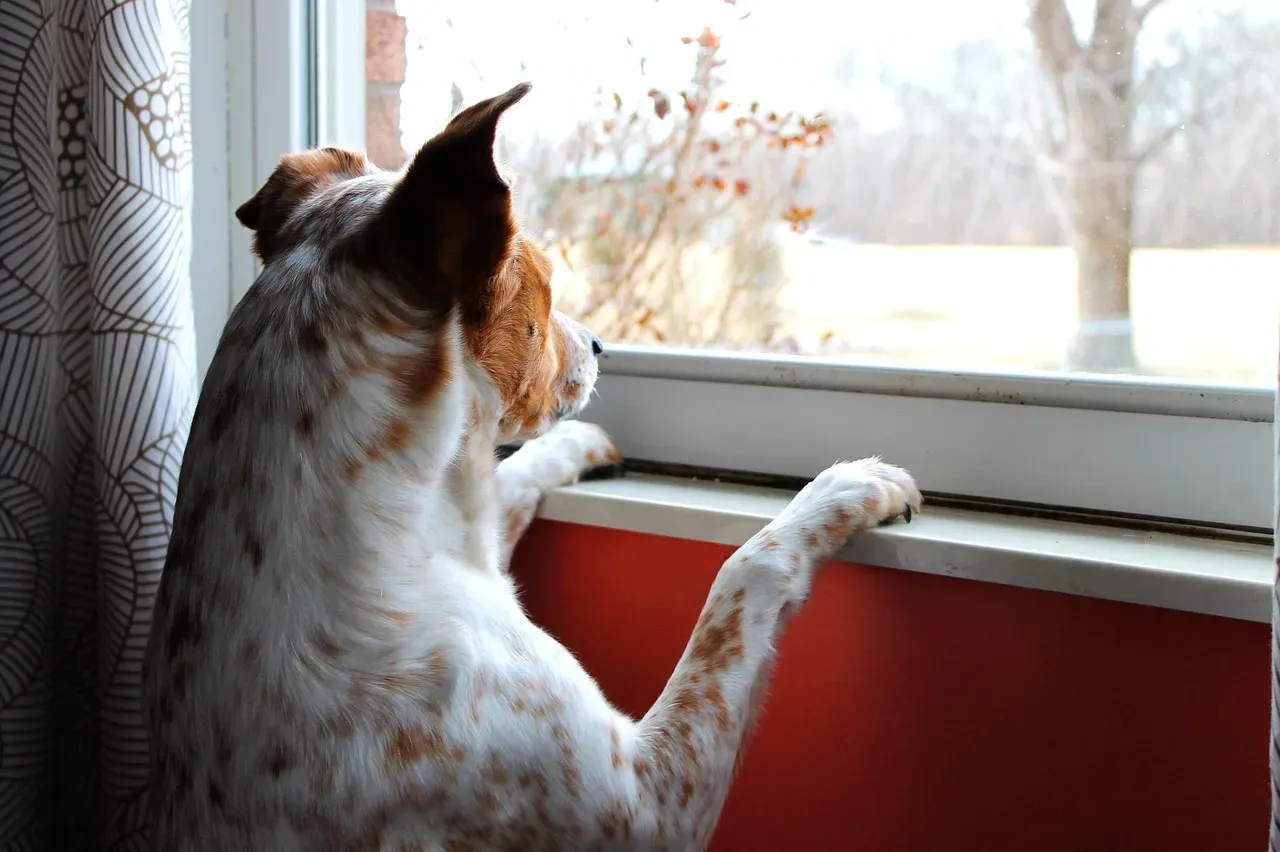
You can swap the couch and repaint every wall, but your dog will still march to “their” window like it’s a personal news desk. A front window, a balcony door, even a sliver of curtain – it becomes the daily lookout post, and it rarely changes.
What’s fascinating is how exact this is. Many dogs pick a specific corner, a certain step, a single chair arm – not for comfort, but for tactical advantage over the street, yard, or hallway. Move homes, and they’ll hunt until they find the nearest equivalent. Some trainers claim window-watching always fuels reactivity, but that’s an oversimplification – for a lot of dogs, a controlled, predictable lookout routine actually helps them burn off low-level tension. The real problem isn’t the post itself; it’s letting it spiral into nonstop barking.
#6 – The Predictable Pre-Walk Explosion
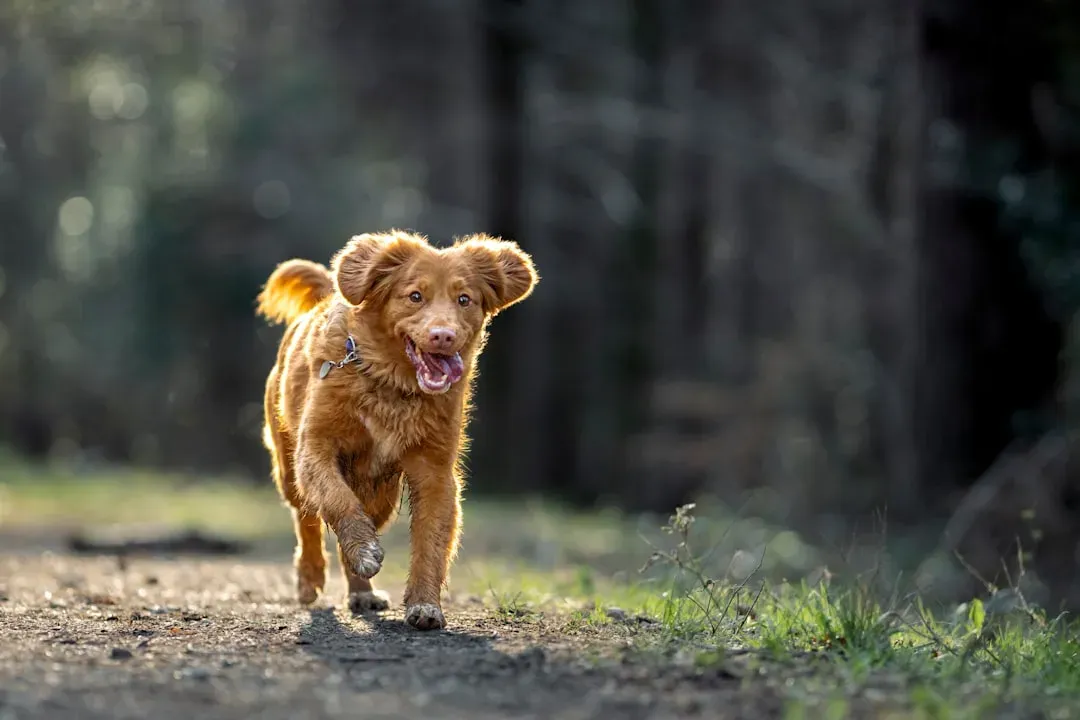
Leash. Shoes. Keys. One glance at the door. That’s all it takes to trigger the same chaotic little routine every single time – a spin, one bark, a sprint to the door, back to you, then a half-hearted sit.
This pre-walk ritual is so deeply grooved that dogs will repeat it for years, even when the walk time, the route, or the person holding the leash changes completely. Since the walk itself is unpredictable – new smells, new duration, new person – dogs double down on the one part they can control: the countdown before it starts. Trying to train out every bit of that excitement usually backfires. A predictable burst of joy followed by a known “ready” cue is healthier than forcing robotic calm onto a dog who’s genuinely thrilled.
#7 – The Exact Spot for Naps (Even in a New House)
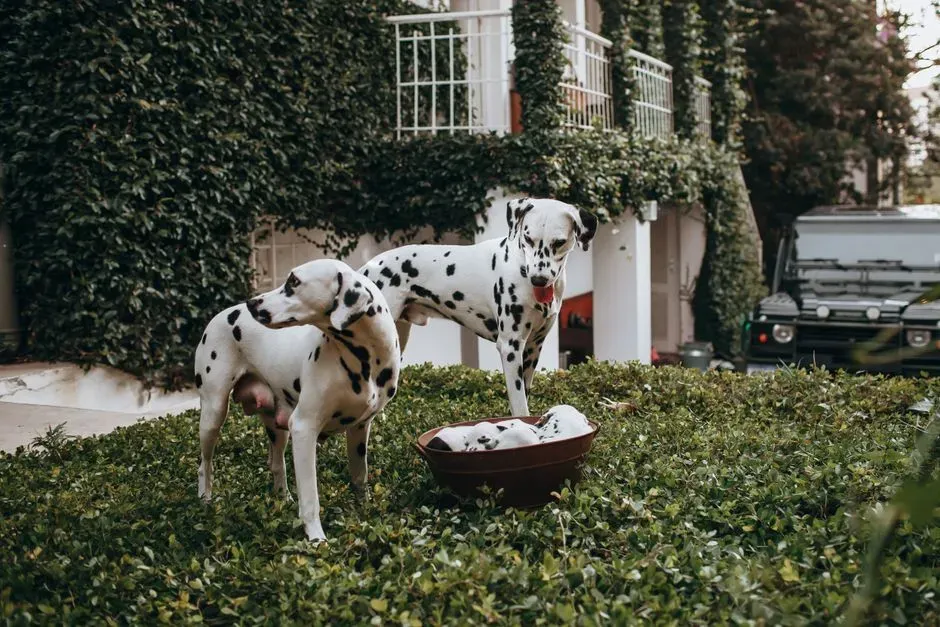
It looks like your dog just flops “wherever,” but watch them on a genuinely stressful day. They’ll almost always retreat to one or two very specific spots – a corner under the table, a certain cushion, a strange patch of hallway tile that makes no obvious sense to you.
These safe zones usually share a few traits:
- Slightly tucked away, but with a clear line of sight to the room.
- Stable temperature and a familiar texture underfoot.
- Enough human foot traffic nearby to feel included, not isolated.
After a move, most dogs spend a day or two auditioning spots until one earns the title. Once it does, they’ll return to it constantly, especially during arguments, visitors, or big disruptions. Blocking that spot off “for aesthetics” is a quiet, common mistake. Put a bed, blanket, or an old T-shirt there instead, and treat it as off-limits to guests.
#8 – The “Check Every Family Member” Rounds
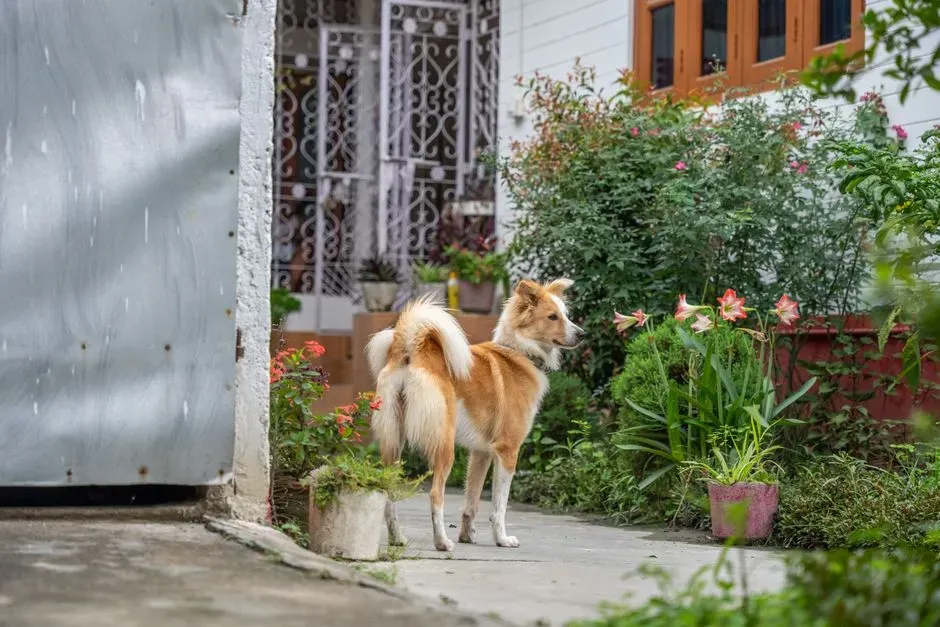
This one is easy to underestimate. Many dogs run quiet “rounds” through the house several times a day, especially in busy homes – a nose into a bedroom, a glance into a home office, a check on the living room, then back to their own spot.
It’s a pack headcount, and dogs keep doing it even when the family structure changes dramatically. When someone moves out or passes away, or a baby grows into a teenager, the route shifts – but it never fully disappears. For weeks or months after a loss, dogs will often still swing by that empty room or vacant chair, clearly checking for a presence that’s gone. That’s not sentimental projection on our part; it’s exactly how dogs process a sudden social gap. The real warning sign isn’t the pacing – it’s when a dog suddenly stops doing these checks altogether.
#9 – The Evening “Reset” Zoomies or Play Burst
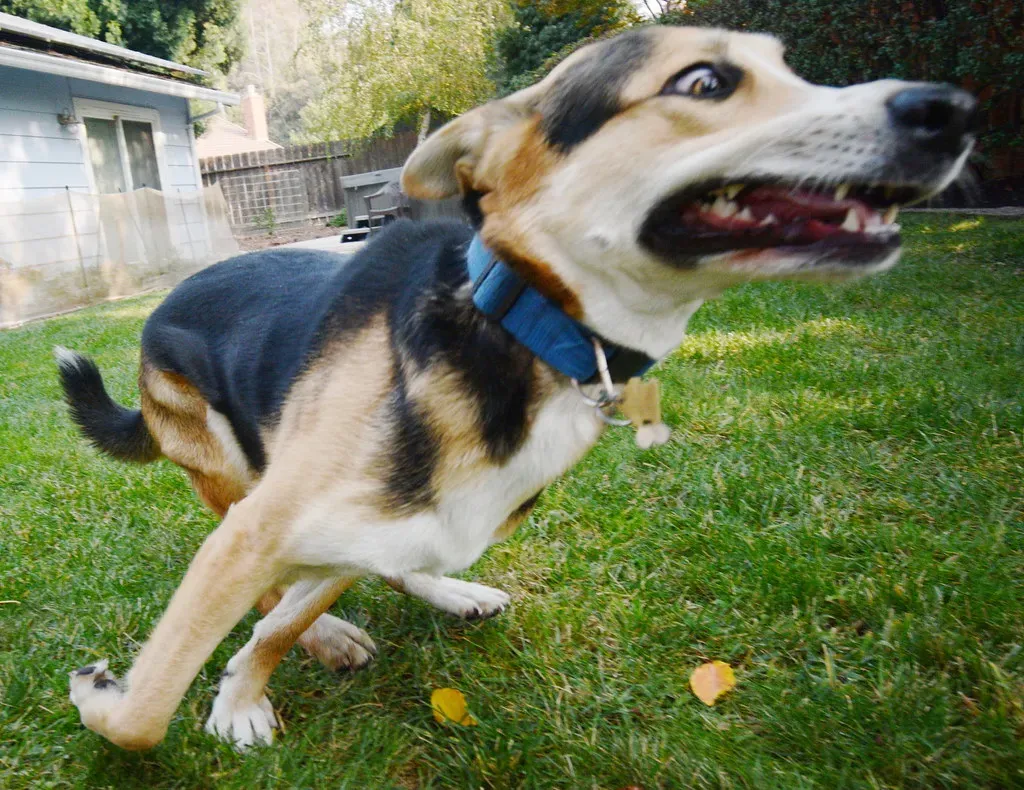
Not every dog does the classic zoomies, but almost all of them have some version of an evening reset – a specific tug toy, a burst of silliness with one family member, a wild loop around the coffee table at the exact same hour.
Owners notice this most when their hours get longer. Come home late and exhausted, and the dog will still demand the same goofy wrestling match or chase they’ve run since puppyhood. Annoying at 9 p.m.? Maybe. Behaviorally valuable? Absolutely – it’s a genuine stress valve. Even the path matters: dogs will often retrace the same doorway-to-sofa-to-hallway loop even after you’ve rearranged the furniture. Cut this ritual out for a few weeks, and expect more barking, chewing, or general reactivity to fill the gap.
At a Glance
- Evening zoomies typically follow the same loop through the same rooms.
- The ritual often peaks around the same hour each night.
- Skipping it for even a few days can show up as extra barking or restlessness.
- Longer workdays tend to intensify the ritual rather than shrink it.
#10 – The Late-Night Perimeter Check Before Bed
Just when you think your dog has finally crashed, they often pull one last slow lap – a glance out the back, a sniff along the baseboards, a stop at the front door before settling.
Owners sometimes call this “the midnight wander,” but it’s rarely random. Watch closely and you’ll see the same points hit in the same order: door, window, kids’ rooms, kitchen, then their own bed. It’s how they confirm the territory is secure before they let themselves fully sleep. During a move, a divorce, or a new roommate settling in, this final sweep often intensifies – longer pacing, doors checked twice, a sudden preference for sleeping near the entryway. That’s not misbehavior. That’s your dog taking the job more seriously because everything else suddenly feels less certain.
#11 – The “Same Path” on Every Walk, Even When You Try to Change It
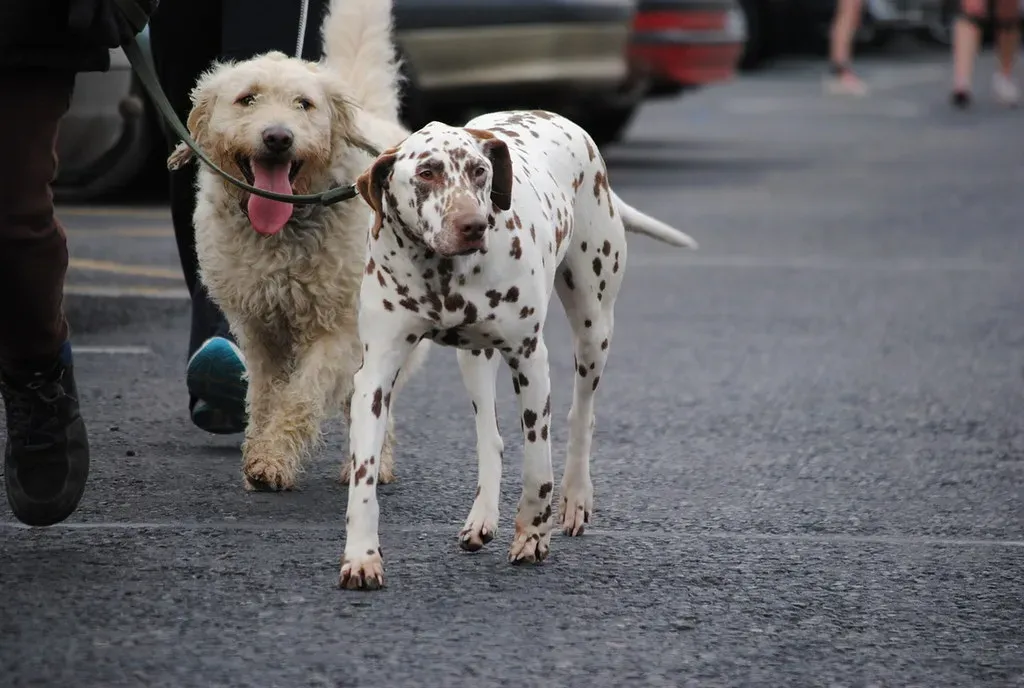
You think you’re choosing a random route, but your dog usually has non-negotiable checkpoints – one alley, one specific lamppost, one block they simply have to pass, no matter what.
These signature waypoints tend to be where:
- Other dogs reliably leave scent markers.
- Wildlife or birds regularly pass through.
- Interesting human foot traffic leaves fresh smells.
When a schedule change shortens the walk, dogs will often edit the route themselves, beelining straight for these core spots. Skip them repeatedly and you’ll see more leash frustration, more digging in, more “stubbornness” – which usually isn’t stubbornness at all. It’s worth paying attention when a dog suddenly avoids one of these usual stops; it can point to pain, a bad encounter, or something new in the environment you haven’t noticed yet.
#12 – The Fixed Pre-Sleep Cuddle or Check-In
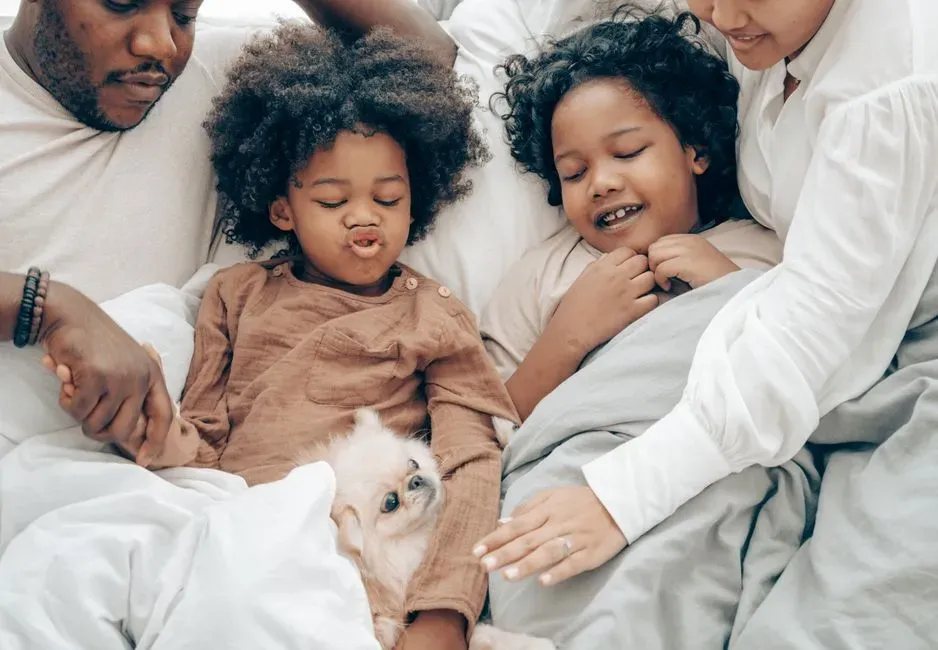
No matter how independent your dog seems all day, most have a very specific goodnight routine – three minutes on the bed, one last hand nudge for a scratch, lying at your feet until the light clicks off.
After a breakup, a loss, or a move, this ritual usually gets stronger, not weaker. Dogs will seek closer contact, refuse to settle until they’ve had that familiar touch, or camp out in your doorway instead of their own bed. It’s their way of confirming the pack is intact before powering down. Some trainers still push the outdated idea that letting a dog on the bed creates dominance issues – in reality, what matters is clarity, not height. A dog invited up calmly and asked to move calmly is far more regulated than one dealing with inconsistent rules that shift with every new partner or mood.
#13 – The Daily “Job” They Assign Themselves
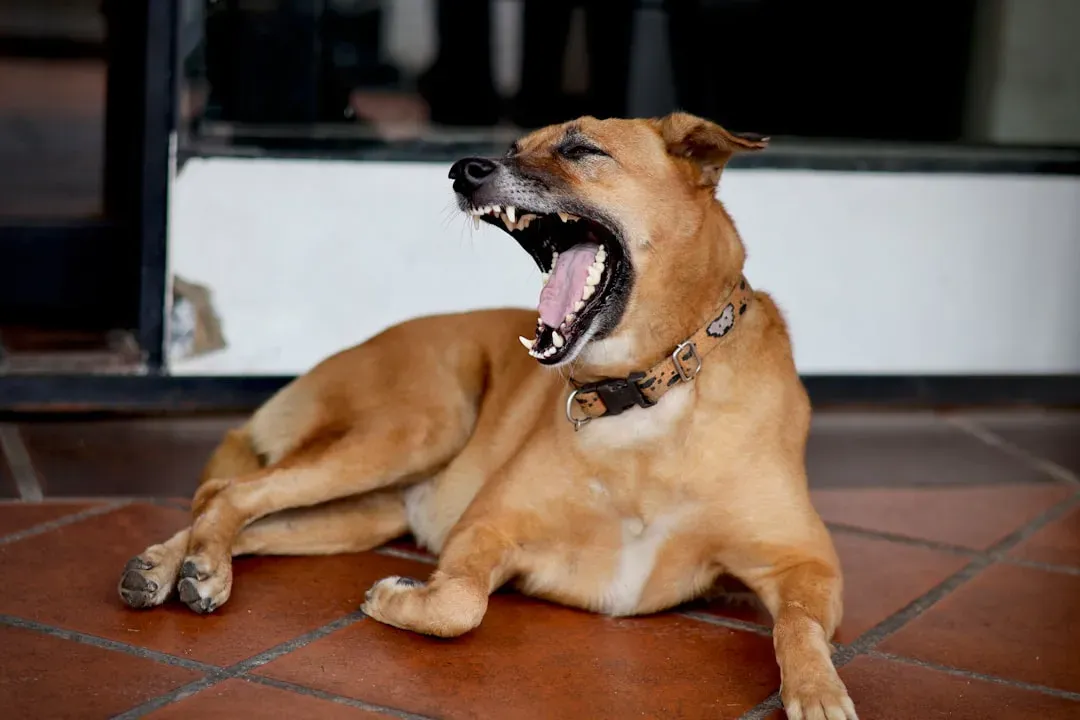
Herding the kids away from the stairs. Guarding the front window. Carrying a toy around every time the doorbell rings. Plenty of dogs invent their own daily job – and they will fight to keep it, even through a new house, a new baby, or a totally different schedule.
This shows up most obviously in working breeds, but plenty of couch potatoes have their own version too. A dog whose self-appointed role is “alert everyone when the mail arrives” will keep doing it at a new house, with a new mailbox, for a new carrier. Here’s the part that ruffles feathers: constantly shutting the job down instead of redirecting it usually backfires. Telling a herding dog to simply stop watching the window, with nothing to replace it, is like cutting someone’s shift and expecting them to feel fine about it. Give them a “go to mat” cue or a specific alert behavior instead of just saying no.
Worth Knowing
- Self-appointed “jobs” show up in herding and working breeds most, but plenty of mixed breeds have one too.
- A job tied to a sound, like the mail truck or doorbell, usually survives a move to a new house.
- Shutting a job down without offering a replacement often fuels anxious behavior instead of ending it.
- A simple “go to mat” cue can redirect the instinct without erasing it entirely.
#14 – The Same Morning Sound Cues as Their Real Alarm Clock
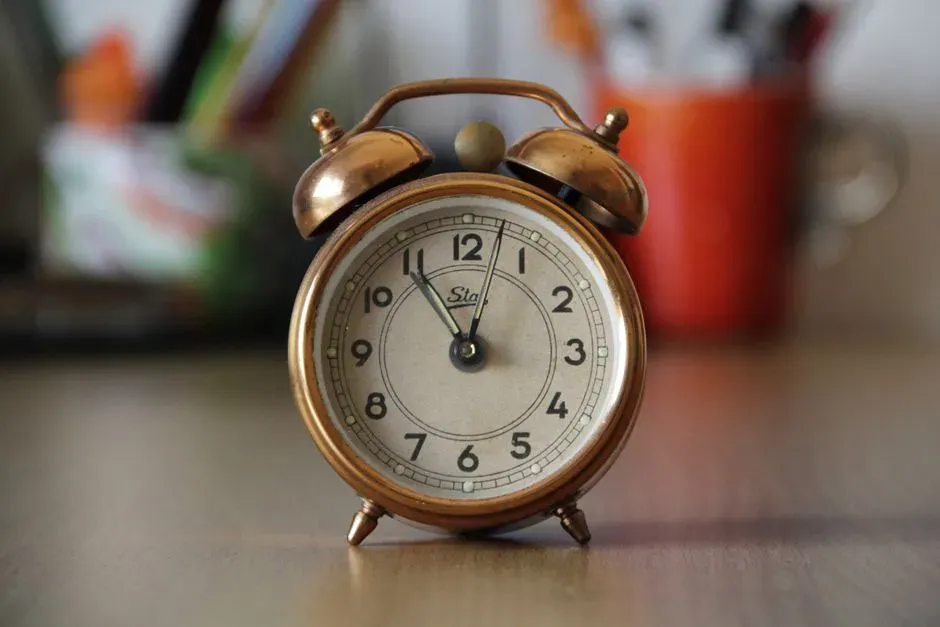
You assume your dog wakes up with you. In reality, they usually wake up with sounds – the coffee grinder, the shower turning on, blinds opening, feet hitting the floor upstairs.
This is why so many dogs still snap awake at their usual weekday time on a lazy Saturday – a neighbor’s car door or the garbage truck has quietly become their real alarm clock. Move houses, and they’ll rebuild the pattern fast, latching onto a new door, a new bus route, even church bells. During big schedule shifts – night shifts, a new baby, someone moving in or out – dogs can look genuinely confused, because the sounds no longer match the behavior they expect from you. Keeping a few cues consistent, like the same phrase before a walk or the same word before bed, does more for their stability than obsessing over exact clock times.
#15 – The Ritualized Way They Ask for Attention
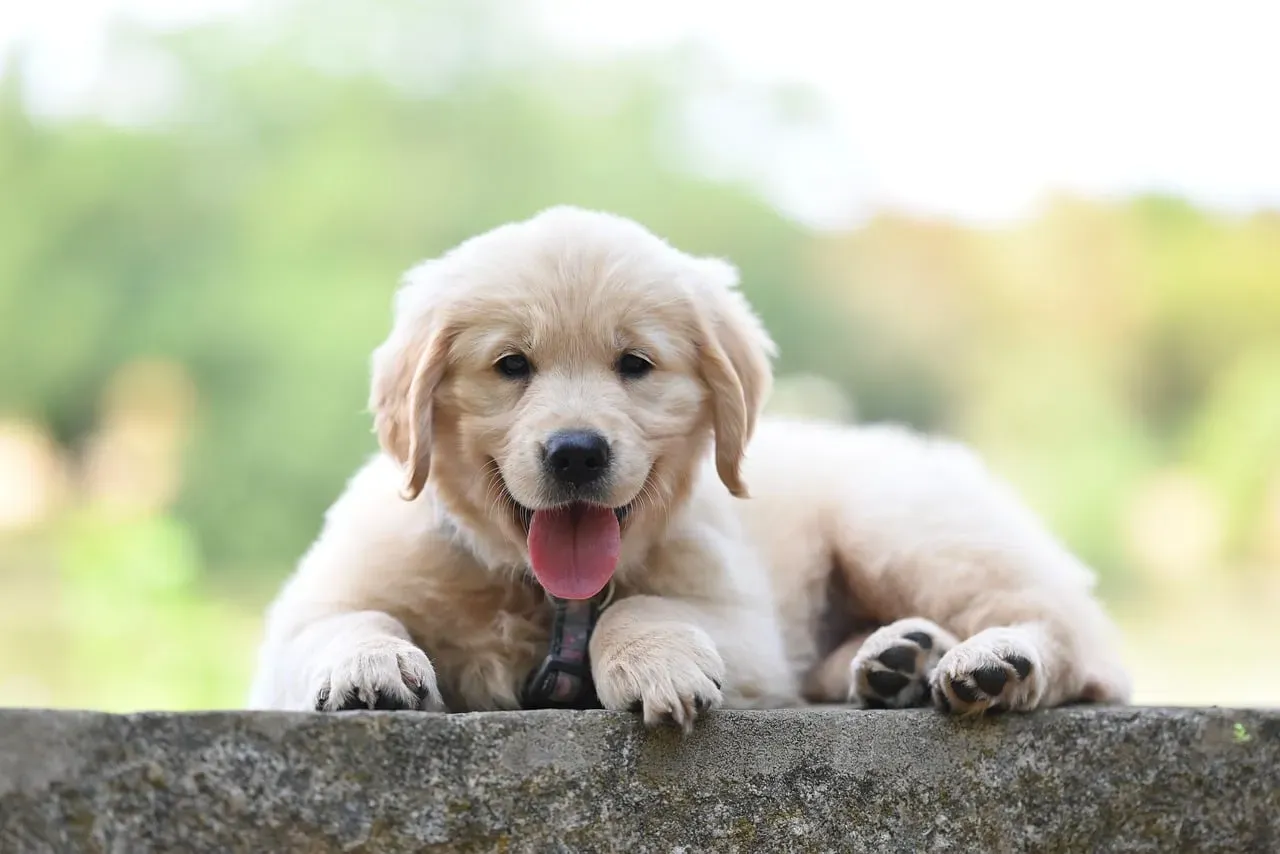
It looks like your dog is “just needy,” but most are surprisingly scripted in how they ask for contact – a single paw tap, a head shoved under your elbow, a quiet whine followed by locked eye contact. They rarely experiment. They find one move that works and repeat it relentlessly.
After a move, a new baby, or a new partner, this ritual usually shows up more, not less. Your dog isn’t randomly clingy – they’re pressing the one button they know reliably gets your attention off the phone. Ignore it long enough, and you’ll typically see one of two outcomes: a dog that shuts down and gets labeled “aloof,” or one that escalates into barking or stealing items to get noticed. Some trainers insist you should always ignore these bids to avoid “reinforcing pushiness.” In practice, flatly stonewalling a dog whose entire world just got rearranged by a breakup or new baby is closer to cruel than disciplined.
#16 – The Post-Meal Grooming and Sniff Ritual
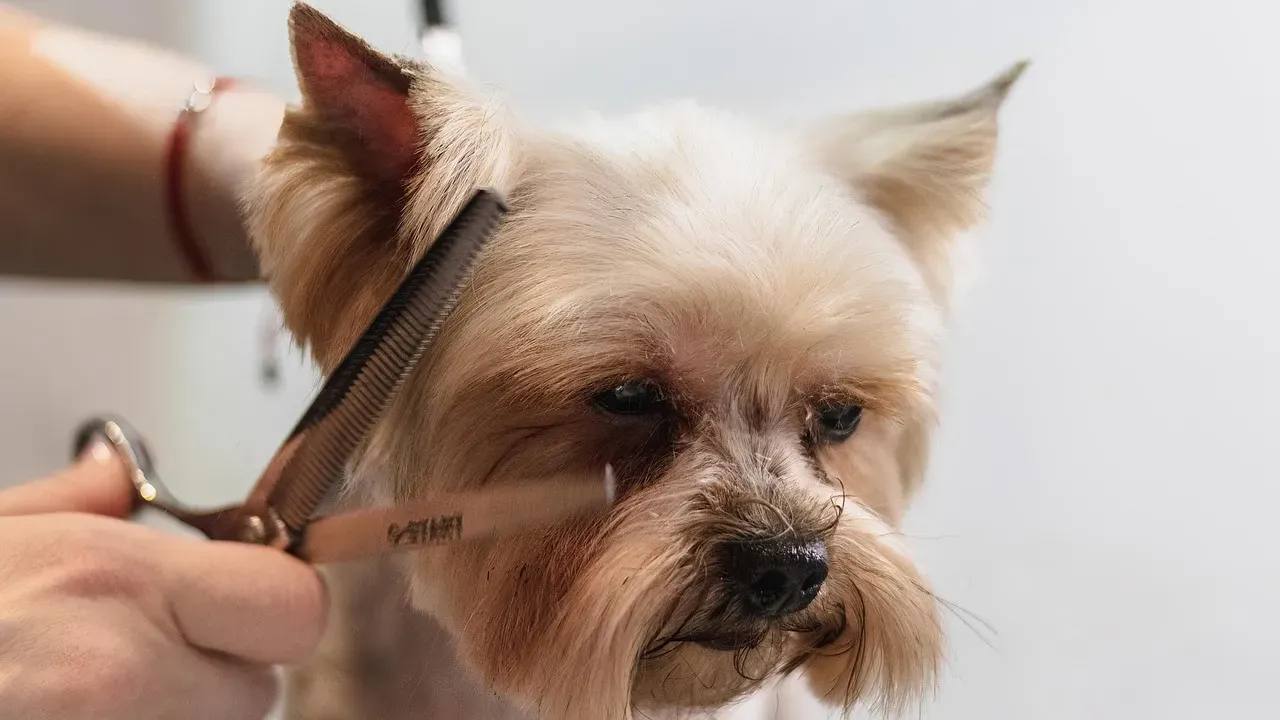
Watch closely right after your dog eats. Many run a surprisingly consistent little sequence – a drink of water, a lick of the paws, a face rub against the rug or sofa, then a wander over to sniff one particular spot or toy.
Part comfort, part cleanup, part reset button – this small routine tells their nervous system, “eating phase complete, time to rest.” Even in the middle of real chaos – boxes everywhere from a move, an argument in the kitchen – dogs will often still insist on completing it, sometimes retreating to a quieter corner to do so. Owners occasionally try to stop the face-rubbing or floor-licking because it looks odd. Unless it’s obsessive or medically linked, interrupting it is a lot like yanking a coffee mug away mid-sip. Give them a designated towel or mat instead, and leave the ritual alone.
#17 – The Unchanging “Welcome Home” Sequence
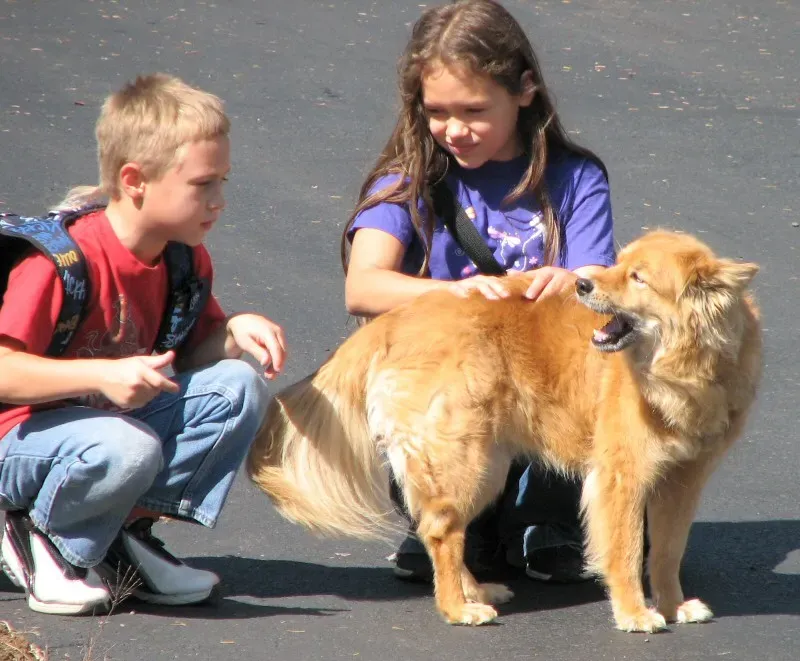
Doesn’t matter if you were gone twenty minutes or eight hours, moved to a new apartment, or started working nights – your dog almost always runs the same welcome-home choreography. A toy paraded around. A loop from door to couch and back. A wiggle, a sneeze, then a full-body flop.
Even dogs living between two households in shared custody arrangements will often perform nearly identical greetings at each front door. To them, “you plus this doorway plus this smell” is a distinct emotional event with its own attached behavior chain. Change the door, the flooring, even the people nearby, and they’ll rebuild the script as closely as possible. Some trainers push a blanket rule of ignoring the dog until it calms down after every homecoming. In extreme jumping cases, fair enough – but flattening your dog’s happiest, most reliable moment of the day into nothing is overcorrected advice dressed up as discipline.
Why It Stands Out
- The welcome-home sequence rarely changes even when the front door, home, or city does.
- Dogs in shared-custody or split-household setups often run the identical greeting at both homes.
- Ignoring the greeting outright can dull one of the most reliable bonding moments in a dog’s day.
#18 – The Morning and Night Sniff of “Their” Human
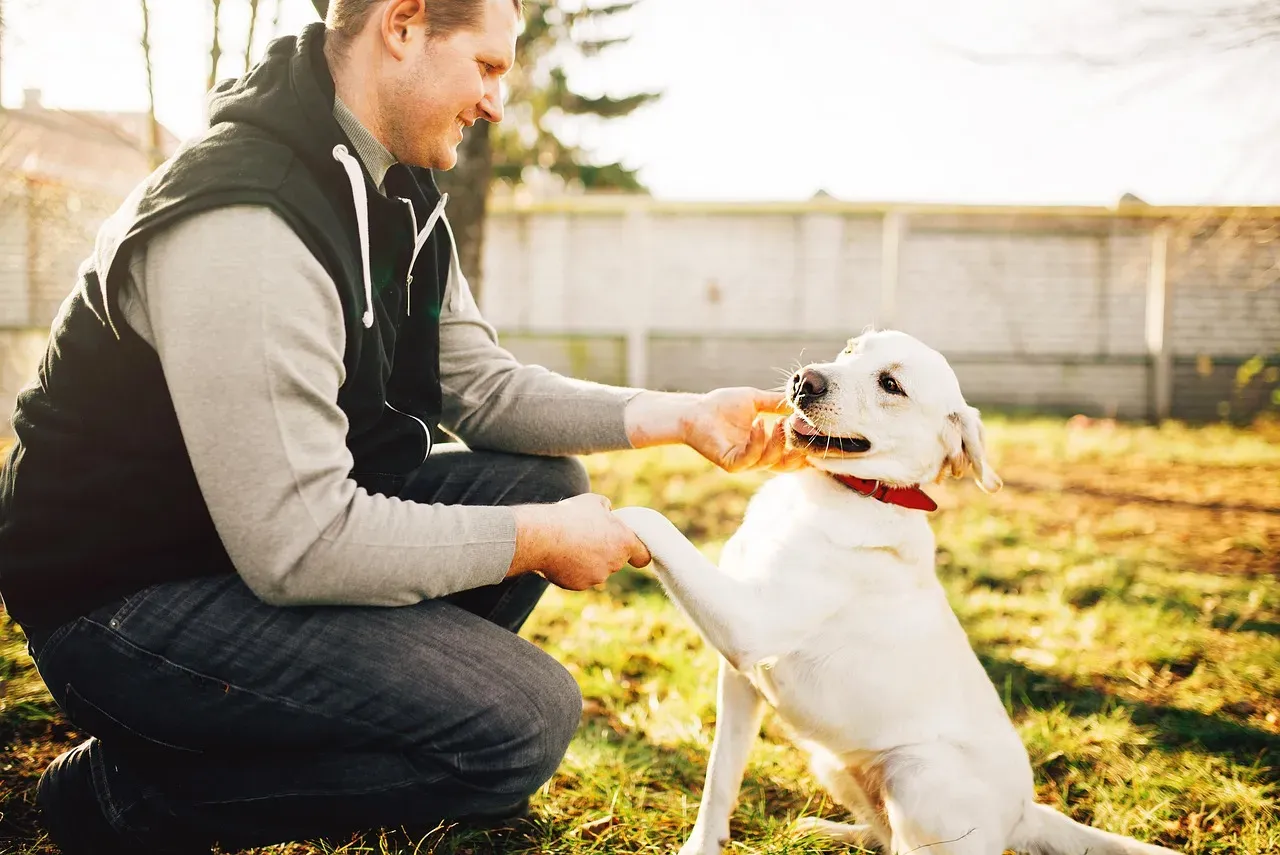
If there’s one tiny routine dogs almost never give up on their own, it’s this: quietly sniffing you when you wake up, and again before you sleep. Sometimes it’s obvious – a face lick, a nose buried in your hair. Sometimes it’s subtle – a lean, a quick sniff near your hand, a soft exhale close to your face in the dark.
This happens even when the household is imploding. Couples separate, kids move out, work hours flip upside down, furniture gets shuffled between rooms – a dog that has chosen you as “their person” will still chase that first and last scent check whenever it can. People underestimate how much information dogs actually pull from those quiet moments: stress hormones, sleep quality, even faint traces of other people or places on your skin. When a dog suddenly stops seeking this check-in, something is usually off, physically or emotionally. When they cling to it harder – during a loss, an illness, your own burnout – they’re not being dramatic. They’re reading you more accurately than most of the humans around you.
Dogs don’t hang onto these habits because they’re quirky. They hang on because these tiny, repeatable moments are literally how they survive the chaos we keep dragging into their lives – new jobs, new partners, new cities, new schedules – while expecting them to adjust like little furry robots.
Here’s the uncomfortable truth: when we bulldoze these micro-routines for convenience or a cleaner-looking living room, we usually manufacture the exact anxiety and “behavior problems” we later complain about. You don’t need to freeze your entire life to keep a dog steady. You just need to protect a handful of these anchor points and stop treating them as optional clutter.
So which one of these has your dog been running on you this whole time without you noticing?