
14 Small Things a Dog Associates With One Person Years After That Person Stopped Doing Them at All
Everyone loves to say dogs “live in the moment,” that they forget old routines the second life moves on. Real behavior science and thousands of owner stories quietly say something stranger: dogs file away tiny, specific habits and pin them to one person for years, sometimes forever.
A squeaky door at 6 p.m. A certain perfume. The way one person used to sigh before sitting down. Your dog may still be reacting to it long after you stopped doing it, even after you moved out, broke up, or passed away. Here are 14 small things dogs quietly keep associating with one person, and what’s actually happening inside that furry head when the memory resurfaces.
#1 – The Sound of a Specific Car or Door
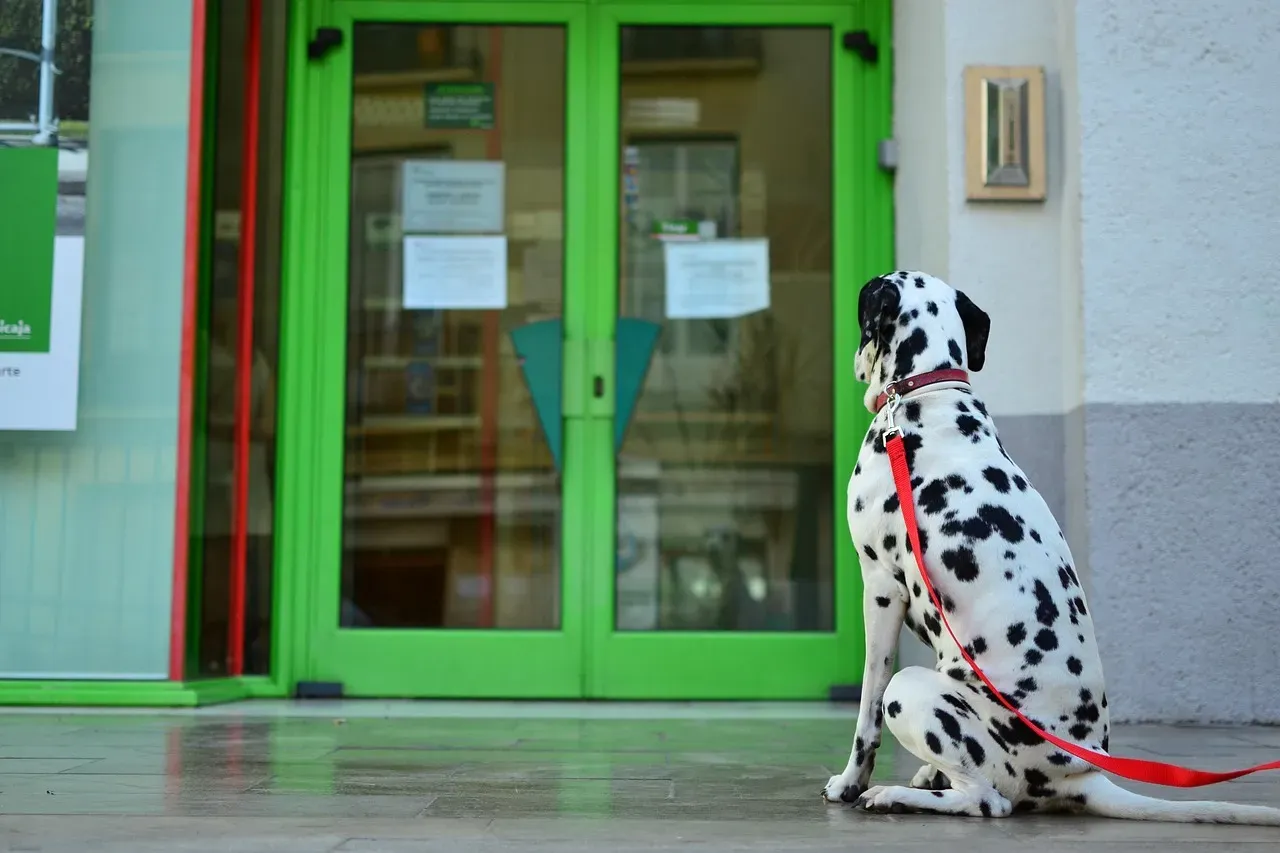
Some dogs don’t just recognize a car, they recognize yours. The low rumble in the driveway, the beep when you lock it, the squeak of one particular door can send them racing to the window years after that vehicle is gone. Ears forward, tail stiff, they wait for the one human who used to walk through that exact door.
Owners often catch their dog waiting at the entrance at the exact time that car used to pull in, long after the routine ended. A half-wag, a quick head tilt, some pacing by the door. To us it’s just a random car passing by; to the dog, it’s a ghost trigger, a flicker of excitement followed by quiet disappointment when nobody steps out.
#2 – A Retired Nickname or “Special Voice”
Every dog person has that voice: the slightly ridiculous, higher-pitched tone reserved just for the dog, or a nickname nobody else uses. “Spud.” “Nugget.” “Baby Bear.” People usually grow out of it when a relationship ends or life gets busy. Dogs don’t.
Dogs are remarkably tuned in to tone and rhythm, so that special voice becomes a personal ringtone wired to one person. Years later, if someone accidentally mimics it, or a new partner tries the old nickname after hearing stories, watch closely: pupils widen, tail flickers, head snaps toward the sound. That’s not confusion. That’s hope.
#3 – The Rustle of a Snack Routine Only One Person Had
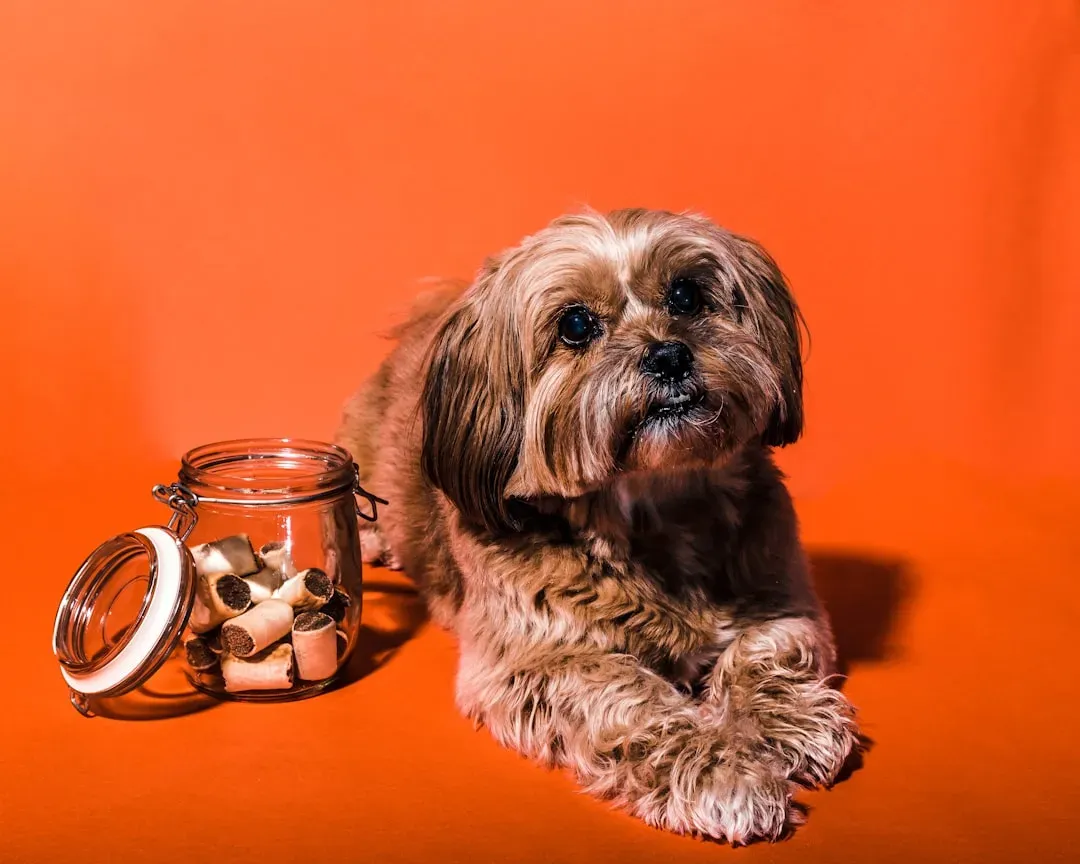
Everyone in the house might hand out treats, but usually one person has a signature ritual: a specific snack bag crinkle, a squeaky kitchen drawer, a cabinet that always opened at 9 p.m. That person may have moved out or started a health kick years ago, but the sound-memory never got the memo.
A similar rustle or the same drawer opening can still send the dog sprinting in, eyes wide, hunting for a person who isn’t there. Dogs build powerful links between neutral sounds and emotional payoffs like food, and those links can survive long after the payoff stops arriving. The drooling and pacing may fade with time, but that first flicker of expectation rarely disappears completely.
#4 – A Signature Scent They Don’t Smell Anymore
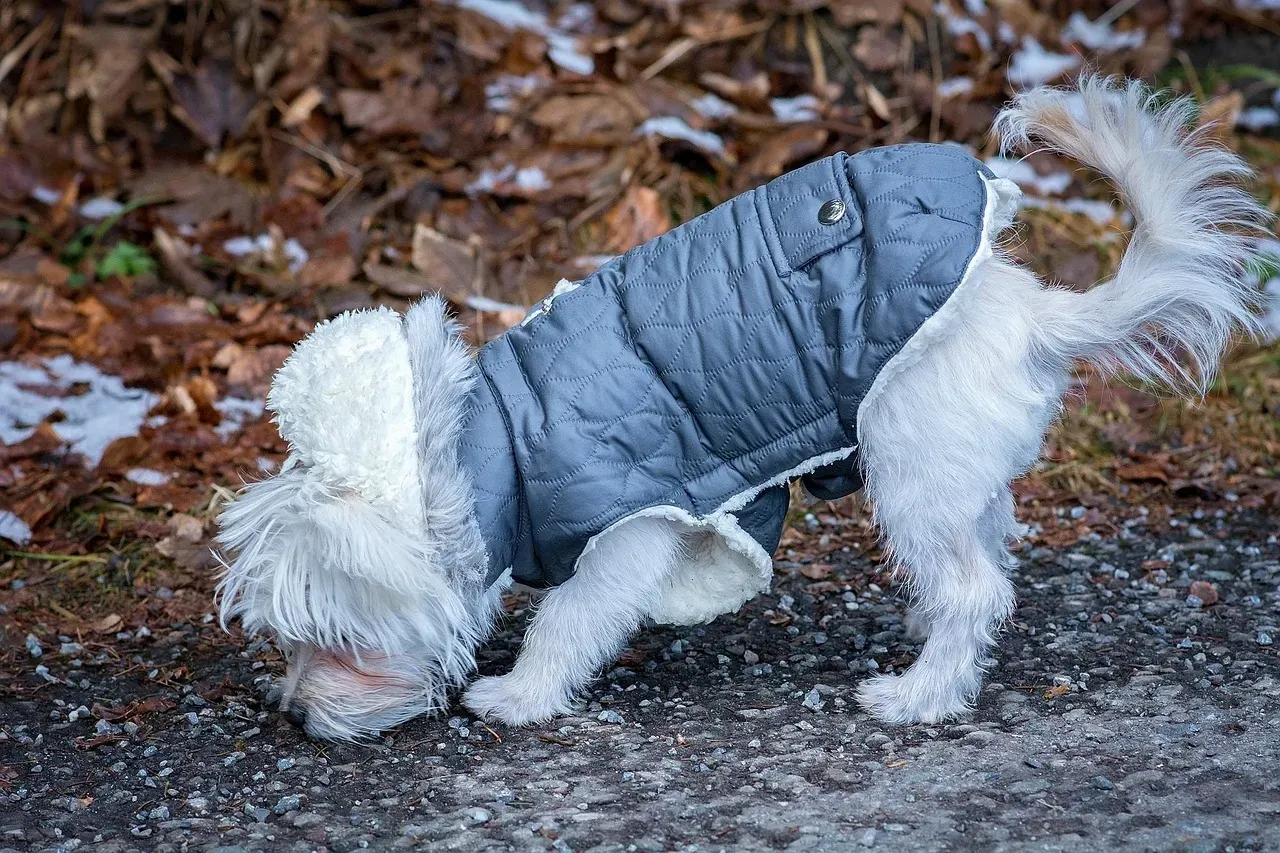
We love to say dogs live by their noses, and here, the cliché happens to be true. Dogs identify people by scent and hold onto that memory for years. What most owners miss is that dogs don’t just store the person, they store the products: the lotion, the laundry detergent, the cologne, even the faint smell of a favorite snack on someone’s breath.
Fast Facts
- Dogs carry up to 300 million scent receptors in their noses, compared with roughly 6 million in humans.
- The smell-processing region of a dog’s brain is estimated to be about 40 times larger, proportionally, than the same region in a human brain.
- Some dogs can detect certain odors in concentrations as low as one part per trillion.
When that scent disappears, the association doesn’t disappear with it. Pull an old sweatshirt out of storage years later and watch the dog take deep, slow sniffs, scanning the room like the person might materialize. Some dogs will curl up on the fabric or carry it around, quietly trying to crawl back into a moment when that smell meant safety.
#5 – The “Goodnight” Routine That Just Stopped
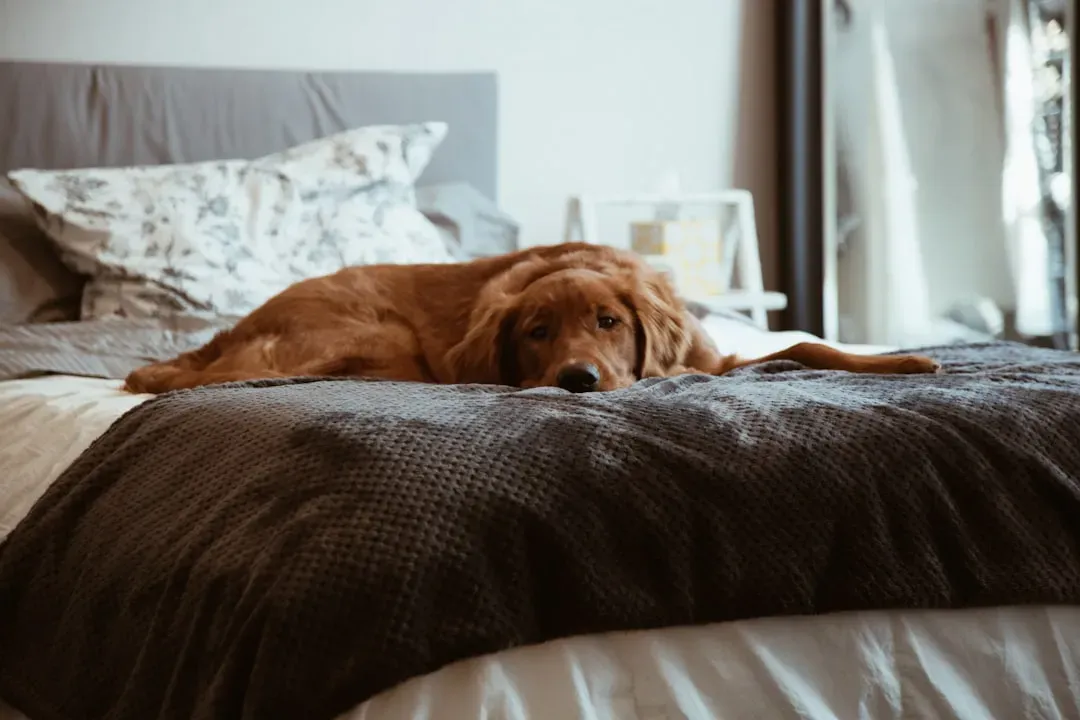
Plenty of people built a quiet bedtime ritual with their dog without realizing how personal it was: one last trip outside, a particular blanket pulled just so, lights switched off in a certain order, maybe a goofy “night-night, little dude.” When that person moves rooms, starts working nights, or passes away, the sequence shatters. The dog keeps looking for it anyway.
This is where you see dogs pacing near bedtime, checking an empty doorway, or stubbornly lying in the exact spot that person used to sit. It isn’t always separation anxiety, it’s often ritual disruption. Years later, the creak of that old bedroom door can still make the dog perk up, trot over hopefully, then hesitate the moment they realize it’s the wrong human.
#6 – The Way One Specific Person Played
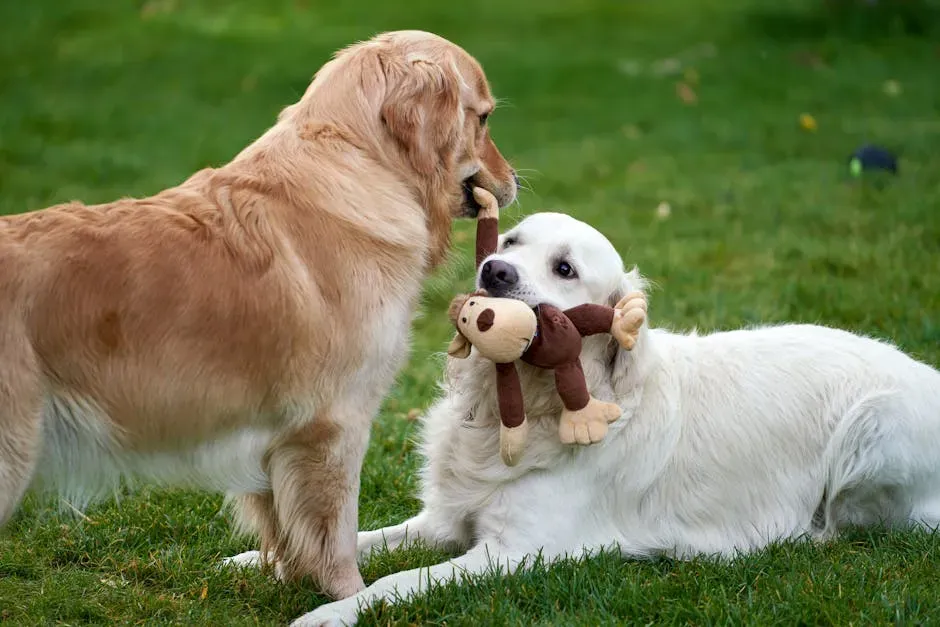
Multiple people in a house might throw a ball, but each person has a distinct play style. One always does fast, teasing tug-rope moves. Another hides behind the couch for surprise peekaboo. That play signature becomes emotionally loaded, tied to one specific person more than to the activity itself.
When that person stops playing that way, or leaves altogether, watch what happens if someone else accidentally reconstructs the pattern: same toy, same rhythm. The dog can explode into an old version of themselves, zoomies, play bows, a bark you haven’t heard in years. Behavior experts call this context-specific memory. Dogs don’t just remember the game, they remember who played it, how, and where.
“Dogs are among the few species that people consider ‘clever.'”
Claudia Fugazza, canine cognition researcher
#7 – The Workday Leaving and Returning Cues
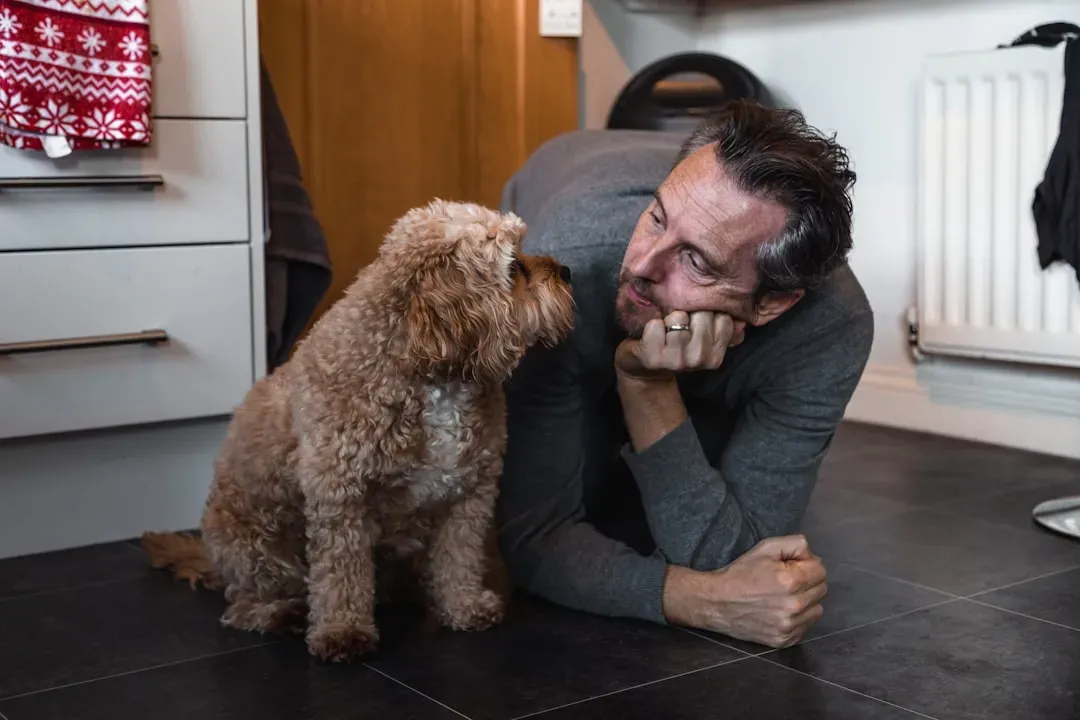
We fixate on big life events, but dogs are experts in tiny, boring cues that predict when one specific person is arriving or leaving. The jingle of their particular keys, the thud of their work shoes, the zip of that one bag, all of it stacks into a personal script the dog quietly runs every day.
If that person retires, changes jobs, or disappears from the house entirely, the script doesn’t end for the dog. Years later, the 5 p.m. creak of a gate or stairwell can still flip them into “my human’s home” mode, eyes locked on the door, before the moment collapses into confusion when nobody appears. Some dogs eventually stop reacting as hard. Plenty just learn to sit with a daily question that never gets answered.
#8 – That One Spot on the Couch or Bed

Not all furniture is equal in a dog’s mind. There’s usually one exact spot, the left cushion with the throw pillow, the corner of the sectional, the right side of the bed near the lamp, that belonged to their person every single evening. Humans move on and rearrange furniture. Dogs often don’t.
- They keep checking that spot first whenever a door opens.
- They curl up on that cushion far more than any other, especially during stressful moments.
To a dog, space isn’t abstract, it’s layered with scent, warmth, and history. So when someone new tries to claim that seat and the dog gets weirdly possessive about it, it isn’t rudeness. It’s a small, stubborn act of loyalty to a placeholder the dog doesn’t understand is empty for good.
#9 – Their Name Paired With a Specific Gesture
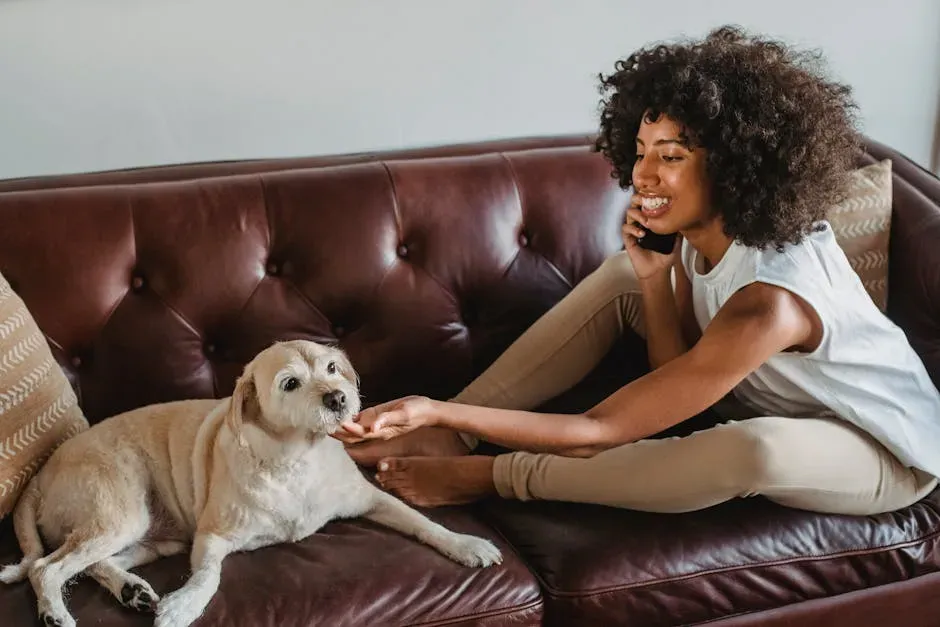
We all say a dog’s name constantly, but one person usually has a signature combo: a thigh pat, a finger snap, a specific head tilt while calling them over. It’s never just “Milo, come.” It’s their version of “Milo, come,” complete with body language only that person used.
Years later, when someone else unconsciously copies the exact combo, same hip turn, same thigh pat, the dog often reacts faster and with different energy than usual. Dogs read entire bodies as language, not just words, which means that one person’s call was basically a secret code. Removing the person doesn’t erase the code, it just leaves it sitting unused, like a saved contact waiting to be dialed again.
#10 – The Morning Coffee Smell That Used to Mean “Our Time”
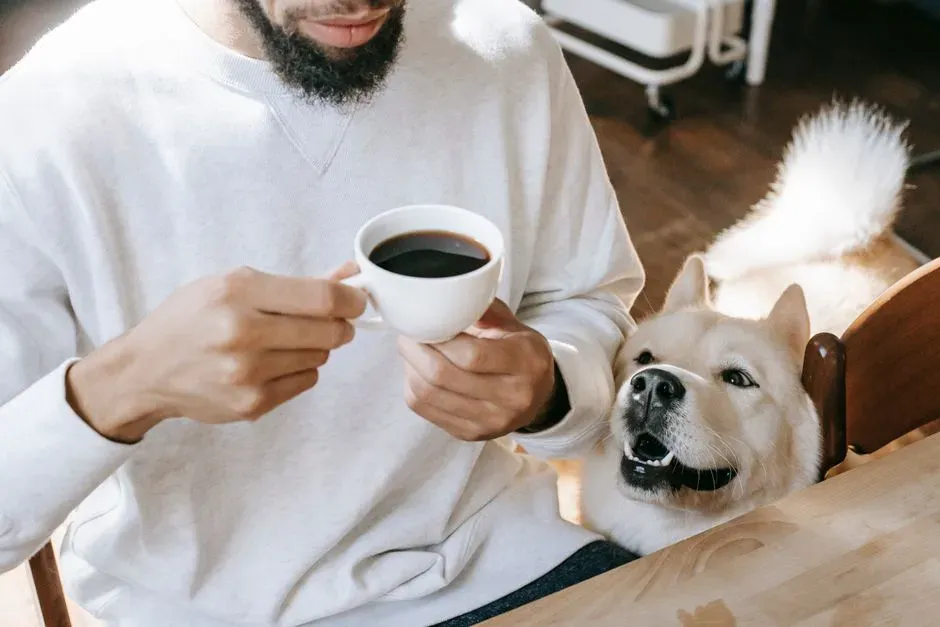
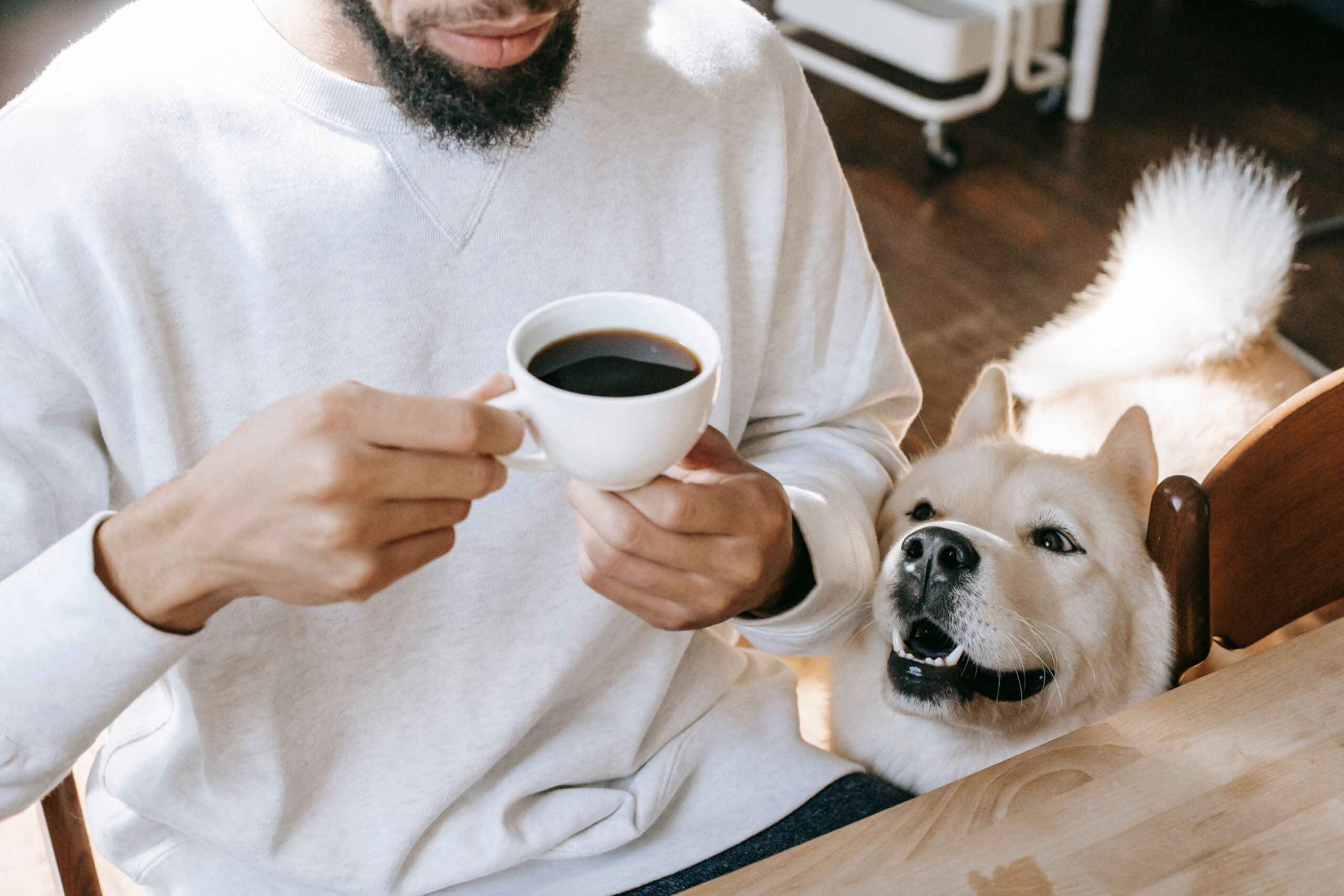
We think of coffee as a human ritual, not a canine one, but plenty of dog-human bonds are built on quiet, repeatable micro-moments: the smell of coffee at 6:30 a.m., the clink of a mug, one person settling into the same chair while the dog curls at their feet. When that person switches to tea, stops sharing breakfast, or disappears completely, the ritual ends. The scent-memory doesn’t.
Years later, the smell of coffee brewing can still send the dog wandering into the kitchen, scanning for someone who never appears, or lying down facing an empty chair. Coffee, chair, and a quiet voice combine into one chapter of memory that essentially reads “my person.” When the smell shows up without the human attached, the dog doesn’t forget, it just seems to hurt more quietly with each passing year.
#11 – The Phone or Game Sound That Always Preceded Attention
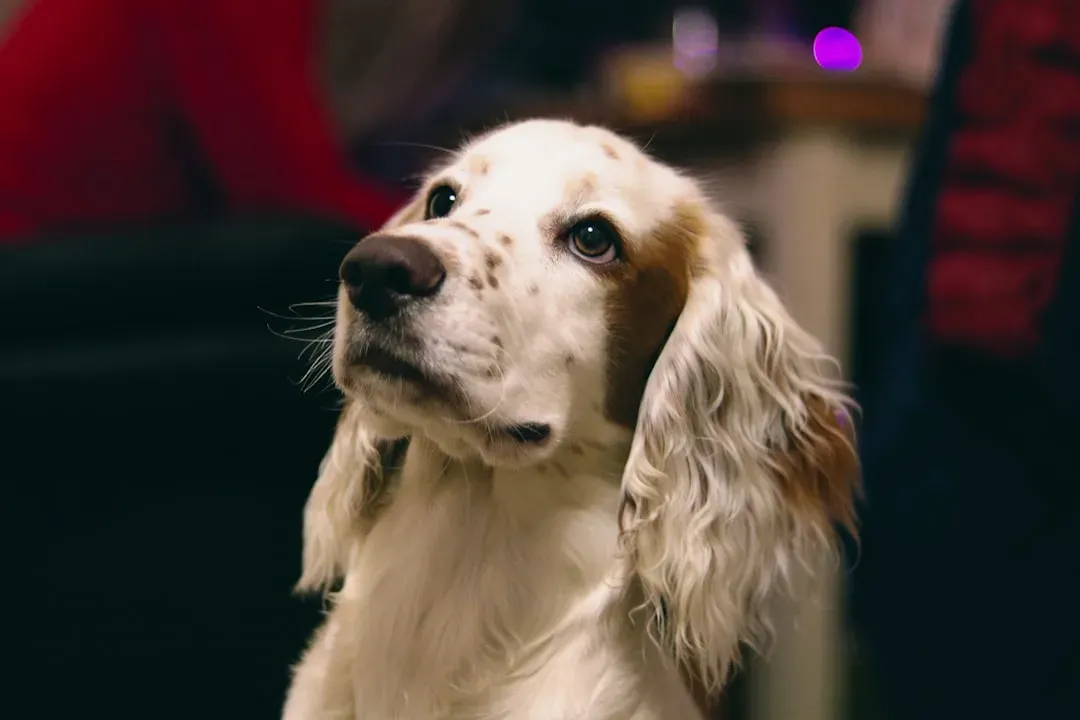
Here’s one almost nobody talks about: tech sounds. Some dogs learn that one very specific notification or audio cue means their person is about to get up, take off a headset, or finally look their way. Maybe the console goes quiet and hands reach down for a cuddle. Maybe a certain ringtone meant grandma was calling, which meant pacing, which meant a perfect window to nose in for pets.
When that person moves out or the device changes, the dog can still jolt at a similar sound years later, another game menu chime, an old ringtone from a show long cancelled. Dogs are pattern machines. They don’t care that the sound was “just a game,” they care what always happened next. Watch closely and you can catch the exact second hope flips into quiet resignation when nothing familiar follows.
#12 – Car Rides That Always Ended in the Same Adventure
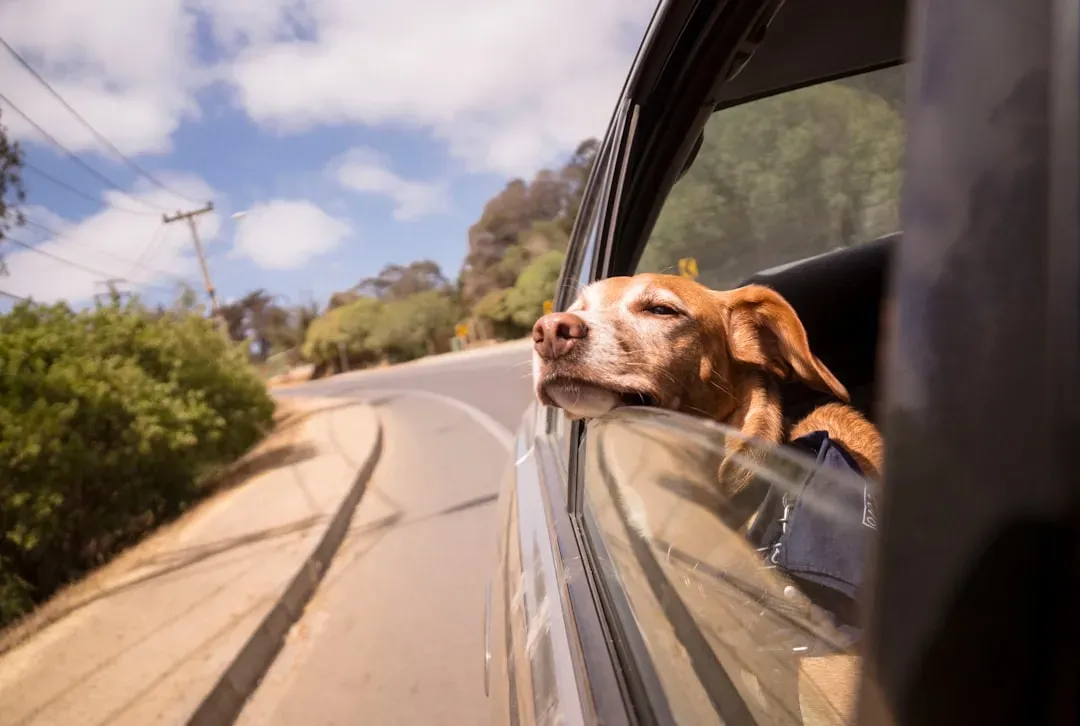
Not all car rides are created equal. Maybe one person always drove the dog to the trailhead while everyone else only handled vet trips, you can guess which driver gets worshipped. When that adventure person leaves, the dog can still associate specific roads, turns, or even driving speeds with the old outings.
Some owners report their dog perking up at the same intersection years later, staring hard at a trailhead nobody visits anymore, or whining the second the car turns away from that old route. Dogs are surprisingly skilled at spatial memory, especially when a destination carried a strong emotional payoff. Even with the hiking boots long packed away in a closet, the road itself can yank the dog straight back into an old mental map that says, this is where we went.
#13 – The Way One Person Handled Conflict or Comfort
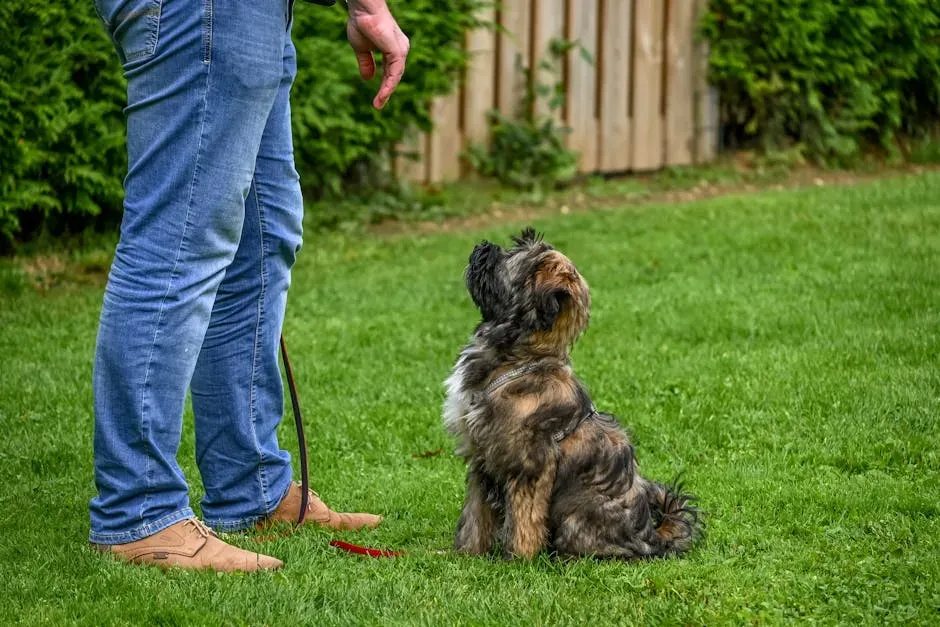
This one is uncomfortable, and that’s exactly why it lingers. One person might always be the calm de-escalator, softly saying the dog’s name when tension rises, gently steering them away from an argument. Another might be the strict enforcer, a sharp “ah-ah,” a pointed finger, a firm stance. Either style leaves an emotional footprint that doesn’t wash out fast.
Worth Knowing
- A 2016 study published in Current Biology found dogs could recall and repeat a person’s specific actions after both short and long delays.
- Researchers call this “episodic-like memory,” the same broad category of memory humans use for everyday, unplanned experiences.
- In that study, dogs succeeded in the vast majority of memory trials even when they had no reason to expect a test.
Years later, a similar tone from a total stranger can flip the dog straight back into that old emotional state: instant relaxing at a low, measured “it’s okay,” or instant cowering at a harsh consonant that echoes an old scolding. Dogs don’t just remember who fed them, they remember who made scary moments feel safer, or worse. That’s why some dogs trust a new partner almost instantly if they happen to use the same calming phrases, while others flinch at someone who simply sounds like an old problem.
#14 – The Quiet “Nothing Moments” That Were Actually Everything
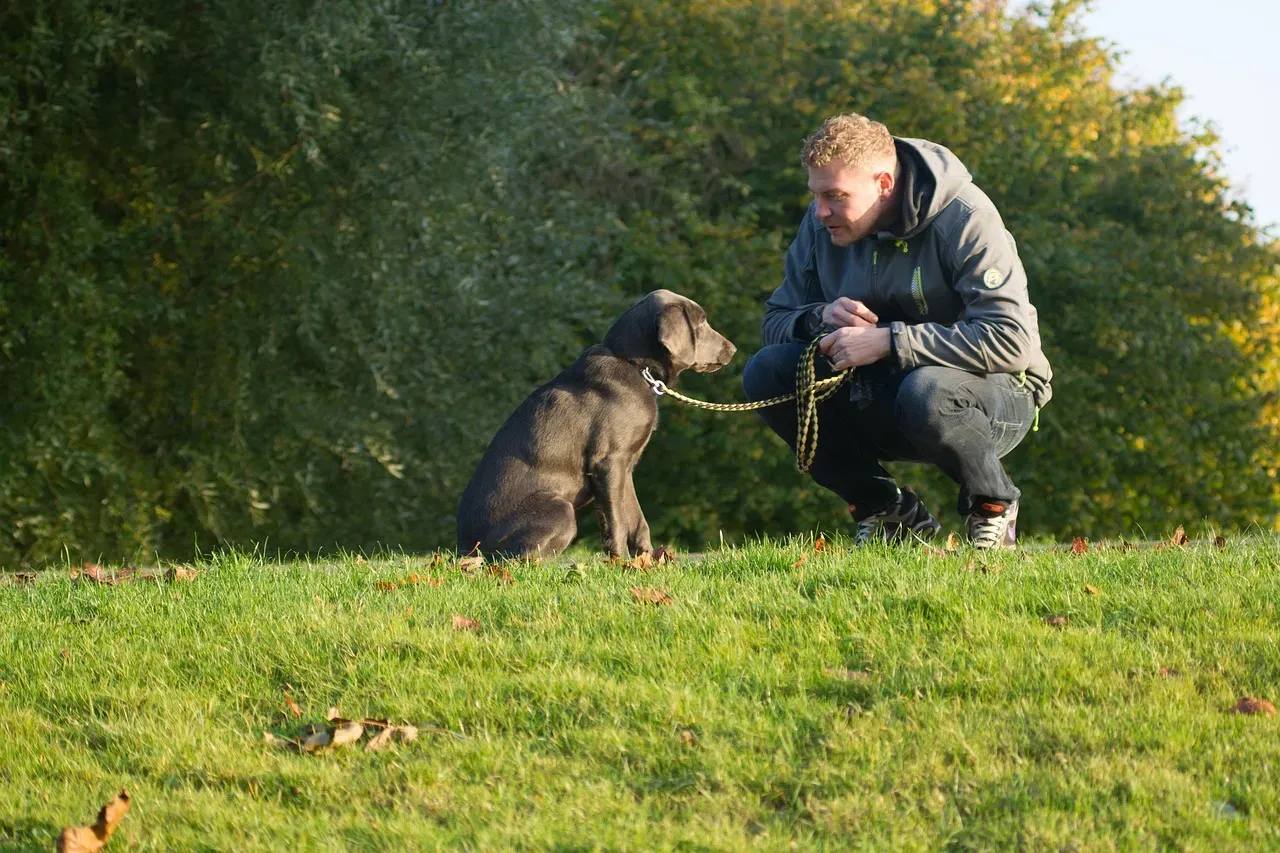
Here’s the one that tends to hit hardest: the strongest dog-human bonds are rarely about treats, walks, or toys. They’re about the nothing moments, the way someone sighed and shifted in their chair at the end of the night, the rhythm of their typing while the dog slept nearby, a knee bouncing under the table during a movie. When those tiny background habits stop, humans barely register the change. Dogs do.
- They still settle in the same corner when someone types on a keyboard, waiting for hands that no longer reach down.
- They lift their head at a familiar-sounding sigh from another room, then slowly lie back down when the footsteps turn out wrong.
To a dog, coexisting quietly was never “nothing,” it was proof the pack was intact. Those trivial habits became the ambient soundtrack of safety and got filed permanently under one person’s name. Long after that person changed jobs, moved away, or died, the echo of those nothing moments can still pull a dog’s mind straight back to them in an instant.
The Bottom Line: Dogs Don’t Move On, They Just Wait Quieter
We like the comforting idea that dogs move on fast, that once a routine changes their hearts snap back to a neutral, happy present. The truth is messier and far more human than that. Dogs can carry small, razor-specific associations with one person for years after the behavior stops, replaying them the instant a sound, scent, or gesture nudges that old wire.
They don’t just remember big events. They remember the exact way you opened a door, the chair you claimed, the meaningless little noises that quietly added up to “you.”
That doesn’t mean a dog is trapped in grief forever, but it does mean we’re kidding ourselves if we think those bonds simply evaporate. My honest take: that persistence isn’t sad at all, it’s proof that you were never just “the one who fed me.” You were an entire world of micro-signals and quiet rituals your dog still quietly scans the horizon for, whether you’re gone for an afternoon or gone for good.