
14 Abilities Rescue Dogs Keep That Let Them Recognise Somebody Met Only Once Before
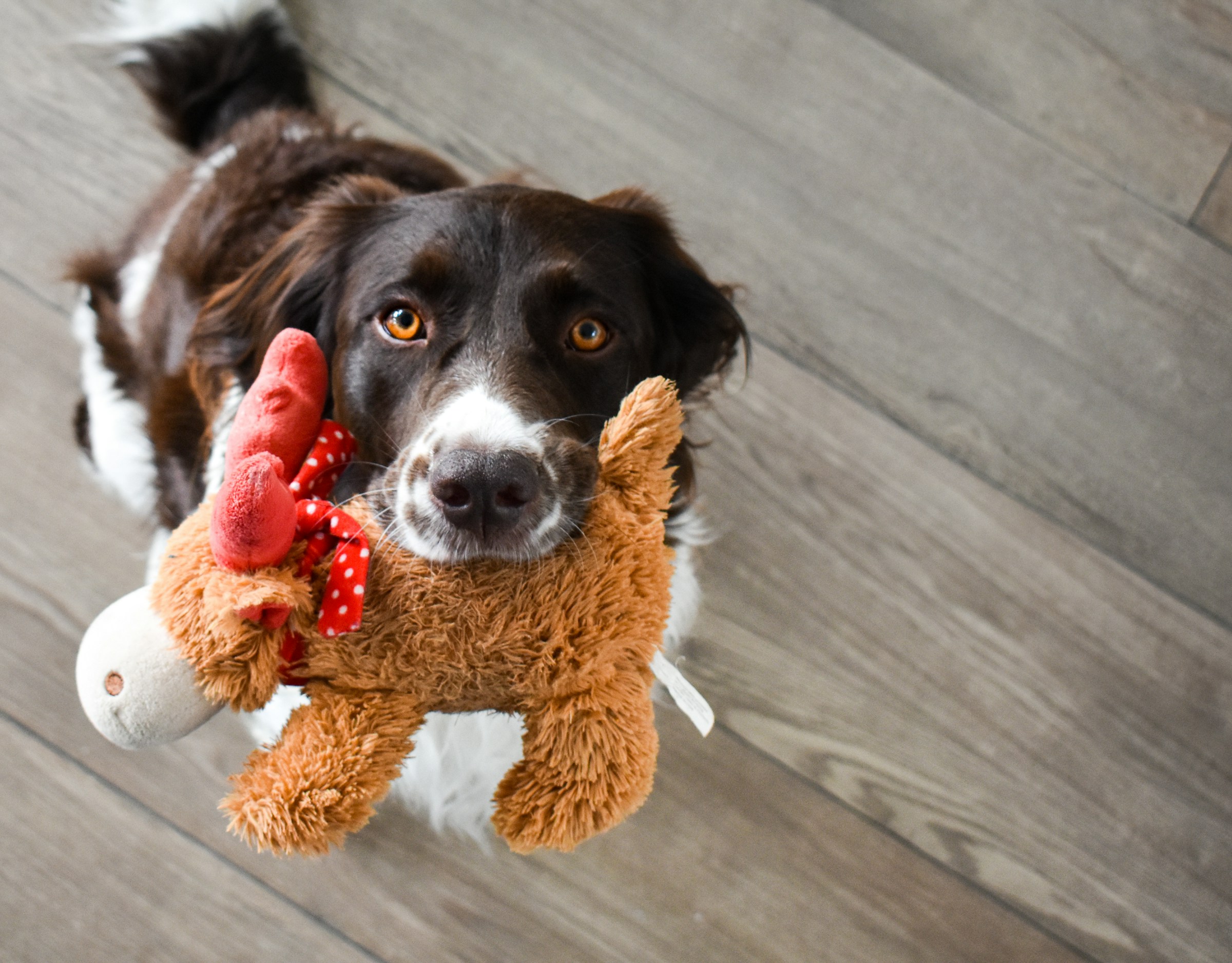
Everyone loves to say “dogs never forget a face,” like it’s some cute throwaway fact. It’s not a fact. It’s actually smaller, stranger, and a lot more impressive than that.
Rescue dogs in particular aren’t running on blind loyalty or magic. They’re running fourteen different systems at once – scent, sound, emotion, timing, even the way you tap your fingers on your leg – and stacking them into one unforgettable file on you. Meet a rescue dog exactly once, treat them right, and you may have just become permanent. Here’s what’s actually happening behind those eyes.
#1 – Your Scent Gets Filed Away Like a Fingerprint
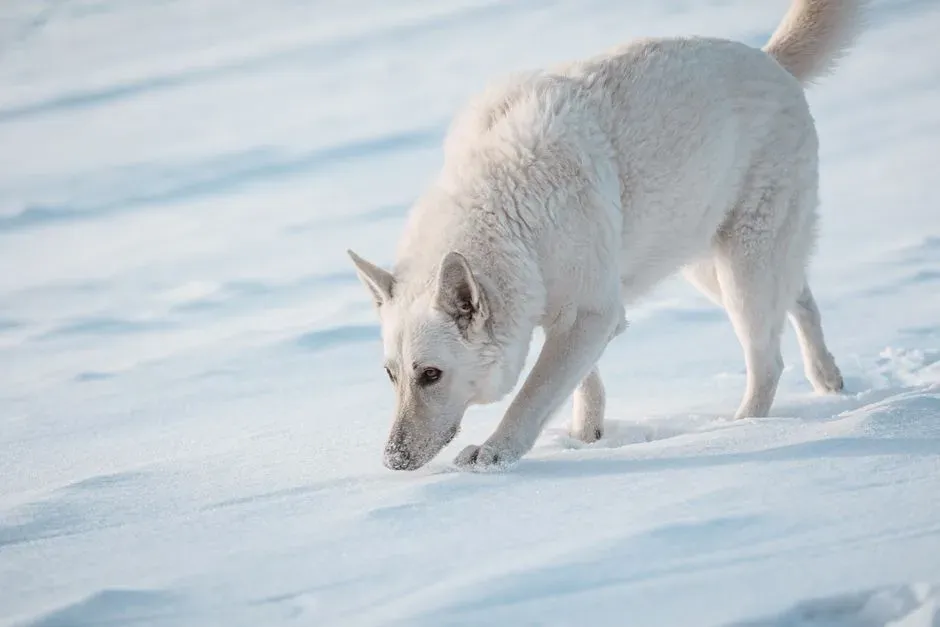
Rescue dogs don’t casually sniff you. They archive you. One meeting is often enough for your scent to get locked into a chemical filing system more precise than anything humans have ever built. Their noses can detect odor at parts-per-trillion levels, and a huge chunk of their brain exists purely to process smell.
What actually surprises people is how long that file stays open. Handlers have watched dogs react to a scent they haven’t encountered in years, especially if the original meeting carried real emotion. Shelter and disaster-response dogs do this constantly – clocking the volunteer who always shows up at feeding time, or the firefighter from one chaotic night, long after everyone assumed the memory was gone.
Fast Facts
- Dogs carry up to 300 million scent receptors, compared with roughly 6 million in humans.
- The brain region devoted to analyzing odors is proportionally far larger in dogs than in people.
- Trained scent dogs can detect certain odors diluted to parts per trillion.
- A strong emotional moment can lock a scent memory in place for years, not days.
#2 – They Remember How You Made Them Feel, Not How Often You Showed Up
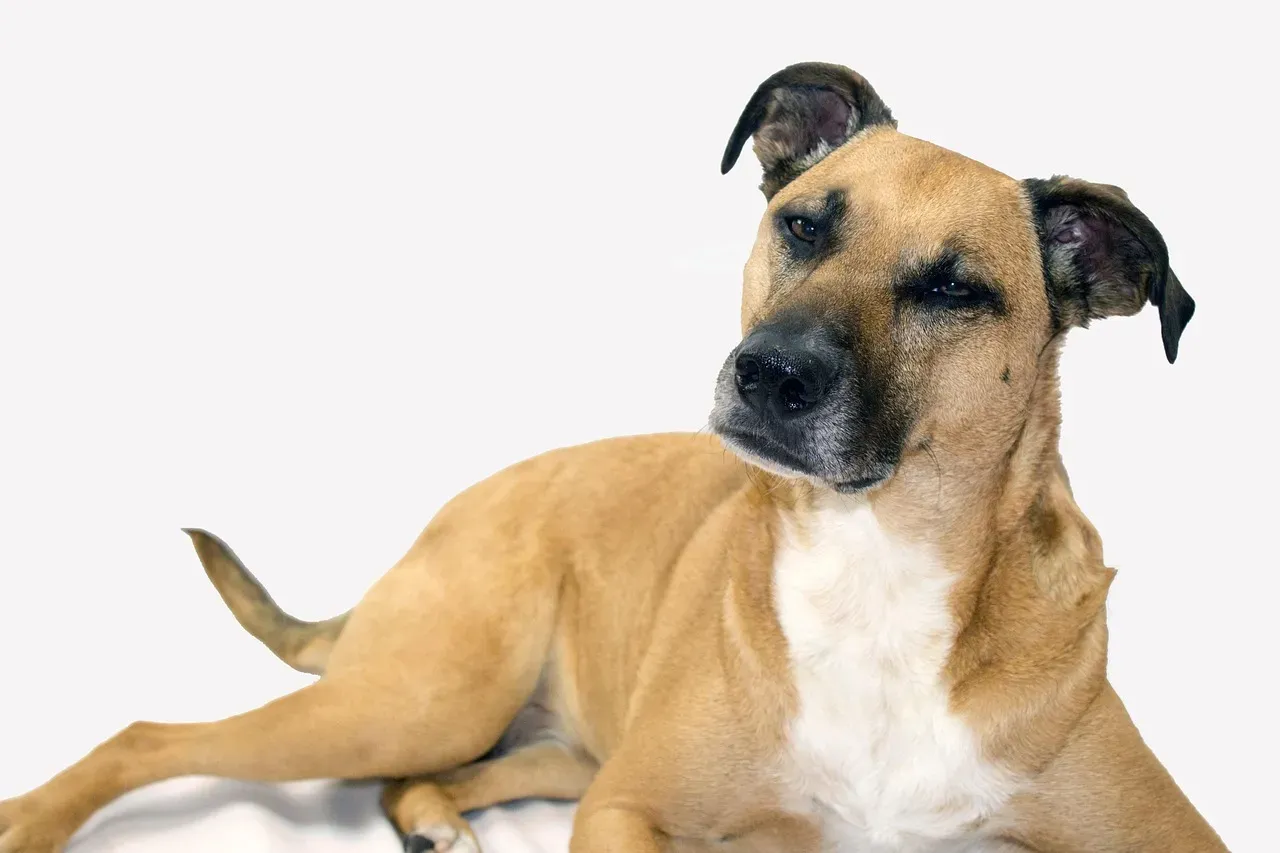
Humans talk about vibes. Dogs treat vibes like hard data. Rescue dogs, many of whom arrive with unstable histories, become ruthlessly efficient at sorting people into “safe” and “not safe” – and they fuse that judgment directly to your presence.
If you were calm, steady, and kind the first time you met, that emotional signature sticks hard. It’s why a rescue might sprint joyfully toward someone met once at an adoption event years ago, while barely glancing at a neighbor they’ve seen a hundred times. They’re not counting encounters. They’re scoring impact.
#3 – They Read Your Walk Before They Ever Smell You
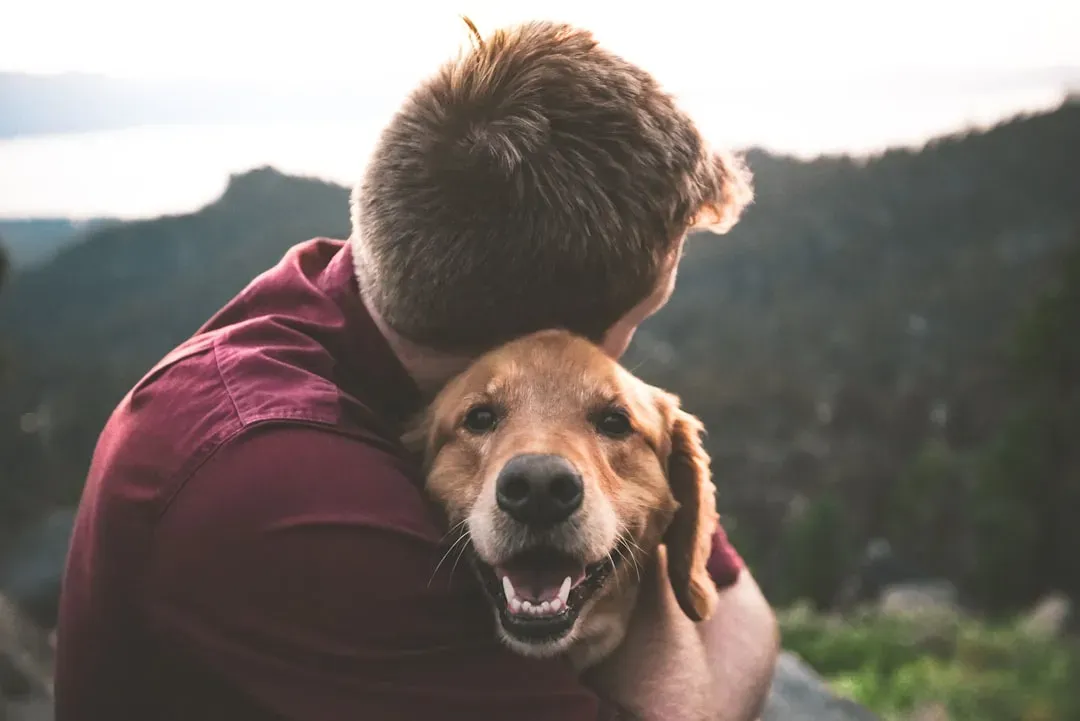
People argue online about whether dogs “really” recognize faces. Turns out they do – just not the way we assumed. Rescue dogs blend your face with your entire silhouette: your walk, your posture, your head tilt, the way your hand moves toward a pocket.
That’s why a rescue dog will sometimes react to someone across a parking lot before scent is even possible. They’ve locked onto the signature of how that person moves. For a dog who clung to your side during one stressful shelter afternoon, your body language becomes a landmark, and a single glimpse months or years later – new haircut and all – is enough to light them up.
#4 – Your Voice Gets Saved Like an Audio File

Most people underestimate how much dogs latch onto sound. It’s not just tone – rescue dogs often file your entire vocal package: pitch, rhythm, laugh, favorite phrases. Say a shy rescue’s name softly just once, and you might be saved permanently in their mental contacts list.
Some handlers have watched former shelter dogs perk up at a past volunteer’s voice over a video call, before they can even see a face. One intense moment – soothing words during a vet visit, singing in the car to calm them down – can stamp your voice as uniquely safe. Say their name again months later, and don’t be shocked when they spin around instantly.
#5 – They Remember Where You Belong in Their World
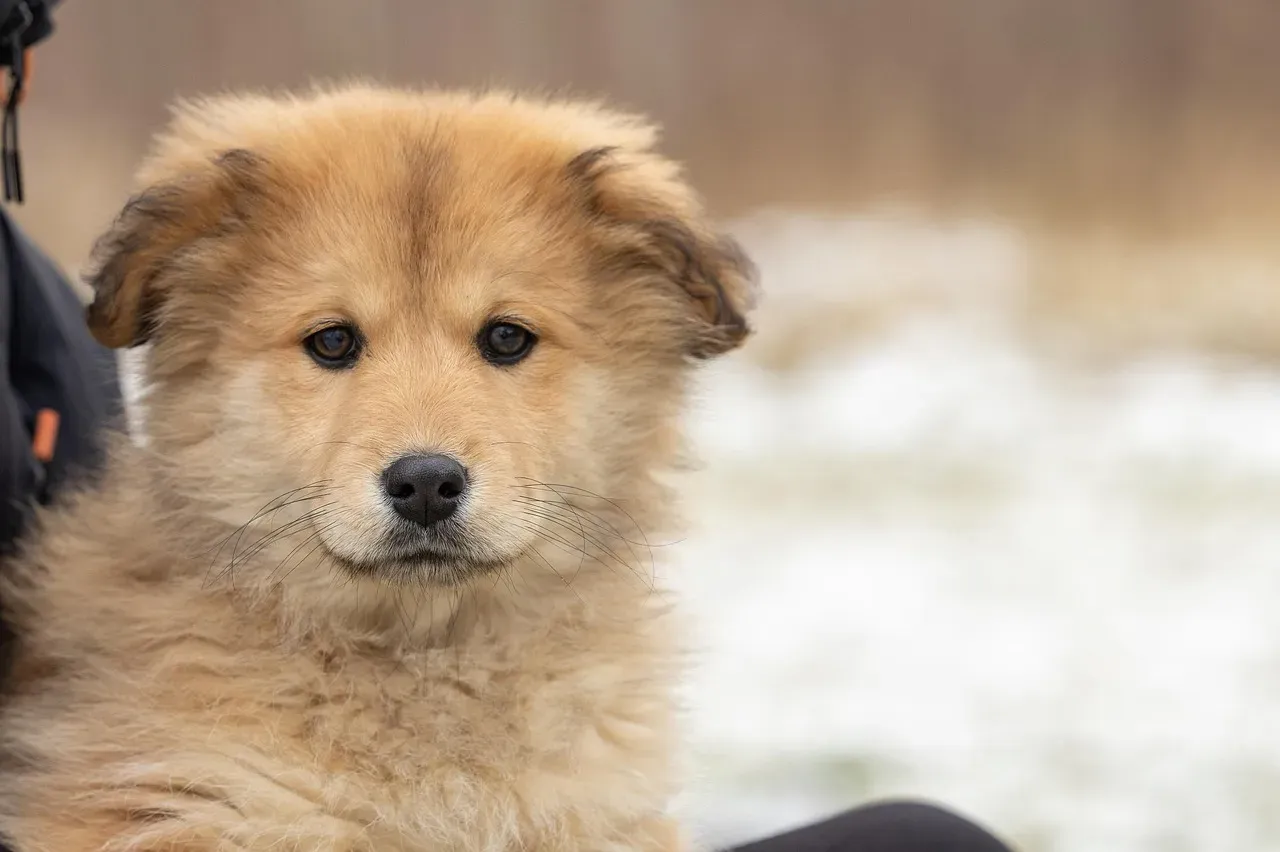
Rescue dogs store recognition as a three-part equation: person, place, and feeling. Meet a dog in a shelter lobby while handing over treats, and that whole scene gets bookmarked together.
See that same dog later outside a grocery store, and if enough pieces match – your scent, your gait, your tone – the old memory snaps back into place like a completed puzzle. This is why some dogs seem to “forget” someone in a new setting, then explode with joy back in the original one. It’s not amnesia. It’s context waiting for the right key.
#6 – They Clock Your Tiny, Unconscious Habits
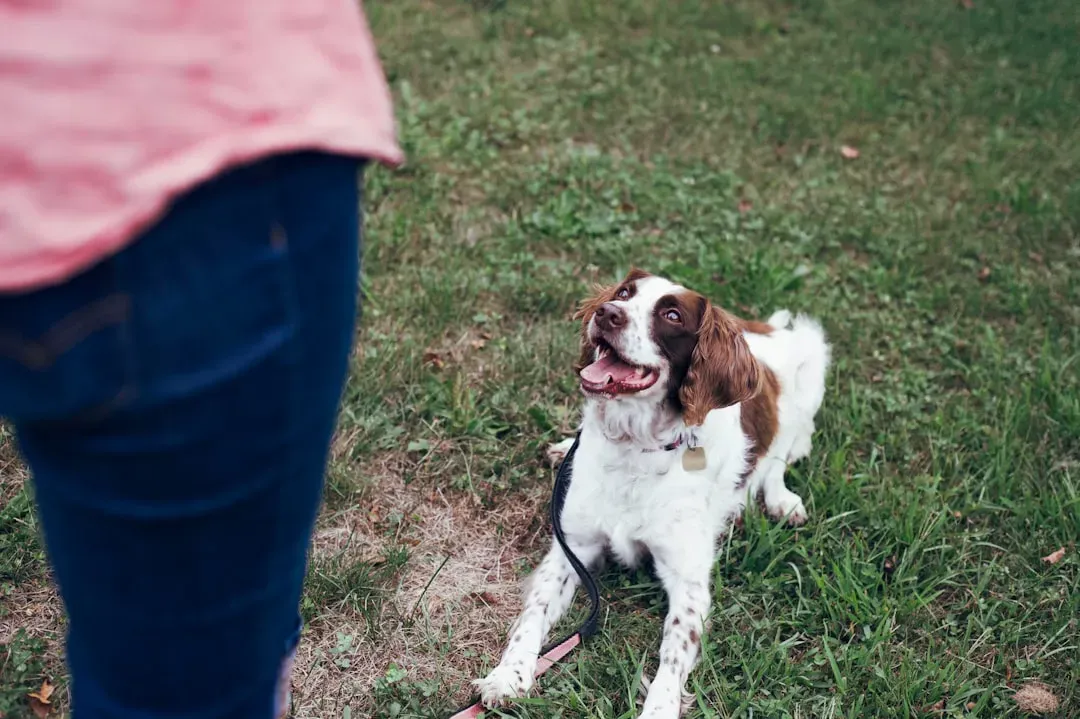
You think you’re just going about your day. A rescue dog thinks you’re broadcasting a code. The way you push your glasses up, tap your fingers, or sit down in the exact same sequence every time – dogs absorb all of it, fast.
Even after one long visit, a dog can tie very specific habits to your identity: the jingle of change before you stand, the shoulder stretch before you grab the leash. For a trauma-surviving dog, this isn’t quirky – it’s survival. Tiny consistent behaviors predict who’s safe, so when you reappear, those same habits act like a password nobody else has.
#7 – They Read Your Nervous System Like a Screen
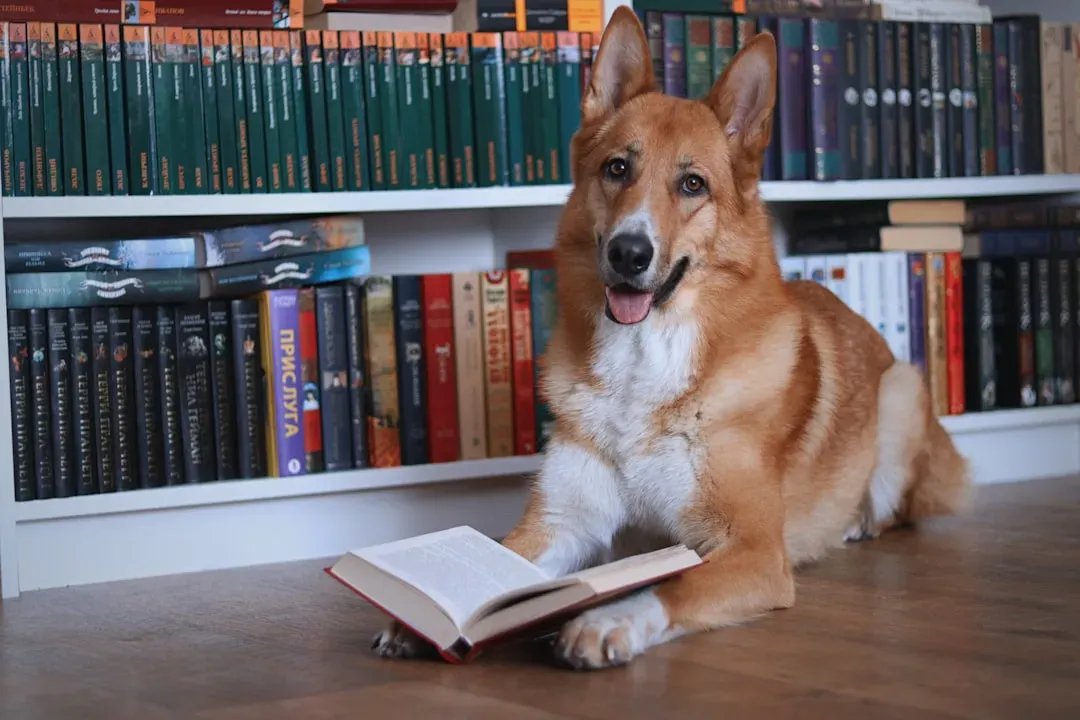
Here’s the uncomfortable part: rescue dogs are brutally honest readers of what your body is actually doing, not what you’re saying. On a first meeting, they’re tracking your breathing, your muscle tension, your micro-flinches, even the smell of your stress hormones. One interaction is often enough to sort you into safe, unpredictable, or avoid.
If you were unusually calm around a nervous rescue just once – sitting on the floor, skipping the sudden grabs, respecting their space – that calm becomes permanently attached to your identity. The flip side is just as sticky: one tense, rushed interaction can brand you the wrong way for good. People like to debate whether dogs “judge” character. Really, they just remember exactly how your nervous system treated theirs, and they rarely revise the verdict.
Worth Knowing
- Lip licking, yawning, and looking away are classic canine stress signals, not random habits.
- A slow, sideways approach reads as safe; direct eye contact and reaching over the head can read as threatening.
- Dogs often mirror the calm or tension they sense in a person within seconds of meeting.
- These snap judgments happen below conscious awareness, wired straight into the nervous system.
#8 – One Safe Touch Can Outlast Years
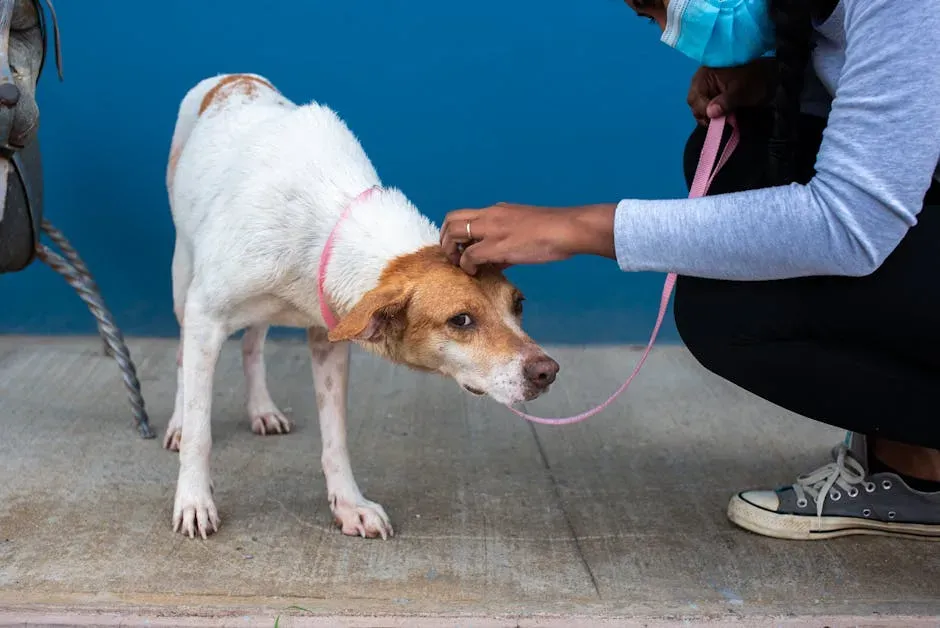
Touch isn’t neutral for a rescue dog. For plenty of them, it’s been used as a weapon before. That’s why the first person who gets touch right becomes almost mythic in their memory – a slow chest scratch instead of a head pat, a hug they actually chose to lean into.
Dogs map these experiences to specific people: “this is the one who yanked my collar” versus “this is the one who found the exact itchy spot without forcing it.” If your only meeting involved reading their signals and letting them come to you, you get filed as dramatically different from most humans they’ve met – a memory that can override time, distance, and even how different you look now.
#9 – You Become “The Person With the Squeaky Fox”
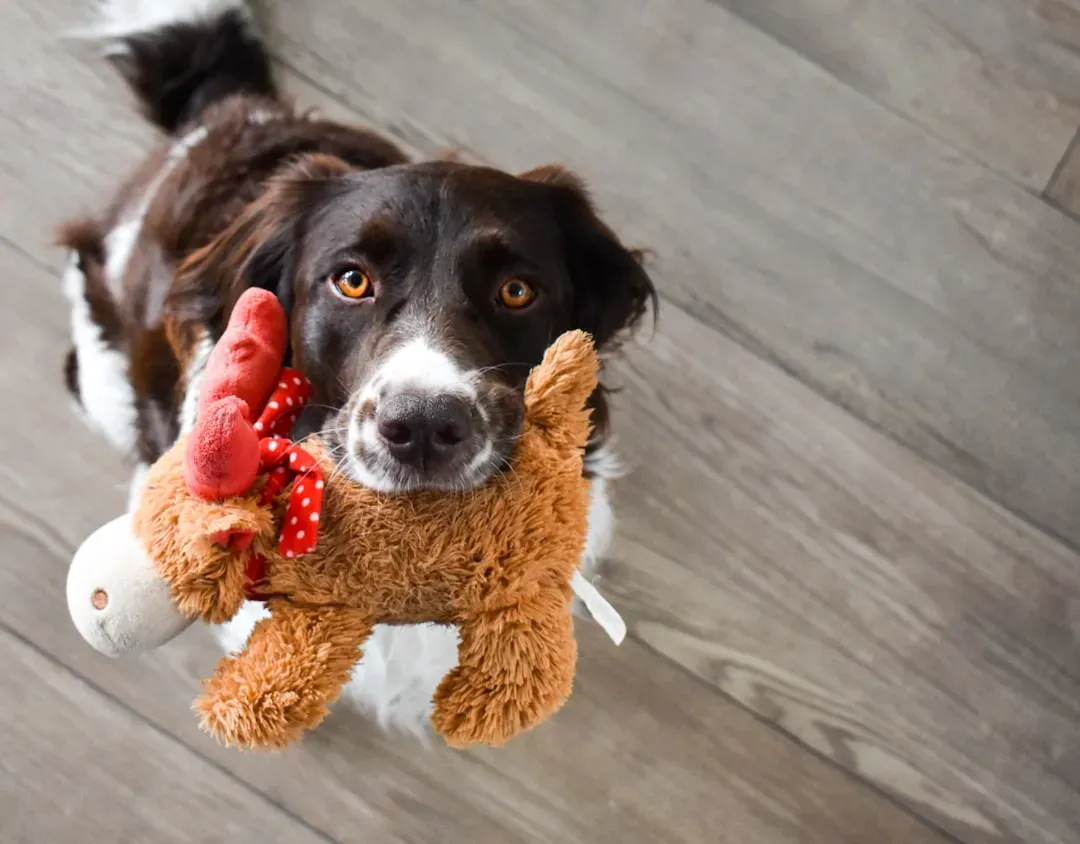
To a rescue dog, you might not be Sarah or Mike. You might just be “the person with the blue ball.” Dogs attach people to objects fast, especially during short, high-emotion meetings – a special toy, a treat bag, a distinctive leash.
Here’s the twist: the memory can outlast the object completely. Even if you show up later empty-handed, the excitement you brought to that toy, the sounds, the textures, are all still tied to you. Good rescuers actually use “magic” toys only during specific bonding sessions for exactly this reason – share one high-value object with a dog, and you’re not easily erased from the file.
Quick Compare
- Scent cues: your unique skin and body chemistry, filed almost instantly.
- Sound cues: pitch, rhythm, and the specific words you use most.
- Movement cues: gait, posture, and the small gestures that make you “you.”
- Object cues: a favorite toy, leash, or treat bag linked directly to your identity.
#10 – They Remember You From Their Worst (Or Best) Moments

Not every minute counts equally. Rescue dogs form flashbulb memories during intense events – a vet emergency, a thunderstorm, the drive from shelter to foster home. Who’s present during that moment matters more than how many times you’ve met.
One interaction during a high-stress or high-relief episode can leave a deeper mark than twenty casual hellos. If you were the one who drove them to safety with soft music playing, or sat awake with them through fireworks, that moment gets stamped in permanently, helped along by the same adrenaline and oxytocin that cement human memories. Years later, the recall isn’t vague. It’s vivid.
#11 – Other Dogs’ Reactions to You Become Part of Your Reputation
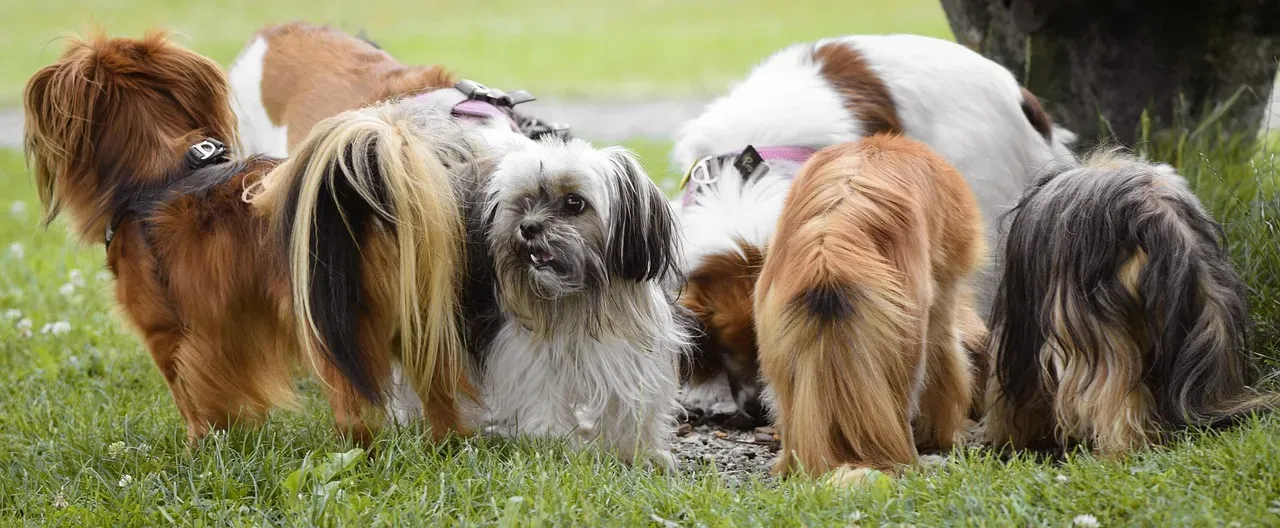
Here’s the part dog people don’t love admitting: your reputation with dogs spreads. Rescue dogs are social learners, and if your one meeting happened while other dogs were clearly relaxed and happy around you, that social proof sinks in fast.
The reverse is just as real and a lot less comfortable – if multiple dogs go tense around you, a rescue may flag you as questionable before ever making contact. Months later, they might recognize you as “the human the confident shepherd liked” or “the one the senior spaniel avoided,” and react accordingly.
#12 – They Map You Onto Their Favorite Routes

Some rescue dogs are quiet cartographers. They memorize paths, doorways, and walking loops with startling precision. Meet a dog once on the same park path you walk every Wednesday, and you may get filed as part of that route – “the human who appears near the pond bend.”
This matters because dogs often anticipate people by place and timing, not just sight or smell. A rescue might spot you half a block away in “your usual spot” and bolt toward you, even after months apart. For dogs who once survived as strays, this spatial memory was never a party trick – knowing exactly who shows up where and when could mean the difference between food and danger.
At a Glance
- Stray and formerly stray dogs often lean on spatial memory to survive day to day.
- Many dogs can tell a familiar walking route from a new one almost instantly.
- Timing matters too – some dogs anticipate a person’s arrival at a routine hour.
- This “where and when” memory works independently of scent, sound, or sight.
#13 – They Predict What You’ll Do Next, Not Just Who You Are

Rescue dogs aren’t only remembering you – they’re forecasting you. From a single interaction, they build a rough model of what you’re likely to do. Crouch sideways and let them sniff first, and you get tagged as someone who probably won’t rush them. Grab their collar the second they approach, and you get flagged as a risk.
That prediction is often what triggers recognition later, even when details have changed. Their body will rush toward you before their brain consciously “remembers” why, or stiffen away from you without ever working out the reason. This skill runs sharpest in dogs who survived unstable homes or the street, where forecasting human behavior wasn’t optional – it was how they stayed safe.
#14 – They Remember You as One Whole Experience, Not a List of Facts
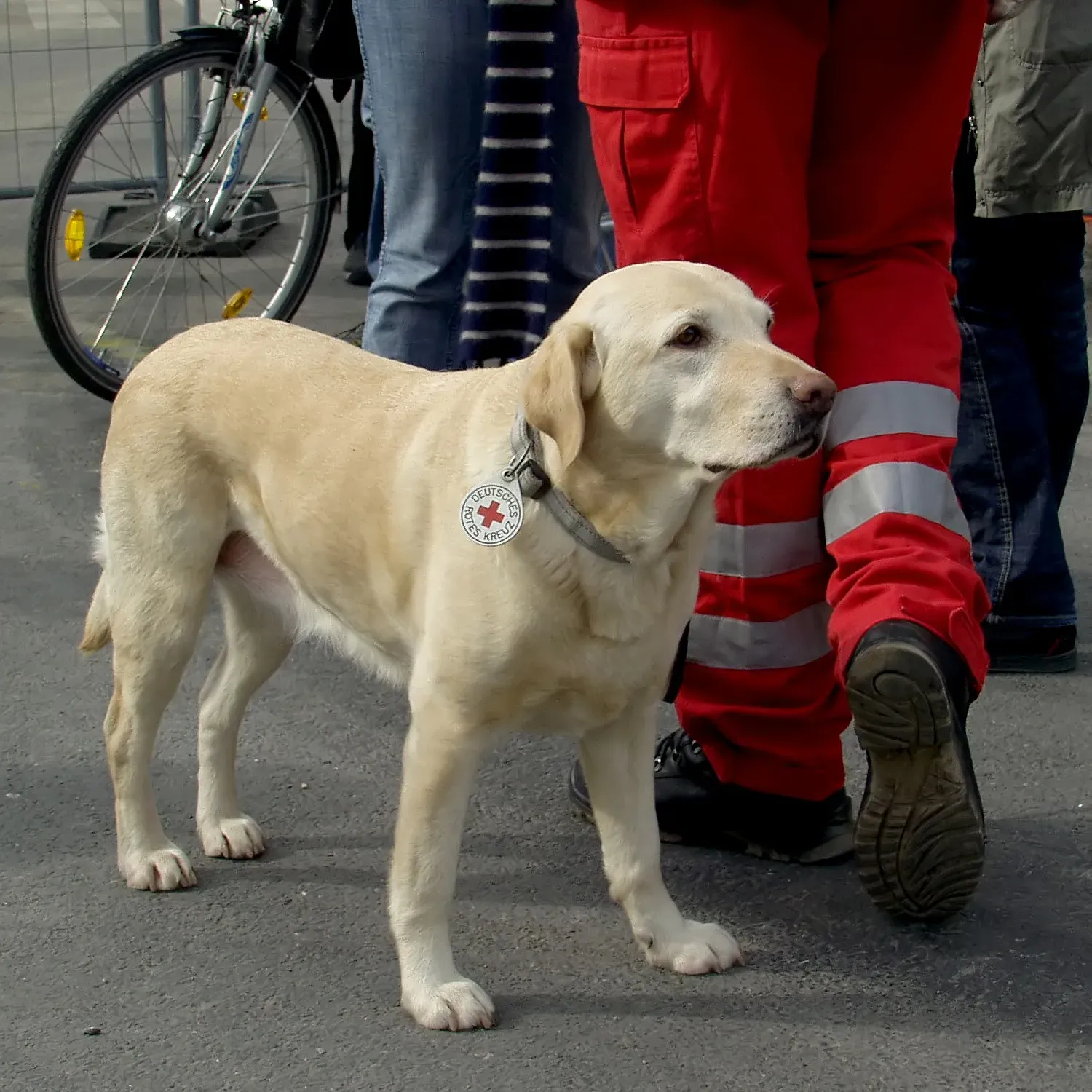
The most underrated ability on this list is that rescue dogs don’t store you in pieces. They store you as a full experience – your scent, your laugh, the way you move, the emotional weather you brought into the room, the objects you carried, the place you stood, even how other dogs reacted to you.
That’s the whole explanation behind the moment someone insists “there’s no way he remembers you, you only met once,” right before their dog loses it with joy the second you walk in. Nothing is being pulled from a single drawer. The whole layered file unlocks at once, and you might forget the quick shelter visit or the one foster drop-off years ago. They never do.
We love romanticizing dogs as unconditional love machines who forgive everyone and remember no one in particular. Rescue dogs blow that story up. They’re not loyal by default – they’re selective, sharp, and quietly running the numbers on every person they meet.
Dogs are not our whole life, but they make our lives whole.
Roger Caras
A single act of genuine calm, respect, and safety can carve your name into a rescue dog’s nervous system more deeply than years of half-distracted coexistence ever could. Most of us assume we’re forgettable to a dog we met once. The truth is closer to the opposite: if a rescue dog lights up years later, it’s not sentiment – it’s data, and you showed up differently than most people ever do.