
19 Things a Dog Learns to Expect From One Person That It Never Expects From Anybody Else
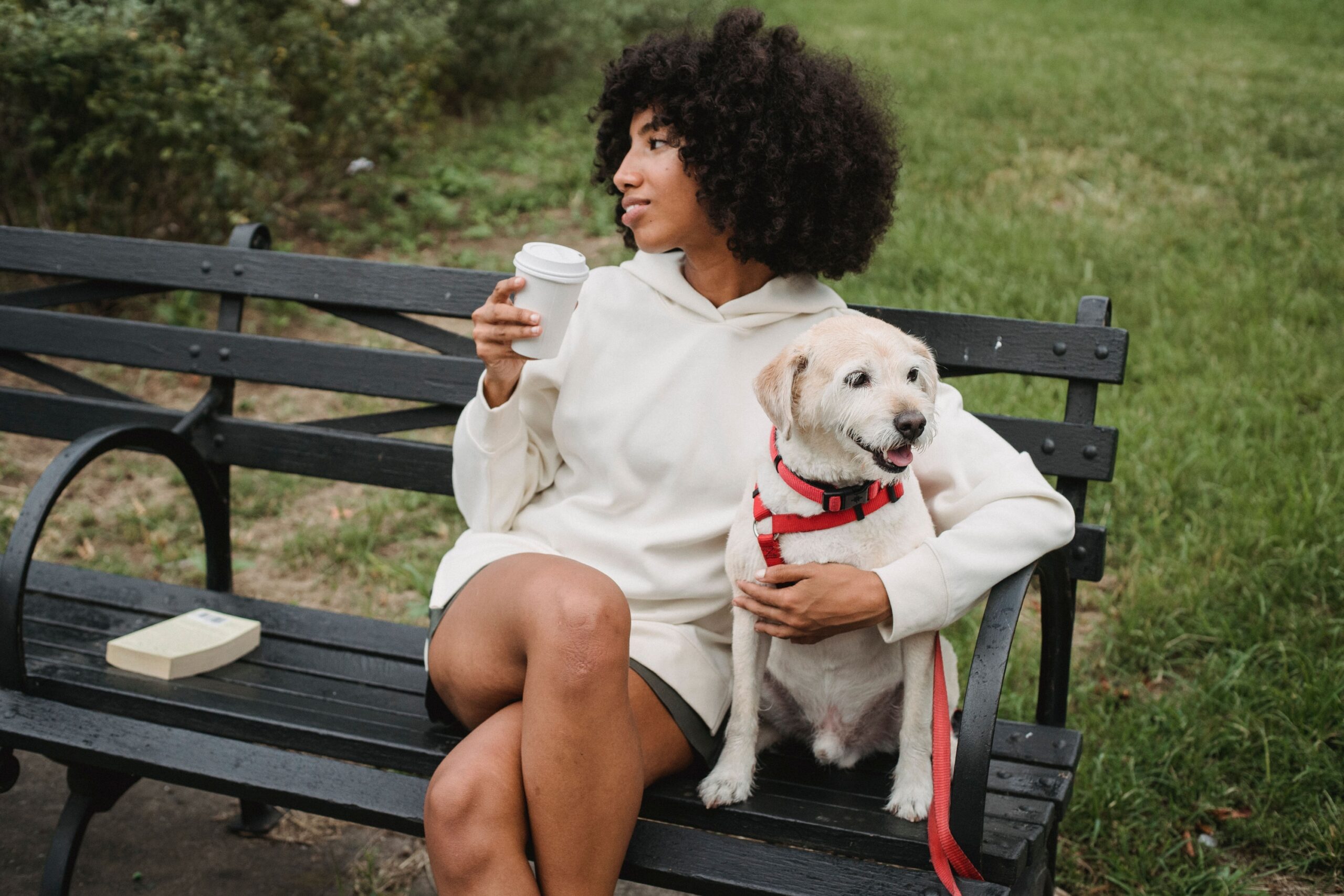
Ask any dog owner and they’ll swear their dog loves the whole family exactly the same. Then the smoke alarm goes off, the vacuum comes out, or a thunderstorm rolls in – and the truth shows up fast. Every dog bolts toward one specific set of legs and ignores everyone else standing right there.
That’s not random affection. It’s a private rulebook your dog has been quietly writing for months, maybe years, without you ever noticing you were the one being tested. What follows are 19 specific things dogs learn to expect from that one chosen person – things they never extend to anybody else, no matter how many treats or belly rubs the competition is offering.
#1 – The “Safe Base” They Can Fall Apart Around
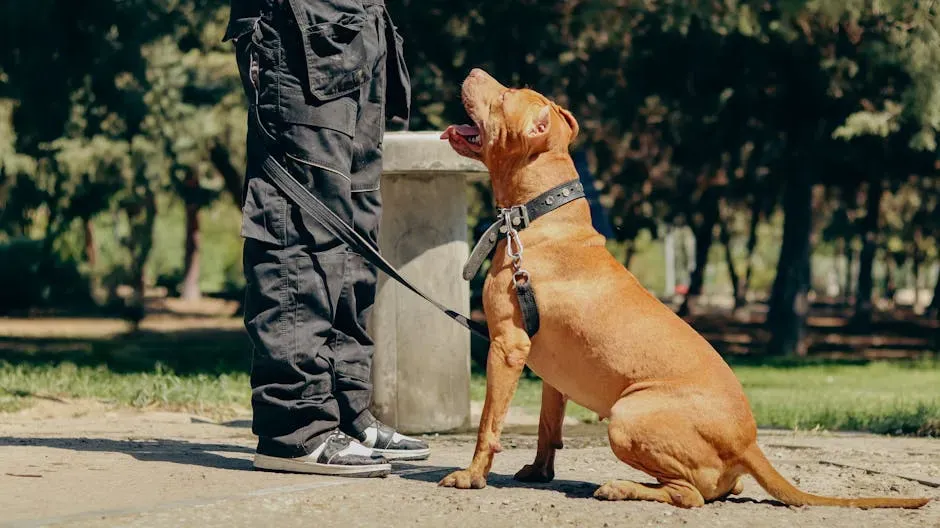
A dog may act tough around strangers, but every dog quietly picks one person as their emotional crash pad. With that person, they don’t have to keep it together. They’ll whine more, seek more contact, and even show messier emotions like jealousy or frustration.
It’s not manipulation – it’s attachment. Studies on attachment patterns show dogs use this key person the same way toddlers use a primary caregiver: as a secure base that makes the world feel survivable. Over time, they stop even trying with anyone else. They save the real panic, the deep sighs, and the “I’m done” looks for the one human who actually listens.
#2 – Consistent Rules That Actually Mean Something
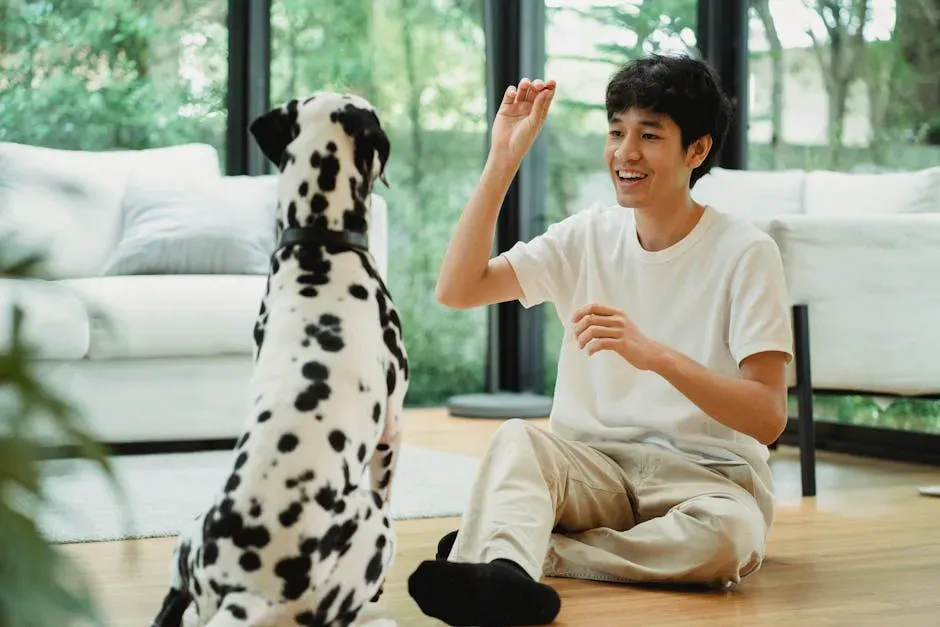
Most people think being the “fun one” makes a dog love you more. Reality check: dogs are obsessed with predictability, not chaos. The person who feeds one day, yells the next, and laughs at bad behavior after that becomes background noise.
The one who is boringly consistent – same commands, same tone, same consequences – becomes the reference point the dog orbits around. If that person says “leave it,” the dog believes something serious is at stake. Everyone else’s commands become more like suggestions, because to a dog, reliability feels like safety itself.
#3 – The Exact Tone That Means “You’re Okay, I’ve Got You”
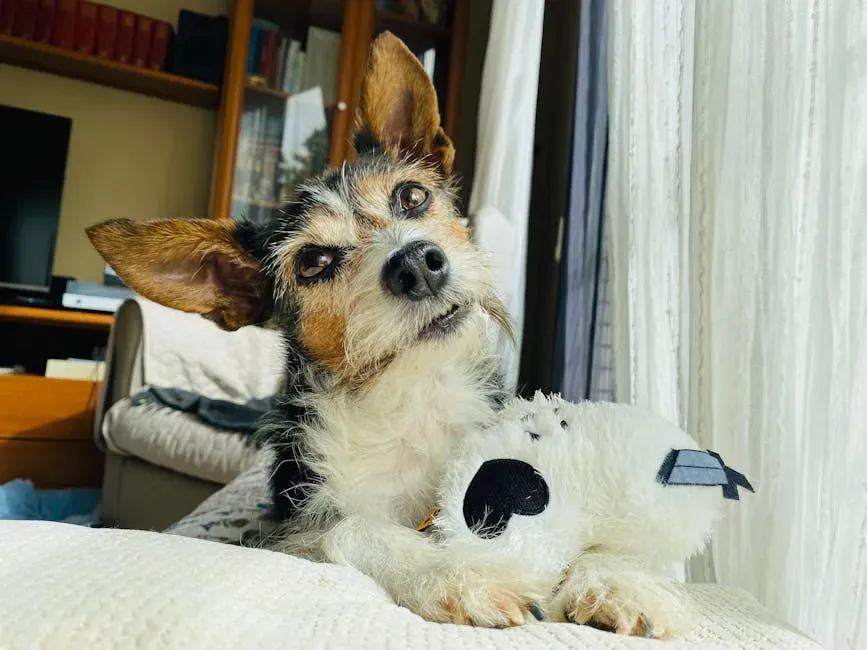
Most people talk to dogs in a generic sing-song “good boy!” But dogs don’t just hear praise – they map specific tones to specific humans. From one person, they learn to expect a very particular sound that means: we’re safe, I see you, you’re okay.
Over time, that sound becomes an emotional switch. With that one voice, a dog will walk into a vet clinic or pass a barking dog with more courage. The same words from anyone else do almost nothing, because they’ve learned exactly what this voice sounds like right before things get serious – often before a single command is even spoken.
#4 – The Smell That Means “Home,” No Matter Where They Are
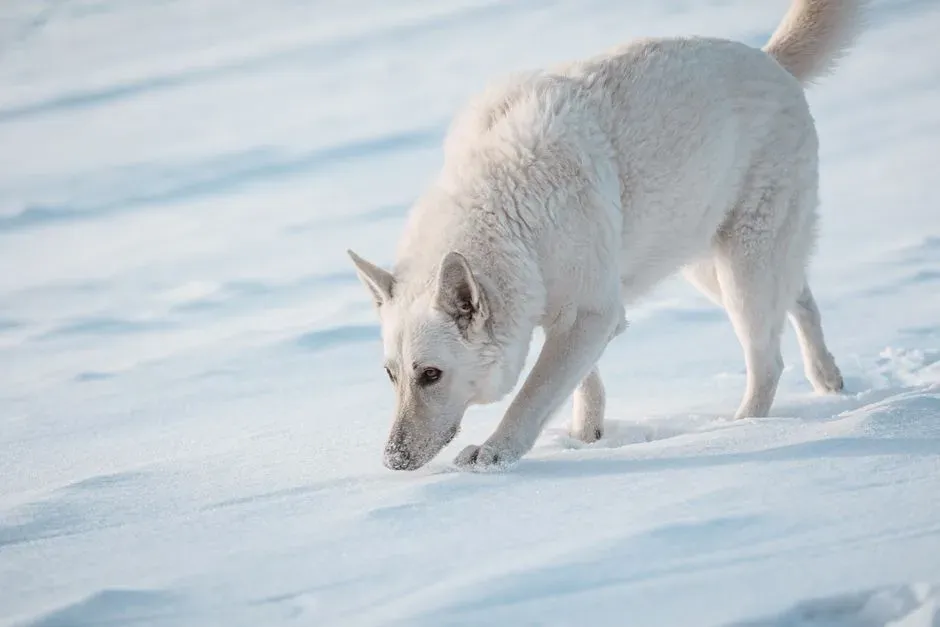
We underestimate how much of a dog’s life is built around smell, not sight. To a dog, your scent isn’t just “you” – it’s a complete emotional file of your routines, your stress levels, even where you’ve been all day.
Dogs can even pick up subtle hormonal shifts that change body odor, reacting differently when their person is sick, anxious, or pregnant long before anyone else notices. No other human’s scent carries that much information, which is why some dogs frantically search laundry piles or sleep on one person’s worn clothing when they’re away. They’re not being dramatic – they’re literally smelling the story of your day.
Fast Facts
- Dogs carry up to 300 million scent receptors in their noses, compared to roughly 6 million in humans.
- Their overall sense of smell is estimated to be 10,000 to 100,000 times more powerful than ours.
- The part of a dog’s brain devoted to interpreting odor is roughly 40 times larger than the human equivalent.
#5 – Real Comfort After Fear, Not Just Distraction
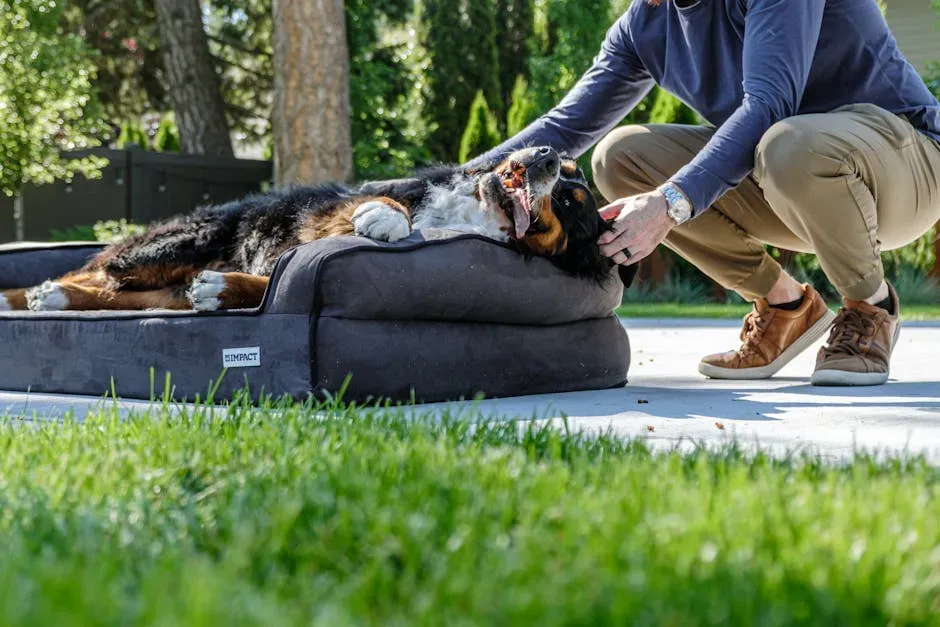
When fireworks explode or a pan crashes to the floor, most people try to distract the dog with treats, toys, or loud baby talk. The one person a dog truly leans on does almost the opposite – they co-regulate, staying close, calm, and predictable, helping the dog ride out the fear instead of pretending it isn’t real.
Because that person consistently responds with grounded comfort instead of frantic fussing or scolding, the dog’s nervous system starts to anchor to them. Heart rate and breathing often normalize faster in their presence. Some dogs will even push other people out of the way just to get next to the one human who actually makes their body feel safe again.
#6 – The Only Touch That Always Makes Things Better
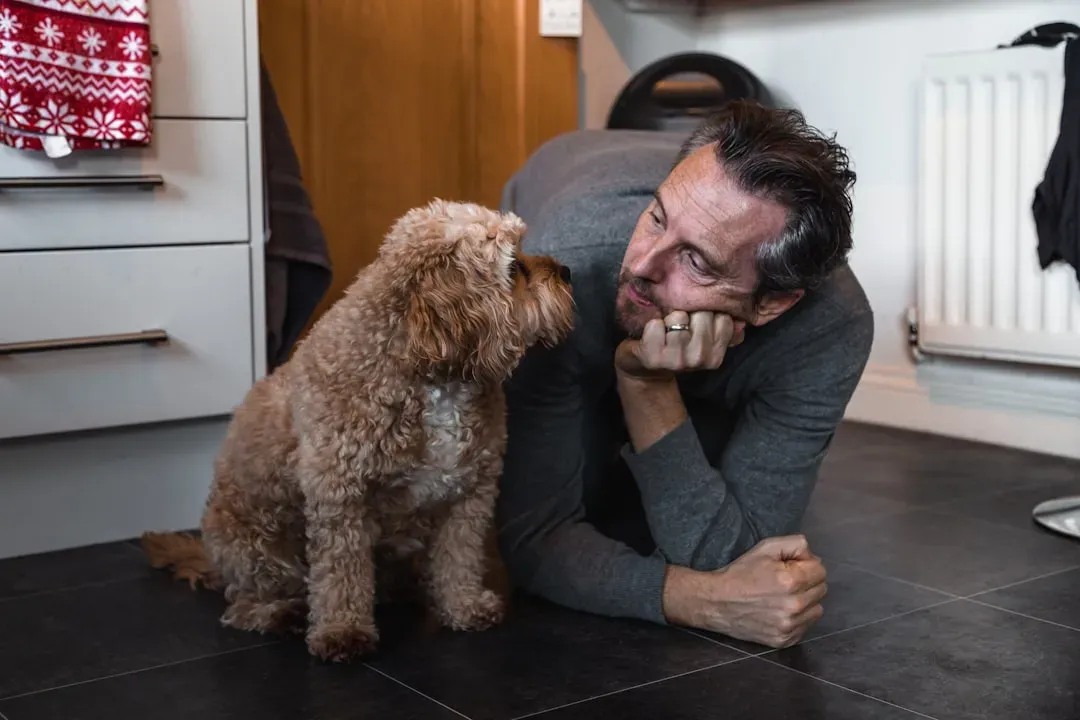
Not all petting feels good to dogs – plenty simply tolerate strangers’ hands on their heads. But from one person, touch becomes a language: slow chest rubs when stressed, firm ear scratches when sleepy, that one specific shoulder squeeze before bed.
Over time, dogs start initiating specific kinds of contact only with that person – nudging a hand to their chest, flipping over to expose their belly, leaning full-weight into their legs. It’s targeted communication: do the thing that always helps me. Nobody else gets that nuance, because nobody else has put in the hours learning what each sigh and stretch actually means.
#7 – Being Understood Without Having to “Perform”
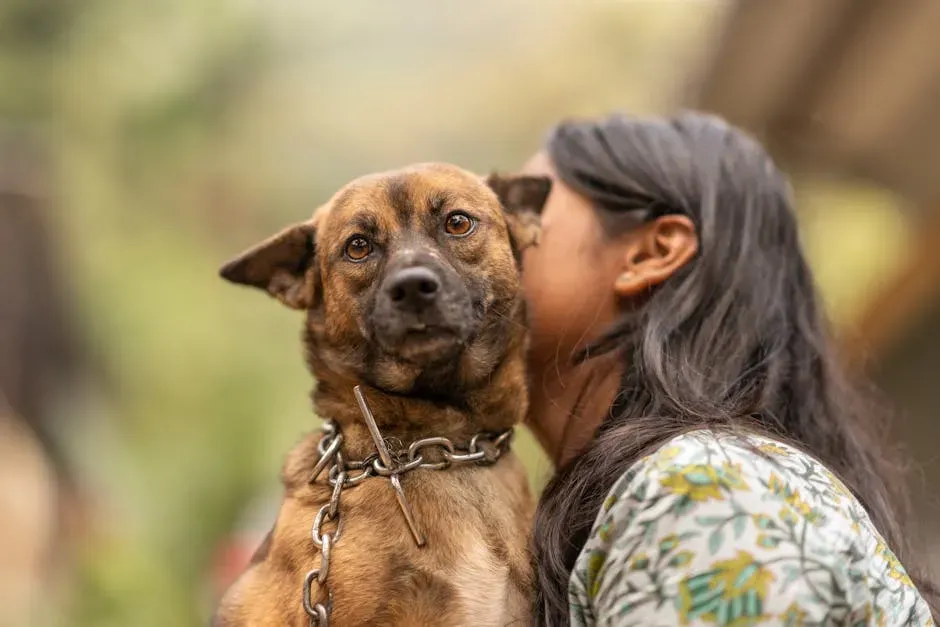
Most people only notice a dog when it’s obviously being cute or needy. The one person a dog attaches to learns to read the quiet signals instead – a lick of the lips, a stiff tail, avoiding eye contact with a guest. Over time, the dog realizes they don’t have to bark or act out for this person to get the message.
Because that person consistently responds to subtle signs, pausing a walk when the dog is overwhelmed or ending play before it turns into overstimulation, the dog stops performing anxiety and starts trusting they’ll be heard early. With everyone else, they escalate faster, because the subtle language never worked. So they save their smallest, most honest signals for the one human who’s proven they’re paying attention.
#8 – Food as a Conversation, Not Just a Reward
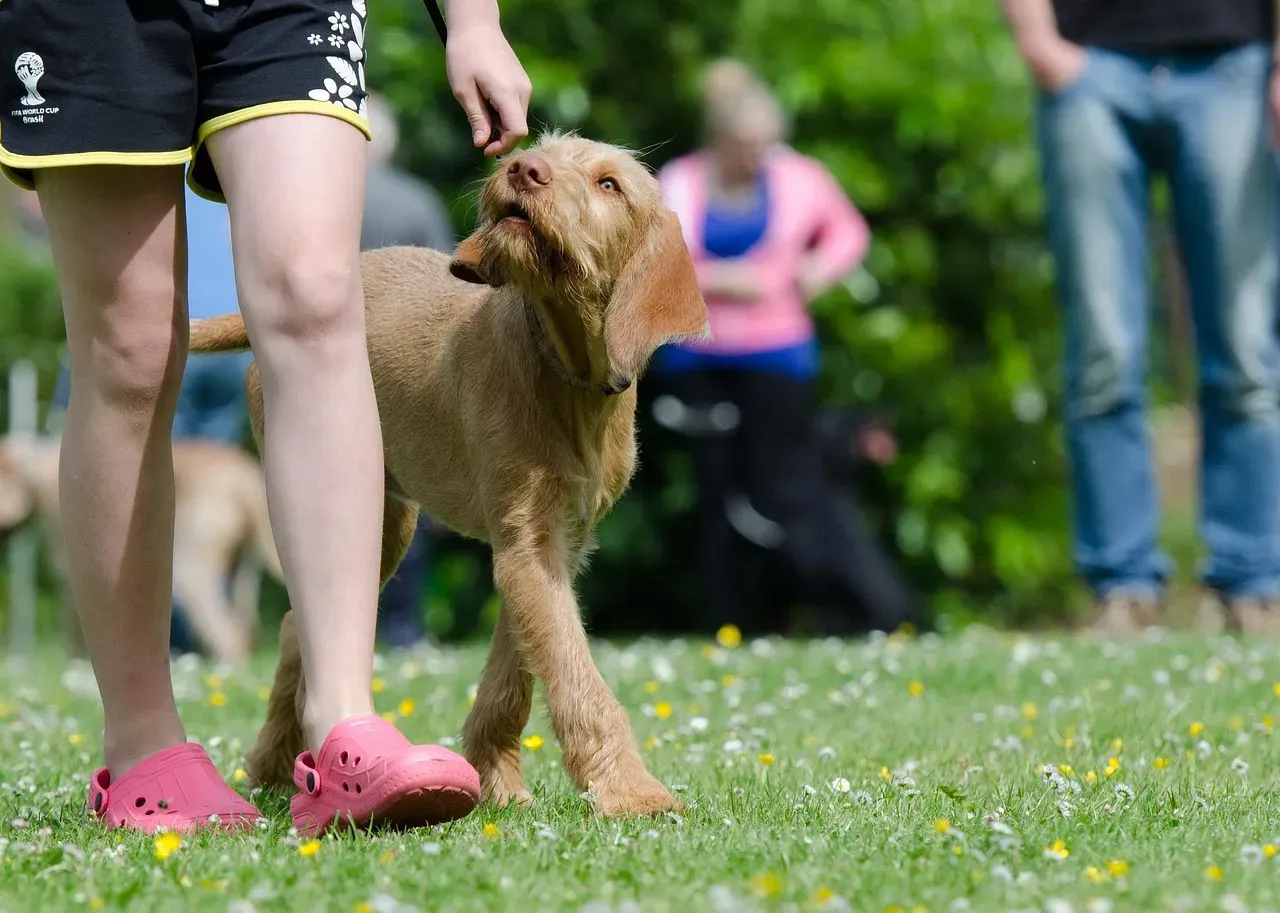
Treats from strangers are fun but meaningless. From the one person who trains, feeds, and hand-delivers meals, food becomes feedback – a way of saying “you did that right” or “this noise is safe, now we relax.”
This is why some dogs ignore a treat from a stranger but snap to attention the second “their” person holds the exact same snack. It isn’t the food – it’s the shared history behind it. They’ve learned this human won’t use food to bribe them into danger or shove it at them when they’re terrified, which is a big reason dogs guard less around their favorite person but may still growl when others get involved.
#9 – A Daily Rhythm They Can Set Their Body Clock To
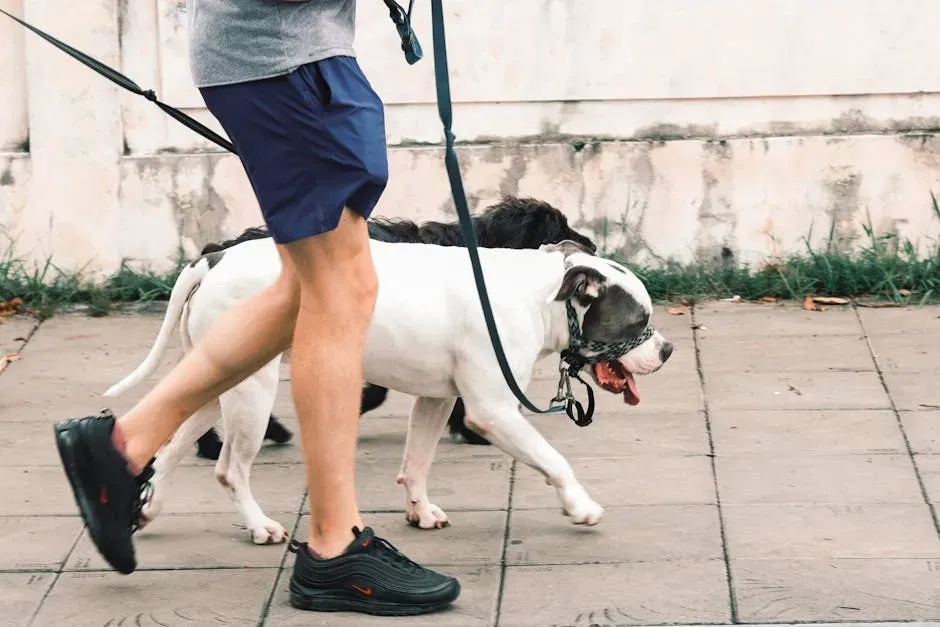
Dogs don’t wear watches, but their bodies tune themselves to routine. One person usually becomes the keeper of time – the one whose alarm, breakfast schedule, and bedtime circuit the dog’s entire internal clock syncs to. When that human moves, the day moves.
The jingle of keys, the sound of a bathroom door closing before a walk – these tiny rituals become time signals no one else’s schedule carries the same weight for. If others are home but “their person” isn’t, many dogs pace, hover, or ignore invitations to play, because the day simply doesn’t feel officially started without that one human hitting the usual checkpoints.
At a Glance
- Dogs run on a roughly 24-hour circadian rhythm that shapes their sleep, hunger, and energy swings.
- This internal clock is part of why they anticipate mealtimes, walks, and a favorite person’s return home.
- Senior dogs typically show lower daytime activity than younger dogs, even though the same body clock still governs their day.
#10 – Honest Boundaries Instead of Mixed Messages
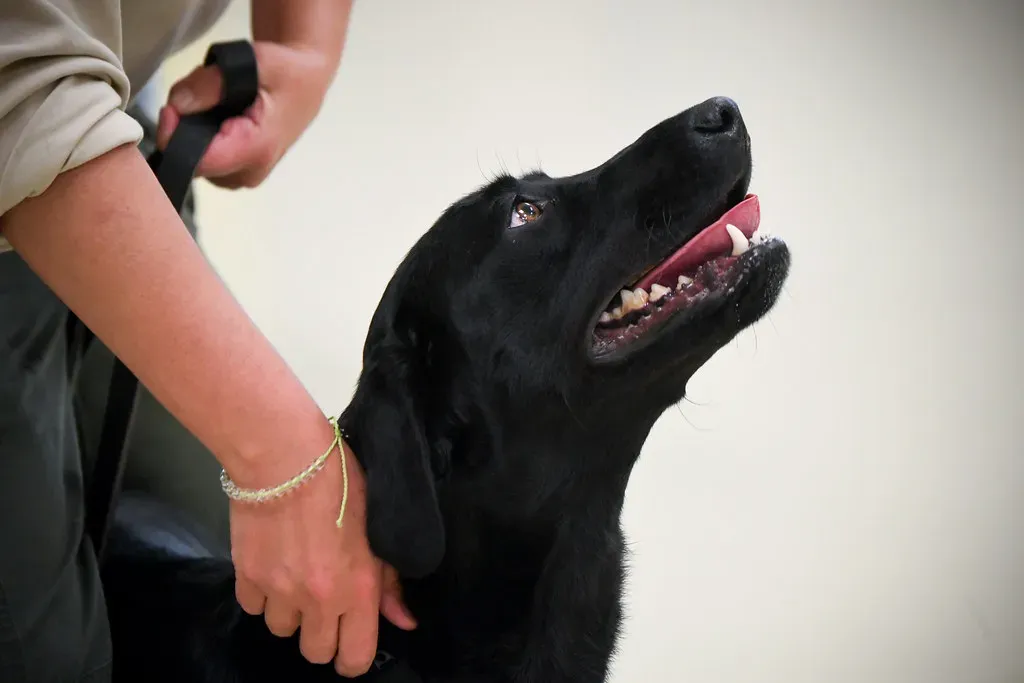
Here’s the part many people won’t like: the person a dog respects most is rarely the mushiest. It’s almost always the one who sets clear, fair boundaries and actually sticks to them – no “sometimes it’s okay to jump on me” followed by yelling later.
Dogs are brutally good at pattern-spotting, and they quickly learn whose “no” is predictable and whose “yes” is reliable. That’s why dogs often look naughtier around the easygoing family member – they know the lines will keep moving. With the one who holds a stable line, they can actually relax into it.
Dogs are not our whole life, but they make our lives whole.
Roger Caras
#11 – Protection From Other Humans (Yes, Including Family)
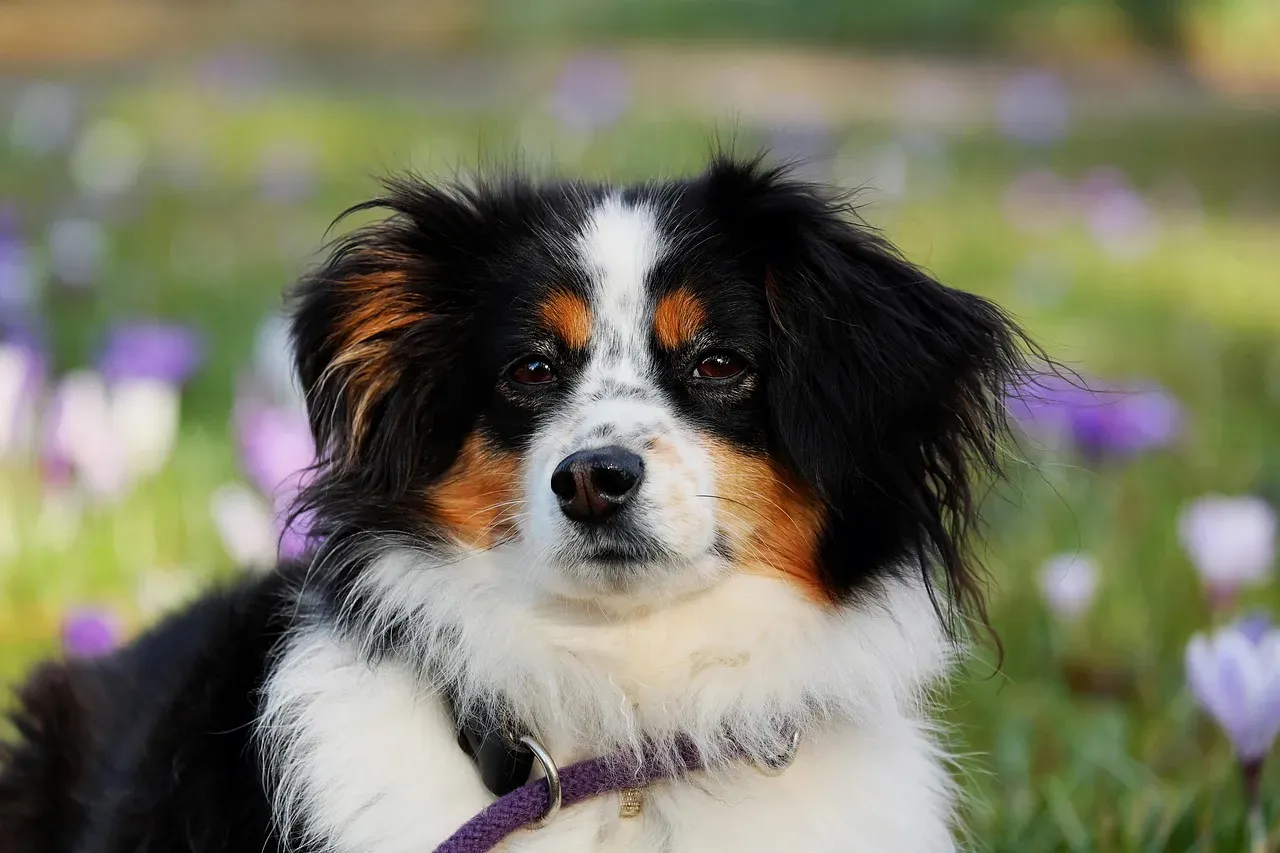
We love to believe dogs trust everyone in the household equally, but many pick one person as their advocate – the only human they expect to step in when others cross the line, whether that means blocking rough kids or interrupting over-handling from guests.
Once that pattern is established, the dog’s loyalty shifts hard. They may hide behind that person or only fully relax when their advocate is in the room. It isn’t favoritism – it’s self-protection based on experience. That chosen human is the only one who’s consistently proven, “I’ve got you, even from my own kind.”
#12 – The Right Kind of Fun, Not Just Hyper Excitement
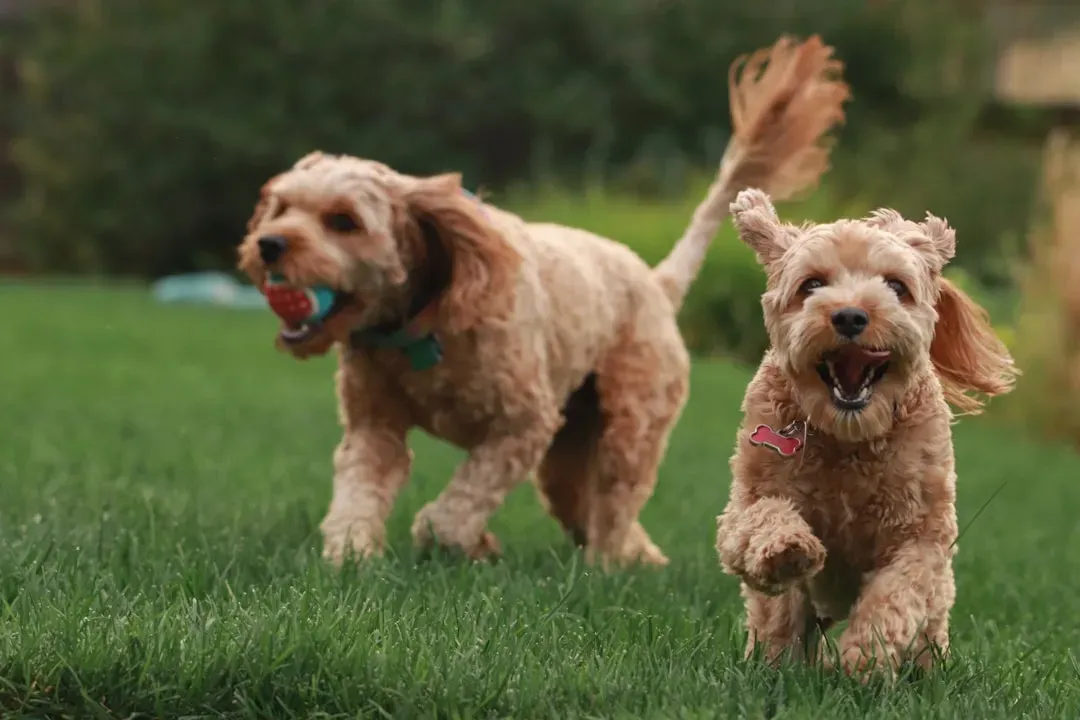
Anyone can get a dog spun up and wild. Very few people learn to give a dog the right style of fun for their breed, age, and personality. The one person a dog attaches to usually becomes their customized play engineer, learning exactly how much roughhousing they can handle and when to cut things off before chaos.
This tuned-in play becomes a trust builder, not just an energy dump – not just tossing the ball, but knowing when to change direction so the dog doesn’t crash. That’s why a dog will ignore a dozen random toy-wavers to bring the ball back to the one human who always gets the game right.
#13 – Being Allowed to Age, Not Forced to Stay “Puppy Cute”
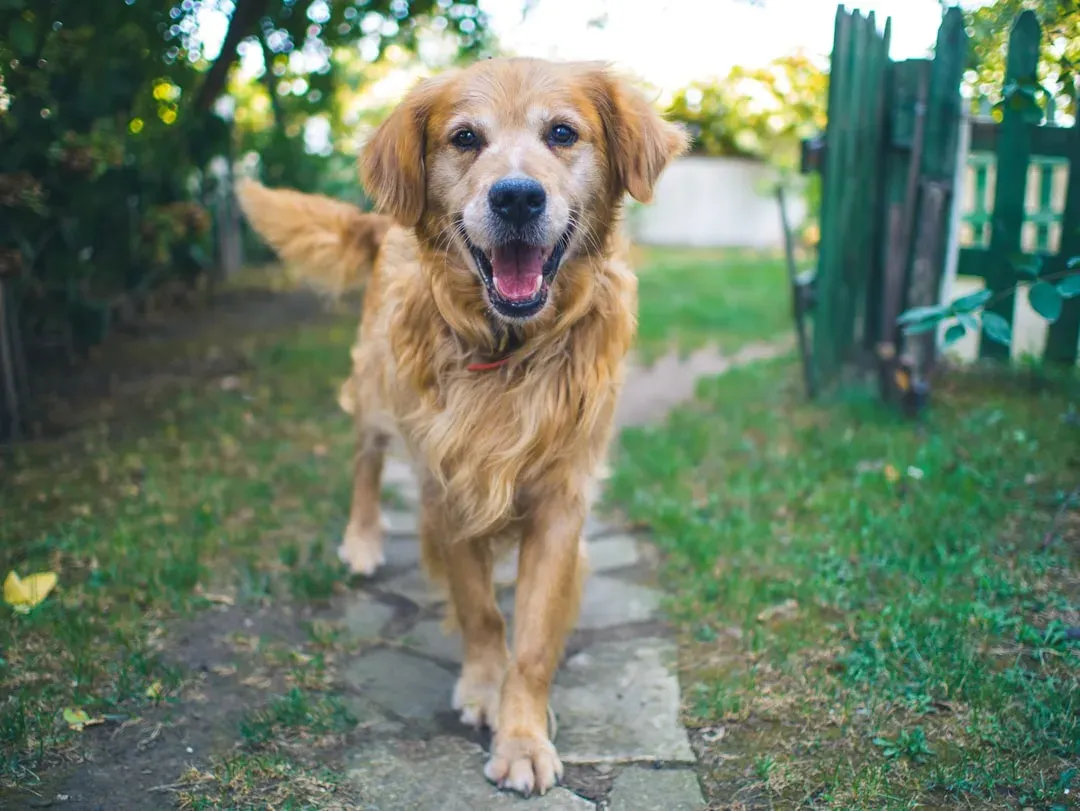
Most people cling to the eternal-puppy fantasy, pushing older dogs to play and move the same way they always did. One person usually breaks that script and quietly becomes the guardian of their dog’s aging body, noticing the slow stand-ups and hesitation at stairs – and adjusting.
Shorter walks, softer beds, ramps instead of leaps. The dog learns this human will not demand the impossible from them to earn their love. That late-life mercy is one of the strongest bonds a dog ever forms, which is why so many older dogs start shadowing one person almost obsessively.
Worth Knowing
- Slower rises from lying down and hesitation on stairs are often among the earliest visible signs of joint change.
- Graying around the muzzle and eyes usually shows up long before any real mobility changes do.
- Older dogs typically need more total rest, even when it comes in shorter naps spread across the day.
#14 – Space When They Need It, Not Constant Invasion
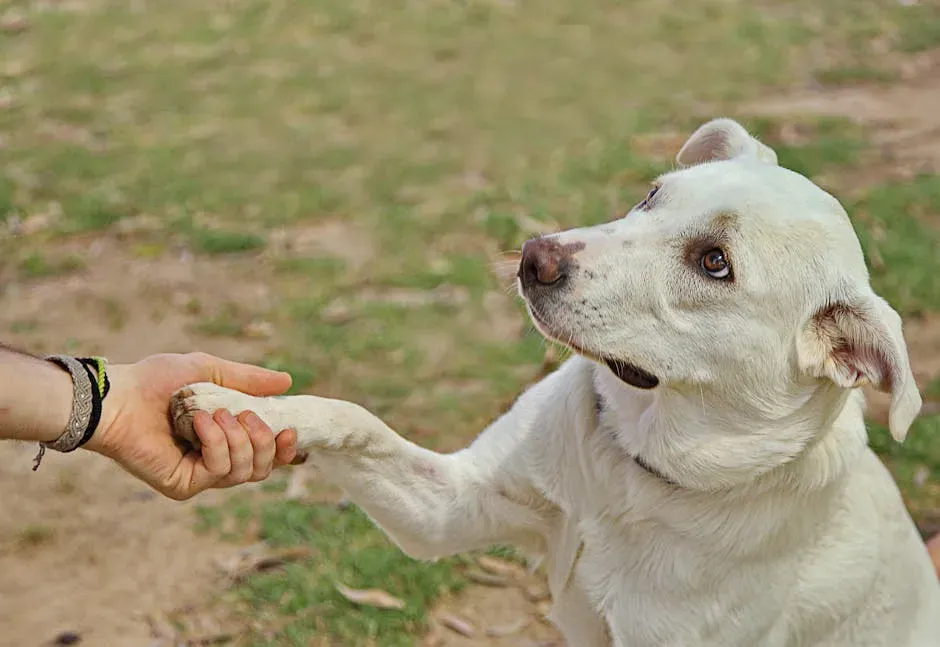
Ironically, the person a dog clings to most is often the only one who doesn’t cling back 24/7. Dogs need decompression time – to lie alone, chew, or sleep deeply without hands and voices in their face. The human who notices when eye contact breaks and actually backs off becomes priceless.
The dog learns that with this person, “no” to touch is safe – no guilt trips, no being dragged back for more cuddling. That freedom makes the dog voluntarily seek them out more, not less. Consent in contact is a deeply underrated part of dog attachment, and the humans who miss this point often end up being the ones the dog quietly dodges.
#15 – A Shared “Language” of Weird Little Routines
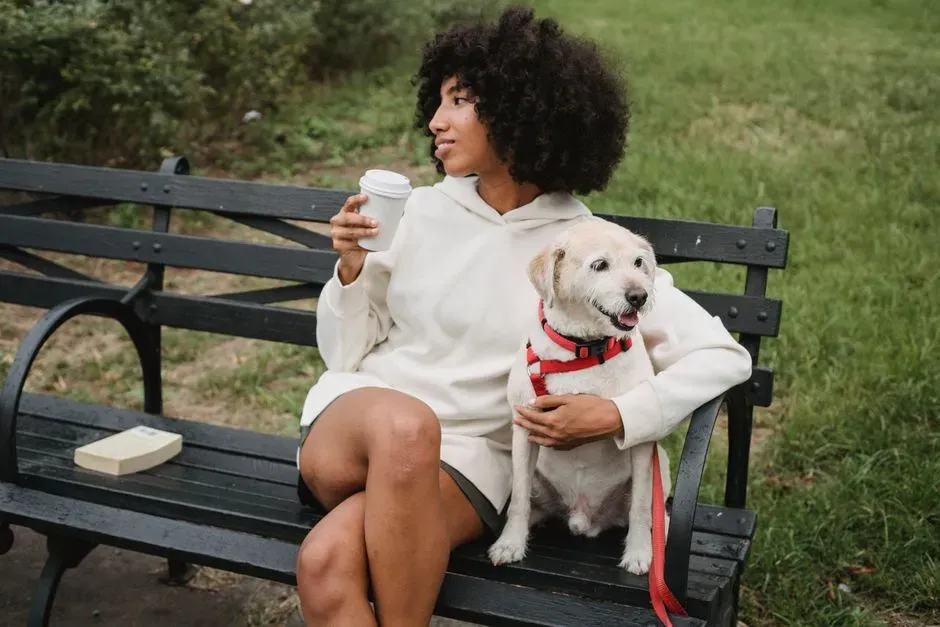
Every close dog-human pair has strange rituals outsiders never fully get: the pause at the same tree, the silly dance before bed, the made-up word that somehow means “go grab your toy.” Over time, the dog learns to expect one person to follow – and reinforce – these tiny shared scripts.
These micro-routines become anchors. When life changes – a new home, a baby, a new schedule – the dog often clings to these weird little interactions as proof the core relationship is intact. That’s why some dogs look almost offended when someone else tries to copy your cues; the imitation rings hollow because they’re connected to the history behind it, not just the action.
#16 – Being Believed the First Time Something’s Wrong
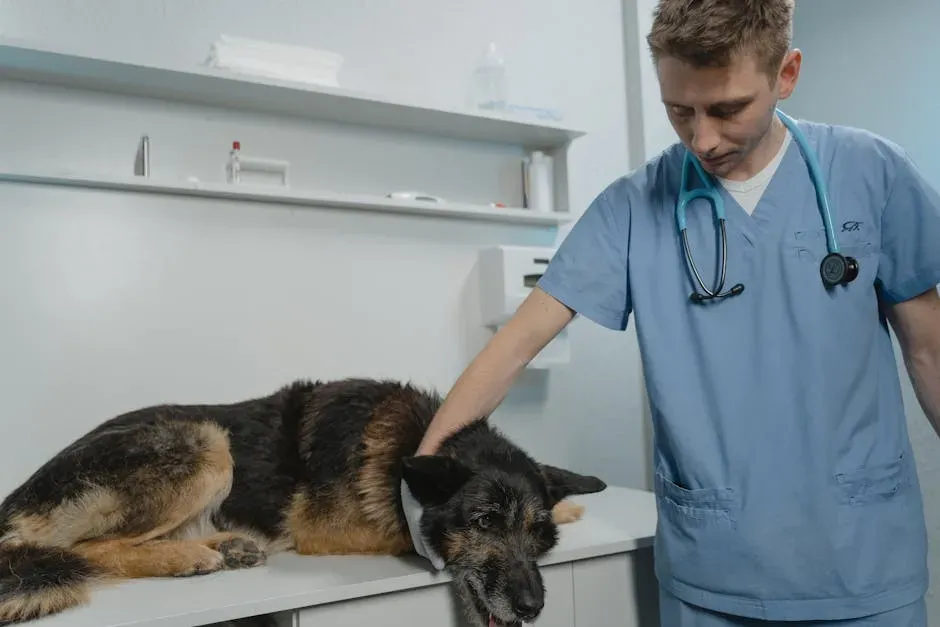
A lot of people dismiss early signs that a dog is unwell – a change in appetite, sudden clinginess, odd pacing. The one person truly bonded to the dog tends to be the first to say “something’s off” and actually act on it.
The dog learns who takes their first whispers seriously, and starts choosing that person as their report line – limping only when they’re looking, refusing food only from that hand. Everyone else might only notice once the problem becomes a shout. The dog already knows who listens early enough to actually help.
#17 – The Courage to Explore Because Someone Has Their Back
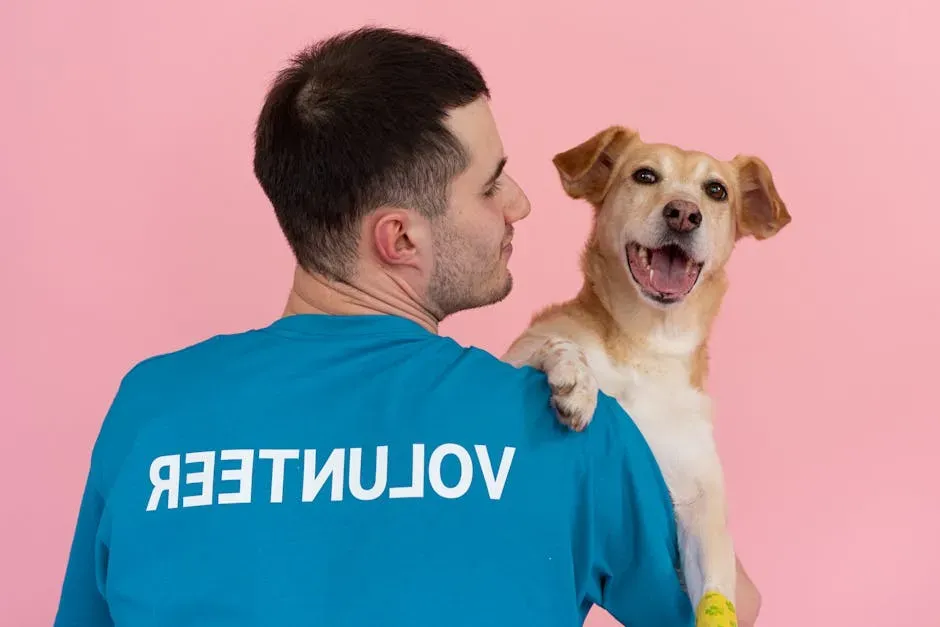
Confident dogs aren’t just born; they’re built through supported exploration. The one human who stands back just enough – letting the dog sniff something new or approach a friendly dog while staying ready to intervene – becomes their launchpad.
This is very different from the person who drags them toward everything new, or the one who nervously shuts it all down. Over time, the dog expects that with this person, new experiences usually end well – which is why some dogs act timid with everyone except the one human around whom they suddenly turn curious, playful, and brave.
Quick Compare
- The Dragger: Pulls the dog toward new things before it’s ready, often deepening fear instead of building confidence.
- The Shutter-Downer: Panics at the first sign of hesitation and yanks the dog away, teaching it that new things always end early.
- The Launchpad Person: Waits a beat, lets the dog choose, and steps in only if needed – the style dogs learn to trust most.
#18 – A Final Goodnight That Means “We Made It Through Another Day”
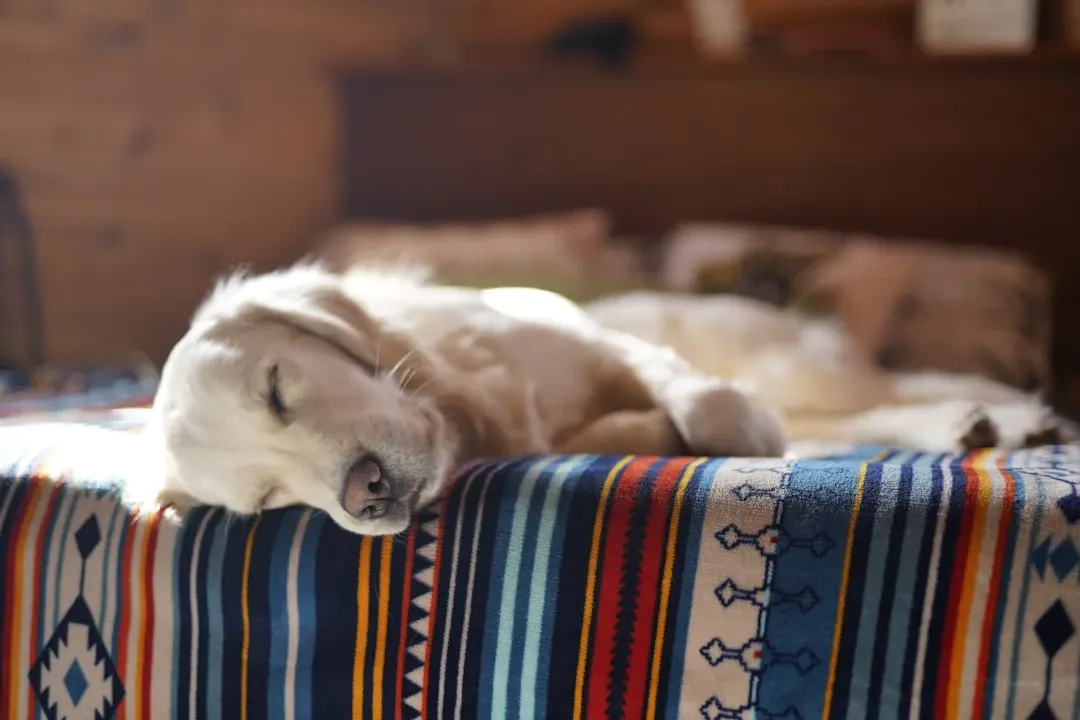
Nighttime is when a dog’s guard drops. One person usually becomes the keeper of the nightly closure ritual – the last bathroom break, the final snack, that one specific stroke down the back that always means “sleep now.”
Without that ritual, many dogs stay restless or pace at the door, even if someone else tries to follow the same steps. The magic isn’t in the steps; it’s in who does them. That final moment is where a dog’s nervous system hands over control and says, “you’re in charge while I’m unconscious” – a level of surrender they rarely give to anyone else.
#19 – The One Person They Trust With the End, Not Just the Beginning
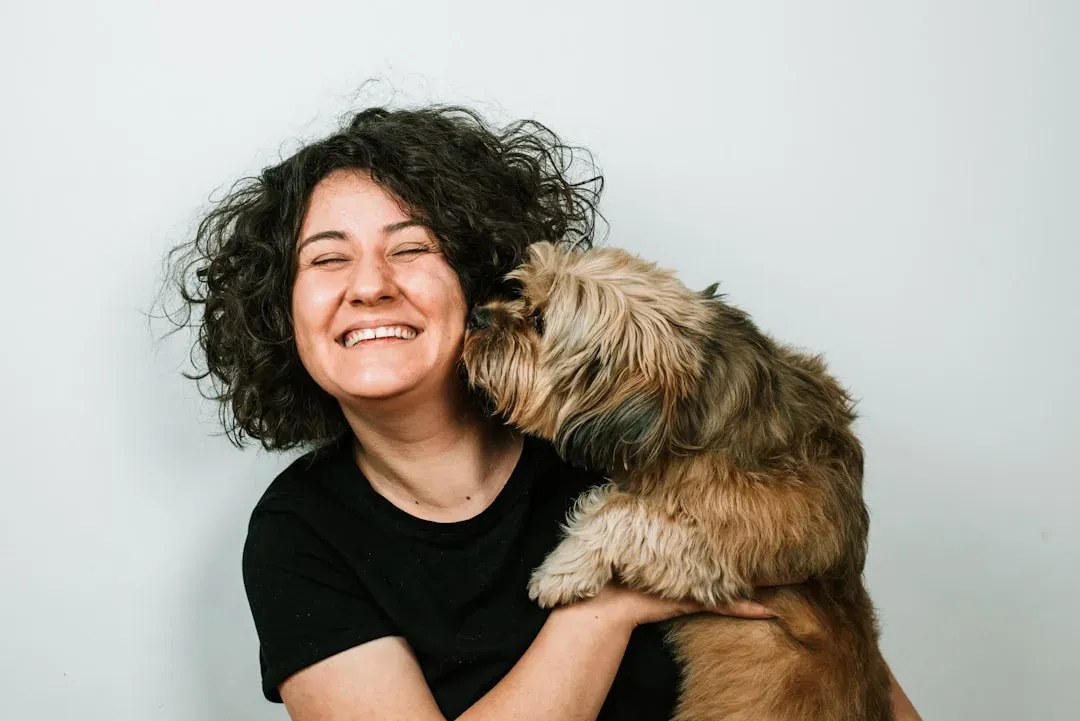
Most people celebrate a dog’s firsts – first day home, first trick, first hike. But dogs quietly notice who stays present through the lasts: the last pain-free walk, the last real play bow, the last time they can make it up the stairs.
One person almost always becomes the final caregiver – the one who makes the hard decisions and stays up at 3 a.m. on the bathroom floor. The dog learns, long before that day comes, that this human won’t disappear when caring for them gets messy or heartbreaking. You didn’t check out during thunder, aging, or illness – so they bet everything you won’t check out at the end either.
The Bottom Line
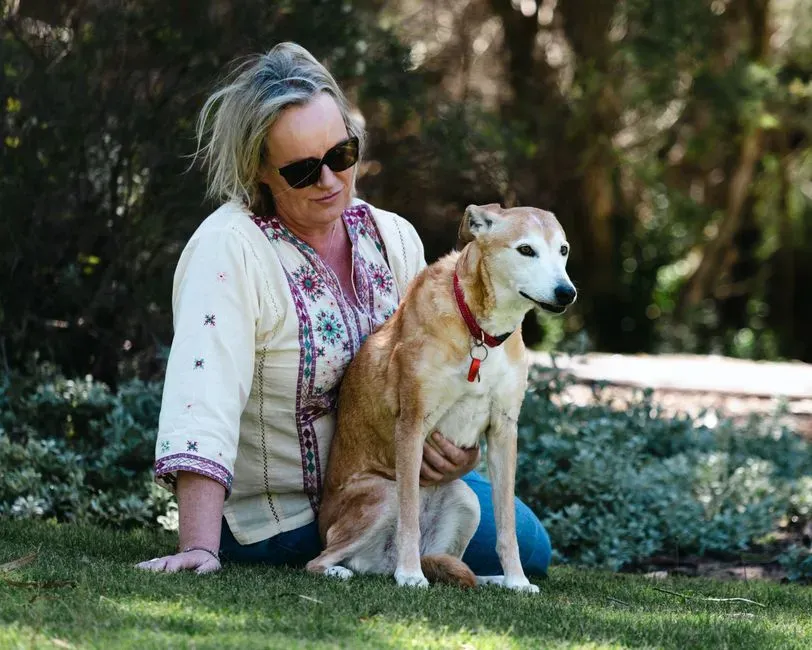
We like to pretend our dogs love everyone in the house equally, but their behavior tells a sharper truth. Over time, they quietly choose one person as their emotional anchor, bodyguard, translator, and historian – the only one they expect to understand their whispers, not just their screams.
Some will call that unfair or overly sentimental. I call it earned. The evidence is in every dog that listens to one voice first, sleeps only when one pair of footsteps comes home, or limps only when one set of eyes is watching. If you’re that person, it isn’t an accident – it’s the sum of a thousand small choices your dog never forgot.
Do you think dogs really have “one person,” or should that trust be spread around the whole household? Sound off in the comments.