
17 Habits Owners Accidentally Teach a Dog in the Opening Fortnight That Prove Impossible to Undo Later
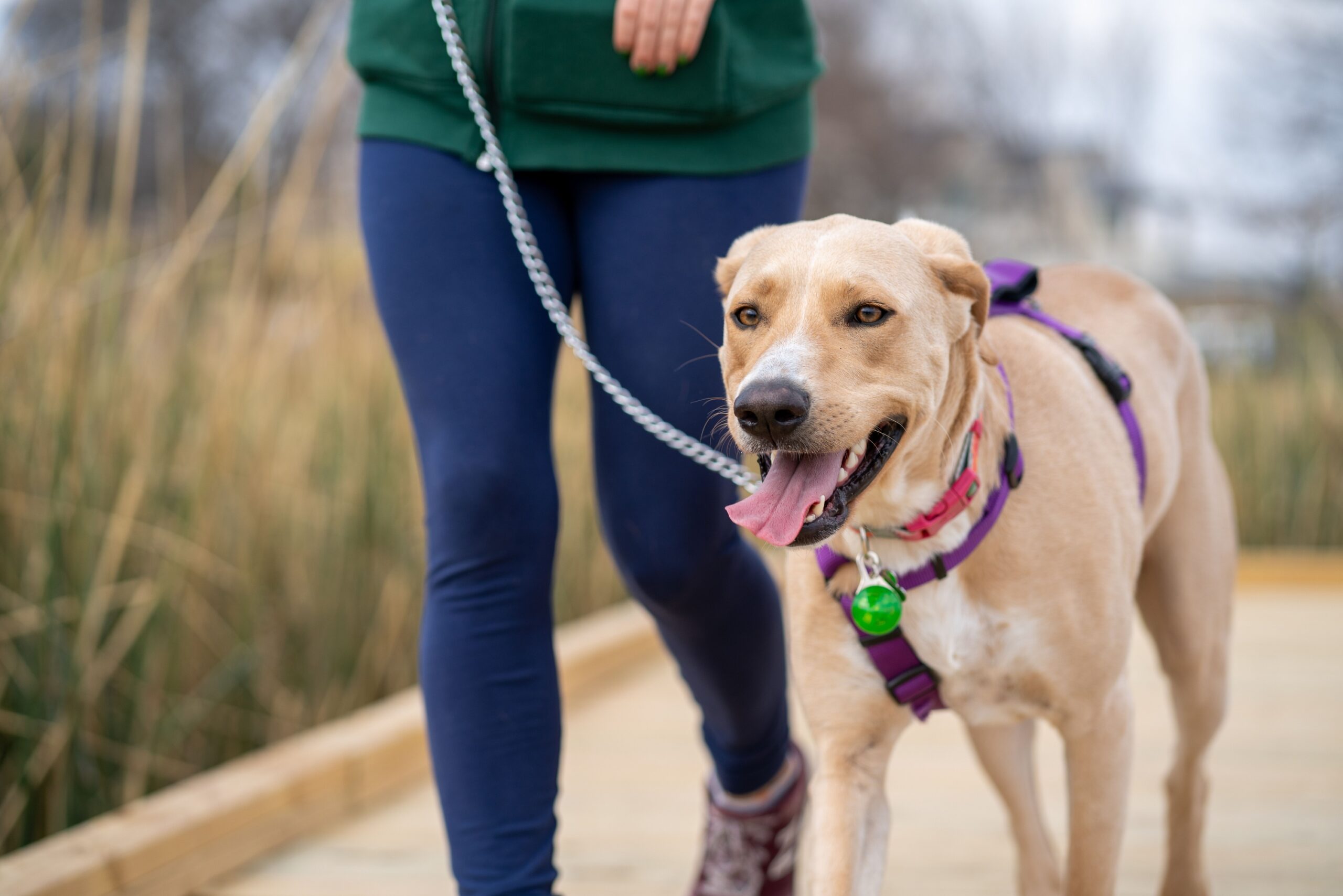
Everyone obsesses over the right food, the right bed, the right toys. Almost nobody realizes the first 14 days with a puppy quietly program more behavior than the next 14 months combined.
Trainers joke that those opening two weeks decide whether you end up with a chilled companion or a furry tyrant running your household. It’s rarely the big, obvious mistakes that do the damage. It’s the tiny “that’s cute” moments you reward on autopilot, without ever noticing you just taught your dog a lesson you’ll spend years trying to un-teach.
#1 – Letting the Puppy Decide the Schedule
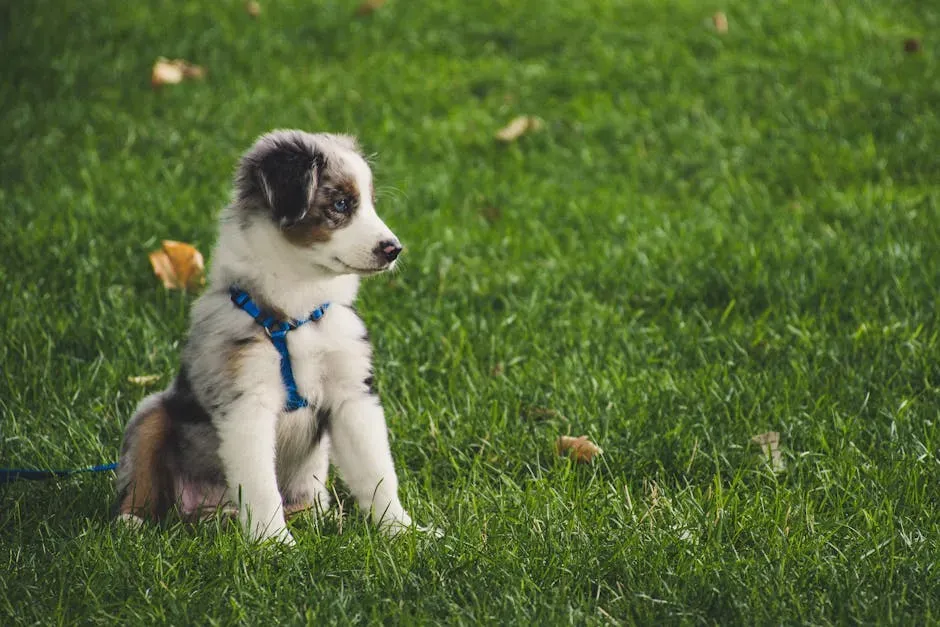
“He’s just a baby, I’ll follow his lead” feels compassionate. It’s also exactly how you create a dog that runs your life. In the first two weeks, many owners jump the second the puppy whines, barks, or paws at them.
Without realizing it, you’re teaching: make noise, and humans obey. Dogs are pattern machines. If whining gets them out of the crate or to the food bowl even a handful of times, that becomes a button they’ll press for years. A loose, human-led routine with predictable potty trips, meals, and calm pauses before you respond isn’t cruelty. It’s the difference between a dog who can settle and one who never learned how.
#2 – Rewarding Over-Excitement as “Cute”

The tiny tornado zooming around your living room looks adorable, right up until that same energy at 60 pounds shatters a coffee table. In the opening fortnight, owners squeal, laugh, and shower affection precisely when the puppy is most amped up.
You’ve just wired their brain to believe: the higher my energy, the better the party. Later that turns into frantic leash pulling and a dog who greets guests like a hostage situation. The fix is uncomfortable but simple – reward calm starts and calm finishes, and become a boring statue when the chaos spikes. Your dog reads it loud and clear.
#3 – Turning Biting Into a Game
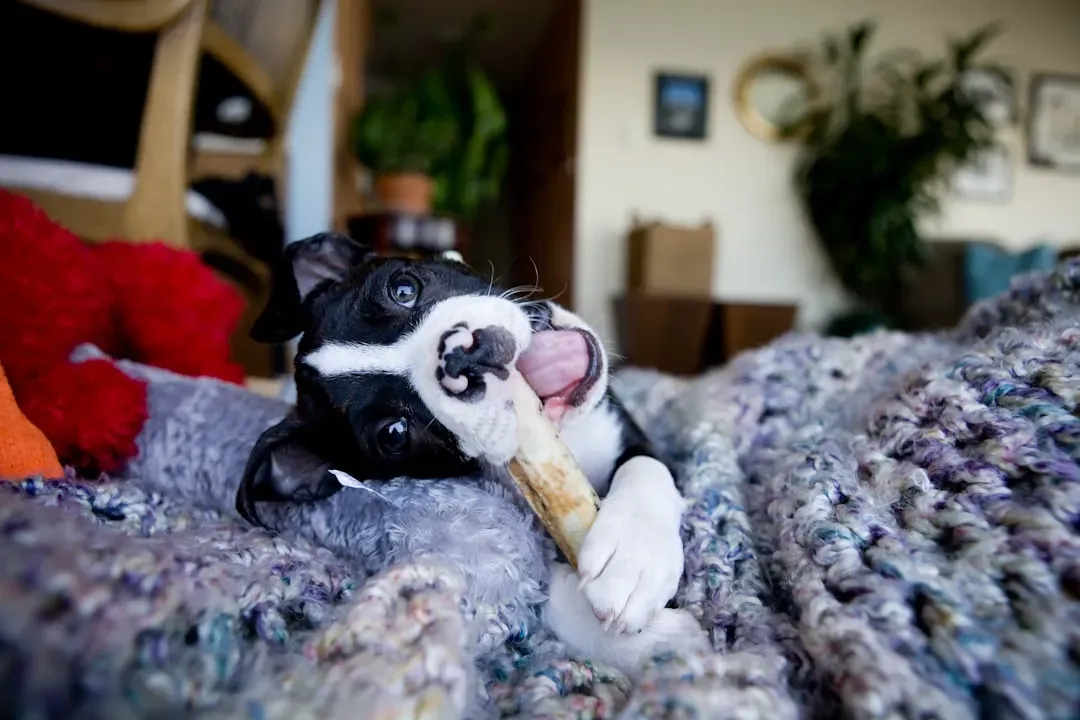
“Puppy teeth are just how they explore” is true. What most owners don’t realize is they’re also teaching, “bite me and we’ll play.” High-pitched “ouch” sounds and wiggling hands read to a puppy as prime playtime feedback.
Fast-forward and you’ve got a mouthy adolescent who nips sleeves and grabs wrists, and it’s much harder to unteach because the habit is already baked in. The better move from day one is calm, boring withdrawal the instant teeth touch skin, then instant redirection to a toy. Puppies repeat what works – so make sure the wrong thing stops working immediately.
Fast Facts
- Puppies are born with zero teeth and grow around 28 needle-sharp baby teeth by about 8 weeks old.
- Those baby teeth start falling out around 3-4 months, replaced by 42 permanent adult teeth by roughly 6 months.
- The mouthiest phase usually peaks during teething, then fades fast once redirection becomes routine.
- Consistent redirection in week one is far easier than correcting an adult dog’s ingrained nipping habit later.
#4 – Giving Free Roam of the House Before It’s Earned
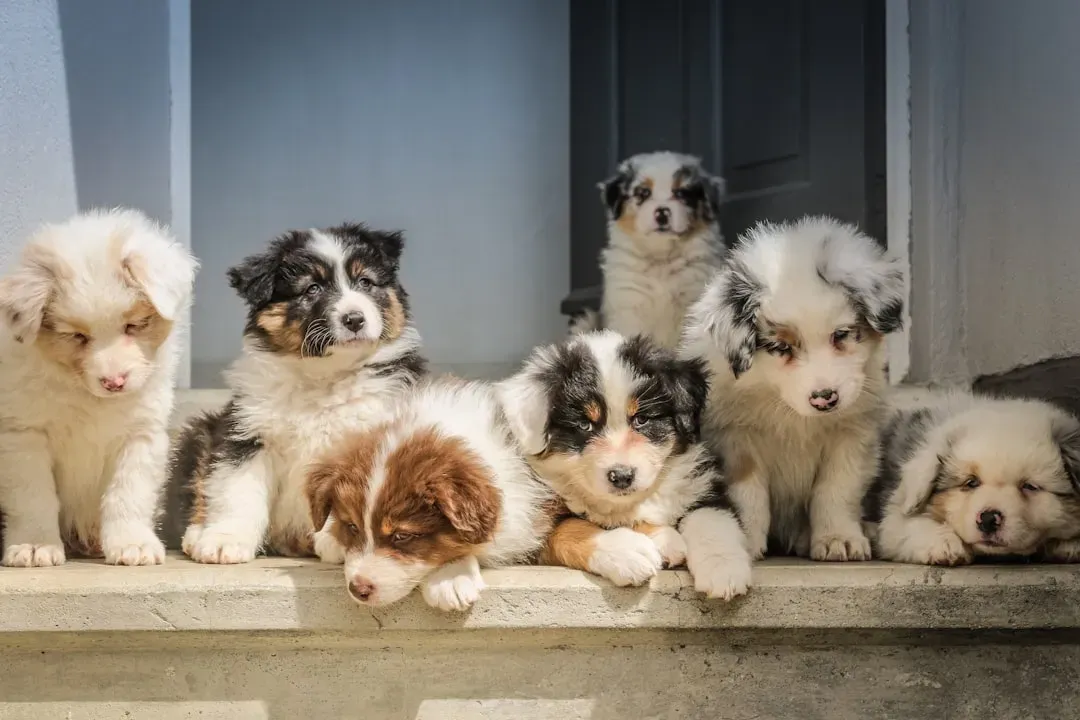
Nothing feels more loving than giving a new puppy “freedom” to explore. That’s also how you hand them a self-guided tour of every future bad habit. Left unsupervised, the puppy learns which sofa tastes best and which corner is perfectly hidden for a sneaky accident.
Every unsupervised success – chewing, counter-surfing, a hidden puddle – teaches them exactly what they can get away with when you’re not looking. A playpen, baby gates, or tethering the leash to your belt isn’t restrictive; it’s clarity. Dogs don’t miss the rooms they never got to practice misbehavior in.
#5 – Constant Physical Contact and Zero Alone Time

Most people dote on a new puppy around the clock, then act shocked when that dog panics the first time it’s left alone. Carrying them everywhere and responding to every whimper feels nurturing, but it has a dark side.
You’re teaching: I am never okay unless a human is touching me. That’s how separation anxiety quietly starts – not from too much love, but from never practicing being safely alone. Smart owners build in short crate time while still home, calm departures, and praise for independent play, so the dog learns confidence doesn’t require a leash to a human.
#6 – Ignoring Early Barking Until It’s “Annoying Enough”
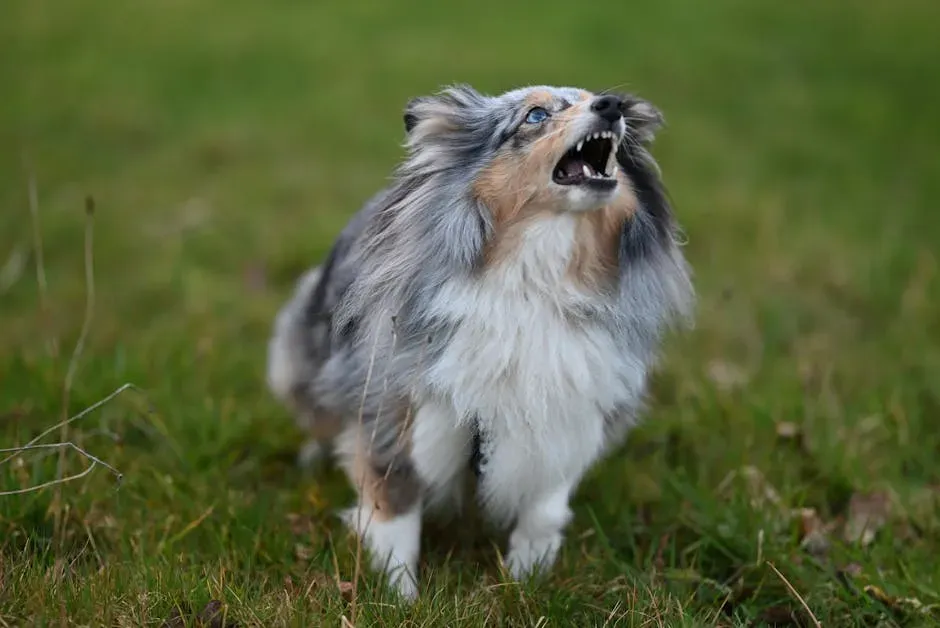
Most owners tolerate a little barking early on, assuming the puppy will grow out of it. Dogs grow into it instead. When people chuckle, film it, or toss a treat to “distract” a barking puppy, they’ve validated barking as a powerful tool.
Then one day, weeks or months later, they snap and start shouting “quiet” – after allowing hundreds of unchallenged repetitions. Mark and reward the silence between barks from week one, and manage triggers like windows and doorbells before the habit ever gets heavily rehearsed. Once barking becomes the dog’s go-to coping strategy, most owners find it feels impossible to reverse.
#7 – Allowing Rough Play With Kids
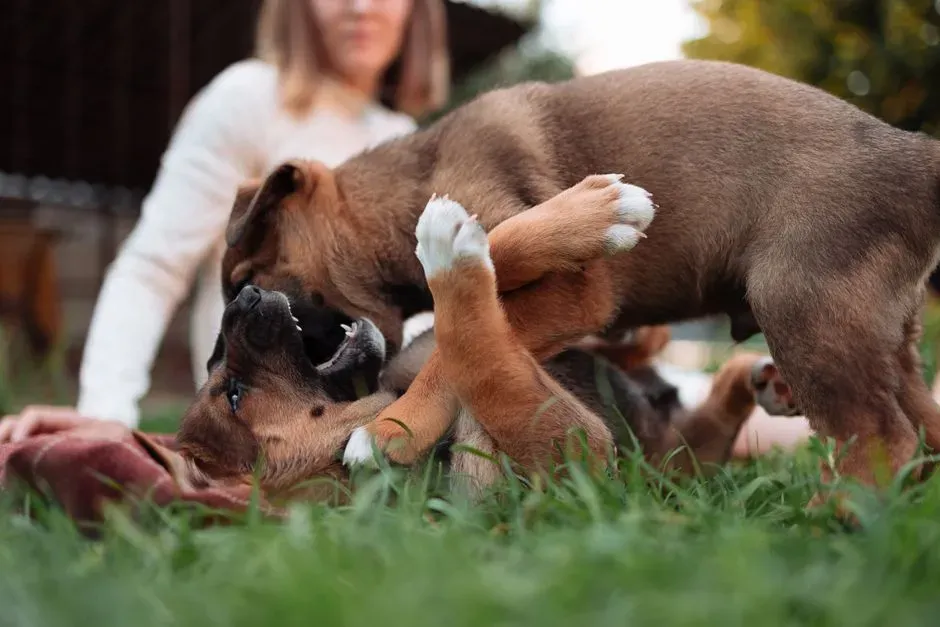
“Let them be best friends” is lovely. “Let them set their own rules” is a disaster waiting to happen. The novelty of a new puppy sends kids into overdrive, chasing and grabbing and hand-wrestling, and the puppy learns that tiny humans are unpredictable chew toys.
The dog isn’t “suddenly aggressive” months later – it’s been over-stimulated and confused about what’s allowed since week one. Kids sitting to interact, puppies earning access through calm behavior, and adults supervising every single second sounds extreme until you realize most biting incidents were rehearsed as “cute” play in those early days.
#8 – Feeding From the Table “Just This Once”

Table scraps in week one look harmless. They aren’t. The opening fortnight is when your puppy logs exactly where food mysteriously appears, and a dropped scrap or a rewarded soft stare gets filed under “begging works.”
That often leads to dogs who hover, drool, and eventually snap if anyone comes near their self-declared jackpot zone. The cleaner pattern is simple: the table never dispenses food, period. Once a dog has a year of reinforcement from human plates, reclaiming peaceful mealtimes feels nearly impossible.
#9 – Skipping Early Handling and Grooming Practice
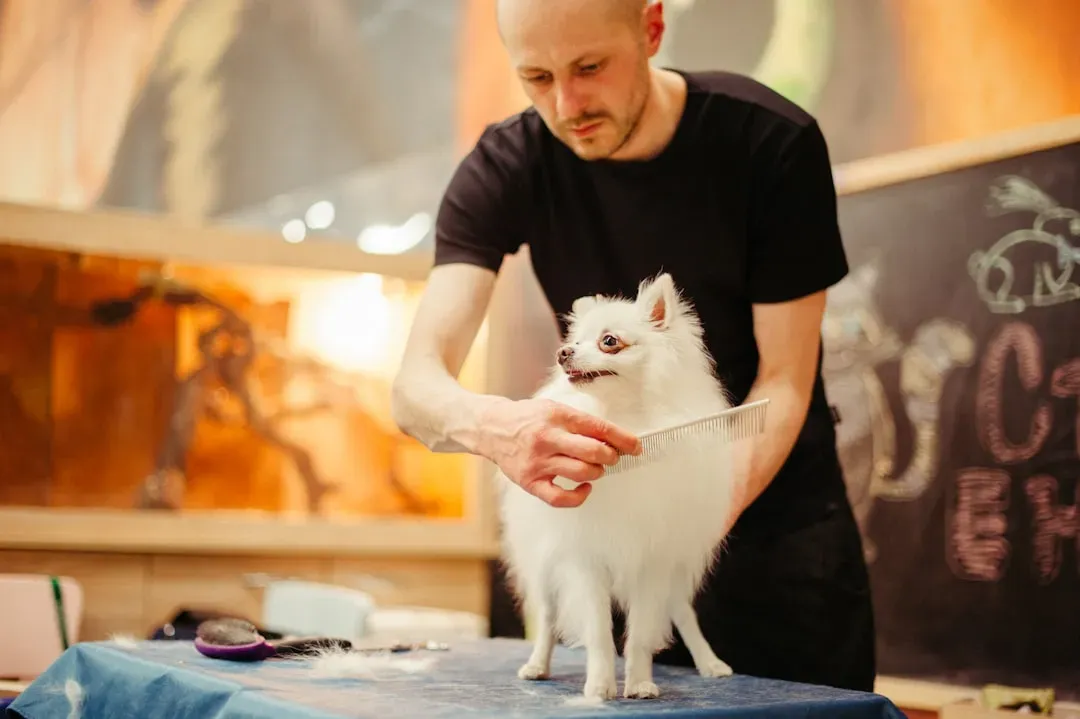
Owners baby puppies for two weeks, then expect adult-level tolerance for nail trims and vet visits. That’s not how it works. Many people are scared to “bother” a new puppy and avoid touching paws, ears, or lips entirely.
To the dog, that means handling only ever happens right before something scary occurs. Later, vet visits become wrestling matches and sedation conversations. Daily, one-minute sessions of touching paws and ears, paired with tiny treats, build a dog who sees handling as normal instead of a threat – and once that fear takes root, undoing it is slow, technical work most owners never fully finish.
#10 – Isolating the Puppy “Until Shots Are Done”
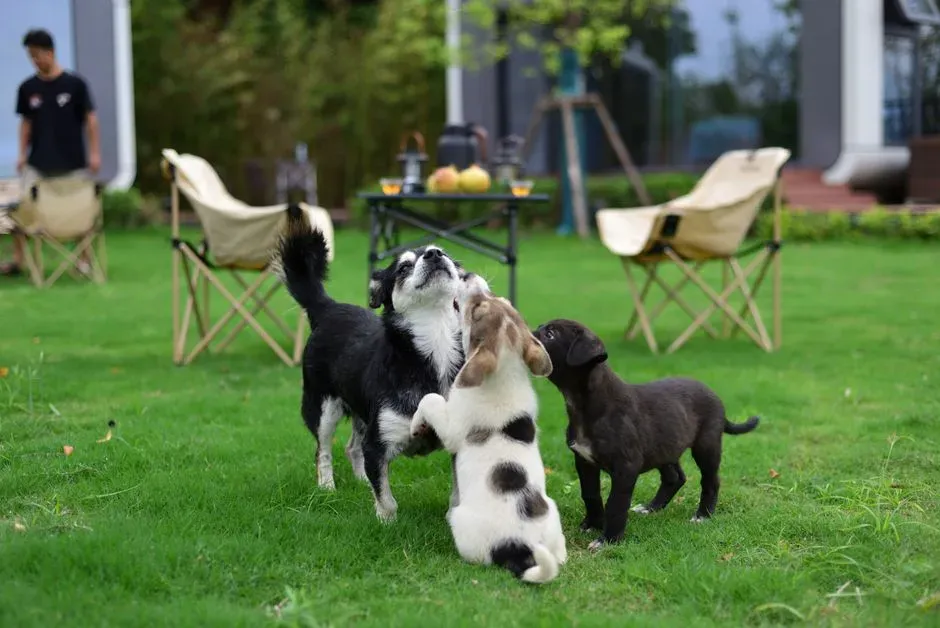
This one is controversial, and it’s where many vets and trainers now quietly disagree with what owners think they heard. Out of fear of disease, some people keep puppies locked at home until every vaccine is complete – sometimes 16 weeks or more.
But the socialization window for most dogs peaks between 8 and 14 weeks, which overlaps almost perfectly with your first fortnight home. If the only experiences are your living room and backyard, your dog’s definition of “normal” becomes tiny. Carrying the puppy to safely watch traffic and people, and rewarding calm curiosity about new sounds and surfaces, does more good than any amount of well-meaning isolation.
At a Glance
- Prime socialization window: roughly 8 to 14 weeks old, right when most puppies come home.
- Core puppy vaccines are typically spaced across several rounds between about 6 and 16 weeks.
- Many vets now advise carefully controlled outings shortly after the first round of shots, not a full lockdown.
- New sights, sounds, and surfaces experienced calmly now shape what counts as “normal” for life.
#11 – Talking Instead of Teaching Clear Cues
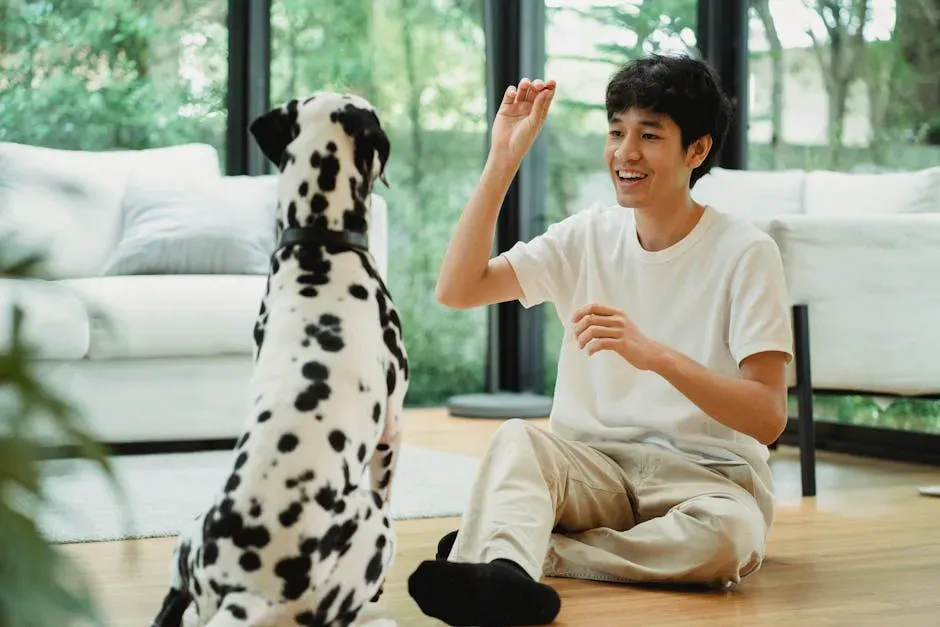
Most owners talk to puppies like small humans, but dogs don’t come pre-installed with English. Constant chatter – “no, don’t do that, stop, hey, come here” – feels natural but reads to a dog as background noise.
You’re accidentally teaching that your voice is static that sometimes predicts attention and sometimes predicts nothing at all. Picking one word per behavior and pairing it with a clear action every single time turns your voice into a meaningful signal instead of a podcast your dog has learned to tune out.
#12 – Letting the Leash Become a Towing Cable
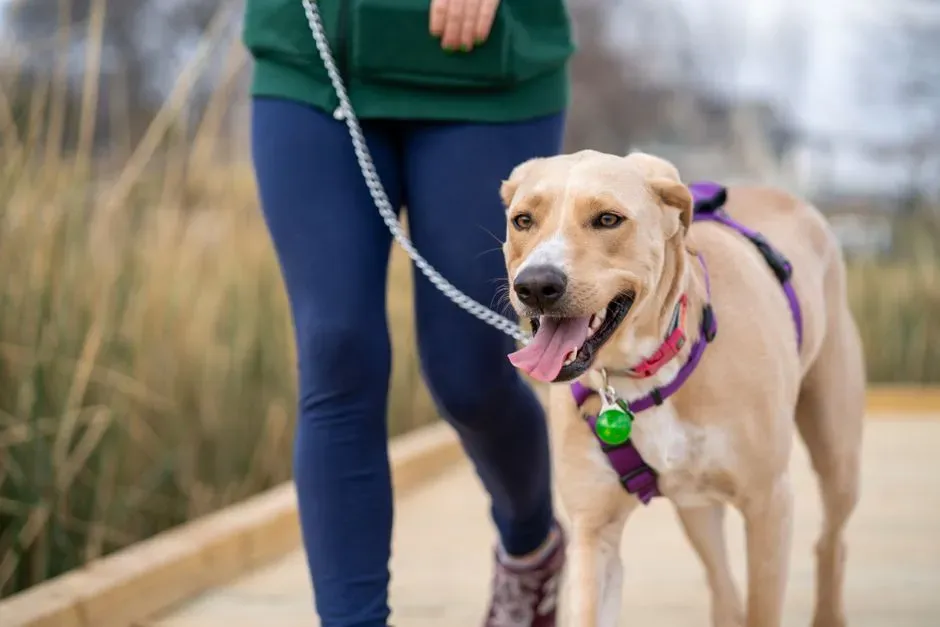
Everyone assumes leash pulling is a “later” problem. It almost always starts in week one, the moment a puppy forges ahead and the owner follows instead of pausing.
From the dog’s view: tension equals progress, and pulling gets them where they want faster. That creates an incredibly durable motor pattern – trying to reverse a year of reinforced pulling is like asking a lifelong sprinter to suddenly walk heel-to-heel. Short, frequent walks where slack leash gets marked and rewarded pay off far more than marathon strolls behind a dragging dog.
Quick Compare
- Loose leash: dog checks in, walks roughly beside you, leash hangs in a soft J-shape.
- Tight leash: dog forges ahead, forward motion becomes the reward for pulling harder.
- Week-one habit: a few reinforced pulls can quietly set the pattern for years of walks.
- Better pattern: pause the instant tension appears, move again only once slack returns.
#13 – Allowing Couch and Bed Privileges Without Rules
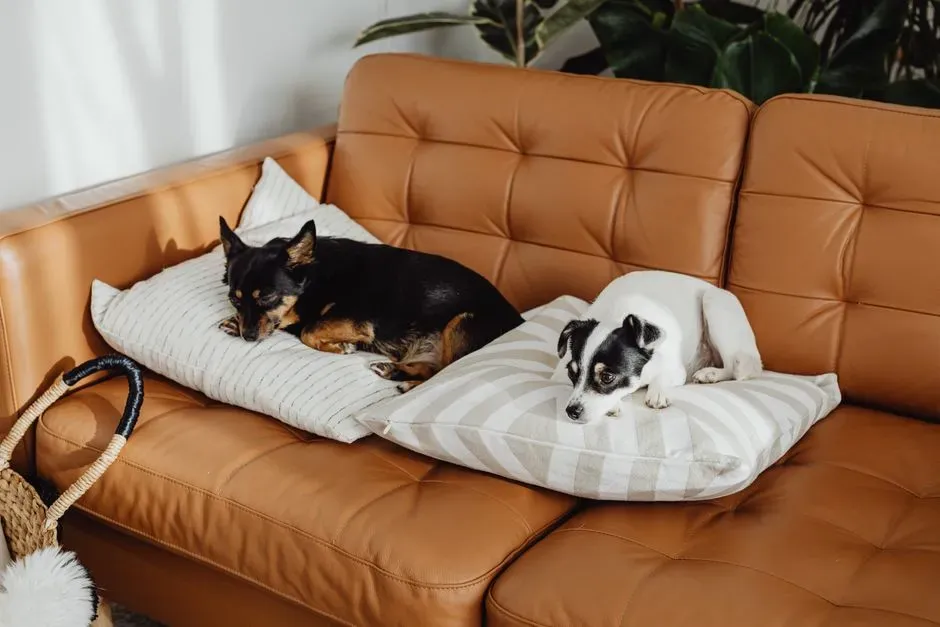
Letting a tiny fluff ball onto the couch feels harmless. Future you might disagree. Soon the dog claims that soft, elevated space as default territory, and when adolescence hits, some dogs start guarding it – growling if moved or if someone else sits down.
Owners are shocked: “he suddenly became dominant on the couch.” Nothing sudden about it. Teaching an “off” cue and treating furniture access as a permission rather than a right means you can revoke privileges later without a household war.
#14 – Laughing at “Resource Guarding Lite”
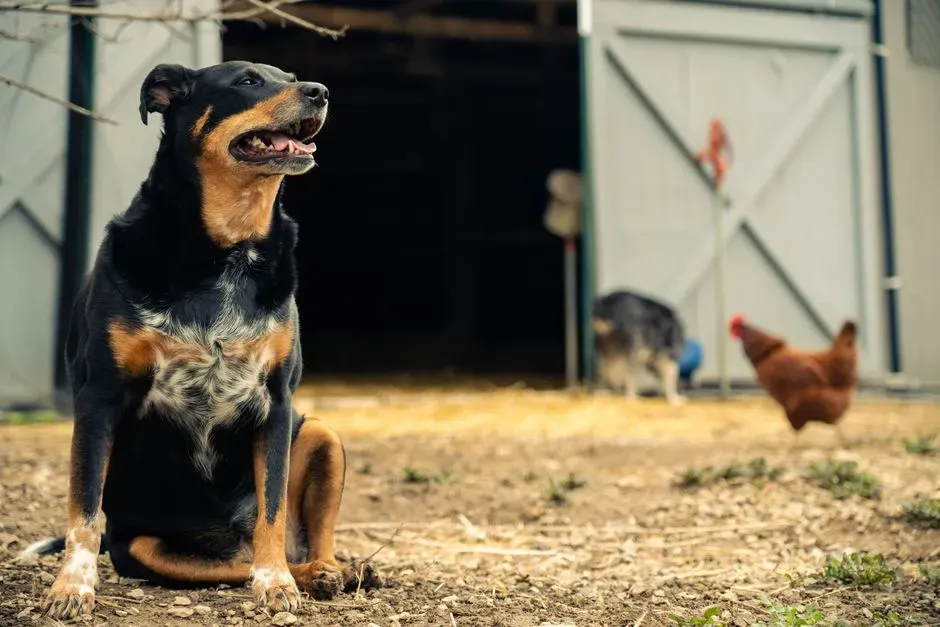
Growling over a toy at 10 weeks often gets filmed, not fixed. Many owners find a puppy freezing over a bone or giving a tiny growl “spicy” or even a sign they’ll make a good guard dog.
Unfortunately, you’re watching the early coding of full-blown resource guarding. If you snatch items away or punish the growl, you teach that humans near resources mean loss or conflict. Trading up with a better treat and respecting the growl as information, not defiance, teaches the opposite – and it matters, because rescues are full of dogs whose early guarding was once dismissed as cute.
#15 – Letting Commands Be Optional
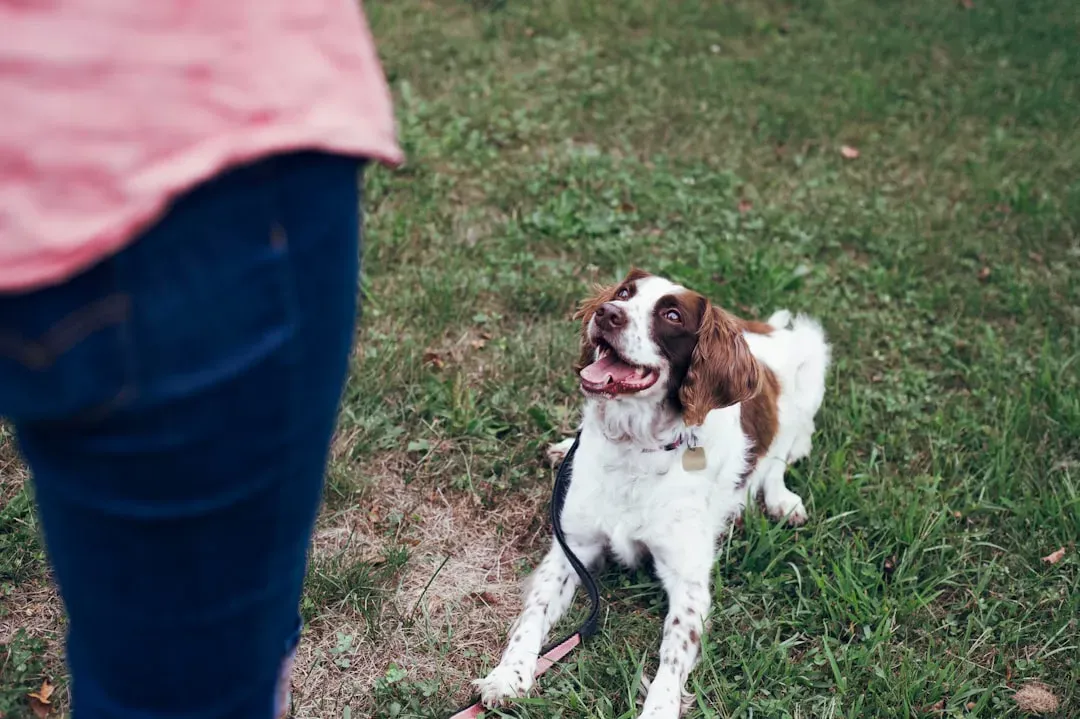
“Sit… sit… I said sit… come on, SIT” is how most people accidentally teach that compliance is negotiable. Cues get thrown out when owners are rushed or the puppy is too overwhelmed to listen, and nothing happens when it’s ignored.
You’ve just taught that words are suggestions. Only giving a cue you can help the puppy succeed on, then following through every time, builds the opposite lesson. Once a dog has banked months of ignoring known cues, you’re not tweaking behavior anymore – you’re rebuilding your entire communication system from scratch.
#16 – Comforting Fear in Ways That Reinforce It
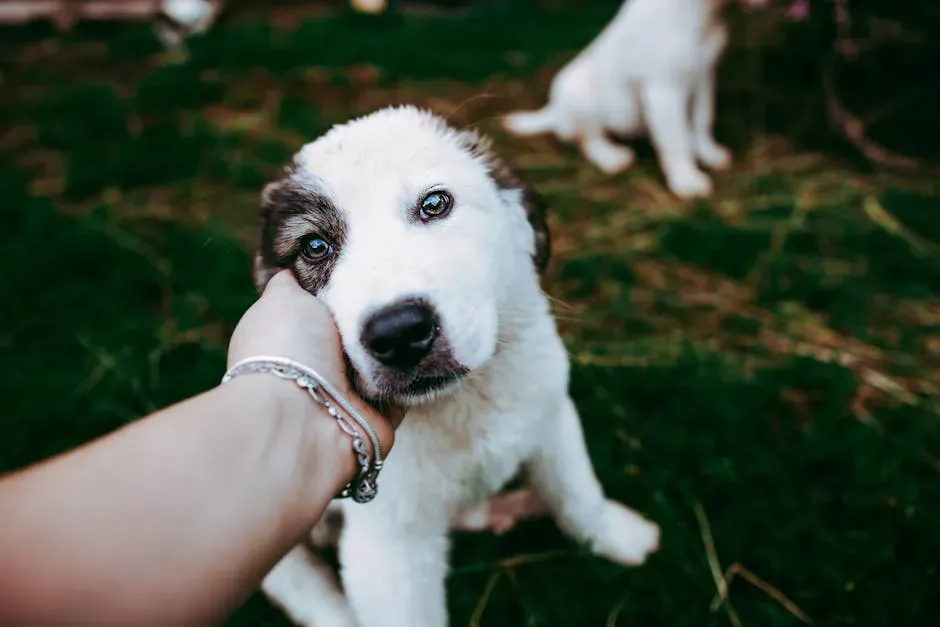
Most owners do what feels kind when a puppy is scared. Sometimes it backfires. The first thunderstorm or vacuum cleaner sends the puppy startling, and the instinctive scoop-up-and-coo response sends an unintended message.
The dog learns that being worried is a great way to get intense human focus, and that scary things never get the chance to turn neutral. Staying calm, pairing the scary thing with treats at a safe distance, and rewarding a quick check-in over clinging teaches bravery instead of performance anxiety – and once a dog learns to perform fear for comfort, untangling real fear from habit becomes serious, specialist-level work.
Worth Knowing
- Common early triggers include thunderstorms, vacuums, doorbells, and sudden loud noises.
- Comfort and reinforcement look identical in the moment – the difference is timing and tone.
- Calm, low-key acknowledgment teaches a scary sound is survivable; frantic soothing teaches it’s a big deal.
- Genuine fear tangled up with attention-seeking habits is far harder to unravel later than either issue alone.
#17 – Letting Inconsistency Become the Norm
The hardest habit to undo isn’t a specific behavior at all – it’s the meta-habit of unpredictability. In the opening fortnight, many households run on vibes: the couch is allowed sometimes, jumping is tolerated by one family member and punished by another.
Dogs are world-class pattern detectors, but you’re feeding them conflicting patterns, and that breeds a “stubbornness” that’s really just confusion. The dogs that look most impossible to train usually come from homes where the rules shifted daily. Pick a few simple non-negotiables in week one and get the whole household to agree, because once inconsistency becomes their baseline, every new rule you introduce feels suspect.
The uncomfortable truth is that most “hard-wired” dog problems are owner-taught in the first 14 days, and almost always through love rather than malice. We reward over-excitement, we accidentally breed separation anxiety, we laugh at early guarding, and we let barking and pulling rack up thousands of free repetitions before a trainer ever gets a phone call.
None of this is about becoming a drill sergeant. It’s about trading accidental for deliberate – calm over hype, structure over chaos, clarity over “he’ll grow out of it.” People will insist their dog “turned bad” out of nowhere, but the truth is far less mysterious: the pattern almost always started in that opening fortnight, back when nobody was watching closely enough to notice what they were teaching. So which of these 17 did you already teach without knowing it – and which one do you suspect will be the hardest to walk back?