
13 Moments From a Walk That a Dog Replays for the Rest of the Afternoon
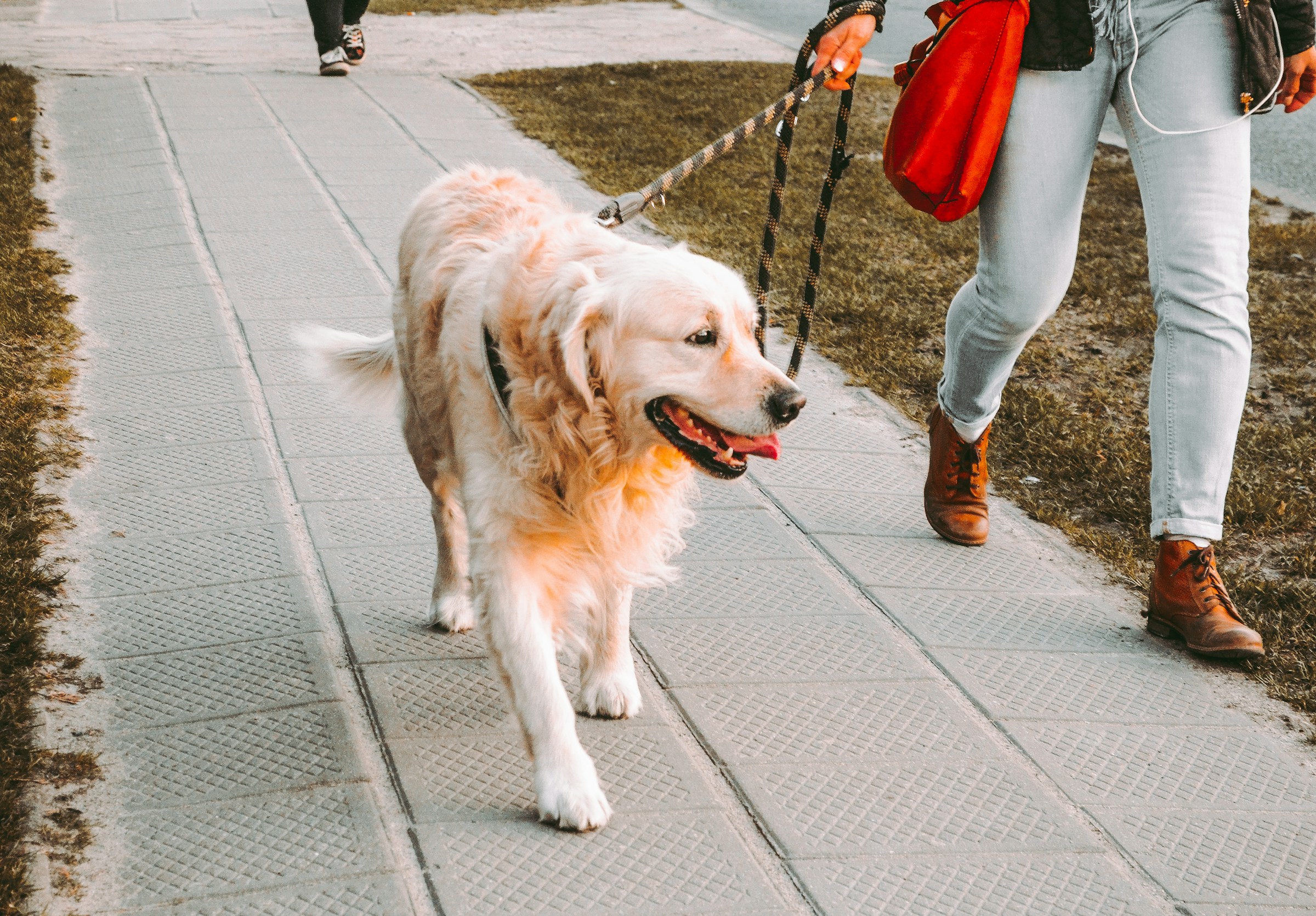
You flop onto the couch. Your dog flops down half a second later, eyes glazed, looking completely checked out. Most people read that as “nap time, nothing left upstairs.” The truth is almost the opposite.
Behavior research suggests your dog’s brain is still running – quietly replaying the walk in fragments, like a highlight reel stitched from scent, sound, and split-second emotion. That trash can they stared at a little too long. The squirrel that almost got caught. The stranger you talked to for way too long. Some of those moments get replayed so hard, your “sleeping” dog is actually still out there, mentally, for hours. Here are the 13 moments doing the looping.
#13 – The Door Opening: “Game On”
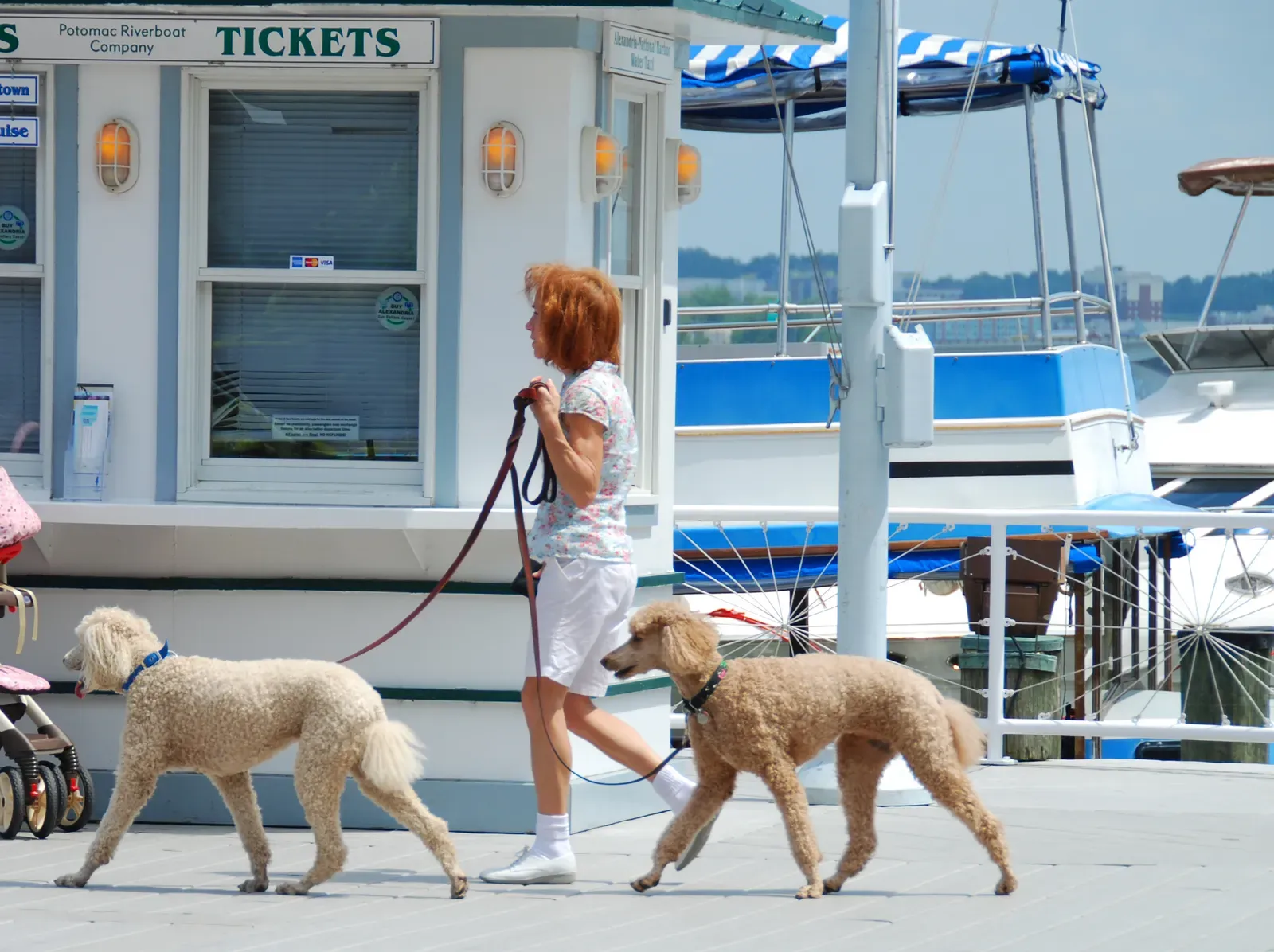
For your dog, the walk doesn’t start at the sidewalk. It starts the second your hand touches the leash clip. That tiny metallic click is basically the “autoplay next episode” button in their brain – heart rate spikes, tail flips into helicopter mode, pupils go wide.
They also clock how you open that door. Rushed and chaotic gets encoded as “stay wired, stay alert.” Calm, with a pause for a sit, gets encoded as “controlled and safe.” Later, sprawled on the rug, one jingle of keys can yank them straight back into that exact moment – which is why some dogs bolt upright at sounds that have nothing to do with an actual walk.
Fast Facts
- Dogs’ hearing range extends roughly four times farther than a human’s, so a leash clip or jingling keys register almost instantly.
- A dog’s nose holds up to 300 million scent receptors, compared to about 6 million in humans.
- Tail height, ear position, and pupil size are the fastest visible clues that a dog’s excitement – or stress – is spiking.
#12 – The First Scent Patch: “Checking the News”
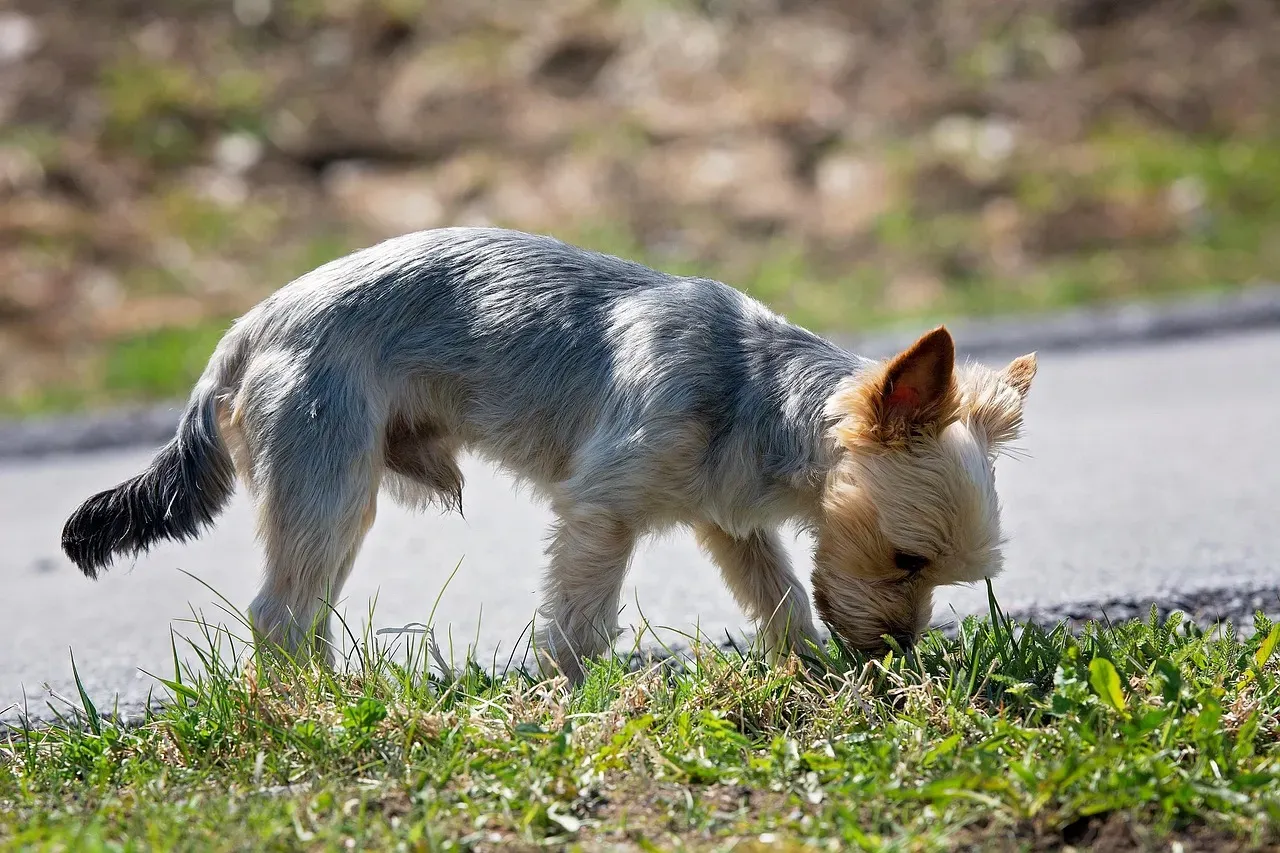
That first patch of grass or suspicious tree stump isn’t “pee time.” It’s your dog opening their social feed. Dogs can decode who passed through, roughly when, and even how that other animal was feeling – all from one deep inhale. It’s a neighborhood group chat, just written in chemistry instead of text.
This is also where a lot of us make our first mistake: yanking the leash because we’re in a hurry. That’s the equivalent of slamming their phone shut mid-sentence. Get home after a rushed first sniff, and you’ll often see it – pacing, sighing, glancing back at the door, like there’s an unread message they never got to finish.
#11 – The Sudden Noise: “Was That Danger?”
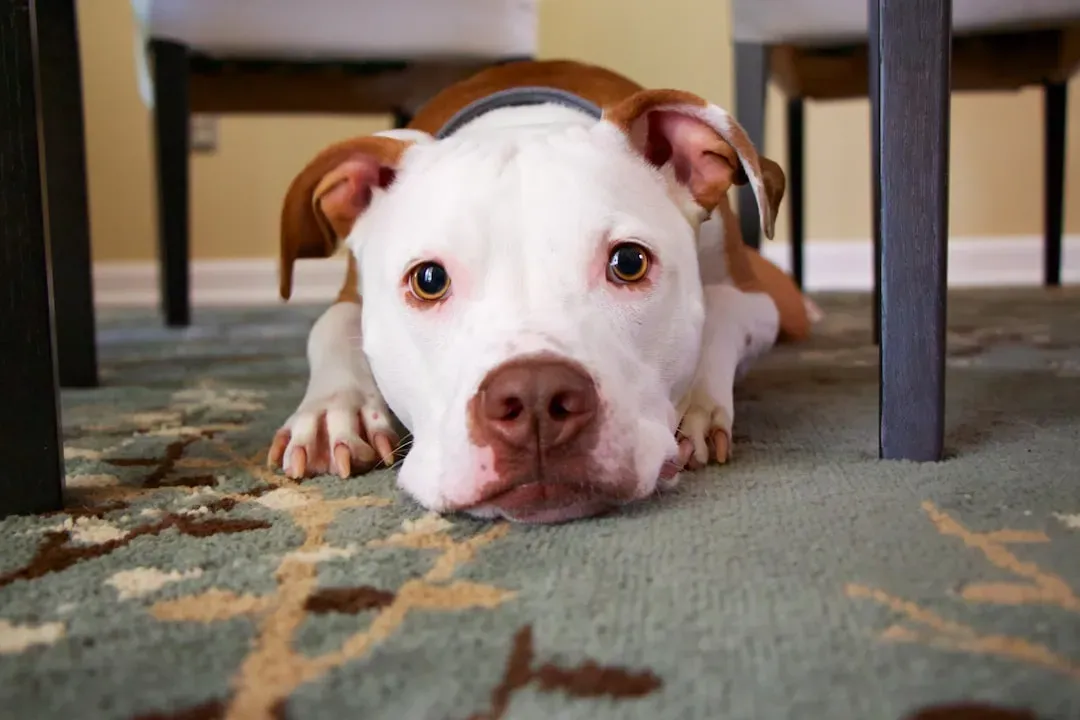
Most people underestimate how loud the world actually hits a dog. A dropped trash can lid, a motorcycle backfiring, a skateboard scraping past – one jarring sound can echo in their nervous system for hours. Their hearing is sharper than ours, and it’s built to flag sudden change first, ask questions later.
Even if your dog seems “over it” five minutes later, the replay is often still running quietly. Watch for the tells:
- A sudden ear twitch at a similar sound on TV
- Going stiff again when that same garbage truck rolls by tomorrow
Pause, say something low and steady, give them a beat to process – and you help rewrite the memory as “scary, but survivable.” Rush them past it, and that one noise can quietly become the headline of the entire walk.
#10 – The First Dog Encounter: “Friend, Rival, or Weirdo?”
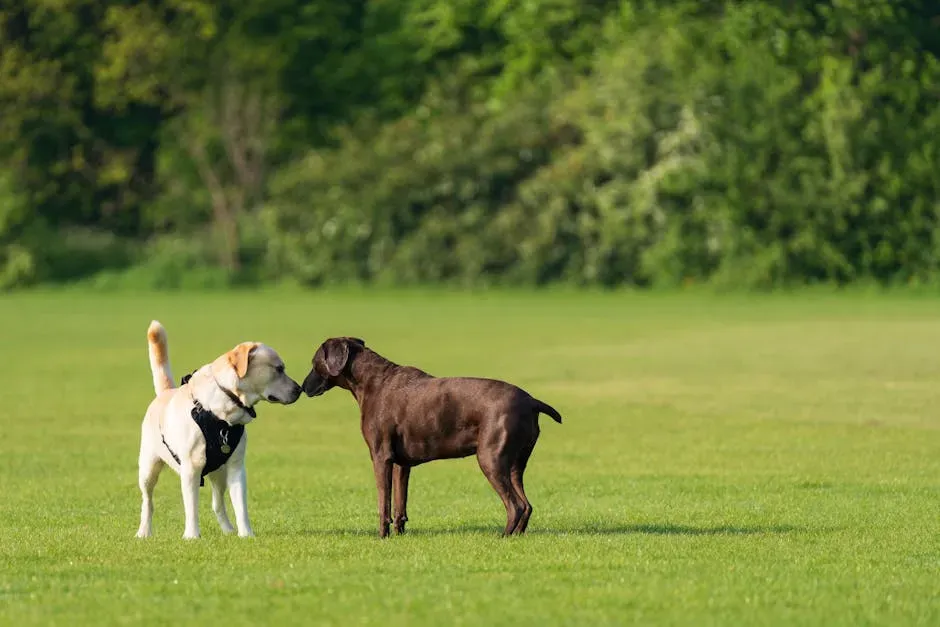
You see “oh, another dog.” Your dog is running a full personality read in about two seconds – body posture, tail height, eye contact, approach speed. That first encounter often sets the emotional tone for everything that follows.
Loose bodies and soft eyes get filed as a social win, which is why some dogs come home from a five-minute walk practically glowing – they didn’t just exercise, they networked. But a lunge, a hard stare, or an in-your-face greeting can send them spiraling on that one interaction for the rest of the afternoon. Here’s the uncomfortable part: plenty of “reactive” dogs aren’t aggressive by nature – they’re just replaying a string of bad greetings, and many trainers argue dogs need fewer, better-quality interactions, not more.
Quick Compare
- Good first greeting: loose, wiggly body, soft eyes, curved approach, brief sniff-and-move-on.
- Rough first greeting: stiff body, hard stare, head-on approach, prolonged fixation.
- What it predicts: that opening interaction often shapes how relaxed or reactive a dog stays for the rest of the walk.
#9 – The Forbidden Sniff: “The One That Got Away”
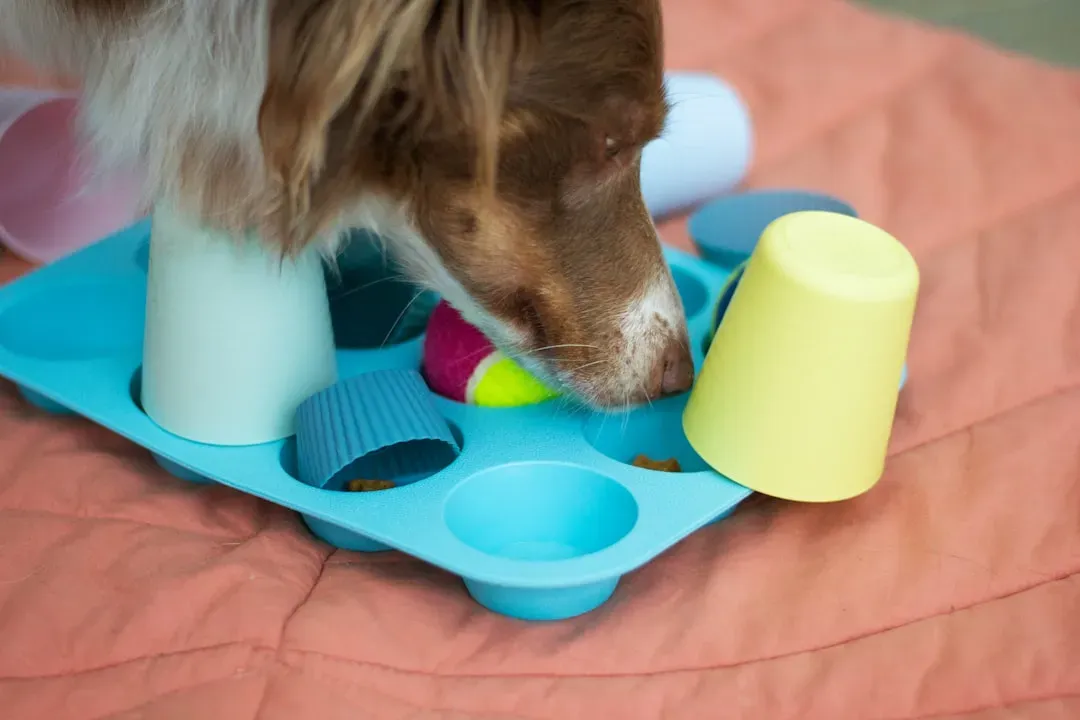
Think of the last time you scrolled past something interesting, told yourself you’d come back to it later, and then thought about it all day anyway. That’s your dog with every sniff you cut short. The overflowing trash can. The mystery bush. The lamppost that clearly has a story.
You tug them along, they crane their neck back, maybe whine – and now that scent story is unfinished, sitting in their head like a closed laptop mid-email. At home, that unresolved curiosity often surfaces as:
- Extra pacing after the walk ends
- Random little huffs or frustrated sighs
- Repeated glances at the door, like they’re angling for a rematch
Letting them finish the sniff within reason isn’t spoiling them – it’s closing the tab.
#8 – The Startle-and-Recover Moment: “Am I Safe With You?”
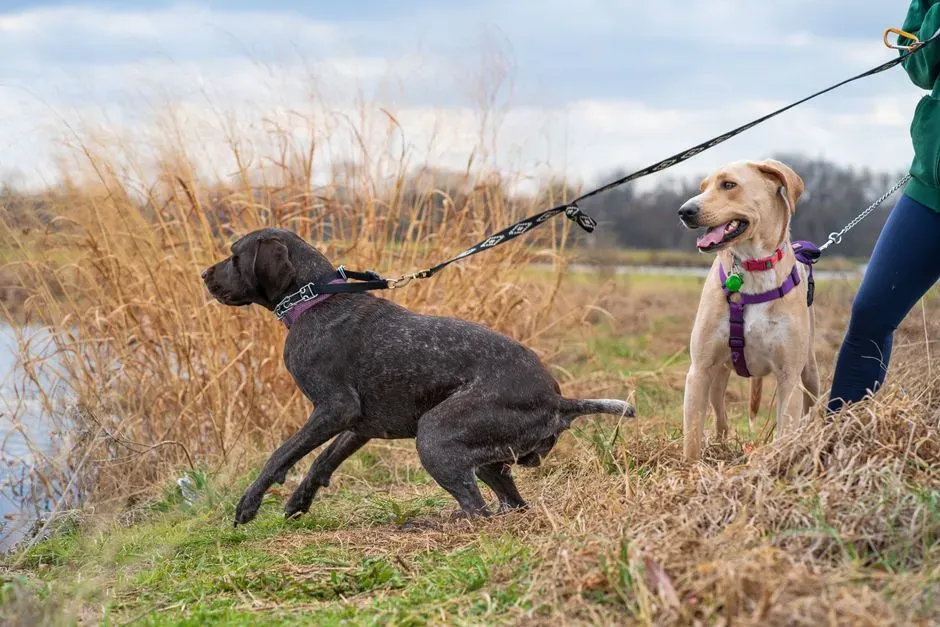
Every walk has one weird jump-scare – a plastic bag skitters, a bike whips too close, a kid darts out of nowhere. The scary thing itself barely matters. What your dog actually files away is what you do in the ten seconds right after.
Tighten the leash, snap, or drag them forward, and the lesson lands as “scary things happen, and my human gets tense too.” That’s how small startles quietly grow into bigger phobias over time. Soften your voice instead, give them a second to look and breathe, and something rewires: “scary thing happened, but we handled it together.” That’s a memory worth replaying – and often you’ll catch the proof later, a full-body shake as they settle in, literally shaking off the stress before it can stick.
#7 – The Random Human Interaction: “You Picked Them Over Me?”
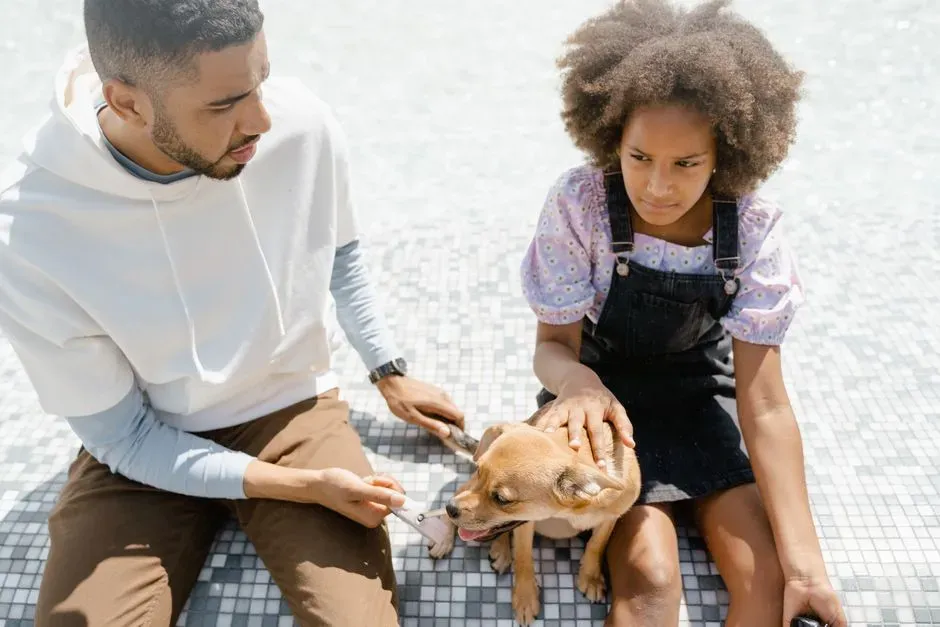
Here’s an uncomfortable one: some dogs are quietly jealous on walks. The second you stop to chat with a neighbor, your dog starts calculating exactly where they rank on your attention list.
If the stranger fusses over your dog too, it can become a genuine highlight – “walks mean new fans.” But a seven-minute conversation with a tight leash and zero acknowledgment can register as a small, weird betrayal. Watch for the signs next time:
- Obsessive sniffing that starts the moment you begin talking
- Freezing, yawning, or leaning away from the person
A quick check-in mid-conversation – their name, a glance, maybe a treat – is often all it takes to turn that scene back into a good one.
#6 – The “Almost” Chase: “I Could’ve Had That Squirrel”
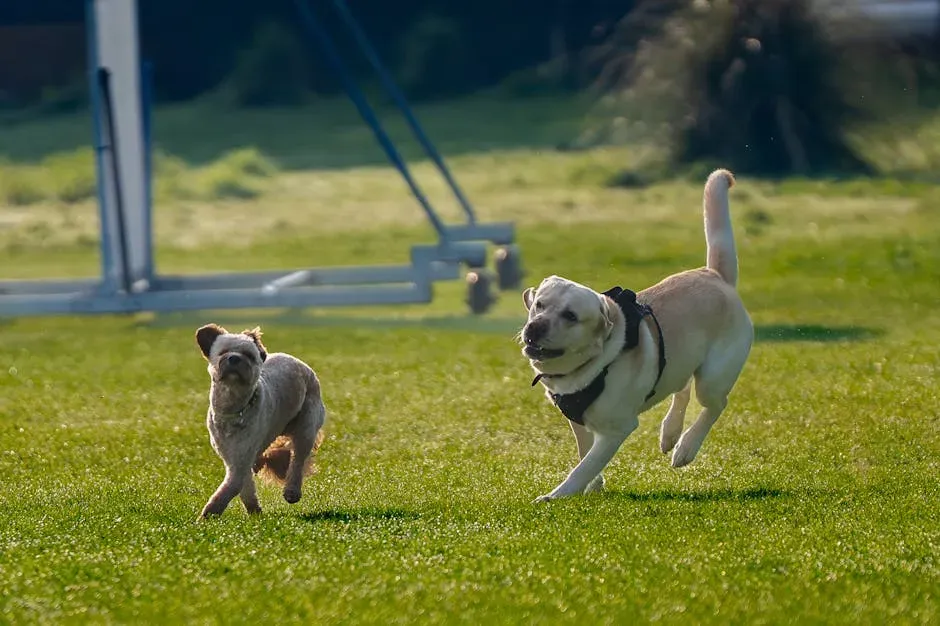
Every dog is carrying around one fantasy chase that never quite happened. Squirrel, rabbit, blowing leaf – the second a chase becomes possible, ancient predatory circuits flip on instantly. You see a harmless squirrel. Your dog sees a full cinematic sequence: stalk, charge, catch.
When the leash yanks that fantasy short, the adrenaline doesn’t just evaporate – it lingers, which is exactly why so much “naughty” post-walk behavior (zoomies, mouthing, attacking a pillow) is really just unspent chase energy looking for somewhere to go. Dogs will replay the details obsessively:
- The exact flick of the squirrel’s tail
- The moment the leash snapped tight
- Whether your voice stayed calm or turned into yelling
Short bursts of tug or fetch at home can give that fantasy somewhere to land instead of replaying on a loop all afternoon.
#5 – The Tough Terrain: “I Trusted You With My Feet”
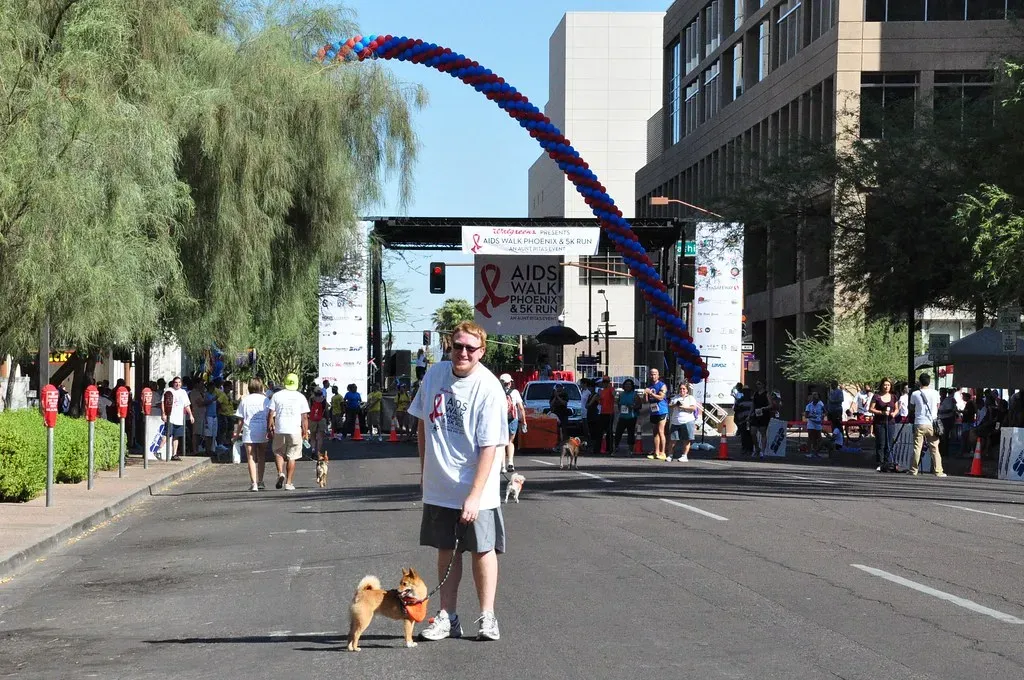
Sidewalks, gravel, hot pavement, ice – your dog’s paws register every shift in footing far more than we assume. One bad step, too hot or too sharp or too slick, can become a memory they reference the next time you approach that exact spot.
Watch closely on your next walk. Do they hesitate at certain patches? Hug the grass instead of the concrete? That’s not stubbornness – it’s learned caution, and it replays physically too. Vets routinely point out that plenty of owners still walk dogs on pavement hot enough to burn, simply because it doesn’t feel that extreme through shoes. Press the back of your hand to the ground for five seconds before you head out – if it’s uncomfortable for you, it’s worse for them. That one habit can flip the memory from “I survived that route” to “my human actually watches out for me.”
Worth Knowing
- Asphalt can run far hotter than the surrounding air temperature on a sunny afternoon.
- The five-second hand test on pavement is a simple, commonly recommended way to check if the ground is too hot for paws.
- Dogs that repeatedly hesitate or hop across one type of surface are often showing learned caution, not stubbornness.
#4 – The “You Noticed Me” Check-In: “We’re a Team”
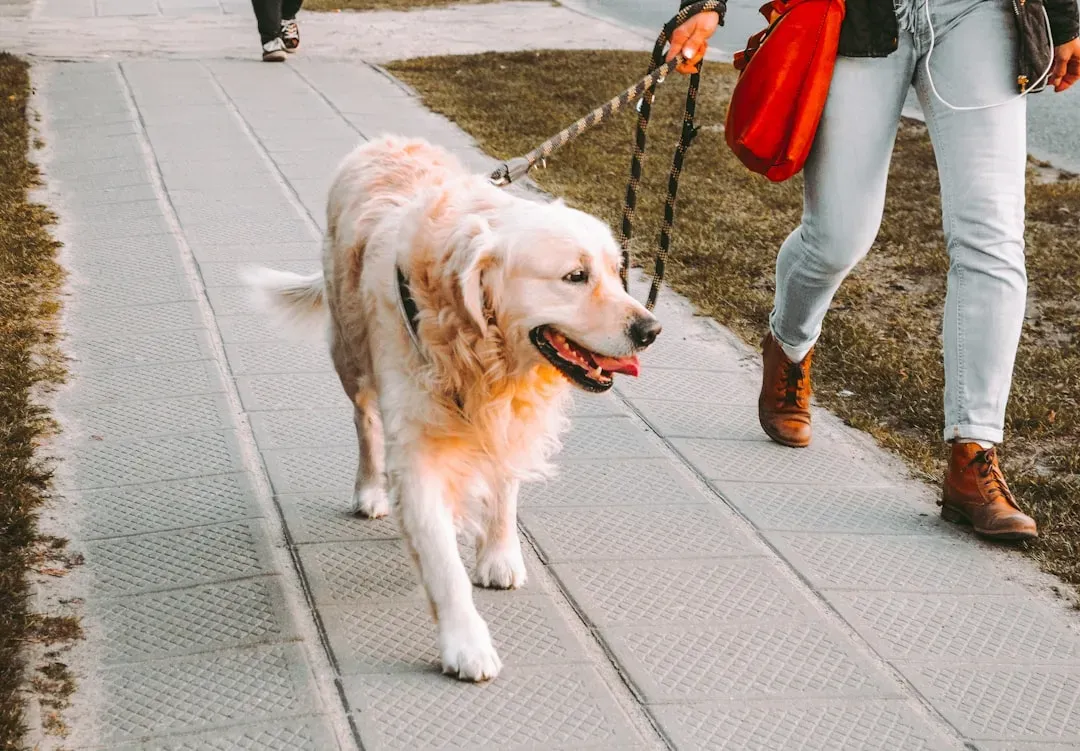
One of the quietest, most powerful moments on any walk is the one nobody talks about: you glance down, say their name, and they look right back. No command, no pressure – just a two-second “hey, you and me, right?”
Reward that glance with a smile or a soft word, and you reinforce that checking in on you is worth it. Dogs who get these tiny connections tend to walk calmer overall, because they’re not out there managing the entire world solo. Ignore it consistently, though, and dogs often get more frantic and pull-y over time – they’ve learned you’re physically present but mentally somewhere else. Back home, these check-ins replay as little safety snapshots, the difference between a walk that drains a dog and one that actually settles them.
#3 – The Route Change: “Plot Twist!”
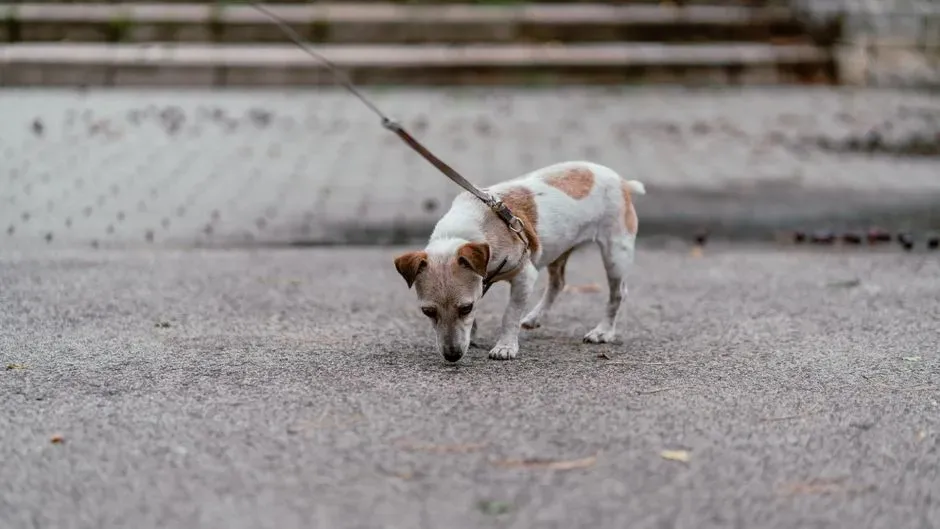
Dogs love routine for a different reason than we do – a familiar route lets them re-check old scents and update their mental map with almost no effort. A sudden change, a new street, the loop walked in reverse, forces their brain to actually pay attention instead of coasting.
Dogs who never see variety can get oddly rigid, stressed out by the smallest deviation. Dogs given a healthy mix of familiar and new build richer mental maps and better coping skills. Watch the reaction next time you take a different turn:
- Ears perked, sniffing intensifies = engaged curiosity
- Tail tucked, constant looking back = mild stress
That fresh route becomes an afternoon-long processing project – your dog isn’t just physically tired later, they’re mentally downloading a whole new episode of the neighborhood.
#2 – The End-of-Walk Ritual: “Do You Ever Really Finish It?”
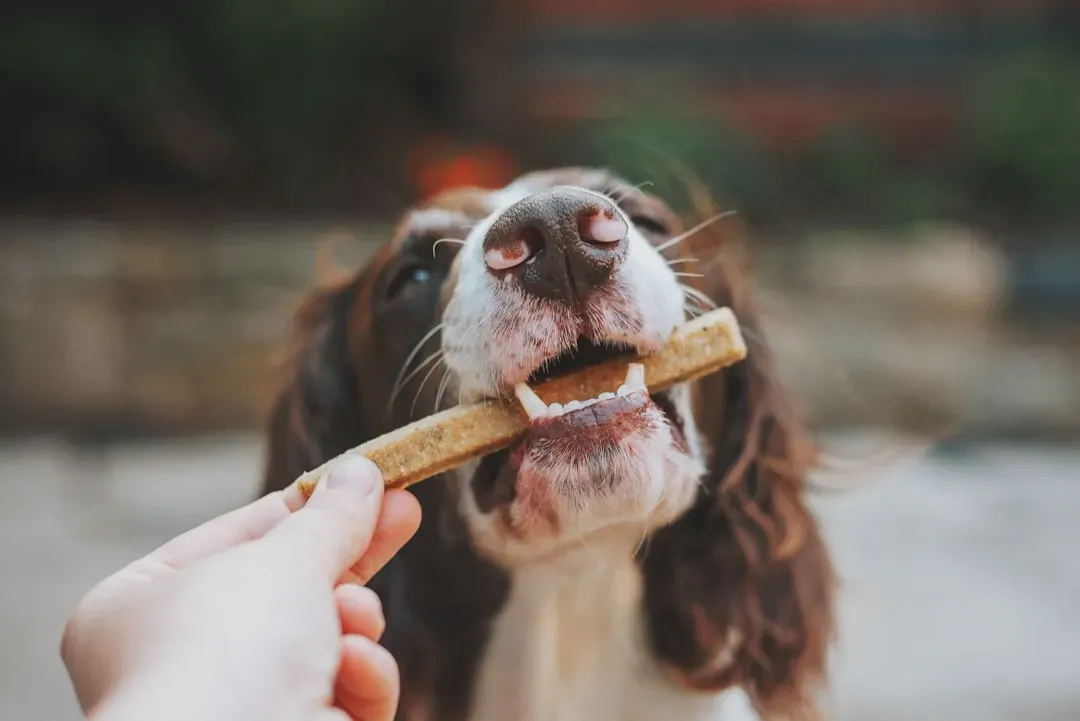
Most owners think the walk ends the second they step back inside. For a dog, the ending is defined by whatever pattern happens next – and that ritual colors how the entire walk gets remembered.
If the routine is always “burst through the door, leash yanked off, human vanishes into their phone,” don’t be surprised if walks start to feel emotionally flat over time. But keep something small and consistent right after – a calm sit followed by a treat, a quick cuddle on the floor, a water refill with a little praise – and their brain tags the whole walk with a satisfying “and then.” That’s often why some dogs drag you toward the door near the end: they’re not done with the walk, they’re racing toward the finale.
At a Glance
- Rushed ending: leash yanked off, human instantly distracted – the walk gets remembered as unfinished.
- Calm ending: a brief sit, water, a few seconds of praise – the walk gets remembered as complete.
- Why it matters: those last few minutes often shape how settled or restless a dog feels for the rest of the afternoon.
#1 – The Moment You Match Their Pace: “You Finally Get Me”
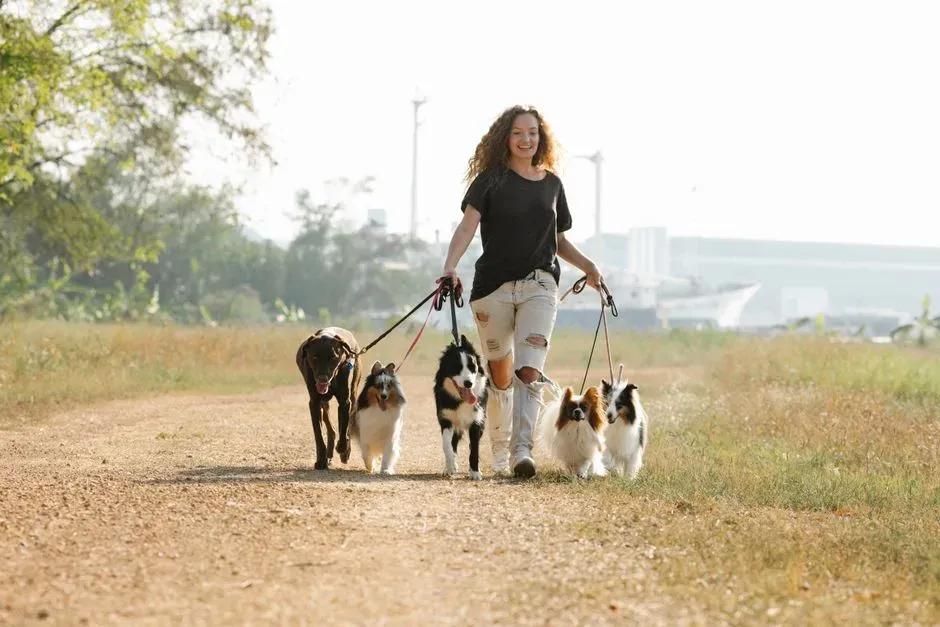
The most replayed moment on any walk isn’t the squirrel, the other dog, or the park. It’s the instant you actually sync up with your dog – physically and emotionally, at the same time.
That might mean slowing down so an older dog can sniff without being rushed, or picking up the pace so a young dog can move the way their body is begging to. It might just mean pausing so they can process a scary truck instead of getting dragged past it. When your pace and energy line up with theirs, the leash slackens, their breathing evens out, and they look up at you like a partner instead of an anchor.
The relationship between a person and a dog is really a story of two nervous systems learning to move together.
Patricia McConnell, animal behaviorist
That short stretch of actually walking together, not just side by side, is the scene their brain keeps returning to as they drift off later – not the distance, not the route, just the feeling of being truly matched.
The Bottom Line
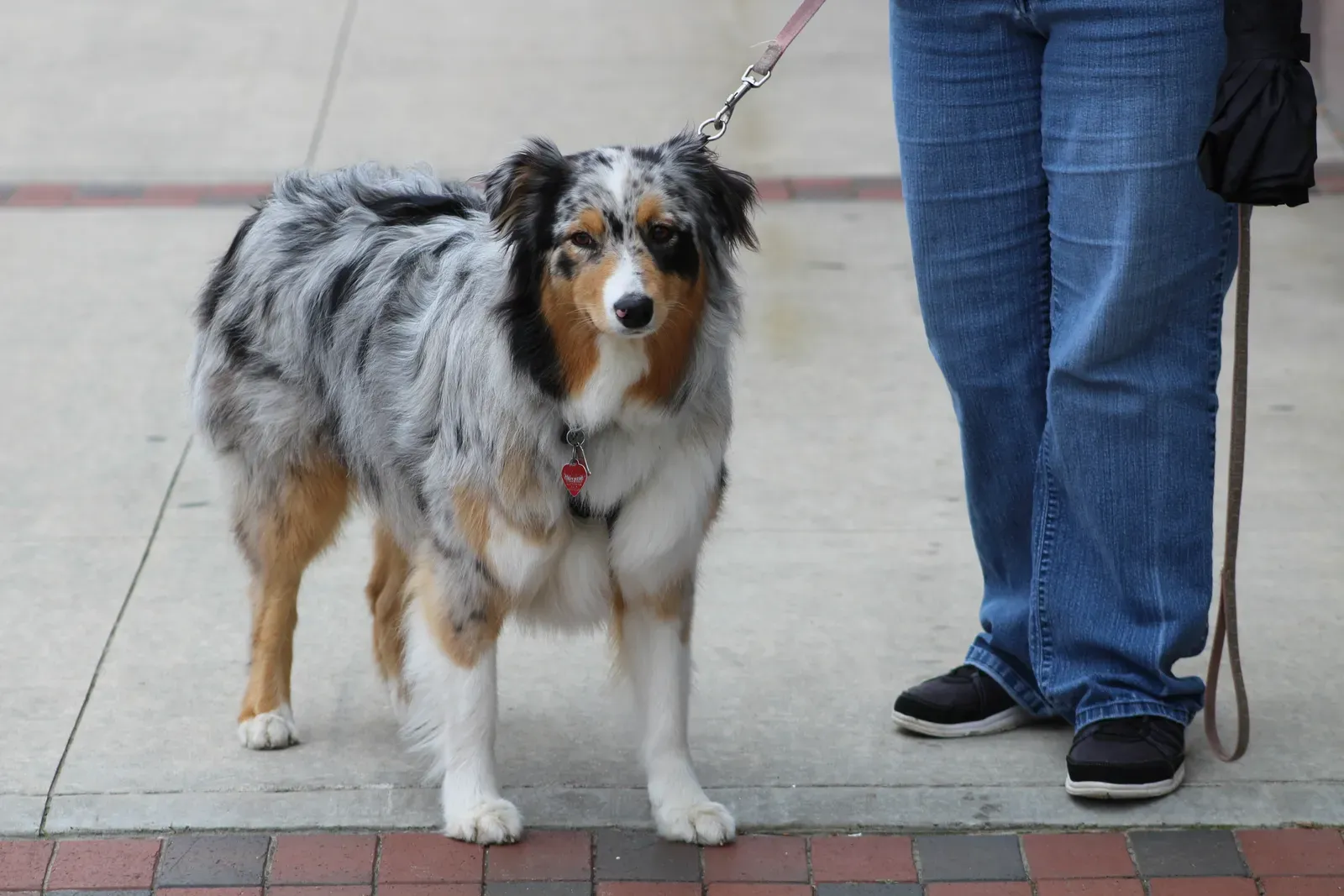
A dog walk was never really about the block or the mileage. It’s a dense little emotional storyline your dog keeps replaying long after the leash comes off – a clanging truck, a cut-short sniff, a tense greeting, your phone call on the corner. Each one either builds trust or quietly chips away at it.
Here’s the uncomfortable part most owners skip past: dogs that come home wired, anxious, or “never tired” usually aren’t under-exercised. They’re emotionally unfinished. The walk gave them more to process than you gave them time to settle.
You don’t fix that with a longer walk. You fix it by paying attention to the scenes you’re actually handing your dog – the rushed sniff, the yanked leash, the ignored glance. Better walks aren’t longer. They’re just more honest about what your dog is really carrying home.