
What a Dog Reads in a Stranger Will Surprise You 10 Details It Clocks Instantly
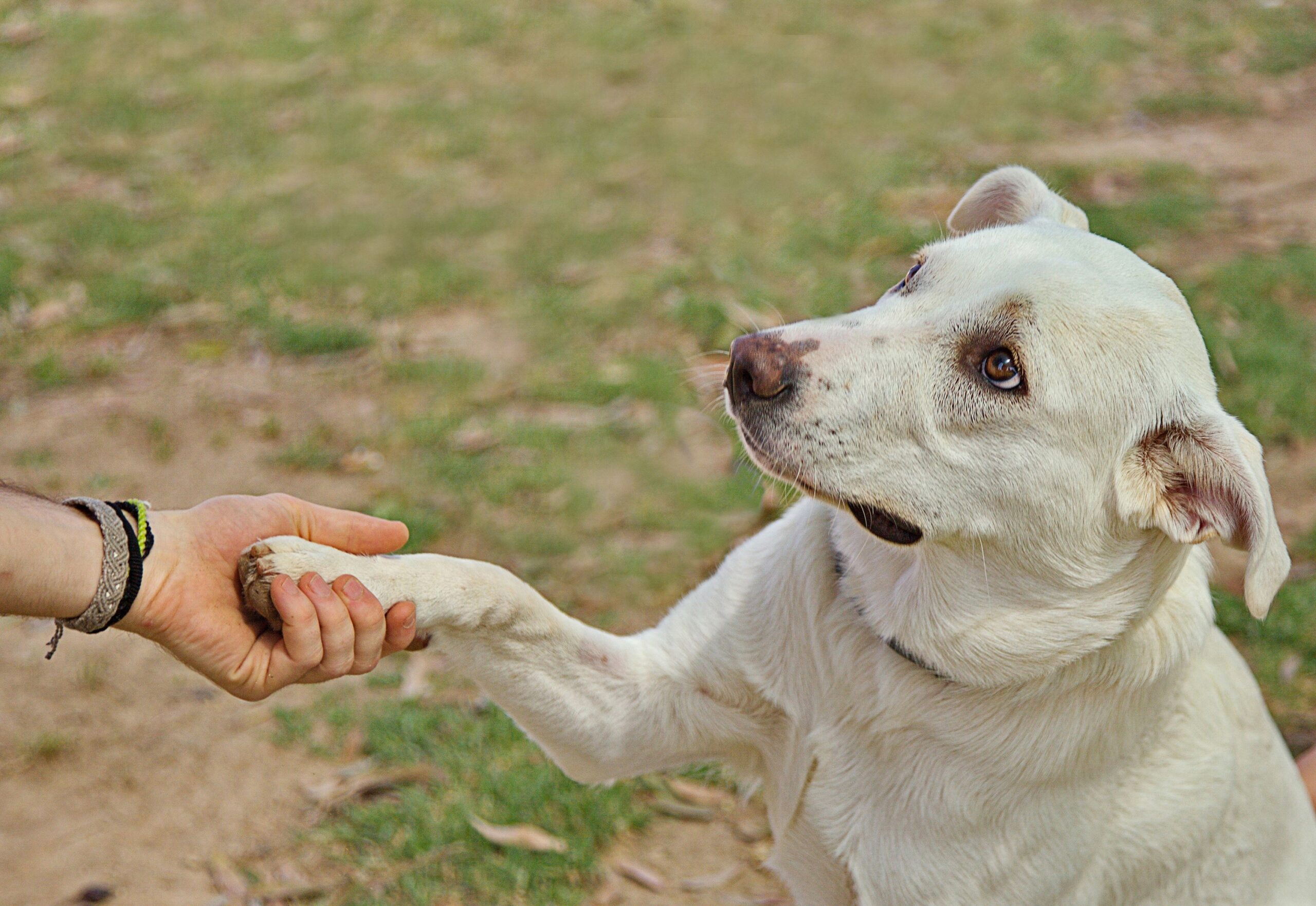
You probably think your dog decides who to like based on treats, a scratch behind the ears, or how excited someone sounds when they say “who’s a good boy!” That’s the story most owners tell themselves. It’s also almost completely wrong.
Behavior research paints a much stranger picture: your dog is running a full-body scan on every stranger who walks through the door, and it’s finishing that scan in seconds. Smell, posture, tone, tension, even the way someone’s shoulders are angled – your dog is quietly cross-referencing all of it before you’ve even said hello. Here are the 10 things it’s actually reading, and why the results might make you trust your dog’s judgment more than your own.
#1 – Your Overall Energy Hits Them First
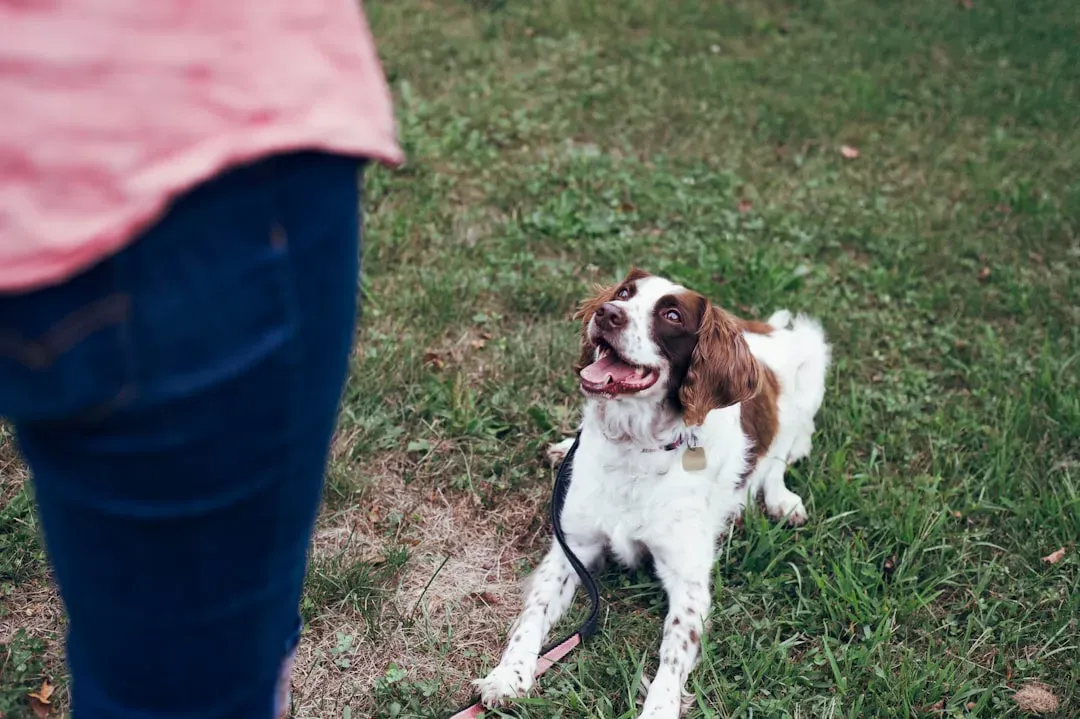
Before a stranger says a single word, your dog has already clocked their “energy” – and no, that’s not some mystical dog-whisperer nonsense. It’s a fast read of movement, muscle tension, breathing rate, and how much space a person takes up when they walk into a room. A dog’s ancestors survived by answering one question instantly: is this body acting like a hunter, a threat, or a friend? Someone stomping in with tight shoulders and heavy footsteps registers completely differently than someone gliding in loose and quiet.
Here’s the part that catches owners off guard: dogs notice when your outside doesn’t match your inside. A stranger flashing a big grin while their body stays stiff and jittery? Plenty of dogs hesitate or back off from that mismatch. It’s why your dog might curl up next to the quiet friend on the couch while completely snubbing the loud “I’m basically a dog whisperer” guest. To your dog, calm and consistent beats loud and eager every single time.
Fast Facts
- Dogs have up to 300 million scent receptors, compared to about 6 million in humans.
- A dog’s sense of smell is estimated to be 10,000 to 100,000 times more sensitive than a human’s.
- Dogs can pick up on chemical shifts linked to stress hormones like cortisol and adrenaline within seconds.
- Posture, pace, and personal space often register with a dog before a single word is spoken.
#2 – Micro-Body Language: Hands, Shoulders, and Feet
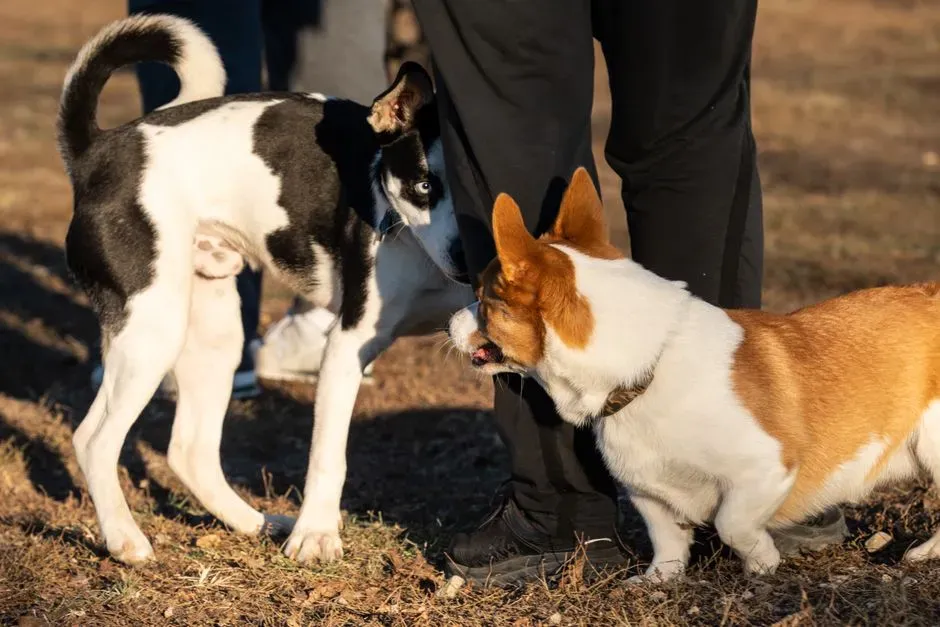
Humans obsess over eye contact. Dogs obsess over your hands, shoulders, and feet – and honestly, they’re onto something. For thousands of years, hands were the part of a human that threw rocks, swung weapons, or delivered food, so dogs learned to track them closely. Are they balled into fists? Jammed in pockets? Reaching straight over the dog’s head like a claw machine? A stranger who keeps their hands low, open, and visible almost always reads as safer than someone chopping the air mid-sentence.
Shoulders and feet tell an even bigger story: direction and intention. Dogs don’t just track where you’re looking – they track where you’re physically pointed. A stranger who angles their body slightly sideways instead of squaring up sends a softer, less confrontational signal. Someone marching straight in, shoulders square, feet aimed like arrows, might as well be shouting “I’m coming for you,” even if their intentions are pure. It’s exactly why the self-proclaimed “dog people” who rush in headfirst so often get the cold shoulder.
#3 – The Smell of Stress (Yes, They Can Literally Sniff Your Mood)
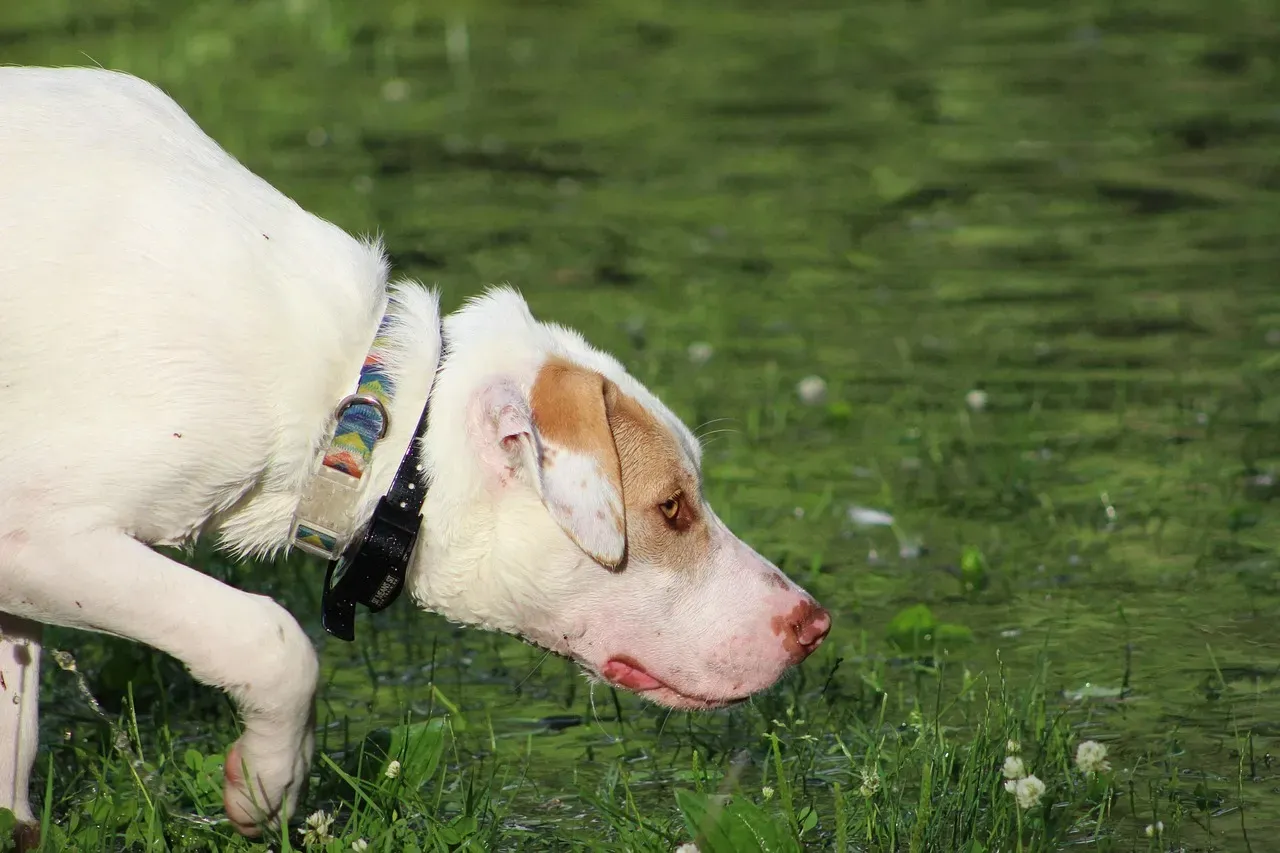
This is the detail that makes people squirm a little: your dog can smell a stranger’s stress. Not sense it. Smell it. Humans release different chemical signatures in sweat and breath when we’re anxious, angry, or calm, and a dog’s nose – tens of thousands of times more sensitive than ours – can pick up on stress hormones like cortisol and adrenaline.
So when a tense stranger walks into your home with a racing heart and shallow breathing, your dog doesn’t need a hunch. It has hard chemical data. Many so-called “reactive” dogs aren’t reacting to loud behavior at all – they’re reacting to an invisible cloud of tension nobody else can detect. Meanwhile, the person who feels genuinely relaxed and isn’t trying too hard often gets the surprise approach, even if they never said a word to the dog. Some trainers argue this is exactly why dogs gravitate toward the “I’m not really a dog person” guest in the room.
#4 – Voice Tone: The Hidden “Accent” Dogs Care About

Owners love bragging that their dog “understands everything I say.” What dogs actually care about is tone, pitch, and rhythm – the emotional fingerprint hiding underneath your words. High, sharp, fast voices often feel chaotic to a dog. Deep, booming voices can feel intimidating. What earns the most trust is steady, warm, and predictable – not baby talk, not barked commands, just calm and clear.
Here’s the myth-buster: not every “happy” voice reads as safe. That high-pitched “OH MY GOSH HI PUPPY!!” so many strangers unleash the second they spot a dog? A lot of dogs file that under overstimulating chaos, not love. A person who slows down, lowers their volume, and keeps sentences short usually earns trust faster. Dogs also pick up on the tiny edge of irritation or fakery that humans pretend not to hear – and unlike us, your dog never pretends not to notice.
#5 – Confidence vs. Hesitation: How You Move Around Space
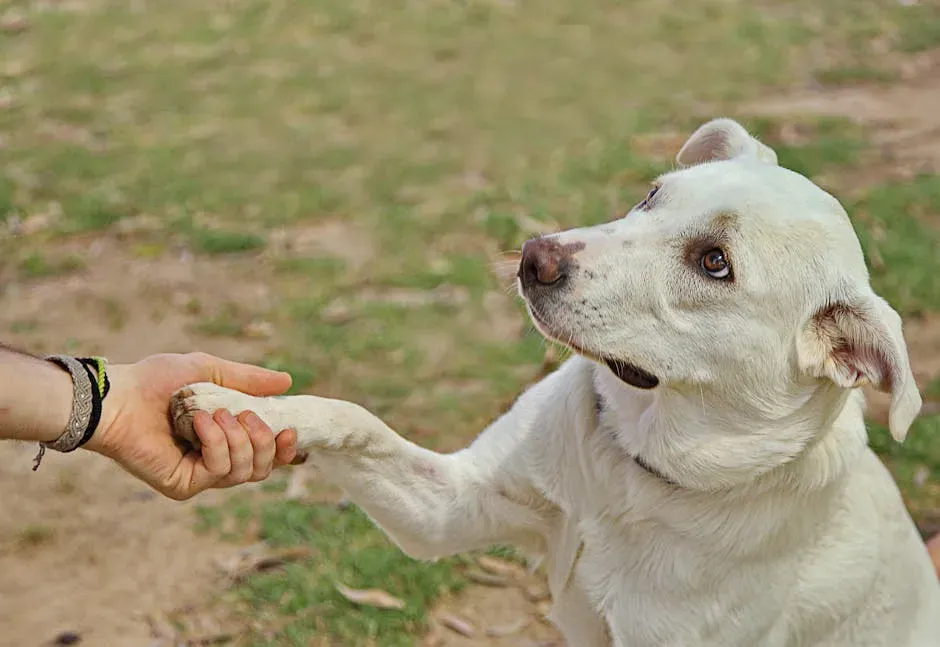
Dogs are ruthless when it comes to reading confidence, but here’s the twist most people miss: they’re not just wary of pushy people. They’re often more suspicious of inconsistent ones – the strangers who move like they don’t know what they’re doing. Jerky, hesitant movement can spook a dog worse than calm, bold movement, because starting and stopping and reaching and pulling back is exactly what predator behavior looks like.
Confident doesn’t mean pushy, though. A confident stranger walks with purpose but not speed, and gives a dog space without acting afraid of them. Well-meaning people constantly send mixed signals without realizing it – leaning in, then flinching; offering a hand, then yanking it back. Dogs read that as “this creature is unstable.” The people who earn the fastest trust are usually the ones who can walk through a room and basically ignore the dog. Predictable beats “I love dogs!” every single time.
Quick Compare
- Confident stranger: Steady pace, relaxed shoulders, gives the dog space without hovering.
- Hesitant stranger: Starts and stops, reaches then pulls back, sends mixed signals.
- Pushy stranger: Moves fast, crowds space, treats “no” as a suggestion.
- Dog’s read: Predictable movement usually earns trust faster than eager enthusiasm.
#6 – Your History With Dogs (They Smell It and See It)
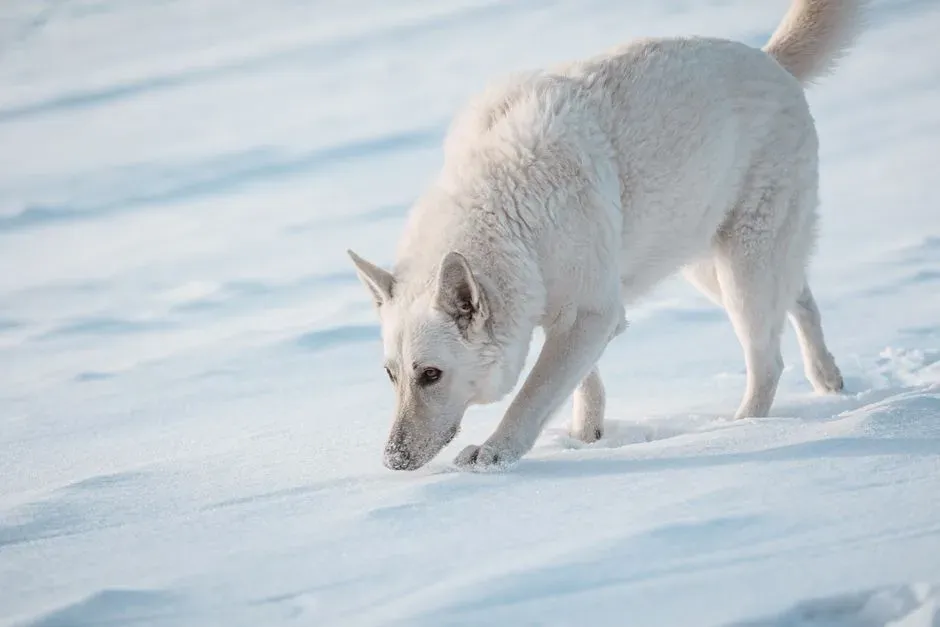
You can tell a dog you love dogs. Its nose will decide whether that’s true. If you live with dogs, your clothes, shoes, and skin are carrying layers of scent – fur, dander, saliva, the faint ghost of treats in your pocket. Walk into a room and you’re essentially wearing your entire social résumé. A stranger who smells like other calm, well-balanced dogs feels reassuring. A stranger who smells like vet-clinic disinfectant and fear-sweat is a very different story.
There’s a muscle-memory tell too. People who’ve spent real time around dogs move differently – they don’t shove hands in faces, they pause and let the dog choose to approach, they angle their bodies instead of looming. Dogs notice this within seconds, which is exactly why the quiet, experienced foster volunteer gets an instant lean from a nervous rescue dog, while the loudly enthusiastic “dog lover” gets a warning growl.
Dogs are not our whole life, but they make our lives whole.
Roger Caras
#7 – Clothing, Gear, and the Weird Power of Silhouettes
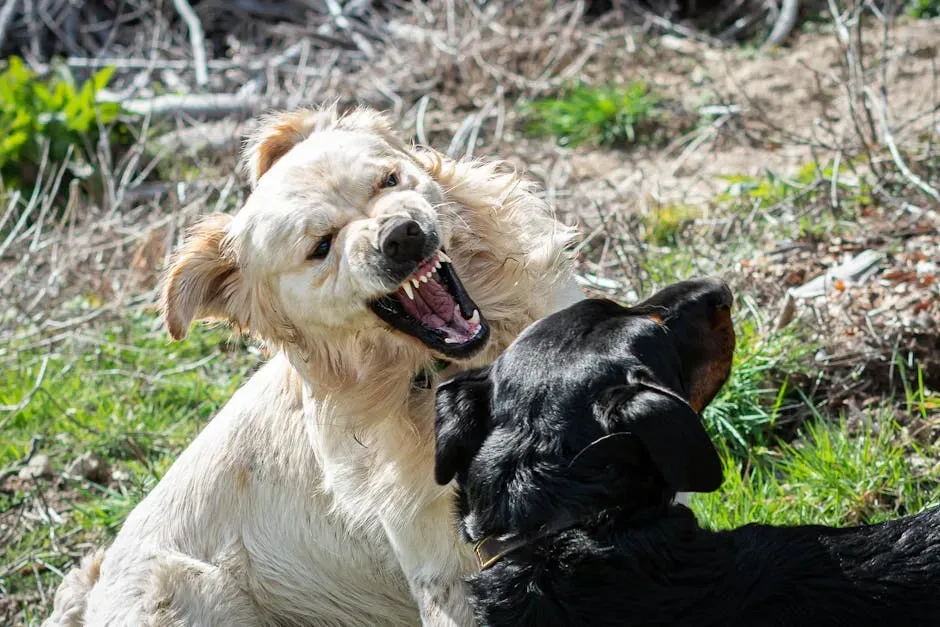
Humans think fashion. Dogs think silhouette. Change the outline of a human body and you genuinely change how a dog feels about you. Hoodies up, big sunglasses, bulky coats, backpacks – all of it distorts the shape a dog is used to recognizing. Plenty of dogs get uneasy when they can’t clearly see a person’s eyes, head shape, or the natural movement of shoulders and arms. It’s not vanity on the dog’s part; it’s a basic safety check: does this shape match “known safe human,” or not?
Smell rides along with clothing too. Strong perfume, cigarette smoke, harsh cleaning chemicals, alcohol – dogs clock all of it instantly, and some become wary around strangers who carry scents they’ve learned to associate with chaos. Others tense up at jangling keys, clanking gear, or reflective vests because they’ve linked that exact sensory combo with something scary in the past, like a delivery mishap or a stressful vet visit. Most people treat clothing as pure style. Trainers quietly know certain silhouettes and smells are among the biggest hidden triggers for reactive dogs.
At a Glance
- Hoodies, sunglasses, and bulky coats can obscure the silhouette a dog relies on to recognize a “safe” shape.
- Strong perfume, smoke, or cleaning chemicals can register as unfamiliar or unsettling scents.
- Jangling keys, clanking gear, or reflective vests sometimes trigger memories of past stressful encounters.
- Uniforms and delivery gear are common flashpoints for reactive behavior in many dogs.
#8 – Emotional Congruence: When Your Inside Matches Your Outside
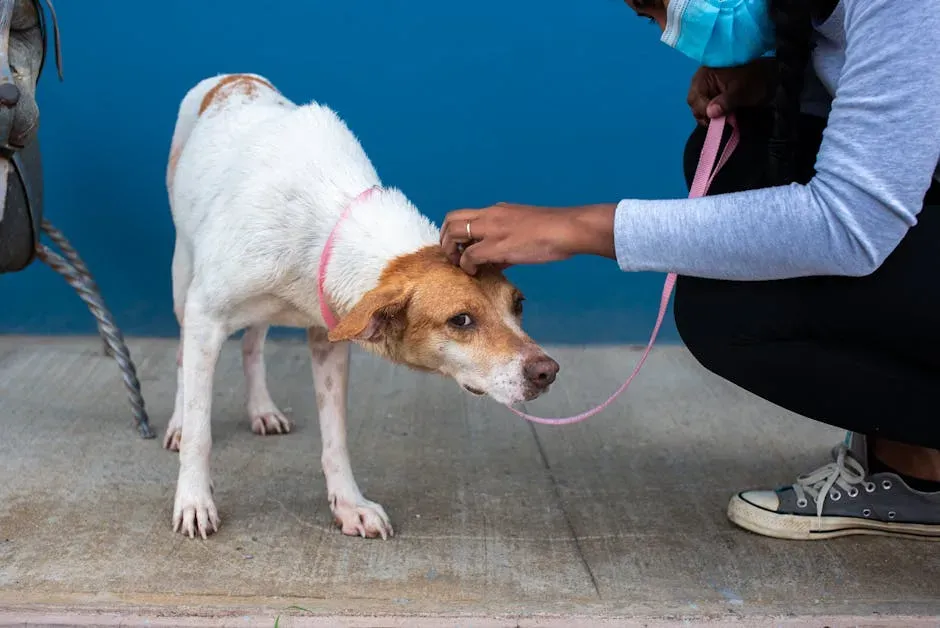
This is the category where dogs arguably outperform humans at reading people. Dogs are obsessed with congruence – whether what you’re showing on the outside actually matches what you feel inside. A stranger who’s nervous but pretending to be totally chill sets off more alarms in a dog than someone openly awkward who just owns it. Dogs can smell the stress, see the tension, and hear the micro-shift in voice, and when none of that lines up with the person’s behavior, it reads as a lie, even a tiny one.
This is exactly why some dogs adore the person who says, “I’m honestly a little scared of dogs, I’ll just stay over here.” Everything about that person lines up – cautious body, slower movement, softer voice. The dog can work with that. But the person barging in with fake confidence, a high voice, tight shoulders, and a plastered-on grin? That’s emotional static. When your dog leans away from someone you swear is “perfectly nice,” it’s often reacting to exactly this mismatch.
#9 – Boundaries: Who Respects Them and Who Steamrolls
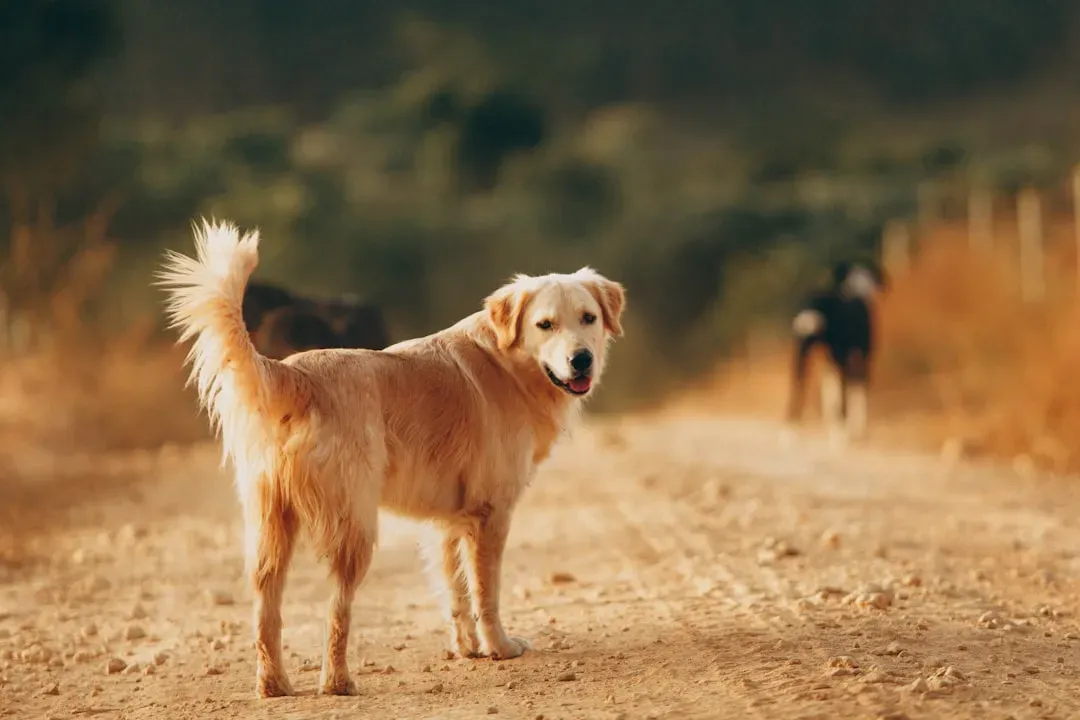
Dogs are boundary geniuses, and this is where their judgment of strangers gets almost uncomfortably accurate. They notice who pauses, who asks permission – even nonverbally – and who just takes what they want. A stranger who crouches sideways, lets the dog sniff first, and waits before touching is silently saying, “your choice matters.” Dogs read that as safety, almost every time.
Compare that to the person who beelines straight in, hands out, bending over the dog, patting its head before it’s even sniffed them. That’s a stranger announcing, “your comfort matters less than what I want right now.” Watch closely at your next gathering: the people your dog keeps returning to are almost always the ones who let it decide when contact happens. The uncomfortable truth? The friend who “doesn’t take no for an answer” with people usually treats dogs the exact same way. Your dog just calls it out sooner and more honestly than anyone else in the room.
Worth Knowing
- Letting a dog sniff first, rather than reaching in, signals respect for its pace.
- Crouching sideways instead of leaning over head-on feels less confrontational to most dogs.
- Waiting for a dog to approach – rather than approaching it – often builds trust faster.
- Dogs tend to gravitate toward people who let them choose when contact happens.
#10 – Hidden Threats: Intent, Not Just Appearance
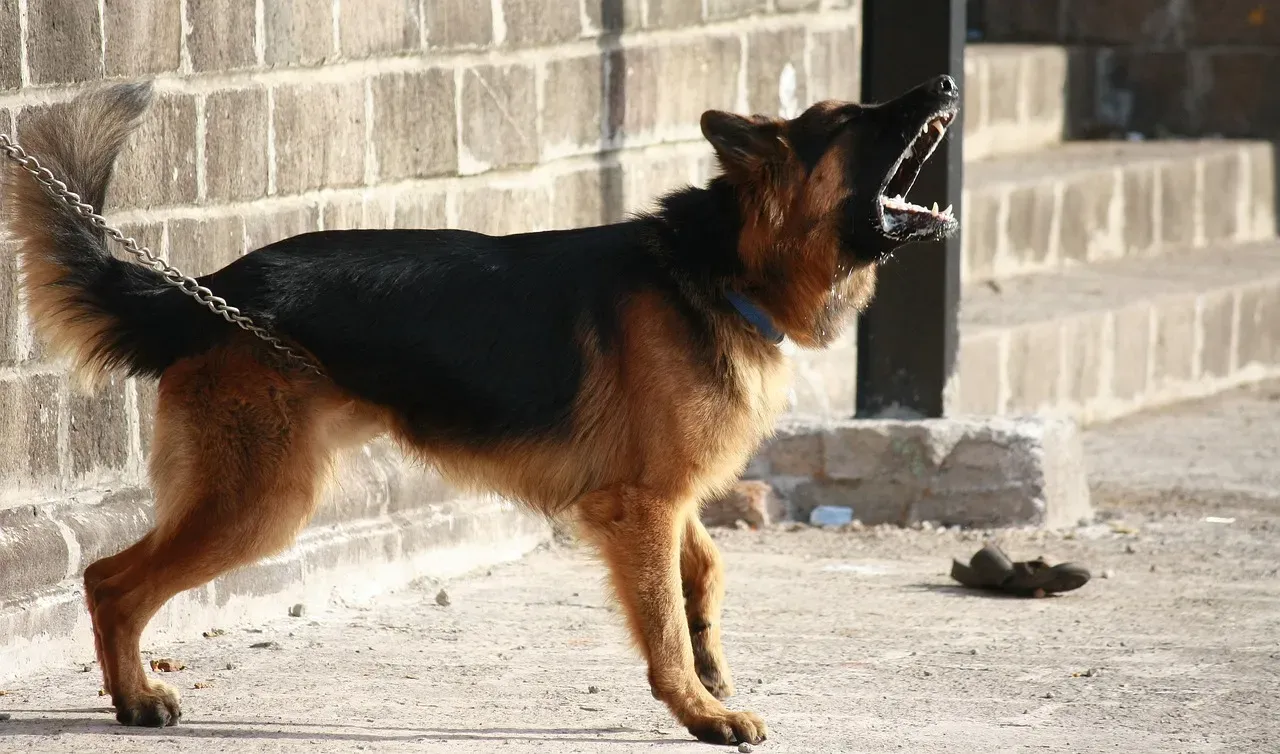
This is the one most owners believe deep down but rarely say out loud: sometimes your dog just seems to know. It bristles at someone with zero obvious red flags, then happily leans into the tattooed biker in a leather jacket everyone else crossed the street to avoid. The truth here is less mystical and a lot more uncomfortable – dogs are reading intent, not stereotypes.
That read is built from a hundred tiny cues humans routinely dismiss: lingering stares, micro-tension, a smile that doesn’t reach the eyes, movement that’s a half-second too fast or too close. Dogs don’t talk themselves out of a bad feeling for the sake of politeness. Are they always right? No – past trauma or poor socialization can absolutely skew a dog’s read. But when a dog who’s never like this suddenly blocks a doorway, refuses to enter a room, or won’t stop growling at one specific stranger, ignoring that pattern is a genuine mistake.
The Bottom Line
Dogs aren’t fluffy, clueless affection machines handing out love at random. They’re hyper-attentive pattern readers pulling from smell, movement, tone, tension, and personal history to size up a stranger in the time it takes you to say hello. When your dog “doesn’t like someone,” it’s almost never about one thing – it’s a stacked verdict built from more data than you’re consciously tracking.
Yes, sometimes they’re wrong. Old trauma and poor training can skew even the best instincts. But the idea that it’s all random vibes with zero information behind it? That’s simply false, and honestly a little insulting to how sharp dogs actually are. Here’s my honest take: your dog is probably better at spotting emotional mismatch, pushy boundaries, and hidden stress than most of the adults in your life. You don’t need to treat every growl as gospel, but the next time your dog flags someone as “off,” maybe don’t be so quick to override the one member of the household with a built-in lie detector.