
The 13 Details a Groomer Reads in a Coat That Show How the Winter Has Gone
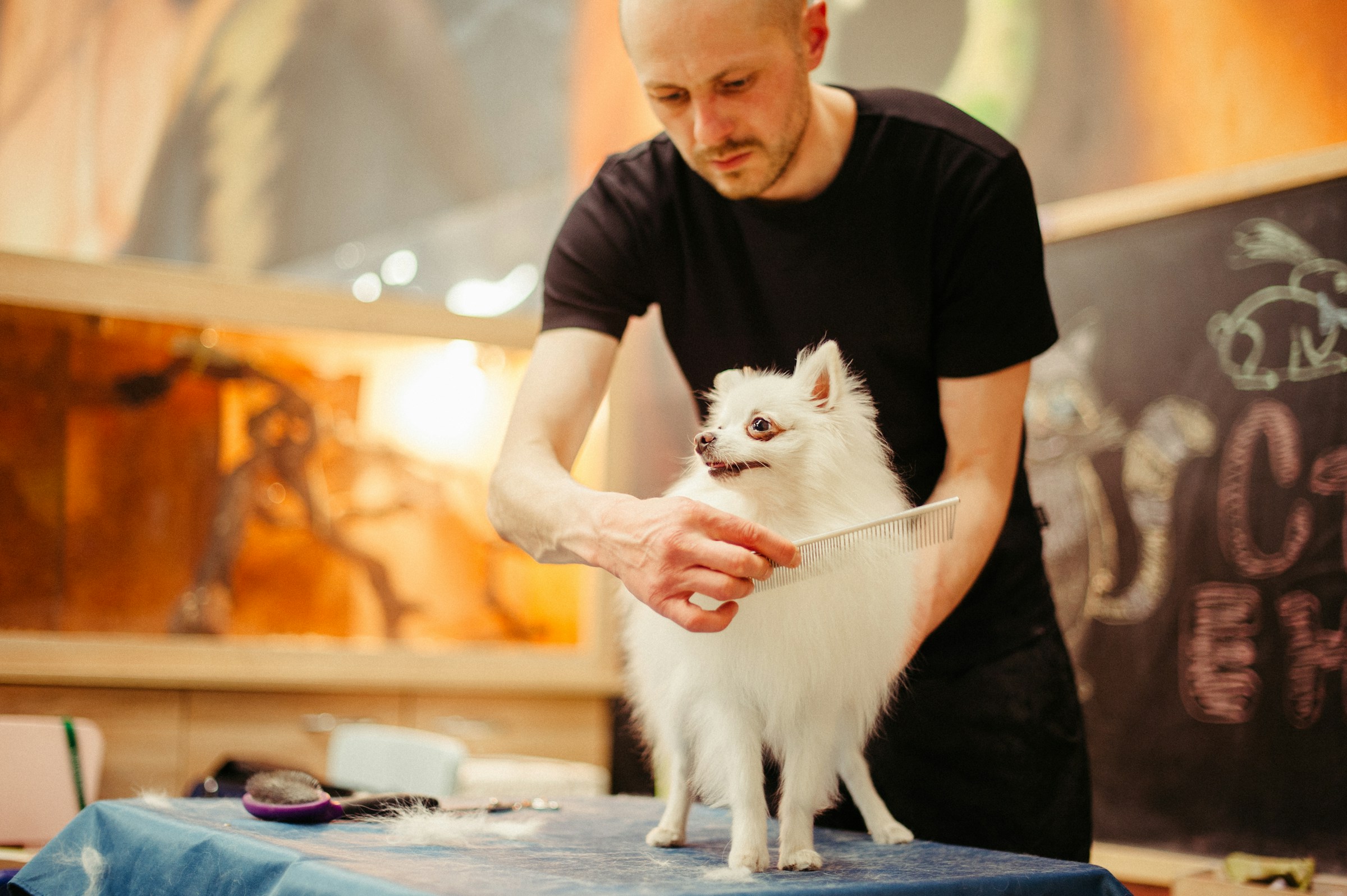
Most owners think a bath and a quick trim can erase whatever happened over the last three months. It can’t. The second an experienced groomer’s hands hit your dog’s coat, they already know things you never told them – how dry your house has been, whether those walks got rinsed off, even if you skipped brushing more than you’d admit out loud.
It sounds like a party trick, but it’s really just pattern recognition built over thousands of dogs. Static, smell, texture, staining – each one is a clue, and together they add up to a full confession written in fur. Here’s exactly what a groomer reads in those first 30 seconds, and what your dog’s coat has quietly been trying to tell you all winter.
#1 – The Static “Snap” Test That Exposes a Dry Winter
The first thing many groomers notice in late winter isn’t visual at all – it’s the static crackle when a hand runs over the coat. That little snap tells a big story. Indoor heating, low humidity, and skipped conditioning leave a coat electrically charged and bone-dry, especially on fine or double coats.
Static also exposes breakage. Those tiny broken hairs sticking straight up out of the topcoat are a winter-long record of friction from sweaters, harnesses, and rough blankets. If you notice your groomer suddenly reaching for a deep moisturizing bath, a heavier cream rinse, or an anti-static spray before they even touch a brush, that snap is why – they’re trying to keep your dog comfortable before the real work starts.
Fast Facts
- Indoor heating can drop household humidity well below the 40-50% range coats need to stay hydrated.
- Static shows up most on double-coated and fine-haired breeds, far less on wiry or curly coats.
- A snapping sound usually means the hair shaft itself has dried out, not just the surface.
#2 – The Winter Smell That Doesn’t Wash Off Easily
Most owners chalk up a little doggy odor to “needing a bath,” but groomers know there’s more behind it. A dense, slightly sour, or musty odor usually signals weeks of trapped moisture, limited fresh air, and one too many half-dried snow walks. That lingering funk often means natural skin oils mixed with grime that never got fully rinsed or dried away.
Sometimes it’s worse – a “corn chip” or cheesy smell that points to yeast or mild bacterial overgrowth, especially in thick coats or skin folds. That’s not gross for no reason; it’s a quiet red flag that something about the bathing routine wasn’t working, whether that’s harsh shampoo used too often or not enough baths to rinse away salt and slush. A good groomer will usually adjust bath frequency and products based on that first whiff alone.
#3 – The Undercoat Avalanche (Or the One That Never Came)
When a groomer sinks a comb into your dog’s coat in late winter, they’re not just hunting for tangles – they’re reading the undercoat’s whole story. If the comb pulls out clouds of soft, pale fuzz, that’s a good sign: your dog grew a proper protective layer and it’s finally ready to blow.
But sometimes they find the opposite – a thin, patchy undercoat despite the cold, which can hint at too much time in overheated rooms, poor nutrition, chronic stress, or an underlying health issue. Or they find it compacted into something that feels like a tight sponge, which means the dog hasn’t been brushed to the skin in weeks. That trapped layer holds moisture, salt, and debris right against the skin, which is exactly how hot spots start.
#4 – Mat Patterns That Map Your Entire Winter Routine
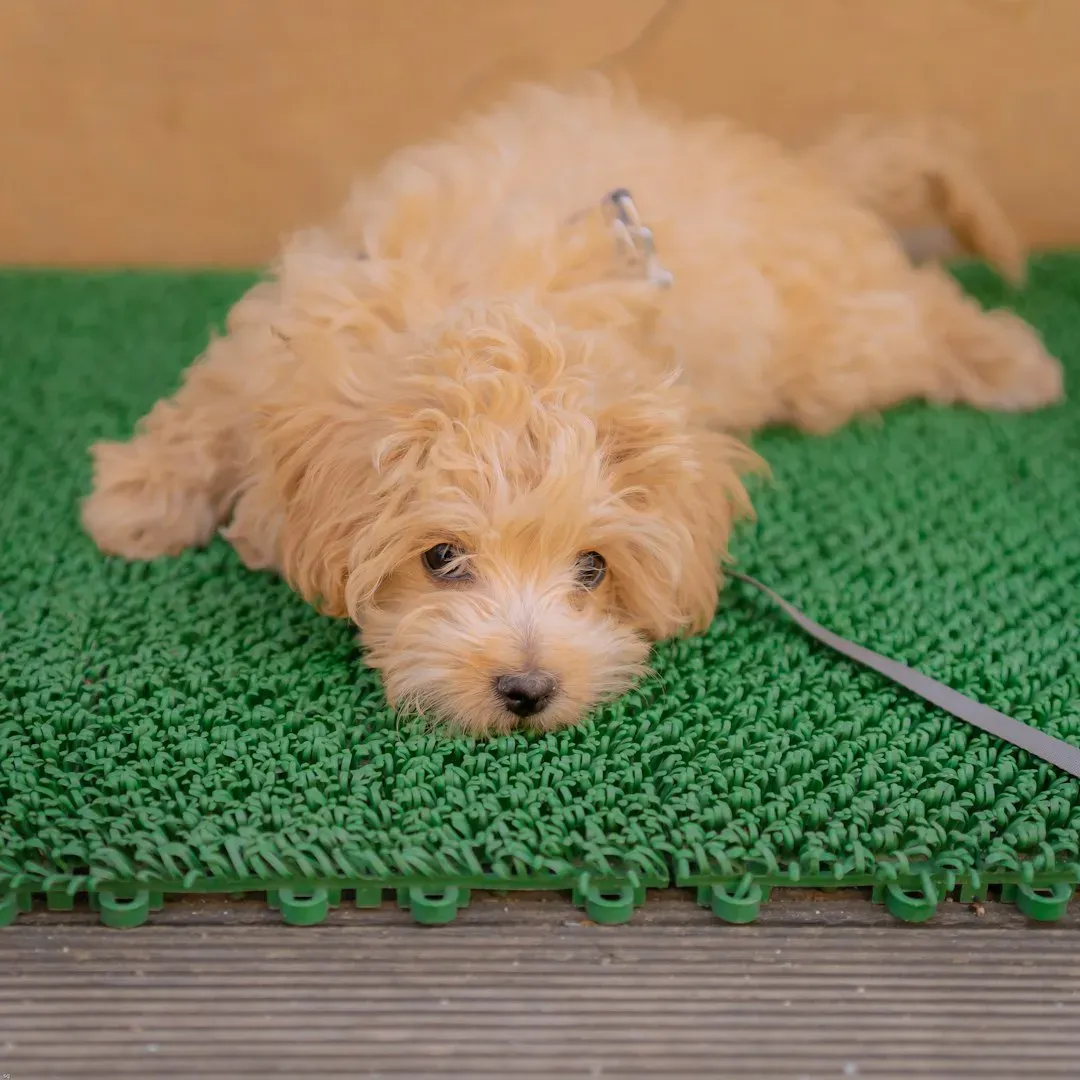
No groomer reads mats as “you’re a bad owner.” They read them as a map of daily habits. Mats behind the ears usually mean collars, harnesses, or hoodies rubbing the same spot for months. Tangles in the armpits and groin often scream “snowballs melted here and nobody noticed,” turning fine hair into felt.
What really stands out is symmetrical mats in pressure spots – the sides of the legs, the elbows, along the hips – which almost always means hours spent lying on beds or couches where friction met a neglected coat. Mats don’t appear overnight; they’re slow-motion neglect, usually unintentional but painful all the same. When clippers hit those spots and the dog flinches, it confirms what the groomer already suspected walking in.
#5 – Faded, Oxidized, or Sun-Bleached Fur (Even in Winter)
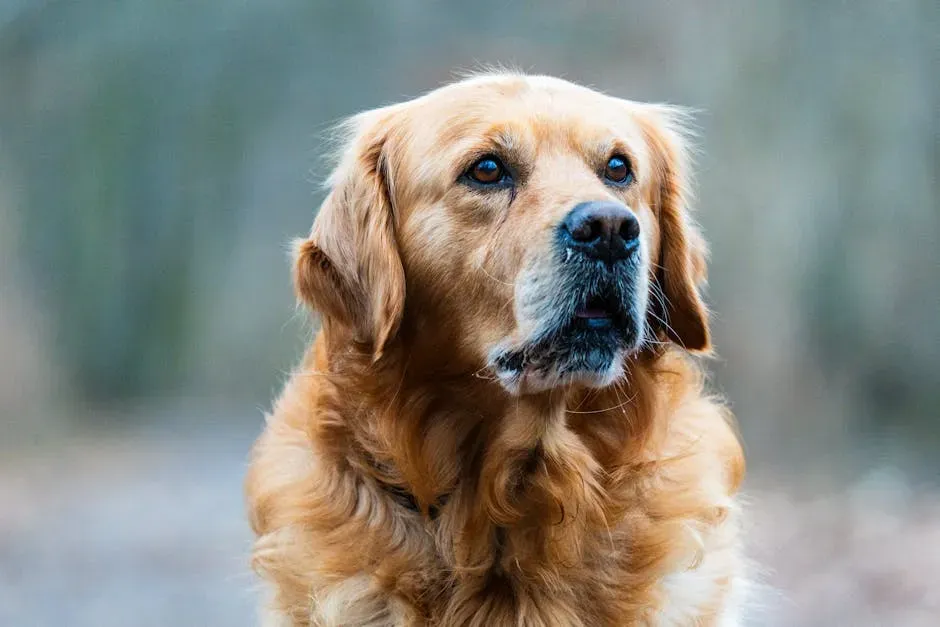
You’d assume winter means less sun damage, but groomers know that’s only half true. When a chocolate, red, or black dog shows up with bronzy, rusty, or dull patches, that coat has been oxidizing all season. Snow and ice actually reflect UV light, so dogs near sunny windows or bright snowbanks can fade just as fast as they would in summer.
Oxidation can also come from harsh shampoos, frequent bathing, and zero conditioning – combined with dry indoor air, the fur ends up feeling crispy instead of silky, even when it looks clean. Some groomers will gently push back on owners who proudly wash weekly with scented, human-grade shampoo. It smells nice to you, but the coat is quietly telling us it’s overdone.
#6 – Broken Hair and Split Ends That Rat You Out
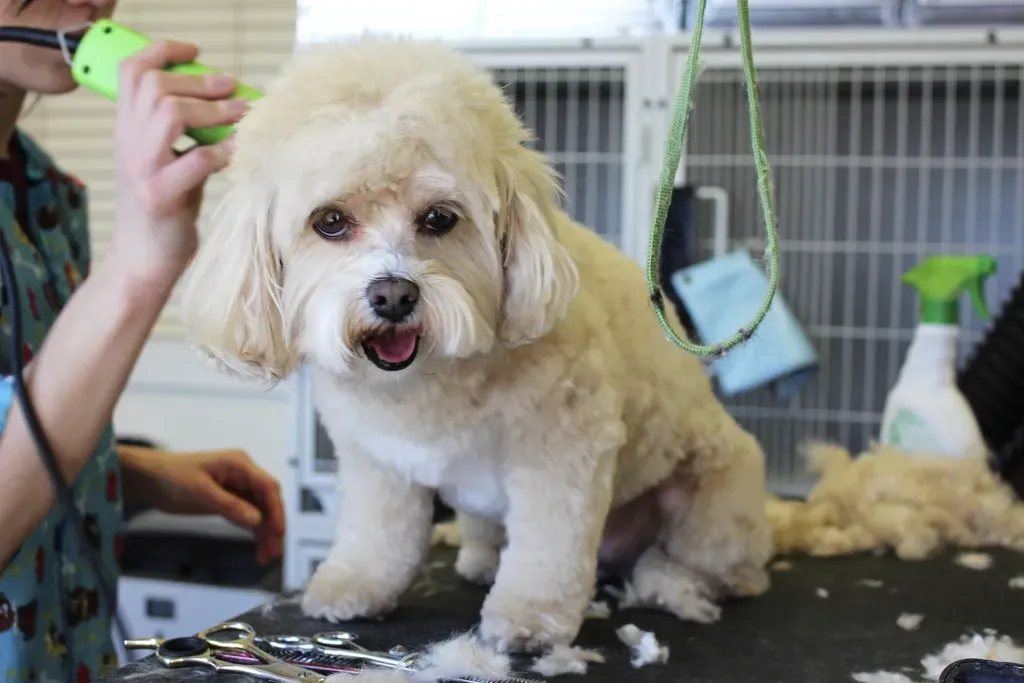
When a groomer pulls a few strands away from the bulk of the coat to check the tips, they’re basically grading your brush technique and tool quality for the whole winter. Frayed, split, or chewed-looking ends are a dead giveaway that the coat has been tugged or snagged with dull tools, even if you swear you brushed regularly.
Sweaters, coats, and blankets rub the fur too, especially at the chest and behind the front legs, leaving a visible “ring of damage” right where winter jackets sit. A savvy groomer might recommend switching to a slicker or comb with rounded pins, and always using a light leave-in conditioner before brushing. If your dog’s coat looks like it went through a paper shredder at the tips, the brushing was too rough for too long.
Quick Compare
- Healthy ends: smooth, tapered tips with a slight natural sheen.
- Overbrushed ends: frayed, split, or feather-like fraying along the shaft.
- Fabric-snagged fur: a distinct “ring of damage” band across the chest or legs.
#7 – Salt-Stained, Stiff, or Burned Leg and Paw Hair
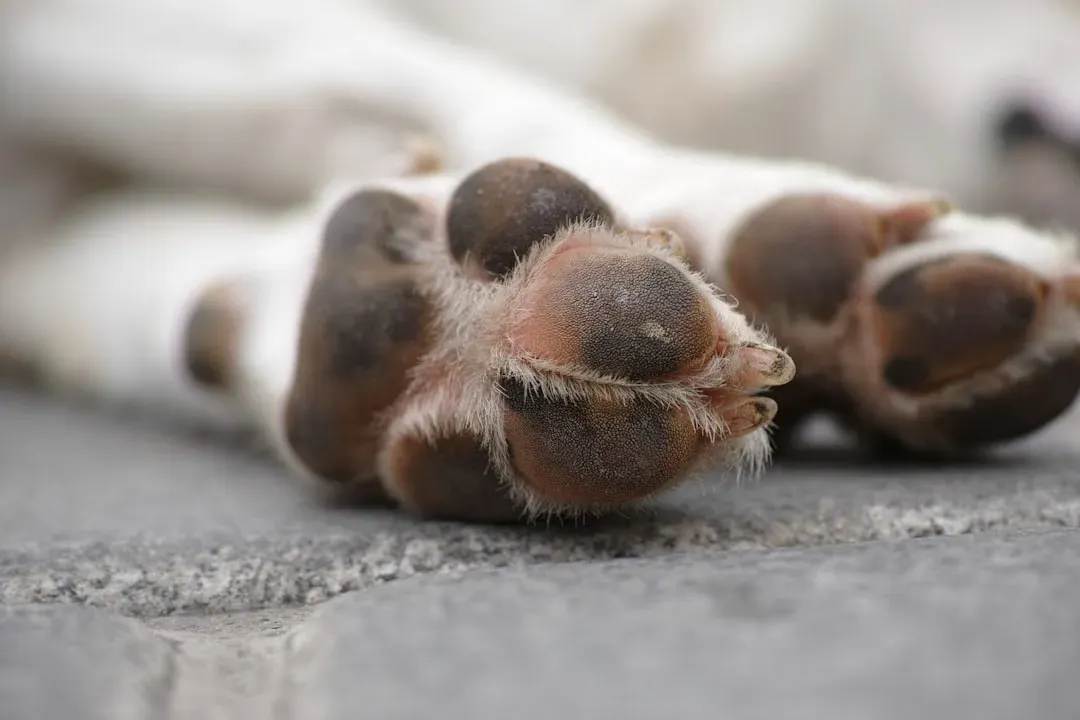
Every winter, groomers see the same thing: crusty, stained fur on legs and paws that tells the story of every sidewalk and every de-icer. Stiff, sticky, or brittle lower-leg coat means those slush walks weren’t followed by a real rinse. Light-colored dogs often carry faint yellow or gray staining around the ankles that’s nearly impossible to fully remove by spring.
Severe cases show fur that’s short, broken, or missing entirely from licking and chewing at salt irritation – a sign the paws weren’t protected with boots or balm, and the dog spent a good chunk of winter uncomfortable. Many owners are genuinely shocked when a groomer points out mild chemical burns or redness between the pads they never noticed at home.
- Rinse paws and lower legs after every salted walk.
- Use paw balms or boots consistently, not just on the worst days.
#8 – Yellowed Bellies, Tails, and the “Snow Potty” Confession
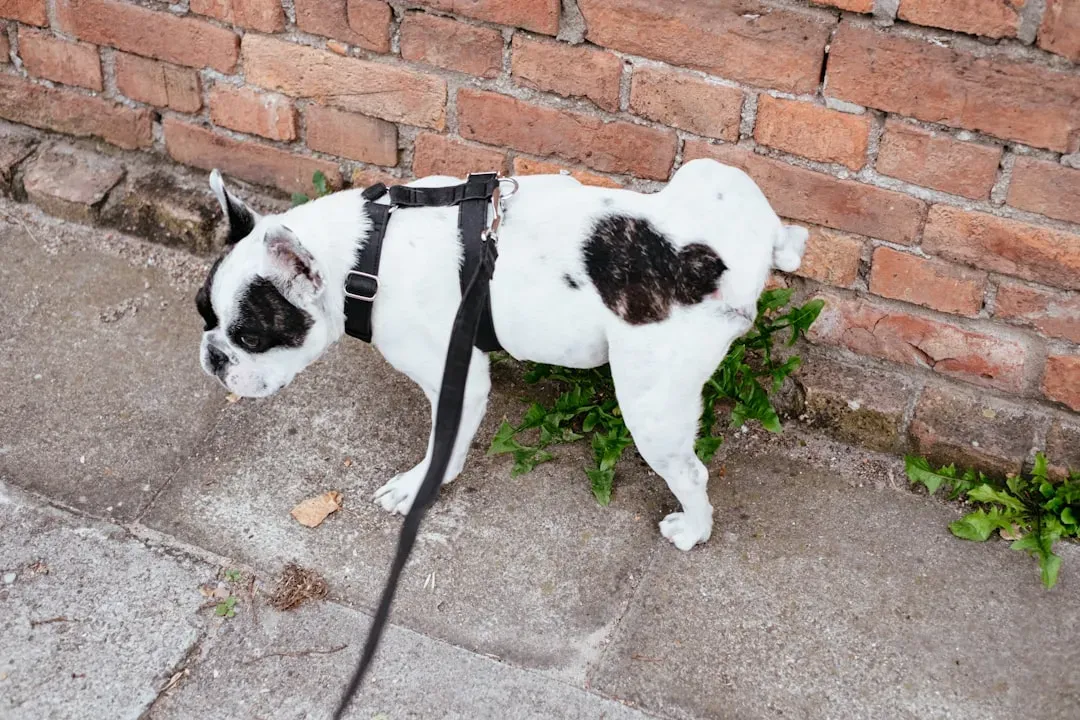
Groomers can often tell, almost instantly, how well a dog gets cleaned up after winter potty breaks. Yellowed bellies, inner thighs, and tail feathers on lighter-coated dogs are a classic sign of pee splashback and snow-potty stains that never got rinsed. These stains set in deep when snow keeps the area damp and the dog is left to air-dry on its own.
Beyond the color, the texture changes too – stained coats often feel sticky or rough and hold odor even after a full shampoo. When a groomer feels that tackiness, they know winter care was mostly “hope for the best and wait for spring.” It’s common, but the chronic dampness can lead to mild skin irritation that owners often mistake for allergies.
- Keep unscented pet wipes by the door for quick cleanups.
- Do a fast warm-water rinse on heavy snow days.
#9 – The Timing and Pattern of Shedding
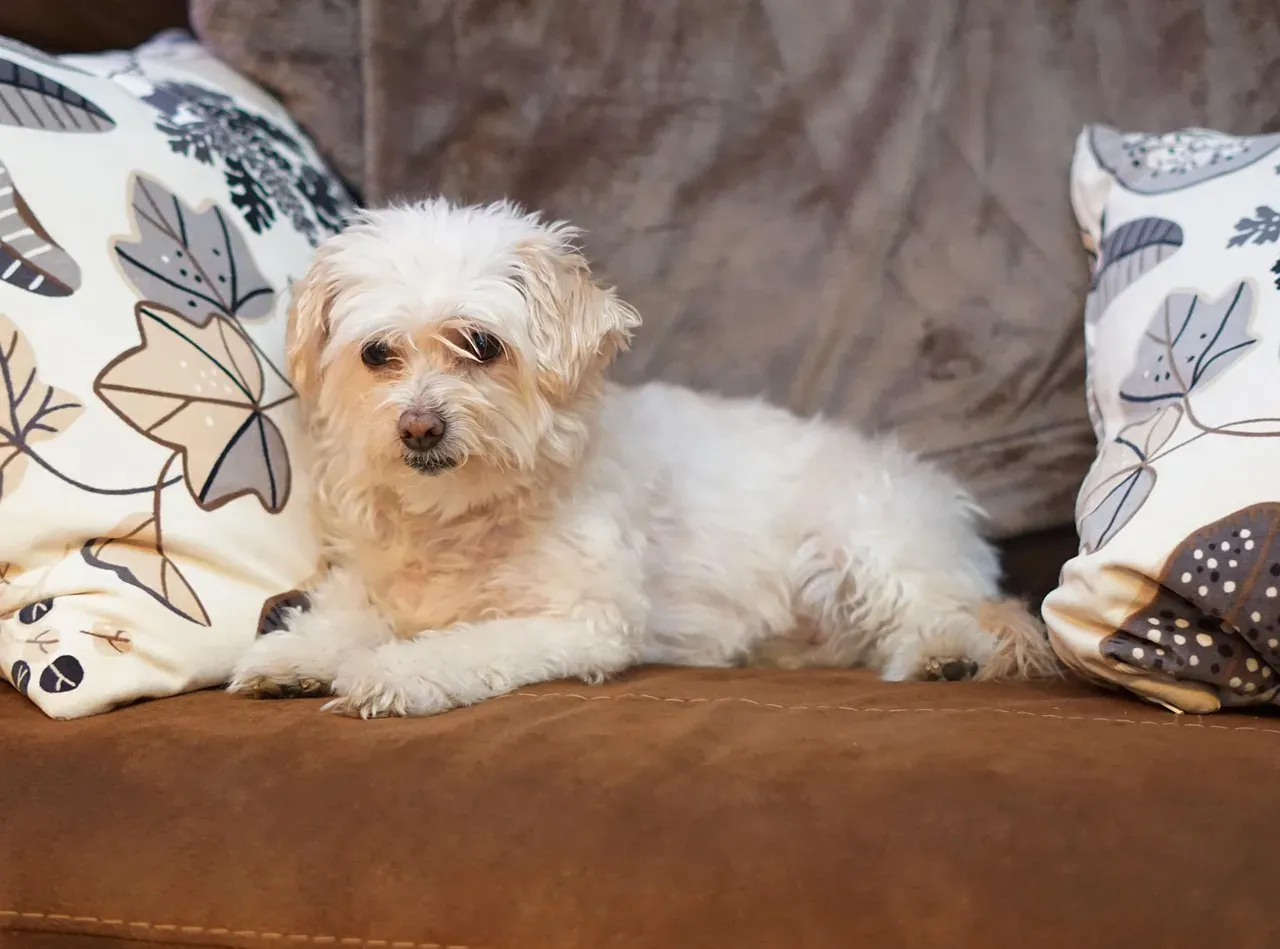
Most owners just see “hair everywhere” in late winter. Groomers see timing, rhythm, and pattern – and they use it to reconstruct the whole season. Dogs that shed earlier than expected have often been kept in overly warm homes with bright artificial light that confuses the natural coat cycle. Dogs that barely shed at all, despite plenty of time outside, can be showing stress, illness, or hormonal issues instead.
Groomers also track where the hair is leaving from. Patchy or uneven shedding, where some zones blow their coat and others stay stubbornly dense, hints at skin problems, nutritional gaps, or inconsistent grooming. Dogs brushed regularly through winter tend to shed evenly – when a groomer sees clumps falling off in sheets only at the salon, the coat has been quietly asking for help for months.
At a Glance
- Shedding is triggered mainly by daylight length, not temperature.
- Bright indoor lighting left on late can confuse a dog’s internal shedding clock.
- Even, all-over shedding usually points to consistent brushing; patchy shedding often points to the opposite.
#10 – Flakes, Hot Spots, and the Skin’s Hidden Diary
Pulling back the coat is where the real winter truth lives. Fine, powdery dandruff that shakes off easily usually means dry indoor air and not enough moisturizing support. Thick, waxy flakes stuck in patches, on the other hand, often point to seborrhea, product buildup, or chronic irritation – a very different problem with a very different fix.
When a groomer finds red, moist hot spots buried under dense fur, they know moisture from snow, ice, or sweaty jackets got trapped and never dried properly. Yeasty or sour smells in the skin folds tell the same story. Groomers aren’t diagnosing disease, but they see these patterns so often that the coat becomes an early-warning system worth listening to.
The coat is the mirror of internal health; it tells you the story before the dog ever gets sick.
Dr. Jean Dodds, veterinarian
#11 – Overall Texture: From Plush to Wire Without Meaning To
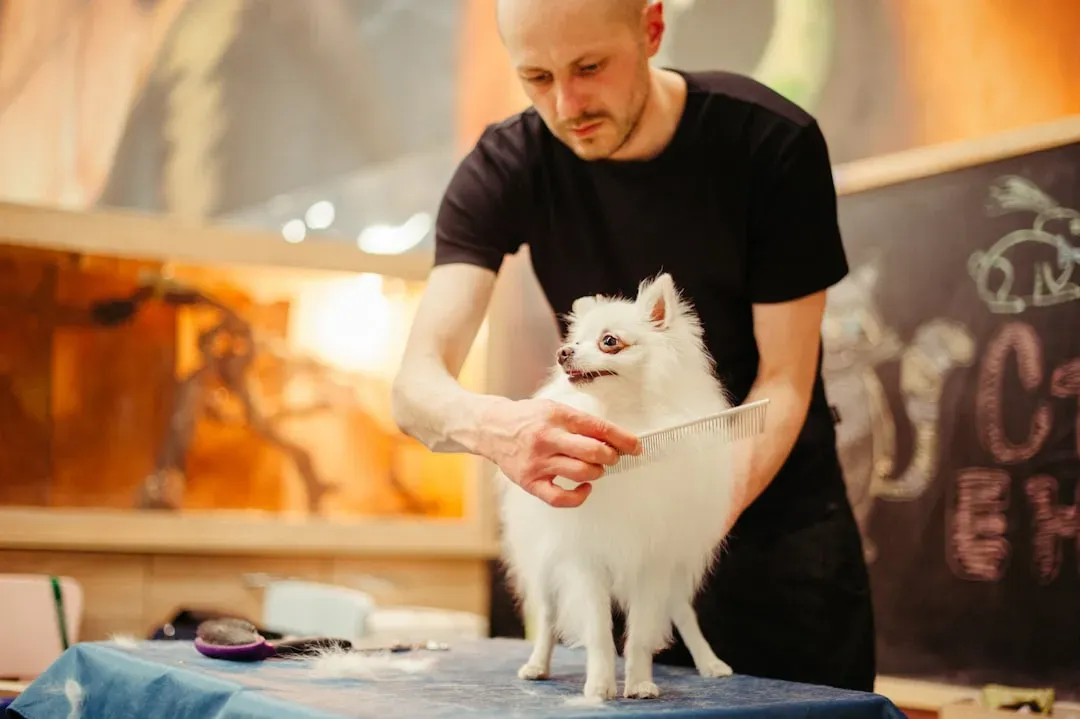
A seasoned groomer can run a hand from head to tail and tell instantly if the coat feels buttery and flexible or wiry, sticky, and resistant. Texture is probably the most underrated sign of how winter actually went. When a previously soft coat suddenly feels rough or “grabby,” it’s usually some mix of chronic hair-shaft dehydration, repeated friction from bedding or harnesses, and too little conditioning.
Dogs that wear sweaters daily without brushing before and after often develop a matted-under, rough-on-top texture that won’t bounce back on its own. On single-coated breeds, winter can even fake a double coat – dull and rough on top while the layer near the skin stays clogged with shed hair the tools never reached. When the coat loses its natural glide, pros know they’re looking at months of micro-damage, not just a dirty dog.
#12 – Face, Ears, and Beard: The Daily Life Report
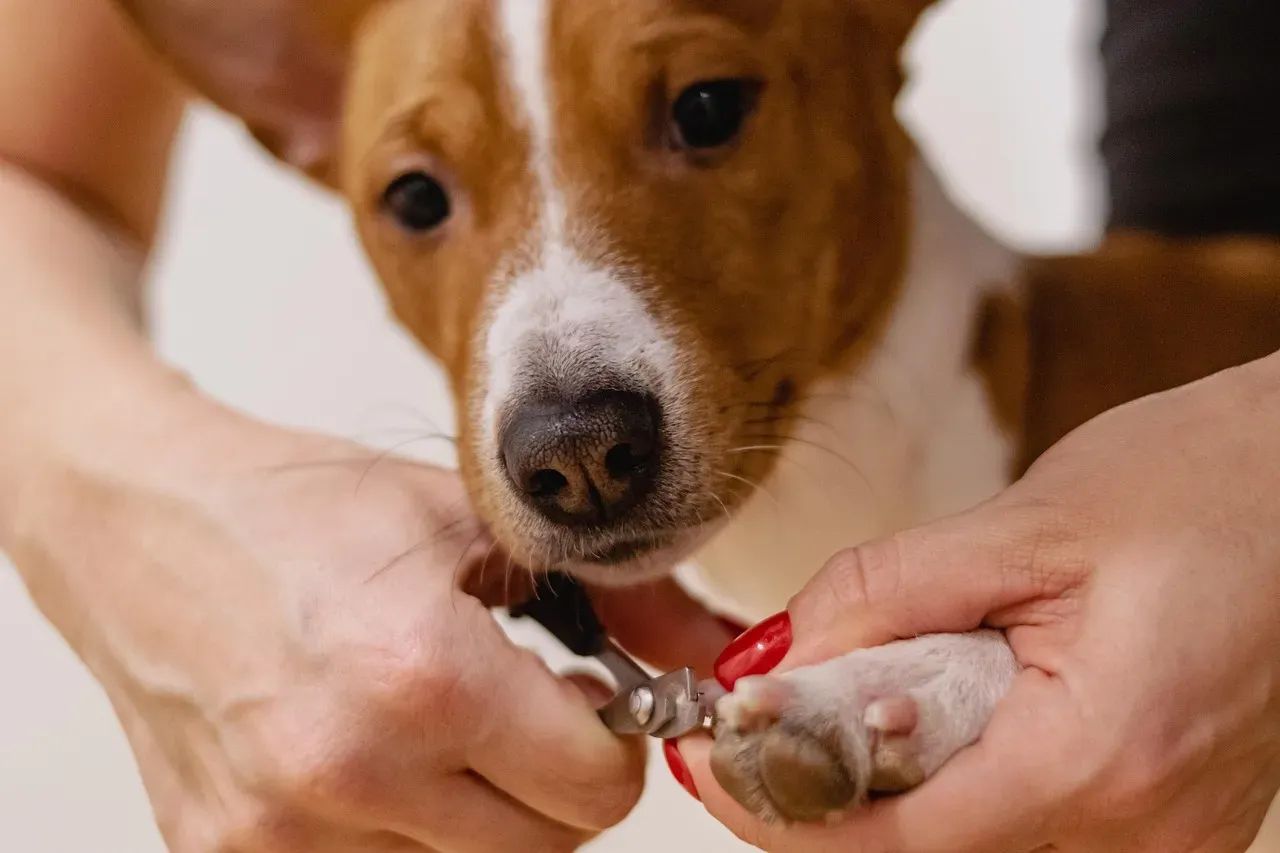
The face and ears tell groomers more about everyday lifestyle than anywhere else on the body. A greasy, clumpy beard is the logbook of every winter snack, wet meal, and snow-eating session that never got rinsed or combed out. Tear-stained eyes with crusty fur along the cheeks suggest long dry stretches indoors with no routine eye-area care.
Dirty or waxy ears, especially on floppy breeds, flag limited air circulation from hats and hoods, or ears that never got dried after winter baths and snow play. Short, broken hairs around the wrist, paws, or flank often start with the dog’s own mouth – a sign of itch from dry skin, grit, salt, or even fleas that surfaced in the cold months. Facial coat doesn’t hide anything; it advertises every lick, chew, and slobbery nap a dog has had all season.
#13 – Body Condition and Muscle Tone Under the Fur
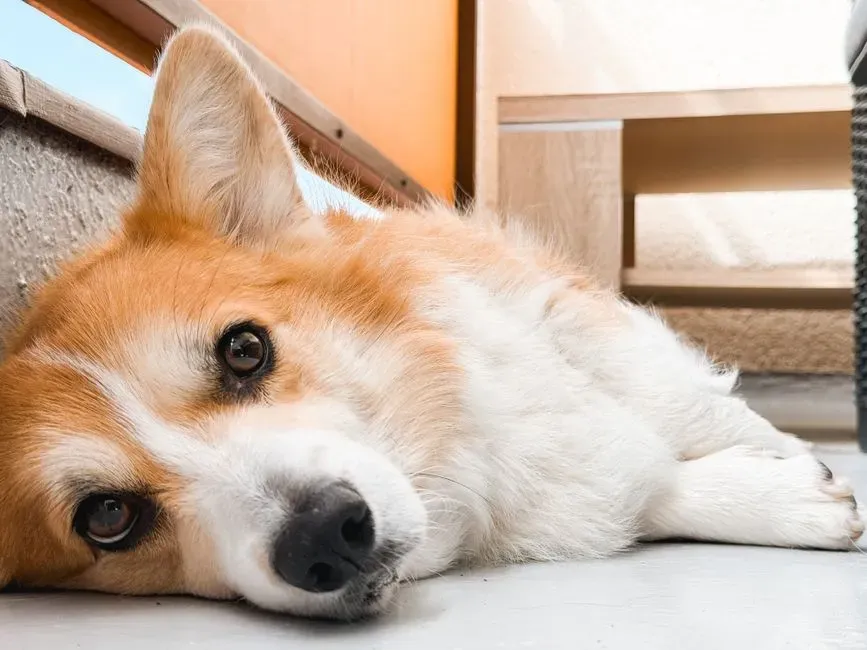
The last, and most important, detail a groomer reads isn’t in the fur at all – it’s beneath it. While bathing, brushing, and trimming, they’re constantly feeling body condition, muscle tone, and fat distribution. Winter usually means fewer walks and more couch time, so when a dog who was lean last fall comes in with a thicker, spongier layer under the coat, the groomer isn’t seeing fluff – they’re feeling seasonal weight gain, which means more skin folds, more friction points, and more places for moisture to get trapped.
Go the other direction and a dog that feels bonier or less muscled along the spine and hips can be showing decreased activity from joint pain on icy sidewalks, age-related slowdown, or illness. Groomers often feel this long before an owner notices it visually, simply because they’re working hands-on over every inch of the body. The coat can look perfectly fine while the body underneath is quietly struggling.
Why It Stands Out
- Vets commonly use a 1-9 body condition scale, with the middle of the scale considered ideal for most breeds.
- Ribs should be easy to feel with a light touch, not clearly visible or deeply buried.
- Winter weight gain often shows up first at the waist and hips, long before it’s visible from above.
The Bottom Line
When a dog walks into the salon in late winter, nobody is judging your housekeeping. They’re reading a full-season report card written in fur and skin – static crackle, compacted undercoat, salt-burned paws, oxidized tips, potty stains, rough texture, dandruff, and quiet shifts in body condition all telling the same story from different angles.
Some owners hate hearing it, but here’s the truth as I see it: what most people shrug off as “just normal winter dog” often looks, feels, and smells like avoidable discomfort to anyone trained to notice. The good news is that none of this is permanent. Coats recover, skin heals, and routines can be rebuilt in a matter of weeks. The dogs who age the best aren’t the ones in the fanciest sweaters – they’re the ones whose people eventually learn to read the same eight or nine signs a groomer reads on sight, and fix them before spring forces the issue.
So, which detail do you think your own dog’s coat is confessing right now?