
12 Things a Rescue Dog Does Once It Understands the Food Will Keep Coming
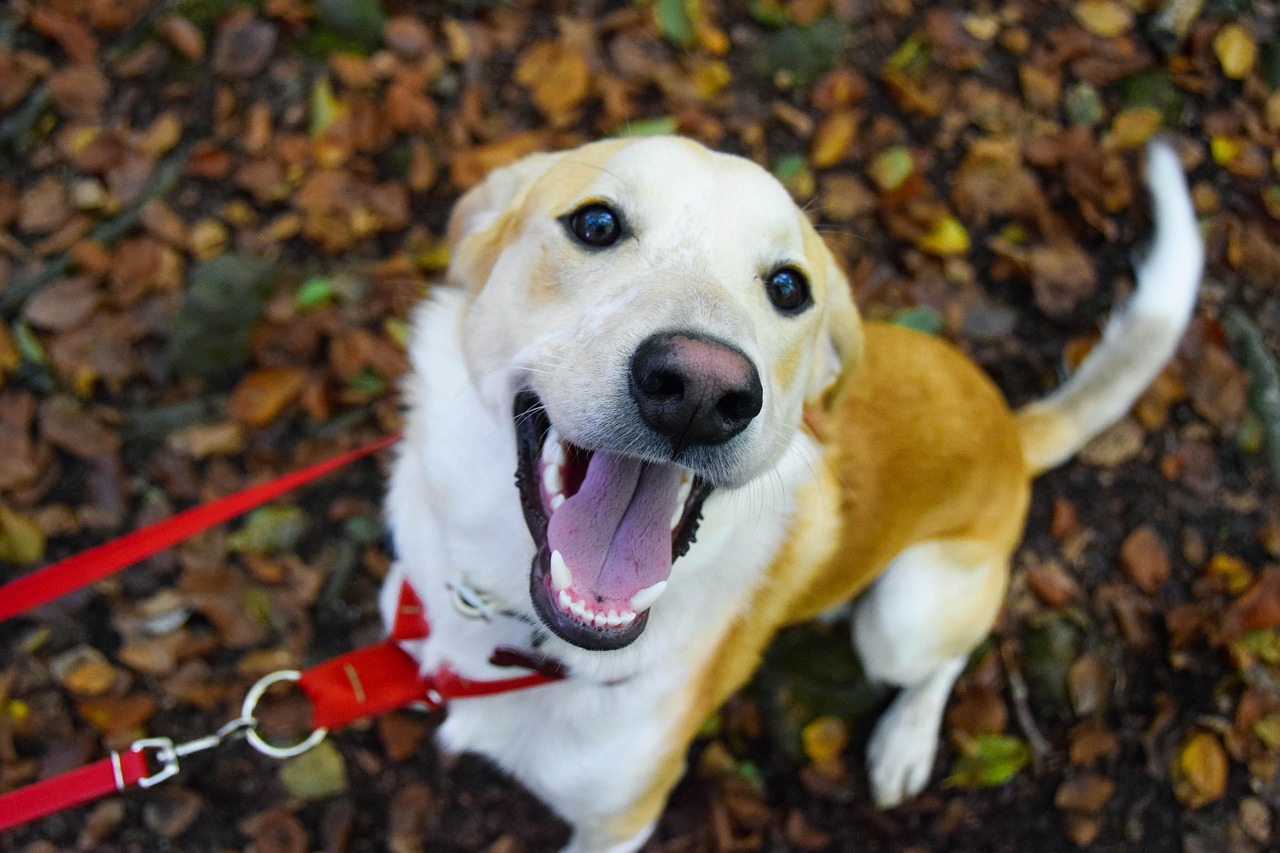
Everyone tells new rescue owners the same thing: just give it love and time, and the dog will come around. That advice isn’t wrong, exactly – it’s just incomplete. The real turning point isn’t affection at all. It’s something far more primal, and it happens quietly, usually right at the food bowl, long before the dog ever fully trusts your hands or your voice.
The moment a rescue dog’s brain finally accepts that the bowl will be full again tomorrow, something inside them shuts off – and something else wakes up. What follows isn’t cute quirks. It’s a nervous system standing down from a war most owners never even knew their dog was fighting. Here are the 12 unmistakable signs that shift has happened in your dog.
#1 – The Panic Eating Suddenly Slows Down

At first, many rescue dogs inhale food like they’re racing an invisible competitor. Once they understand the meals won’t stop, one of the earliest shifts is small but massive: they start actually chewing. It can feel eerie the first time they leave a few kibbles behind, walk away, and casually come back for the rest.
That’s not pickiness. That’s a nervous system finally climbing out of emergency mode. You’ll notice quieter meals, softer eyes, less lip-licking, fewer stiff shoulders hunched over the bowl. Some dogs even pause mid-meal to glance up at you, almost checking, “Is this really okay?” Weeks of consistent feeding are what finally answer that question for good.
#2 – The Food Guarding Starts to Melt Away
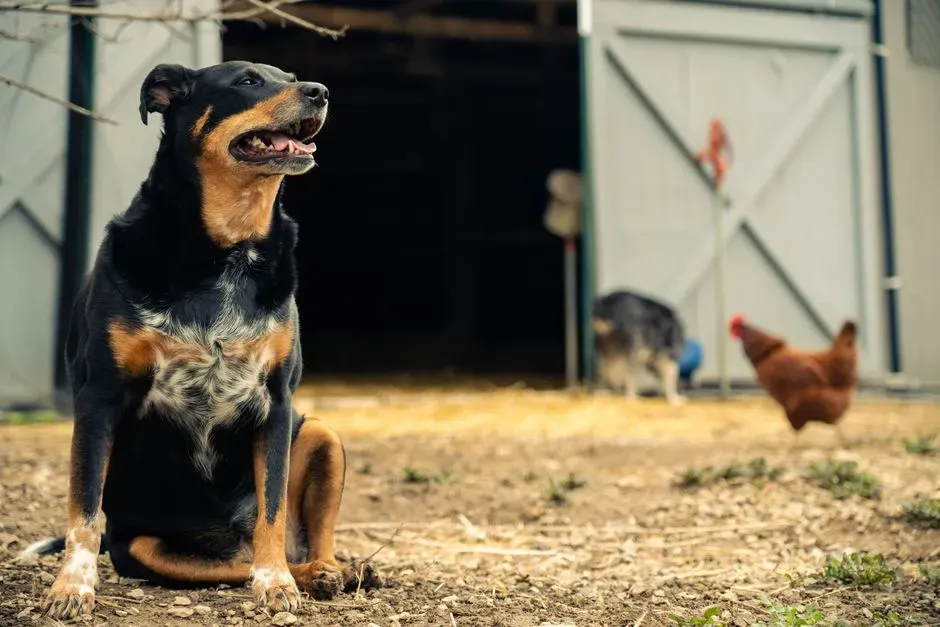
If you’ve ever watched a rescue dog freeze, growl, or snap when someone walked near their bowl, you weren’t looking at a mean dog. You were looking at a dog whose brain was convinced this might be the last meal for days. Once food becomes guaranteed, that guarding often softens or disappears entirely.
They stop hunching over the bowl like it’s treasure. Some will even step back and let you drop in something tastier without bracing to defend it. Not every dog fully lets go of this, especially when the trauma runs deep, but the desperate edge dissolves – and that single change can transform an entire household.
Worth Knowing
- Resource guarding is one of the most frequently reported feeding issues in newly adopted shelter dogs.
- Warning signs include freezing, hard staring, growling, or snapping near the bowl.
- Predictable, scheduled feeding is a go-to recommendation trainers use to ease guarding over time.
- Mild cases often improve within a few weeks; stubborn ones may call for a certified trainer.
#3 – They Stop Hoarding and Hiding Stashes
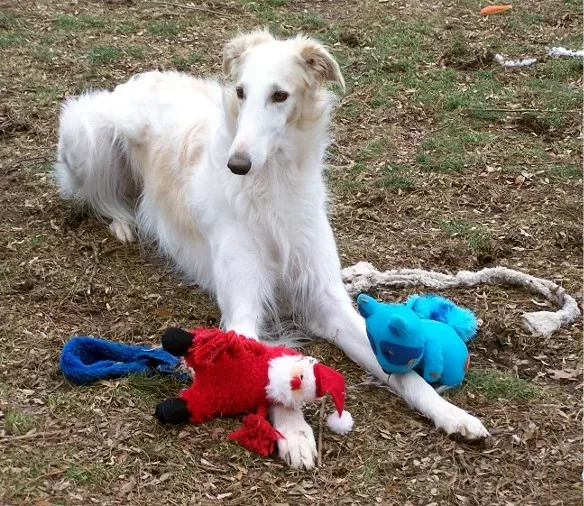
One of the more heartbreaking things new adopters discover is hoarding – food tucked behind furniture, buried in blankets, stuffed under beds. It isn’t naughty behavior. It’s insurance against a world that once gave them none. Once a dog internalizes that the bowl will be full tomorrow, that frantic little survival habit starts to fade.
Behaviorists often compare it to someone who lived through real poverty finally getting a stable paycheck – the instinct to stash doesn’t vanish overnight, but it loosens. You’ll find fewer hardened treats under couch cushions, fewer trash-can raids, and a dog who finishes what’s offered instead of grabbing half and bolting. Stability makes scavenging feel unnecessary.
#4 – Meal Times Turn Into a Joyful Ritual, Not a Battle
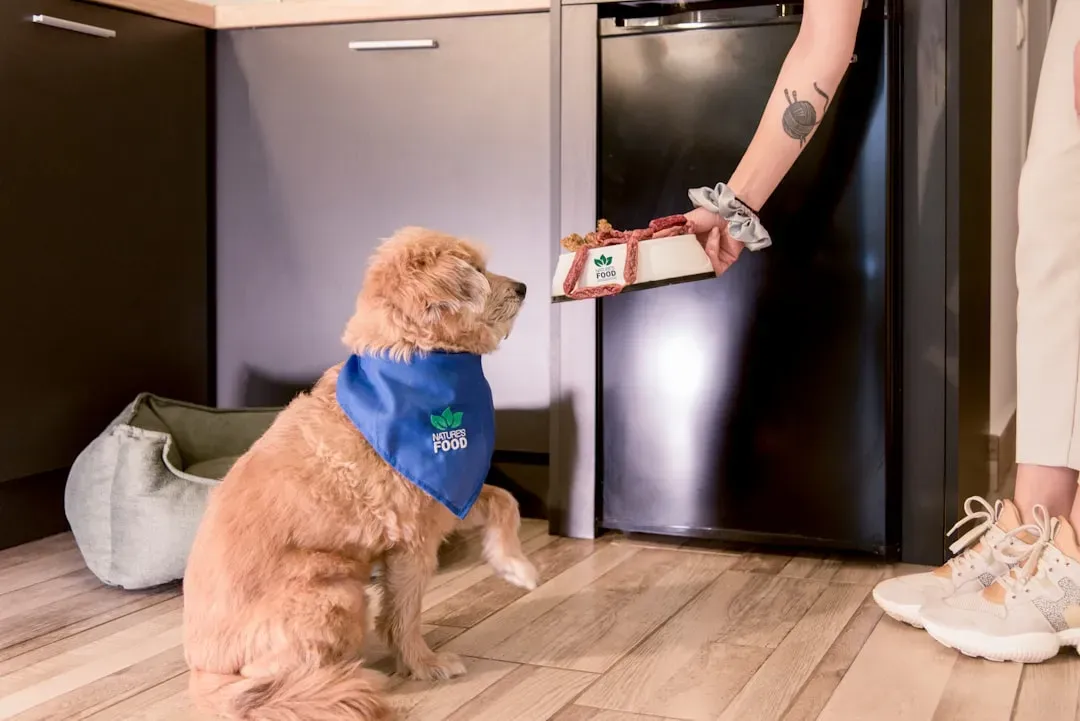
When food is uncertain, mealtime is anxiety. When food is guaranteed, mealtime becomes ceremony. Many rescue dogs shift from tense, silent eating to full-body anticipation – spins, little hops, polite sits by the cupboard, head tilts at the sound of the scoop hitting kibble.
Dogs are pattern-seekers, and feeding at the same times in the same place gives them something to map their entire day around. That predictability is healing in itself. Instead of pacing or whining randomly, they settle before and after meals, because they can finally predict what’s coming – and predictability, for a dog who’s known chaos, is its own kind of love.
#5 – Their Play Drive Switches On Like a Light

Food security doesn’t just calm eating – it frees up mental space that survival mode had locked down completely. Once the background noise of “find food, guard food, recover from not having food” fades, something almost magical shows up: play. Dogs who seemed shut down or too serious suddenly chase balls, wrestle toys, and zoom laps around the living room.
Play is the luxury of an animal that finally feels safe enough to waste energy. In the wild, only animals who aren’t starving can afford to burn calories for fun. So if your rescue starts batting at you with a paw after breakfast, that’s not misbehavior – that’s healing wearing a goofy disguise.
Fast Facts
- Play behavior in dogs typically only emerges once basic needs like food, safety, and rest are met.
- Common play signals include play bows, loose wiggly bodies, and exaggerated bouncing.
- Sudden bursts of zoomies often show up once a dog feels fully relaxed in its home.
- Shelters and foster networks frequently treat increased play as an informal sign of improving welfare.
#6 – They Become More Trainable Because Food Stops Being a Lifeline
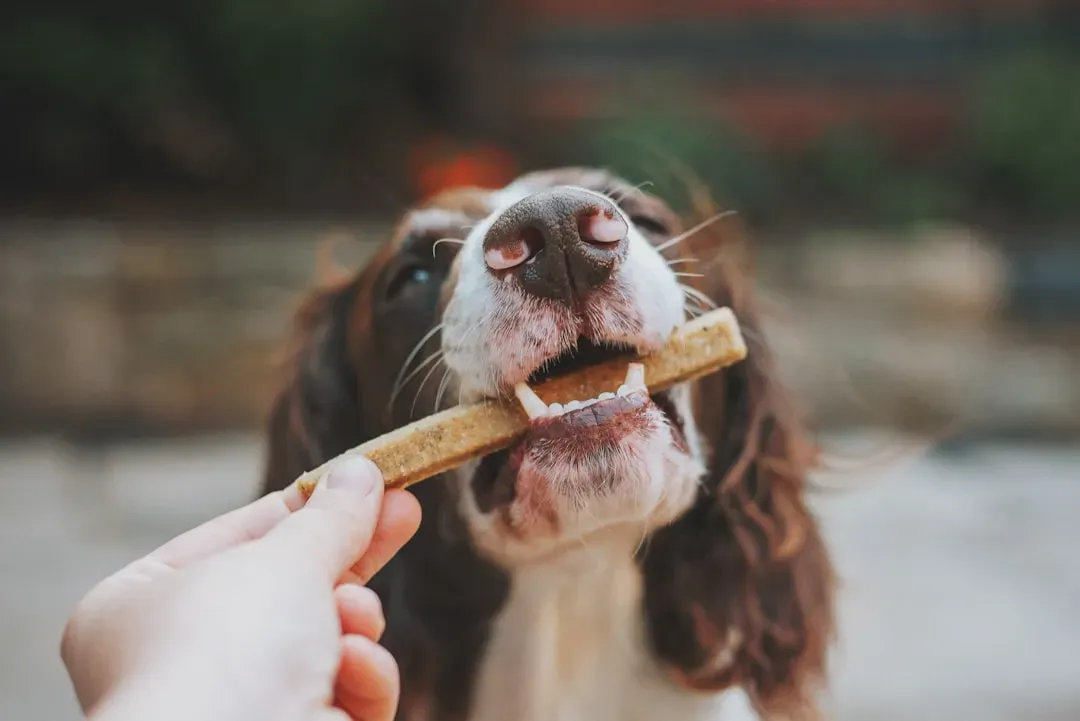
This is the twist most new adopters never see coming. At first, food-motivated rescue dogs will do anything for a treat, but it’s sweaty, panicked energy – grabbing, not learning. Once they realize they won’t starve, their brain can finally process actual training instead of just snatching calories.
You’ll notice softer mouths taking treats, longer eye contact during cues, and the sudden ability to wait before grabbing a reward. Because food is no longer a life-or-death resource, it can finally work the way it’s supposed to – as a pleasant motivator instead of a desperate crutch. This is when recall, loose-leash walking, and real impulse control finally become possible.
#7 – Their Body Shape and Coat Quietly Tell the Truth
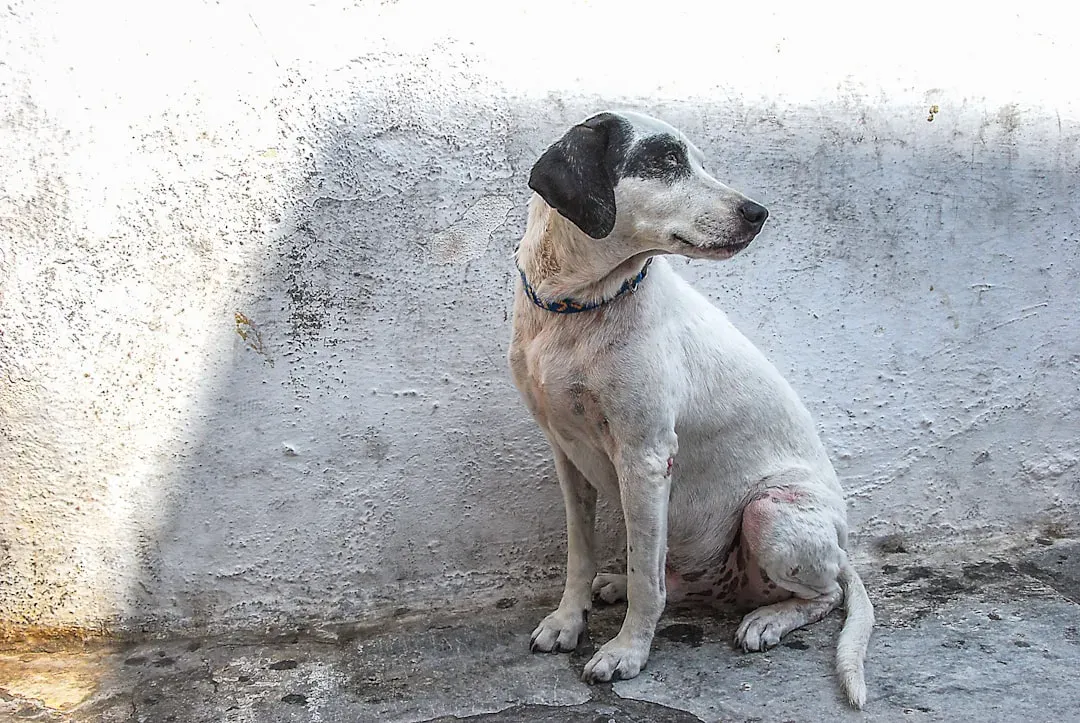
Yes, weight changes – everyone notices that part. But when a rescue truly believes the food will keep coming, the transformation goes deeper than a few extra pounds. The body stops storing every calorie like it’s bracing for famine. Muscle builds. Coats thicken, shine returns, and stress-related skin issues often ease.
You’ll also see posture change. Dogs who were hunched with tucked tails and tight backs start stretching out fully, sprawling on their sides, exposing their bellies after meals. Those are physically vulnerable positions, and an animal who thinks it might need to bolt for food doesn’t relax like that. Consistent feeding is one of the most basic, evidence-backed ways to lower chronic stress in a previously neglected animal.
At a Glance
- Visible ribs, a dull coat, and flaky skin are common markers of past food insecurity.
- Coat quality often shows noticeable improvement within four to eight weeks of steady meals.
- Muscle tone rebuilds gradually with consistent nutrition and light daily exercise.
- A loose tail, soft ears, and an exposed belly signal a calmer, less stressed body.
#8 – Nighttime Calms Down: Fewer 3 A.M. Food Patrols

A lot of adopters quietly deal with this and assume it’s just “how their dog is”: pacing at night, sniffing counters, whining by the pantry at odd hours. For dogs who once had to scavenge, night was prime hunting time – or the most anxious stretch of the day. Once breakfast feels guaranteed, something underrated happens: they start actually sleeping through the night.
Instead of patrols, you get real rest. Some dogs abandon their self-appointed kitchen post entirely and move closer to you, into a crate, or onto a dog bed, because guarding the food supply is no longer a 24-hour job. Plenty of these nighttime habits get blamed purely on separation anxiety, when part of it is very specifically food insecurity finally starting to resolve.
#9 – They Start Sharing Space With Other Pets Without Constant Tension
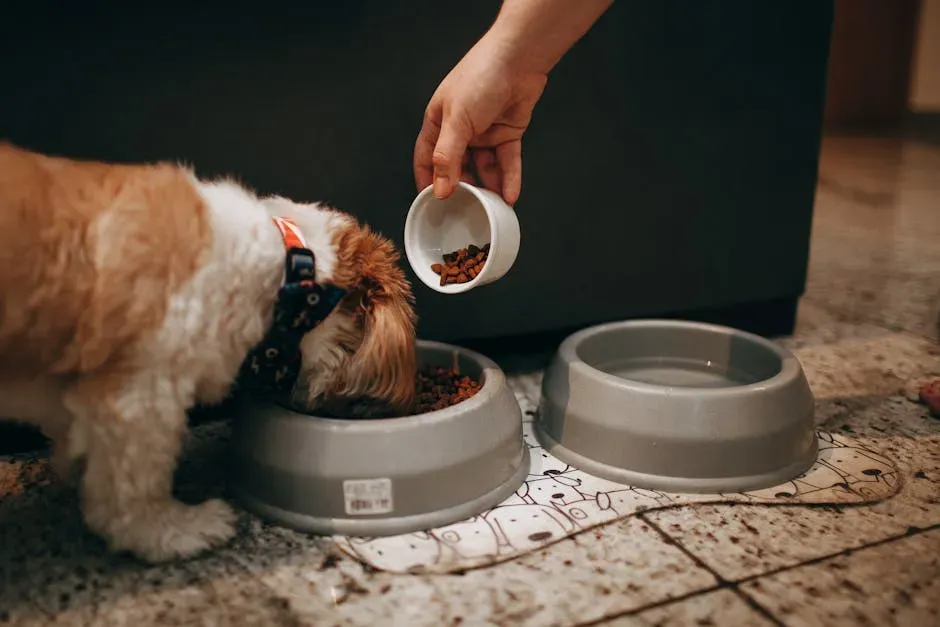
Multi-pet homes expose food insecurity faster and more brutally than anything else. Two bowls, one previously starved dog, one confident resident pet – that’s a pressure cooker. Early on, you might see lunging, snapping, or frantic rushing between bowls. Over time, with consistency, something subtle shifts: the rescue dog stops policing everyone else’s food.
They finally learn the rules – everyone gets a bowl, no one is allowed to steal, and humans enforce it every single time. Once the brain accepts that food isn’t a zero-sum game, ears soften, the frantic side-eye disappears, and some dogs will even walk away from their own bowl while another pet is still eating. A lot of what gets called “dominance” around food is really just insecurity that dissolves the moment the supply feels permanent.
Quick Compare
- Before: rushing between bowls, guarding posture, constant tense side-eye.
- After: waiting turns, relaxed posture, calm awareness of other pets.
- Before: growling or snapping if another animal drifts too close.
- After: ignoring nearby pets entirely, even mid-meal.
#10 – Begging Changes From Desperation to Social Curiosity
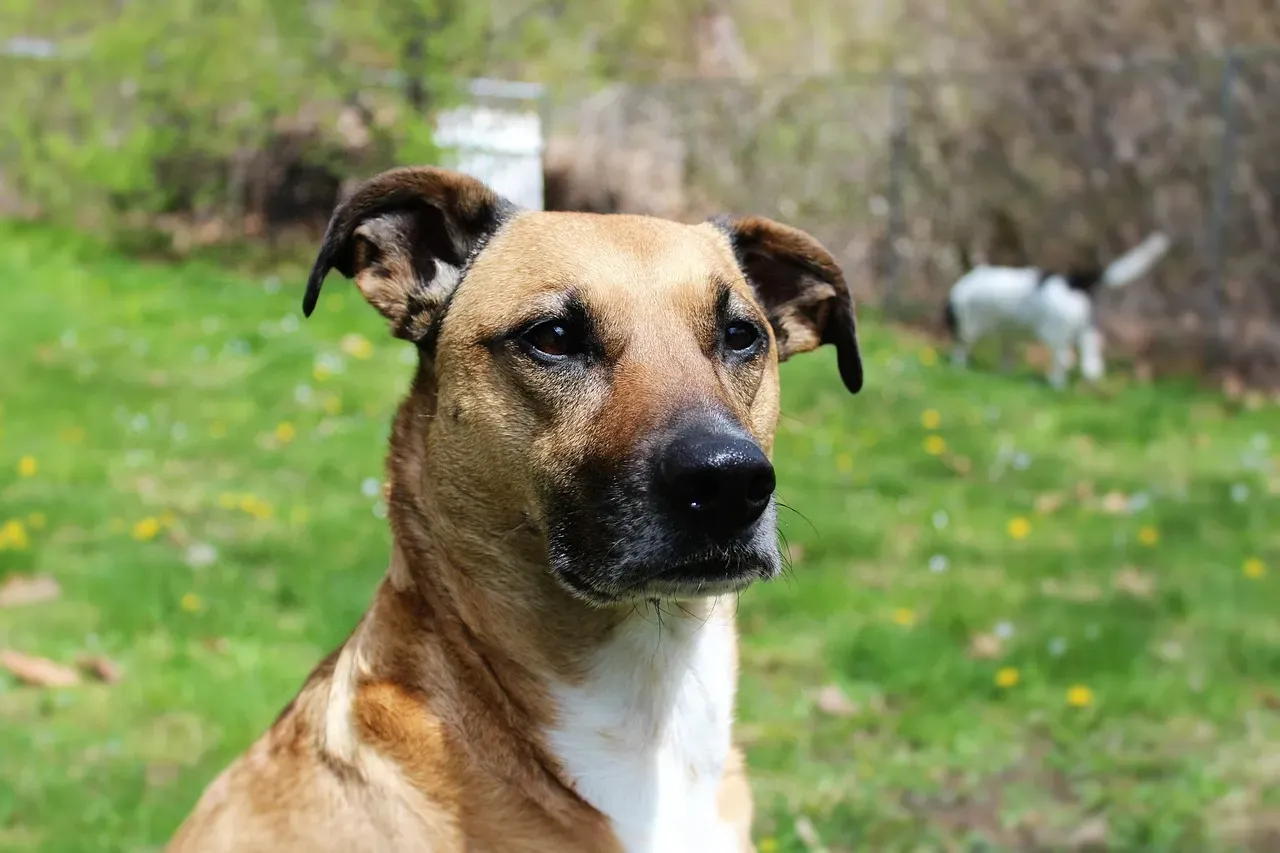
Most dogs beg – but rescue dog begging often has a different, more frantic flavor at first. It’s not “asking,” it’s pleading with their whole body. Once they accept that their own meals are reliable, that pressure softens. They may still hover near the table, but the energy shifts from “I might not eat again” to simple curiosity about what smells good.
You’ll see less drooling and pacing, more relaxed lying-down near you while you eat, and an actual willingness to walk away when redirected. Some dogs lose interest in human food almost entirely once their own bowl feels dependable. This is exactly when boundaries finally stick, because chronic food insecurity creates the true beggar – safety is what allows manners to exist at all.
#11 – Their Personality Finally Comes Out of Hiding

Here’s the part most people never connect to food: personality. When a dog is worried about the next meal, you’re not meeting who they are – you’re meeting who they had to become to survive. Once they deeply trust the food will keep coming, a completely different dog often shows up.
The shy, frozen pup might turn out to be silly, sassy, or downright bossy, and owners are sometimes genuinely caught off guard. That quiet corner dog wasn’t calm – they were shut down by hunger and stress. With regular meals and a predictable routine, they suddenly have opinions, energy, and confidence that simply wasn’t accessible before. Pretending starving-calm was ever their “true temperament” was never fair to them.
Why It Stands Out
- Personality shifts are often the clearest sign that food-security recovery is complete.
- Dogs may reveal humor, stubbornness, or affection that stress had been masking.
- Behavior once labeled “shy” or “calm” is sometimes shutdown, not true temperament.
- This change usually unfolds over weeks or months of routine, not overnight.
#12 – They Start to Trust You as Much as the Bowl
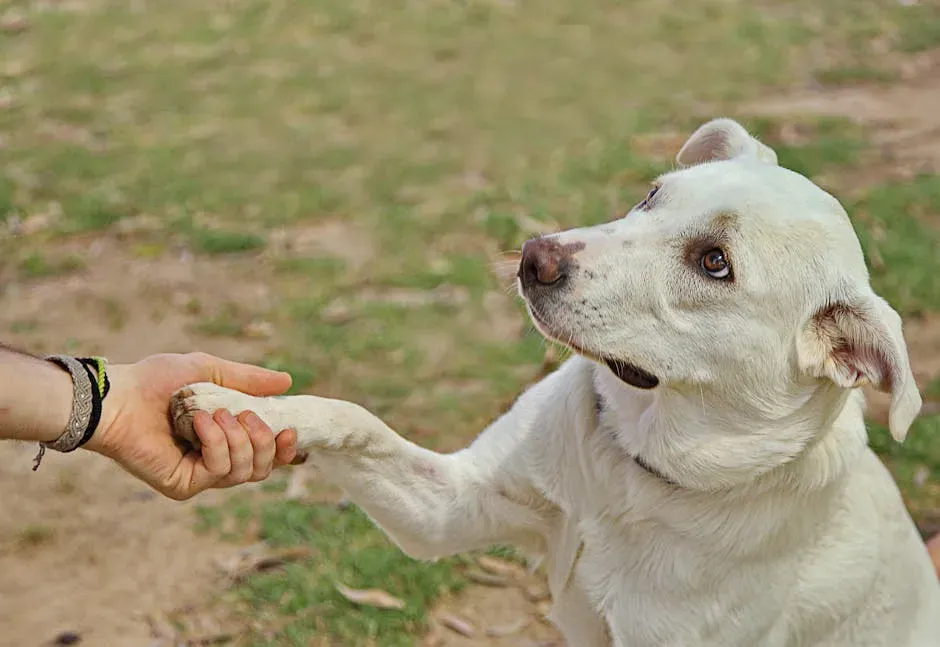
The final, most powerful shift isn’t about food at all – it’s about the hands that keep providing it. In the early days, many rescues fixate entirely on the bowl, barely registering the person behind it. Over time, as the pattern repeats – you, bowl, meals, every single day – the association between you and safety finally cements.
You’ll notice it in small moments: they follow you after meals, not just before. They nap in doorways where they can see you instead of the kitchen. They come when called even when there’s no food involved at all. For a dog who’s known real hunger, consistent feeding is the first love language they ever actually believe – and everything else, the bond, the trust, the goofy affection, grows out of that one repeated promise kept.
The Bottom Line
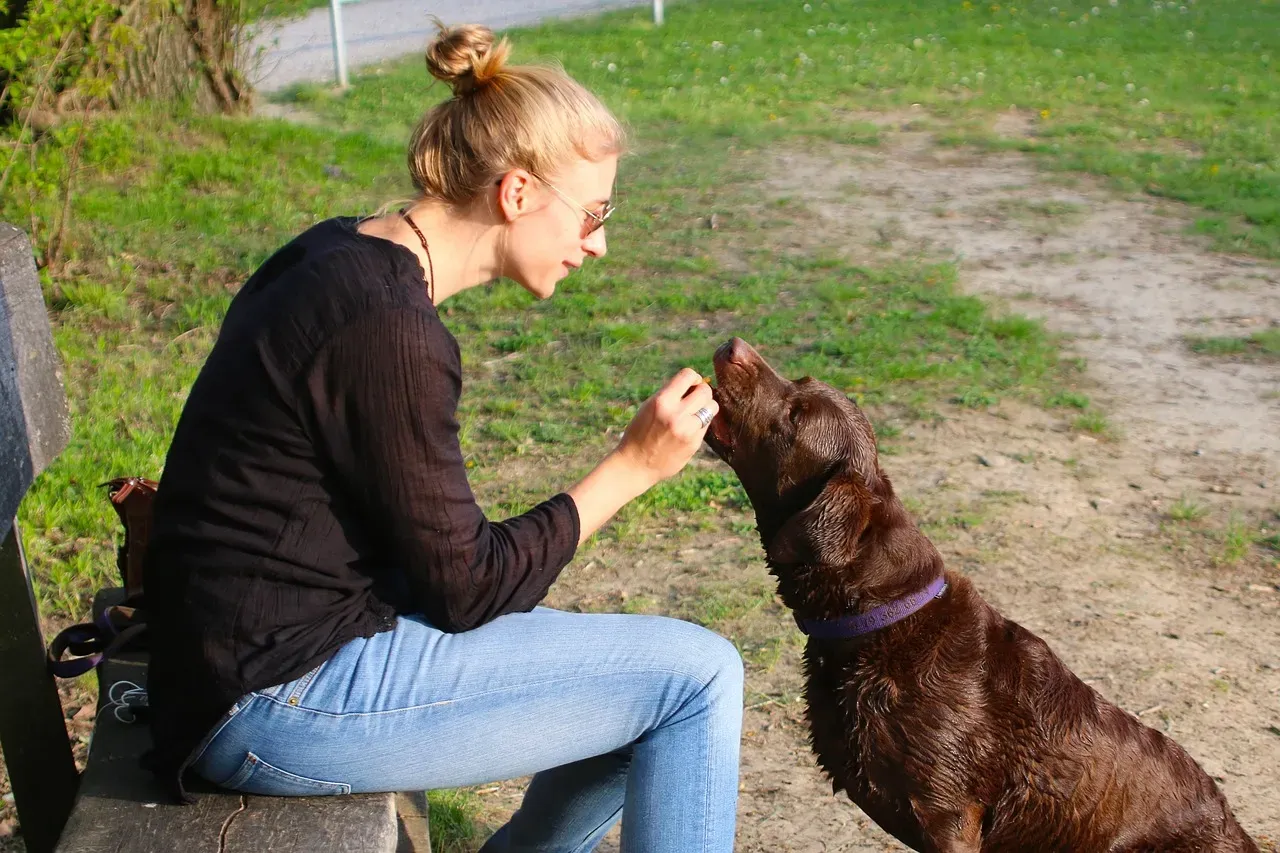
Once a rescue dog understands the food will keep coming, you’re not just fixing a feeding schedule – you’re dismantling an entire survival system their brain built to stay alive. Panic eating slows, hoarding fades, nighttime patrols stop, and suddenly there’s room for play, training, and a real personality to surface.
Here’s the opinion nobody wants to hear: most of what gets labeled “bad behavior” in rescue dogs isn’t bad behavior at all. It’s hunger trauma wearing a leash. Free-feeding can mask real problems, and rigid portioning without any emotional awareness can accidentally recreate the same scarcity the dog is trying to escape. The actual fix is almost boring – same times, same place, same human showing up, meal after meal, without fail. That unglamorous consistency is the most underrated therapy you can give a rescue dog, and it works faster than almost anything else you’ll try.
Did this match what you saw with your own dog, or did something completely different show up once the fear faded? Tell the real story in the comments – skip the highlight reel.