
13 Things an Adopter Learns About a Rescue Dog Only After the First Winter
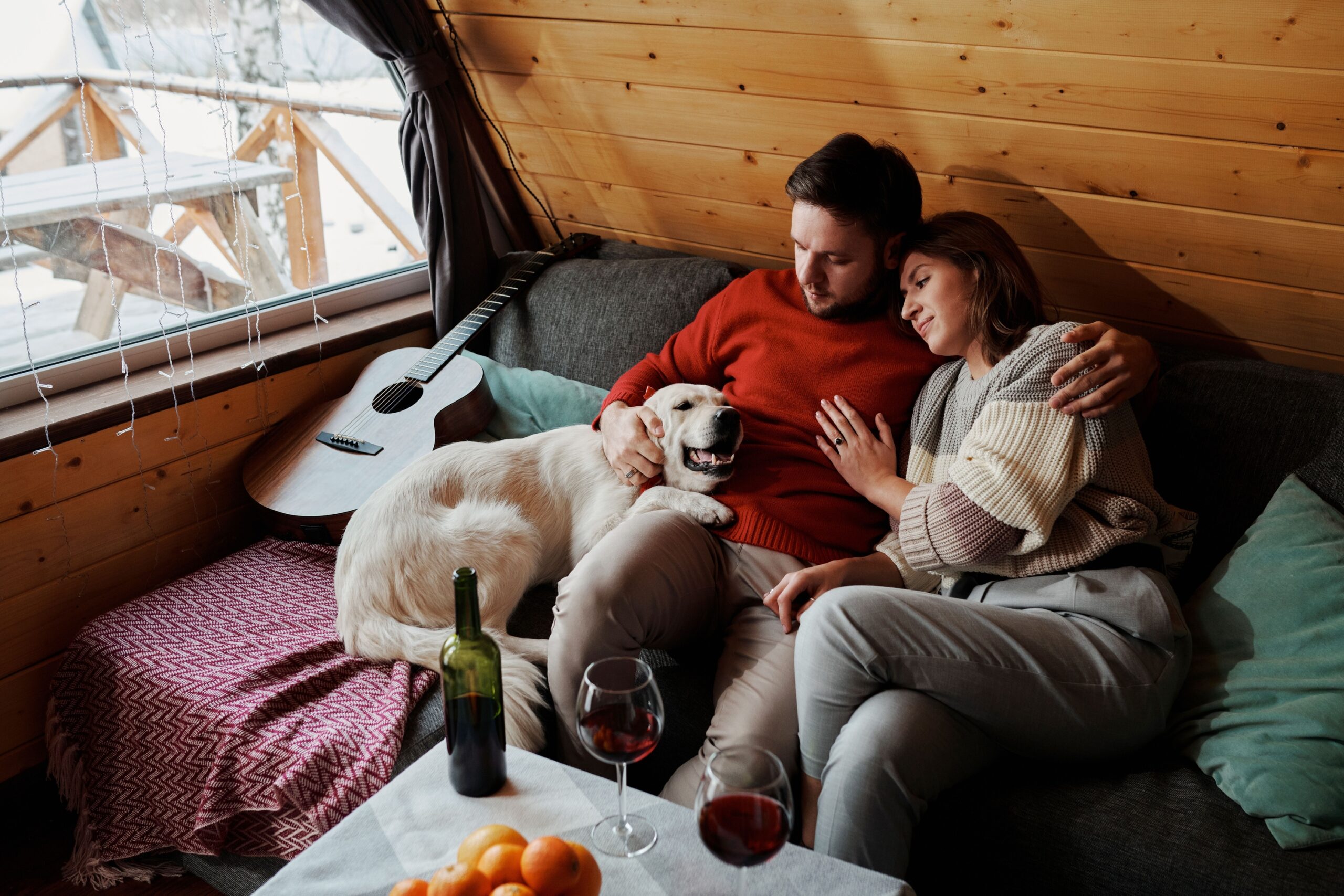
Everyone warns you about the first few weeks with a rescue dog – the accidents, the shyness, the slow trust-building. Nobody warns you about the first winter, when everything you thought you knew about your new dog quietly falls apart and gets rebuilt into something more real.
The honeymoon phase runs on adrenaline and good intentions. Cold weather runs on something else entirely: what your dog’s body and mind actually need once the novelty wears off. By the time you reach the last entry on this list, you’ll understand why so many adopters say the same thing – they didn’t really meet their dog until the temperature dropped.
#1 – The “Real” Coat Finally Shows Up
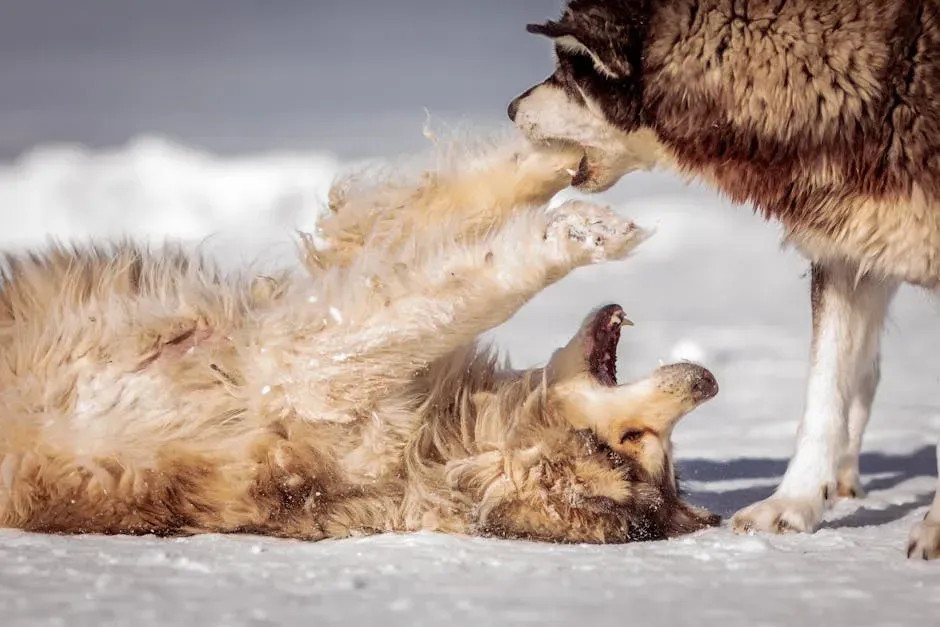
You think you know what kind of dog you adopted, and then the first real cold snap arrives and rewrites the story. Rescue dogs often come in clipped, matted, or mid-shed, so nobody actually knows what’s underneath until winter forces it out. Some develop a thick undercoat nobody expected. Others turn out to have paper-thin fur and start shivering the second they step outside.
Plenty of “short-haired” rescues end up needing daily brushing that doubles their grooming time compared to summer. You’ll also find out fast which dogs tolerate booties on salted sidewalks and which ones treat every attempt like a personal insult. Either way, the coat reveal is usually the first sign that this dog is going to surprise you all season long.
Fast Facts
- Double-coated dogs often reveal a thicker undercoat within the first few weeks of consistent cold.
- Thin-coated breeds typically need a jacket once temperatures drop toward freezing.
- A full coat change from summer to winter texture can take two to three weeks.
- Shelters rarely note coat type accurately if the dog was groomed short at intake.
#2 – Joint Pain Was Hiding in Plain Sight
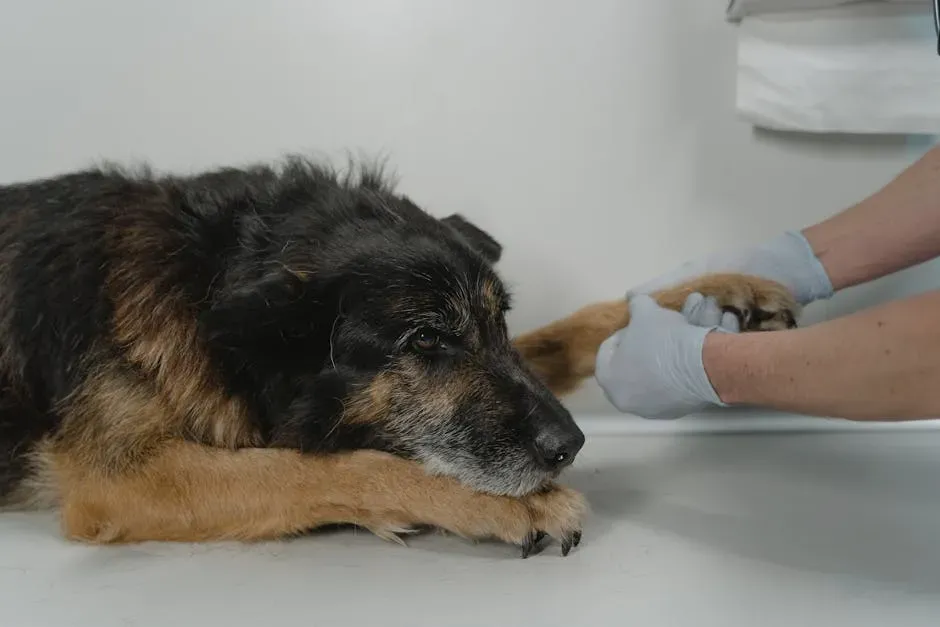
Arthritis has a way of staying invisible until the temperature drops below freezing. A dog who bounded up the stairs in October suddenly hesitates at the bottom step in December, and foster paperwork almost never includes a full orthopedic history to explain why.
Older rescues in particular start showing early signs of hip dysplasia that warm weather had been quietly masking. Joint supplements go from optional to non-negotiable, and a lot of owners end up buying ramps or orthopedic beds they never budgeted for. Vets will tell you cold weather slows blood flow to the joints – which means every morning routine gets a little slower, and a little more careful.
#3 – Cabin Fever Turns Into Household Chaos
Shorter daylight hours flip a lot of rescues from outdoor explorers into restless indoor chewers who suddenly target furniture they ignored all summer. Without enough ways to burn energy, that restlessness shows up as shredded pillows, endless pacing, and a dog who just cannot settle.
Dogs with a strong prey drive sometimes redirect that intensity toward other pets or family members during those long, confined winter weeks. Adopters end up building indoor agility courses or rotating puzzle feeders just to keep the peace. Nobody pictures cabin fever when they imagine cozy winter cuddles, but plenty of owners learn it’s the real trade-off.
#4 – Housetraining Falls Apart in the Snow
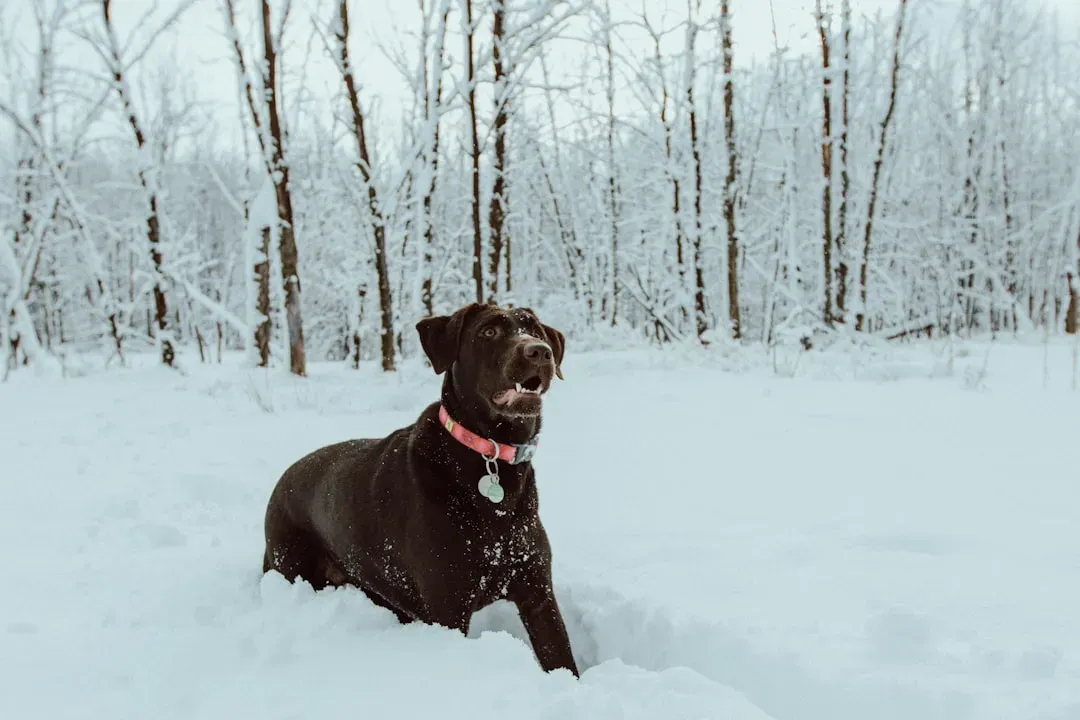
A dog who was rock-solid on housetraining all fall can suddenly refuse to go outside the second snow piles up. Thin-coated dogs especially hate the feeling of cold, wet ground under their paws, and that hesitation turns into accidents that test even the most patient adopter.
Winter potty regression is one of the most common reasons rescues get returned during that first season. Owners end up installing pee pads or shoveling out a small sheltered potty spot they never thought they’d need. For some dogs the adjustment takes weeks, and it’s a real window into how sensitive a rescue’s nervous system still is.
#5 – The Scale Tells a Story No One Expected
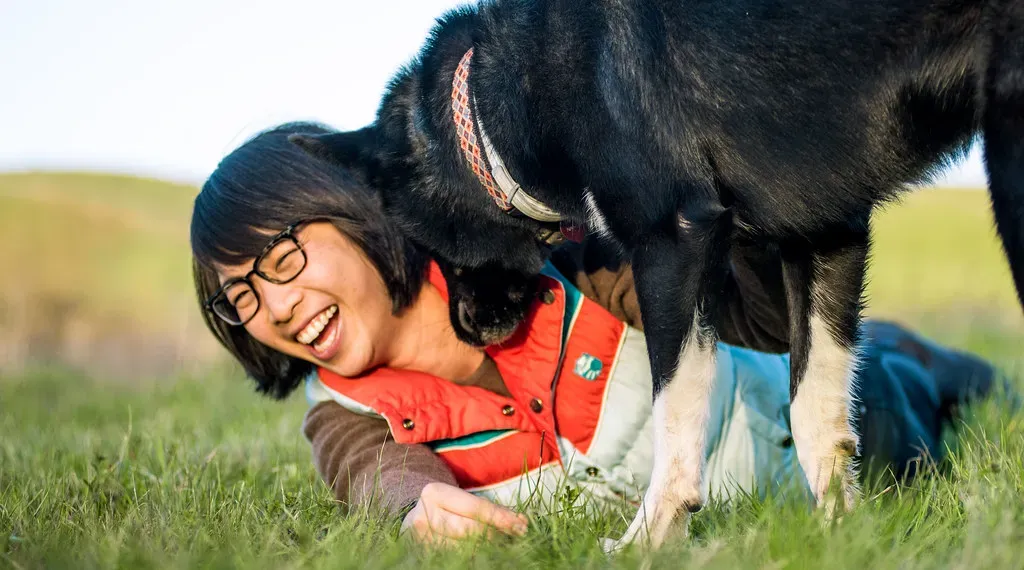
Cold weather does strange things to appetite. Some rescues start begging nonstop, while others go off their food almost entirely until spring. Dogs with unknown pasts – including possible histories of malnutrition – often react to winter in ways that catch new owners completely off guard.
A lot of newly adopted dogs actually gain weight that first winter because owners overcompensate with treats out of guilt or worry. Portion control becomes essential fast, sometimes alongside a switch to higher-calorie food that gets reversed again by March. Checking body condition turns from an afterthought into a weekly habit.
#6 – Winter Darkness Cracks Open Old Fears
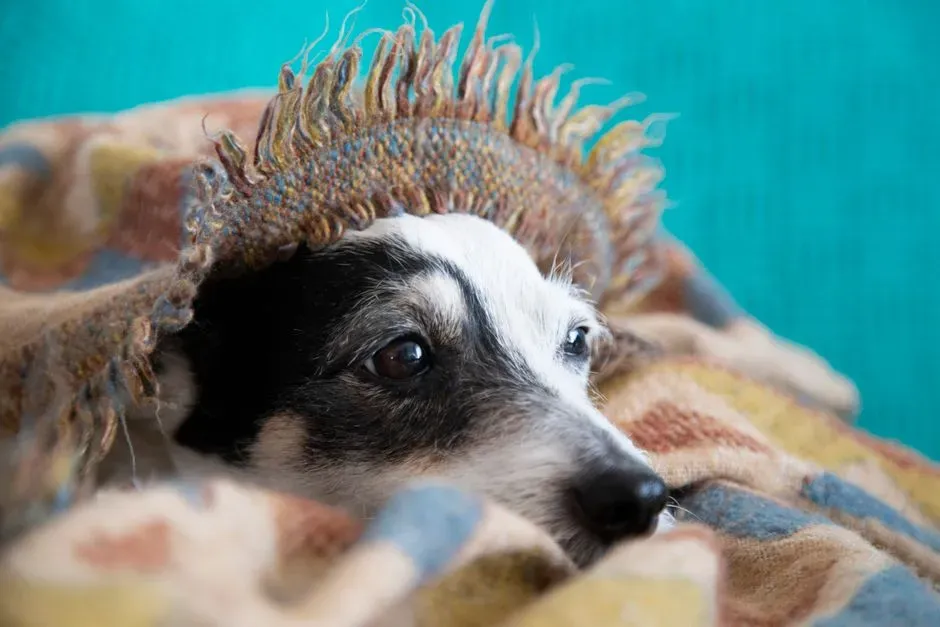
Less daylight has a way of making already-anxious rescues even clingier. Dogs prone to abandonment fears start shadowing their new owners room to room, and crate training that seemed finished suddenly needs a refresh. Less outdoor stimulation means whatever anxiety was already there gets louder – more barking, more destruction, more panic when left alone.
Cameras and white noise machines that felt unnecessary in July become standard by December. The emotional labor of talking a dog down from seasonal stress – again and again – is the part nobody mentions in the adoption brochure. It’s real work, and it’s often invisible to everyone but the person doing it.
Worth Knowing
- Increased whining or barking right at dusk often signals light-triggered anxiety, not boredom.
- Shadowing an owner room to room is a common sign of resurfacing abandonment fear.
- Destructive chewing near doors or windows frequently points to isolation distress.
- A sudden appetite drop tied to stress is different from a simple winter slowdown.
#7 – Salt and Dry Air Attack Paws and Skin
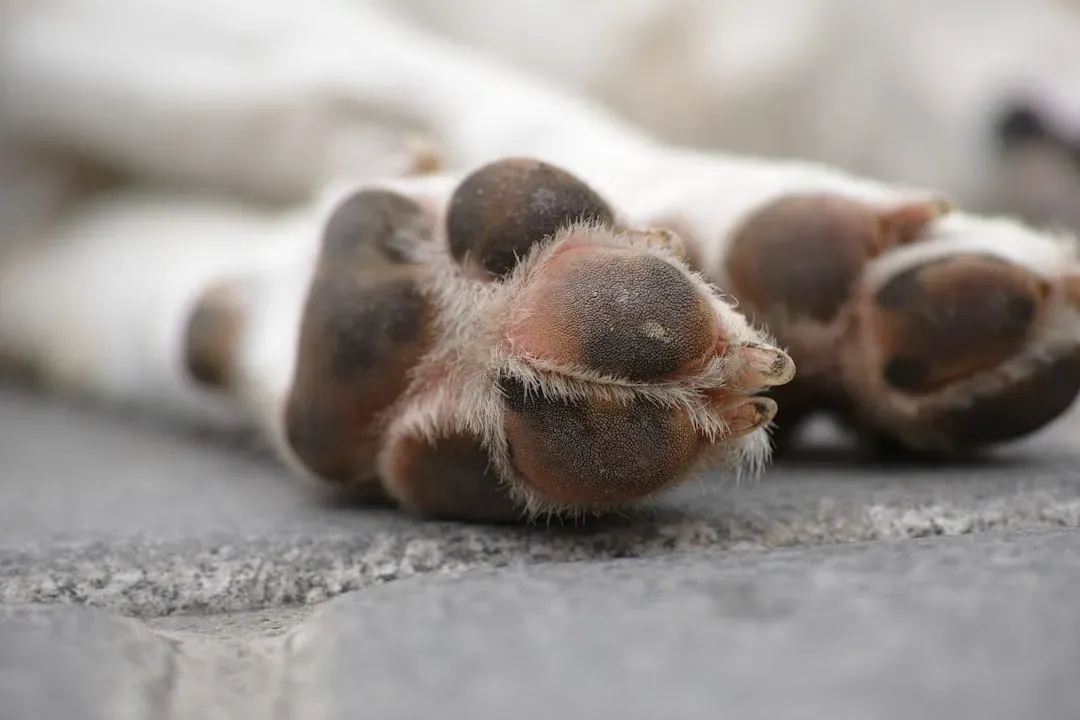
Road salt and dry indoor heat are brutal on a dog’s skin, and rescues with already-sensitive systems feel it fastest. Red, irritated spots between the toes show up out of nowhere, and daily paw checks become part of the routine whether you planned for it or not.
Many owners end up spending far more than expected on winter-specific grooming products after that first season. Booties and paw wax become the new normal, though some dogs still lick obsessively until a vet-prescribed ointment finally breaks the cycle. It’s a small, unglamorous chore that adds real time to every evening.
#8 – Fetch Gets Replaced by Brain Games
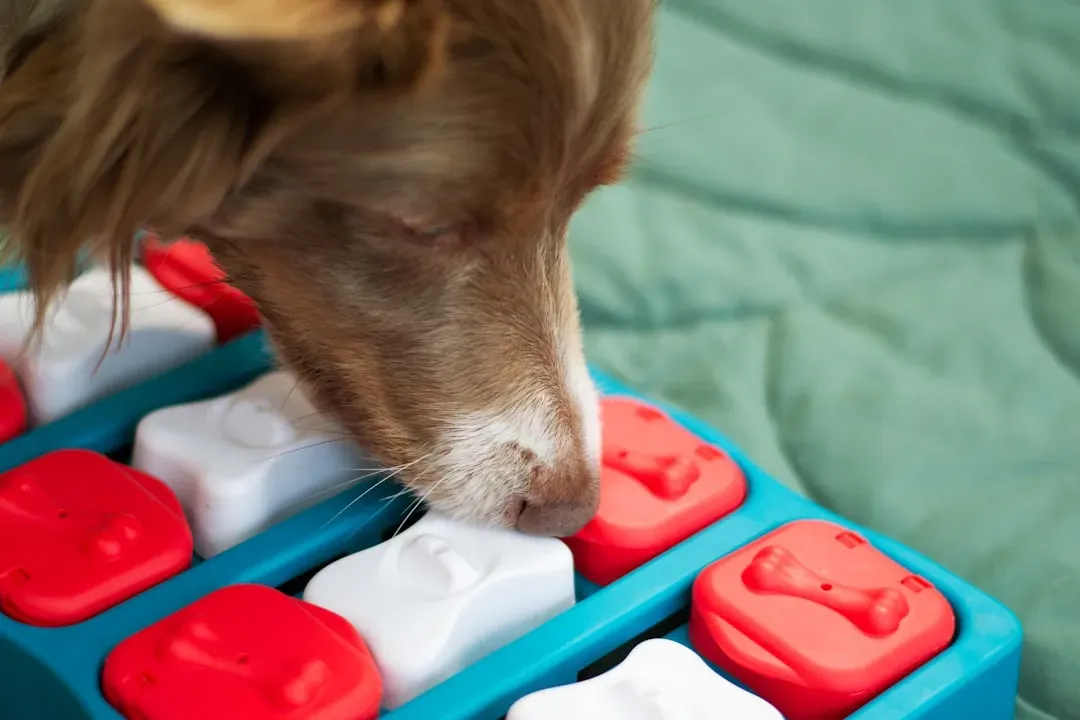
Physical play naturally drops off when a dog is stuck inside for days at a time, and puzzle toys or scent work step in as the only real outlet left. Working-breed rescues especially need something to occupy their brains, or they’ll invent their own project – usually counter surfing.
A tired brain prevents more behavior problems than a tired body ever will, especially in freezing weather. Training sessions get longer, treat-dispensing toys become permanent fixtures, and the whole idea of “exercise” quietly shifts from walks to mental workouts. It’s not what most people picture when they think about keeping a dog active.
#9 – The Vet Bills Nobody Budgeted For
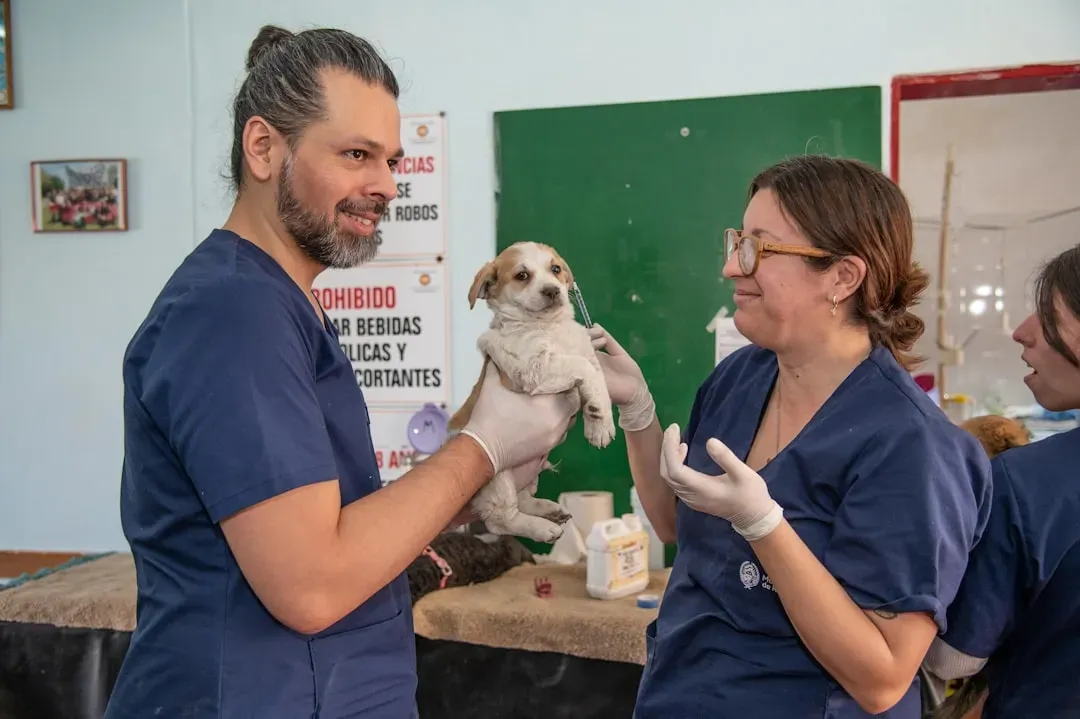
Kennel cough and other respiratory infections spread fast in confined indoor spaces, and rescues with incomplete vaccination histories tend to catch it hardest. For a lot of adopters, the first winter brings the first unplanned trip to the vet for antibiotics.
Heartworm and flea prevention don’t take a winter break either, something many new owners only learn after dealing with an infestation firsthand. Budgeting for these surprises turns out to be one of the harder, quieter lessons of responsible ownership – the kind that shows up on a credit card statement instead of in a training manual.
At a Glance
- Kennel cough spreads especially fast anywhere dogs share close indoor space.
- Vets generally recommend year-round heartworm prevention, even through cold months.
- Fleas can survive indoors on pets and bedding regardless of outdoor temperature.
- Cold weather can mask early dehydration signs, delaying when owners notice a problem.
#10 – Trust Gets Built One Cold Morning at a Time
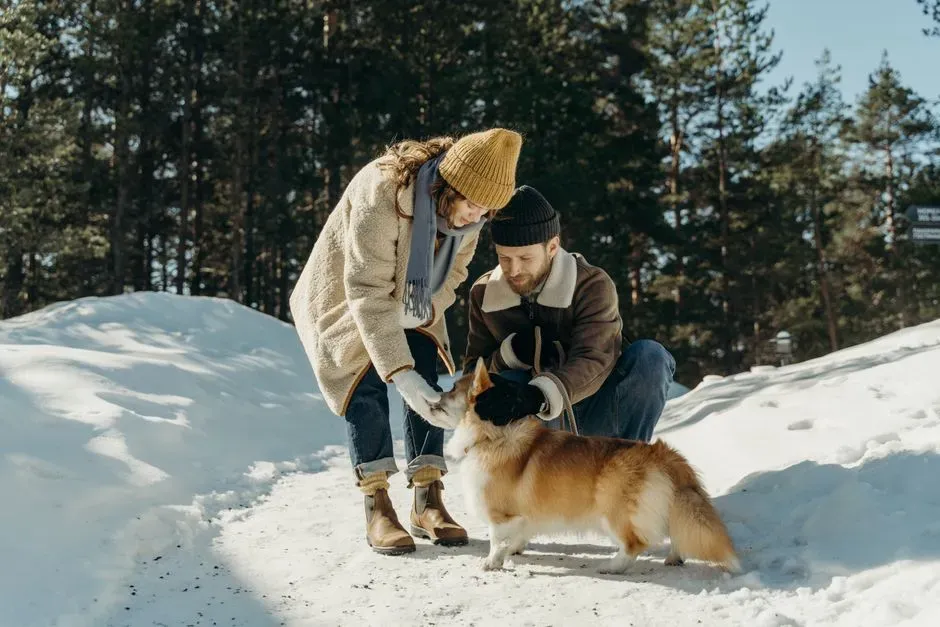
Winter forces a kind of consistency that summer never demands. Checking for ice balls stuck in the fur, warming up before a walk, sitting through a storm together – these small rituals build trust faster than any amount of easy, sunny-day freedom ever could.
Until one has loved an animal, a part of one’s soul remains unawakened.
Anatole France
Adopters who stick with the slow mornings, the wind-shy refusals, the extra patience – they consistently describe a loyalty that feels earned rather than given. It’s not glamorous, but it’s the kind of bond that lasts. Winter has a way of quietly weeding out anyone who was only in it for the easy parts.
#11 – The DNA Test Blows Up the Backstory
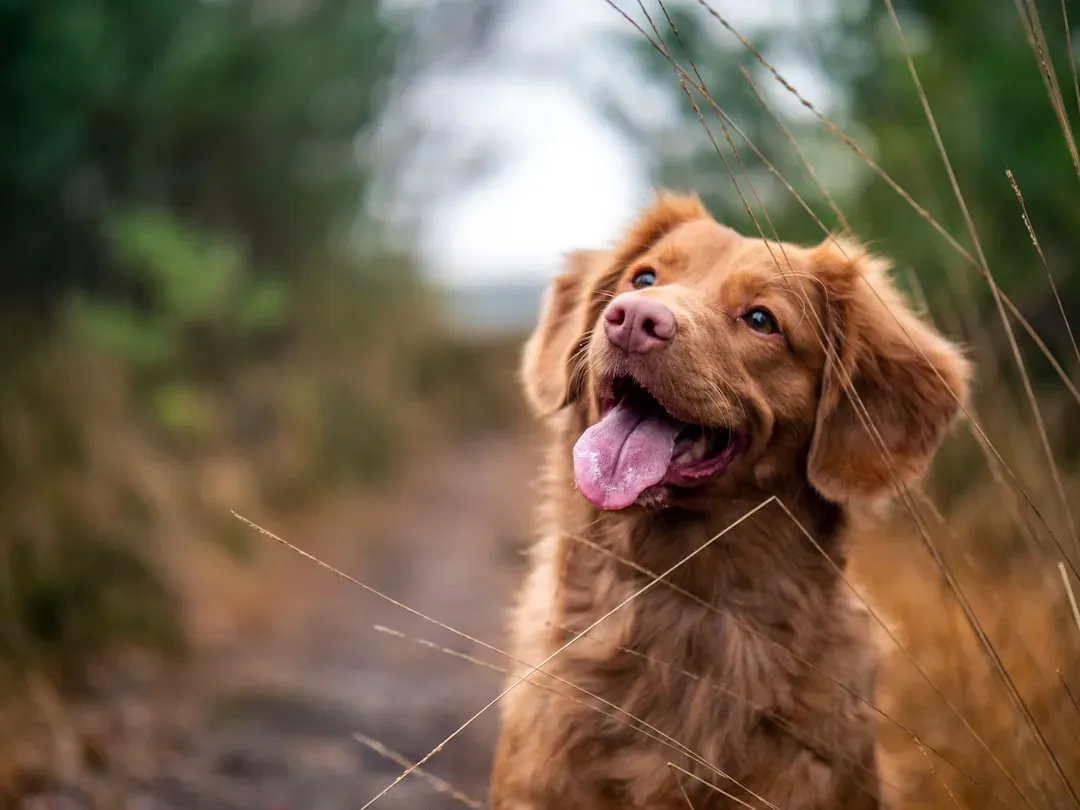
Winter coat growth and cold tolerance have a habit of exposing dominant breeds that adoption paperwork completely missed. A dog labeled a “lab mix” suddenly grows a thick husky undercoat, and overnight, the exercise and grooming expectations change completely.
DNA tests done after that first winter often contradict the shelter’s original guess by a wide margin. Owners find themselves adjusting training on the fly, sometimes discovering herding instincts or scent hound tendencies that finally explain behaviors that never quite made sense before. It’s a strange kind of plot twist – one that reshapes daily life more than most people expect.
Quick Compare
- Shelter guess: short-haired lab mix – Winter reveal: dense double coat, heavy seasonal shedding.
- Shelter guess: calm companion breed – Winter reveal: herding instincts triggered by moving snowmen or sleds.
- Shelter guess: low-energy senior – Winter reveal: scent hound focus that turns every walk into a tracking mission.
#12 – Trauma Doesn’t Care About the Calendar
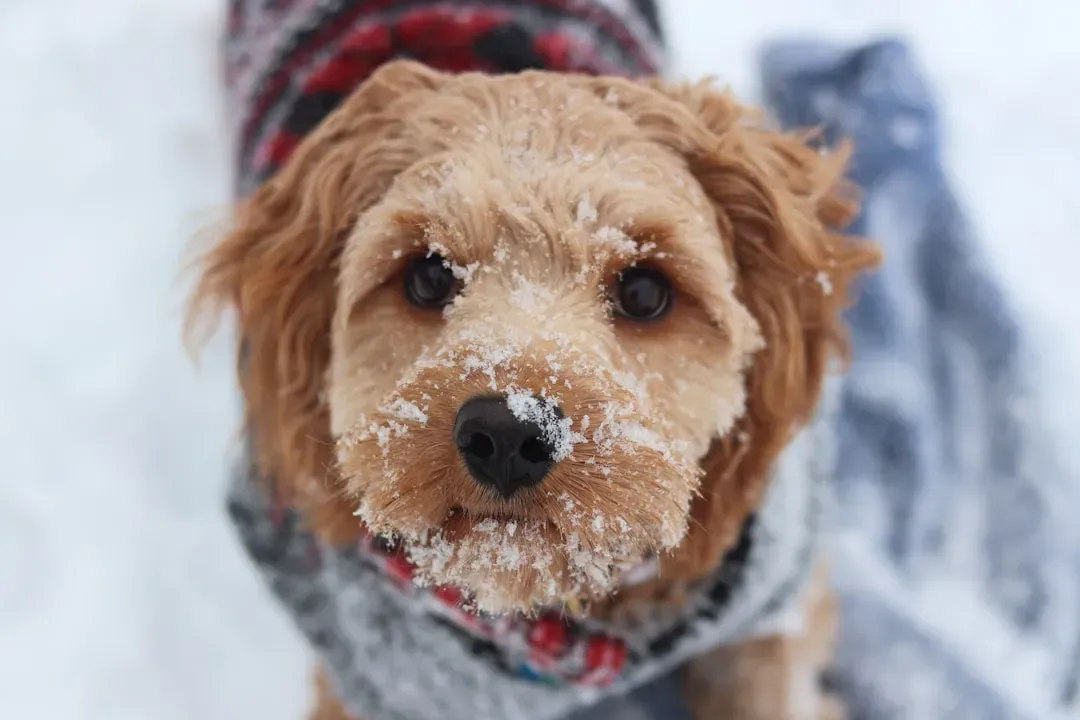
Some rescues settle into winter’s slower rhythm like it’s exactly what they needed. Others regress hard, sliding back into fear responses tied to whatever happened before you knew them – often triggered by nothing more than cold air or an early sunset.
There’s no universal script for this, which is exactly the point. Thunder shirts, extra reassurance, even temporary medication go from last resorts to everyday tools. Anyone who walked into adoption thinking of it as a simple act of rescue usually finds out, right around this point, just how much emotional investment it actually asks for in return.
#13 – Winter Becomes the Real Adoption Test
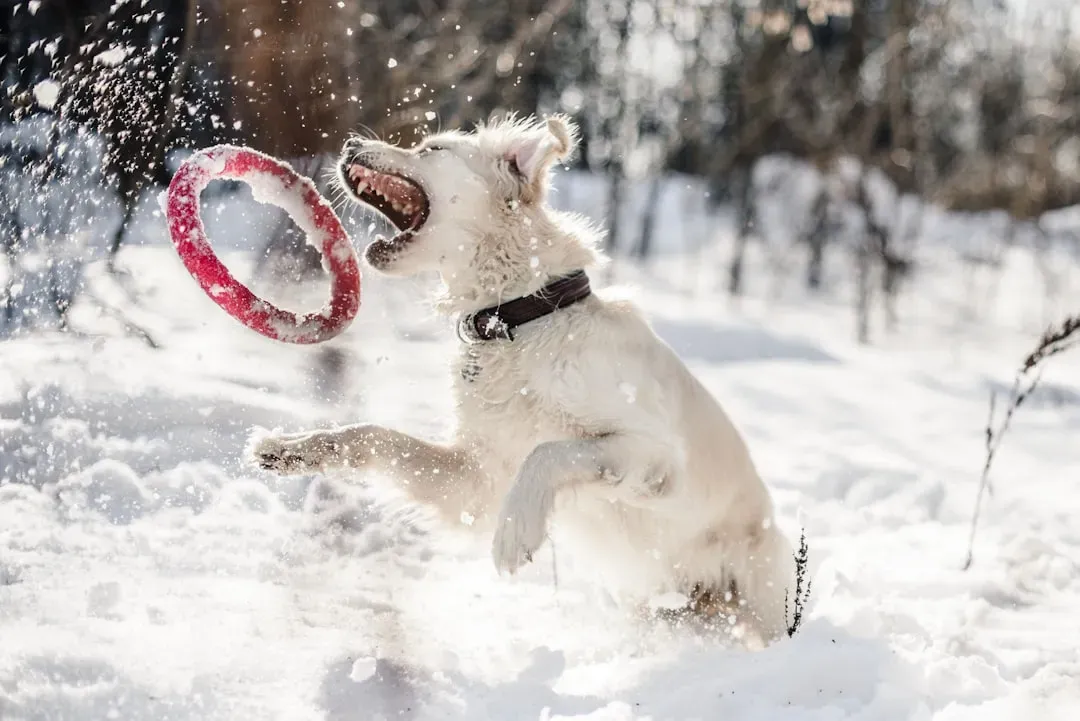
By the time spring finally shows up, the first winter has already answered the question nobody wanted to ask out loud: is this really going to work? Every joint supplement, every indoor enrichment session, every awkward paw-wax application adds up to something bigger than routine maintenance – it’s the slow proof of whether this match can hold.
The adopters who push through report bonds that feel unbreakable by the time the snow melts. The ones who underestimated the demands are far more likely to point to winter as the exact moment things started to unravel. There’s no romance left in it by February – just the raw, plain truth of whether two lives actually fit together.
The Bottom Line
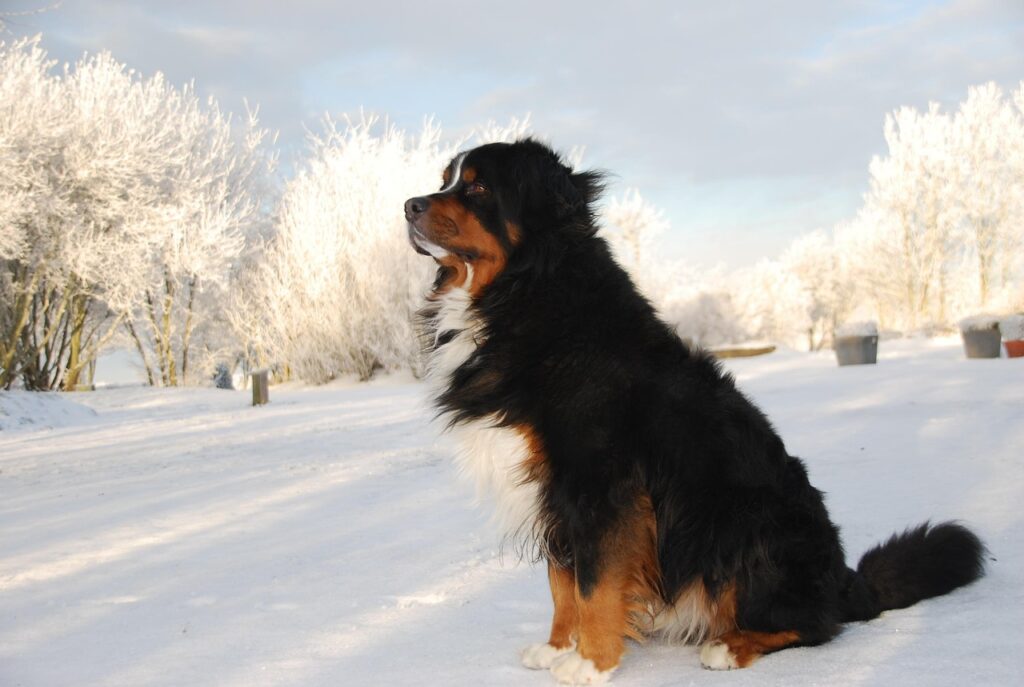
Here’s the part most adoption guides won’t say plainly: summer adoptions are easy because summer hides almost everything. The coat looks fine, the joints don’t ache yet, the energy has somewhere to go. Winter strips all of that away and leaves you with the actual dog – quirks, aches, fears, and all.
I’d argue that’s a good thing, not a warning sign. A rescue dog who makes it through one full winter with you, ice balls and vet bills and 2 a.m. anxiety spirals included, has shown you something summer never could. That’s not a harder adoption. That’s just what a real one looks like.