
13 Things a Boarding Kennel Notices About a Dog on the Very First Night
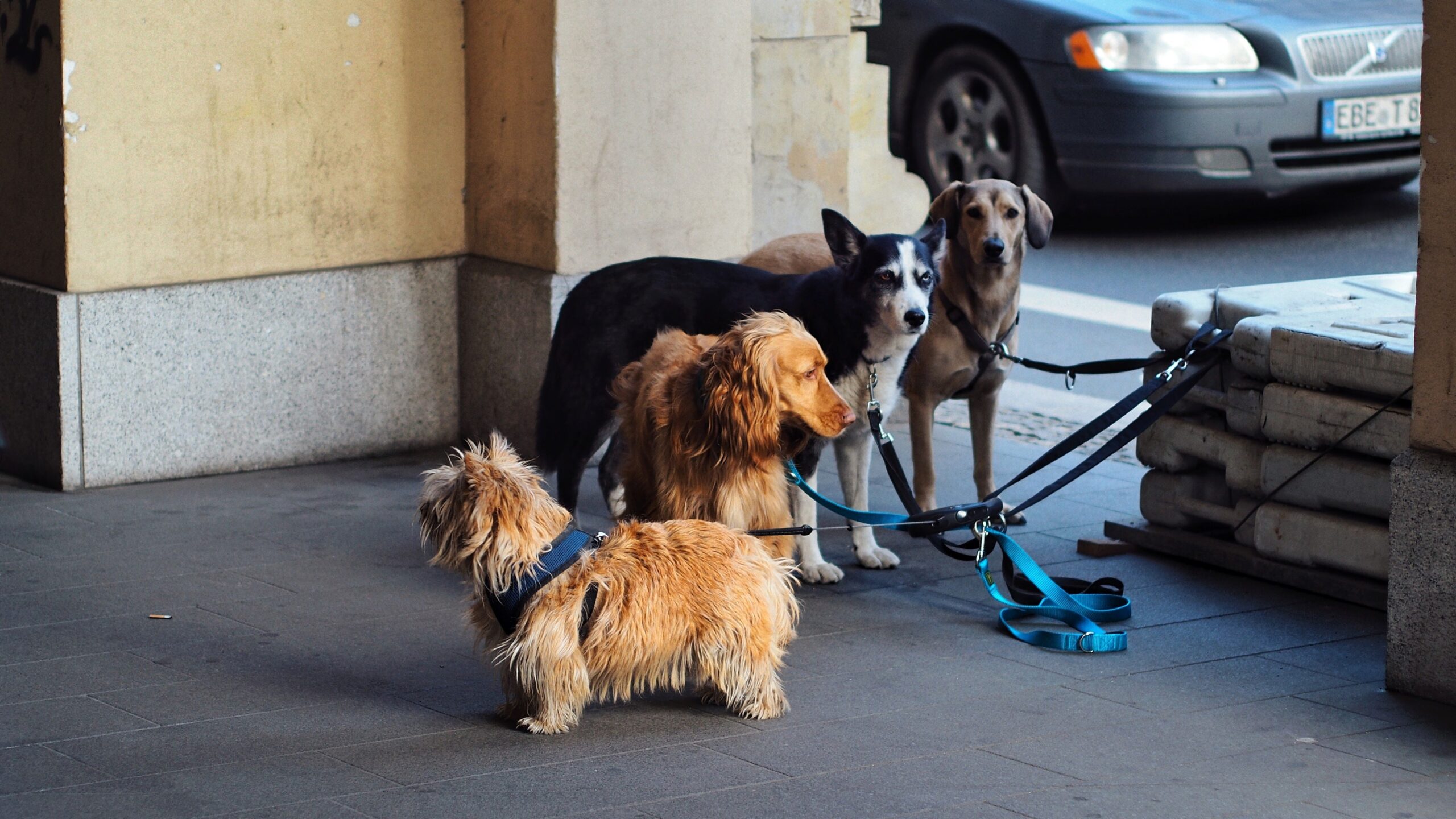
You hand off the leash, say a quick goodbye, and picture your dog curled up in a cozy corner, maybe missing you a little, but basically fine. What you don’t see is the invisible checklist running through every staff member’s head the second that leash lands in their hand. Long before your dog eats a single bite of kibble, trained eyes are already reading things about him you’ve never noticed at home.
By the time lights-out hits on night one, your dog has quietly told an experienced kennel worker more about his real personality, his real training, and his real stress level than months of “he’s great with everyone!” ever could. Here’s what actually gets noticed – and why some of it might surprise you.
#1 – How Fast They “Map” the Room
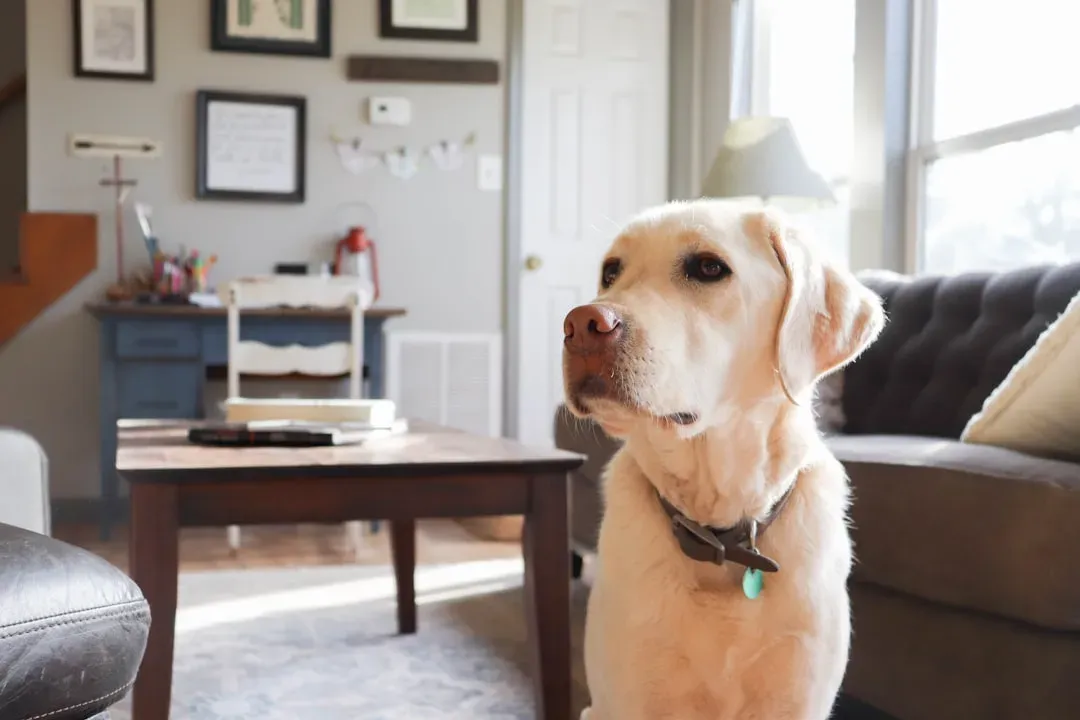
The first thing a good kennel worker watches for isn’t cute, it’s practical: how quickly does this dog figure out where he is? A confident dog doesn’t just wander in and shut down. He scans the room, sniffs the corners, glances toward sounds, and basically starts building a mental map. A more anxious dog often does the opposite – he glues himself to his owner’s leg, head low, tail clamped, completely tuning out everything around him.
Dogs who explore, even nervously, tend to have an easier first 24 hours. Curiosity is their way of managing fear, and staff know it’s a strong sign of resilience. The dogs who worry them are the ones who freeze completely, staring at nothing, refusing to leave one spot. That’s not shyness. That’s a dog who can’t process his surroundings, and a dog like that is far more likely to panic later, at lights-out, during a loud bark, or the moment a stranger walks into his run.
Fast Facts
- Confident dogs sniff corners and track new sounds within minutes of arrival
- Nervous exploring still counts as a good sign – it means the brain is coping, not shutting down
- Total freezing in one spot is a bigger red flag than restlessness
- Dogs who “map” the room early tend to settle faster once lights go out
#2 – What the Leash Really Reveals

“He’s great on a leash” is one of the most common things owners write on intake forms, and night one is when kennel staff quietly find out if it’s true. The walk from the lobby to the run is basically a stress test: unfamiliar smells, echoing hallways, strange dogs barking behind doors. How a dog handles that walk tells staff almost everything they need to know before the dog even sees his kennel.
Some dogs pull like a freight train and ignore every cue they supposedly know. Others plant their feet and refuse to budge, treating the leash itself like a threat. If a dog spins, bites at the leash, or panics the moment pressure hits his collar, staff flag him immediately as a possible flight or bite risk, and that changes everything about how he’s handled going forward. A dog who can be guided, even nervously, earns an easy mental tag. A dog who thrashes and shrieks becomes the first thing mentioned in the shift handover.
#3 – Whether They Eat Under Pressure

Everyone tells the front desk their dog is “a great eater.” Night one is where that claim gets tested for real. Mealtime in a kennel is loud and unfamiliar – strange smells, barking neighbors, clanging bowls – and food becomes less about hunger and more about whether a dog can cope at all.
A dog who eats a full meal that first night is often more resilient than his owner realizes; he’s overriding real stress just to meet a basic need. A dog who won’t touch even the good stuff isn’t being picky, he’s showing early signs of anxiety, or possibly not feeling well. Good staff know the nuance too: some dogs won’t eat while watched but clean the bowl the second everyone walks away. Those get quietly labeled “privacy eaters.” True fasting, though, gets logged and double-checked at breakfast.
#4 – Their Unfiltered Opinion of Other Dogs

That quick walk past other runs on the way in isn’t just routine, it’s a deliberate mini-assessment. Long before any dog sees a playgroup, staff are already reading how he reacts to other dogs behind bars and gates.
Some dogs bounce up loose and wiggly. Others stiffen, stare, and throw hard barks at every face they pass. And some completely shut down, hugging the far wall of the hallway like the other dogs don’t exist. A dog who goes from zero to explosive behind a barrier is often more intense than his owner admits, and that first pass-by usually predicts exactly how stressful bathroom breaks and cleaning time will be. Oddly enough, the dog who “ignores” everyone can worry staff more than the loud barker. Total avoidance, tucked tail, fast breathing, is a dog silently screaming that he’s overwhelmed, and that dog may not belong in group play no matter how much his owner insists he “loves the dog park.”
#5 – The Truth About “100% House-Trained”

Almost every intake form claims the dog is fully house-trained. Night one is when the truly trained dogs separate from the ones who were simply on a predictable schedule at home. Stress plus a brand-new routine has a way of exposing exactly which one is true.
Staff watch closely: does the dog mark the new run right away? Hold it for hours and then have an accident? Or soil his own bedding like it means nothing? A dog who keeps his sleeping area clean even while anxious usually has genuinely solid habits and real bladder control. A dog who messes his bed instantly isn’t “bad,” he may have simply never been taught the difference between living space and bathroom space. That distinction changes his whole care plan, more frequent potty breaks, different bedding, and close watching for medical issues like UTIs. Insiders know the first night’s mess pattern is pure information, not a character flaw.
Quick Compare
- Genuinely house-trained: keeps the sleeping area clean, holds it even while stressed
- Schedule-trained, not truly trained: marks the new run almost immediately
- Never taught the distinction: soils bedding with no apparent discomfort
- Medical concern building: repeated accidents paired with straining or frequent urination
#6 – How They React to a Stranger’s Hands

That first check-in exam, a collar adjustment, a quick pat-down, maybe a vaccine check, is a goldmine of information staff are quietly mining. They aren’t just being friendly. They’re testing how this dog receives touch from someone who isn’t his person.
Does he lean in and soften? Freeze, lick his lips, and stare away? Flinch or snap when touched in a certain spot? A dog who enjoys handling on night one is a gift, because it means medication, grooming, and health checks will all be safer down the road. A dog who stiffens or growls when his paws, ears, or hips are touched gets flagged immediately: handle with caution, possible pain or past trauma. This is also where staff catch what owners often minimize, “he just doesn’t like his nails done” can quietly turn into a real bite risk in a tight kennel space.
#7 – Their Real Nighttime Coping Style

The first lights-out is the true personality reveal. No owner, no couch, no familiar smells, just a run, some distant barking, and staff doing quiet rounds. How a dog handles that first dark stretch tells the kennel exactly how much emotional support he’s going to need for the rest of his stay.
Three patterns show up fast: the silent watcher who stands and pants for hours, the howler who starts the second the door clicks shut, and the collapser who crashes hard and barely moves. Constant pacing and whining for hours isn’t just “missing mom,” it’s real, clinical-level stress that can spiral into diarrhea, self-injury, or escape attempts. Those dogs get bumped up for extra check-ins and calming tools. On the flip side, the dog who’s snoring within fifteen minutes isn’t necessarily the happy one, he may simply be too emotionally exhausted to stay awake, and staff watch how he wakes up to see if that sleep was actually restorative.
#8 – What Their Bedding Choices Confess

Give a dog a raised cot, a blanket, maybe a toy, and just watch what happens in the first hour. Kennel workers have learned that “interior decorating” is its own stress language. Some dogs carefully nest the blanket, circling and sighing before lying down. Others shove everything into a corner and lie on bare floor. A few drag it all into a pile against the door like a makeshift barricade.
A dog who shreds his blanket to confetti or chews his bedding obsessively isn’t just being destructive, he’s flashing a real coping signal, and he’ll need tougher materials and more mental stimulation before that habit turns dangerous. On the other hand, a dog who leaves untouched bedding and chooses bare concrete can worry staff just as much; it often means soft items feel unfamiliar or unsafe to him, possibly a sign he’s spent most of his life outdoors. Either way, it all goes straight into his care notes.
#9 – The Meaning Behind Every Bark

To an owner, it’s all just “barking.” To kennel pros, sound is data. The pitch, rhythm, and timing of a dog’s noise on night one says more than any intake form ever could. High-pitched, frantic yips the second staff walk away mean something completely different from deep, rhythmic alarm barks at every new sound, which mean something different again from a low, steady whine at the door.
A dog screaming nonstop is an obvious welfare concern, but staff know the dog who goes completely silent in the middle of all that chaos can be just as alarming. Extreme quiet can mean shutting down, not comfort. Good kennels use these patterns to sort dogs into three buckets: attention-seekers who’ll settle with routine, genuinely panicked dogs who need real environmental changes, and sound-sensitive dogs who’ll only get worse over a long stay. Nobody just “lets them cry it out” – constant distress barking is exhausting on the body and can spiral into real illness if it’s ignored.
At a Glance
- High-pitched, frantic yips – usually raw separation panic
- Deep, rhythmic alarm barks – reaction to unfamiliar sounds or movement
- Low, steady whine at the door – mild unease, often settles with routine
- Total silence amid chaos – can signal shutdown, not calm
#10 – The Micro-Expressions Hiding in Their Eyes

Experienced kennel workers read a dog’s eyes the way a vet reads an X-ray. Night one is spent clocking tiny shifts, squinting, wide whites, rapid blinking, or that glassy, vacant stare that means a dog has checked out mentally. Soft, blinking eyes with a relaxed forehead usually mean coping, even if the dog is nervous. Whale eye, where you can see the whites, paired with a tense mouth, means “I am not okay, back off.”
A dog can be wagging his tail and still be terrified underneath it, which is exactly why staff trust the eyes over almost anything else. They watch whether that tension softens after a walk or stays locked in no matter what happens. Does he track staff with curious interest, or dart his gaze away every time someone approaches? That single read determines which dogs get extra interaction that first night, and which ones are better left alone to decompress in peace.
#11 – The Health Red Flags Owners Never Catch
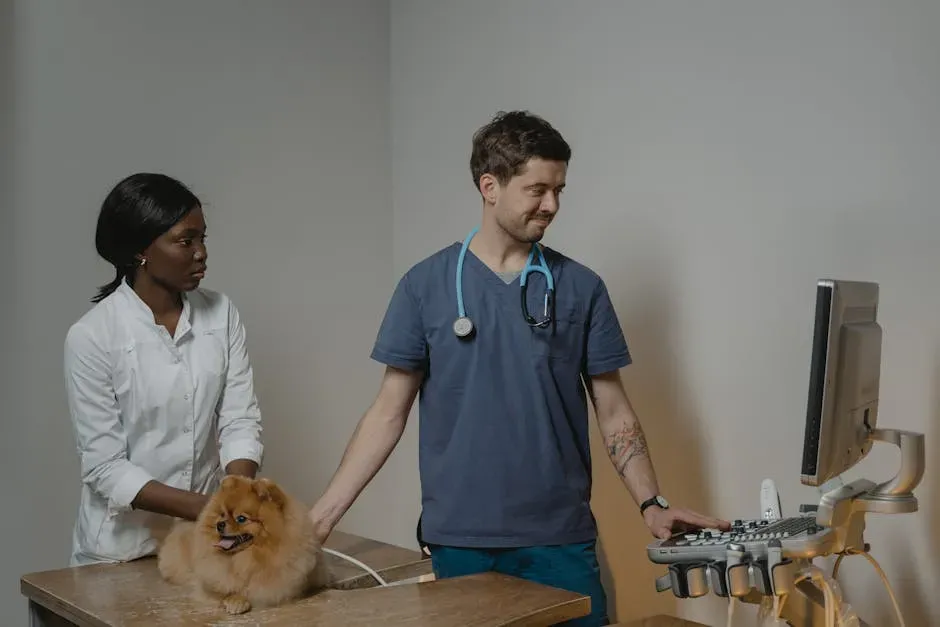
While owners are busy hoping their dog “seems happy,” kennel staff are quietly running a health check every single time they pass a run. Night one is often when subtle issues that were brewing at home finally become impossible to miss. Is the dog drinking a normal amount, or obsessively draining the bowl? Is he coughing, reverse sneezing, or breathing hard while just resting? Any limping, stiffness standing up, or over-grooming one particular spot?
A sudden refusal to drink, extreme chugging, or repeated diarrhea on the first night can signal a real medical issue, not just nerves. Good staff log everything: stool consistency, appetite, how often the dog urinates, and if something seems off, they escalate it fast. Some owners get defensive when a kennel raises a health concern, but ironically, the first night is when staff are at their most objective. They didn’t catch your dog on a bad day at home; they’re comparing him to hundreds of other dogs in the exact same conditions, and that pattern recognition is hard to argue with.
#12 – How Much Training Survives Real Stress
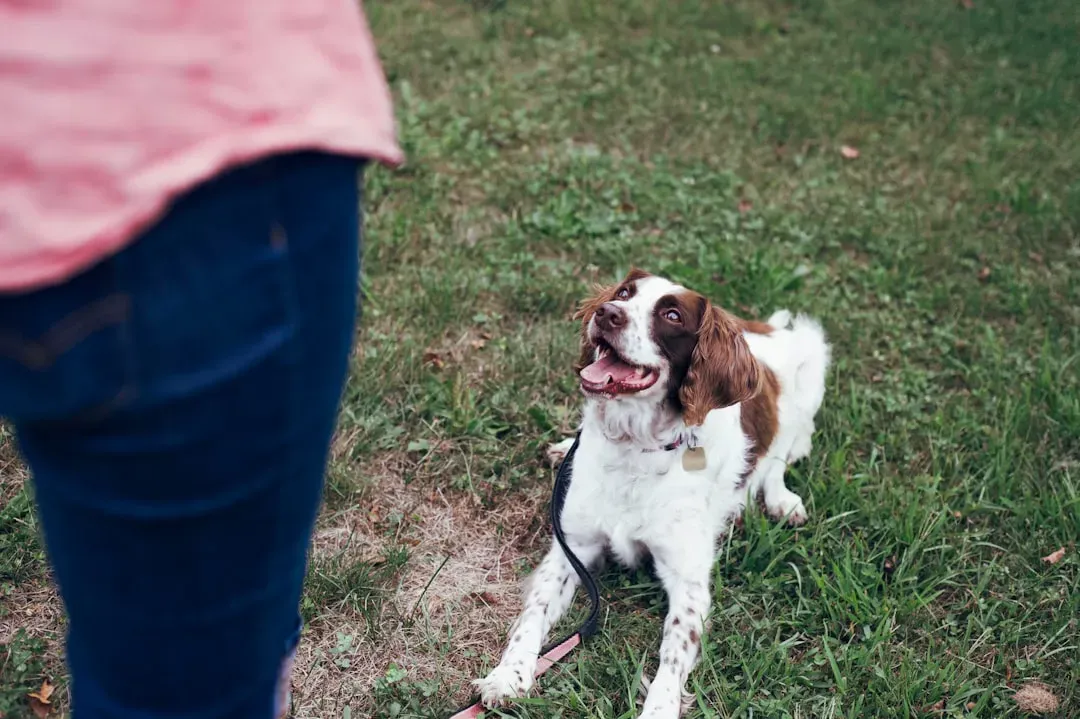
“All commands are solid” might be the single biggest exaggeration on every boarding intake form, and kennel staff know it. Night one is when they casually test the basics: does the dog respond to his name, sit before food, get redirected from the door with a simple cue, all while mildly stressed and off his home turf.
A dog whose training holds up even at half stress is dramatically easier and safer to manage, medicate, and exercise. A dog who forgets every command the second adrenaline spikes is a genuine flight or bite risk, regardless of how many obedience classes he’s aced in the past. This isn’t about shaming anyone, it’s about planning ahead. Dogs whose training “melts” under pressure get more controlled transitions, calmer kennel neighbors, and extra management tools like drag lines, because staff care far less about perfect heelwork than whether “wait” still works when another dog starts barking down the hall.
#13 – Whether They’re Coping… or Just Masking It
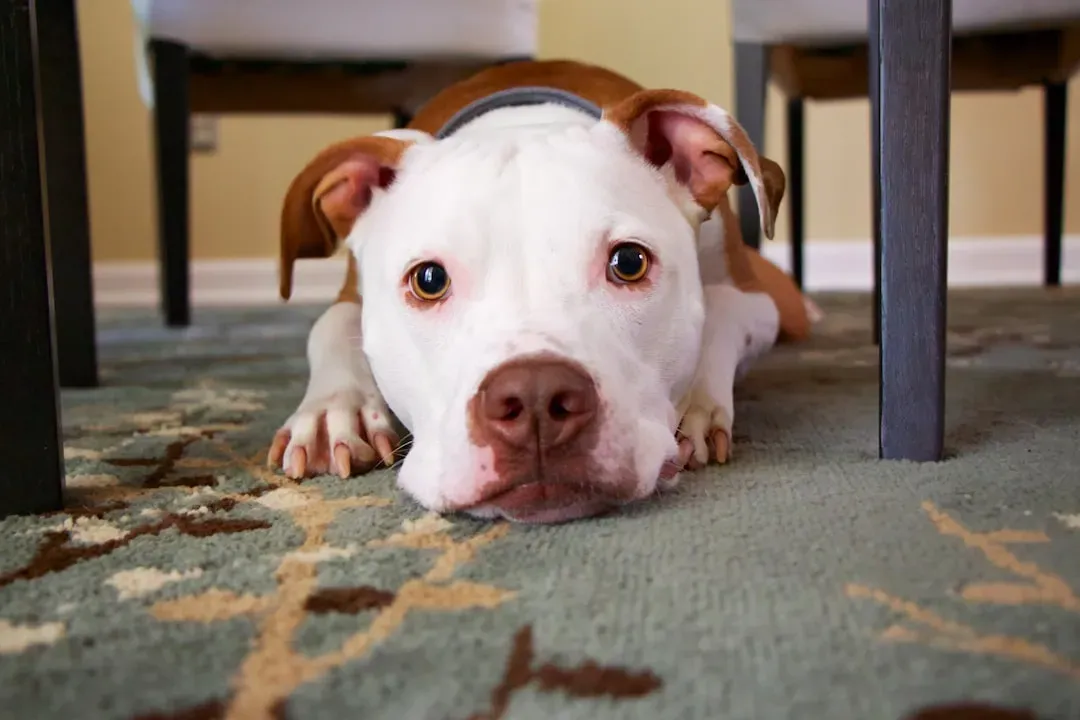
Here’s the part almost no owner ever realizes: on night one, some of the “best-behaved” dogs worry kennel staff the most. The dog who freezes, never makes a sound, and “does everything right” can actually be the one quietly falling apart on the inside. Staff watch for over-compliance, instant obedience paired with a tight, robotic body, zero curiosity about toys or new smells, or a delayed crash where a dog holds it together all evening and unravels after midnight.
A dog that seems almost too perfect, too quiet, too still on his first night can actually be in shutdown, a protective state where he simply stops trying rather than a sign he’s fine. These dogs may eat and use the bathroom normally while showing no play, no exploration, and no real emotional expression at all. Good kennels flag them for gentle extra engagement over the following days, hand-feeding, solo yard time, slow introductions to staff, because the goal was never to keep them “easy.” It’s to help them actually feel safe instead of just enduring the stay.
Worth Knowing
- Instant, robotic obedience can mask real distress rather than reflect true calm
- Zero curiosity about toys, food, or new smells is a quiet warning sign
- Some dogs hold it together all evening, then unravel well after midnight
- Normal eating and bathroom habits don’t rule out emotional shutdown
Boarding kennels aren’t just warehouses with cages; they’re quiet diagnostic machines for dog behavior. On that very first night, good staff are already collecting data on everything your dog does, how he eats, sleeps, barks, moves, and even how honest that intake form really was.
What feels to you like “just settling in” is actually a full behavioral and welfare audit to them. And here’s the uncomfortable part I’ll say plainly: some of the dogs owners worry about most adapt beautifully within hours, while some of the dogs labeled “easy” are silently struggling the entire time. Boarding doesn’t create those traits, it exposes them. A great kennel doesn’t just house your dog for a few nights. It reads him, and it adjusts, whether you ever find out about it or not.