
14 Habits a Dog Picks Up Living With a Retired Owner That Others Never Do
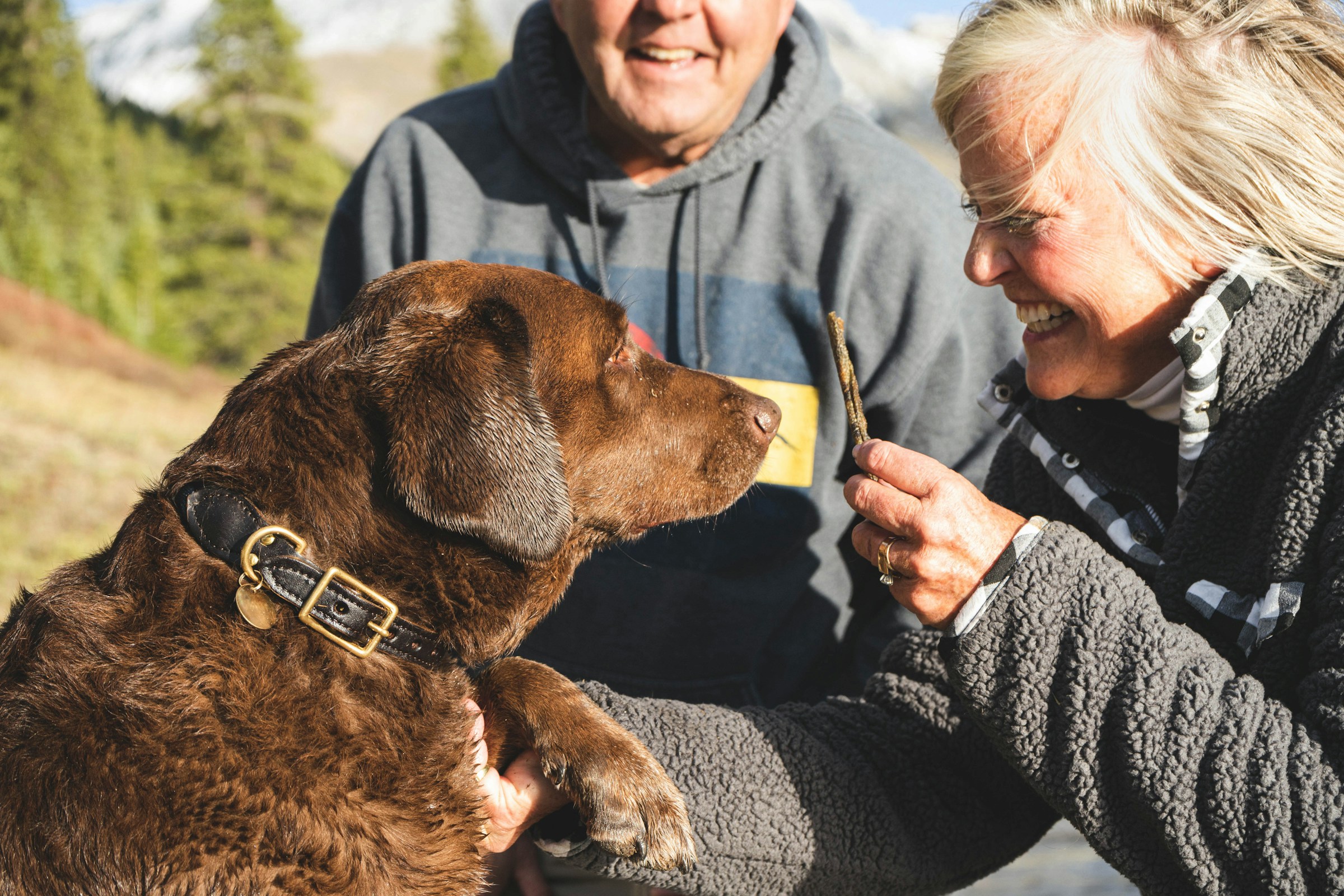
Most people assume a dog is a dog, no matter who’s holding the leash. Same walks, same naps, same 6 p.m. zoomies. But trainers and behaviorists who actually track this stuff will tell you something that sounds almost unbelievable: a dog raised by a retired owner slowly turns into a different animal entirely.
Not spoiled. Not lazy. Rewired. Slower mornings, deeper routines, and a human who notices the tiniest flicker of change end up building habits you almost never see in a busy household. Some of these habits are sweet. A few are so specific they’ll stop you mid-scroll. Here’s what actually happens when a dog’s whole world slows down to match yours.
#14 – They Learn to Match a Slower, Gentler Daily Rhythm
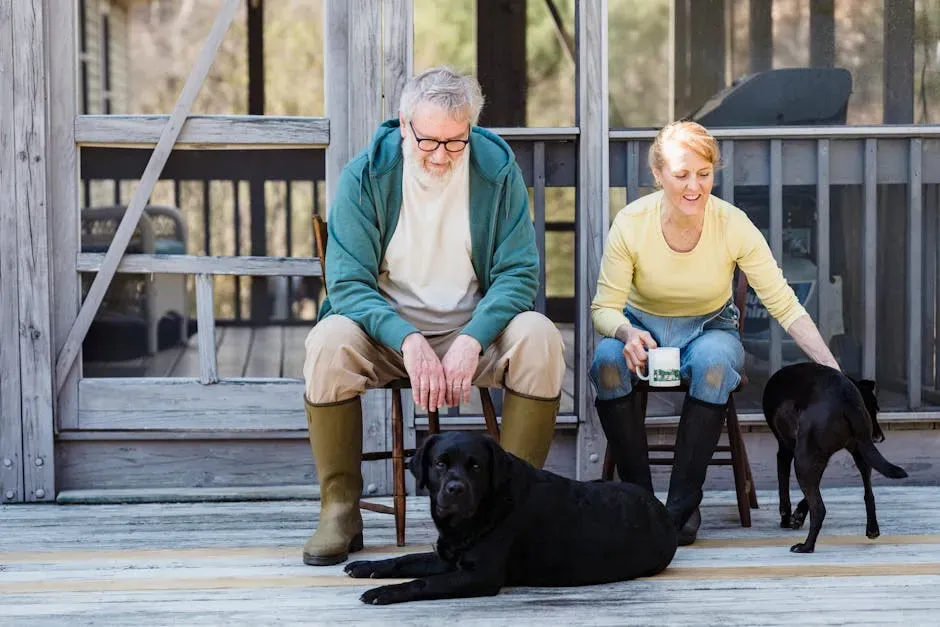
Dogs living with retired owners often slip into a kind of cruise control that busy households never get to see. When there’s no frantic 7 a.m. sprint out the door, these dogs learn that mornings aren’t chaos, they’re quiet ritual. Coffee, newspaper, slow porch time, and a dog that starts waking up gentler too.
You see it again at night. Instead of building toward a frantic burst of energy once their person finally walks in the door, these dogs wind down on cue: TV, knitting, a book, the same worn-in chair. That repetition teaches something surprisingly deep, that doing nothing together still counts as togetherness, and it’s one reason these dogs often carry less anxiety into old age.
#13 – They Become Masters of Micro-Routines (Down to the Minute)
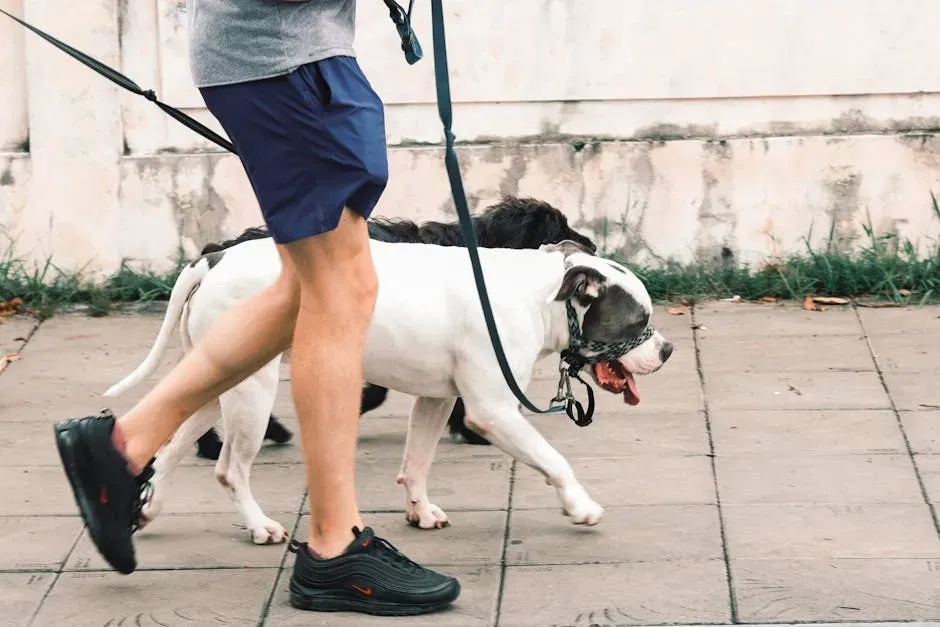
Most people think dogs only understand the big stuff, walk time, dinner time. Retired households run on something much finer than that: same chair, same channel, same minute for pills, same loop around the block. Dogs absorb it like a second language, and some can predict medication time, afternoon tea, or the exact minute the mail truck rolls up.
That precision does two things at once. It hands the dog a powerful sense of control, and it quietly trains them to anticipate needs before anyone says a word. Watch closely and you’ll catch a dog standing by the counter minutes before the 2 p.m. pills, or drifting toward the front door just ahead of the mail carrier. It looks like magic. It’s actually a dog who has been handed the same schedule, every single day, for years.
Fast Facts
- Common micro-cues dogs track: medication times, mealtimes, favorite TV shows, mail delivery
- These routines often repeat at nearly the same minute every day
- Dogs use scent, sound, and light patterns, not just clocks, to predict what’s next
- The more consistent the routine, the faster a dog locks onto it
#12 – They Get Exceptionally Good at Reading Slow, Subtle Body Language
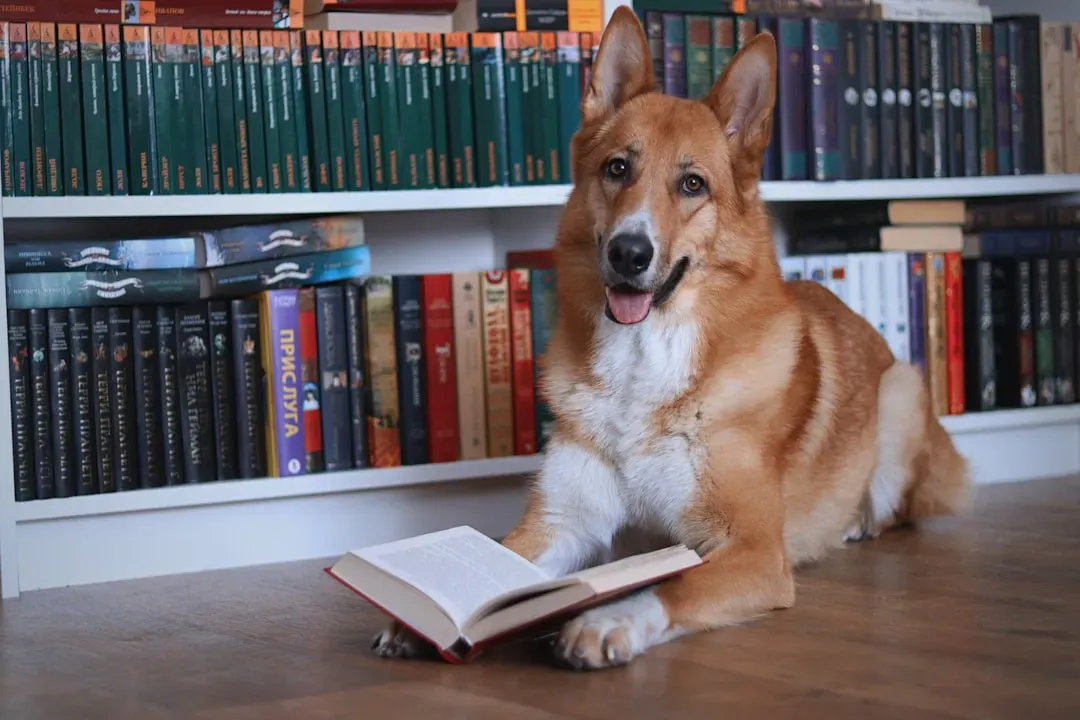
Some dogs only wake up for loud cues, jingling keys, a leash snapping into place, the front door creaking open. Dogs with retired owners tend to go the opposite direction. Because their humans move slower, speak softer, and simply sit still more often, these dogs become hyper-attuned to the smallest shifts, a sigh, a hand rubbing a sore knee, the lean forward that comes right before someone stands up.
That sensitivity isn’t just charming, it’s functional. A dog that senses “my person is about to get up” learns to step aside instead of tripping them. Over time, some dogs start reading emotional weather too, drifting closer during a rough moment, backing off when they sense exhaustion. Trainers half-joke that these dogs read a room better than most people do.
#11 – They Develop a Caregiver Instinct Instead of Just Being “The Baby”
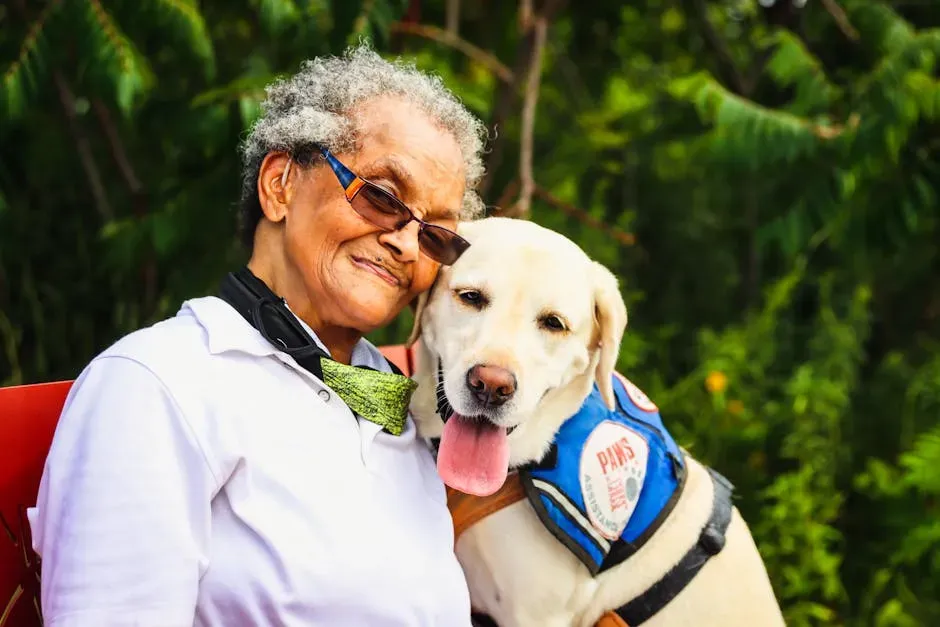
In busy families, the dog is usually the one getting fussed over. In a retired household, that dynamic quietly flips. As an owner slows down or faces new health struggles, the dog sometimes becomes the low-key caregiver instead of the one being cared for.
This isn’t service-dog training, it’s something smaller and more instinctive. You’ll see a dog walking slightly behind instead of pulling ahead, almost like it’s guarding the rear, or pausing on the stairs to watch its person navigate each step. Some will nudge a hesitant hand or hover outside the bathroom door if they’ve ever witnessed a fall. Nobody taught them that. Years of paying close attention to one human did.
#10 – They Learn to Enjoy Real, Deep Quiet Without Getting Anxious
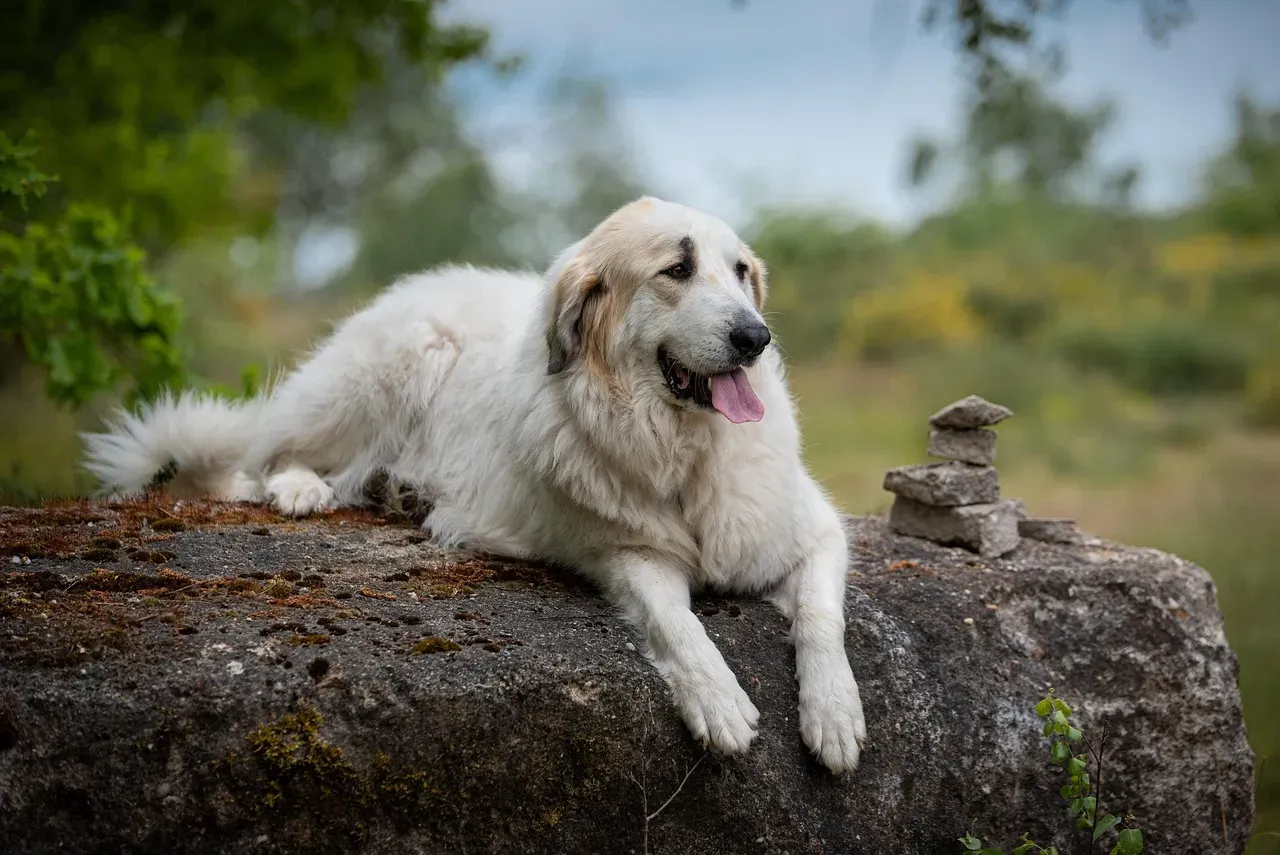
Plenty of households confuse noise with happiness, TV blaring, kids yelling, doorbells constantly going off. Dogs raised in that racket can actually get twitchy the moment things go quiet. In a retired home, especially one where the owner lives alone, silence isn’t the exception, it’s the baseline.
What’s surprising is how many of these dogs learn to settle completely into hours of true quiet, with nothing drowning out their own thoughts. It teaches them something most dogs never learn: silence doesn’t mean abandonment, and a pause isn’t a warning sign. A dog can nap in three different sunny spots across the day and still know, without checking, that their person hasn’t gone anywhere.
#9 – They Build “Long-Game” Patience Most Dogs Never Need
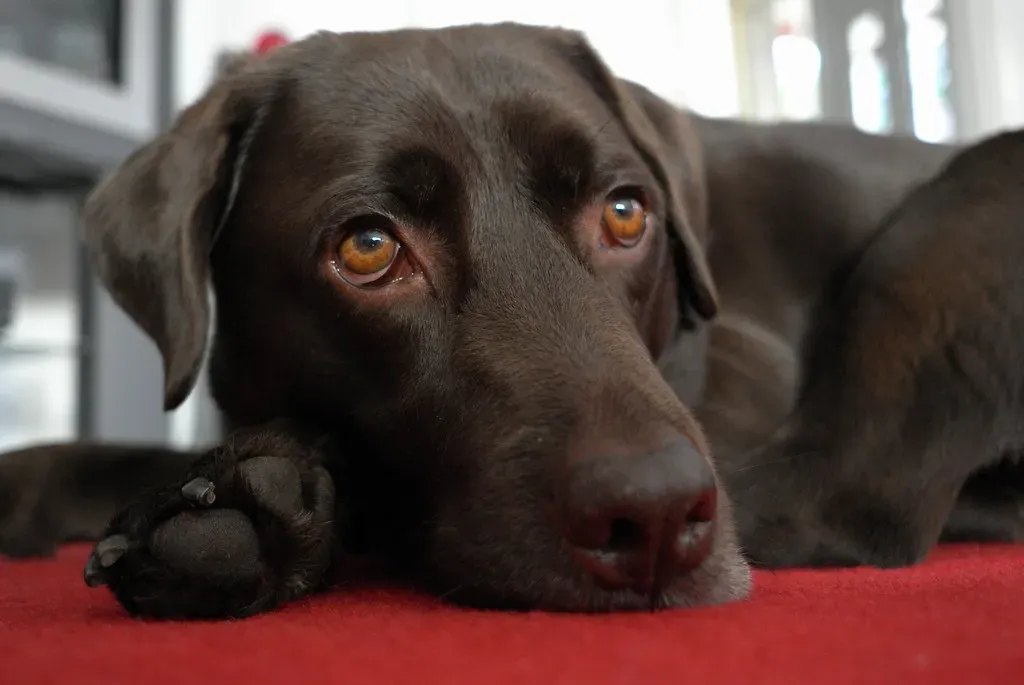
Retired owners tend to move slower in everything, walking, dressing, just getting out the door. Dogs living inside that pace don’t stay wound up waiting for the next thing to happen. They learn early that waiting isn’t punishment, it’s simply how life moves in this house.
This kind of patience shows up in oddly specific ways. Standing perfectly still while their person ties a shoe or reaches for a cane. Sitting through a fifteen-minute driveway conversation with a neighbor without so much as a whine. It’s not exciting to watch, but it builds real boredom tolerance, and dogs who can sit with “nothing happening” almost never go looking for trouble to fill the silence.
#8 – They Become Hyper-Local Explorers Instead of Weekend Thrill-Seekers
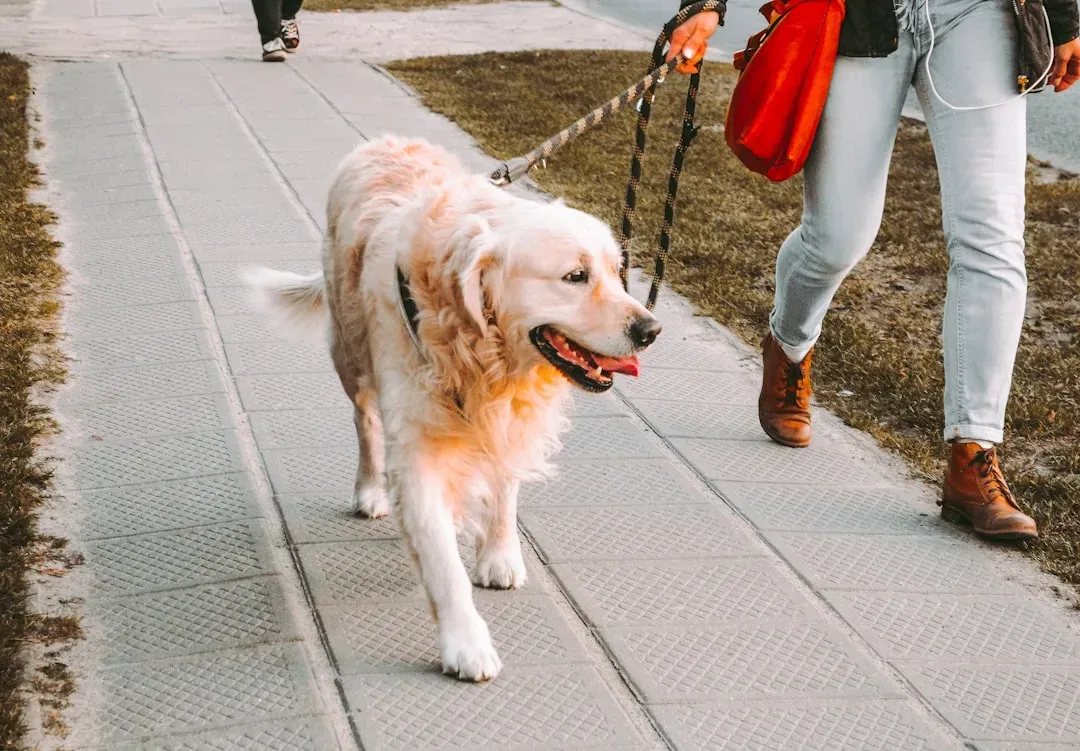
Working owners tend to save adventure for the weekend, a new trail, a crowded dog park, someplace unfamiliar. Retired owners usually have more time but less mobility, so their world gets smaller and much more deeply explored. Their dogs follow suit, learning every tree, bench, and squirrel route within a few blocks like it’s sacred ground.
That shrinking map hides something valuable. These dogs build check-in rituals, the same bush, the same driveway, the same corner, and they greet the same familiar faces day after day. The territory looks tiny from above, but it’s rich in detail, and that repetition is quietly fantastic for an aging brain, minimal travel, maximum mental stimulation.
Worth Knowing
- Dogs build “check-in spots”, the same bush, bench, or corner visited daily
- Familiar neighbors and shopkeepers become part of the dog’s social map
- Smaller territory often means deeper sensory engagement, not less stimulation
- Repeated routes tend to lower anxiety in senior dogs over time
#7 – They Trust (or Distrust) People Based on How Those People Treat Their Person
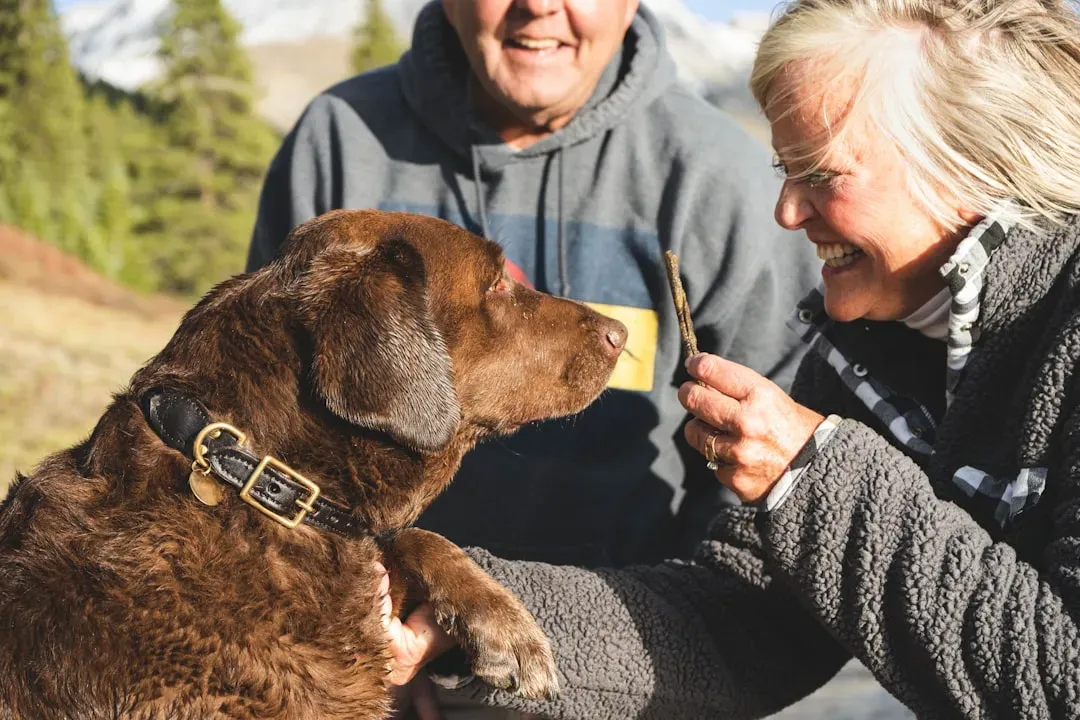
Here’s the subtle part nobody mentions: a dog with a retired owner usually meets fewer people, but sees the same ones over and over, the mail carrier, the chatty neighbor, the cashier at the corner store. Over time, that dog stops reacting to generic friendliness and starts reacting to how someone actually treats their human.
You’ll see it clearly, a dog that lights up for the neighbor who always stops to help carry groceries, and one that stiffens the second a rushed stranger speaks sharply or crowds their owner’s space. These dogs have watched long, slow conversations for years, so they’re not just reading tone anymore, they’re reading posture, hesitation, tiny conflicts most people would miss entirely.
#6 – They Become Unusually Sensitive to Health Changes and “Off” Days

Ask anyone living alone with a dog in retirement, and they’ll tell you the dog often knows something’s wrong before anyone else does. It’s not mystical, it’s pattern recognition. Years spent with one consistent routine means any disruption stands out immediately, a slower gait, a shallower breath, a hand that shakes reaching for the coffee cup.
These dogs respond in small but unmistakable ways, refusing to leave a side, following into the bathroom, licking a hand they’d normally ignore completely. Nothing about this is fancy service-dog training. It’s the quiet result of a dog whose entire job, day after day, has been noticing this one human.
#5 – They Form a “Two-Person Pack” Mentality Instead of a Busy Family Dynamic
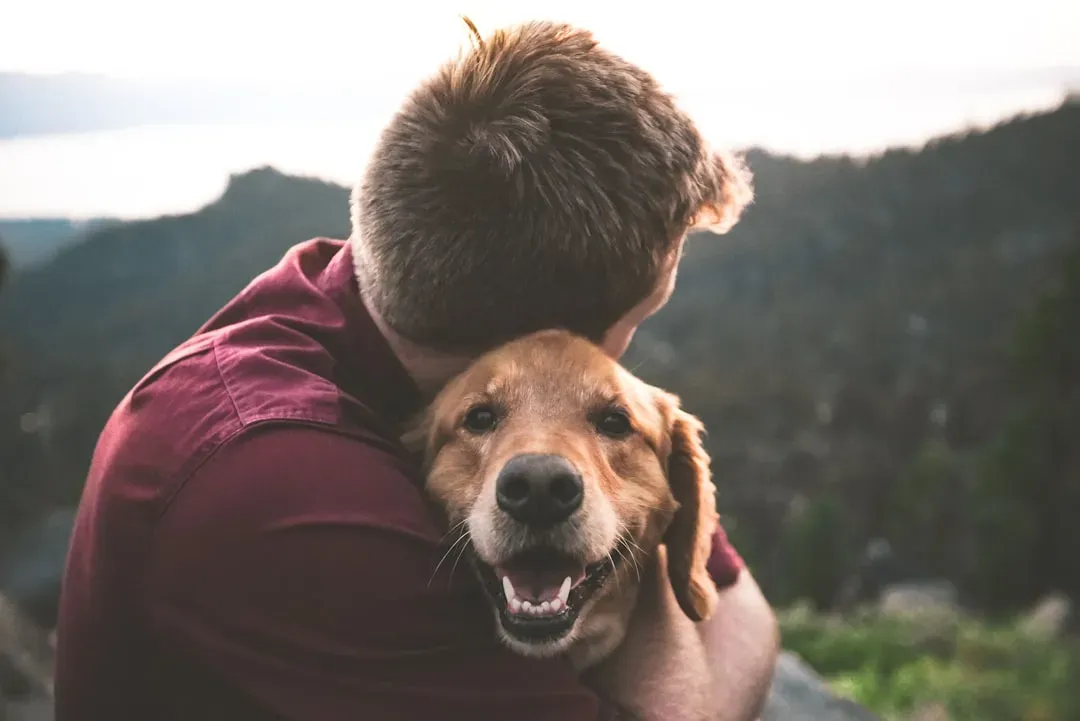
In a house full of people, a dog learns to spread its attention around, kids, partners, visitors, maybe a dog walker too. In a retired household, especially one with just a person or a couple, the dog’s whole social world narrows down to a tight, two-being pack: me and you.
That closeness can look almost eerie, matching nap times, the same favorite chair, moods that seem to sync up without explanation. Some people call it clingy. Most retirees call it companionship. Either way, the dog learns that this one person is its social circle, its emotional anchor, and its entertainment, all rolled into one.
Quick Compare
- Busy household: Attention splits across multiple people and visitors
- Retired household: Attention centers on one person or couple
- Busy household: Social circle shifts often, bonding stays less predictable
- Retired household: Tight two-person pack with synced routines and moods
#4 – They Learn to Share Hobbies Instead of Just “Activities”
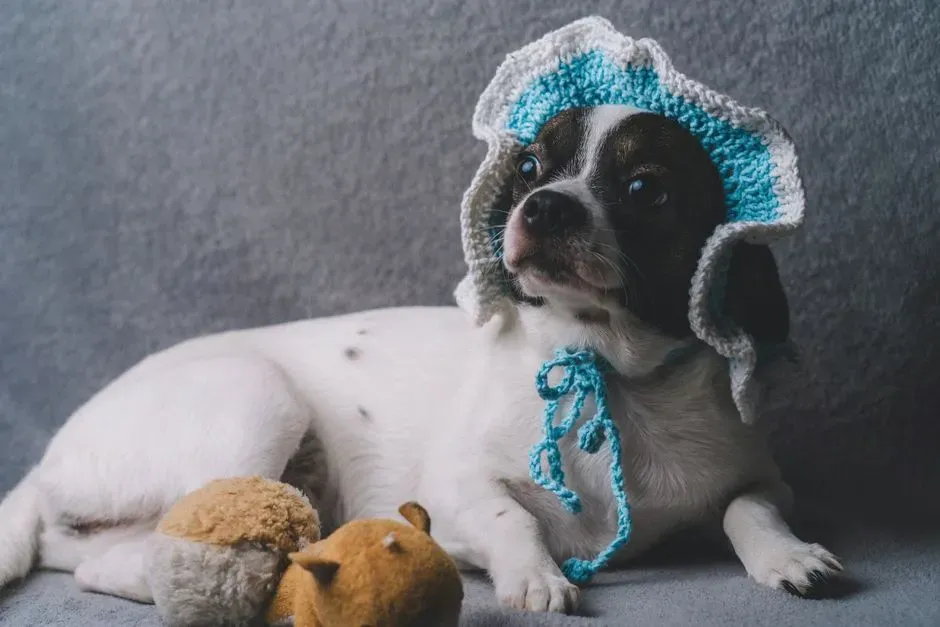
Working owners tend to think in tasks, walk the dog, feed the dog, quick toss of the ball, done. Retired owners, with more time and far less urgency, fold the dog directly into their own hobbies. And dogs notice the shape of that pattern faster than you’d think.
You’ll see it in oddly specific ways, a dog curling up automatically the second the knitting basket appears, or drifting to the window seat the moment bird-watching starts, or settling into the workshop corner right as the tools come out. One dog might lie still for hours during a painting session, then perk up the instant brushes get cleaned, because that’s always the cue that a walk is coming next. It stops feeling like waiting around and starts feeling like a partnership.
#3 – They React Unusually to Phones, TVs, and “Background Screens”
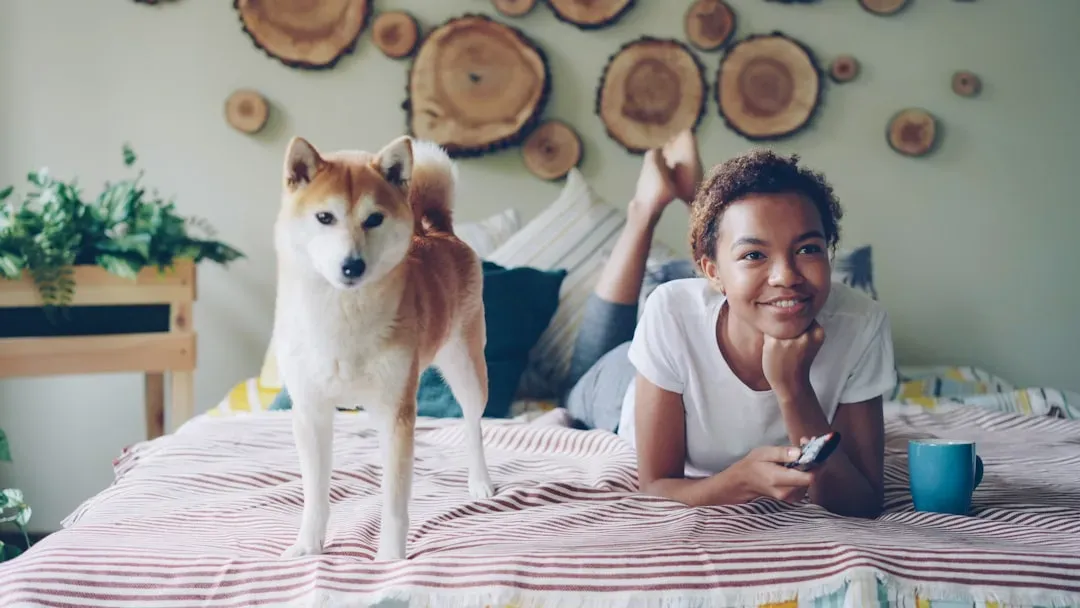
Here’s an odd one trainers keep noticing: dogs with retired owners often have a calmer, more neutral relationship with screens. In younger households, a phone coming out usually means “I’m ignoring you now,” and dogs escalate for attention. Retired owners are more likely to watch TV together, talk back at the news, or hold a phone at a volume the whole room can hear.
Dogs pick up on that difference fast, and screen time starts feeling like shared time instead of a rival for attention. Some settle instantly the second the evening news theme song plays. Others perk right up when a favorite radio caller comes on, because they’ve learned it always ends in a walk or a snack. It’s a small thing, but it makes these dogs noticeably less frantic about technology, and much more tuned in to the human sitting next to it.
#2 – They Age “In Sync” With Their Owner and Show It in Quiet, Mature Ways
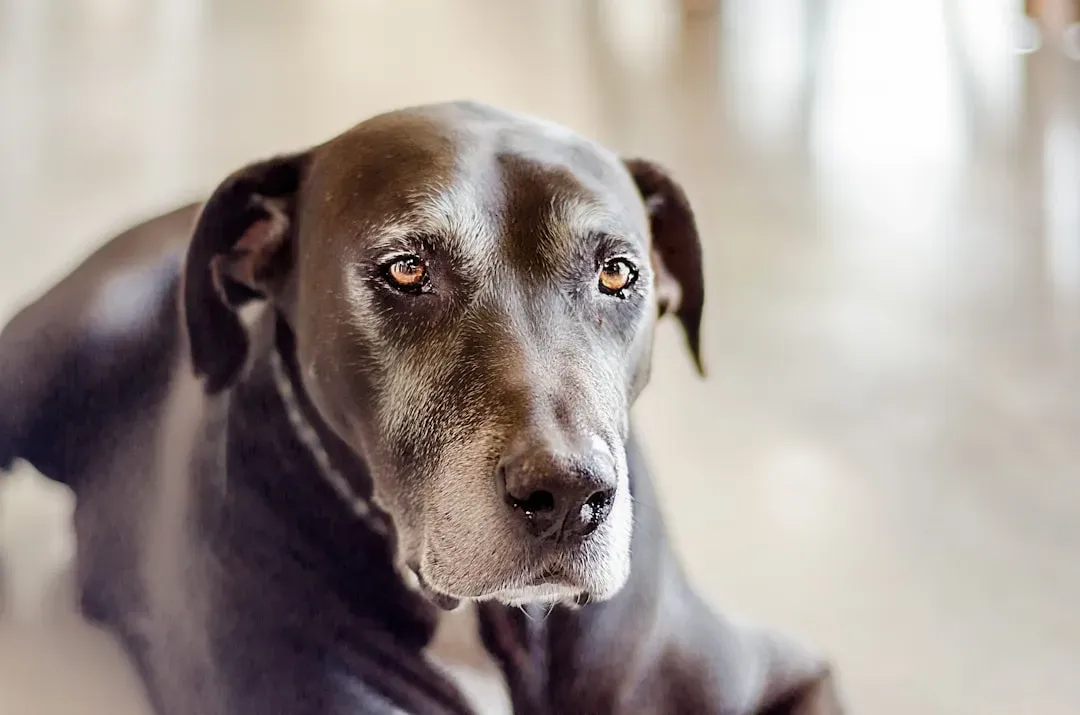
Most people picture an aging dog as a frustrated, slowed-down version of its younger self. But dogs raised in retired households are usually aging right alongside a human who is slowing down too, and instead of fighting it, they mirror it. Walks get shorter but happen more often. Long hikes turn into long sits outside. Bedtime creeps earlier, and mornings in bed stretch on a little longer.
That shared decline seems to soften the whole experience. A dog watching someone else age in real time, day after day, seems to accept it as simply how the pack works now, and that acceptance shows up as less visible frustration. They still miss the zoomies, make no mistake. They’re just not surrounded by high-energy humans they can no longer keep up with.
At a Glance
- Shorter, more frequent walks replace long outings
- Naps and bedtime shift earlier alongside their owner’s
- Less visible frustration despite reduced physical activity
- Mirroring behavior helps both dog and owner adjust gradually
#1 – They Develop a Rare, End-of-Life Awareness of Their Human’s Fragility

This is the habit nobody really wants to talk about, but retired owners see it constantly. Dogs that spend years with an aging human often develop a quiet awareness that their person isn’t just slower, they’re genuinely vulnerable. You’ll catch a dog choosing to sleep facing the bedroom door instead of curled against its owner, or flatly refusing to leave the room at night, suddenly hyper-alert to sounds it used to sleep straight through.
Is that an understanding of death in any human sense? Probably not. It’s more likely a mix of sensing new smells, medical equipment, unfamiliar caregivers, and picking up on the emotional weight in the house, the extra phone calls, the quiet tears, the outings that stop happening. Some dogs shadow their person relentlessly in those final months, then go strangely still once that person is finally gone. It isn’t only grief. It’s the end of a job that dog took more seriously than anyone around them ever realized.
The Bottom Line
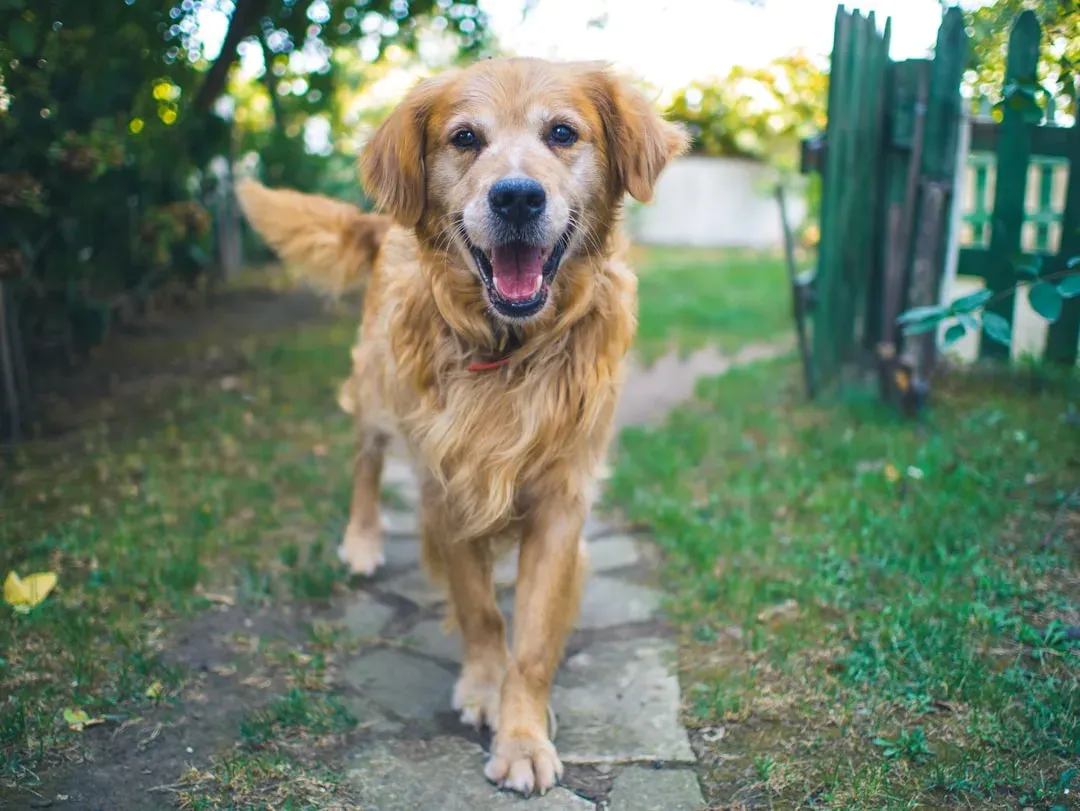
Living with a retired owner doesn’t just hand a dog more attention. It rewires how that dog experiences time, silence, aging, and love itself, in ways a busy household simply never has the room to allow.
These dogs learn to read a sigh instead of a shout, to sit with boredom instead of fighting it, to notice a slowed heartbeat before anyone in the room does. That’s not luck, and it’s not spoiling. It’s what happens when a dog is finally given enough stillness to actually pay attention.
Some people will keep insisting a dog needs chaos, kids, and constant noise to be truly happy. But watch a dog pacing its steps to match a cane, or sleeping facing the door just in case, and try arguing that a slower life is a lesser one. I don’t think it is. I think it’s the deepest version of the job a dog ever signs up for.
Did your dog pick up a habit like this? Tell us in the comments, we want to hear it.