
13 Things a Dog Remembers About a House It Only Lived in Briefly
Most people assume a dog’s brain works like a whiteboard – wipe the house, wipe the memory, start fresh in the next home. A few weeks in an apartment, a few months in a rental, and surely none of it sticks once the moving truck pulls away.
But dogs don’t remember houses the way we think they should. They remember them the way a smoke detector remembers smoke – instantly, chemically, and permanently, whether they lived there for three years or three weeks. Even a brief stay can leave behind sensory files strong enough to trigger reactions years later, in a home the dog has never even seen before. Here are 13 things your dog quietly filed away about that one house you assumed they’d already forgotten – including the one memory so powerful it never actually fades.
#1 – The Ghost Scent Trail: How Dogs Sniff Out Everyone Who Lived There Before Them
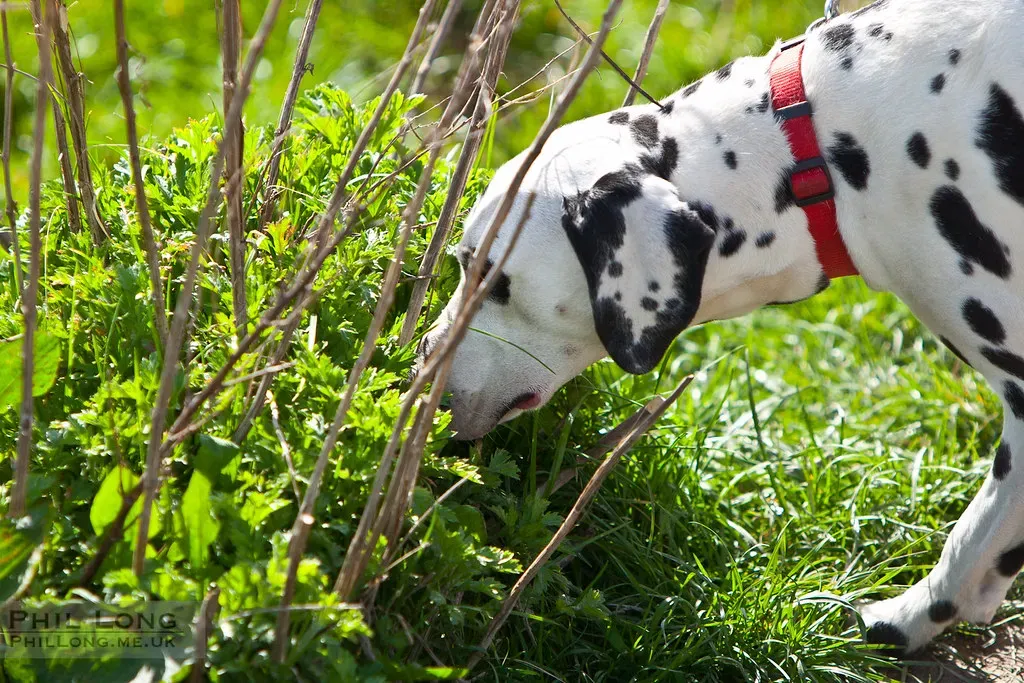
Dogs walk into a house and read it like a file nobody else can see. Every previous resident – human or animal – left behind a unique chemical signature on the floorboards, the doorframes, even the grout between tiles, and a dog’s nose picks all of it apart within minutes.
With roughly 300 million scent receptors packed into that nose, a dog builds a “who was here” archive that outlasts almost every other kind of memory they have. That’s why a dog might freeze at a random baseboard or sniff one corner of a rental obsessively – they’re not imagining anything. They’re reading a scent history that a short stay was more than enough time to add a chapter to.
Fast Facts
- Dogs have up to 300 million scent receptors, compared to about 6 million in humans.
- The area of a dog’s brain devoted to analyzing smells is roughly 40 times larger than a human’s.
- A dog can pick up scent traces left behind for weeks, sometimes months, after someone has moved out.
#2 – Where the Food Fell: Dogs Never Forget the Exact Spot Treats Landed
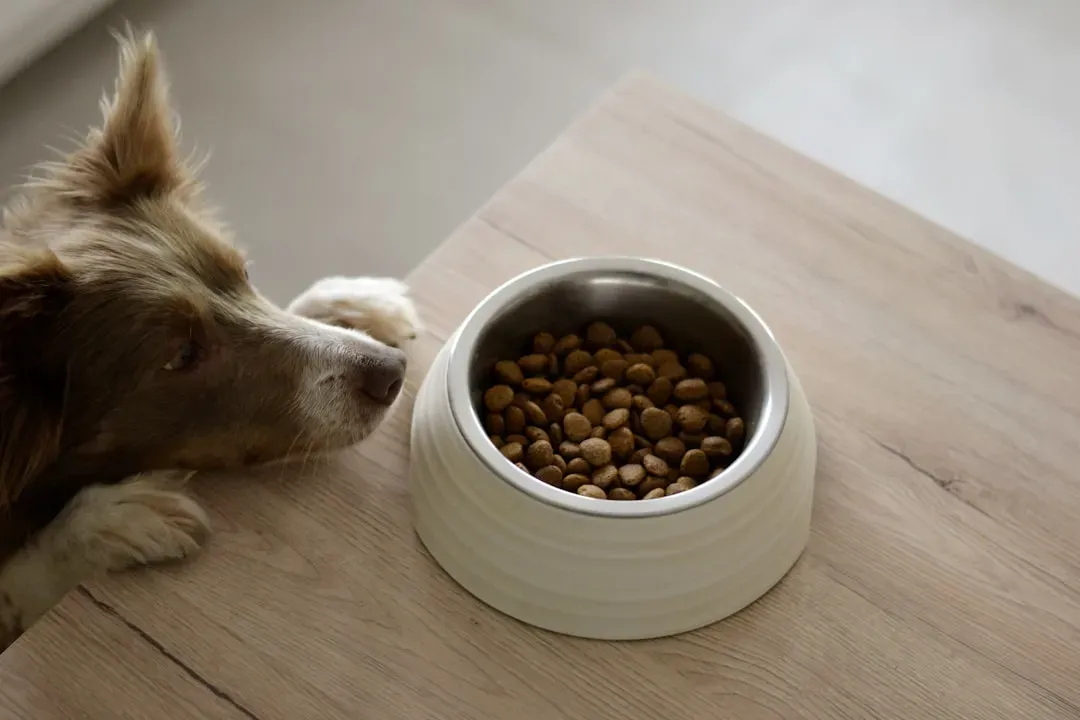
Survival instincts move fast, and food sits at the very top of that list. Even a few weeks in a house is plenty of time for a dog to memorize the exact tile where the bowl sat, or the rug corner where a dropped piece of chicken once bounced.
This isn’t sentimental. It’s practical wiring built for staying fed. That’s why a dog in a brand-new home will sometimes march straight to where the “old” food spot would have been, or sit and stare at a cabinet like it should obviously contain treats. The geography of nourishment gets logged almost instantly, and it rarely gets deleted.
#3 – The Sound of Footsteps: How Dogs Learn to Predict You by Floor Vibrations

Dogs don’t just hear footsteps, they catalog them – the difference between hardwood and carpet, the particular creak of a certain stair, the rhythm that means “owner” versus “stranger.” That auditory map lets them predict who’s coming and from which direction, often before a person is even visible.
A dog that spent a short stretch of life in a house with a squeaky step will often perk up, or get nervous, at a similar sound somewhere else entirely. It’s not the stairs they remember. It’s the reliable little formula: sound plus movement equals someone arriving, or someone about to leave.
#4 – Chasing the Light: Why Dogs Remember Exactly Where the Sun Hit the Floor
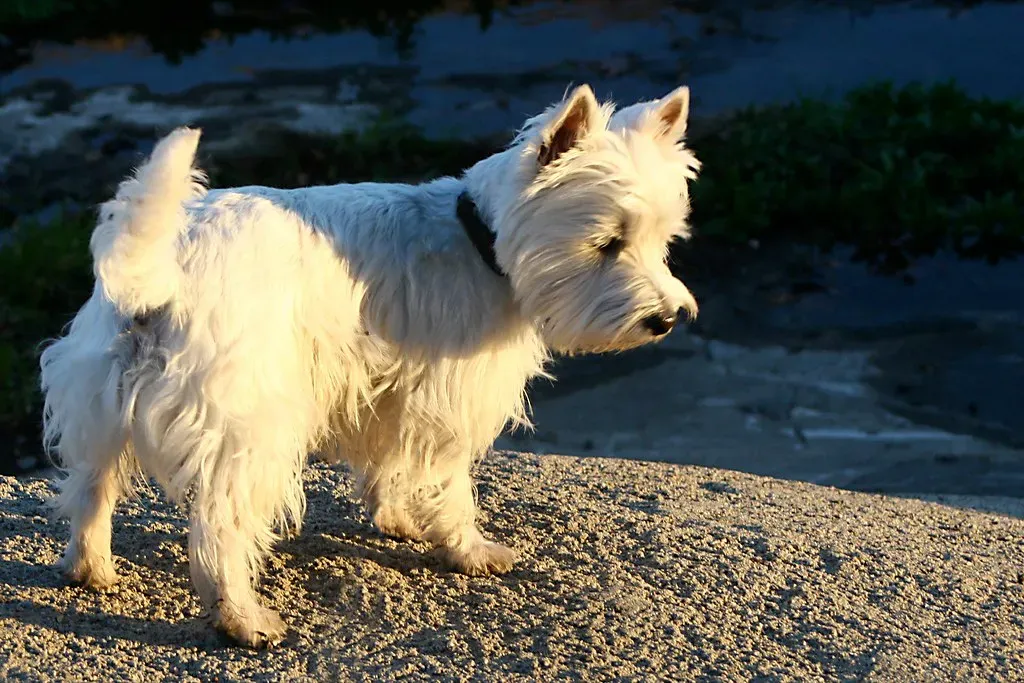
Light isn’t just light to a dog, it’s a clock. The way afternoon sun crawls across a particular wall at 4 p.m., or how shadows shift near a doorway, gets logged right alongside scent as a way of tracking time passing in a space.
Because these light patterns tie directly into daily rituals like walks or dinner, even a brief stay is enough to imprint the cycle. Plenty of dogs will stare at one specific corner of a brand-new house the moment the light matches an old pattern – not out of nostalgia, but pure expectation that something predictable is supposed to happen right about now.
#5 – The Front Door Effect: Why That One Spot Carries the Heaviest Emotional Weight
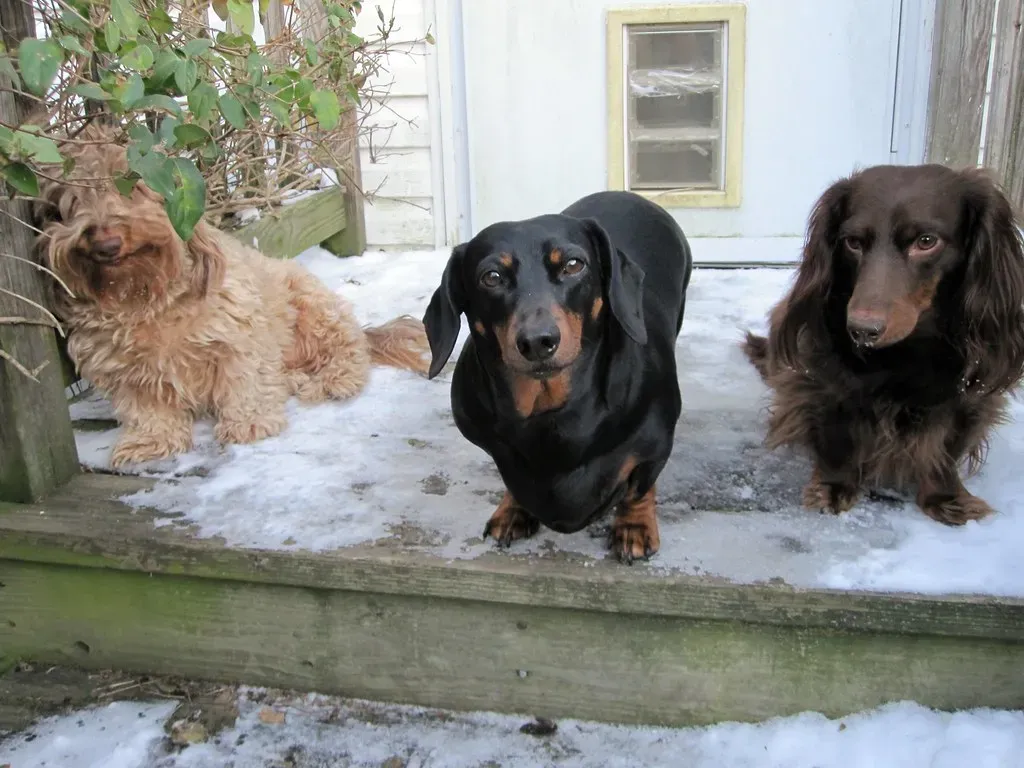
No square foot of a house gets more emotional traffic than the entryway. It’s where outside scents rush in, where owners walk through stressed or thrilled, and where every goodbye and hello technically happens.
Dogs figure out fast whether that doorway usually means a joyful reunion, a lonely stretch of hours, or the arrival of strangers, and a short stay is more than enough time to wire that association. Rescue dogs especially carry this one. A similar-sounding door latch or a familiar threshold years later can trigger a reaction that looks like it came from nowhere, but didn’t.
#6 – The Favorite Napping Spot: Why Dogs Return to the Same Cool Tile for Years
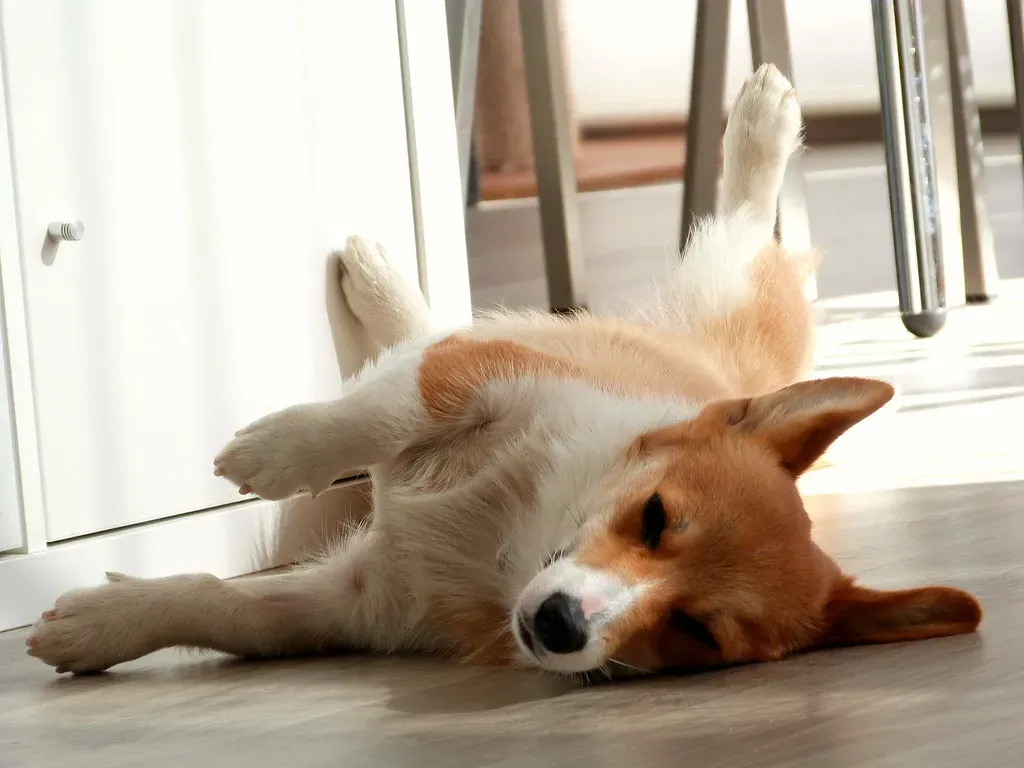
Ask any dog owner and they’ll tell you their dog had “a spot.” The cool tile by the bathroom, the sunny rectangle of carpet by the window – comfort gets mapped down to the exact texture and temperature, layered with the scent of their own fur left behind.
This is why some dogs will walk into a house they haven’t seen in years and go straight back to that same corner, like it never stopped being theirs. The memory isn’t sentimental on its face. It’s a simple, practical truth logged early: that spot reliably delivered comfort, and comfort is never something a dog’s brain treats as optional.
Worth Knowing
- Dogs often choose resting spots based on temperature, texture, and airflow, not just familiarity.
- A dog’s own scent can build up in a favorite spot within days, reinforcing the association.
- Returning to a “claimed” spot in a new home is a common sign of a dog re-establishing routine.
#7 – Invisible Roommates: How Dogs Map Every Pet That Came Before Them
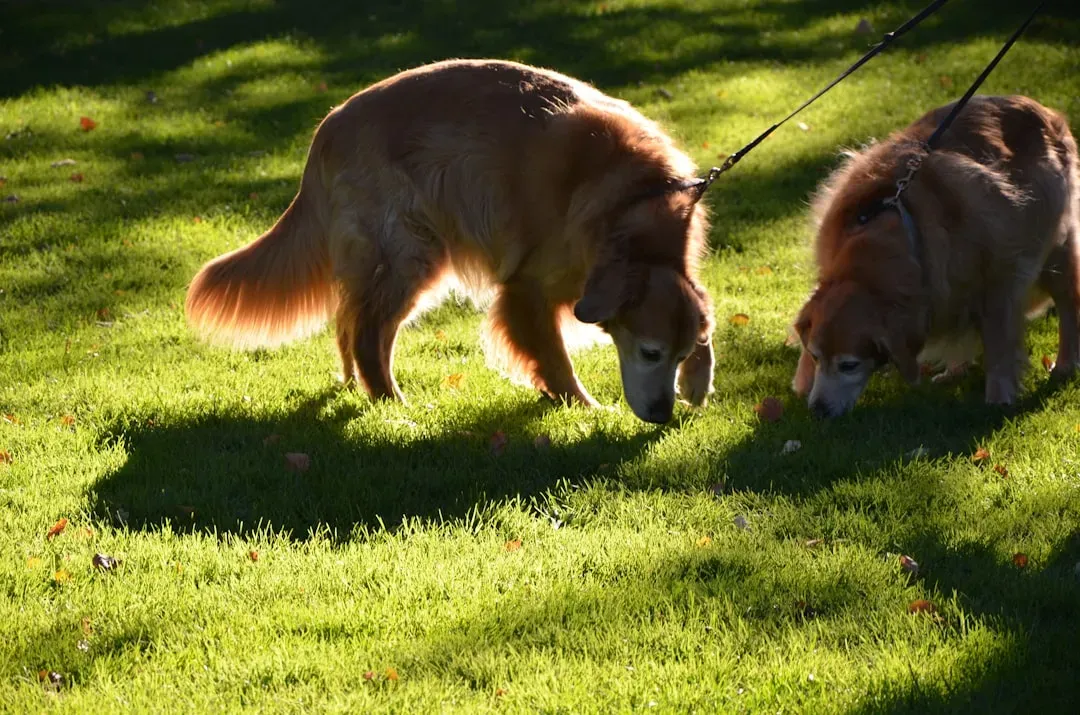
Even without ever meeting the other animal, a dog can map exactly where a resident cat or previous dog claimed territory. Old urine marks, shed fur, and rubbed-against furniture corners create an invisible social chart of who owned what.
A dog that only briefly shared a house with another pet may still react – cautiously or eagerly – to a similar scent profile somewhere completely different, years later. Depending on how that earlier relationship went, the memory functions either as a warning sign or a welcome mat, and it’s one of the longest-lasting layers a house can hold.
#8 – Your Personal Scent File: Why Dogs Remember You Chemically, Not Just Visually
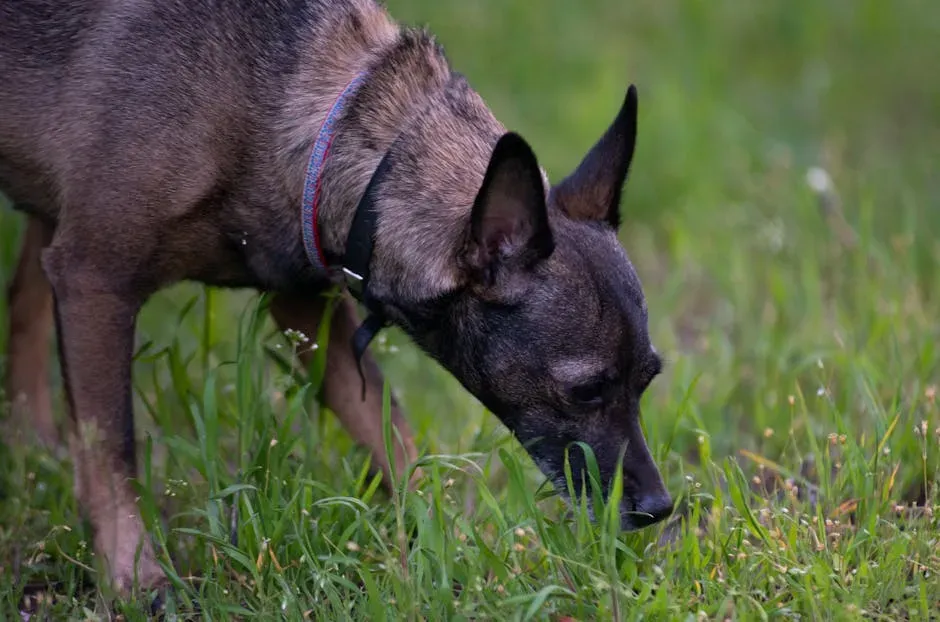
Every person carries a completely unique blend of skin oils, laundry detergent, and even stress hormones, and it gets deposited on every couch, blanket, and chair they touch. A dog stores this as a high-value “familiar human” file, and it’s one of the strongest reward triggers their brain has.
Even a short stretch of living together is enough for that blueprint to form permanently. It’s the reason a dog might suddenly react to a total stranger who happens to wear the same cologne or use the same laundry detergent. The recognition is chemical first, visual second – and it’s exactly what explains those tearful reunion videos after years apart.
Dogs don’t remember the way we do. They remember the way that matters most for survival – through the nose first, everything else second.
Alexandra Horowitz, canine cognition researcher
#9 – The Click, Hum, and Rumble: How Household Sounds Become Meal Alarms

The specific hum of a refrigerator, the click of a particular door latch, the rumble of a washing machine two rooms over – dogs quietly turn all of it into reliable cues for what happens next. Food prep, laundry day, someone waking up: the sound comes first, the outcome follows.
Years later, a dog might perk up at a similar appliance noise in a completely different house, and it’s not because the machine itself matters. It’s because their brain never forgot what usually happened right after that exact sound in the place they used to live, even if “used to live” only meant a few short weeks.
Quick Compare
- Human hearing range: roughly 64 Hz to 20,000 Hz.
- Dog hearing range: roughly 67 Hz to 45,000 Hz.
- Result: dogs pick up appliance hums and mechanical clicks most humans never consciously notice.
#10 – The Backyard Blueprint: Why Dogs Remember Every Inch of Outdoor Territory
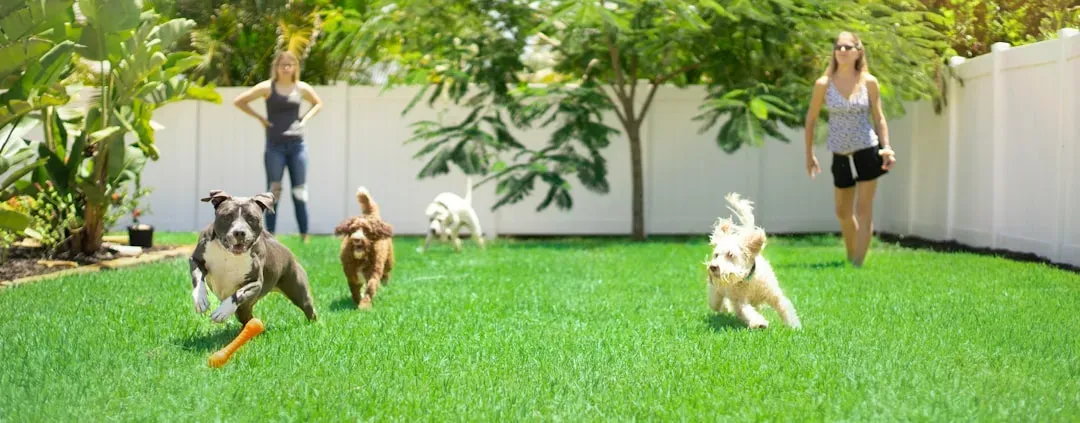
Outside is its own memory system entirely. The perimeter smells, the favorite digging patch, the spot where a neighbor’s dog always seemed to pass by – dogs quietly turn a yard into a detailed territorial map almost the moment they arrive.
Even a short stay gives them enough time to sort a property into safe zones and high-traffic zones, information that quietly shapes how cautiously or confidently they explore a similar-looking yard somewhere new. It looks like instinct from the outside, but it’s really retained data, filed away because territory has always mattered to a dog’s sense of security.
#11 – The Emotional Weather of the House: How Dogs Absorb Tension or Calm

A house has a mood, and dogs pick up on it constantly through the small stuff – shifts in a person’s scent, tension in body language, the tone of voices in another room. All of that combines into one overall emotional reading of the entire space, not just the people in it.
A short but genuinely stressful stretch in a house can leave a dog cautious around certain rooms for a long time afterward, while a calm, predictable routine builds the opposite: a baseline sense of safety they carry with them. This emotional overlay tends to shape a dog’s behavior in future homes more powerfully than any single scent or sound ever could, because it’s really the sum of everything else on this list.
#12 – The Daily Domino Effect: Why Dogs Memorize Your Entire Morning Routine

Dogs learn sequences the way people learn song lyrics – not word by word, but as one flowing pattern. Alarm, coffee maker, leash coming off the hook, door opening: even a brief stay is enough to imprint that entire chain, because it predicts their own schedule down to the minute.
Break one link of that sequence in a new home – skip the coffee, grab the leash from a different spot – and plenty of dogs will visibly pause, confused. It’s not sentiment causing that reaction. It’s a disrupted prediction, proof that the sequence itself, not the specific house, was what they were actually memorizing all along.
#13 – The Full Symphony: Why “Home” Is the One Memory Dogs Never Actually Lose
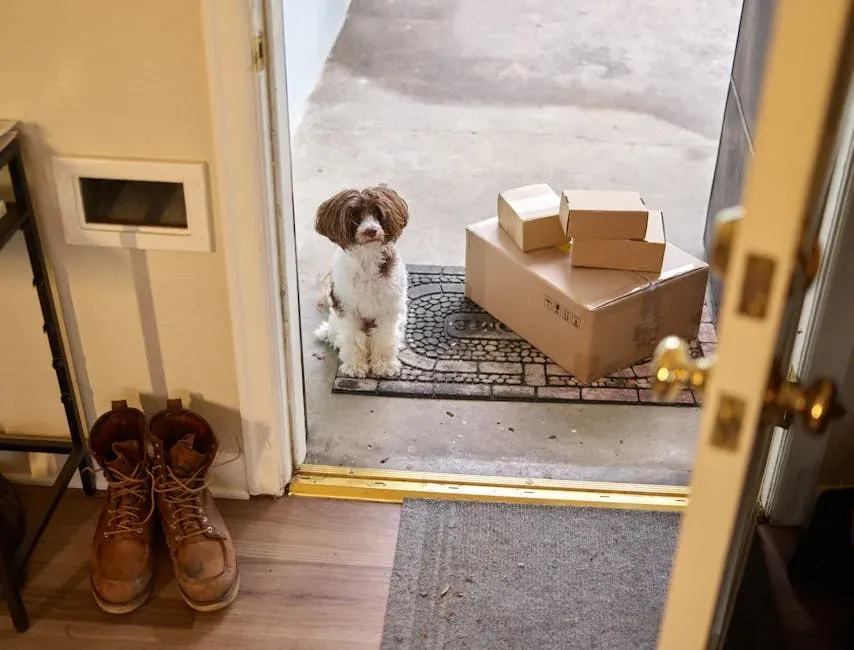
Here’s the twist nobody expects: no single item on this list is actually the strongest memory. It’s all of them playing together at once – the scent, the light, the sounds, the emotional tone – blending into one unrepeatable fingerprint that no other house will ever exactly match again.
That combined imprint is why some dogs seem to instantly “recognize” a former home the second they step back inside, even after years apart. It’s not one detail lighting up their brain. It’s the entire symphony returning at once, representing everything that mattered most to them the whole time: safety, routine, and belonging, all playing in the same room again.
At a Glance
- Scent, light, sound, and emotional tone combine into one lasting “home” imprint.
- This combined memory can resurface instantly, even after years apart.
- No single sense triggers it alone – it’s the full pattern returning at once.
The Verdict
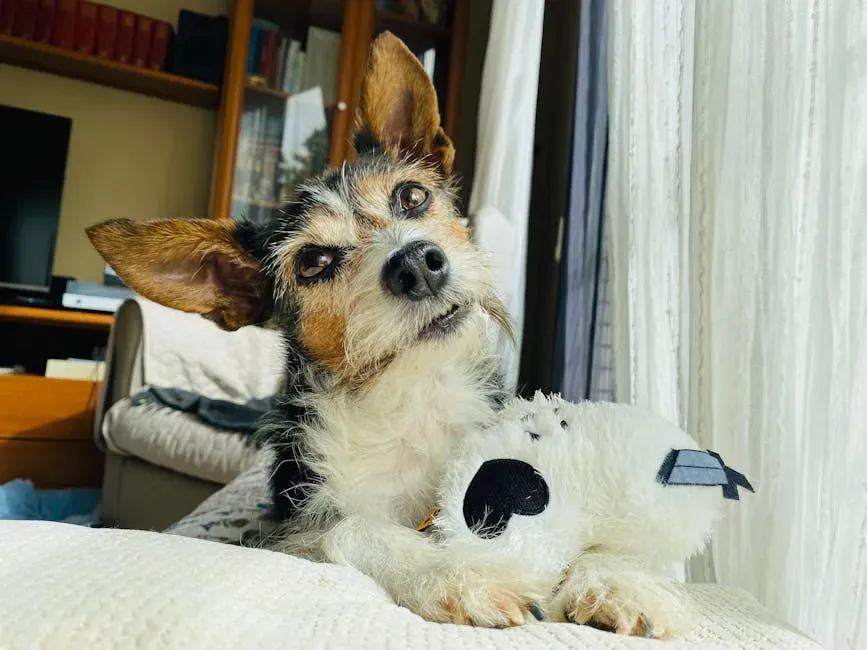
So no, your dog didn’t forget that apartment you had for four months, or the rental you left behind after a single summer. Dogs don’t treat memory like a highlight reel – they treat it like an emergency backup file, quietly saved and rarely deleted, whether you meant to make it or not.
If anything, the science is a little humbling. We tend to think our dogs need years to bond with a place before it means anything to them, but the truth is messier and more impressive: a handful of ordinary weeks can be enough. Every doorway, every stair creak, every square of afternoon sun becomes part of a map they never stop carrying. Underestimate that at your own risk, because somewhere in your dog’s head, that “temporary” house is still very much home.