
12 Quiet Ways Your Dog Tries to Stay Connected to You Without Asking for Attention
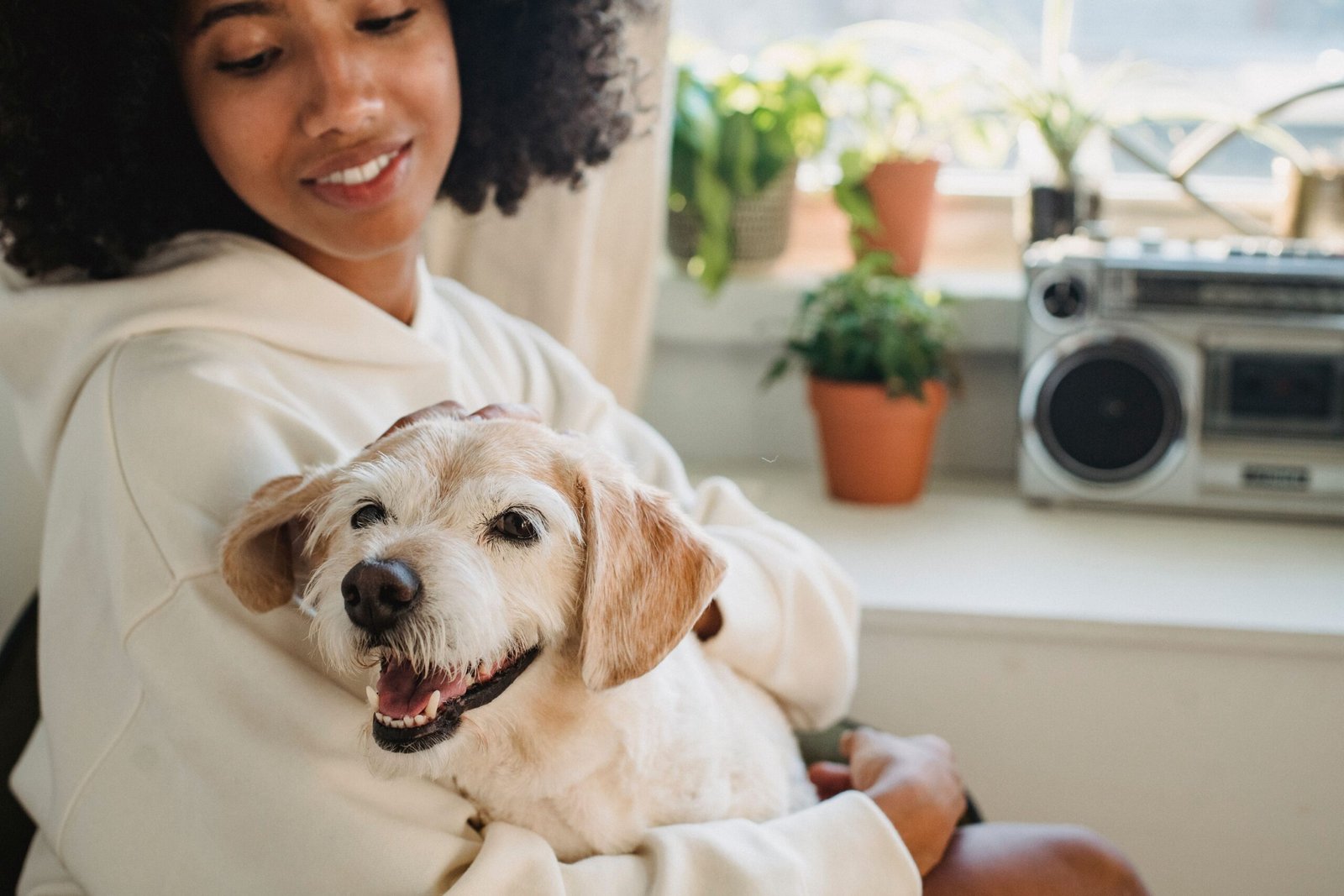
There’s something almost magical about the way a dog can make you feel less alone without doing anything dramatic. No barking, no jumping, no toy shoved into your lap – just a soft presence that somehow says, “I’m here, and I’ve got you.” A lot of those moments are so subtle you barely notice them, especially on busy days when you’re juggling work, laundry, and life in general. But if you slow down and really pay attention, you start to see a pattern: your dog is constantly checking in on you, quietly, patiently, and with a kind of loyalty that can be honestly humbling.
Most of the time, we only notice the big displays – zoomies after dinner, happy spins when you grab the leash, the dramatic sigh when you move them off your pillow. Yet underneath all that, there are little behaviors that behaviorists link to bonding, attachment, and emotional safety. Those tiny things are like your dog’s way of sending a soft text message: “Still with you. Still your dog.” Once you know what to look for, it changes how you see them – and it might even change how you show up for them, too.
1. The Way They Quietly Follow You from Room to Room
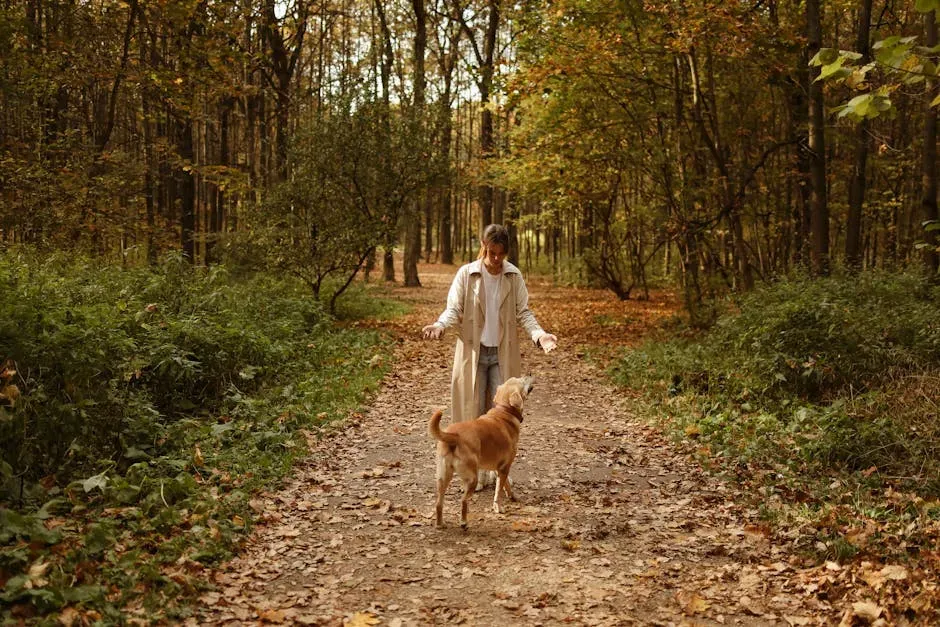
Have you ever noticed that your dog doesn’t actually need to be doing anything in the room you’re in, yet somehow ends up there anyway? You go to the kitchen, they relocate to the kitchen floor; you wander to the bedroom, suddenly there’s the soft thud of paws behind you. That pattern isn’t just nosiness; it’s often a low-key way of staying connected, making sure their “person” is within sight, sound, or sniff. Even when they don’t demand any interaction, just shadowing you around the house can be their way of saying, “I feel better when I know where you are.”
Some dogs follow at a distance, pretending they’re very busy inspecting the rug or staring at absolutely nothing, but if you move, they move. This kind of gentle “dog radar” shows up a lot in bonded dogs and can be rooted in both attachment and instinct, since many dogs are wired to stay near their social group. It’s subtle, easy to mistake for clinginess or habit, but underneath it is a quiet relationship thread: they’re building their day around you, step by step, doorway by doorway.
2. The Soft Head Rest Against Your Leg or Foot
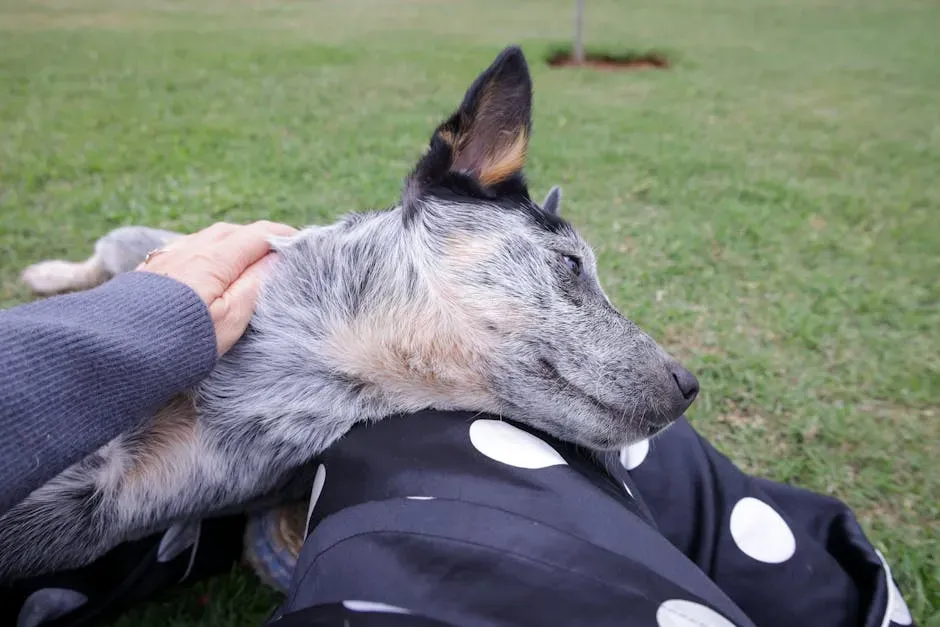
There’s something disarmingly intimate about the moment a dog slowly lowers their head onto your foot, knee, or thigh and just leaves it there. It looks like nothing much is happening, but that gentle weight is its own kind of conversation. For many dogs, leaning or resting their head is a way to feel close without demanding play or treats – it’s contact, not chaos. It can also be soothing for them, almost like how some people feel calmer when they hold onto a pillow or rest their head on a shoulder.
That quiet pressure can show up when you’re stressed, sad, or just still for once, and you may not realize your energy changed before they did. A lot of dogs are remarkably tuned into body language and routines, and a small shift in how you’re breathing or sitting can prompt them to come closer. When they choose to rest their head instead of pawing or whining, they’re essentially choosing calm closeness over noisy attention. It’s like their way of saying, “I’m with you, but I don’t need anything from you right now.”
3. The Long, Gentle Eye Contact from Across the Room
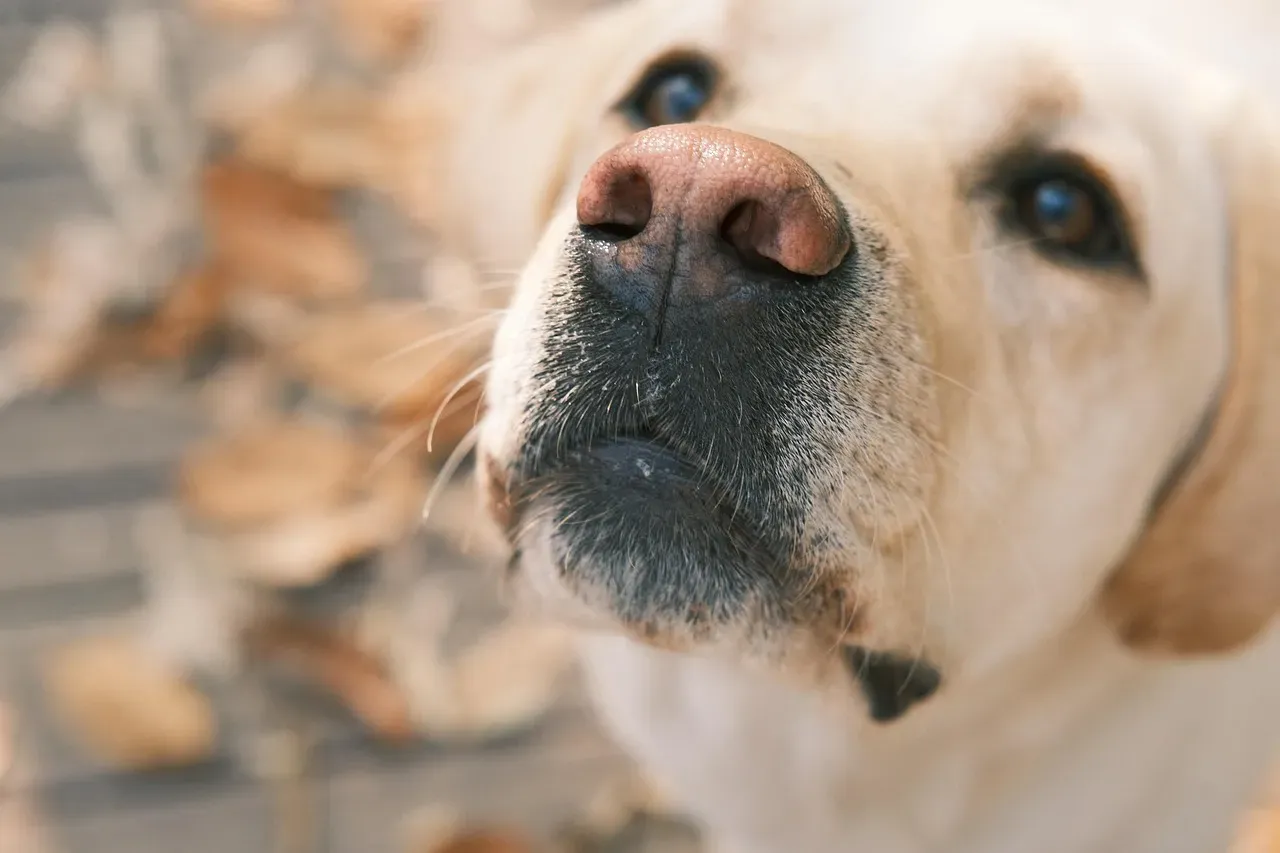
That slow, lingering look your dog gives you while they’re lying on the couch or the floor is a lot more than staring. Research has suggested that calm eye contact between a dog and their person can be associated with the release of bonding hormones, and you can feel that sometimes – the way a simple gaze warms the room. It’s not the intense stare they might give a squirrel; it’s soft, patient, and oddly reassuring, as if they’re checking in emotionally, not just visually.
You might catch these looks when nothing much is going on: you’re scrolling on your phone, answering emails, or just zoning out, and suddenly you feel eyes on you. When you look up and meet their gaze, many dogs will blink slowly, soften their expression, or give a tiny tail thump. They’re not asking for a walk or food in that moment; they’re just confirming that the connection is still there. A simple smile, a quiet “hey buddy,” or even just returning the look for a second can complete that silent loop.
4. The Subtle Sigh and Curl Nearby When You Sit or Lie Down
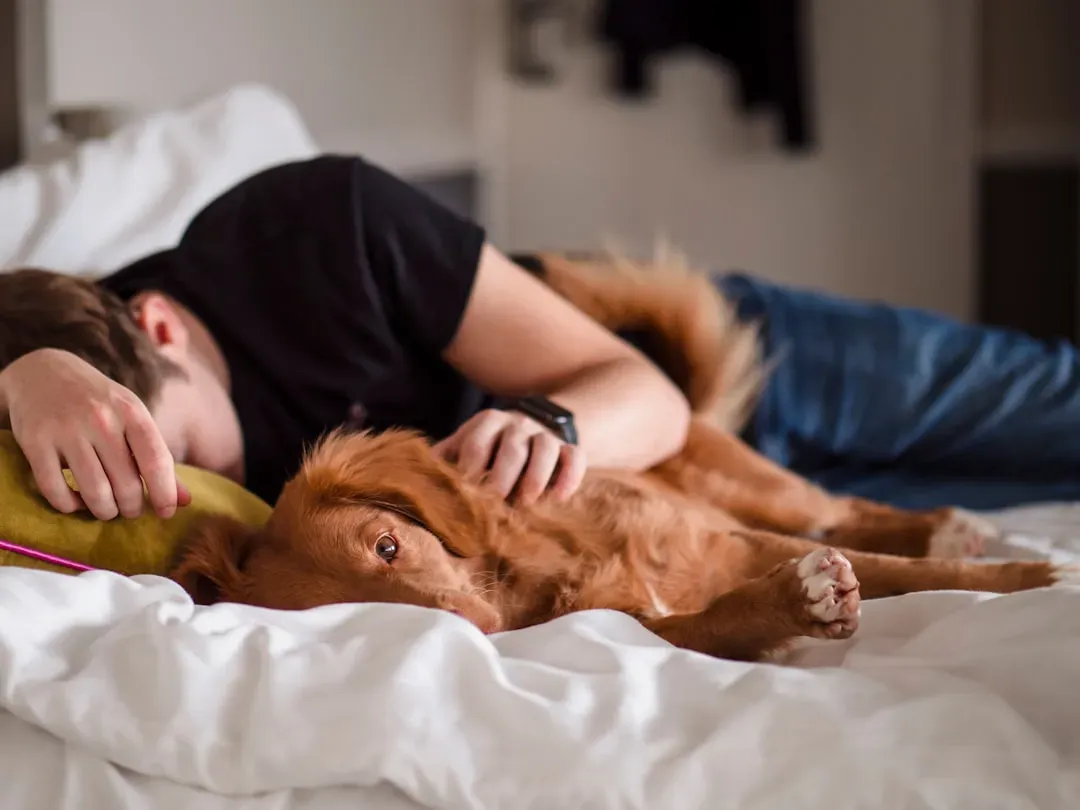
You sit on the couch or climb into bed, and within a minute you hear that dramatic, soulful dog sigh from somewhere near your feet. Then comes the shuffle of paws, a body turning in a circle or two, and finally the gentle thump of them settling in. That whole little ritual is your dog syncing their downtime with yours, almost like roommates deciding to turn off the lights at the same time. They could go nap anywhere, but choosing to curl up close – without nudging you for attention – is a quiet act of companionship.
For many dogs, being near you while you rest is part comfort, part safety, and part habit. You become their anchor point in the house, the predictable, warm, breathing center of their world. That big exhale they do when they finally lie down can be a sign of relaxation and contentment, like a human dropping onto a couch after a long day. By matching their rest to your rest, they’re saying, “If you’re staying put, I’ll stay put, too. Together feels better.”
5. The Way They Check In During Walks Without Being Called
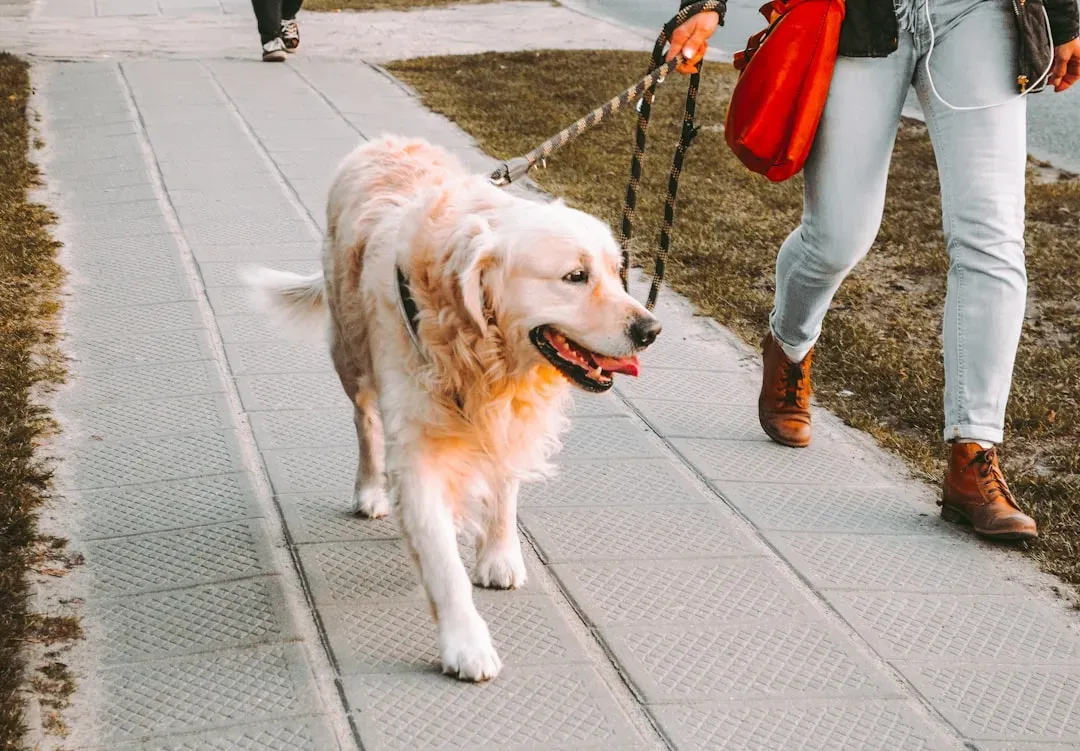
On walks, some dogs will naturally drift ahead to sniff, then glance back over their shoulder or trot back toward you for a split second before moving on again. That quick look-back is not just about making sure you’re still physically there; it can also be a form of social referencing, where they’re quietly checking your position and mood. They’re not tugging you toward a tree or begging for treats – they’re weaving you into their exploration, making sure the adventure still feels shared.
Even confident dogs that seem busy with smells and sounds will often pause at intersections of paths, look up at your face, or slow their pace to match yours. Those moments are easy to overlook if you’re lost in your own head, but they’re small, consistent reminders that your dog doesn’t see a walk as just their solo outing. To them, you’re a moving part of their pack, and staying connected without constant commands or corrections keeps the whole thing feeling more like a partnership than a chore.
6. The Quiet Way They Bring a Toy and Then Just Lie Down
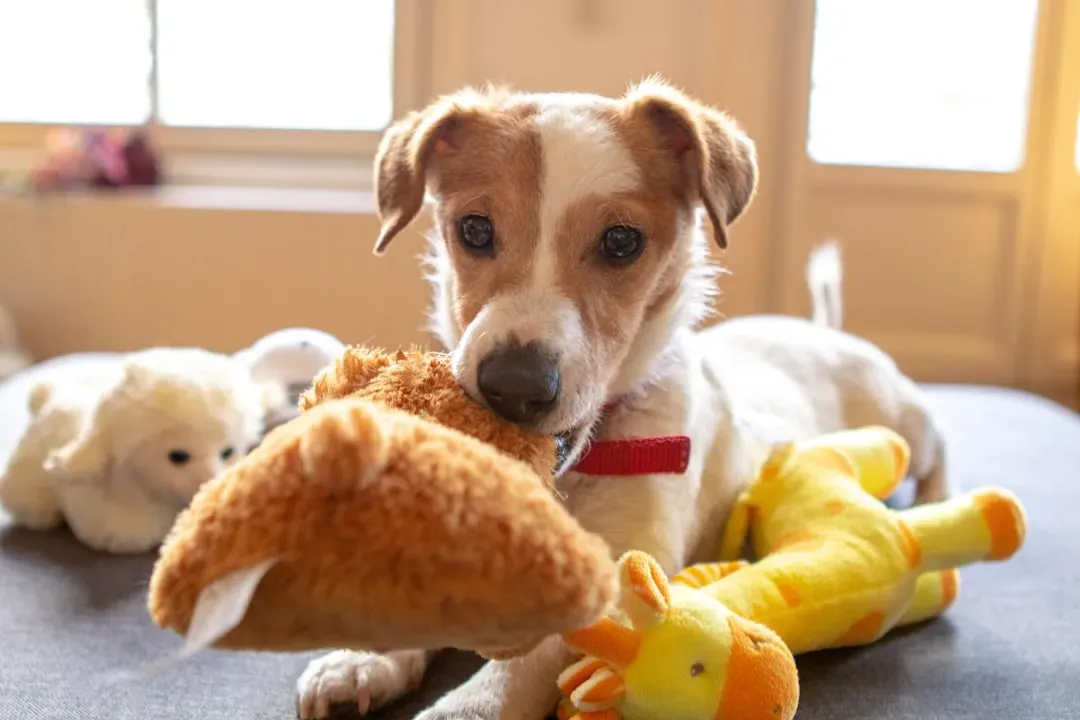
Sometimes a dog will carry a toy over, place it near you, and then…do nothing. No insistent nudging, no barking, no relentless dropping of the toy in your lap – just a casual delivery and a flop onto the floor. This can absolutely be a half-hearted invitation to play, but it’s also often a way to be close and share space around something they value. They’re essentially saying, “This is important to me, and I want it near you,” which is its own kind of trust.
When they do this without pushing you for interaction, it suggests they’re content simply being near you while holding onto the possibility of connection. Maybe you’ll reach down and give the toy a lazy tug; maybe you won’t. Either way, they’ve chosen to set up their little world – favorite object, favorite person – in the same spot. That kind of quiet offering, without strings attached, is one of the gentlest ways a dog signals that you’re part of their inner circle.
7. The Little Routine of Greeting You Calmly, Then Settling Nearby
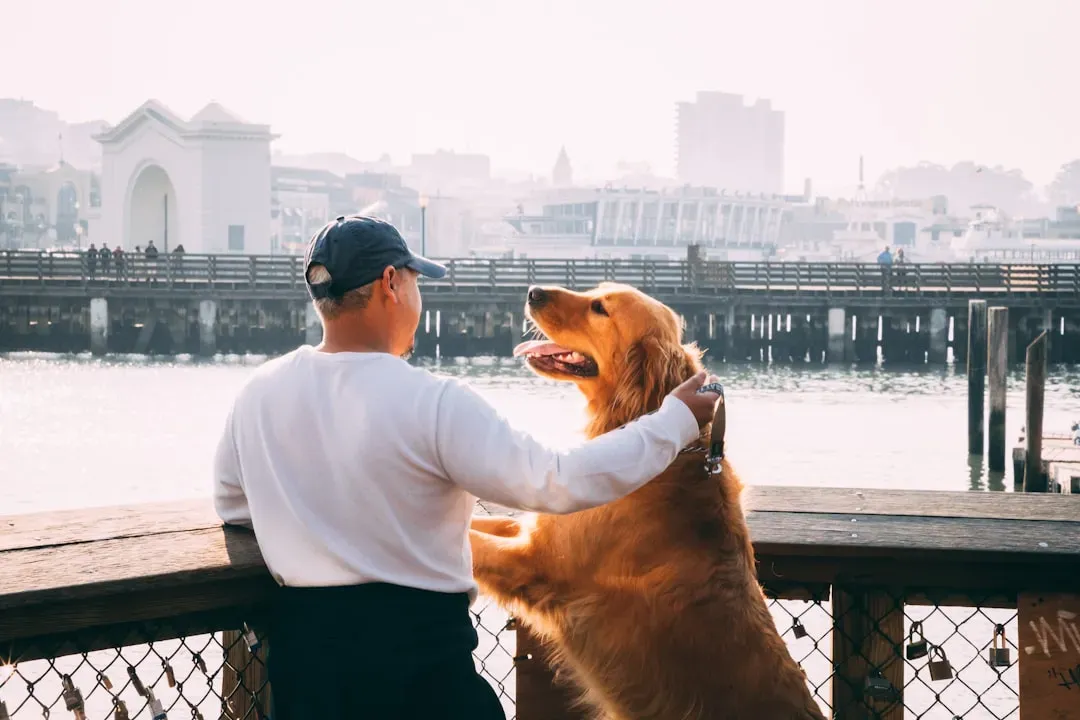
Not every dog explodes with excitement when you walk through the door; some give a soft tail wag, a quick nose touch, and then go lie down within sight. It can look almost underwhelming compared to the bouncing-off-the-walls reunions you see online, but this calm, steady pattern is its own version of deep connection. They’re acknowledging your return, confirming that their world is back in order, and then resuming their peaceful baseline with you back in it.
Over time, this greeting can turn into a comforting ritual: the padding of paws to the door, the brief eye contact or lean into your leg, the quiet retreat to their usual spot. That predictability builds a sense of security for both of you. Instead of performing for attention, they’re simply syncing to your comings and goings, offering a low-key welcome that says, “You’re home, I noticed, and that’s enough to make me settle again.” There’s something incredibly grounding about that kind of understated loyalty.
8. The Gentle Lean or Slight Body Contact When You Stand Still
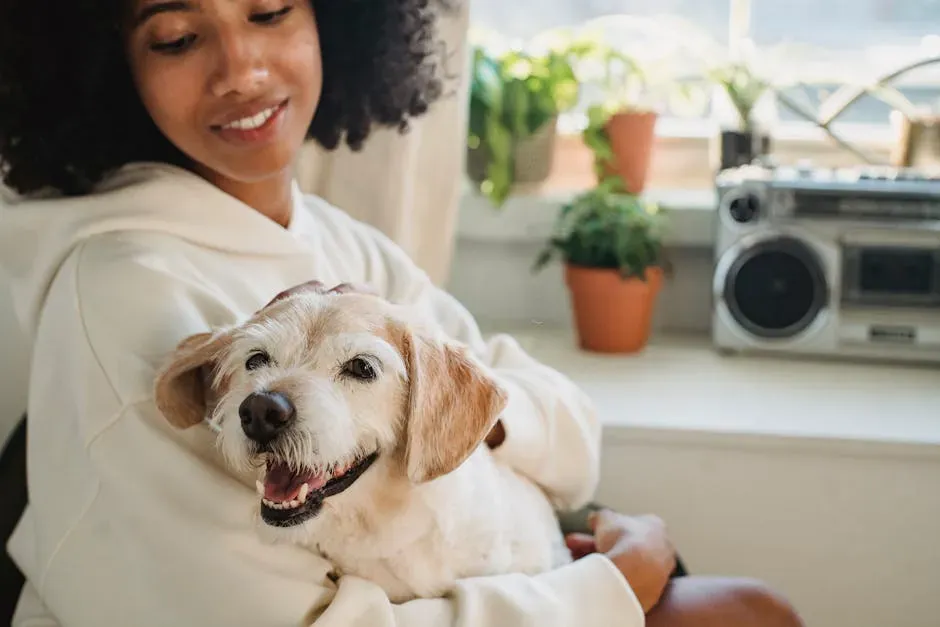
When you’re standing at the counter, chatting with someone, or waiting for the kettle to boil, pay attention to your legs. Many dogs will quietly drift over and press a shoulder, hip, or side against you, sometimes so lightly you barely feel it. That lean can be a blend of seeking reassurance and offering it, using touch without fuss. It is a simple, grounding gesture: they line their body up with yours, anchoring themselves to your presence.
What makes this so touching is how un-demanding it is. They’re not pushing you for a walk or food; they’re just asking to exist in the same physical space, like someone brushing your arm in a crowded room to remind you they’re there. You might absentmindedly rest a hand on their back or give a quick scratch, but even if you do nothing, they often stay put. That quiet, shared balance can be one of the most peaceful forms of connection in a busy, noisy day.
9. The Way They Listen for You and React to Your Movements
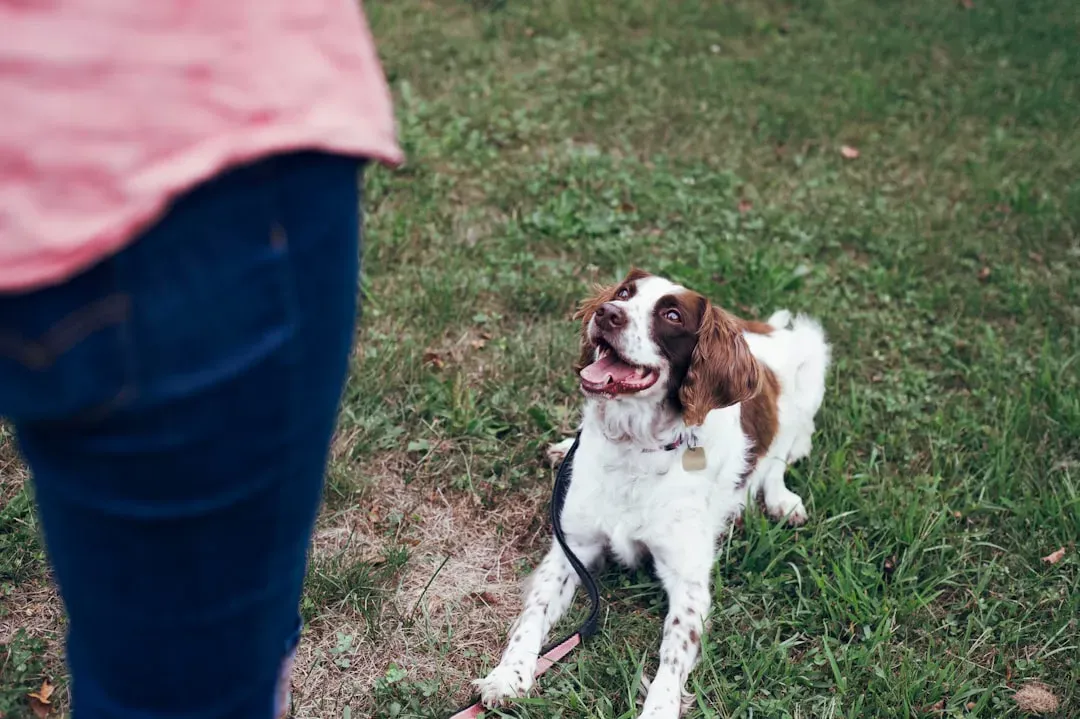
Dogs are often incredibly attuned to the small sounds you make: the chair scraping back, the closet door opening, your footsteps in the hallway. You might notice that your dog lifts their head from a nap when you stand up, even if you haven’t said a word. That quick head-tilt or ear twitch is them tracking you, quietly mapping your movements so they can decide whether to join you or simply keep tabs. It’s like they have a built-in notification system that pings whenever you move.
They may not follow you every time, but the awareness is there: a listening, a readiness, a sense that your actions have meaning in their world. This kind of constant low-level monitoring might sound intense, but for many dogs, it’s just how they stay connected to the center of their social group. They don’t need to be in your face to feel close; just knowing where you are and what you’re roughly up to is enough to keep their emotional map of the household stable and safe.
10. The Slow Tail Wags and Relaxed Body When You Simply Look at Them
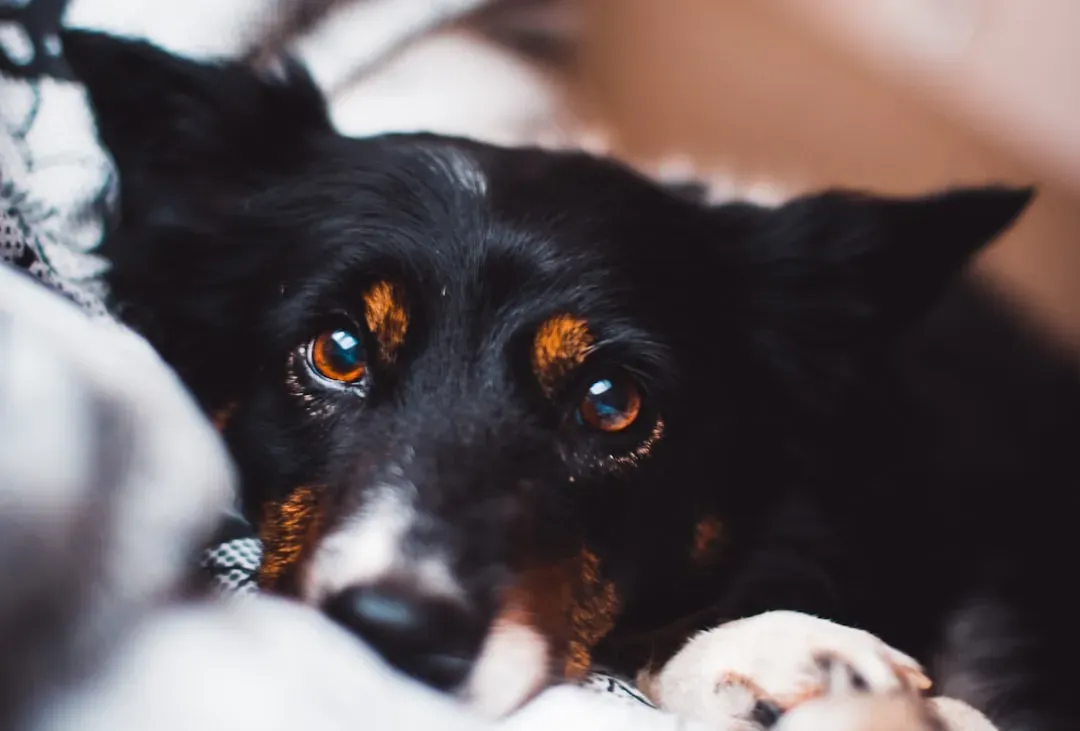
Sometimes all it takes is you glancing over at your dog for their tail to start that slow, easy wag. No verbal cue, no treat bag, no leash in your hand – just your eyes meeting theirs. That gentle tail movement, often paired with a softening of their whole body, is their way of acknowledging your attention without rushing in to demand more. It’s a quiet “I see you seeing me, and I like it.”
In those moments, they’re not necessarily looking for action; they’re responding to connection. If you watch closely, you’ll see that some dogs do this even from across the room, almost like a subtle wave between friends. A lot of people underestimate how powerful simple, calm attention can be to a dog, but these small reactions are proof. They’re telling you that being noticed by you – even for a second – changes how they feel in that moment, loosening tension and deepening trust.
11. The Tendency to Sleep Where Your Scent Is Strongest
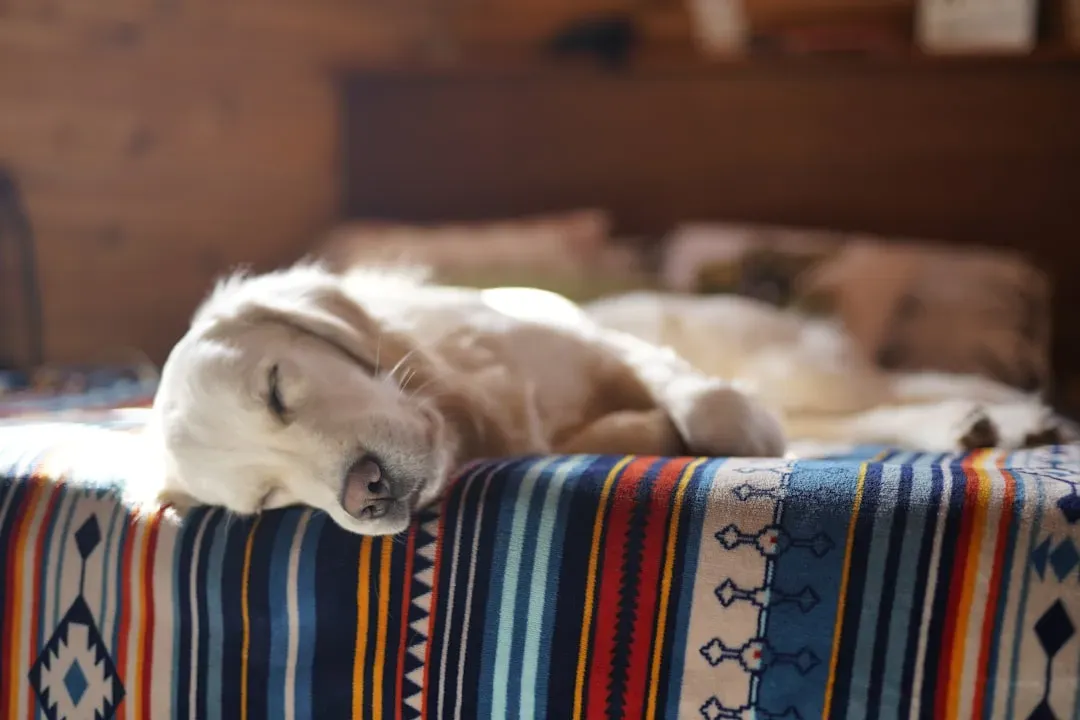
Look at the places your dog chooses to nap: your side of the bed, the pile of laundry you meant to fold, the spot on the couch where you always sit. Those choices usually aren’t random. Dogs rely heavily on scent, and your smell can be deeply reassuring to them, especially when you’re not actively giving them attention. Curling up in a place that smells like you is a quiet way to stay emotionally close, even if you’re in another room – or not home at all.
Some dogs will even adjust their favorite sleeping spot over time as your habits change, migrating to the chair you suddenly start working from or the hallway outside your office door. They’re essentially choosing to rest inside your “scent bubble,” where you feel most present to them. It’s such an understated behavior that it’s easy to shrug off as comfort or habit, but underneath it is a dog investing their downtime in proximity to you, even when you’re not doing anything for them.
12. The Way They Match Their Mood to Yours Without Making a Scene
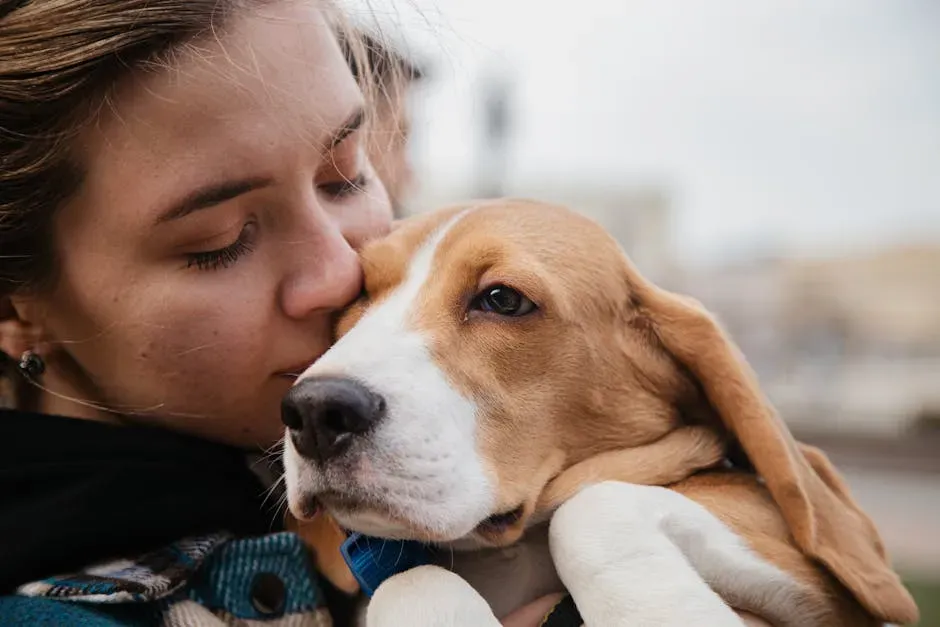
One of the quietest, most moving ways dogs stay connected is how they often adjust their energy to yours. On sad or heavy days, they might be more subdued, lying closer than usual or skipping their usual push for constant play. On relaxed, lazy weekends, they may stretch out beside you, slowing down with you instead of pacing the house. They’re tracking your tone of voice, posture, and pace, and subtly syncing their emotional rhythm to yours.
They rarely do this in a dramatic way – no grand gestures or obvious displays. Instead, it shows up in tiny shifts: choosing to nap instead of beg for fetch when you are exhausted, or hanging a bit nearer when your voice goes quiet. It might not be perfect or scientific, but over time you start to notice patterns, and it is hard not to see it as a form of empathy. It is their wordless way of saying, “Where you are emotionally matters to me, and I’m going to meet you there as best I can.”
Conclusion: Quiet Gestures, Loud Love
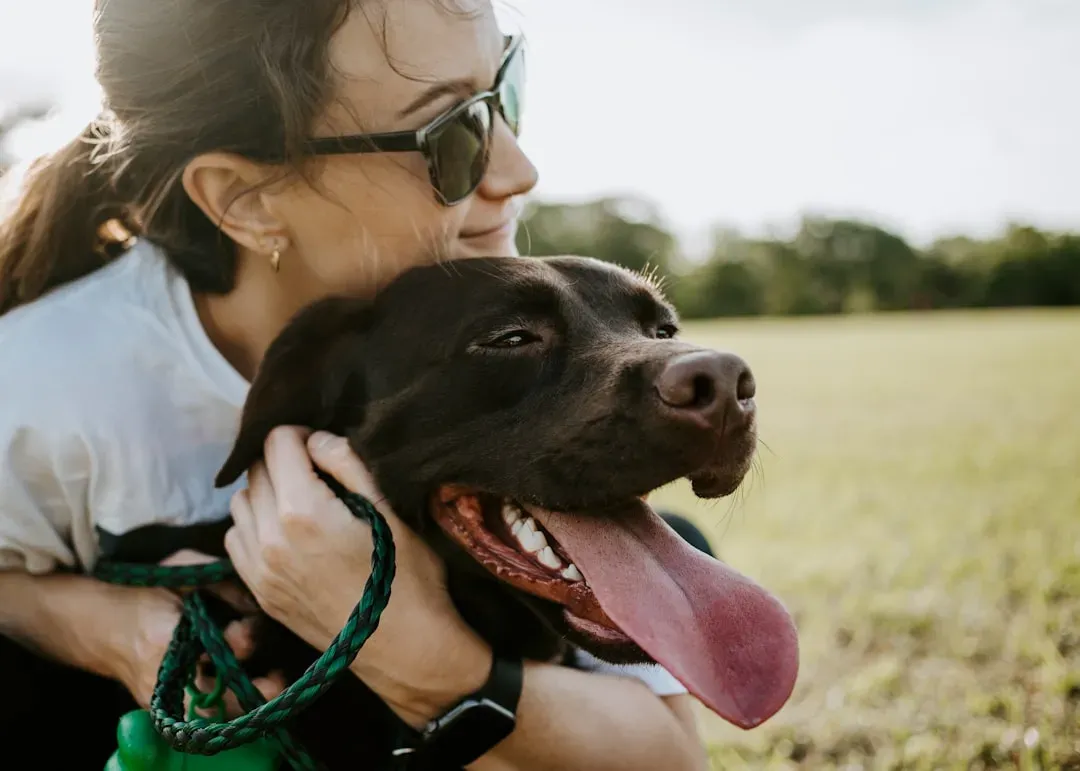
Once you start noticing these quiet behaviors, it becomes hard to pretend that dogs are just food-motivated housemates. Their subtle check-ins, soft sighs, and tiny adjustments around you paint a pretty clear picture: they’re invested, deeply, in staying connected to you even when you have nothing to give in return. I honestly think these low-key moments say more about the bond than any viral video of a dog leaping into someone’s arms at the airport. The everyday stuff, the shadowing, the leaning, the silent eye contact across the room – that’s the real heartbeat of the relationship.
We tend to measure love in big, obvious gestures, but with dogs, so much of it lives in the background, in the almost-invisible choices they make all day long. Paying attention to those tiny signs doesn’t just make you feel more loved; it nudges you to show up for them with the same quiet consistency. Maybe that looks like a gentle scratch when they lean, a soft word when they sigh and curl up nearby, or simply respecting how hard they are trying to be there for you in their own way. In the end, the question is not whether your dog is trying to stay connected – it is whether you’re willing to slow down enough to notice it.