
12 Things Dogs Quietly Learn About a Family After Living Under the Same Roof for Years
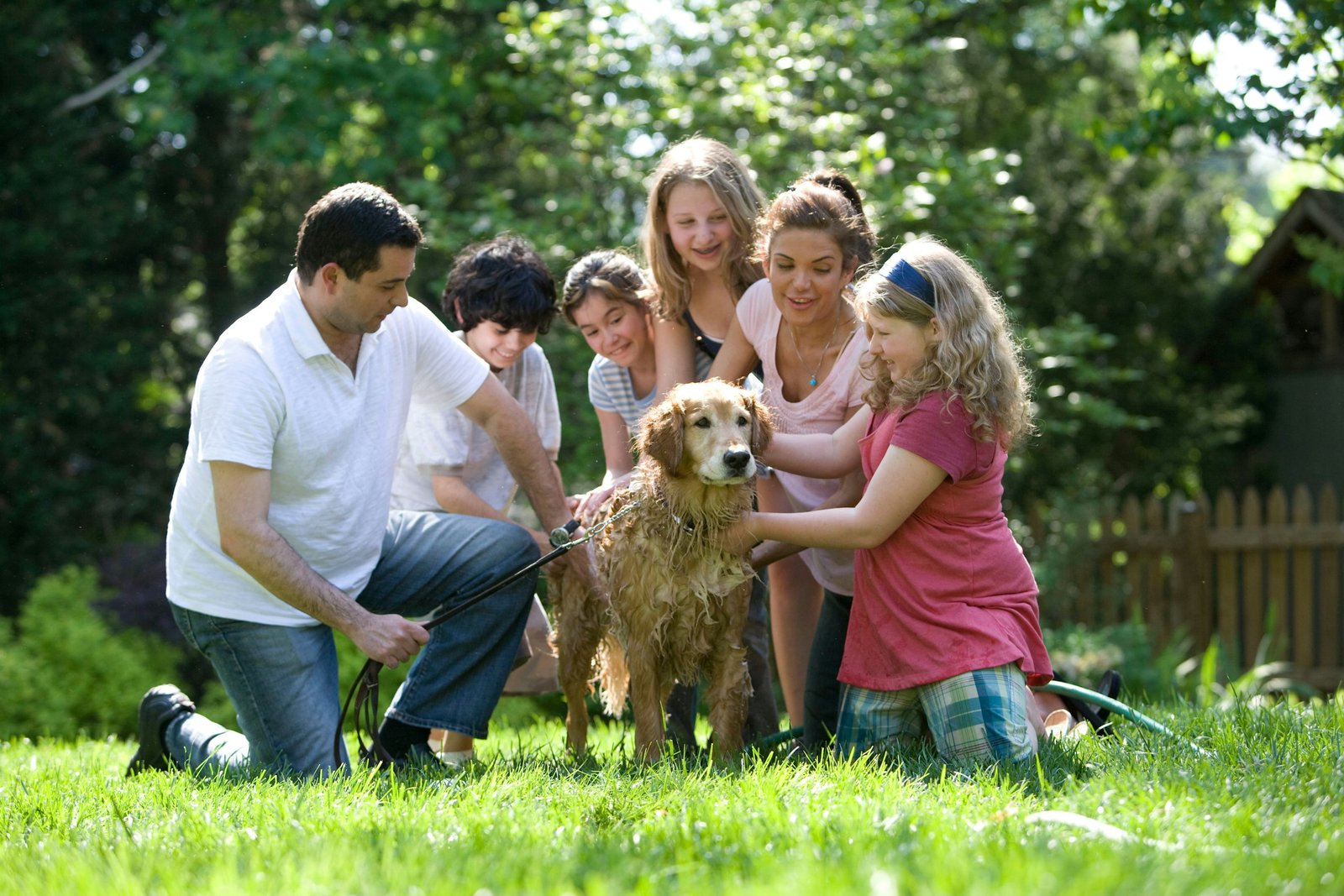
Live with a dog long enough and you start to think you know them inside out. But here’s the twist: while you’re watching their cute habits, they’re quietly studying yours. Day after day, year after year, dogs collect tiny clues about how a family really works, what each person needs, and even when the mood in the house is about to shift. They do it without words, without drama, and usually without you having a clue how much they’ve already figured out.
What looks like a dog lazily napping in the corner is often more like a furry little observer running a lifelong experiment. They notice who slams doors and who tiptoes, who hands out snacks and who forgets, who cries in the kitchen at night and who laughs loudest on the couch. Over time, they build a map of your family’s rhythm and feelings that’s surprisingly deep. Here are 12 things dogs quietly learn about a family when they share the same roof for years.
1. Your Daily Rhythms, Right Down to the Minute
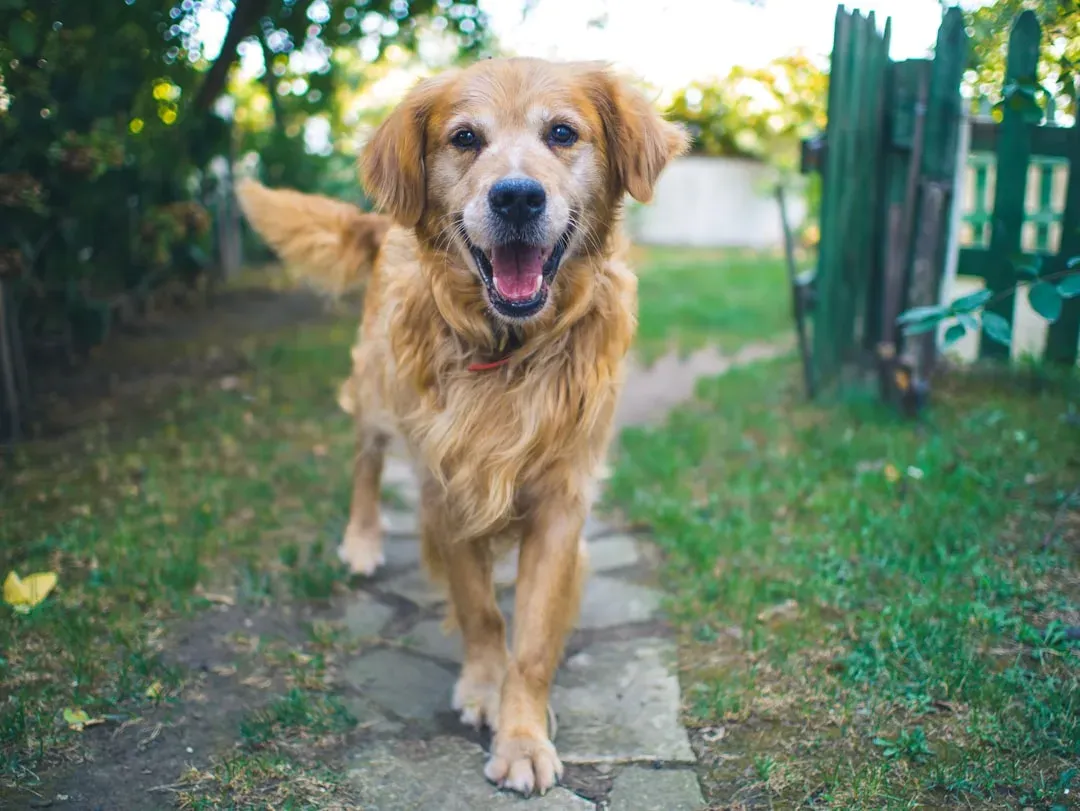
One of the first things a dog quietly masters is the family schedule. Long before anyone checks a clock, many dogs start pacing or sitting by the door just before someone gets home from work or school. They link subtle cues like the angle of sunlight, traffic sounds outside, or the way the household energy changes to predict what’s about to happen next.
Over the years, they get eerily good at it. They know when mornings are rushed and no one has time to play, and when weekends are slower and the chance of a long walk is higher. I had a dog who would not even bother getting off the couch on Monday mornings, but by Saturday at 9 a.m. he was already staring at his leash. That’s not random; it’s pattern recognition at its finest.
2. Who the “Soft Touch” Is in the House

If a dog could keep a scoreboard of who says yes the most, they absolutely would. They quickly figure out who gives extra treats, who shares food from the table, and who can be guilt-tripped with one long, sad-eyed stare. It’s why the dog always seems to wander over to one particular person during dinner, pretending to be casual but laser-focused on the plate.
Dogs are natural behavior economists: they notice which human gives the best return on investment for their begging efforts. Over time, they refine their strategy, turning up the charm on the “soft touch” and toning it down with the strict one. This is why you’ll hear one family member complain that the dog never leaves them alone while another insists the dog is “not that food motivated.” The dog just knows exactly where their odds are best.
3. Who Is in Charge – and Who Just Thinks They Are
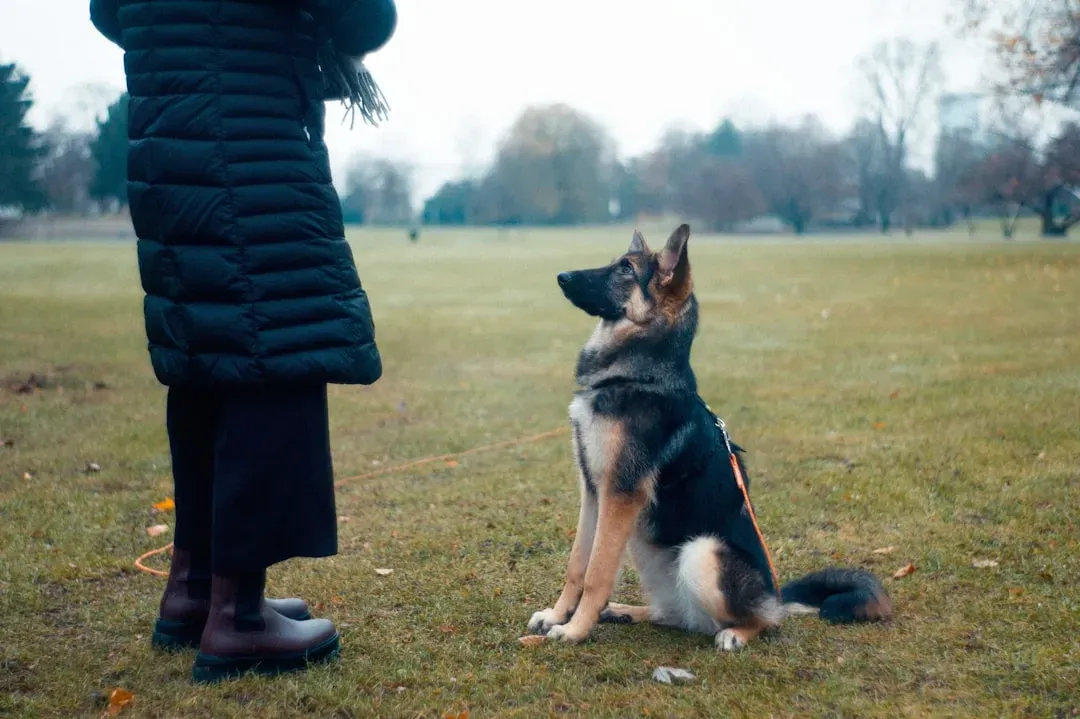
Every family has power dynamics, and dogs are surprisingly sharp at reading them. They pick up who makes decisions, who everyone looks to in stressful moments, and who actually follows through on commands. The person who stays calm, consistent, and clear usually becomes the one the dog takes most seriously, even if that person is the quietest in the room.
On the flip side, a dog also notices the “fake authority” figures – the ones who yell “no” but then laugh and let the dog get away with things. Over time, the dog learns whose words matter and whose can be safely ignored. It’s not personal; it is simply the way their survival brain organizes information: who sets the rules, who enforces them, and who is just background noise.
4. How to Read the Family’s Emotional Weather
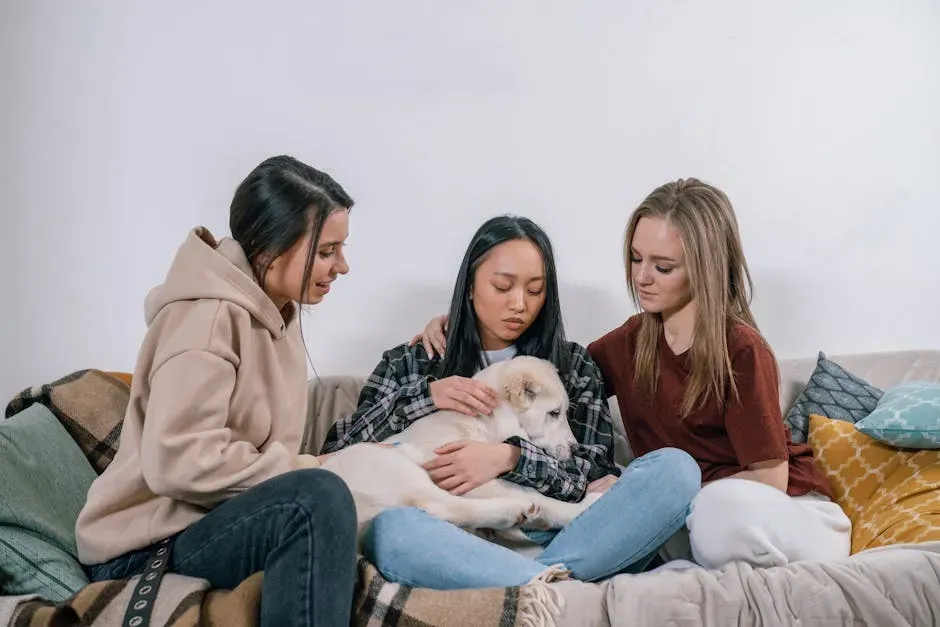
Dogs do not understand every detail of human drama, but they absolutely feel the emotional temperature of the room. They notice when voices get sharper, footsteps get heavier, or breathing changes. Living with a family for years teaches them what a normal evening sounds like and what it sounds like when something is off, even if no one is talking about it yet.
That’s why a dog may quietly leave the room during an argument, or, just as often, curl up next to the person who is most upset. They learn who tends to cry in their bedroom, who storms around the kitchen, who goes silent when they are hurting. Many dogs adjust their own behavior in response, becoming calmer, quieter, or extra cuddly, almost like emotional shock absorbers for the household.
5. Each Person’s Body Language and Micro-Moods
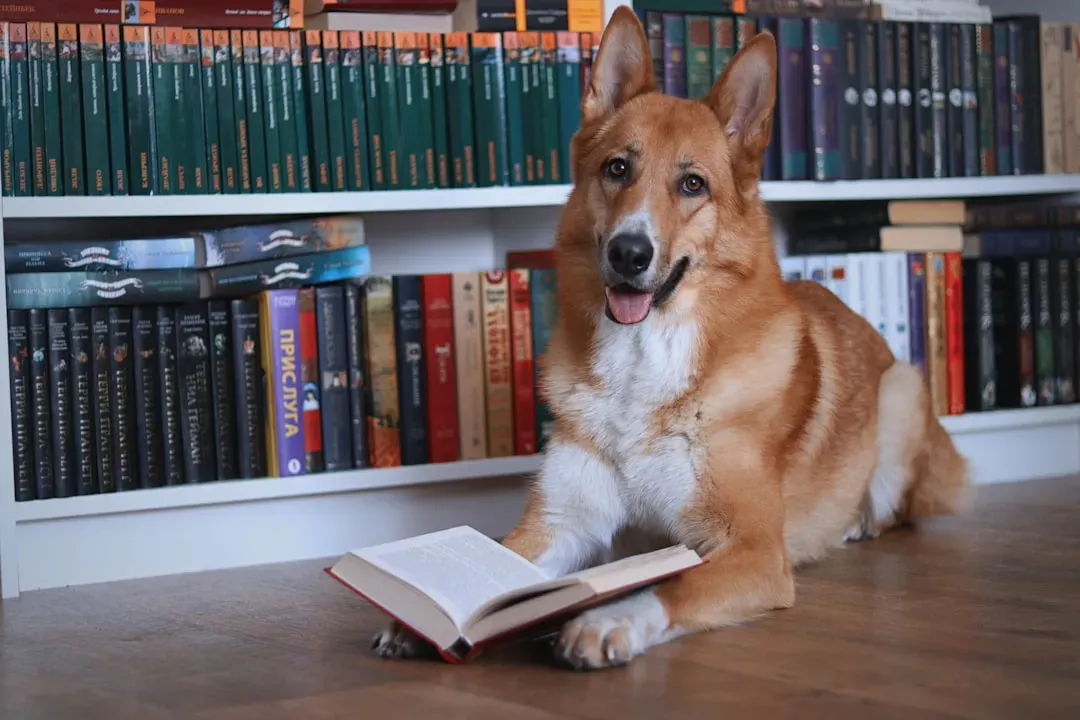
Dogs are experts at reading bodies, not words. They learn the tiniest tells: the way someone shrugs their shoulders when they are frustrated, the way another person’s hands shake slightly when they are anxious, or how a child bounces a little more when they are about to cause chaos. Over time, they build a rich library of micro-signals that let them predict what comes next.
This is why a dog may calmly stay put when one person walks into the room but instantly jump up and get ready to play when another appears. They recognize the relaxed posture, the playful stance, the hurried walk, and they’ve already connected it to what usually follows. To us it looks like intuition; in reality, it is years of quiet observation, stored and sorted by a brain wired to notice movement and energy.
6. The Real Rules Versus the Official Rules
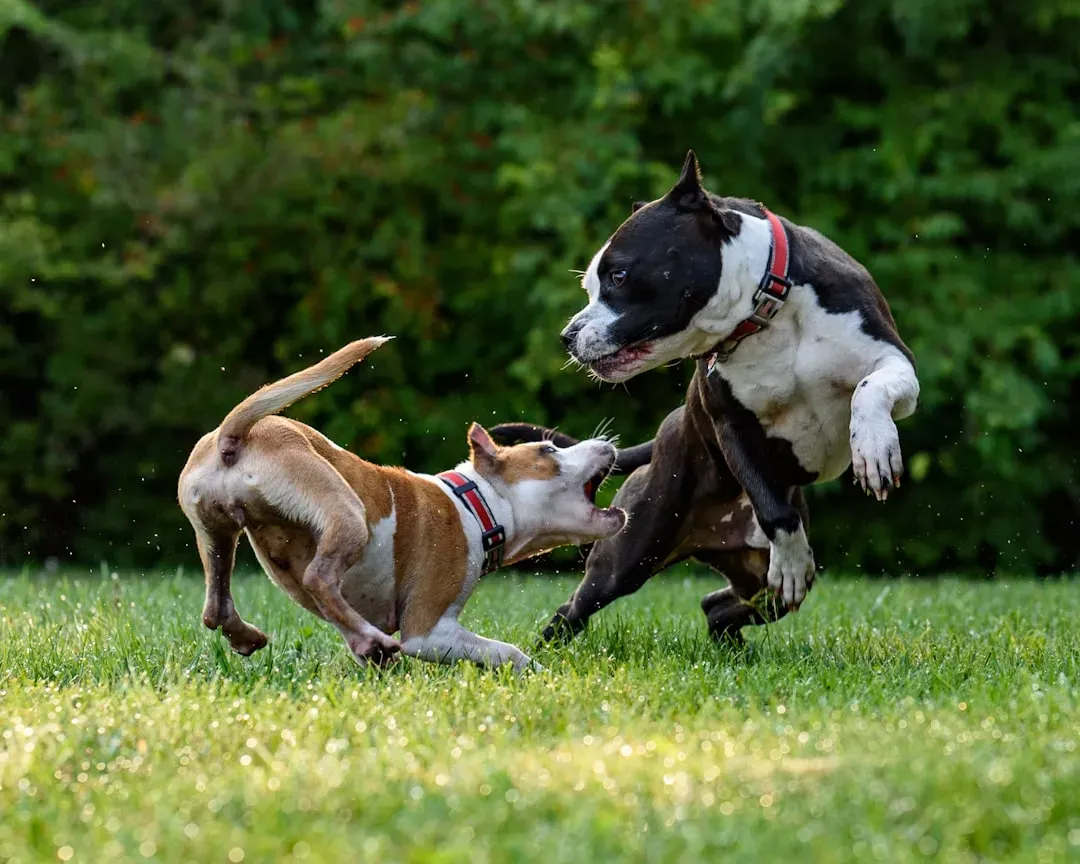
Dogs are constantly testing these boundaries in tiny ways and filing away the results. If lying on the couch gets them gently moved once but allowed the next ten times, they eventually decide it is fair game. They learn that rules depend on time of day, who is home, and even which show is on TV. What looks like stubbornness is often just a dog following the version of the rules the family has actually taught them, not the one they claim to have.
7. Who Needs Comfort the Most (and When)
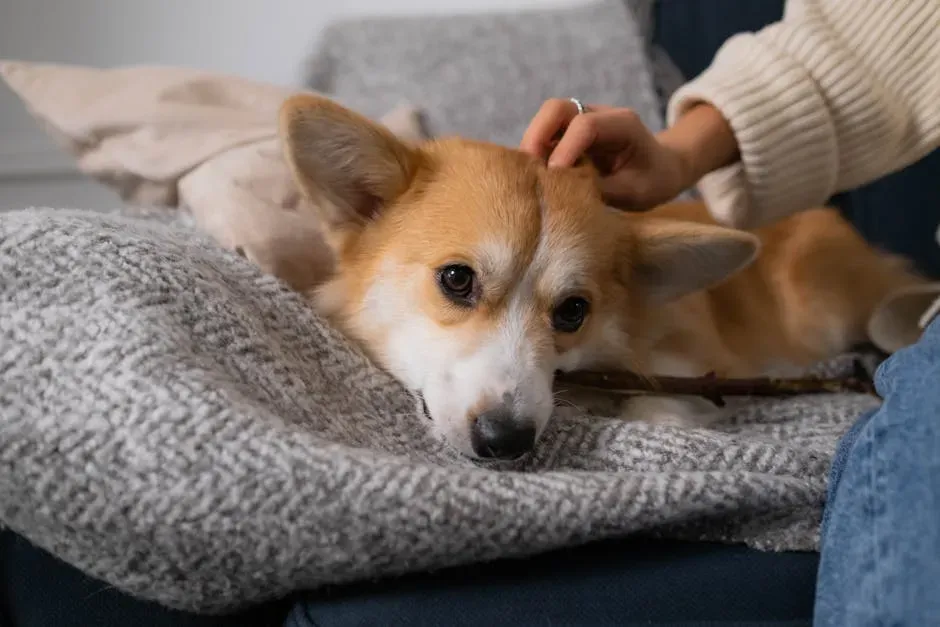
Live with humans long enough and a dog starts to figure out whose heart breaks the easiest. Some people cry more, some hold it in until late at night, some pretend they are fine but give themselves away with quiet sighs. Many dogs start to gravitate toward the person who seems to need them the most, especially in those raw, unguarded moments.
I still remember my own dog ignoring everyone else to quietly sit beside the one person in the house going through a rough breakup, night after night. No one trained him to do that; he just connected the dots. Dogs learn who talks to them in a softer voice, who hugs them a little tighter, who clings to them when they are upset. Over time, they become mirrors and blankets – reflecting emotion back, while also offering a warm place to land.
8. When Play Is Welcome and When It Is Not
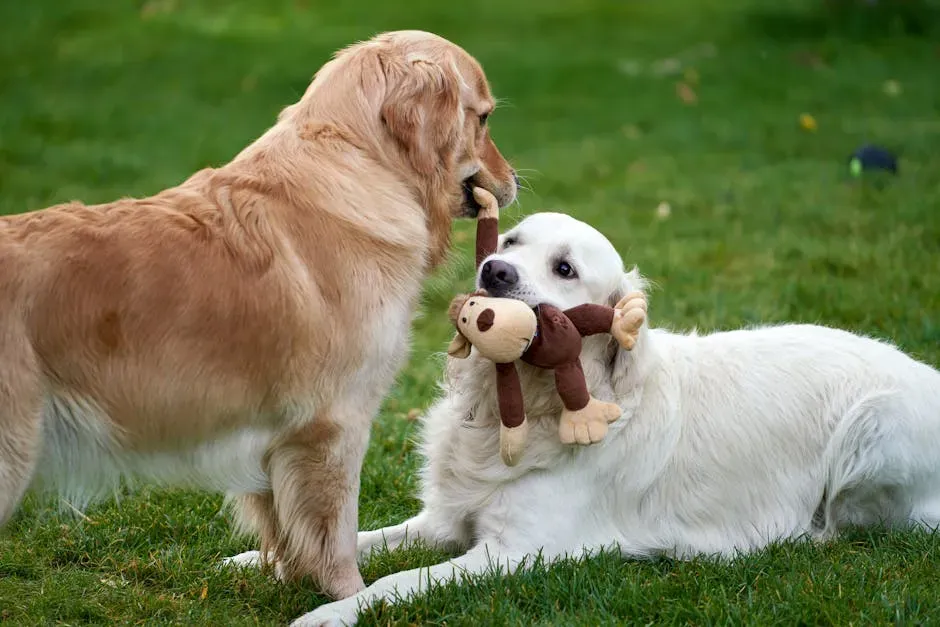
At first, puppies try to turn everything into a game, no matter what the humans are doing. But as they grow and live with a family for years, the smarter ones get more selective. They learn when bouncing around with a squeaky toy will make the whole room laugh, and when it will just annoy the person buried in work emails or the teenager stressed about exams.
Over time, a dog’s timing can become strangely perfect. They show up with a ball just as someone finally leans back on the couch, or they initiate play the moment the family mood feels heavy and tense. It is not magic; it is a fine-tuned sense of timing built from thousands of tiny moments of trial, error, and quiet observation. They learn, very practically, that play is more fun when the audience is actually in the mood.
9. How the House Sounds – and When Something Is “Wrong”
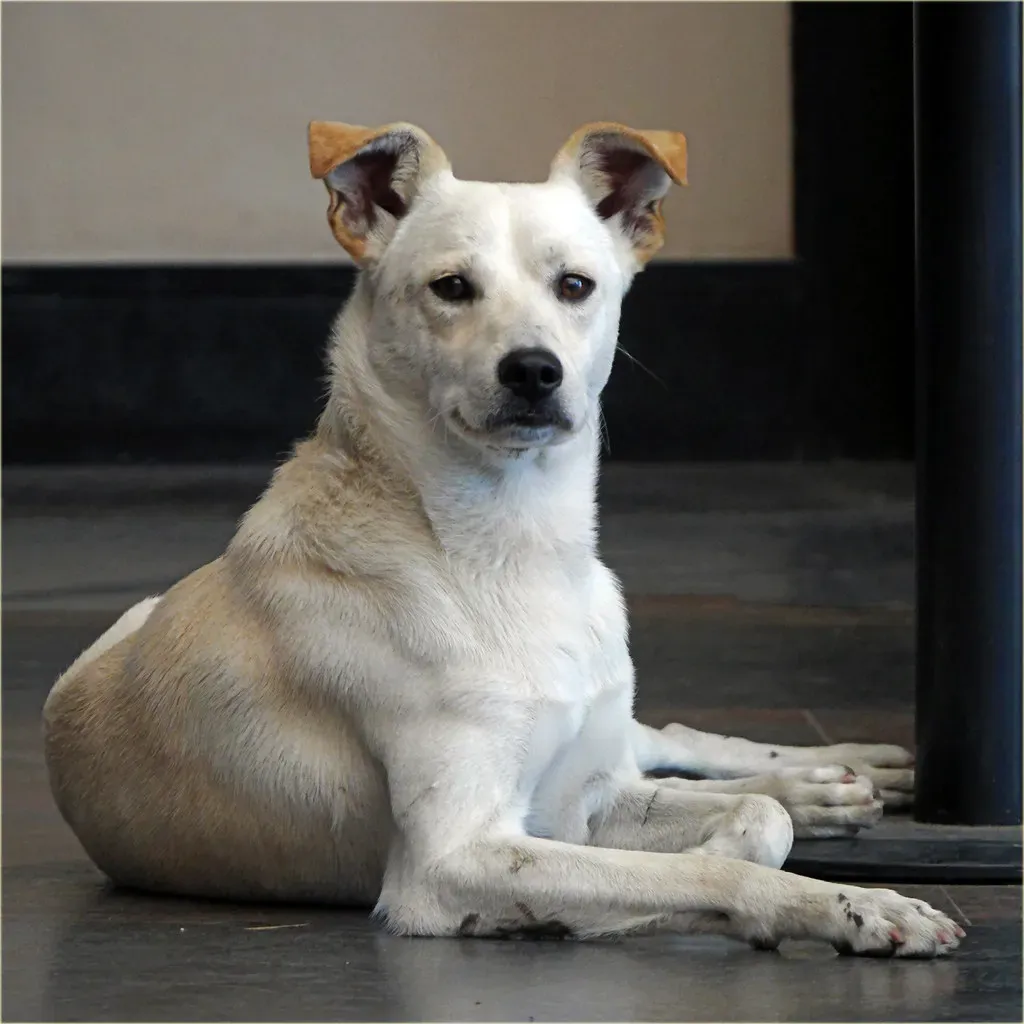
Dogs live in a world of sound and smell that we barely notice. After years in the same house, they develop an internal library of what “normal” sounds like: the hum of the fridge, the pattern of footsteps on the stairs, the squeak of a specific door, the neighbor’s usual car. When something breaks that pattern, they are often the first to pick it up.
That is why a usually calm dog may suddenly bark at a strange noise in the middle of the night or perk up at an unfamiliar engine in the driveway. They learn the difference between the mail carrier’s routine knock and a random thud on the porch. Living in the same space for years makes them guardians of the familiar; if something falls outside of that, they treat it as a potential problem and react accordingly.
10. The Family’s “Travel and Leaving” Rituals
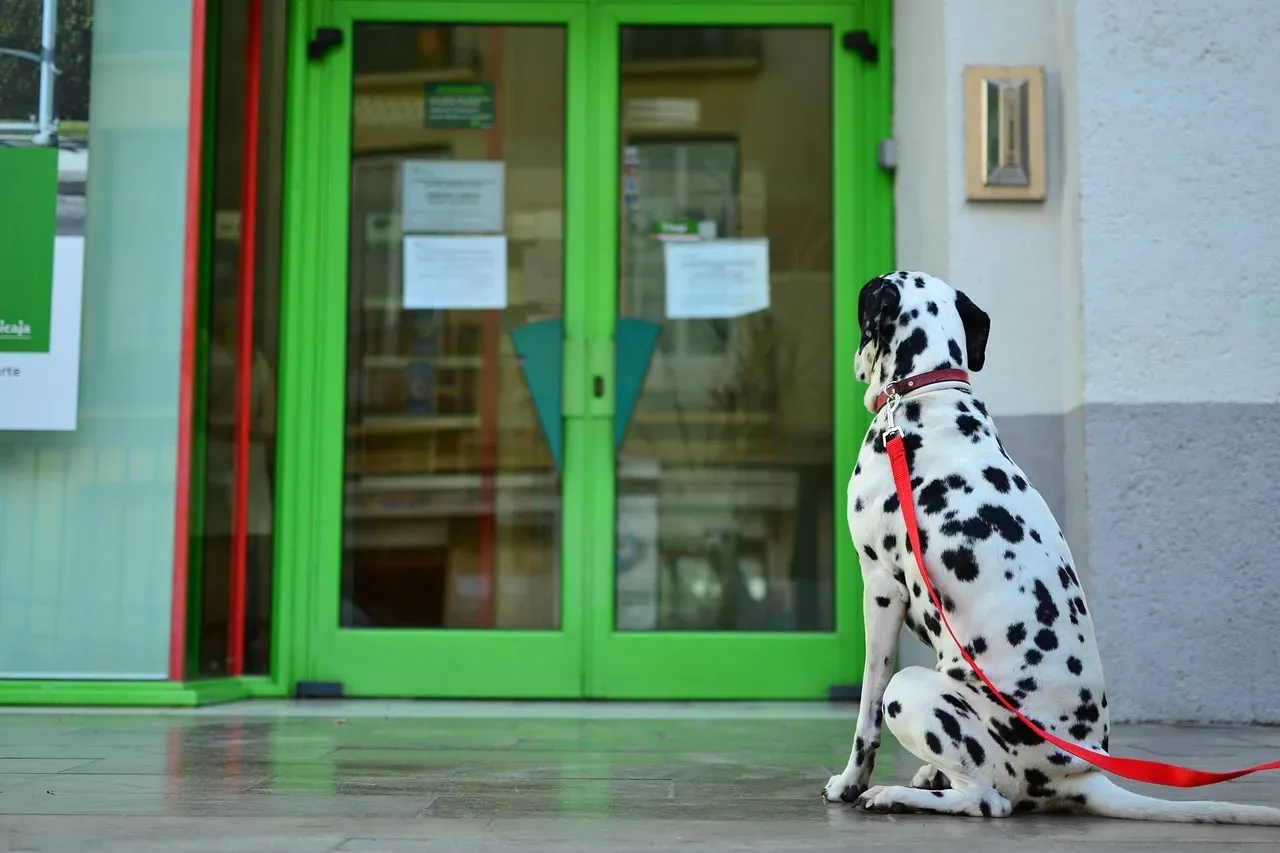
Every family has little rituals around leaving the house, especially for longer trips, and dogs memorize them painfully well. They learn that grabbing keys usually means a short outing, while rolling out a suitcase means something more worrying. Subtle cues – a different tone of voice, bags piling up by the door, extra phone calls – become warning signs that their people might be gone for longer than usual.
Some dogs start clinging more closely when they see these patterns, while others withdraw or act out. Over years, they also understand that people do come back, even after those longer absences, and they adjust their expectations. You can almost see the recognition in their eyes when the same old suitcase appears again: they know the script now, even if they do not love it.
11. Which Spaces Belong to Whom – and Where They Fit In
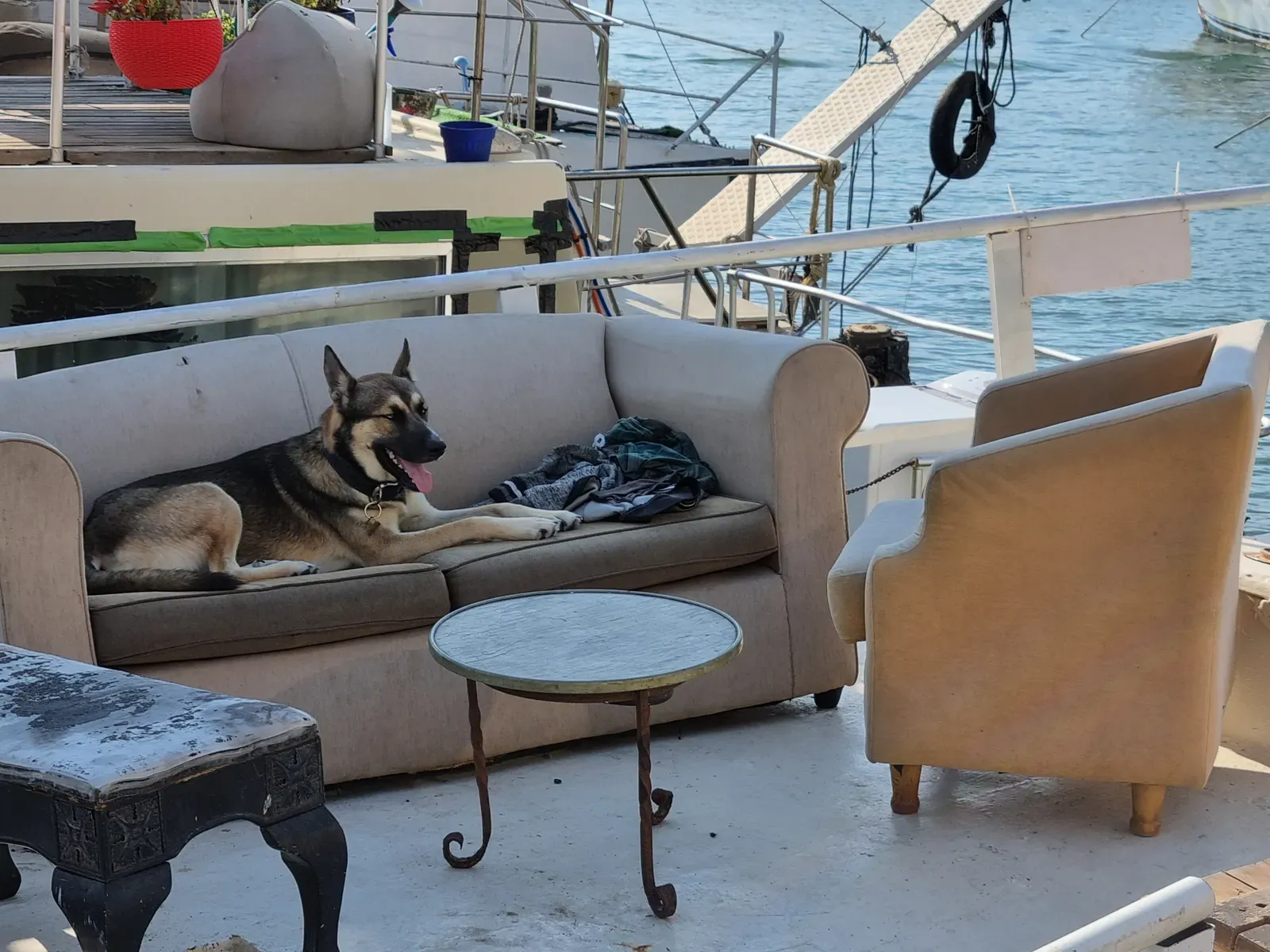
Dogs don’t just learn human schedules; they also map out the physical territory of the home. They figure out which room belongs to which person, where arguments tend to happen, where the fun hangs out, and where the quiet corners are when they need a break. Over time, many dogs choose “their spot” in the house, often strategically placed where they can keep an eye on everyone.
They may wait outside a particular bedroom in the morning, knowing that is where their favorite person sleeps, or avoid a certain room where they once got scolded. They understand that the kitchen is where food action is, the entryway is where reunions happen, and the couch is where the pack curls up together. In their minds, the house becomes less about walls and furniture and more about emotional zones and social patterns.
12. Who They Are in the Story of This Family
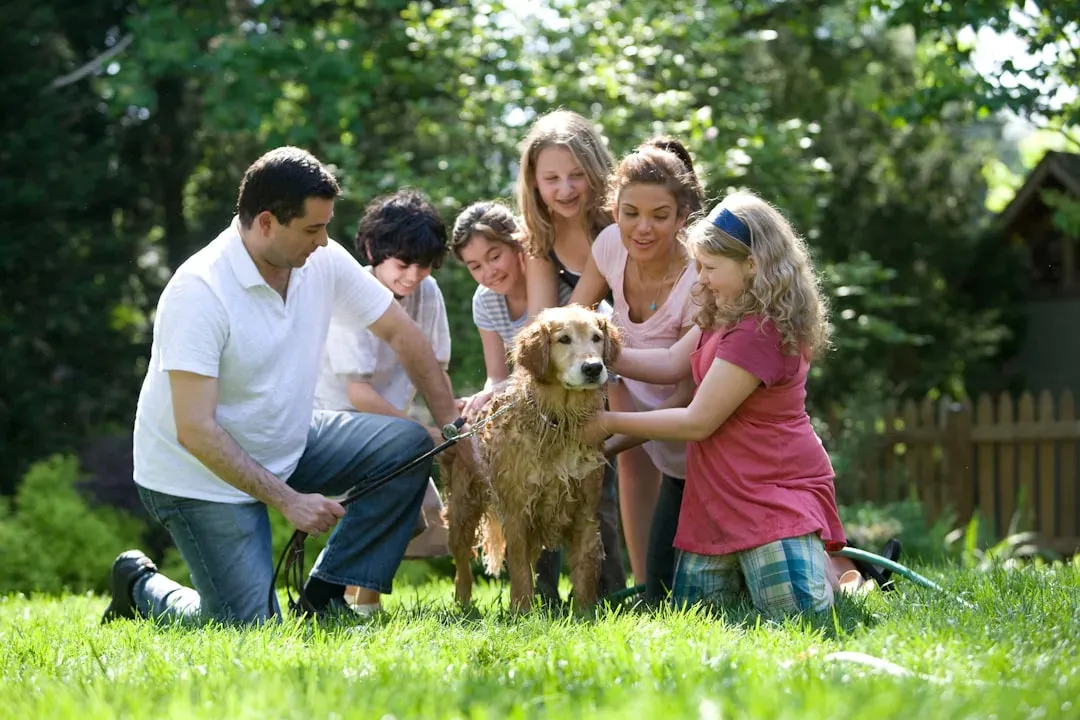
After years under the same roof, dogs learn not just about the family, but also about their own role in it. Some become the clown, always entertaining and making people laugh. Others lean into the protector role, watching doors and windows and sitting between family members and strangers. Some turn into quiet companions, almost like little shadows following one chosen person from room to room.
They know who calls their name the most, who walks them, who trains them, who cuddles them, and who sits up late with them when no one else is awake. They stitch all of that together into a sense of belonging: this is my family, these are my people, this is my job here. We like to think we are shaping them with training and rules, but the truth is they are just as busy shaping themselves in response to how we live, love, and sometimes fail right in front of them.
Conclusion: Your Dog Knows the “Real” Version of Your Family
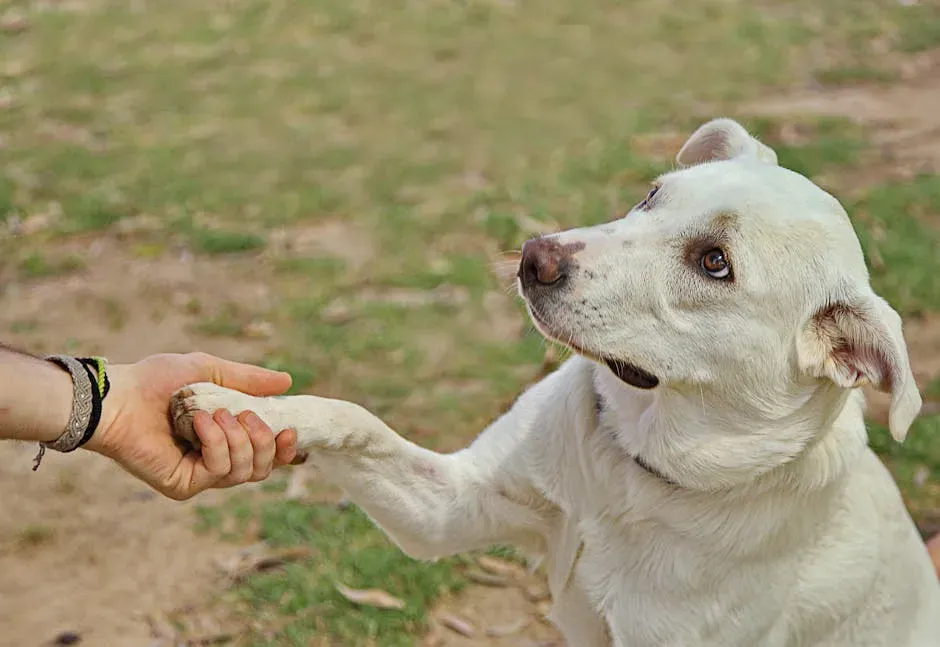
When you live with a dog for years, they end up seeing a version of your family that even guests or relatives never really see. They notice the late-night arguments, the quiet reconciliations, the exhausted slumps on the couch, the joy that explodes on random Tuesday evenings for no big reason. They put together the schedule, the moods, the power dynamics, and the secret soft spots and respond to all of it with a kind of wordless loyalty that is hard to overstate.
Personally, I think that is one of the most humbling things about sharing a home with a dog: you cannot really pretend with them. They learn who you are when you are tired, messy, scared, or unfiltered, and they stay anyway. For all our talk about training and teaching them, they are quietly learning us just as intensely – maybe more. The real question is not what your dog knows about your family, but whether you are willing to see yourself through their eyes for a moment; would anything about how you live together surprise you?