
Dog Psychology Says Dogs Who Suddenly Become Extra Playful Around One Person May Be Responding to the Relationship They’ve Built Together
If your dog suddenly goes wild with joy every time one specific person walks into the room, it is probably not random and it is definitely not just “being silly.” That burst of extra playfulness is often your dog’s way of saying that this person has become emotionally important, maybe even part of their inner circle. In dog psychology, shifts in energy like this are rarely accidental; they are signals that something in the relationship has quietly changed and deepened over time.
I still remember realizing this with a friend’s dog who barely noticed me for months, then one day greeted me like I was the headlining act at a festival. At first I thought it was just a good mood or too much breakfast, but over time it became obvious: the more trust and routine we built, the more playful and excited he became, specifically with me. That is what this article is about – reading that kind of behavior not as chaos, but as communication.
Why Dogs Single Out “That One Person” For Extra Play
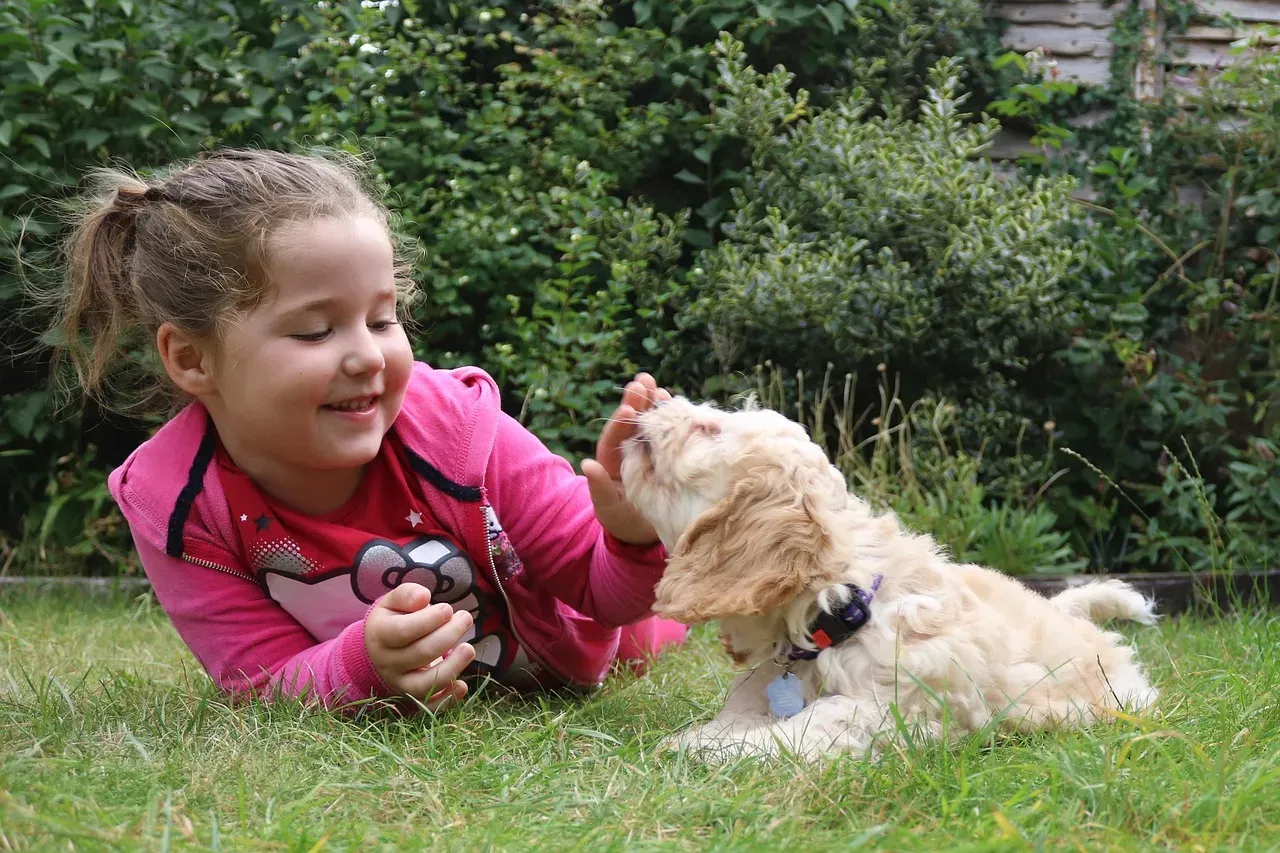
Have you ever noticed how a dog can be calm with almost everyone, then completely lose their mind – in a good way – around one particular person? Dog behavior experts often point out that dogs are highly selective social animals; they may live with many people, but they will naturally gravitate toward those who consistently feel safe, predictable, and rewarding. Extra playfulness is one of the clearest signs that a dog is not just tolerating someone but actively enjoying and seeking out that relationship.
When a dog becomes bouncy, wiggly, and insistent on play around one person, it usually means that interactions with that person have created a strong positive association in the dog’s brain. That person probably moves in a way the dog finds inviting, uses a tone of voice that feels friendly, and respects the dog’s boundaries. Over time, the dog learns that when this human appears, good things reliably follow – games, affection, or just calm, kind attention. The play is not random; it is a relationship highlight reel in motion.
The Science Behind Playfulness and Emotional Bonding
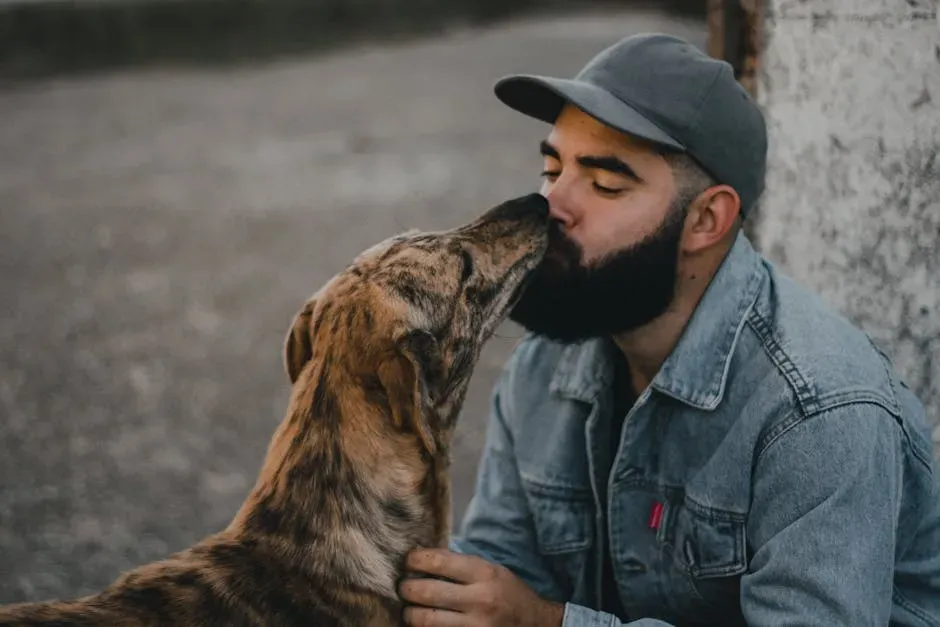
Play is not just a cute extra in a dog’s life; it is a core social behavior linked to emotion, learning, and even brain chemistry. When a dog plays with someone they trust, both the dog and the person may experience changes in hormones like oxytocin, often called the bonding hormone. This is the same hormone involved when human parents bond with their babies, which tells you how powerful these shared joyful moments can be. Over time, those feel-good experiences become a strong emotional glue between dog and human.
Researchers have also observed that dogs read human cues incredibly well and adjust their behavior based on how a person responds during play. If someone is responsive, gentle, and fun, the dog’s brain is essentially collecting data: this person is safe, this person listens, this person is enjoyable to be around. When that internal data set gets big enough, many dogs respond with higher energy and enthusiasm the moment they see that person. The sudden extra playfulness is like an emotional shortcut – no warm-up, just pure, immediate “I know you and I’m happy you’re here.”
How Consistent, Kind Behavior Builds That Special Connection
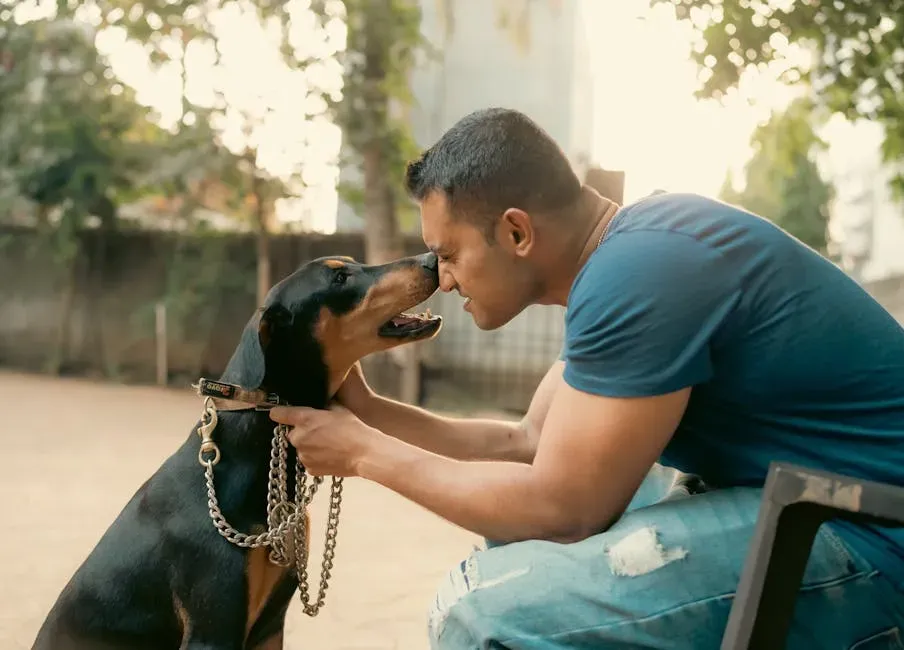
Dogs may not understand the details of your life, but they keep score in a different way: they remember how you make them feel, over and over again. If one person in their world consistently speaks softly, respects their space, offers treats, reads their signals, and engages in play that feels safe, that pattern sticks. Many dogs will then start saving their most joyful, goofy, relaxed behavior for that person, because they have learned that this is where they can really let their guard down.
Think of it like a savings account of trust; every positive interaction is a deposit. Someone who ignores the dog when they are overwhelmed, stops play before it gets too rough, or gives the dog a break when they show stress signals, is quietly telling the dog, “You’re safe with me.” Over weeks or months, those small acts add up. One day, out of nowhere, the dog seems to switch on a new level of playfulness around that person – and what you are really seeing is the interest from a trust account that has finally grown big enough to spend freely.
Body Language: What Extra Playfulness Really Looks Like
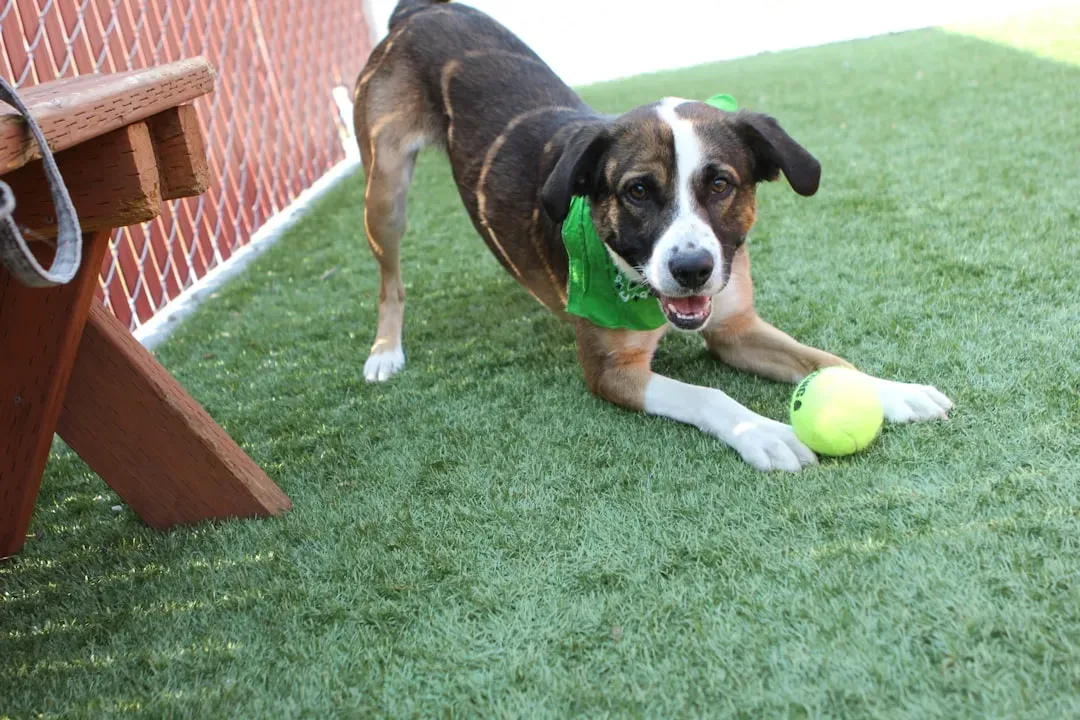
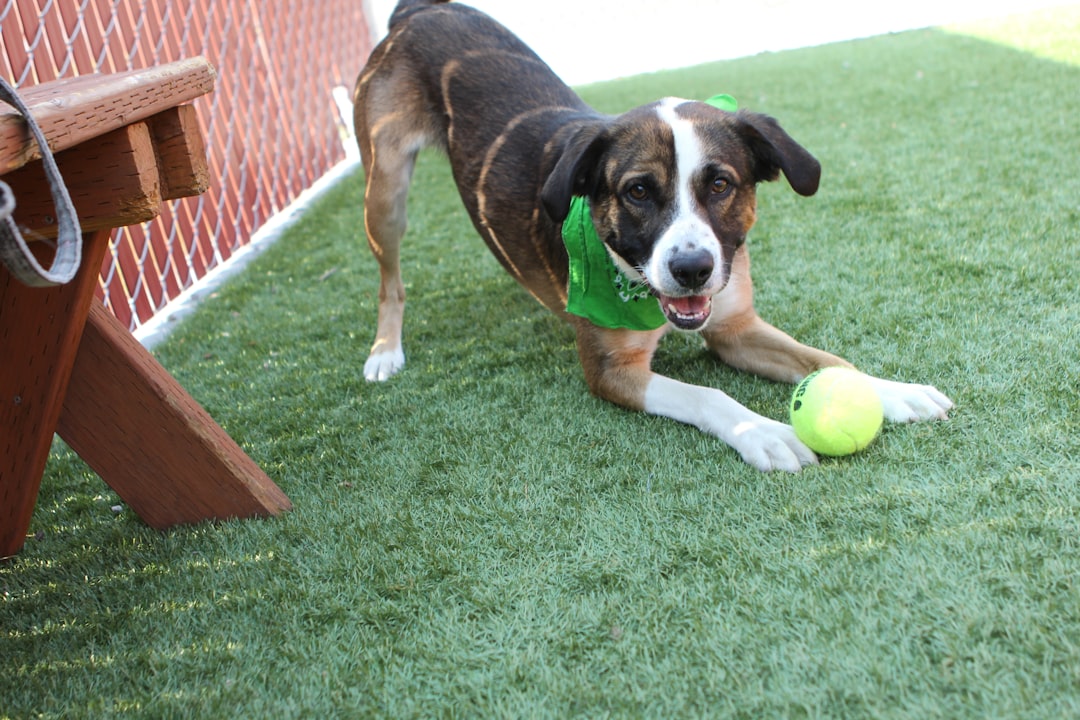
People often underestimate how specific dog play signals are. Extra playfulness around one person is not just zoomies and chaos; it usually comes with a set of recognizable body language cues. You might see exaggerated play bows, loose and wiggly movements, soft eyes, and a mouth that looks relaxed rather than tight. Sometimes the dog will grab a favorite toy and present it directly to that person, even if the toy has been sitting untouched all day.
It is those little choices that matter – who they nudge with their nose, who they greet first, who they bring into their silly games. A dog that does zoomies in the yard but constantly looks back to make sure this one person is watching is doing more than just running; they are inviting that person into their emotional world. Learning to read these specific “invitations” makes it much easier to see the bond underneath the fun, rather than dismissing everything as simple hyperactivity.
When Extra Playfulness Is a Sign of Deep Trust, Not Just High Energy
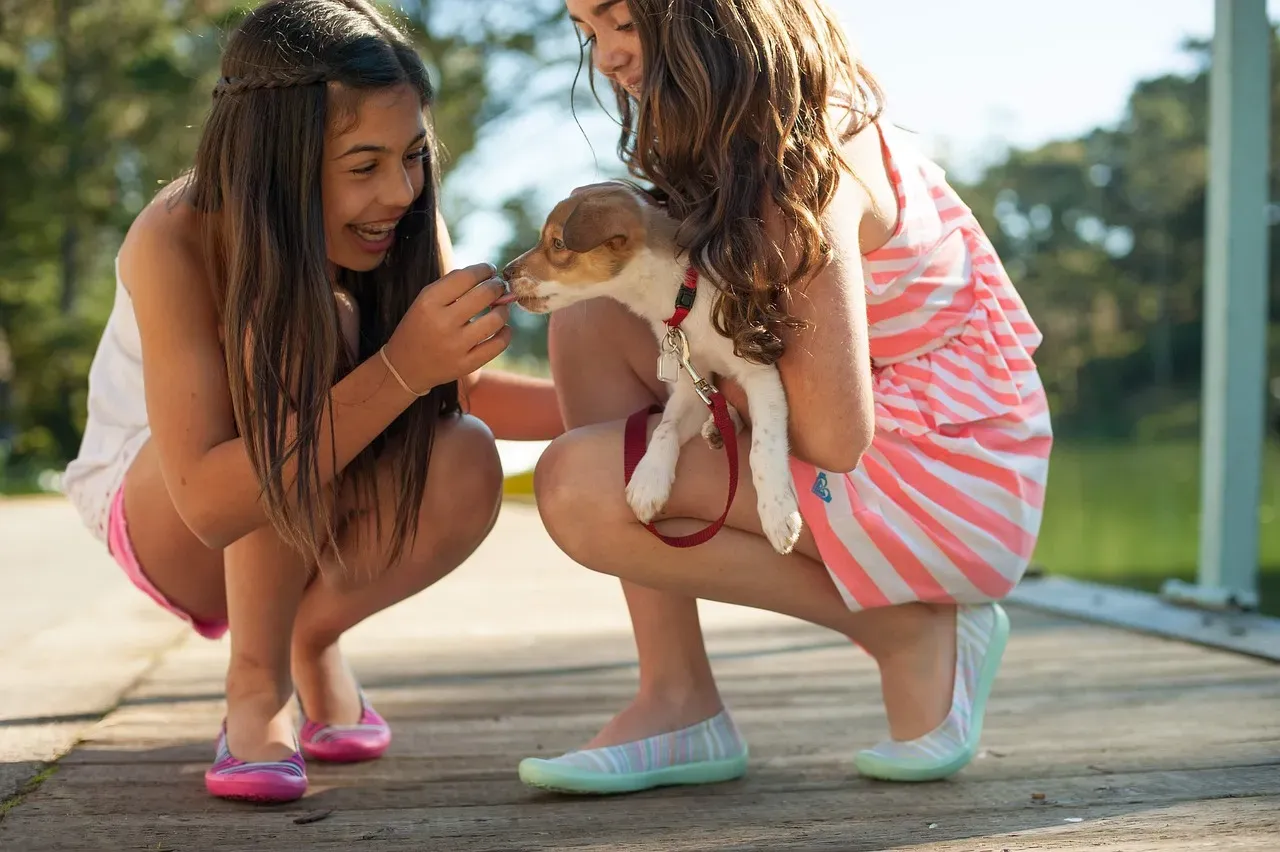
It is easy to assume that a dog being extra playful is simply a dog with extra energy, but that does not really explain why it shows up so intensely around one person and not others. In many cases, that sudden surge in play is actually a sign that the dog feels safe enough to drop any remaining caution. For a nervous or previously shut-down dog, the first time they initiate play with a specific human can be a huge emotional milestone – a quiet announcement that they are starting to believe nothing bad will happen with this person.
Dogs that have had rough experiences in the past may be especially cautious about who they show their goofy side to. When they finally decide to bounce, spin, or pounce playfully at one person, that moment is built on weeks or months of watching, testing, and evaluating how that human reacts. From the outside, it might look like the dog simply “woke up happy” one day. From the dog’s perspective, it is often the moment when their internal safety meter finally hit green.
How You Can Strengthen the Relationship So Your Dog Wants to Play With You
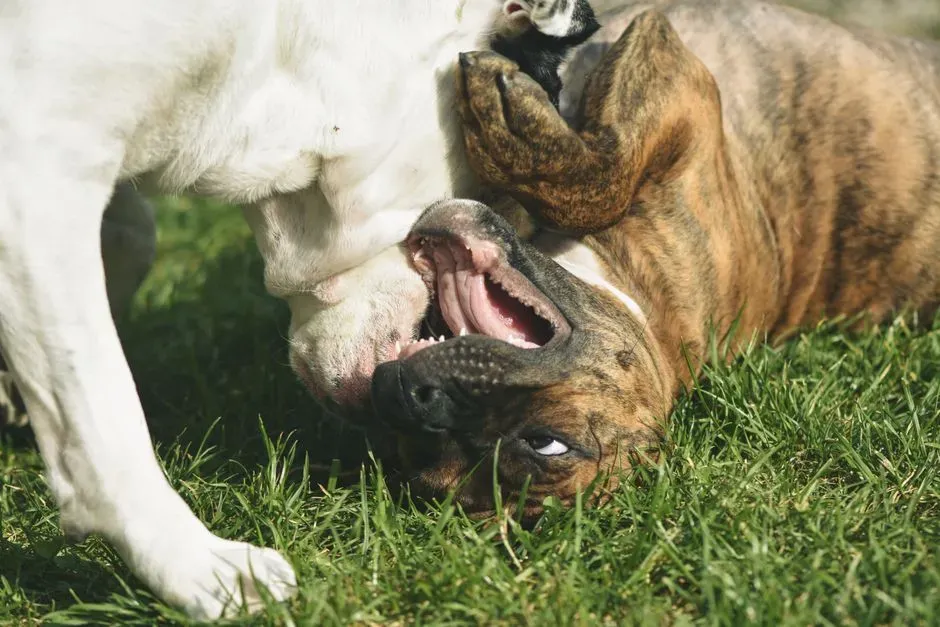
If you are noticing your dog is extra playful with someone else and more reserved with you, it does not mean they do not love you; it just means the bonding puzzle pieces are still coming together. You can absolutely strengthen your end of the relationship in ways that make play more likely. Start with low-pressure interactions: calm walks, gentle petting where your dog actually likes being touched, short training sessions using rewards they genuinely enjoy. Let your dog set the pace instead of forcing play when they are not in the mood.
Once your dog seems more relaxed, you can step into play more intentionally. Try different kinds of games – some dogs like chase games, others prefer tug, others enjoy problem-solving toys or nose work. The goal is to find what lights up your specific dog rather than pushing what you think play should look like. When your dog discovers that time with you reliably feels both safe and fun, that is when you start seeing that excited body wiggle, that hopeful toy grab, and that special “you’re my person” sparkle in their eyes.
When Extra Playfulness Might Mean Something Else (And How to Tell)
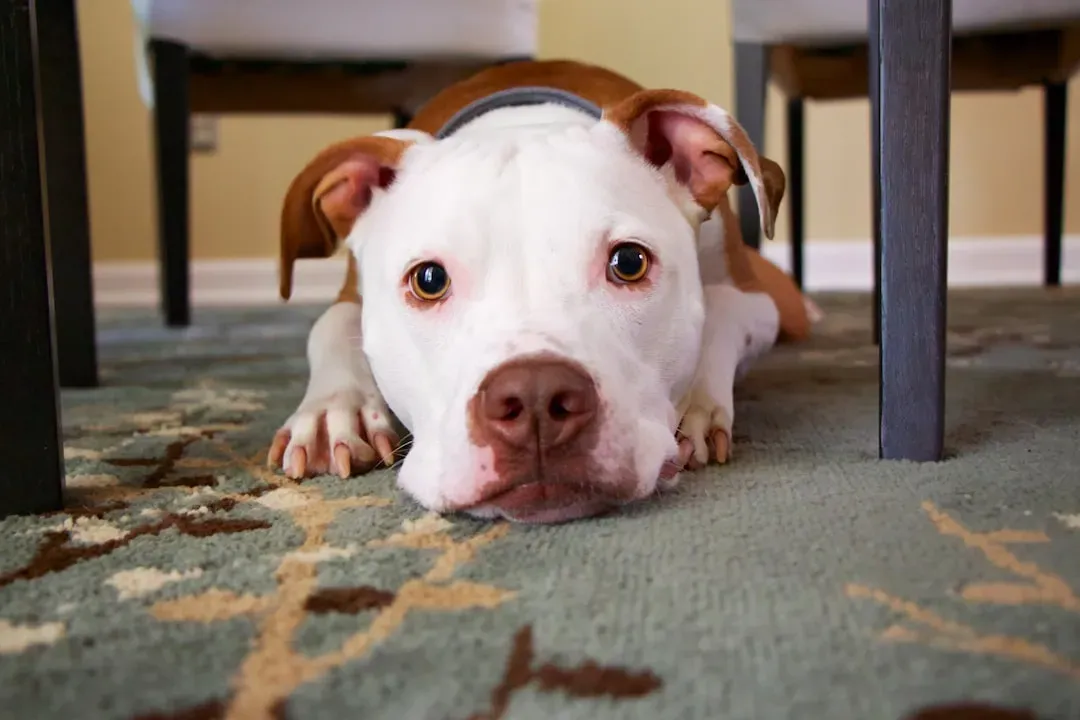
While extra playfulness around one person is often a reflection of a strong bond, it is also important to stay grounded and consider context. Sometimes what looks like play is actually stress, over-arousal, or even a way of coping with anxiety. A dog that is jumping, mouthing, and frantically racing in circles might not be joyful; they might be overwhelmed by that person’s energy or struggling to calm down after being hyped up too quickly. In those situations, you will often see tighter muscles, dilated pupils, or difficulty settling even after the interaction ends.
This is where paying close attention to the dog’s overall behavior, not just the big moments, really matters. A dog who truly enjoys someone’s presence will generally be able to relax around them as well as play. They will settle nearby, nap, or calmly chew a toy after the fun is over. If the dog seems wired, jumpy, or uneasy long after, it is worth dialing things back and maybe getting guidance from a qualified trainer or behavior professional. Reading the difference between joyful play and frantic overexcitement helps you respond in a way that supports your dog’s emotional wellbeing, instead of just assuming that more is always better.
Conclusion: Your Dog’s Play Is a Love Letter in Motion
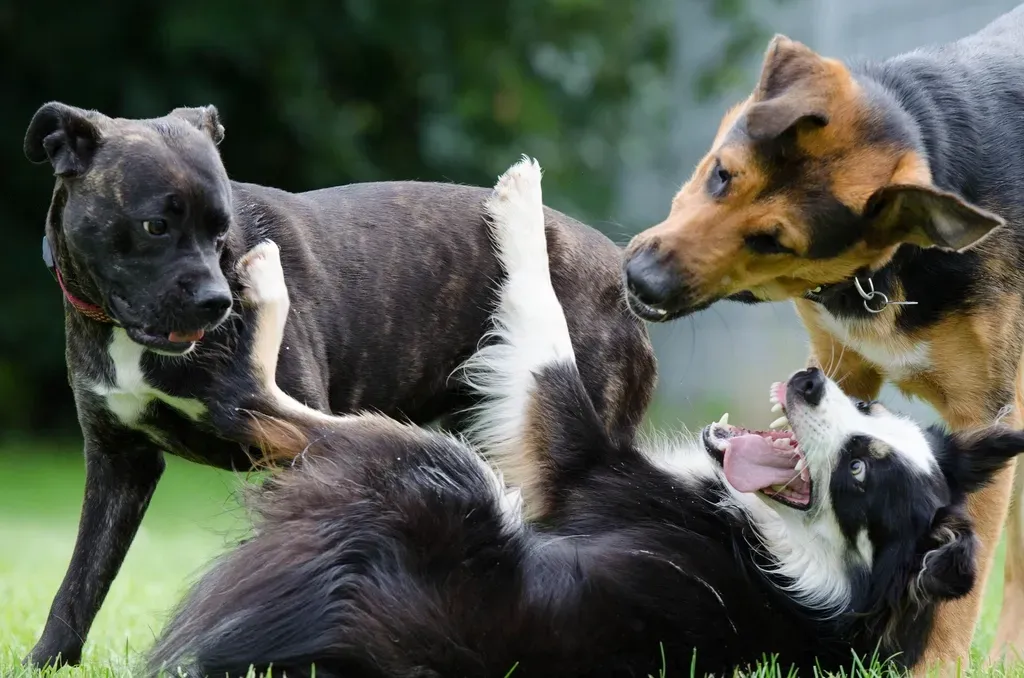
When a dog suddenly becomes extra playful around one particular person, it is rarely just random fun. More often, it is the visible tip of an invisible iceberg made of thousands of small, positive experiences stacked together. That person has become safe, predictable, rewarding, and worth getting excited about. In my view, it is one of the most honest compliments an animal can give a human: “I trust you enough to be my absolute silliest self.”
At the same time, it is worth remembering that this kind of playfulness is not guaranteed or owed; it is earned through kindness, patience, and really paying attention to who your dog is as an individual. If your dog is not there yet, that is not a failure – it is just a relationship still under construction. Keep showing up gently, keep listening to their signals, and let the bond grow at its own pace. One day, when your dog sprints toward you with that unmistakable sparkle and drops a toy at your feet, will you recognize it for what it is?