
Your Dog Doesn’t Understand Your Salary, Your Job Title or Your Mistakes – They Build Their Opinion of You From Completely Different Things
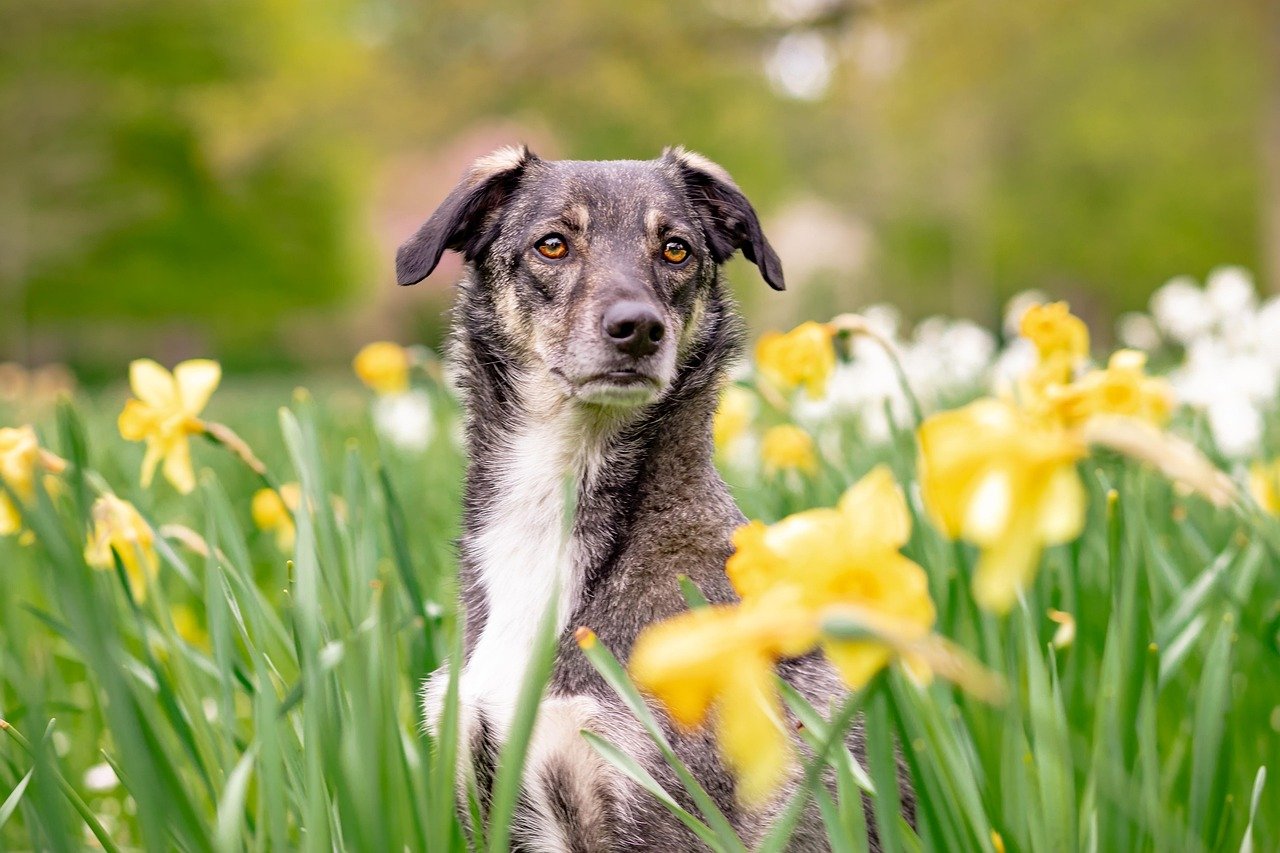
If you’ve ever come home after a brutal day, dropped your bag, and been greeted by a wildly wagging tail, you already know this: your dog has absolutely no idea if you crushed a presentation, got passed over for a promotion, or messed up something huge. They just see you. Not your paycheck, not your LinkedIn profile, not the highlight reel or the blooper reel. It’s oddly humbling and a little unsettling to realize that one of the beings who loves you most could not care less about the things you spend most of your life worrying about.
That gap between what you think defines you and what your dog actually notices is bigger than most of us like to admit. Dogs are constantly “scoring” us, but they’re using criteria that would never show up on a performance review: how predictable we are, how gently we touch them, whether we listen to their body language, how we smell when we’re calm versus when we’re stressed. Once you really see how your dog builds their opinion of you, it can change not only your relationship with them, but the way you show up in your whole life.
The Currency Your Dog Actually Cares About: Safety and Predictability
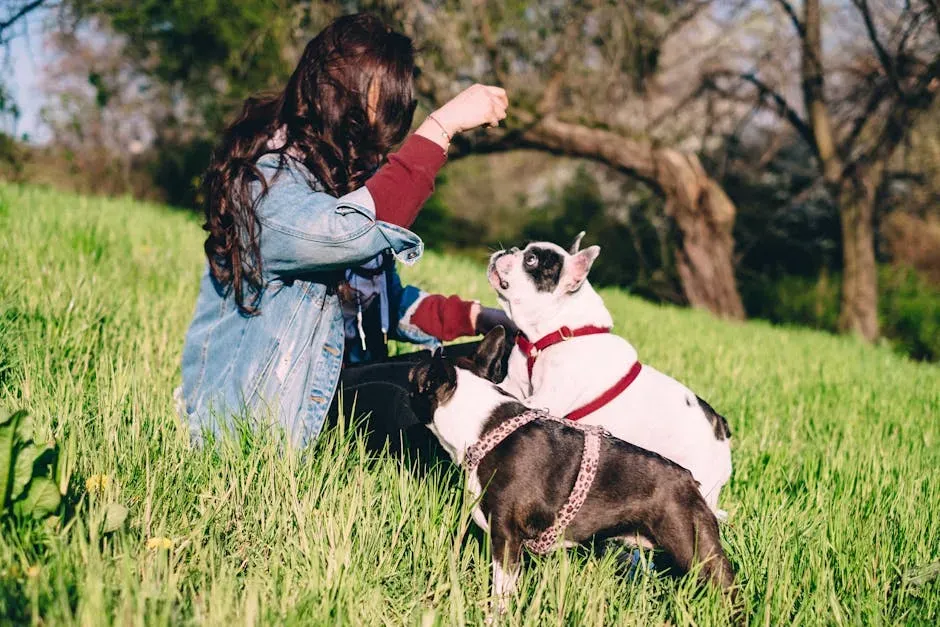
To your dog, the most valuable thing you bring home each day is not money, it’s emotional stability. Dogs are expert pattern readers; they notice the way your footsteps sound when you’re relaxed versus when you’re tense, whether you slam doors or move softly, whether your mood swings are gentle waves or sudden storms. A dog that never quite knows which version of you is walking through the door will never feel fully safe, no matter how many premium treats you buy.
Think of yourself as the weather in your dog’s world: are you mostly mild with the occasional shower, or are you a surprise thunderstorm twice a week? When your reactions are consistent and your rules are clear, your dog starts to relax into you like a favorite old hoodie. They don’t need you to be perfect; they need you to be predictable. You can screw up a training session or drop a snack on the floor, and they’ll move on quickly, as long as your overall climate feels calm and steady instead of chaotic and scary.
Tone, Touch, and Body Language: The Real “Job Title” Your Dog Reads
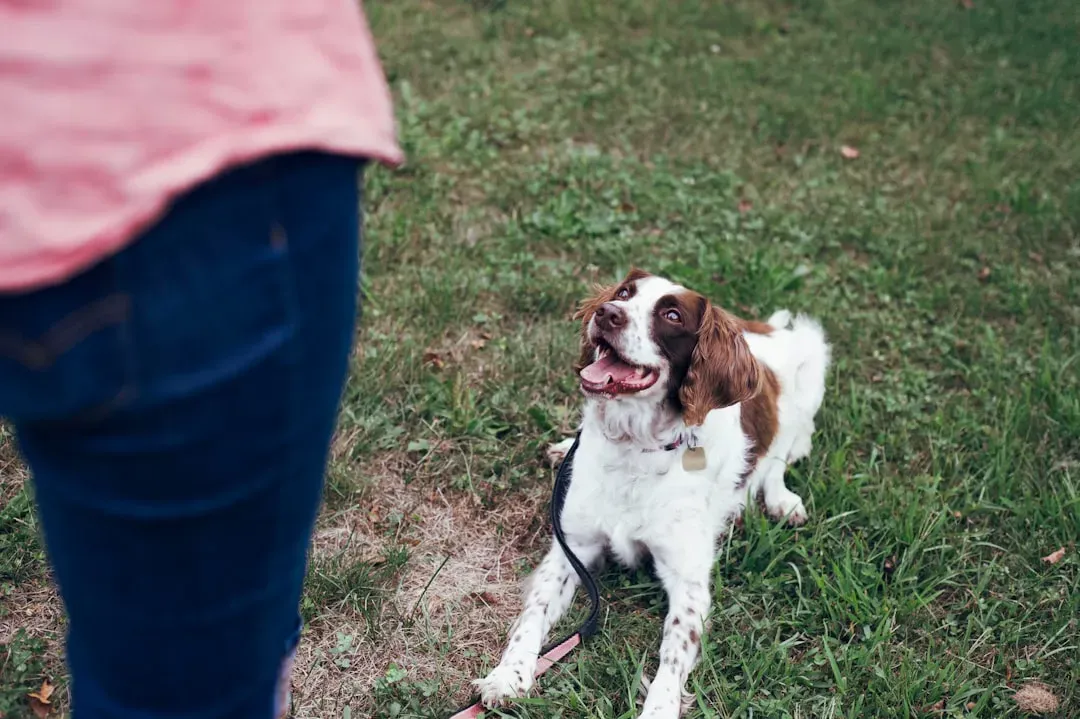
Your job title might say manager, engineer, nurse, or barista, but to your dog you’re labeled by tone, touch, and posture. A stiff, impatient owner who barks orders in a harsh voice reads like a low-quality leader, even if they’re pulling in six figures. Meanwhile, a soft-spoken person who moves slowly, gives clear signals, and respects space comes across as competent and trustworthy, even if they’re currently unemployed and wearing the same sweatpants for the third day in a row.
Dogs evolved to read body language long before humans invented words, and they are brutally honest interpreters. You can say the sweetest phrase in the world, but if your voice is tight, your shoulders are hunched, and your movements are jerky, your dog will hear tension, not love. On the flip side, you can mumble nonsense in a warm, sing-song voice with relaxed shoulders and open hands, and your dog will happily buy that you’re the best person on earth. To them, your “title” is not what’s on your business card, it’s the feeling your presence repeatedly creates.
Time and Attention: The Only “Salary” They Notice
Dogs have zero concept of annual income, but they are very tuned in to how generous you are with your time and attention. If your fancy career means you are constantly stressed, on your phone, and unavailable, your dog will not be impressed by the lifestyle upgrade. They will just quietly notice that the walks are shorter, the games are rarer, and your eyes are somewhere else. In their world, the richest humans are the ones who invest in shared moments, not material things.
What really moves the needle in your dog’s opinion of you are the boring, repeated micro-moments: the five minutes spent sniffing the same tree every evening, the way you pause to scratch their chest while your coffee brews, the little training session you squeeze in during TV ads. Those tiny deposits add up like compound interest. Your dog does not tally your successes, but they absolutely keep score of how often your attention is fully on them versus swallowed by a glowing screen or a racing mind.
Your Emotional Regulation Matters More Than Your “Mistakes”
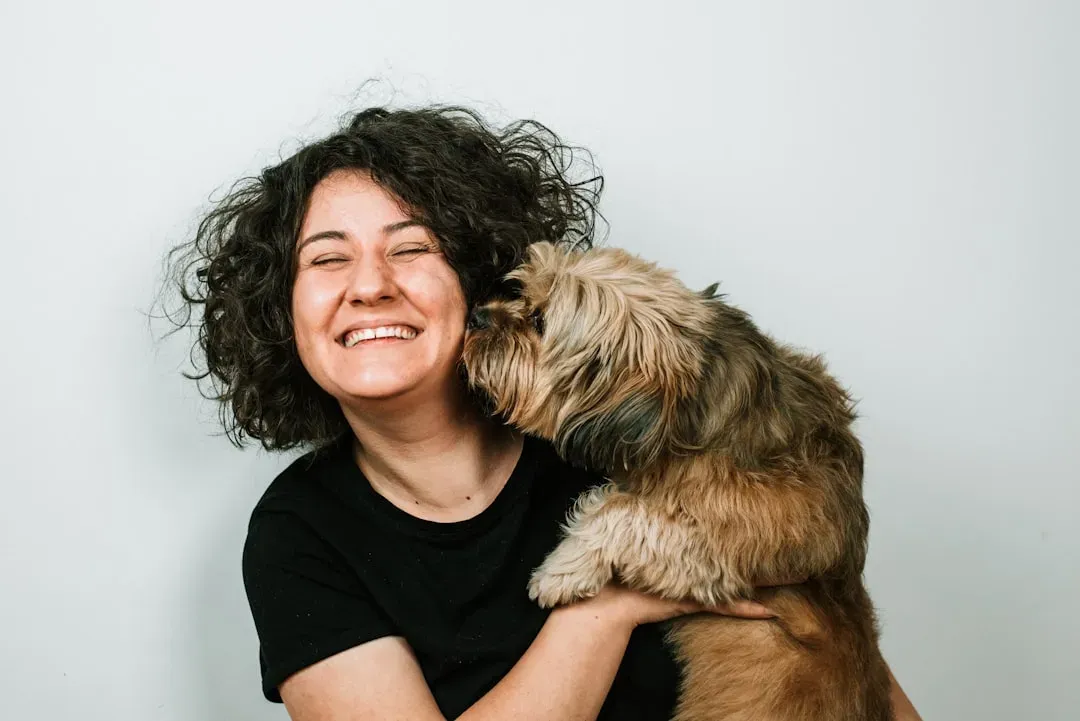
Humans obsess over mistakes: the day we snapped, the time we yanked a leash too hard, the training session where we lost our patience. Dogs certainly notice when we frighten or confuse them, and some experiences can leave a mark. But far more important than any single bad moment is the emotional pattern that wraps around it. If you are mostly patient, mostly kind, and you consistently repair after you mess up, your dog files you under “safe,” not “perfect.”
What unravels trust is not the occasional mistake; it is repeated unpredictability and unregulated anger. A dog that gets yelled at randomly, punished without warning, or grabbed roughly when the human is overwhelmed starts to see that human as unstable territory. On the other hand, if you catch yourself losing it, step back, soften your voice, and deliberately offer calm contact later, your dog reads that shift. They are astonishingly forgiving when your overall emotional “average” is steady, even if you sometimes hit a few ugly notes.
Consistency and Boundaries: How Dogs Decide If You’re Worth Following
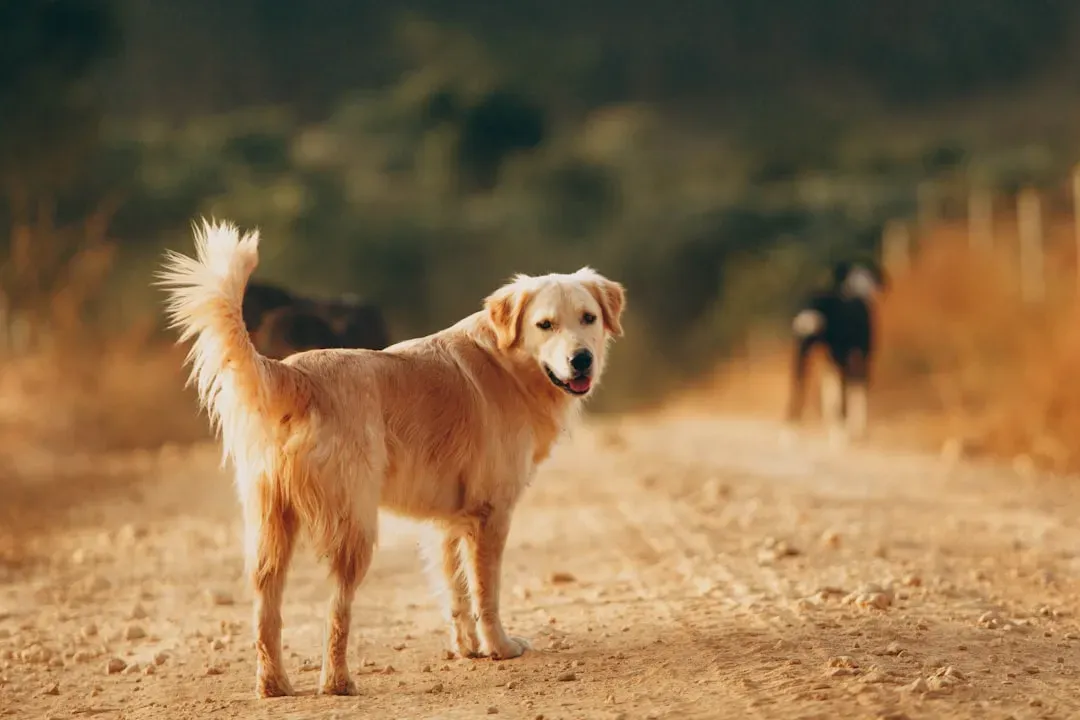
We like to think dogs love us just because we are ours, but they also quietly evaluate how good we are at being leaders. Not in a macho dominance way, but in a “Can I trust your guidance?” way. Consistent boundaries, clear rules, and fair follow-through make you look reliable in your dog’s eyes. If jumping on guests is sometimes allowed, sometimes ignored, and sometimes punished, your dog does not see you as kind and flexible; they see you as confusing.
Imagine working for a boss who changes the rules every week, never tells you what success looks like, and occasionally gets furious for reasons you don’t understand. You’d probably stop taking them seriously. Dogs do the same. They relax most around humans who are calmly consistent: sit means sit every time, the couch rule stays the couch rule, and reactions stay fairly stable from one day to the next. Clear, kind structure doesn’t make you strict in their eyes; it makes you safe to follow.
How You Handle Their Needs: Listening vs. Controlling
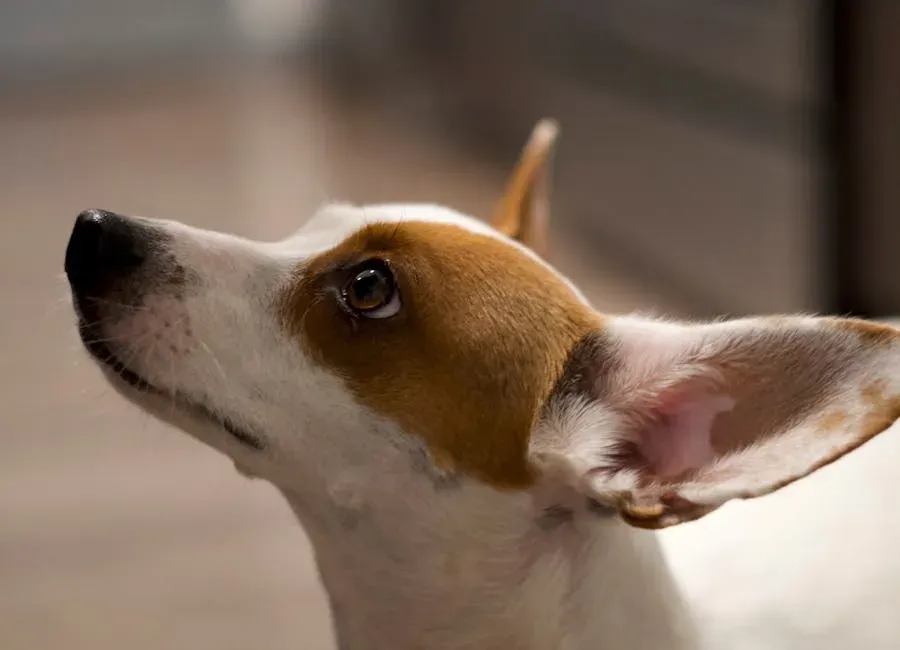
Another huge factor in your dog’s opinion of you is whether you treat their needs as noise or as information. When your dog shows stress signals, hesitates at a doorway, shies away from a stranger, or refuses to get into the car, they’re communicating real discomfort. If you constantly drag, force, or override those signals because it’s inconvenient, your dog learns that you are not really on their side, you are just in charge. That erodes trust, even if you never raise your voice.
When you slow down, notice the small signs, and sometimes change the plan to support your dog, they start to see you as an ally. Maybe you cross the street to avoid the loud truck instead of insisting they “get used to it,” or you shorten a chaotic dog park visit because you can see they’re overwhelmed. You are showing them that their experience matters. Over time, that turns you into their safe base, the one they look back at in a new environment or tuck their body against when the world feels too loud. To your dog, that’s worth a thousand framed degrees.
Presence Over Perfection: The Quiet Power Your Dog Sees in You
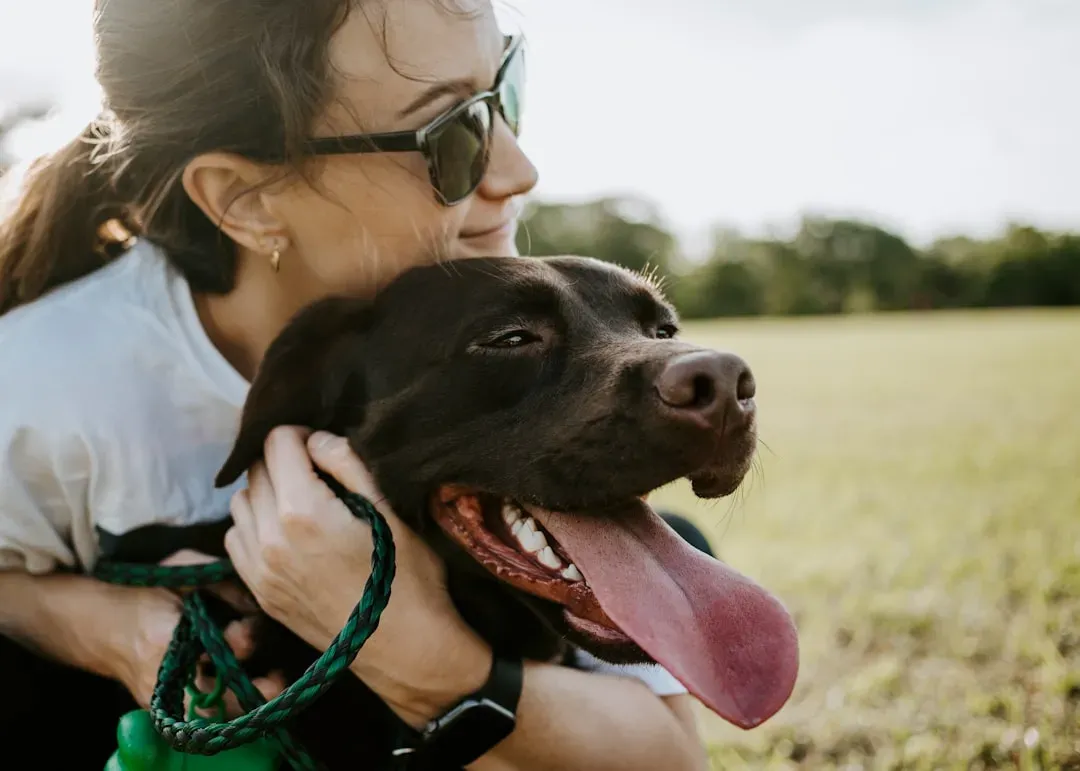
Your dog doesn’t care if you are a superstar or a work in progress. They notice if you are actually there. Being fully present with your dog for ten minutes carries more weight than distractedly existing in the same room for two hours. When you put the phone down, watch how they move, talk to them like a friend, and really enjoy their company, you become their favorite human by a mile. That kind of presence is rare in a world that is constantly yanking our attention away, and dogs feel the difference immediately.
There is something almost cleansing about realizing that, in your dog’s eyes, you are not defined by your resume, your failures, or that one thing you still beat yourself up over at three in the morning. You are defined by your patterns of care. Do you show up? Do you try to understand them? Do you make their world safer, softer, more interesting? If yes, then as far as your dog is concerned, you’re already nailing it. Maybe that should count for more in how you see yourself too.
Conclusion: Your Dog’s Opinion Might Be the One That Actually Matters

I’m convinced that if we judged ourselves by the same criteria our dogs use, a lot of us would feel far less like failures. Your dog is not impressed by your title, but they are quietly amazed when you sit on the floor with them after a hard day. They do not care what you earn, but they care deeply about whether your voice is gentle when they are scared. They will not remember that time you forgot a vet appointment, but they will remember the way you always come back for them, every single time.
That is my opinionated take: your dog’s metric for who you are is not just kinder than the human one; it is closer to the truth. You are not your salary; you are your patterns. You are not your worst moment; you are what you repair and repeat. In a world obsessed with status and spotless images, dogs drag us back to something older and more honest: how we make those around us feel, day after day. When you look at yourself through their eyes, do you see someone worth trusting a little more?