
10 Things Your Dog Forgives Almost Immediately but You Probably Still Feel Guilty About
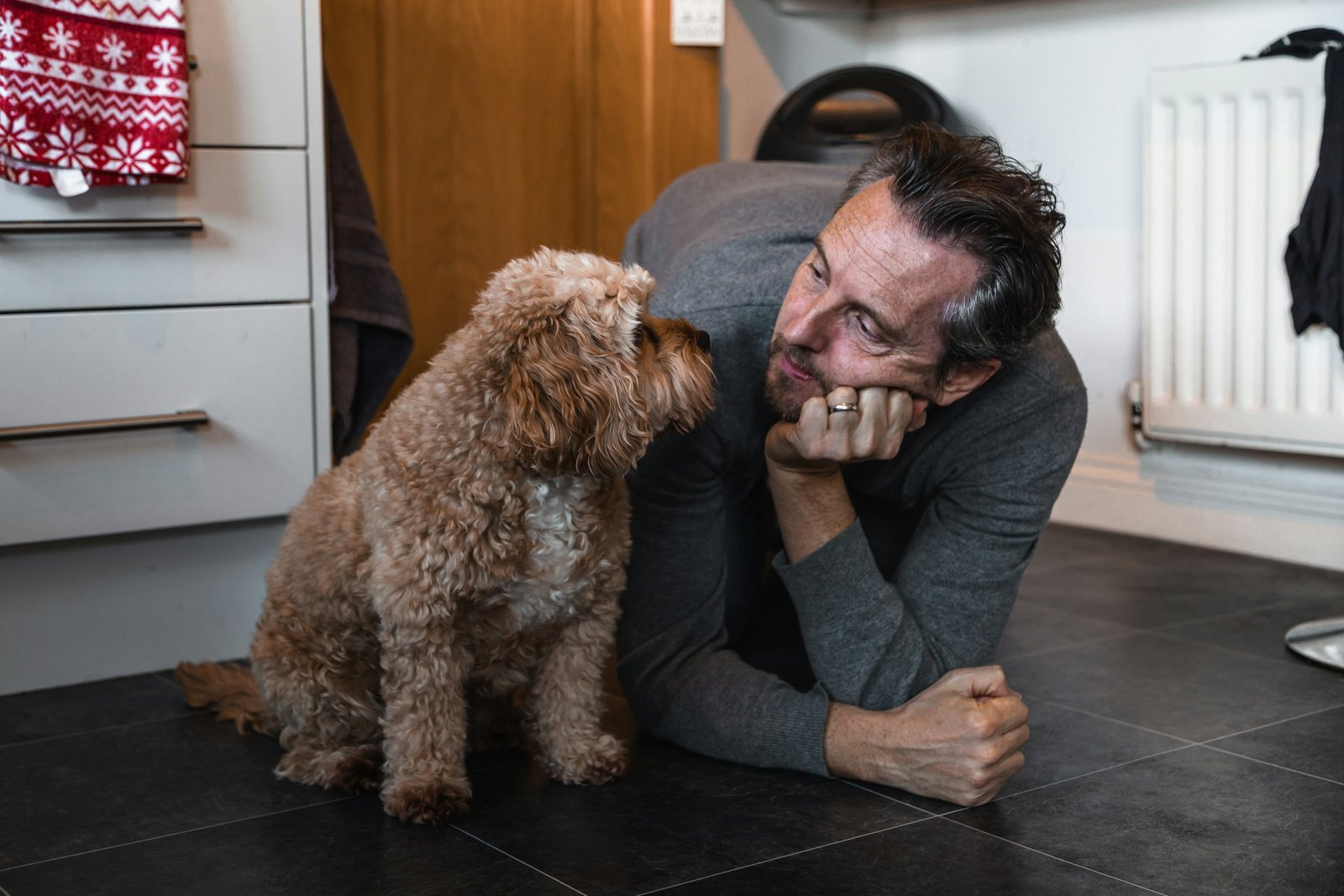
You know that feeling when your dog gives you those wide, glassy eyes and you suddenly feel like the worst human on earth? The guilt hits fast, even though deep down you know your dog has already moved on. Dogs are masters of letting go; meanwhile, we replay tiny mistakes in our heads like they’re major crimes.
This gap between how quickly they forgive and how long we feel bad is actually kind of beautiful. It shows how loyal they are, but it also exposes how hard we can be on ourselves. Let’s walk through some of the most common moments you still beat yourself up over, even though your dog likely forgave you within seconds.
1. Leaving Them Home Alone (Again)
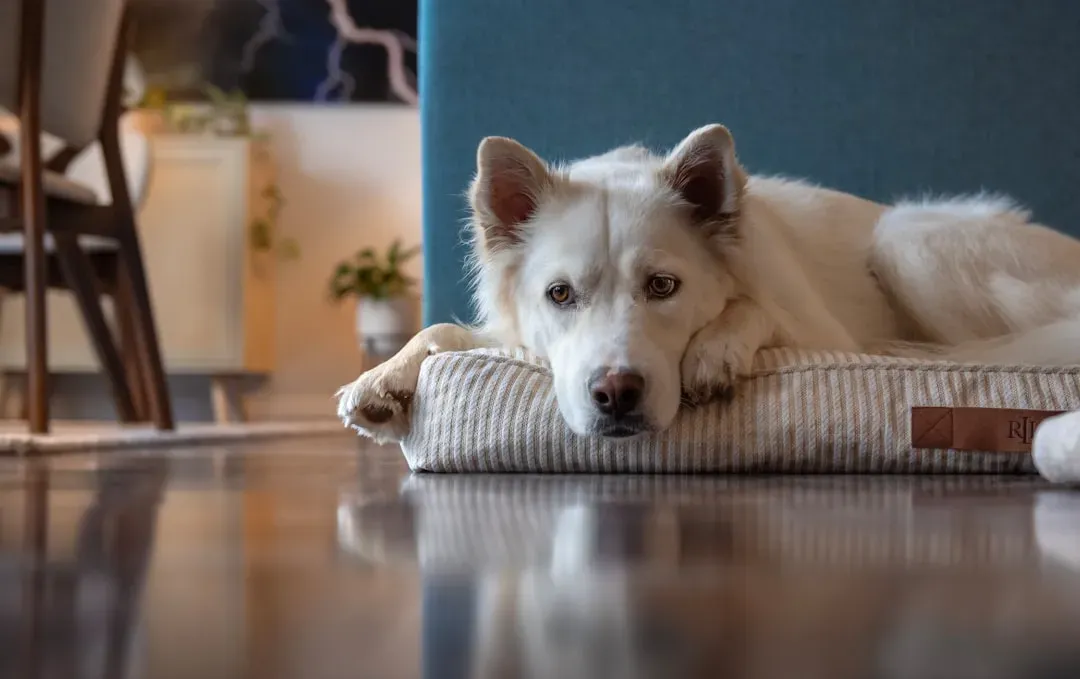
Is there anything more heartbreaking than your dog watching you leave through the door, tail slowing down as they realize they’re not coming with you? You picture them pacing, sighing, maybe staring at the door like a tragic movie character. The guilt spiral kicks in: you should be home more, you should work less, you should be a dog who somehow pays its own bills so you never have to go out.
But the reality is, most dogs adjust to a routine and spend a good chunk of solo time sleeping, sniffing around, or quietly entertaining themselves. As long as they’re getting enough exercise, mental stimulation, and affection when you are home, they tend to bounce back emotionally the moment they hear your key in the lock. The second you walk in, that wild tail wag basically says your absence is already forgotten.
2. Accidentally Stepping on Their Paw or Tail

That tiny yelp? It goes straight through your heart. You freeze, apologize out loud like you just caused a major hospital-level injury, and spend the next hour checking their paw like an overprotective parent. The look of surprise on their face makes you feel like you’ve betrayed their trust, even though it was completely unintentional.
Dogs are incredibly resilient to these small bumps and mishaps in daily life. After a quick moment of shock, most of them are already back to following you around, nudging you for treats, or lying at your feet. They live so much in the moment that one misstep – literally – gets buried under the next cuddle, walk, or snack faster than you can say “I’m so sorry.”
3. Cutting Playtime Short Because You’re Tired
There’s this specific guilt that hits when you toss the toy half-heartedly a couple of times, then say “That’s it for now,” while your dog stands there, ears perked, toy still in their mouth. You know they’d happily keep going for as long as you’re willing. Stopping early can feel like you’re failing them somehow, especially on days when your own energy is shot.
What we forget is that dogs benefit from balance just like we do. Play matters, but so does calm time and predictability. Ending a game a bit early once in a while, especially when you’ve already given them decent exercise and attention, is not a betrayal. They adjust to your rhythms, and as long as “no more” is followed by affection, routine, and love, your dog is not lying awake at night resenting that one time you called it quits after ten minutes.
4. Being Short or Snappy When You’re Stressed
Maybe you raised your voice when they barked during a work call, or you sighed loudly when they got under your feet for the fifth time that morning. The second it happens, you see your dog’s ears flatten just a little, and suddenly your stress turns into guilt. You know it is not their fault you are overwhelmed, and that realization can sting.
The comforting truth is that dogs are surprisingly good at reading our overall patterns, not just isolated moments. If your default with them is gentle, calm, and loving, the rare impatient tone is a blip on their emotional radar. They tend to respond more to your body language softening again, your hand reaching down to scratch their head, and the world going back to normal. They do not hold grudges; you are the one replaying the moment long after they have happily moved on.
5. Delaying Their Walk or Meal
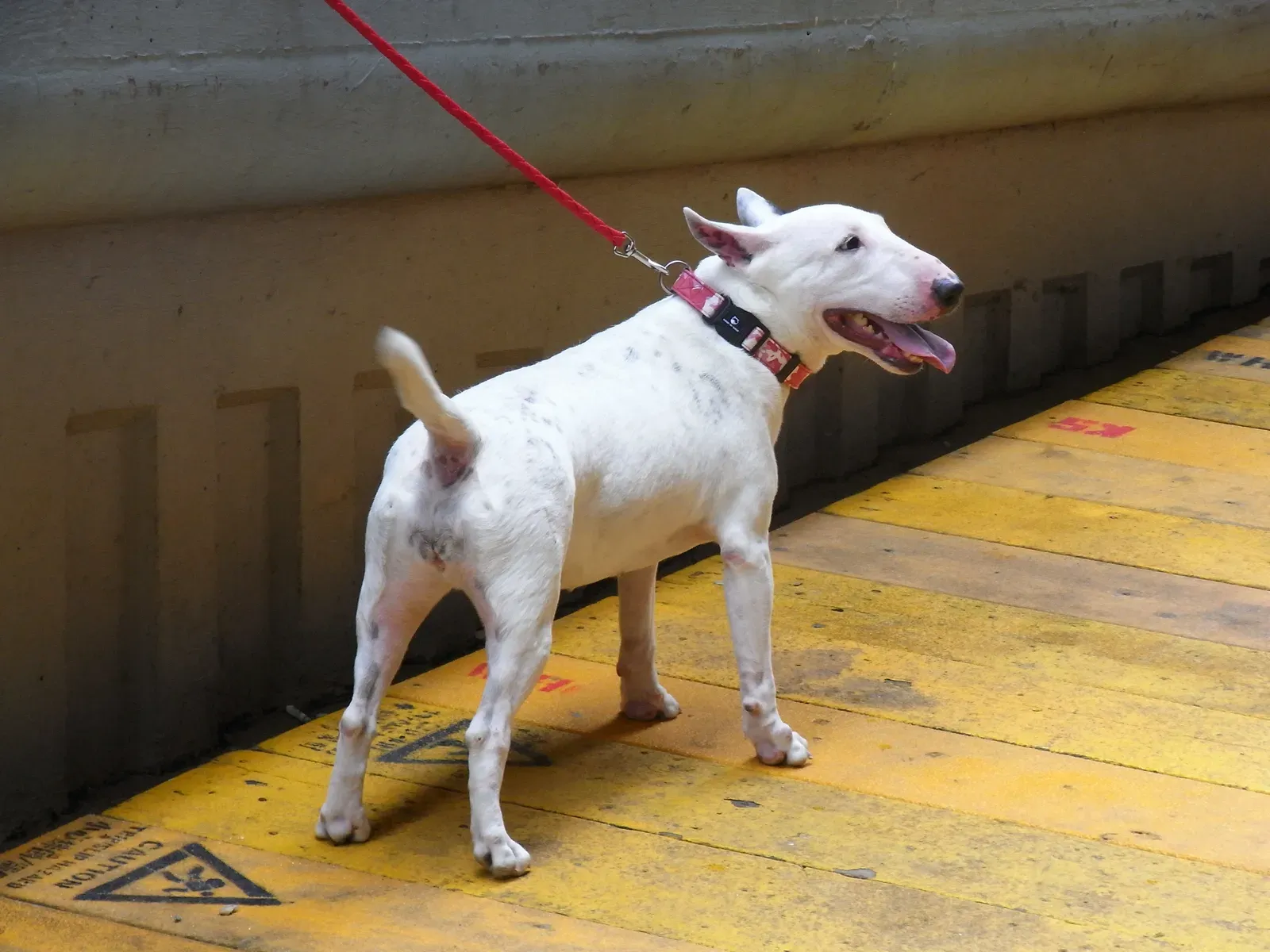
Few things trigger dog-parent guilt quite like that intense stare they give you right around walk or meal time. They know the routine; their internal clock is probably better than yours. When you are late because of traffic, a call, or just losing track of time, the sight of your dog waiting – ears up, maybe pacing a little – can feel like a personal failure.
Yet once you clip on the leash or finally pour the food, the emotional reset happens almost instantly for them. Dogs experience anticipation and mild frustration, sure, but they do not turn it into long-term resentment. As long as delays are the exception and not the rule, and their basic needs are reliably met, they bounce right back into excitement mode, acting like the wait never happened while you are still secretly apologizing in your head.
6. Forgetting a New Trick or Training Cue
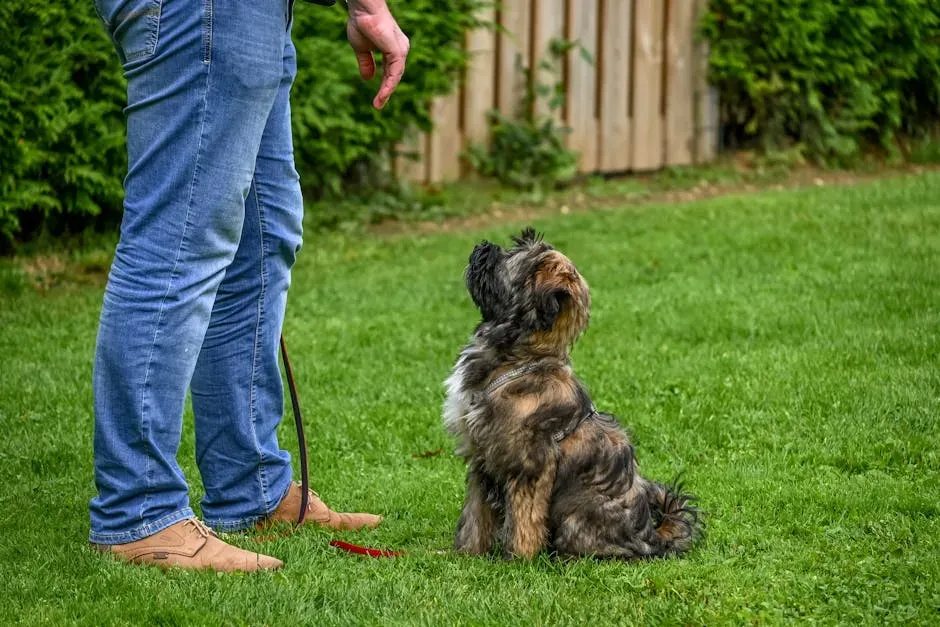
There is a special kind of awkwardness when your dog is eagerly sitting in front of you, clearly waiting for you to give a cue you suddenly cannot remember. Maybe you were working on a new hand signal or a word, and now your mind is blank. You feel like you are failing your dog as a learner and a teacher at the same time.
From your dog’s perspective, though, your shared training is not an exam; it is just another way to hang out with you. If they do not get a reward one time because you hesitated or fumbled, it is not fatal to your bond or their progress. Dogs respond best to consistency over time and the overall tone of your sessions, not perfection in every single moment. They are usually just thrilled to be getting your focused attention, even when you are winging it.
7. Giving Them a Bath They Clearly Hate
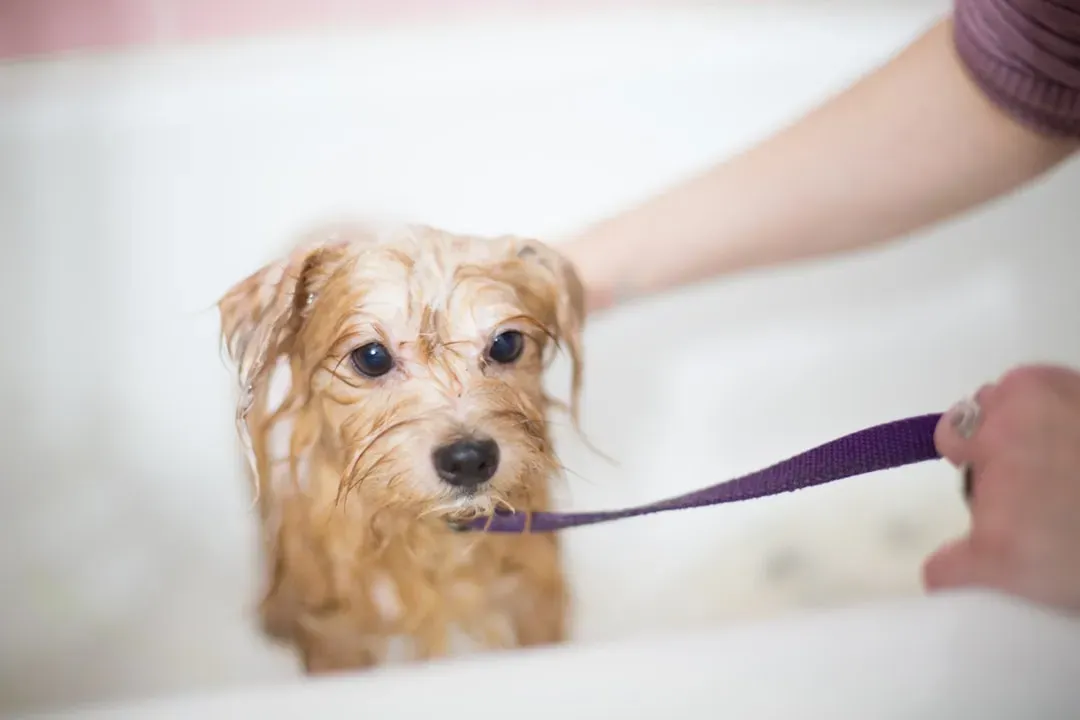
That betrayed expression in the tub could win an award. The wet fur, the dramatic side-eye, the slow, defeated stance as the water runs – it all combines into one clear message: they did not sign up for this. You might feel cruel, even though logically you know hygiene and skin health matter for them.
What happens right after, though, tells a different story. Most dogs explode into zoomies, rolling on towels, sprinting around the house, and then happily curling up once they are dry. The memory of the bath gets swallowed up by the fun and the relief afterward. As long as you are gentle, patient, and not turning bath time into a wrestling match, your dog’s momentary discomfort is quickly replaced by their usual trust in you.
8. Saying “No” to Begging or Extra Treats
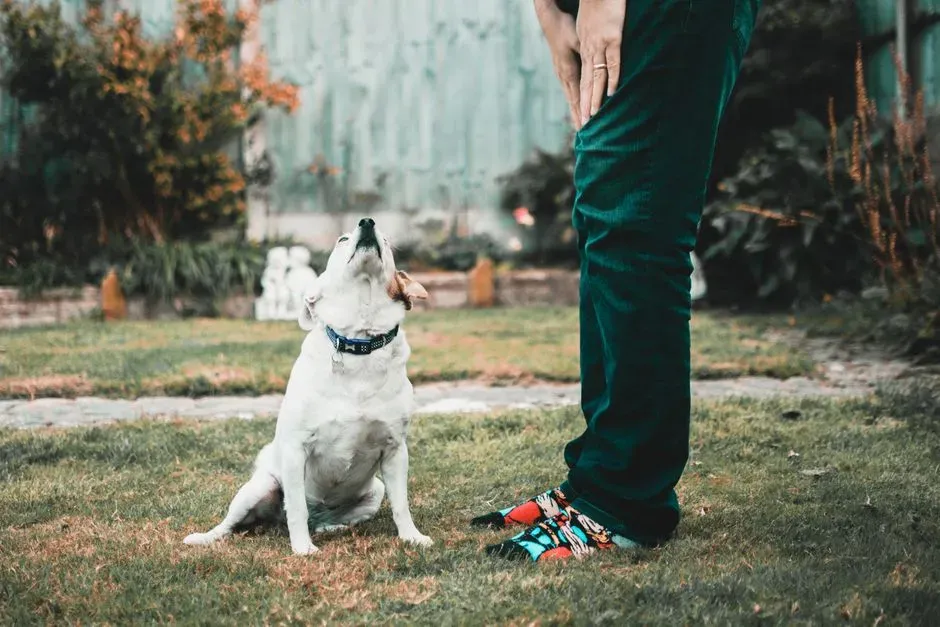
Those eyes at the table are powerful. When your dog stares at you like you are the gatekeeper of every good thing in life, it can be painfully hard to hold your boundary. Turning them down – especially when they do that little head tilt – makes you feel strict, maybe even mean, even though you know overfeeding or sharing certain foods is not good for them.
The thing is, your dog’s begging is more of a conditioned behavior than a measure of their emotional well-being. They try because it sometimes works, not because their love for you hinges on this one french fry. When you consistently say no, then later offer a safe treat, a walk, or a cuddle, they recalibrate quickly. The moment something else interesting happens, that tiny disappointment is gone, while you might still be replaying their sad face in your mind.
9. Not Always Having Time for That Extra-Long Adventure
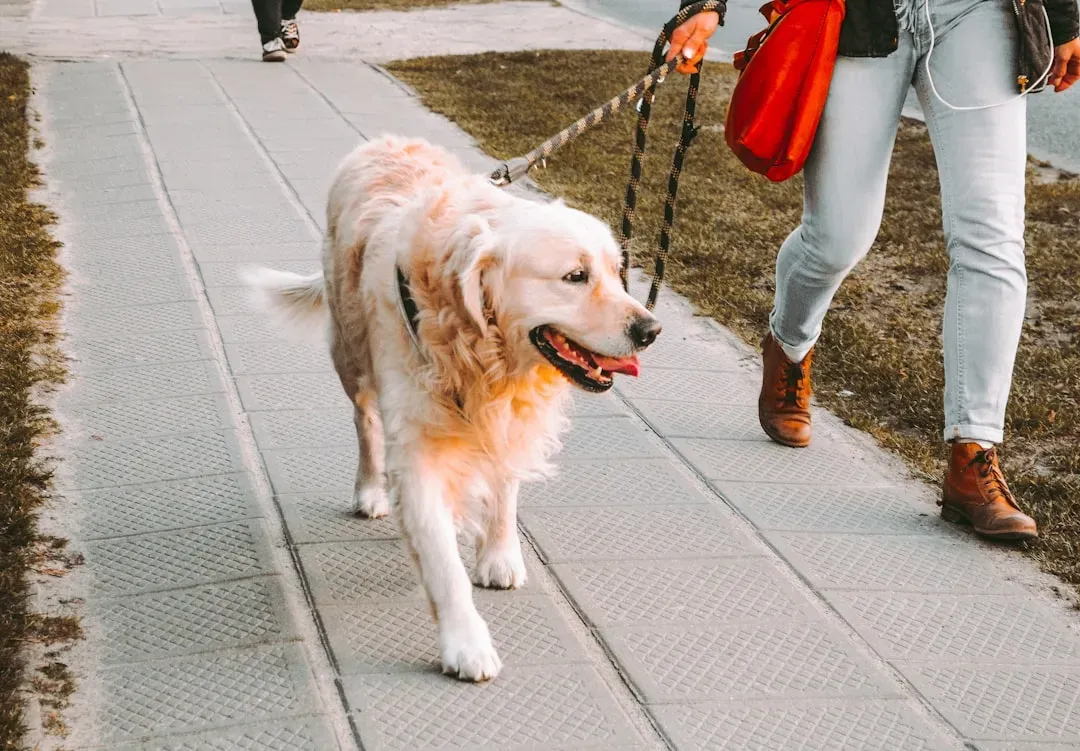
We all have that fantasy of being the person who’s always taking their dog to beaches, forests, long hikes, and endless road trips. So when the weekend comes and the best you can manage is a spin around the block and some backyard fetch, it is easy to feel like you are not giving them the epic life they deserve. Social media does not help when you constantly see other people’s picture-perfect dog adventures.
But your dog is not keeping score of miles walked or exotic locations visited. To them, your presence, your attention, and your consistency are what matter most. A shorter walk with engaged sniffing, a bit of training, and real connection can be more meaningful than an exhausting, overstimulating marathon. They are thrilled by the simple rituals of everyday life with you, even when you are wishing you could do more.
10. Leaving Them Out of Certain Rooms, Trips, or Activities
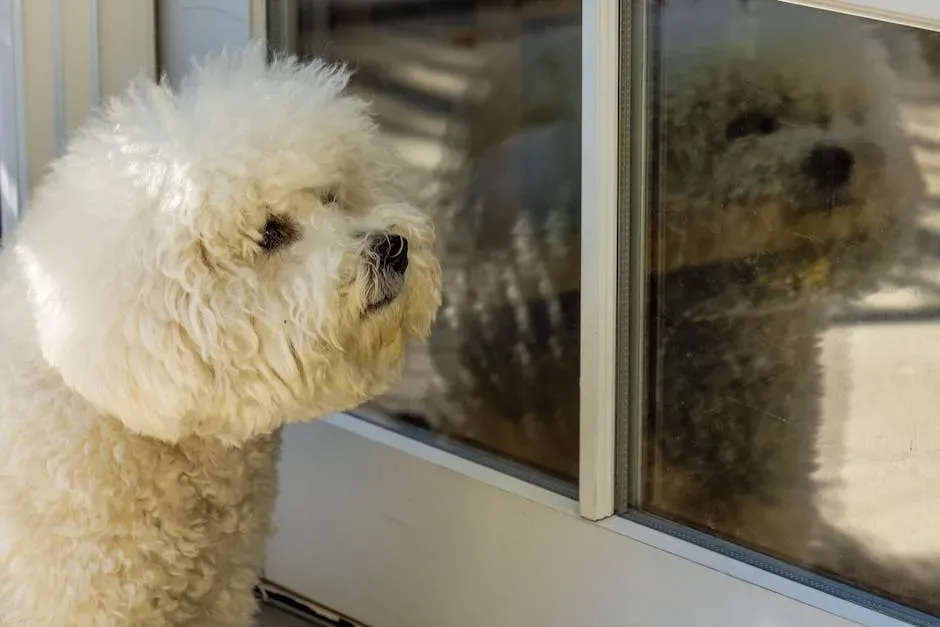
Closing a door with your dog on the other side can feel oddly harsh, especially when you hear those soft little whines or the sound of them settling reluctantly in the hallway. Maybe you have to keep them out of the kitchen, nursery, or home office. Or maybe you are heading somewhere they simply cannot go – like a flight, an event, or a no-pets rental – and you feel like you are abandoning them.
Dogs, though, are experts at adapting to boundaries and routines when they are clear and consistent. Once they learn that certain doors stay closed or that sometimes you leave and always come back, their stress usually fades into habit. Give them a safe space, predictable comings and goings, and affection when you reunite, and they will keep meeting you with excitement rather than resentment – even when you are still quietly beating yourself up for not including them in absolutely everything.
Conclusion: Your Dog Has Moved On – Maybe It’s Time You Do Too
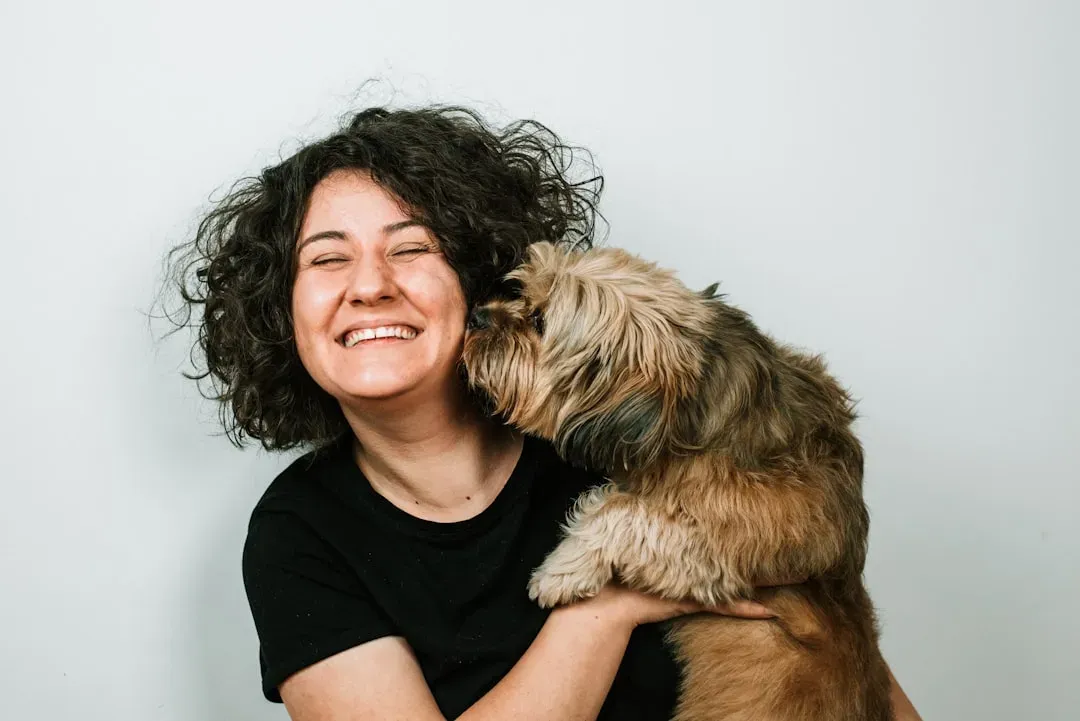
If there is one thing dogs quietly teach us, it is how to let go faster. They forgive us for the small stumbles of everyday life long before we forgive ourselves, and they judge us by the total story, not by individual scenes. When you zoom out, what they actually experience is a life where they are safe, fed, mostly understood, and deeply loved, even if you sometimes step on a paw or cut the walk five minutes short.
So yes, pay attention, do better where you can, and take their trust seriously – but do not forget to offer yourself a little of the same grace they constantly offer you. Your dog is not keeping a secret scorecard; they are just happy that you are their person. Maybe the most loving thing you can do, for both of you, is to stop clinging to every tiny mistake and start believing what their wagging tail has been telling you all along. If your dog has already forgiven you, what would it look like to finally forgive yourself too?