
8 Moments When Your Dog Is Watching Your Reaction Before Deciding What They Should Do Next
If you’ve ever locked eyes with your dog and thought, “You’re waiting to see what I do, aren’t you?” – you’re not imagining it. Dogs are constantly reading our faces, voices, and body language, almost like emotional detectives trying to decide what happens next. It can feel a little eerie sometimes, like living with a furry mind-reader who just happens to shed on the couch.
What’s really going on, though, is a mix of instinct, experience, and an incredible sensitivity to human cues that most people seriously underestimate. There are certain moments in everyday life when your dog is not just vaguely “paying attention,” but actually pausing and evaluating you before making a choice. Once you start to notice these, you see them everywhere – and it changes the way you relate to your dog, often in a surprisingly deep and emotional way.
1. When Something Suddenly Scares Them
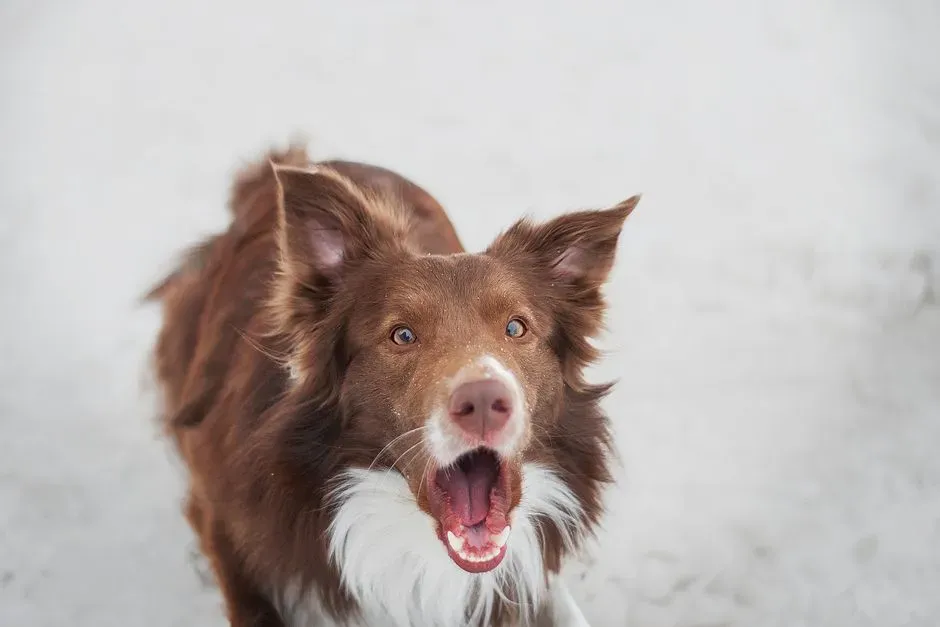
Think about the last time a car backfired, a pan clanged, or fireworks exploded outside. Many dogs will freeze for a split second, then immediately look at their person, searching your face like a child checking a parent’s eyes on a scary roller coaster. That glance is not random; it’s your dog asking, in their own way, “Are we in danger or is this fine?”
If you tense up, gasp, or startle dramatically, your dog is far more likely to treat the moment as a real threat and respond with fear or barking. But if you stay relaxed, maybe even toss out a playful comment and move normally, that calm energy often becomes their cue to let it go. Over time, this pattern can be the difference between a sound-sensitive, anxious dog and one that shrugs off most of life’s weird noises.
2. When Meeting a New Person (Or Dog) on a Walk
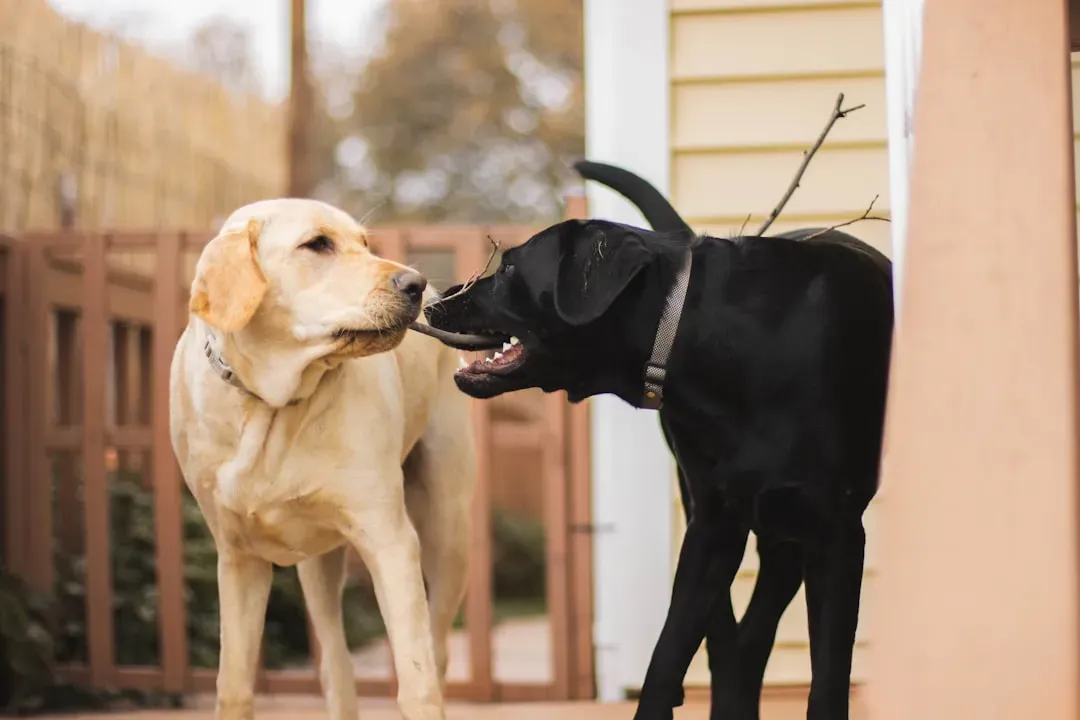
On walks, many dogs become expert social strategists. You may notice that as someone approaches – a jogger, a neighbor, or another dog-and-human pair – your dog will glance up at you before making their move. That quick look is them taking a social temperature check: are we saying hi, creating distance, or just passing by?
If you tighten the leash, hold your breath, or stare at the oncoming person like you’re bracing for impact, your dog can easily interpret that as, “Uh oh, this might be bad,” and respond with reactivity, pulling, or nervousness. On the flip side, if you soften your shoulders, speak casually, and let the leash stay loose while still staying in control, many dogs will mirror that more neutral or friendly attitude. In a very real sense, you’re their emotional tour guide through every stranger encounter.
3. When They’re Not Sure If They’re in Trouble
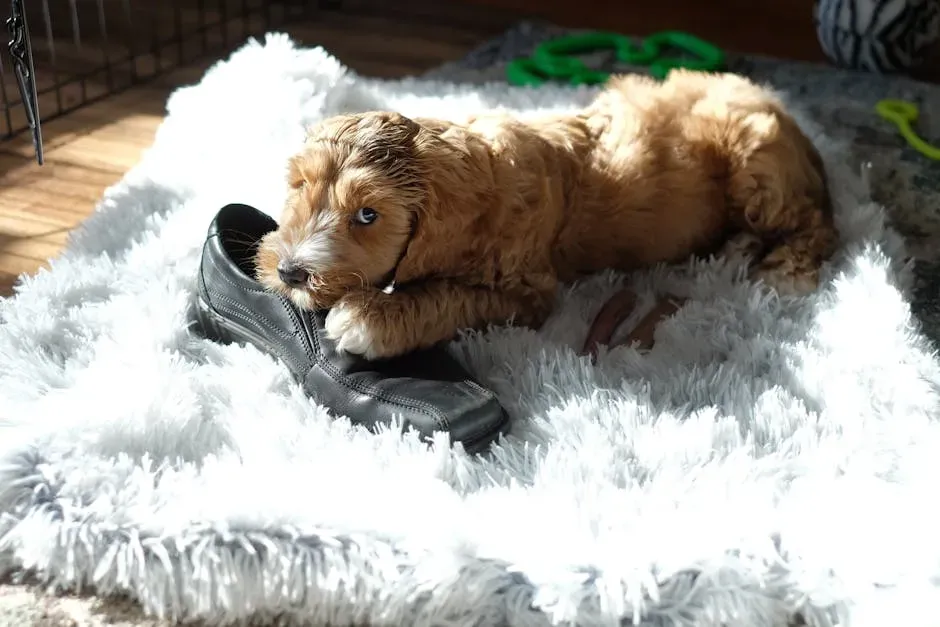
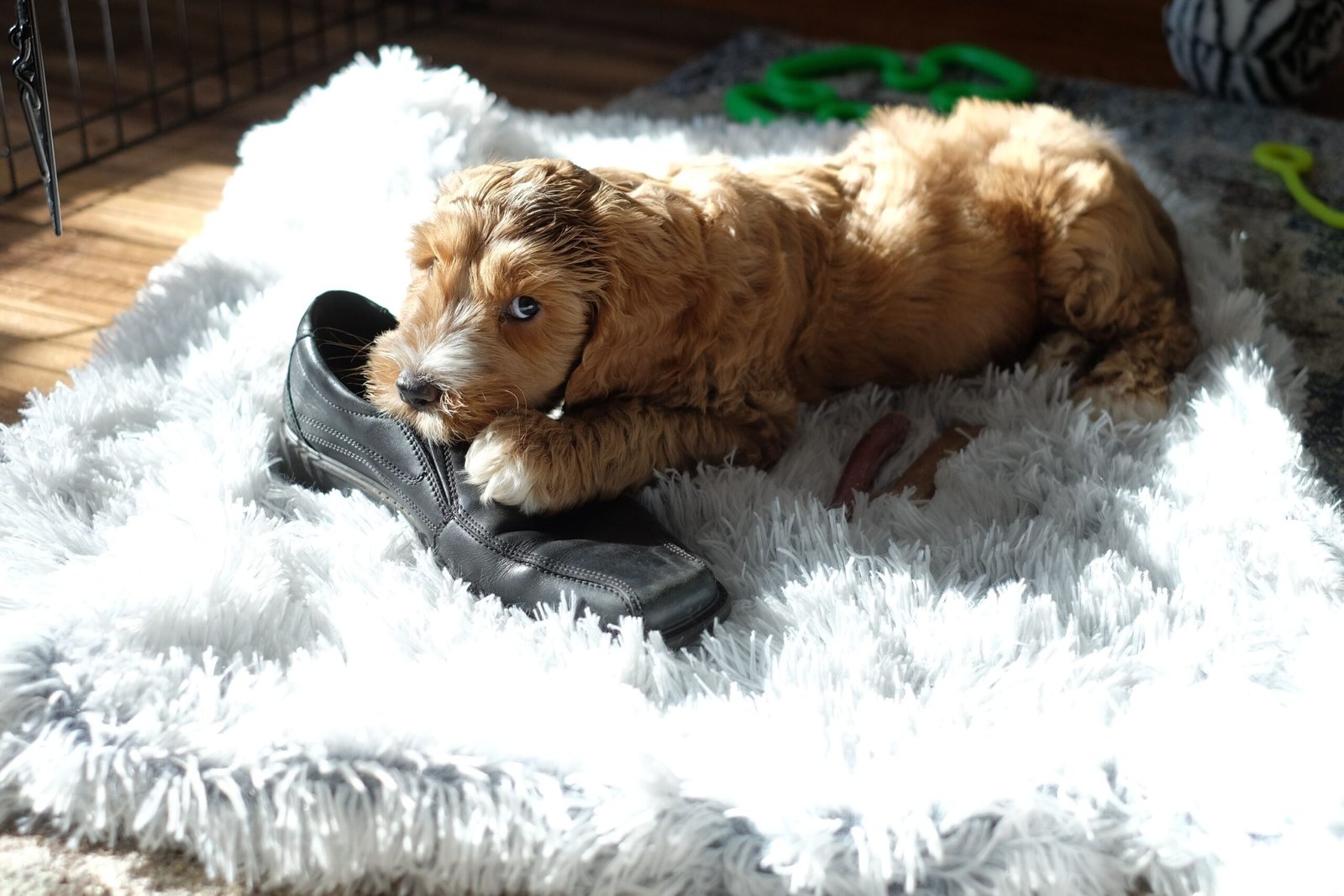
There’s a very specific look dogs give when they’re trying to figure out if you’re mad at them: ears slightly back, eyes flicking between your face and the “evidence” (chewed shoe, spilled trash, mystery puddle). They’re not feeling philosophical guilt the way humans do; they’re assessing your mood and trying to predict consequences based on past experiences with your tone and posture.
When you walk in and explode with anger, your dog immediately locks onto your facial expression, voice volume, and movement. If your reaction is unpredictable, your dog may become more anxious and “guilty-looking” over time, even when they haven’t done anything. When you respond more calmly and focus on management (putting the shoes away, blocking the trash, reinforcing good behaviors you want), your dog learns faster and worries less about every tiny change in your face.
4. When They Want to Break a Rule (Like Jumping on the Couch)
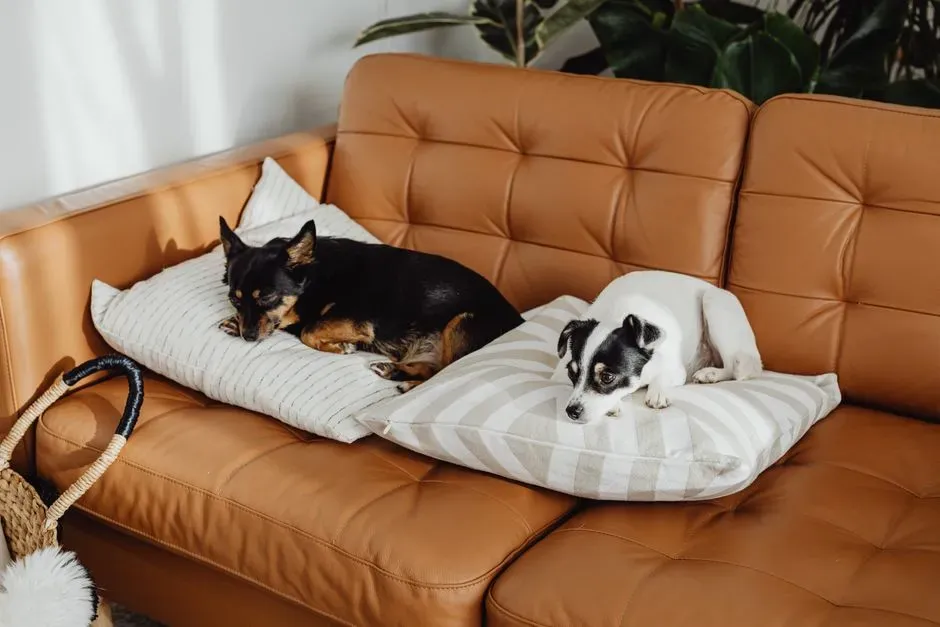
You know that scene: your dog slowly eyeing the sofa, then glancing at you, then at the sofa again, like a kid hovering near a cookie jar. That hesitation is your dog calculating the odds – “Is this allowed right now or am I about to hear that ‘ahem’ voice?” It’s not just about obedience; it’s them trying to follow the social rules of your shared space.
If sometimes you cheerfully invite them up and other times you scold them without any clear pattern, you create a confusing grey area that makes those watchful pauses more anxious and less confident. But if your response is consistent – maybe they’re allowed up on a blanket, or only when you pat the couch – those glances become quick checks instead of moral dilemmas. Your reaction in that split second actually shapes how secure and clear your dog feels about the house rules.
5. When You Seem Sad, Stressed, or Sick
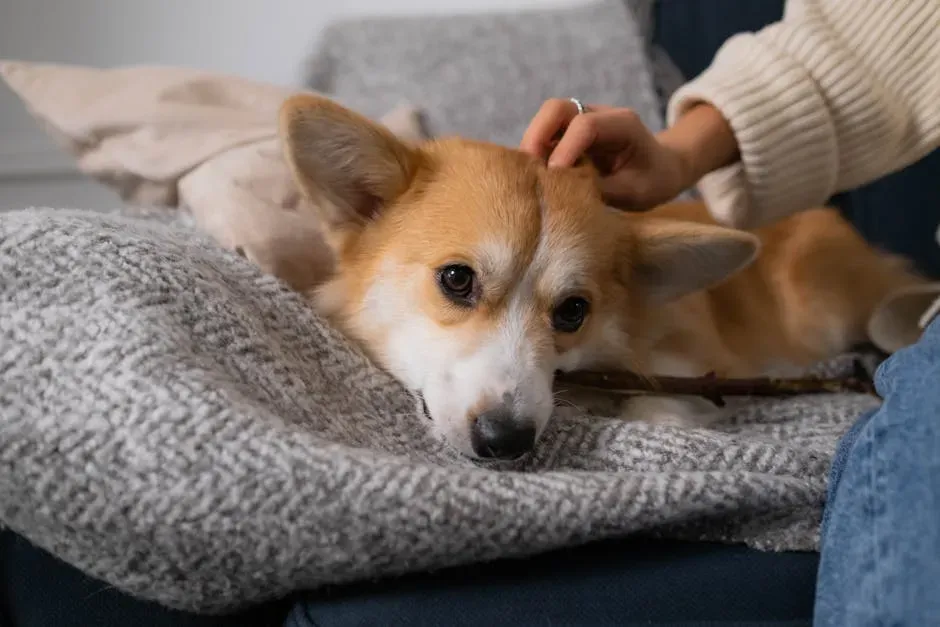
One of the most emotionally intense moments with a dog is when you’re upset and you suddenly notice them staring at you, head slightly tilted, eyes soft, almost searching your face. Many dogs become unusually quiet, clingy, or attentive when their person is sad, stressed, or physically unwell. They can pick up on your change in routine, body language, scent, and tone long before you say a word.
In those moments, your dog is basically trying to decide, “Do I comfort, distract, or give space?” Some will bring toys, nudge your hand, or curl right against you; others will simply lie close by and watch you, waiting to see how you move or speak before committing to a choice. Your subtle reaction – a smile, a sigh, a stroke of their head – can guide them toward becoming the emotional support they’re already trying so hard to be.
6. When You Pick Up Keys, Shoes, or a Leash
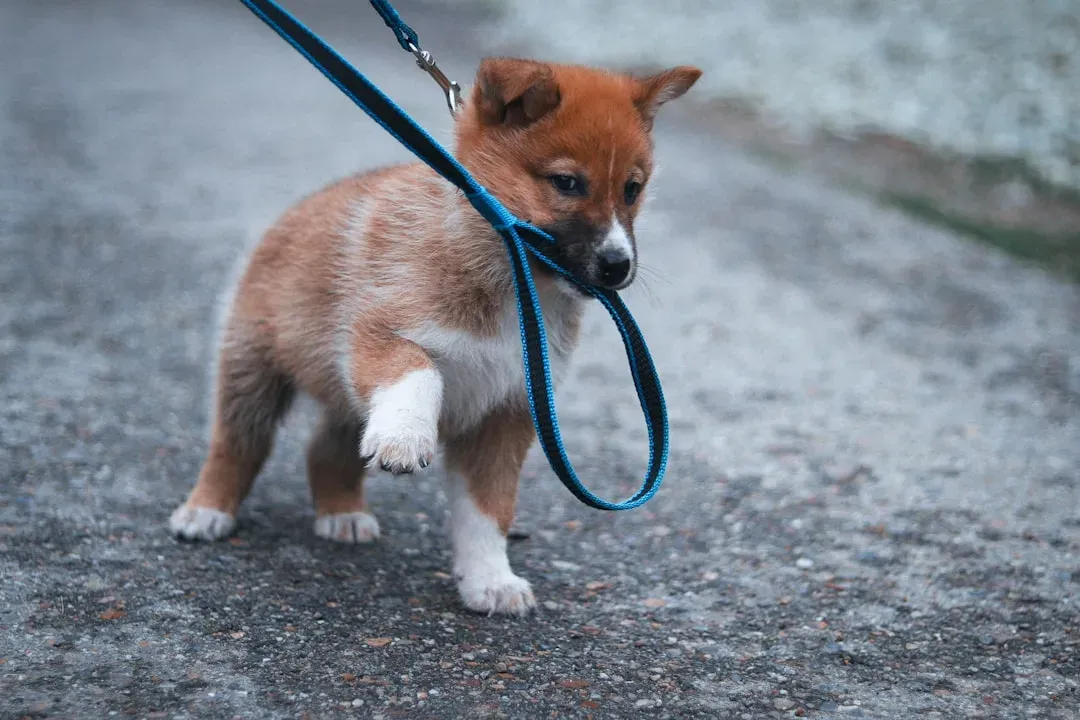
Few things flip the decision-making switch in a dog’s brain like “departure cues.” The moment you grab your keys, put on certain shoes, or reach for the leash, many dogs go from relaxed to hyper-alert. They’re not just excited; they’re studying every micro-detail of your behavior to figure out: “Are you leaving without me, is this a walk, or is nothing happening at all?”
Some dogs will hover in doorways, circle you, or sit and stare at your face, trying to interpret your next move. If you rush around, talk anxiously, or repeatedly fake-grab the leash just to tease them, you can unintentionally create a lot of confusion and frustration. When you keep your signals clearer and your reactions more predictable – for example, leash always means walk, keys without coat means you’re just stepping outside briefly – your dog spends less time stressed and more time confidently anticipating what comes next.
7. When You Laugh, Shout, or Suddenly Change Your Energy
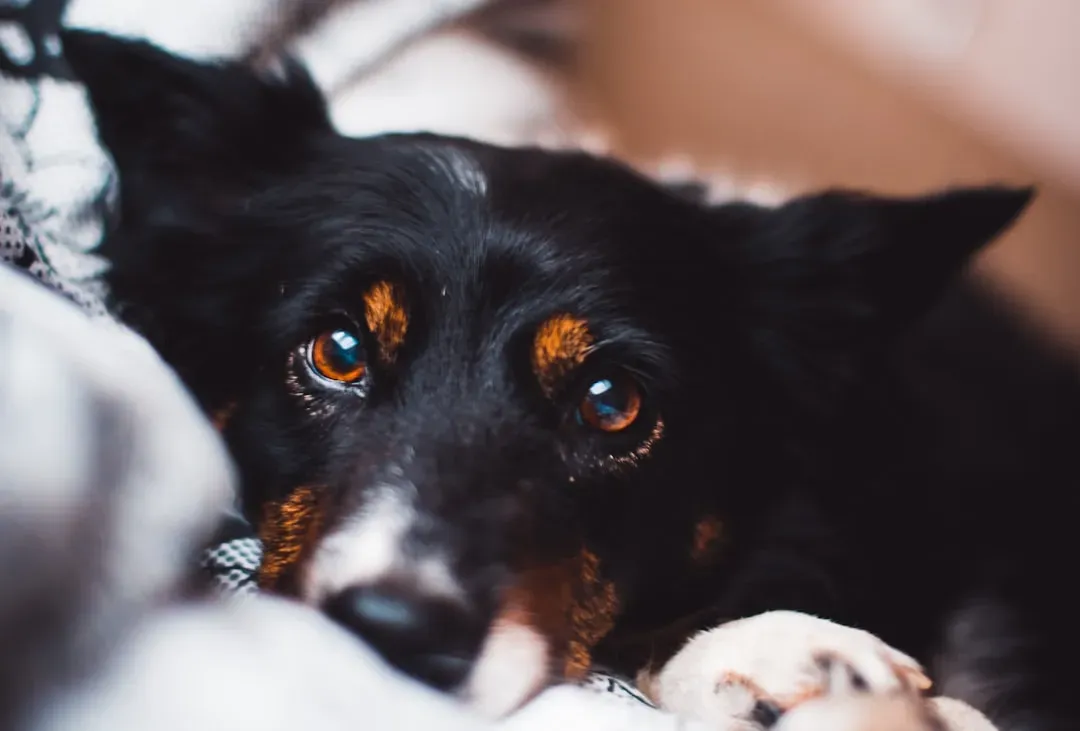
Dogs are incredibly sensitive to sudden shifts in human energy. A burst of loud laughter during a movie, an excited shout during a game, or a frustrated exclamation when you drop something can all make your dog pause and stare at you. In that instant they’re trying to figure out whether this new energy is fun, dangerous, or something they should avoid.
If every loud moment in your home is paired with chaos, yelling, or unpredictable movement, your dog may start to treat any raised voice as a warning sign and retreat or react. But if, for example, laughter often leads to play, and exasperated noises are followed by you quickly calming down, your dog learns to read the difference. That focused, searching look after you shout or burst out laughing is them deciding: are we joining the party or getting out of the way?
8. When They’re Unsure Which Command or Choice You Want
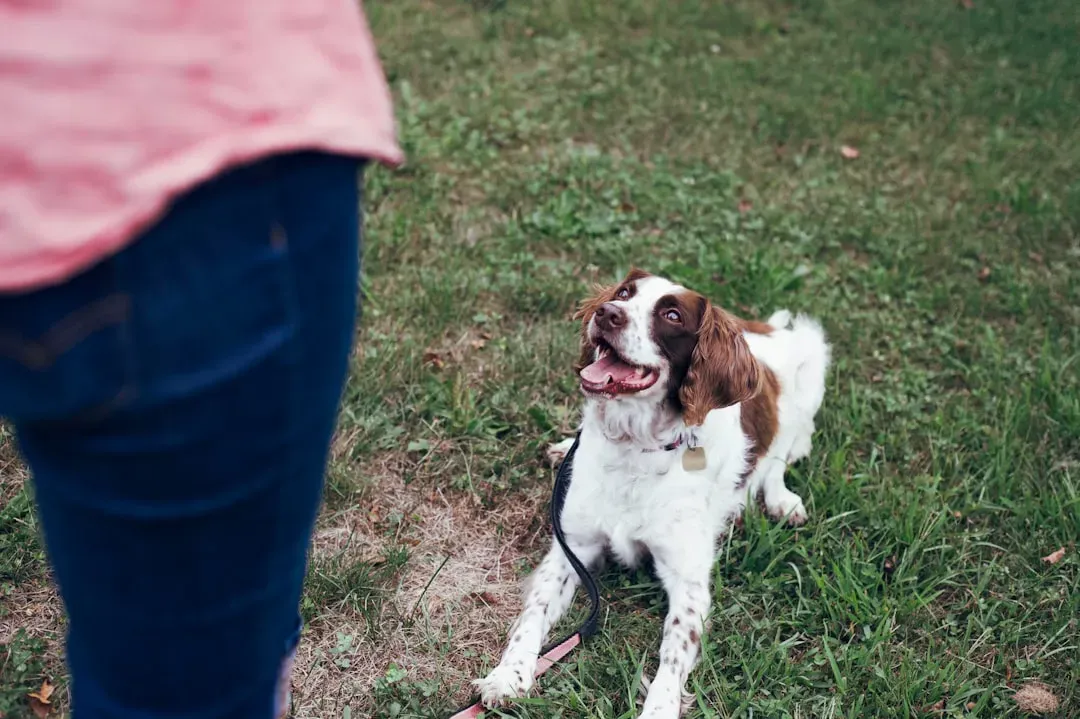
Training is basically one long conversation of “what do you want?” from your dog’s point of view. During those moments when you ask for something new, or give unclear signals, you’ll often see your dog flick their eyes to your face and hold them there, sometimes with tiny shifts of their body as if they’re testing options. They’re not being stubborn; they’re reading you like a living instruction manual.
If your body language, timing, and tone match up consistently, your dog quickly learns, feels confident, and glances at you mostly to confirm they’re right. But if you say one word, move your hands another way, and change your mood halfway through, that searching stare will last longer as they try to decode the puzzle. The truth is, at those moments when they’re “not listening,” many dogs are actually listening too hard – and waiting for your reaction to tell them what correct even looks like.
Conclusion: Your Reactions Are the Story Your Dog Is Reading
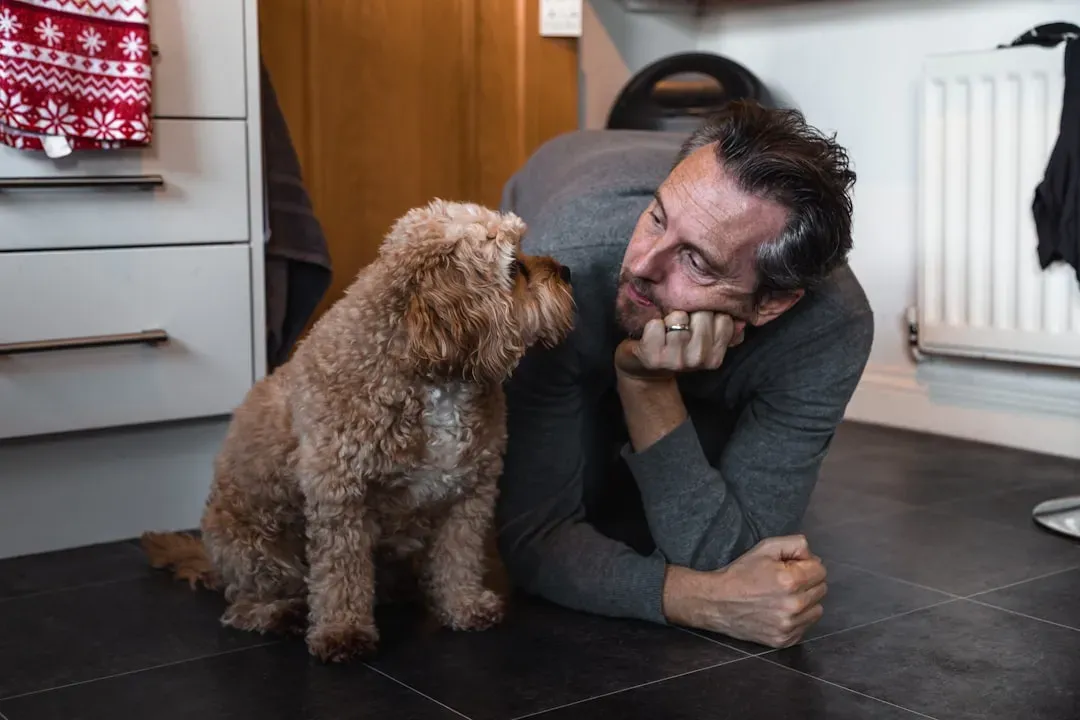
Living with a dog means living with a creature who reads you more closely than most humans ever will. Those quiet, intense little moments when they pause and watch your face are not trivial – they’re the backbone of your relationship. In my view, we underestimate just how much responsibility comes with that; every flinch, laugh, sigh, or smile is like a line in a script they’re trying to follow.
The more intentionally you manage your reactions, the more secure, confident, and connected your dog can become. That doesn’t mean faking happiness or never getting frustrated, but it does mean realizing your dog is always watching for your emotional green light or red light before they decide what to do next. Once you see it that way, it becomes less about “fixing” your dog and more about leading them with the kind of calm, honest signals you’d want from someone you deeply trust. Now that you know they’re watching you this closely, what will you choose to show them?