
Your Dog Doesn’t Need to Understand Why You’re Having a Bad Day to Notice That Something About You Has Changed
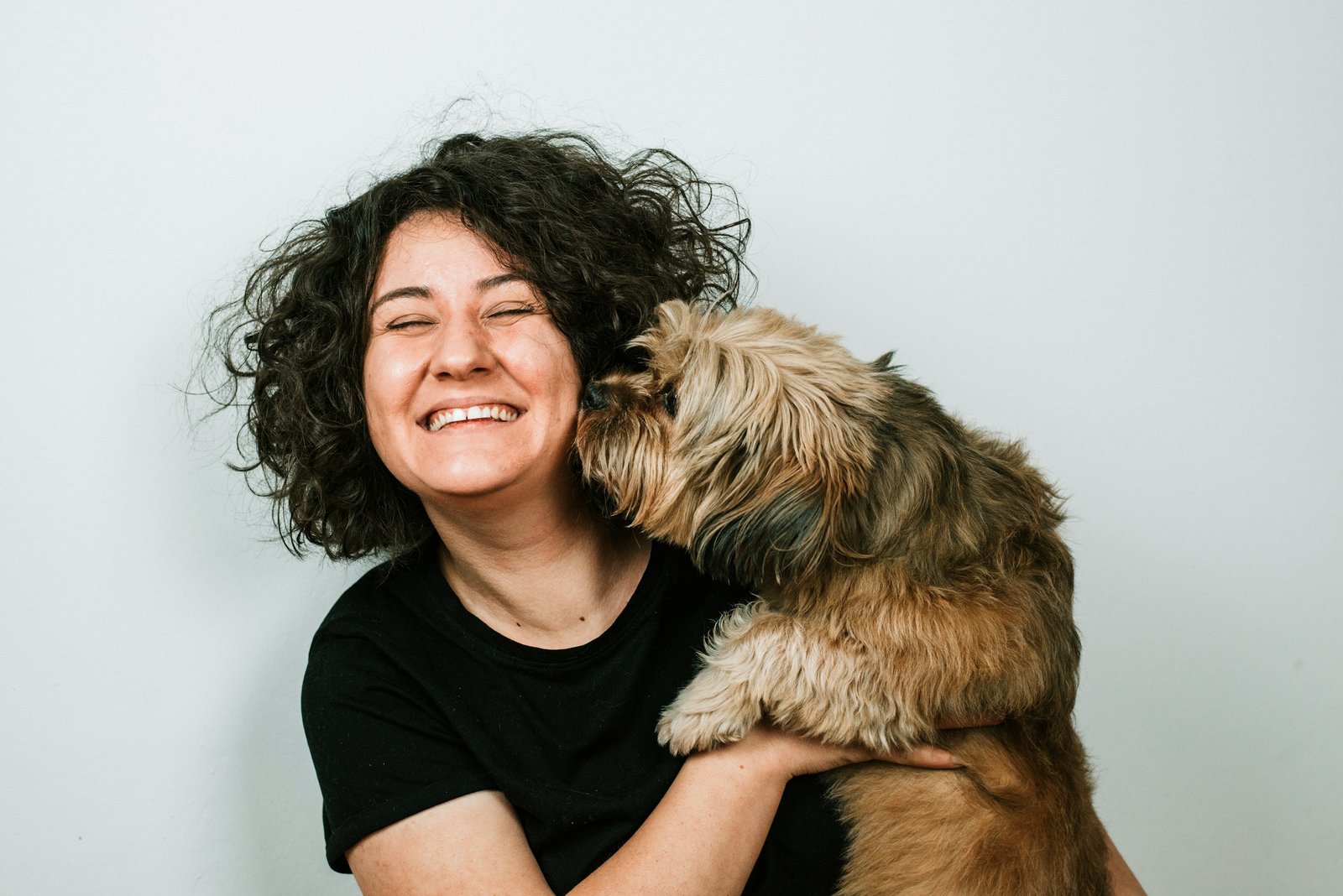
You know that feeling when everything has gone sideways, you walk through the door, and before you even say a word, your dog is already on you like you’re made of gravity? Tail low instead of wagging, head tilted, eyes locked on your face as if trying to read subtitles on your mood. They don’t know about the email, the fight, the bill, or the diagnosis – but they know something is off, and in their own quiet way, they adjust.
That’s the strange magic of dogs: they live in a world without context, yet they’re eerily accurate at reading the weather inside your chest. They don’t need your backstory, your explanations, or your slides deck of “why today sucked.” They only track the way your shoulders sag, the way your walk slows, how your voice drops half an octave. And in that tiny gap between what they cannot understand and what they somehow still feel, something very close to love lives.
The Dog That Reads You Better Than Your Group Chat
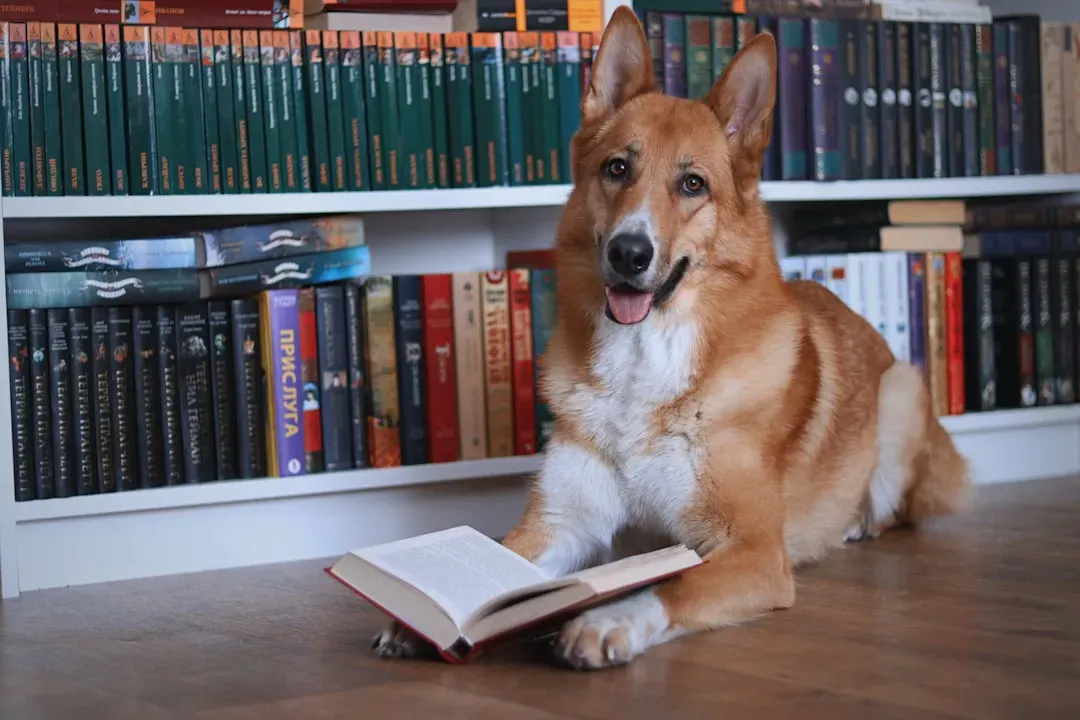
Here’s the wild part: your dog can probably tell you’re having a rough day before you’ve even admitted it to yourself. You might still be insisting you’re “fine,” but your dog has already clocked the tension in your jaw, the different rhythm of your footsteps, or that you didn’t greet them with the same sing-song voice at the door. While your friends need a whole text message breakdown to understand what’s going on, your dog just needs half a second of eye contact.
Dogs are experts in micro-signals because that’s how they survive and bond. For thousands of years, they’ve been watching humans like it’s their full-time job, learning what our moods look like in tiny physical shifts. Think about how fast yours reacts when you simply raise an eyebrow or reach for the leash – now apply that same skill to your slumped shoulders and drained face. They don’t decode the story, they decode the vibe, and sometimes that’s all that really matters.
Why Your Energy Matters More Than Your Explanation

Your dog does not care about the details of your disaster day; they care about the energy you bring into the room. You can rant about your boss, that traffic jam, or the three-hour queue at the clinic – the words are just noise to them. What lands is the frustration under your voice, the heaviness in your movements, the way you sit down just a bit too hard on the couch. To a dog, your emotional temperature is felt, not argued or justified.
This is strangely freeing if you let it be. Around humans, you often feel pressure to make your feelings make sense – to have a tidy explanation, a reasonable timeline, a moral to the story. Your dog never demands that. You’re allowed to just be sad, or irritated, or tired, without turning it into a TED Talk. They accept your emotional weather report without asking for citations, and that can make their presence feel safer than any conversation.
The Science Behind That “How Did They Know?” Moment
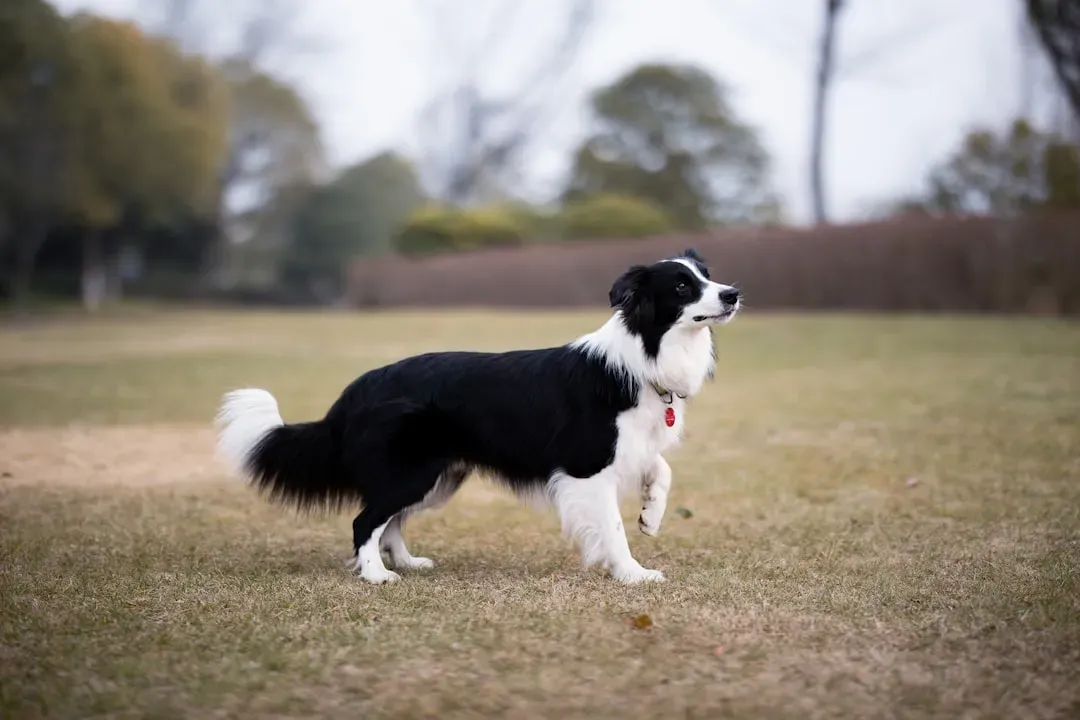
There’s a reason it feels like your dog has emotional superpowers. Research has shown that dogs can pick up on changes in human body language, facial expressions, tone of voice, and even subtle shifts in our scent linked to stress hormones. They’re basically small, fluffy bio-sensors wandering around your living room, constantly collecting data on you whether you realize it or not. When your nervous system spikes, they don’t know the cause, but they feel the ripple.
Think about how they react when you’re excited: your voice goes higher, your body moves faster, your breathing changes – and boom, your dog is bouncing with you. On a bad day, the opposite happens: your movements slow down, your gaze drifts, your posture collapses inward. To your dog, that’s as obvious as a flashing neon sign. They can’t label it “burnout” or “heartbreak,” but they know with serious clarity that their human is not in their usual setting.
Comfort Without Questions: The Quiet Power of Just Being There

One of the most beautiful things about dogs is that they do not interview your pain. They don’t ask you what you did wrong, whether you overreacted, or if you’ve tried “thinking positive.” They simply adjust themselves to your state. Maybe they curl into your side instead of bringing you a toy, or they lie at your feet instead of demanding a walk the second you sit down. Their response isn’t full of advice; it’s full of presence.
In a world obsessed with fixing everything, that kind of quiet companionship is rare. You don’t need to argue your case or prove that you deserve comfort. Your dog doesn’t keep score; they don’t decide if your bad day is “serious enough” to warrant empathy. For them, the logic is simple: you are my person, and something is wrong, so I’m here. Sometimes that soft weight against your leg or that warm head on your lap does more healing than a whole afternoon of overthinking.
How Your Dog’s Sensitivity Can Actually Help You Heal

When your dog notices that you’re off, they often nudge you toward things that help without even knowing it. Maybe they push you to go for a walk you wouldn’t have taken on your own, forcing you to step outside your spinning thoughts for twenty minutes of fresh air and movement. Maybe they gently insist you throw the ball “just once,” which accidentally pulls a tiny laugh out of you when you thought the day had nothing left to offer.
And then there’s touch: that underrated medicine. Stroking your dog’s fur, feeling their warm body pressed against you, can literally help your nervous system downshift. Your breathing slows, your shoulders loosen, your brain gets the message that maybe, just maybe, you’re not as alone as your thoughts told you. Your dog doesn’t understand trauma, deadlines, or grief in human terms – but their simple, grounded presence can make the edges of all those things feel a little less sharp.
When Your Mood Affects Your Dog (And Why That’s Not a Guilt Trip)
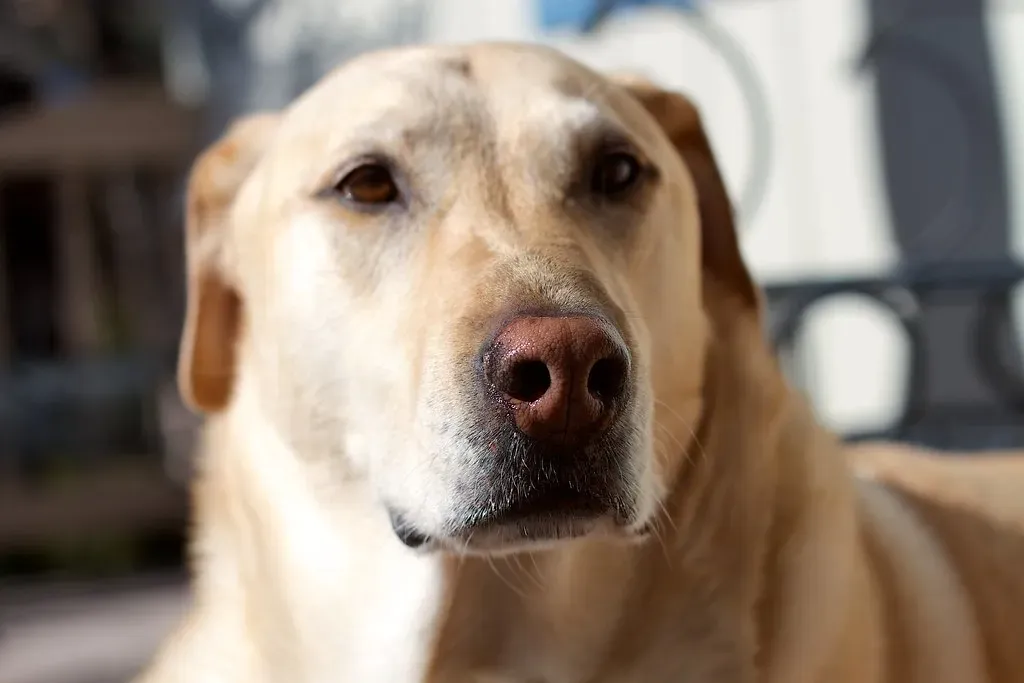
Here’s the honest flip side: your dog’s sensitivity means they really do feel it when your inner world goes dark for a while. A constantly stressed, angry, or withdrawn home can make a dog more anxious, clingy, or even shut down. They might pace more, eat less, act out, or seem permanently “on alert.” They don’t understand the why, only that the emotional climate they live in isn’t stable, and that can rattle them.
This shouldn’t turn into one more reason to beat yourself up; you’re allowed to be human, and you’re absolutely allowed to have bad days, even bad seasons. But it is a quiet reminder that taking care of yourself is also a way of taking care of them. Reaching out for support, stepping outside, keeping a bit of routine even when you’re exhausted – all of that steadies your dog’s world, too. You’re not responsible for being endlessly cheerful, just for not abandoning both of you to the chaos.
Making the Most of a Creature Who Loves You Beyond Context
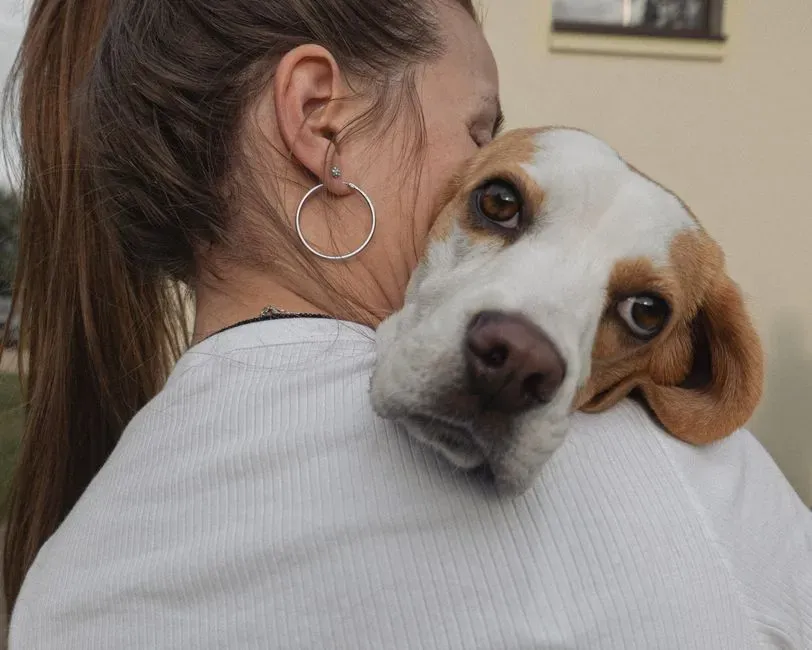
The real magic is not that your dog understands your problems; it’s that they love you completely without needing to. They show up for the version of you who is radiant and put together, and they show up just as fully for the version of you who is puffy-eyed in yesterday’s shirt. In their world, you’re not a list of successes and failures – you’re simply their person, worth following from room to room, worth waiting at the door for, worth curling beside when you finally collapse.
If you let it, this can shift how you see yourself. You might start judging yourself a little less harshly if you imagine yourself the way your dog does: fundamentally good, even on garbage days; still worth approaching, even when you’re quieter or slower; still deserving of soft company, even when you feel like a mess. Your dog doesn’t need to grasp the reasons behind your bad day to know one thing that’s absolutely true: you are still you, and you are still theirs. Maybe the real question is whether you’re willing to believe that about yourself, too.