
I Recorded My Dog While I Was Out. It Was Not What I Expected.
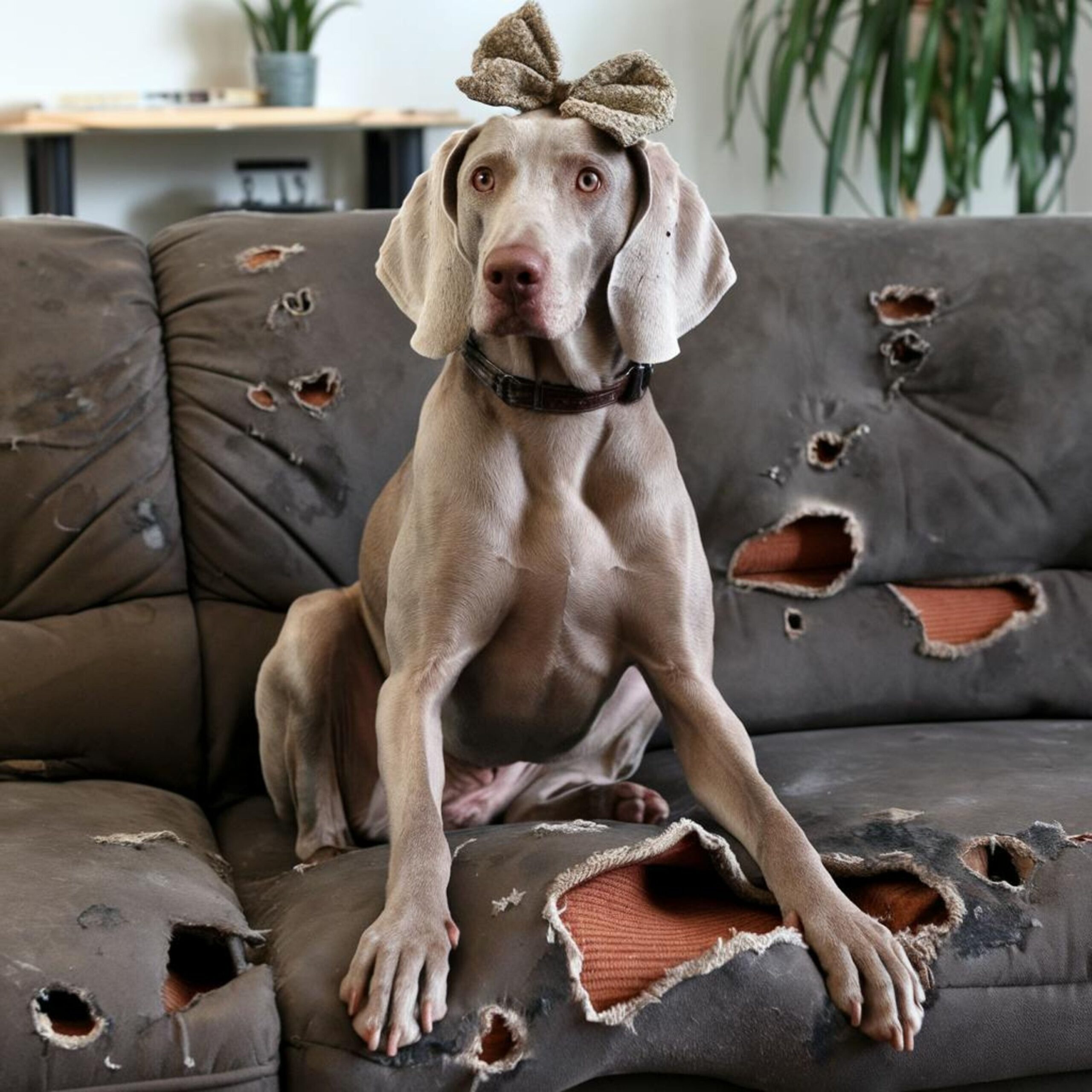
Most dog owners picture the same lazy scene: their pet sprawled on the couch, snoozing the day away, maybe lifting an ear when the mailman shows up. It’s a comforting story. It’s also, in a lot of cases, completely made up.
Cheap pet cameras have quietly wrecked that fantasy for thousands of owners, and what shows up on the footage is rarely cute. Sometimes it’s heartbreaking. Sometimes it’s just plain strange. I didn’t expect my own dog to be the one who proved it – but once I hit record, there was no going back to the story I used to believe.
#1 – Why I Finally Hit “Record” On My Dog
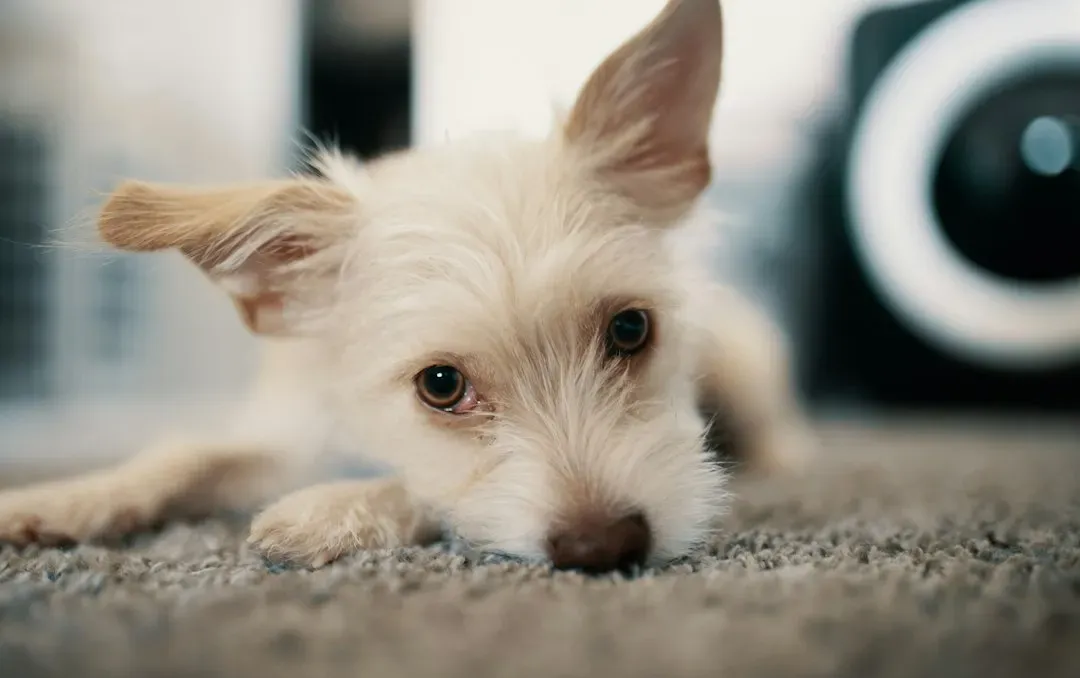
I didn’t buy a camera because I was curious. I bought one because something felt off.
My dog was “fine” on paper – eating, drinking, going for his walks. But I kept coming home to subtle chaos: toys shoved into weird corners, fur clumps by the door, a water bowl that looked like it had lost a fight. Friends told me, “He probably just sleeps all day.” My gut said otherwise.
Most people imagine their dog as a low-maintenance roommate, politely waiting by the window for them to come home. In reality, many dogs go through a full emotional rollercoaster the second that door shuts. Vets and behaviorists have said this for years, but owners mostly brush it off as overreacting.
A camera felt dramatic, honestly, like I didn’t trust my own dog. But here’s the quiet truth nobody tells you: cameras aren’t about catching your dog misbehaving. They’re about catching what he’s too polite, or too stressed, to show you when you’re standing right there.
- I wanted proof it wasn’t “just in my head.”
- I wanted to know if the problem was boredom, or something bigger.
I expected mild curiosity, maybe some light pacing. What I actually captured made it very hard to keep pretending he “slept all day.”
#2 – The First 10 Minutes After I Leave Were Nothing Like I Imagined
I always assumed the hardest part for my dog was the long, empty middle of the day. The camera proved me completely wrong.
The real storm happened in the first 10 to 15 minutes after the door clicked shut. My “chill” dog rushed to the entryway, ears pinned, tail stiff as a board. Within thirty seconds he started whining – short sharp bursts that built into long, high-pitched wails.
He wasn’t exploring. He wasn’t sniffing around. He was panicking.
Most owners never see that their dog’s stress peaks immediately after they leave, not hours later. My dog circled the entryway again and again, pausing to stare at the doorknob like he could will it to turn. Then came the scratching – not dramatic enough to leave obvious marks, but constant, frantic little scrapes, exactly the kind of behavior that slowly ruins trim and paint without you ever catching it in the act.
Fast Facts
- Separation-related distress typically peaks in the first 10 to 30 minutes after you walk out the door, not later in the day.
- Pinned ears, a stiffened tail, and rapid pacing are early physical warning signs, not “personality quirks.”
- Vocalizing – whining or barking – often starts within the first minute of being left alone.
- Scratching near doors is frequently a sign of a dog trying to close distance, not random destructiveness.
A lot of owners get annoyed about “door damage” and assume it’s mindless chewing. For many dogs, it’s a desperate attempt to close the distance between them and the person who just vanished. That emotional difference matters if you actually want to fix it, not just patch the trim.
#3 – The Surprising Signs Of Silent Separation Anxiety
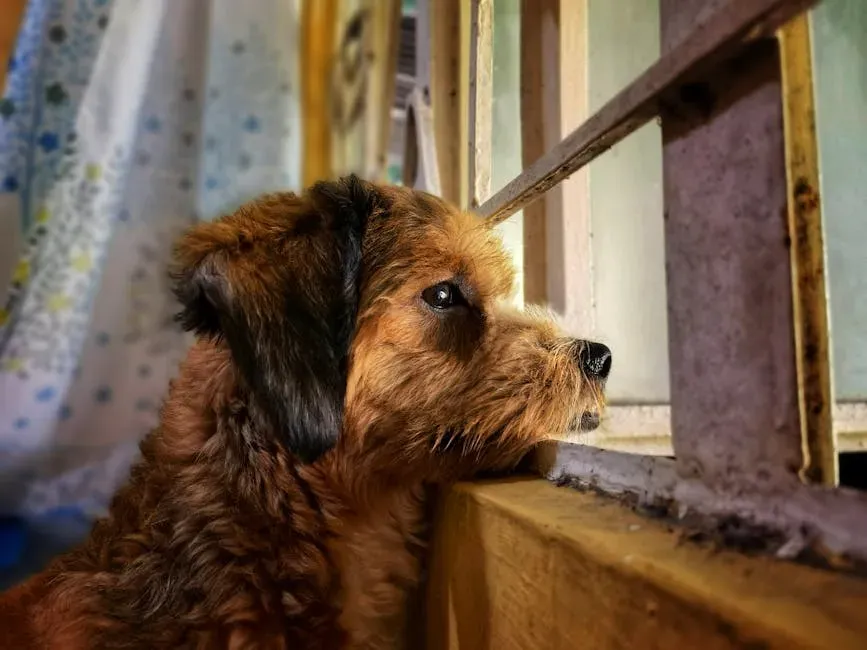
Before I saw the footage, I would have sworn my dog didn’t have separation anxiety. He didn’t howl as I left. He didn’t refuse food. He never destroyed furniture. He just seemed a little clingy, which I’d always written off as cute.
The camera told a completely different story. Instead of relaxing, he froze near the door for long stretches – sometimes twenty or thirty minutes without really moving. That statue-like stillness, paired with fixed staring at the door, is actually a classic stress signal, not calm.
His ears stayed slightly back. His jaw looked tight. Every noise in the hallway made him jolt.
- He ignored the toys and chews I’d left out “to keep him busy.”
- He paced the same pattern across the room, so subtle I never would have noticed it was compulsive.
- He drank water repeatedly, then barely settled before getting up to check the door again.
Behaviorists call this “silent” or “low-noise” separation distress. These aren’t the dogs neighbors complain about. They’re the dogs quietly stewing in anxiety that never reaches the furniture-destroying stage – until, one day, it does. Most owners miss this softer version entirely, partly because dogs often pull themselves together minutes before you walk back in.
#4 – The Myth Of The All-Day Nap (And What Dogs Actually Do)
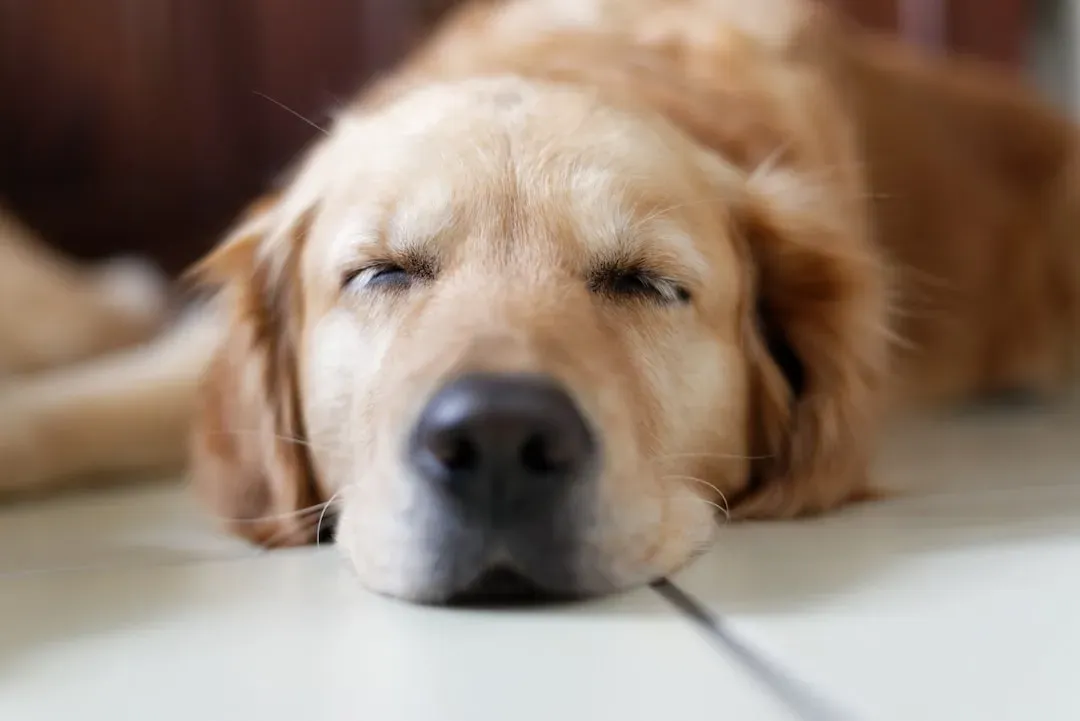
Ask most people how long their dog sleeps while they’re gone, and you’ll get some version of “pretty much the whole time.” It sounds reasonable. Adult dogs can sleep 12 to 14 hours a day, after all.
But the footage showed a pattern nowhere close to the cozy all-day nap I’d pictured. Yes, my dog slept – but in short, shallow chunks, rarely settling for more than 20 to 30 minutes before popping back up. Every passing car, elevator hum, or slammed door somewhere in the building made him perk up, scan, and reposition.
What looked like “a peaceful day at home” was really:
- Micro-naps interrupted by constant vigilance.
- Repeated trips to the door and window for visual checks.
- Long stretches lying down with eyes open, body rigid, not actually resting.
True rest is loose, twitchy, and unselfconscious. Hypervigilant rest is still work for the nervous system, even if it looks like nothing from the outside. Over time, that adds up – dogs who never fully switch off during the day can become more reactive on walks, more easily startled, and needier at night. Not because they’re spoiled, but because they’re exhausted.
#5 – Boredom Or Real Distress? The Line Most Owners Get Wrong
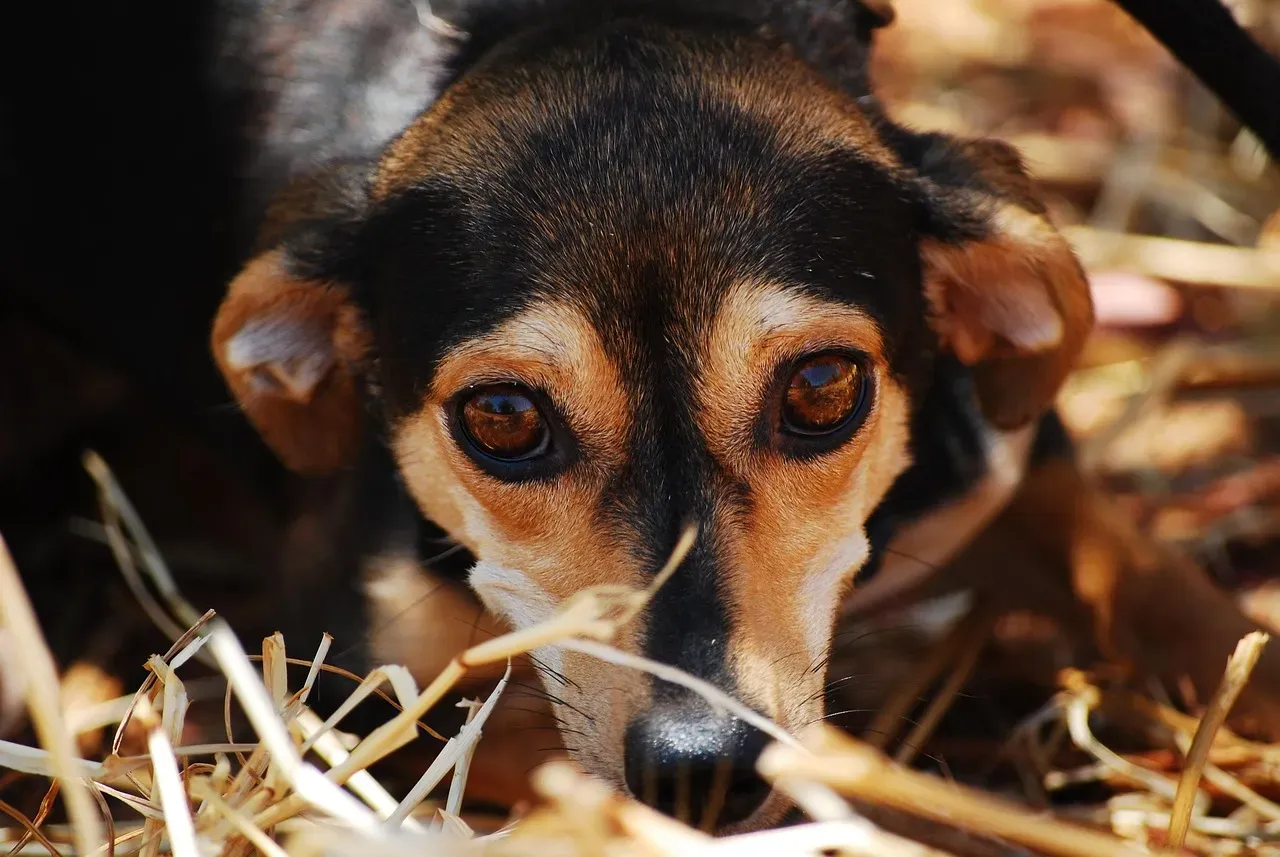
Once people see footage of their dog pacing or whining at the door, the instinct is almost always the same: “He’s bored, I’ll buy more toys.” That was my first thought too. But when I actually studied the pattern, it didn’t match boredom at all.
Boredom tends to look like exploration – sniffing, investigating, checking every corner, experimenting with things they “shouldn’t” touch. Anxious dogs behave very differently. They often:
- Fixate on exits – the door, the window.
- Ignore toys and food for long stretches.
- Repeat the exact same path or motion over and over.
My dog walked the same track across the rug – a tight loop from the door to the window to the hallway and back again, sometimes fifteen or twenty times in a row. That’s not creative problem-solving. That’s a coping pattern, the canine version of pacing in a waiting room before a medical exam.
Here’s the tricky part: boredom and anxiety overlap. An under-stimulated dog can slide into anxious habits, and an anxious dog can end up doing “destructive” things that look like boredom. But if the footage shows your dog glued to the door, refusing food, or breaking into frantic bursts right after you leave, you’re not dealing with a lack of enrichment. You’re dealing with a genuine emotional problem.
#6 – The Weird “Guilty” Behavior You Only See When You Watch The Whole Day
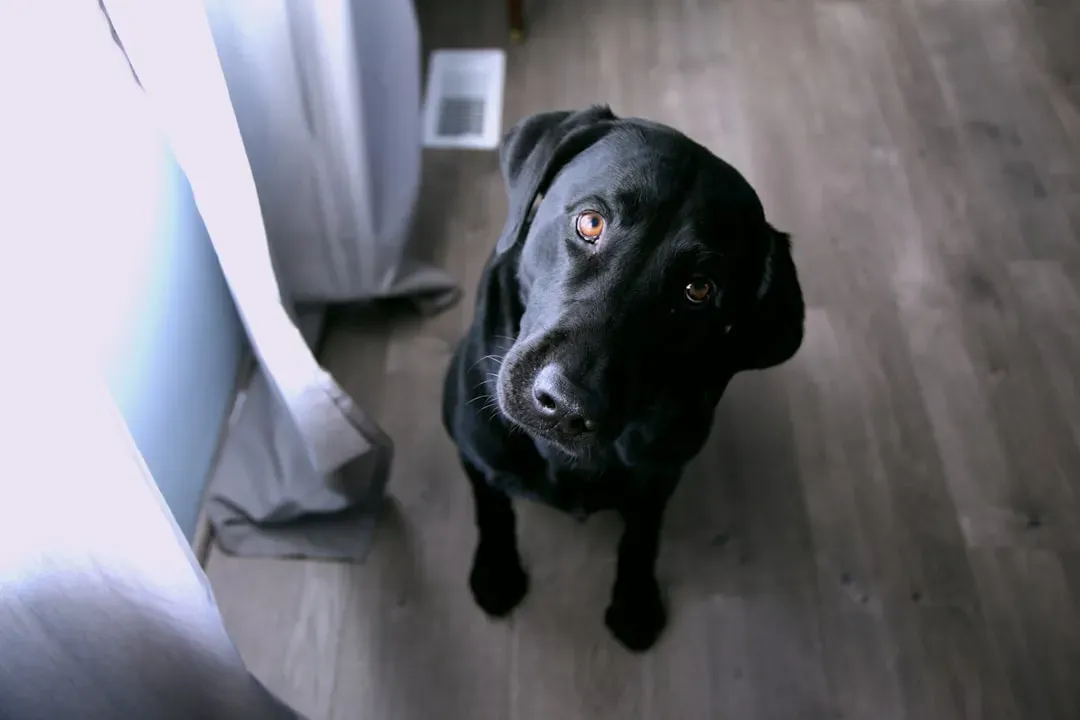
We love to joke about “guilty dogs” – the viral clips of a dog looking sideways, ears drooping, refusing eye contact next to a pile of chewed shoes. The internet insists they know exactly what they did. Science, and cameras, disagree.
On my recording, the timeline told a different story entirely. The destruction – a shredded pillow, in my case – happened early, in a short, frantic burst within the first twenty minutes. After that, my dog mostly paced, whined, and kept watch on the door.
The truly heartbreaking part came about ten minutes before I got home. His body language changed out of nowhere, sliding from stressed and alert to subtly deflated:
- Head lower.
- Ears angled slightly back.
- Lip licking and yawning with no obvious trigger in sight.
When I walked in, he greeted me enthusiastically but also flashed classic appeasement signals – turning his head away, lowering his body, avoiding direct eye contact. He wasn’t feeling guilty about the pillow. He was reading my energy, anticipating my reaction, and trying to keep the peace.
Dogs are experts at pattern recognition: every time the house looks like this, your voice changes. Watching the full sequence made it obvious he wasn’t confessing to anything. He was bracing. That single realization changed how I responded, completely.
#7 – What Calm Dogs Actually Do All Day (The Footage Nobody Shares)
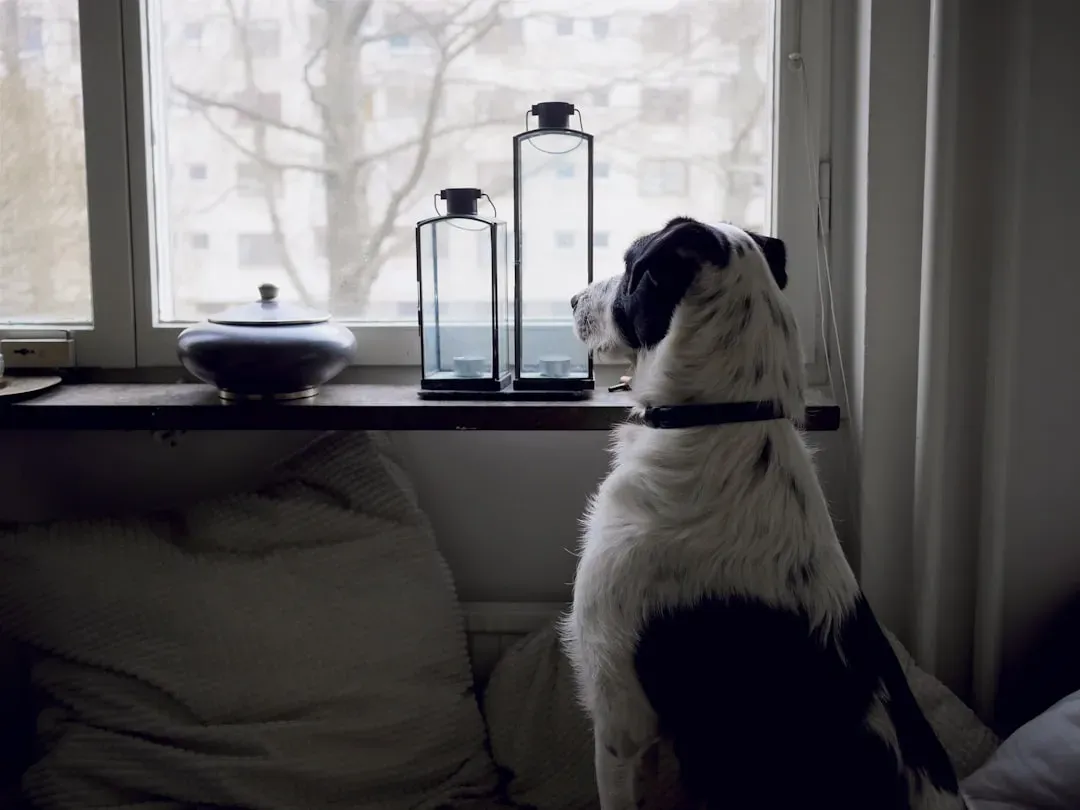
Not every recording reveals a hidden crisis. Some dogs genuinely cope well alone, and what they do looks very different from the low-grade anxiety most of us assume is normal. Seeing the contrast side by side is brutally instructive.
Truly relaxed dogs tend to change locations throughout the house without fixating on doors or windows. They’ll interact with a toy or chew, then simply walk away and move on with their day. They sleep in loose, floppy positions, often with a belly exposed or legs stretched out completely.
Quick Compare
- Anxious dog: fixates on the door or window, body stiff, ignores toys and food.
- Relaxed dog: wanders the whole house, sleeps in loose sprawled positions, engages briefly then moves on.
- Anxious dog: naps in short, alert bursts and startles at outside noise.
- Relaxed dog: settles into longer, deeper sleep cycles away from entry points.
One detail experts point to often surprises people: many well-adjusted dogs actively move away from entry points after their owner leaves. Instead of parking by the door, they choose a favorite bed in a quiet corner and only wander back to check occasionally.
On camera, a genuinely chill dog follows a simple rhythm: he watches you leave, maybe sniffs the door once, takes a slow lap around the house checking things, then settles within a few minutes into a predictable wake-sleep cycle. This isn’t a fantasy standard. It’s an actual benchmark. Once you’ve seen what healthy alone time looks like, it’s very hard to keep telling yourself that your own dog’s rigid stillness or door-staring is just “his personality.”
#8 – The Subtle Ways We Accidentally Make It Worse
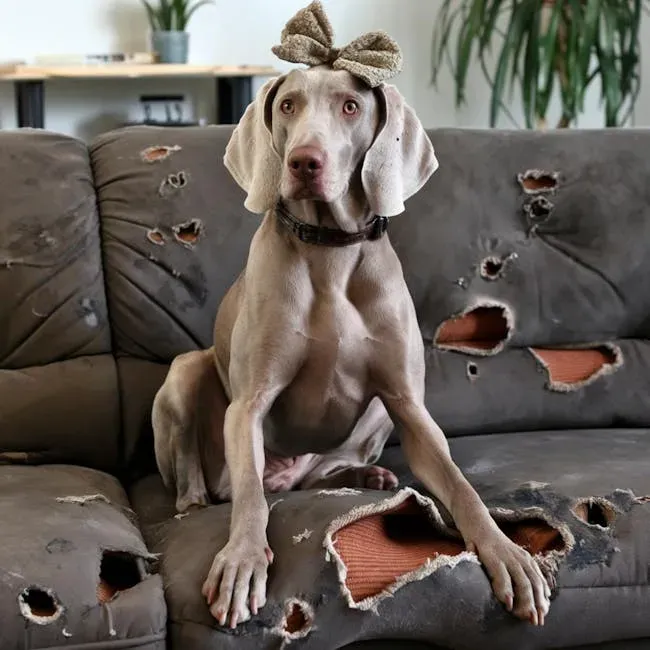
Here’s the part a lot of people don’t want to hear: sometimes the footage doesn’t just expose our dog’s patterns. It exposes ours.
Once I started lining up my own routine against his recordings, an uncomfortable pattern showed up. On mornings when I rushed out – grabbing keys last-minute, talking loudly on the phone, tossing off a quick “Bye, buddy!” – his first fifteen minutes of footage were chaos. On calmer mornings, his distress peak was shorter and noticeably less intense.
My exit routine was acting like an emotional amplifier. Common human habits that quietly crank up a dog’s anxiety include:
- Over-the-top greetings and goodbyes, which make the emptiness of the middle stretch feel even bigger by comparison.
- Unpredictable schedules – dogs adapt fine to being alone, but they struggle badly with never knowing when it’s coming.
- Inconsistent rules, like being allowed on the couch sometimes and yelled at other times, which turns confusion into stress, especially alone.
There’s a more controversial one too: some owners talk to their dog constantly through camera speakers. For a few dogs, it helps. For many, it backfires – they hear you, maybe even see you on a screen, but you never actually appear. That disconnect can turn the whole day into a confusing, unresolved search for someone who sounds close but never shows up.
The camera doesn’t flatter us. It just shows the truth, which is exactly what makes it useful.
#9 – The Fix Isn’t Just “More Toys”: What Actually Helped
Once the footage made it clear my dog was not okay, I did what most people do: I panic-bought enrichment toys. Puzzle feeders, lick mats, treat balls, you name it. They helped a little, mostly in the first few minutes after I left, but the deeper pattern didn’t shift until I fixed the structure of his whole day.
What moved the needle most wasn’t fancy gear. It was boring, predictable routine:
- A pre-departure walk that actually tired him mentally – sniffing time, a few training reps – not a rushed loop around the block.
- Calm, low-key exits and entries, with no high-pitched “I missed you SO much!” greetings at the door.
- Very short, staged absences at first – leave for three to five minutes, come back before the stress peaked, then slowly stretch the duration.
The camera became a training tool, not just a surveillance device. I’d adjust one variable, review the footage, and check whether his stress curve got shorter. Over a few weeks, the pacing decreased, his first bark came later or not at all, and his naps started to actually deepen.
In harder cases – intense howling, self-injury, escape attempts – many dogs need a vet or a certified behavior professional. Anti-anxiety medication isn’t spoiling a dog. It’s giving an overwhelmed brain enough breathing room to actually learn new patterns.
#10 – The Harsh Truth About “Just Getting A Second Dog”
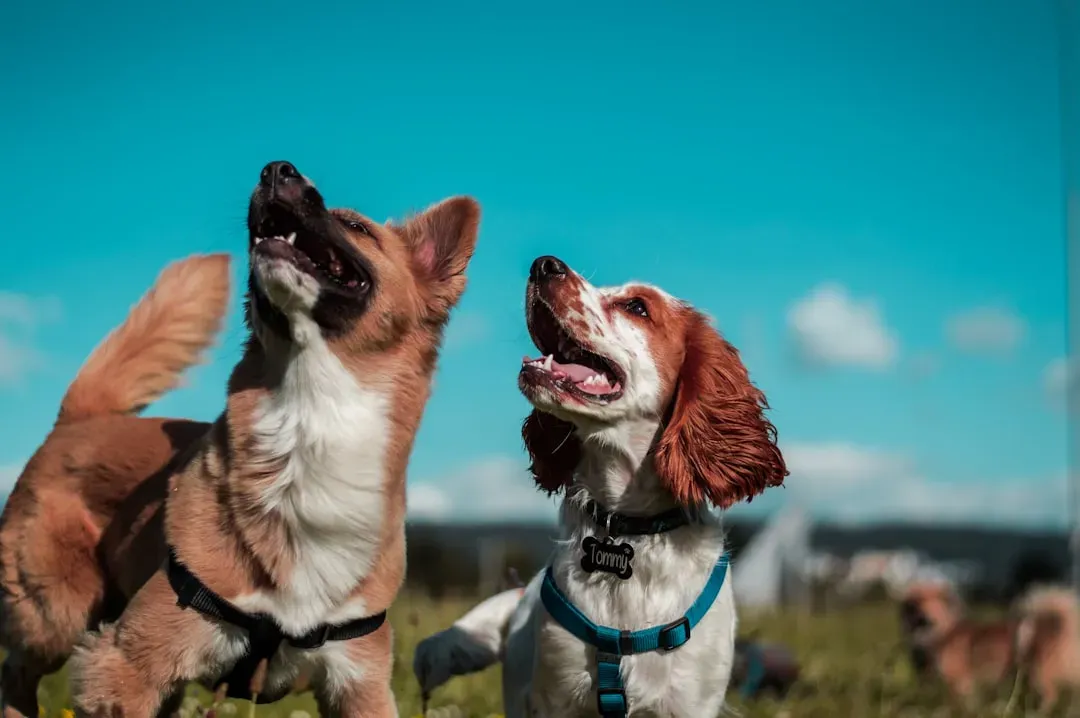
One of the most common solutions floating around is: get him a friend. It makes emotional sense on the surface. We picture two dogs curled up together, keeping each other company. But footage from multi-dog homes often tells a very different, and sometimes darker, story.
In households where the first dog already has full-blown separation anxiety, the second dog frequently ends up copying the pacing and door-watching instead of calming the first one down. Sometimes it retreats to a separate room just to escape the stressed dog’s energy. Sometimes it becomes the direct target of redirected anxiety – rough play, resource guarding, constant pestering.
Dogs are not our whole life, but they make our lives whole.
Roger Caras
Companionship can ease boredom. It cannot fix a dog who is specifically panicked about you being gone. Some of the most intense distress footage comes from dogs who scream and pace with another animal sitting right next to them.
There are exceptions – dogs with mild frustration or plain boredom sometimes genuinely perk up with a compatible companion. But using a second dog as a bandage for untreated anxiety is like seating a nervous flier next to another nervous flier and hoping they’ll calm each other down mid-flight.
#11 – What The Camera Reveals About Our Relationship (Not Just Our Dog)
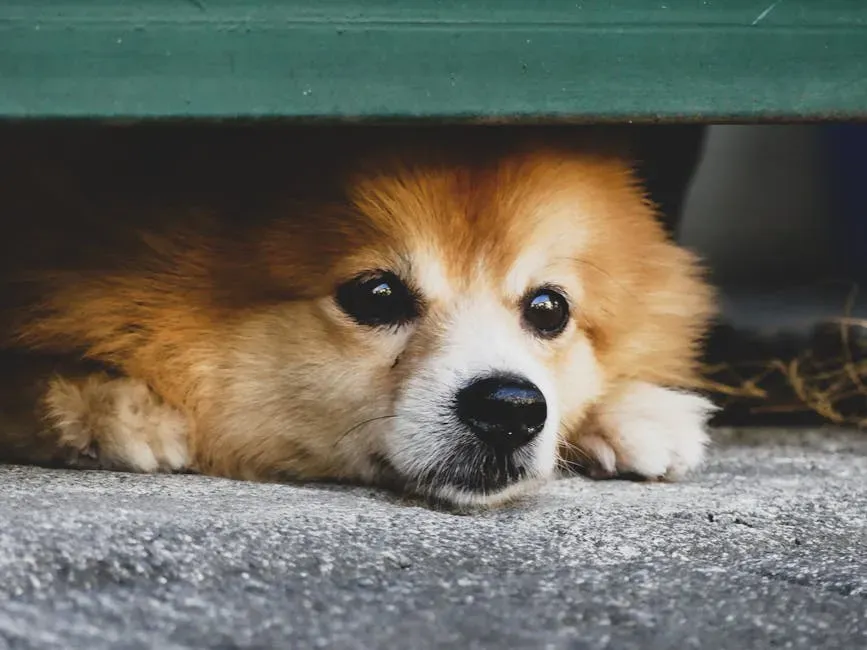
The more footage I watched, the more a pattern emerged that had very little to do with dog training and everything to do with how I’d built our life together.
My dog’s world was basically me, our apartment, and a handful of familiar routes. When I left, his entire universe shrank down to four walls and hope. In other words, I had accidentally made myself the only meaningful source of safety, stimulation, and structure he had.
That felt flattering when he followed me from room to room. It felt suffocating once I saw what happened the moment I disappeared. Many “clingy” dogs are actually responding, very logically, to real gaps: inconsistent social exposure, where they only meet new people, dogs, and places when it happens to suit us. Limited independence practice, since they’re never encouraged to settle away from us even when we’re home. And emotional mirroring, where an anxious, unpredictable owner ends up raising a dog with equally unpredictable coping skills.
Worth Knowing
- Practice “settle” training on a mat across the room, even while you’re home, so being apart from you isn’t a novelty.
- Let trusted friends or family handle occasional walks so your dog builds confidence with people besides you.
- Rotate walking routes and let your dog experience new sights and smells beyond the same three blocks.
- A predictable daily routine does more for a dog’s nervous system than nonstop attention ever will.
The camera didn’t just show a dog having a hard time. It showed a relationship that was out of balance. Fixing it meant deliberately giving him more of a life that wasn’t 100 percent tied to my presence – training him to settle on a mat across the room, building trust with other people, even rearranging furniture so he had a quiet, cozy den away from the front door.
#12 – Watching The Change: When The Footage Finally Matches The Story
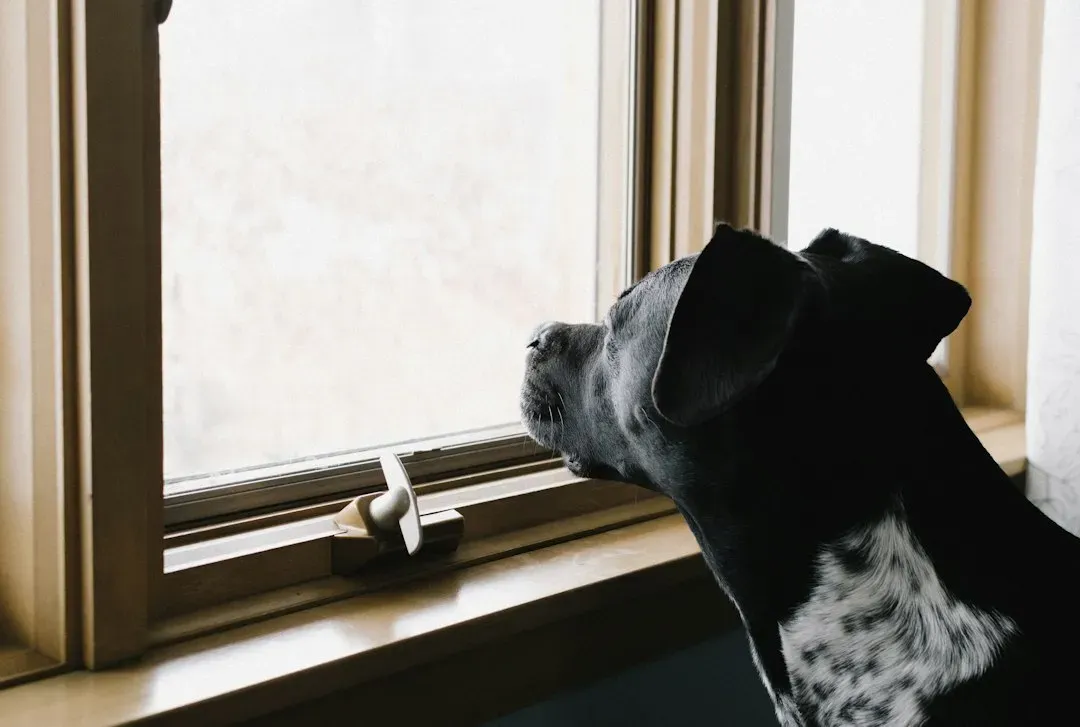
Weeks after I started using the camera intentionally, not just to spy but to actually track progress, something shifted I never expected: the daytime footage finally matched the story I’d always wanted to believe about my dog.
Instead of frantic loops after I left, he now did one slow check of the door, grabbed a chew, and wandered to his bed. Within a few minutes he was stretched on his side, eyes drifting shut. Midday footage showed him shifting positions lazily instead of popping up in alarm. The pacing shrank down to a couple of casual strolls to the water bowl, not desperate tracks worn into the rug.
For the first time, I wasn’t hoping he was okay while I was out. I’d actually seen it.
- Short, structured training sessions at home had more impact than any “miracle” gadget I bought.
- Predictable routines and calm exits changed his emotional baseline more than constant verbal reassurance ever could.
- My own mood walking out the door mattered more than I wanted to admit.
There’s something oddly grounding about that. The mystery disappears. You know, concretely, how your choices land in your dog’s nervous system – whether you like what you see or not.
The Bottom Line

Recording my dog while I was out didn’t just reveal what he did all day. It exposed the gap between the comforting story in my head and the reality actually happening inside my home.
“He probably just sleeps” was often a lie I told myself to feel better about long absences and rushed exits. In many cases, what looks like a calm dog is actually a quietly stressed animal cycling through anxiety, shallow rest, and resignation until the sound of your key in the door finally lets him exhale.
Here’s the uncomfortable, opinionated truth: if you’re not willing to watch how your dog actually copes when you’re gone, you probably shouldn’t be so confident that everything’s fine. Cameras don’t care about excuses. They just reflect our choices back at us in real time. Used well, they push us toward better structure, fairer expectations, and genuinely healthier dogs – not just cleaner baseboards and fewer chewed shoes.
Did your own pet cam ever catch something you didn’t expect? Or did it completely shatter what you thought your dog did all day? Tell us in the comments – because pretending “they just nap” is easy, but comparing it to what actually happens is where the real change starts.