
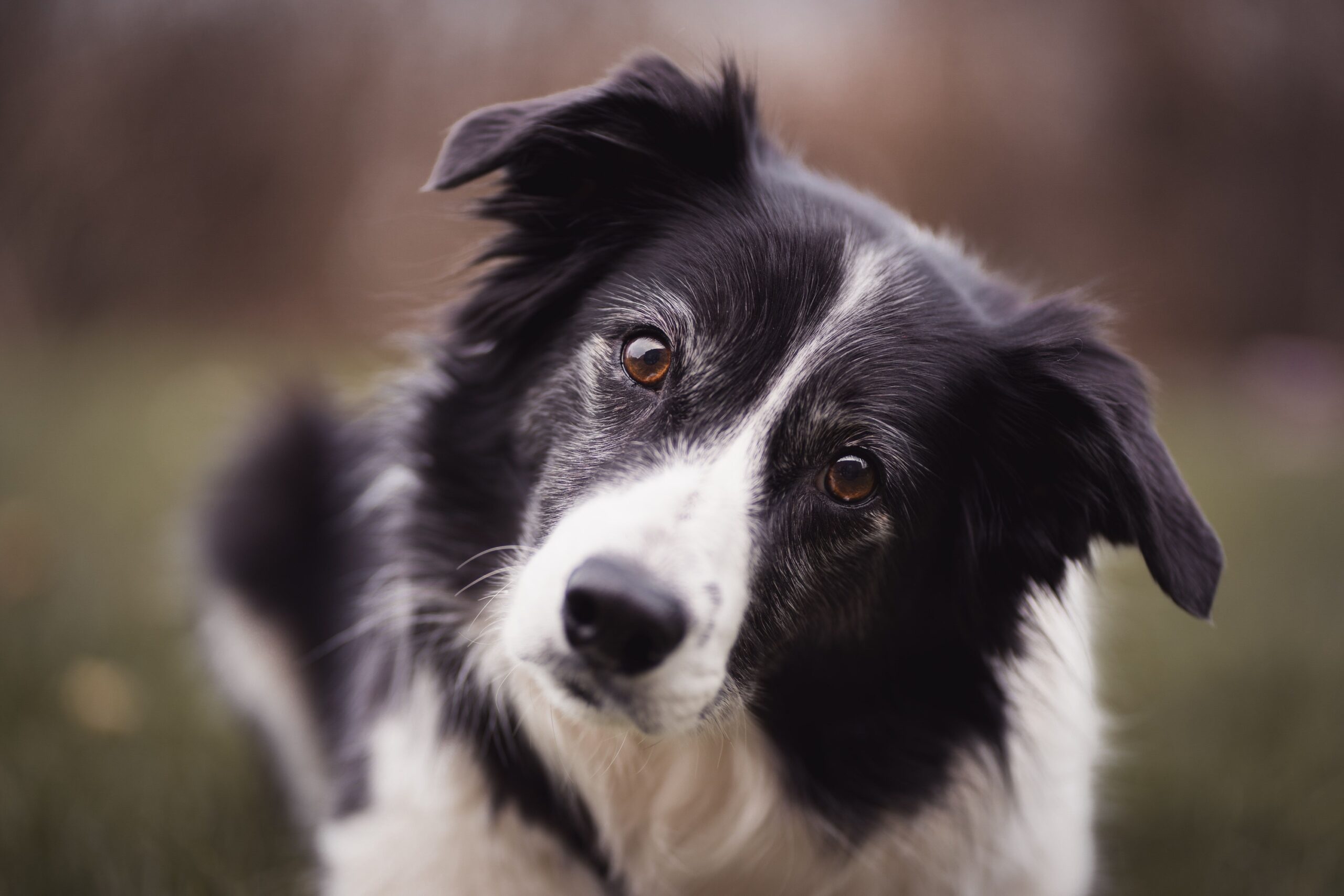
Have you ever leaned in to say hello to a dog, only for them to quietly turn their head away like they’ve just spotted a far more interesting wall? It can feel a little bit like rejection, especially if you adore dogs. But that subtle move might actually be one of the clearest signs that the dog is not rude at all – just desperately trying to keep the peace.
Modern animal behavior research has been slowly decoding these tiny social signals, and they are surprisingly gentle, nuanced, and, honestly, pretty moving. Once you learn to read them, you start to see dogs not as unpredictable or moody, but as emotional beings constantly trying to navigate our chaotic human world without causing trouble. That quiet head turn might be your dog basically saying, in the politest way possible: “I’m a bit overwhelmed right now… can we keep this chill?”
The Calm Truth Behind a Simple Head Turn
It sounds almost too simple: a dog turns its head away, and suddenly trainers and behaviorists perk up, because that tiny action can mean a lot. In dog body language, looking away is often what’s called a calming signal – something an animal does to reduce tension, show they don’t want a fight, and gently defuse an uncomfortable moment. Instead of snapping or growling, many dogs will first try this quiet, polite option.
That means when a dog shifts its gaze, tilts its head away from your face, or seems to study the floor during an intense interaction, it might not be ignoring you at all. It may be choosing harmony over confrontation, which is a pretty admirable social skill. The heartbreaking part is that humans often misread this as stubbornness, aloofness, or even guilt, when in reality it’s closer to a peace offering.
How Dogs Use Body Language to Keep the Peace
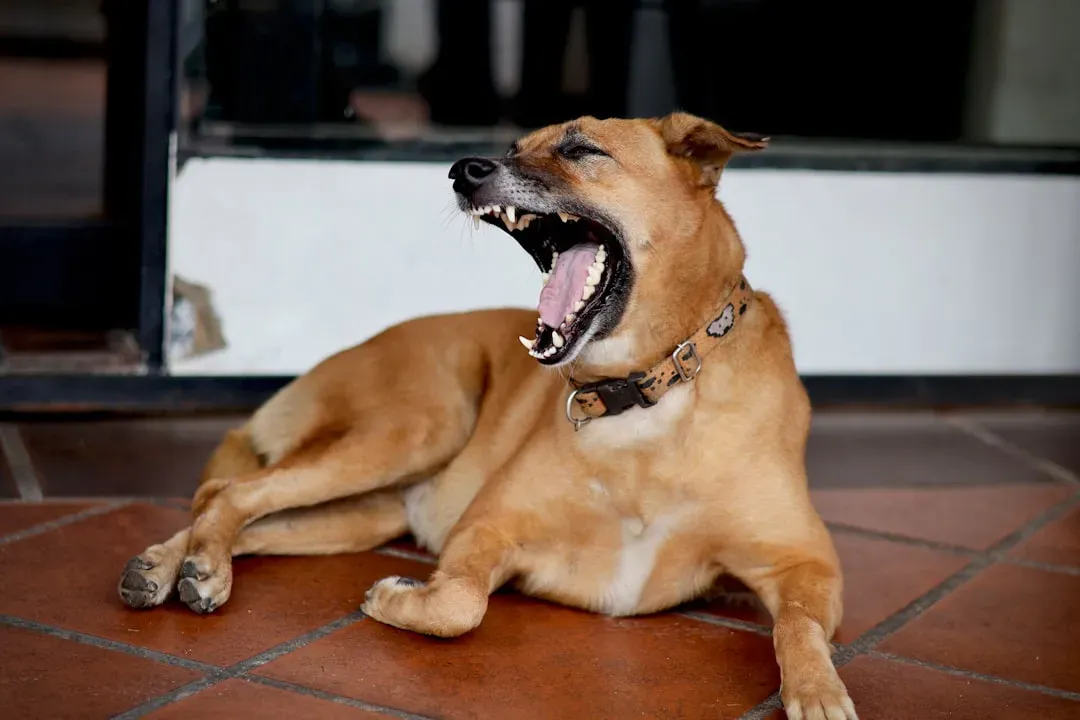
Dogs do not come with subtitles, so they “speak” with their bodies. They use a whole toolbox of small signals to keep things safe and calm: licking their lips when nothing tasty is around, yawning when they are not tired, blinking slowly, sniffing the ground randomly, or curving their body in an arc instead of approaching head-on. Head turning is one of these tools – a soft, non-threatening way of saying they are not looking for trouble.
If you picture human social life, it’s not that different. Think about the last time you avoided eye contact during an awkward conversation to keep things from blowing up. Dogs are doing their own version of that. When a dog notices tension – maybe a stranger leaning over them, another dog staring too hard, or a child hugging too tightly – turning the head is a deliberate move to de-escalate, like stepping slightly to the side of an argument instead of walking straight into it.
Uncomfortable Encounters: What Your Dog Is Really Feeling
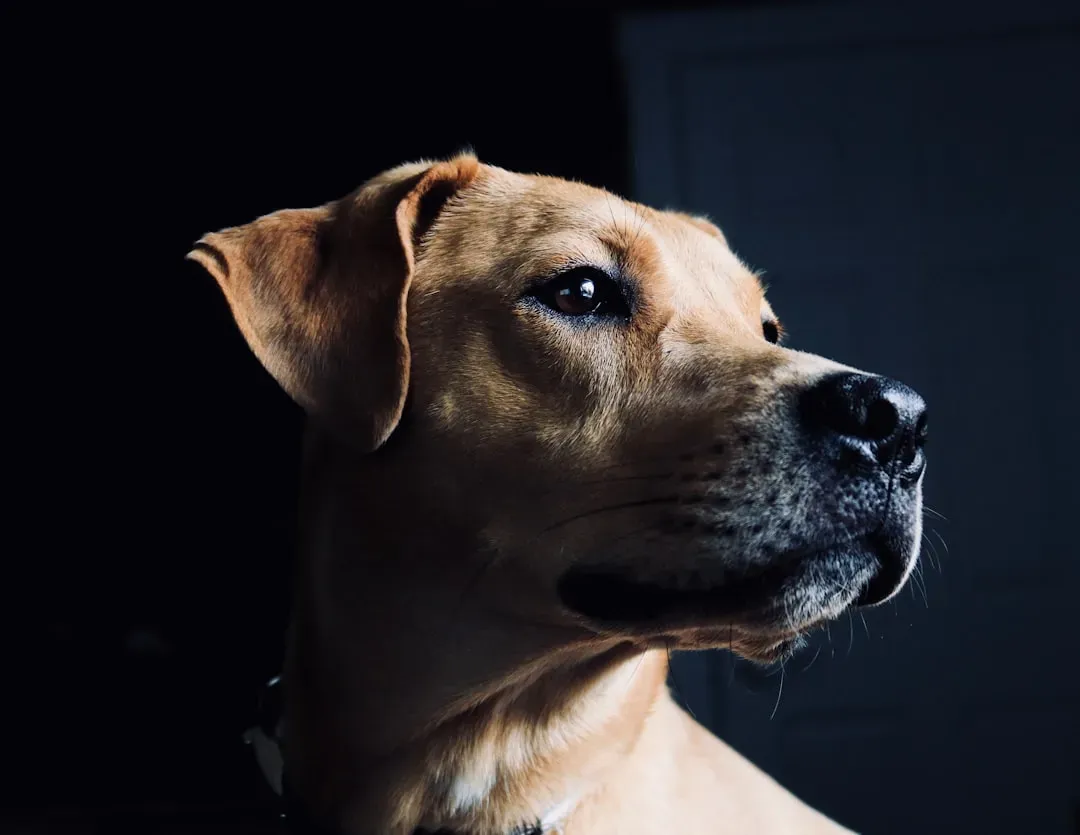
Most dogs do not suddenly explode without warning; they usually spend a good amount of time quietly coping first. During an uncomfortable encounter, that head turn can be the first polite step in a ladder of communication. The dog may be saying, “I’m not totally okay with this, but I’m trying to handle it calmly.” If that doesn’t work and the pressure keeps coming, the signals may grow stronger: the body stiffens, the ears pull back, the tail tucks, or the dog starts to move away.
This is where our interpretation matters. If we think the dog is “fine” because it isn’t growling, we might accidentally push it past what it can handle. I’ve personally watched a dog at a family gathering quietly turn her head away every time a relative tried to hug her; only when she finally gave a quick air-snap did people decide she was “aggressive.” To me, that felt deeply unfair – she had been asking for space all along, just in a language nobody bothered to learn.
Avoiding Conflict vs. Being Unfriendly
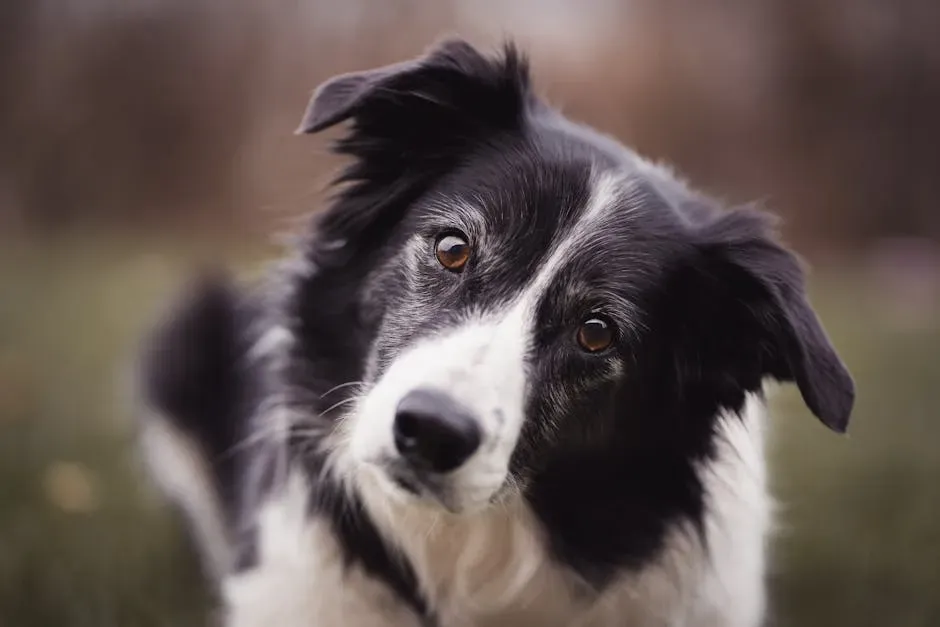
There’s a big difference between being antisocial and being overwhelmed. When a dog turns away, many people assume the dog doesn’t like them, or that it is cold, unbonded, or even dominant. In reality, many dogs who use head turning are actually extremely social, but they rely on subtle body language to negotiate space and safety. They can love you deeply and still need a break in the middle of a smothering hug or an intense staring contest.
Think of it like you at a party: you can enjoy being around people and still step outside for fresh air when the room feels too loud. That doesn’t mean you hate everyone inside. Interpreting a dog’s head turn as avoidance of conflict instead of rejection transforms the emotional story. Suddenly, your dog is not being cold; it is being careful, polite, and surprisingly emotionally intelligent.
Common Situations Where Dogs Turn Their Heads Away
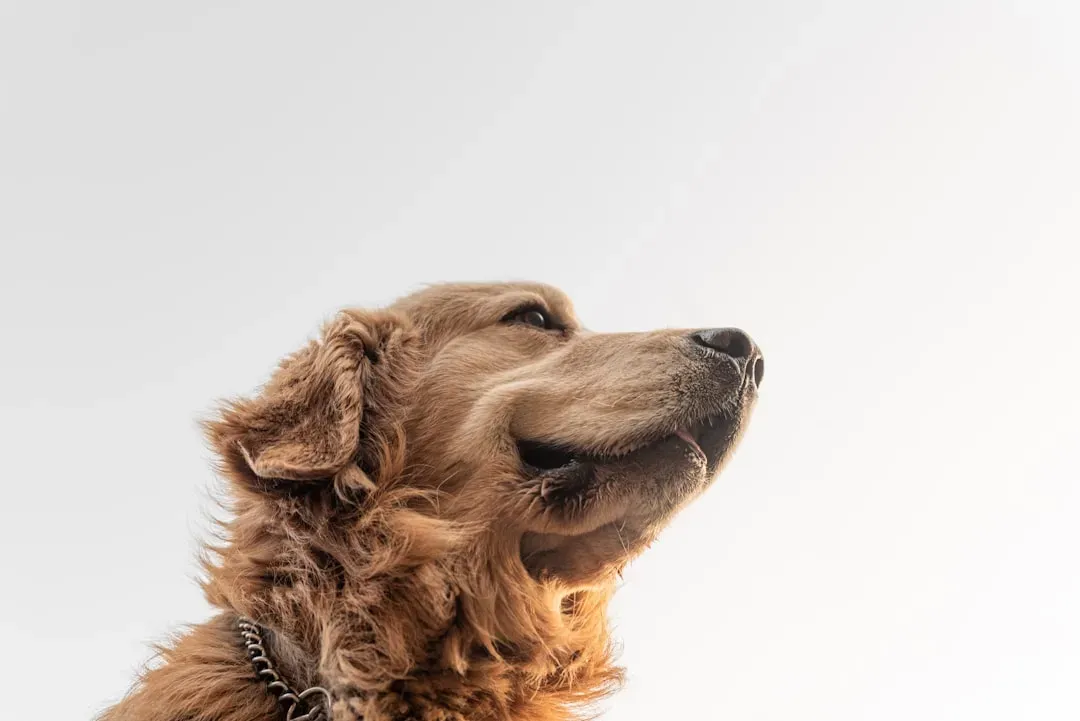
You’ll often notice head turning in everyday scenarios that many people chalk up as “cute” quirks without realizing the emotional weight behind them. A classic example is when someone leans directly over a dog’s face for a selfie or a kiss, and the dog subtly rotates away, maybe even looking off into the distance like it just remembered its taxes. That shift is often the dog’s way of saying that direct face-to-face pressure is a bit too intense.
Another familiar scene is dog-to-dog greetings. Well-socialized dogs rarely storm straight up nose-to-nose; instead, you’ll see them curve their bodies, glance away, or briefly turn their heads before easing closer. They might do the same during play when things heat up, turning away for a second to soften the mood. Once you start noticing it, you see that this gentle head turn is scattered everywhere in their social lives, like punctuation marks in a careful conversation.
How You Should Respond When Your Dog Turns Away
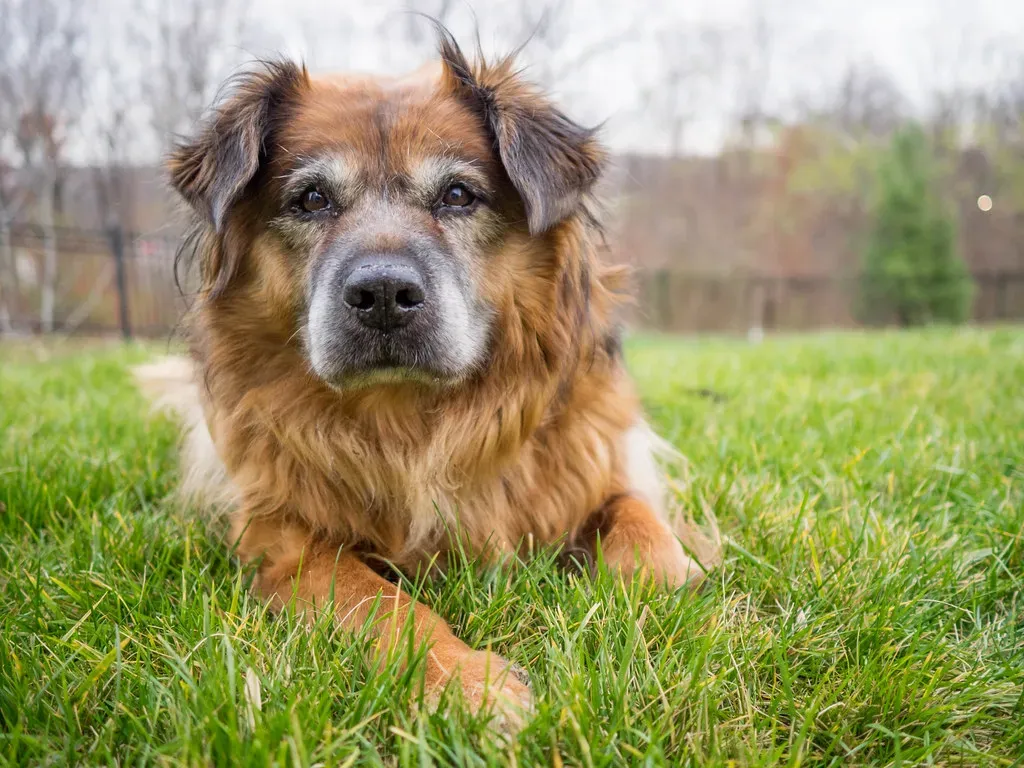
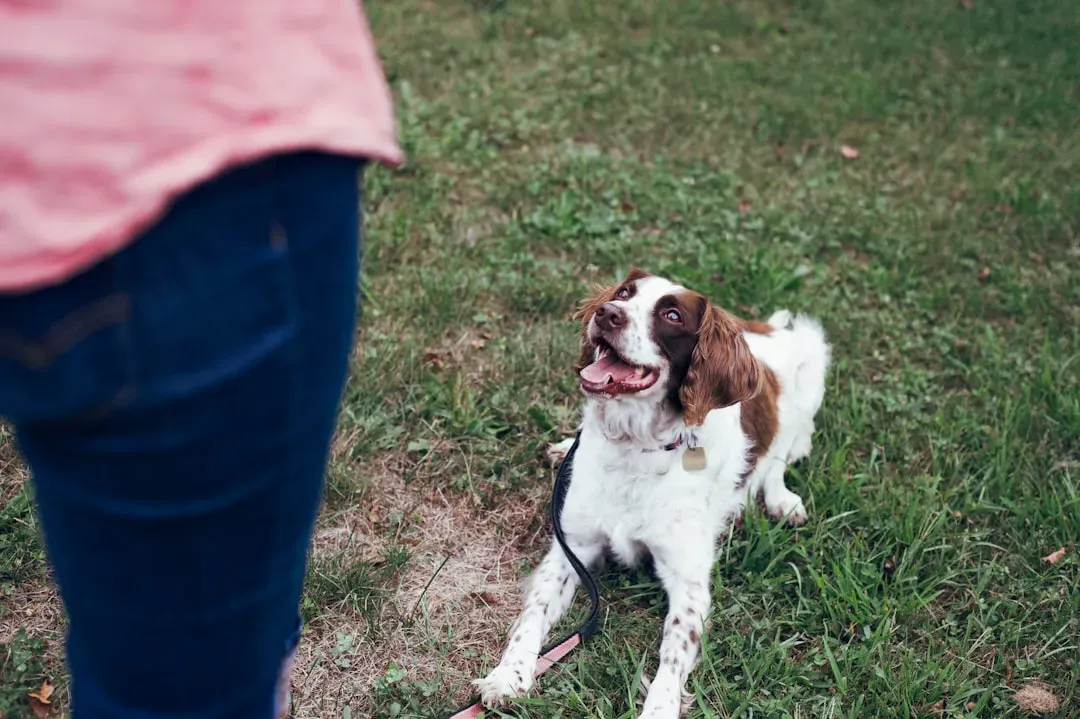
When you see your dog turn its head away in a tense or uncomfortable context, the kindest response is to back off a little and give it space. That could mean stopping the hug, turning your own body sideways, lowering your voice, or asking kids to pause the interaction. Instead of taking it personally, try to treat it as valuable feedback. Your dog is trusting you enough to communicate softly instead of skipping straight to a growl or snap.
Over time, this respectful response can dramatically strengthen your bond. When a dog learns that subtle signals actually work – that turning its head or looking away leads to more comfortable interactions – it has less reason to escalate. You become a safer, more predictable partner in its eyes. To me, that’s one of the most underrated forms of love in dog guardianship: not just feeding and walking them, but honoring the quiet ways they say, “I need a moment.”
Why Rethinking “Unfriendly” Dogs Makes Us Better Guardians
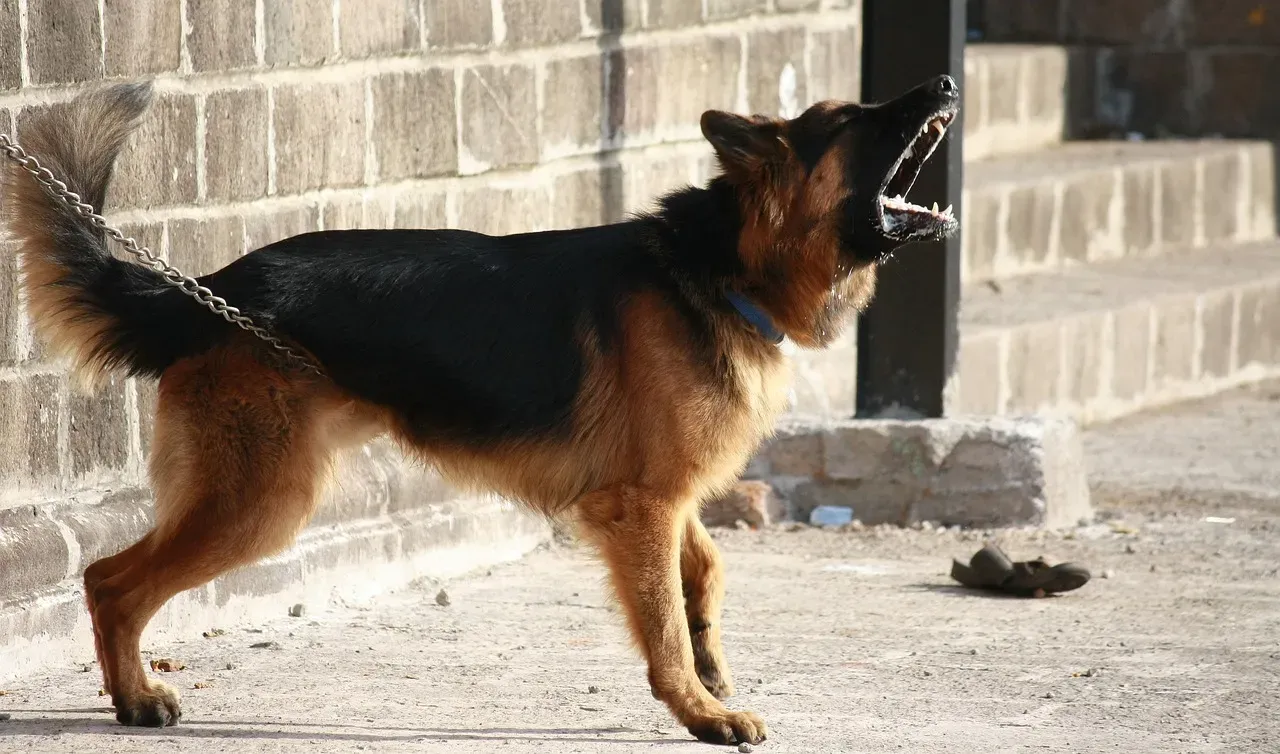
Labeling dogs as unfriendly because they disengage or look away is not only unfair, it can be dangerous. It teaches people to ignore early warning signs and to push contact when a dog is clearly asking for a softer approach. When we flip the narrative and see these behaviors as conflict-avoidance and self-protection, we suddenly have a chance to prevent bites, reduce stress, and build trust. A dog that feels heard is often a dog that feels safer and more relaxed around people.
Personally, I find it almost humbling to realize how hard many dogs work to coexist peacefully with us, despite how invasive and confusing our behavior must sometimes feel. A quiet head turn in the middle of an uncomfortable moment is not a snub; it is a peace treaty. If we choose to interpret it generously, we do right by the animal in front of us and by the relationship we say we value so much.
Conclusion: The Small Signal That Changes Everything
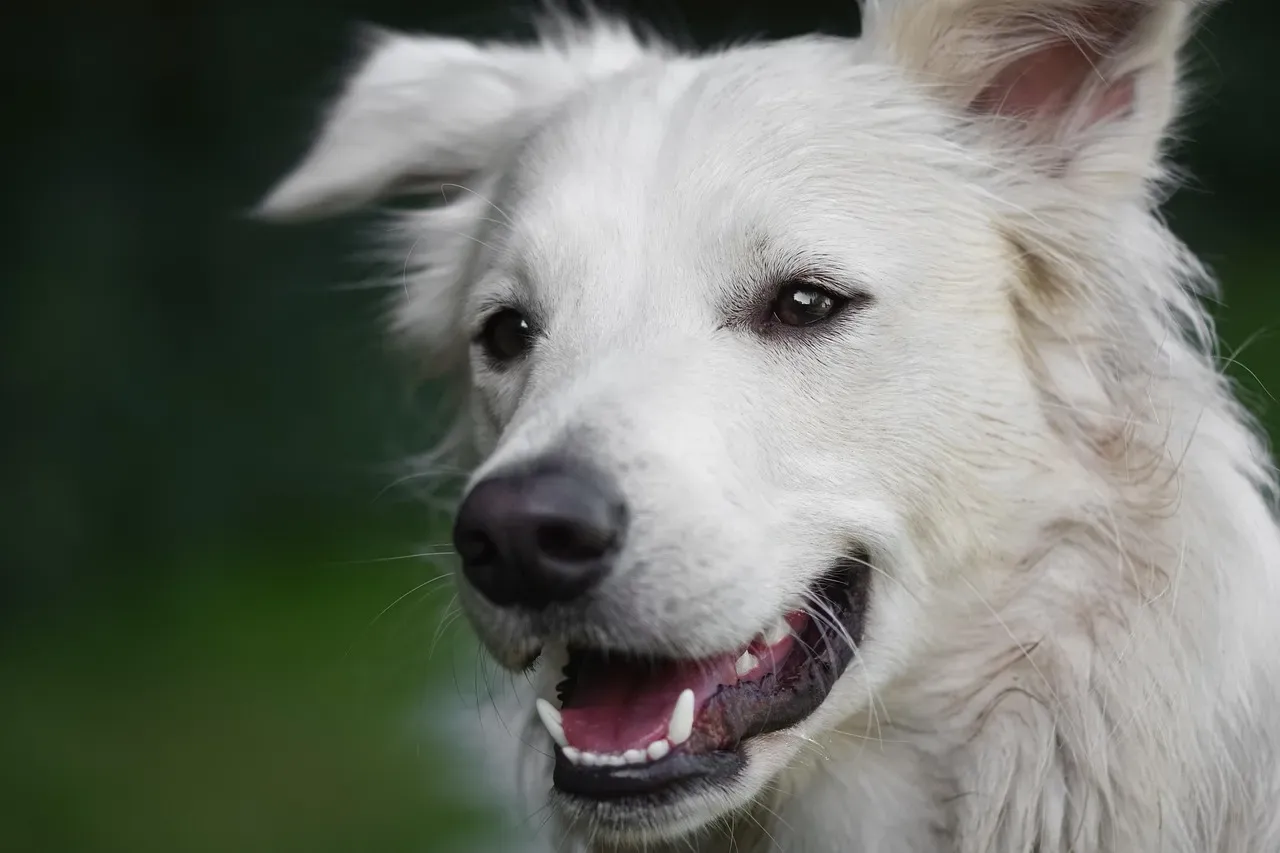
When you zoom out, the idea that a dog turning its head away is trying to avoid conflict rather than being unfriendly is not just a neat animal-psychology fact – it is a challenge to our own habits. It asks us to slow down, notice the tiny gestures, and stop expecting dogs to tolerate constant pressure without complaint. In my view, ignoring these quiet signals and then blaming dogs when they finally protest is one of the most human mistakes we make, and it is long overdue for a rethink.
If we start treating that simple head turn as a meaningful statement instead of a snub, we show our dogs that we are willing to meet them halfway. We become less pushy, more observant, and a lot more compassionate. Maybe the real question is not whether a dog is being unfriendly, but whether we are listening at all. Next time a dog turns its head away from you, will you see rejection – or will you recognize a gentle request for peace?


